
Nov . 28, 2025 14:35 Back to list
Wiper Ring Piston – Design, Benefits & Global Applications Explained
What Is a Wiper Ring Piston and Why Should You Care?
If you’ve ever peeked under the hood of an engine or peeked at hydraulic systems, you might have come across the term wiper ring piston. It’s one of those subtle yet critical components that keep machinery running smoothly and efficiently. Basically, it prevents dirt and contaminants from sneaking past the piston, which — frankly — can save you a lot of trouble down the line. But beyond the mechanic’s toolbox, understanding this small part offers insights into reliability and sustainability in mechanical systems across many industries worldwide.
Globally, machine downtime leads to billions in losses every year. And since the wiper ring piston plays a role in extending component life and improving maintenance cycles, getting to know it isn’t just for engineers — it’s useful for anyone interested in how we keep modern industry humming.
The Global Context: Why Wiper Ring Pistons Matter in Today’s Industry
According to the International Organization for Standardization (ISO), the longevity and reliability of piston-driven equipment are directly affected by sealing solutions like wiper rings. The World Bank estimates that industrial machinery downtime across sectors causes up to 5% of annual GDP losses in developing countries alone.
In rough environments—think mining in Australian Outback, oil fields in the Middle East, or construction sites in sub-Saharan Africa—wiper ring pistons prevent abrasive damage and keep hydraulic systems efficient. The challenge? Contaminant ingress in harsh conditions can quickly degrade equipment and sharply increase maintenance costs.
Defining the Wiper Ring Piston: What It Is and What It Does
Put simply, a wiper ring piston is a sealing component installed around pistons in hydraulic cylinders and engines. Its job is twofold: it “wipes” away dust, dirt, water, and other contaminants from the cylinder walls as the piston moves, and it seals lubricant inside to reduce friction and wear.
It sounds simple but this small ring dramatically extends piston life. In sectors like heavy machinery manufacturing, agriculture, or automotive engineering, wiper rings ensure that equipment runs longer with fewer breakdowns. Not to mention, they reduce environmental contamination risks by minimizing oil leaks.
Mini takeaway:
- The wiper ring piston protects machinery from dirt and moisture ingress.
- It preserves lubrication to reduce wear and improve durability.
- This component has broad applications from construction to automotive.
Key Components That Define a High-Quality Wiper Ring Piston
1. Material Composition
Most wiper rings are made from polyurethane or Teflon (PTFE) compounds. Polyurethane offers excellent abrasion resistance, while PTFE is known for low friction and chemical resistance. Some OEMs prefer blends for specific hydraulic fluids or temperature ranges.
2. Durability & Abrasion Resistance
Good wiper rings must endure extreme cycles without cracking or deforming. Engineers often conduct rigorous tests to simulate wear. The smarter designs balance hardness with flexibility—too stiff, and they risk fracturing under stress.
3. Seal Tightness & Leakage Prevention
The ring must “wipe” contaminants off but not create excessive friction that impedes piston movement. That delicate balance depends on precise dimensions and surface finishes. Even slight deviations can cause leaks or premature failure.
4. Compatibility & Customization
Because pistons come in all shapes and sizes, wiper rings need to be tailored. Many manufacturers offer custom dimensions and compound formulations to match specific machinery needs.
5. Cost Effectiveness
While advanced materials improve performance, cost remains critical for mass industrial use. Choosing the right balance between price and durability often hinges on anticipating operating environments accurately.
Mini takeaway:
- Material choice directly impacts wear resistance and chemical compatibility.
- Precision in design is key to balancing sealing and friction.
- Customization allows wiper rings to serve varied global applications.
Wiper Ring Piston: Real-World Applications Around the Globe
In North America, agricultural machinery relies heavily on robust wiper rings due to dusty, soil-heavy environments. In Europe, automotive manufacturers invest in high-precision piston seals to meet stringent emission controls and improve engine efficiency.
In Asia-Pacific’s booming construction sector, hydraulic excavators and cranes operate in mud and sand — requiring durable wiper ring pistons to keep operations steady. Oddly enough, NGOs deploying mobile water pumps in disaster relief zones also need dependable hydraulic cylinders protected from dirt intrusion.
For instance, a well-known equipment rental company in Australia noted a 25% reduction in hydraulic failures after upgrading to polyurethane-based wiper rings tailored for desert climates. That’s roughly thousands of dollars saved in downtime alone.
Product Specification Table
| Specification | Typical Values | Notes |
|---|---|---|
| Material | Polyurethane / PTFE | Depends on application |
| Operating Temperature | -40°C to +120°C | Varies with material |
| Hardness (Shore A) | 70-90 | Critical for wear resistance |
| Max Pressure | up to 350 bar | Hydraulic system limit |
| Typical Lifespan | 18 to 36 months | Depends on usage conditions |
Why Opt for Wiper Ring Pistons? The Advantages and Long-Term Payoff
Engineers and equipment owners often rave about the reduced maintenance cycles wiper ring pistons allow. It’s not just a cost thing, but a reliability factor—knowing your hydraulics won’t seize mid-shift gives a certain peace of mind. Many operators also mention improved environmental compliance because fewer oil leaks mean less contamination.
There’s also an emotional side, oddly enough—machinery operators tend to feel more confident when their equipment ticks over smoothly without unexpected faults. Trust in durability isn’t something you can quantify easily, but it’s a big deal on job sites worldwide.
Vendor Comparison Table: Choosing the Right Supplier for Wiper Ring Pistons
| Vendor | Material Options | Customization | Typical Lead Time | Approx. Price Range (USD) |
|---|---|---|---|---|
| HKaiseal | Polyurethane, PTFE, blends | High (sizes, hardness, compounds) | 2-3 weeks | Mid-range |
| SealTech Solutions | Polyurethane only | Limited | 4 weeks | Budget |
| AdvancedSeal Corp. | PTFE, hybrid composites | Moderate | 3 weeks | Premium |
What’s Next? Future Trends & Innovations
Looking ahead, we see digital monitoring paired with advanced materials driving a new era for wiper ring pistons. Imagine smart seals capable of signaling wear via embedded sensors, cutting maintenance guesswork. Meanwhile, greener compounds derived from bio-based polymers are starting to replace traditional petrochemical materials — a nod to sustainability goals.
Automation in manufacturing also means tighter tolerances, shrinking variability and improving performance consistency. It feels like the wiper ring piston might be a small thing, but it’s on the frontier of industrial innovation.
Challenges in Current Use and How Experts Are Addressing Them
One big concern is premature failure due to incorrect material selection or poor installation—something many operators still underestimate. I’ve heard from field engineers that training and quality control during assembly can cut down failures significantly.
Some manufacturers also tackle the problem via modular designs, making replacement simpler and faster, limiting downtime. Still, the corrosive environments and ever-changing chemical fluids can be a real test, and ongoing R&D is crucial.
FAQ: Your Top Questions About Wiper Ring Pistons
- 1. How do I choose the right wiper ring piston material for my machine?
- Consider your operating temperature, fluid type, and environmental conditions. Polyurethane works well for abrasion resistance while PTFE suits chemically aggressive or high-temp settings. Consulting with your supplier on your exact specs helps.
- 2. Can I retrofit existing pistons with new wiper rings?
- Generally, yes. Most manufacturers offer retrofitting options, but exact sizing and compatibility are essential to avoid leaks or damage. Check with your machine OEM or wiper ring vendor before installation.
- 3. How often should wiper ring pistons be replaced?
- It depends on use intensity and environment. Typically, they last 18–36 months, but harsh conditions can shorten this. Regular maintenance checks catch wear before catastrophic failure.
- 4. Are custom wiper ring pistons expensive compared to standard sizes?
- Custom solutions usually cost more upfront but can reduce long-term costs by extending machine life. For specialized equipment, customization is often worthwhile.
- 5. Where can I purchase reliable wiper ring pistons online?
- Reputable suppliers like HKaiseal offer a wide range of standard and customized wiper ring pistons with technical support and timely delivery worldwide.
Wrapping It Up: Why the Wiper Ring Piston Deserves More Attention
Understanding the humble wiper ring piston is actually a window into how we keep our industries moving efficiently, sustainably, and safely. That little ring protects big machines from the everyday assault of dirt and wear — and when it does its job well, the ripple effects save money, improve reliability, and lower environmental impact.
If you’re intrigued or want to ensure your machines get this essential protection, a good place to start is checking out offerings from trusted vendors like wiper ring piston specialists.
References
-
Guide to Choosing the Right High Quality hydraulic ram kit
NewsApr.16,2026
-
Premium Hydraulic Cylinder Packing Kits for Peak Performance
NewsApr.09,2026
-
Comprehensive Guide to Hydraulic Cylinder Oil Seal Kits for Optimal Performance
NewsApr.07,2026
-
Comprehensive Guide to Choosing the Right Cylinder Seal Kits for Peak Performance
NewsApr.04,2026
-
Comprehensive Guide to Seal Kits for Cylinders Ensuring Optimal Performance
NewsMar.31,2026
-
Comprehensive Guide to Hyd Cylinder Seals for Optimal Hydraulic System Performance
NewsMar.28,2026
-
Comprehensive Guide to Hyd Cylinder Seal Kit Selection and Installation
NewsMar.26,2026
Products categories
-
Standard oil seal BP0494 High pressure TCN oil seal
-
Hydraulic pump seal AP4624G high pressure TCN oil seal
-
0734307418 0750112169 120*165*10/14.8 concrete mixer reducer oil seal
-
35*52*16 Standard Wheel Hub Oil Seal For Agricultural Machinery
-
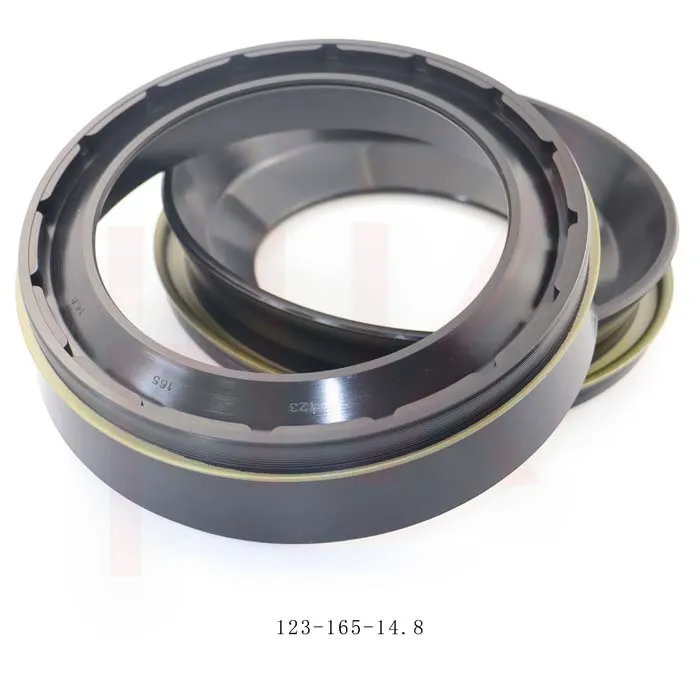
123*165*14.8 concrete mixer truck reducer oil seal
-
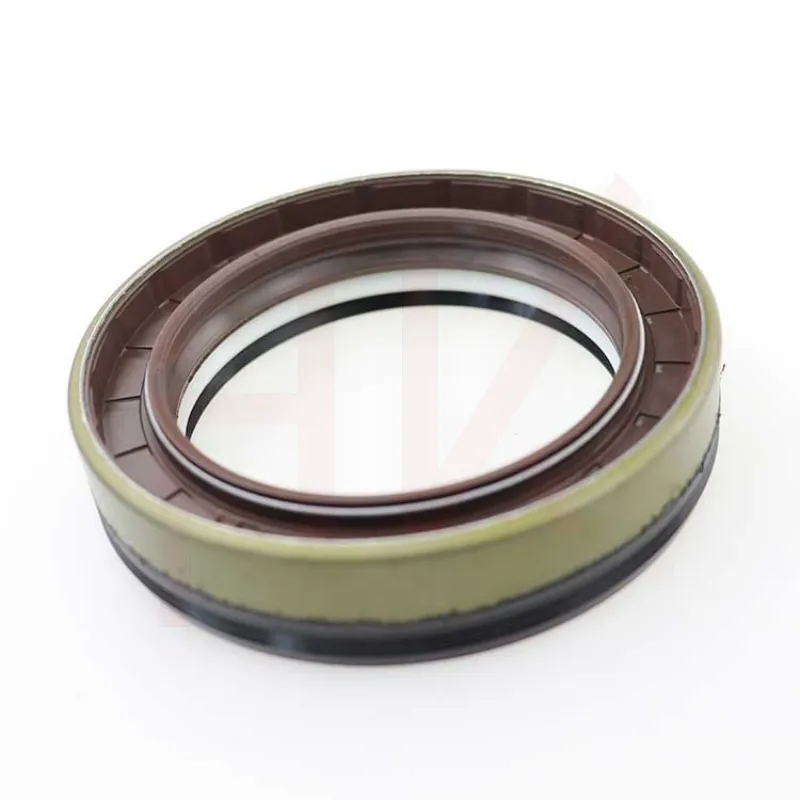
Tractor shaft oil seal 65-90-20 COMBI SF19 hub oil seal
-
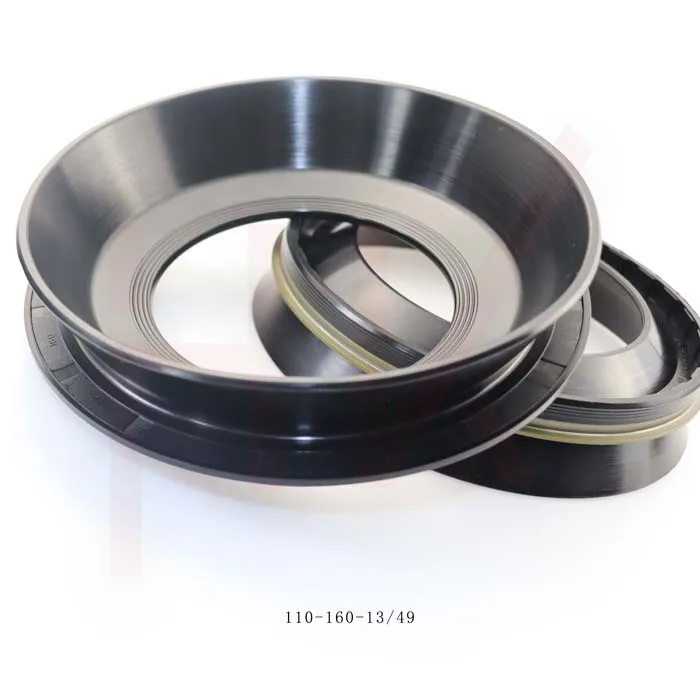
110*160*13/49 NBR reducerConcrete mixer truck oil seal
-
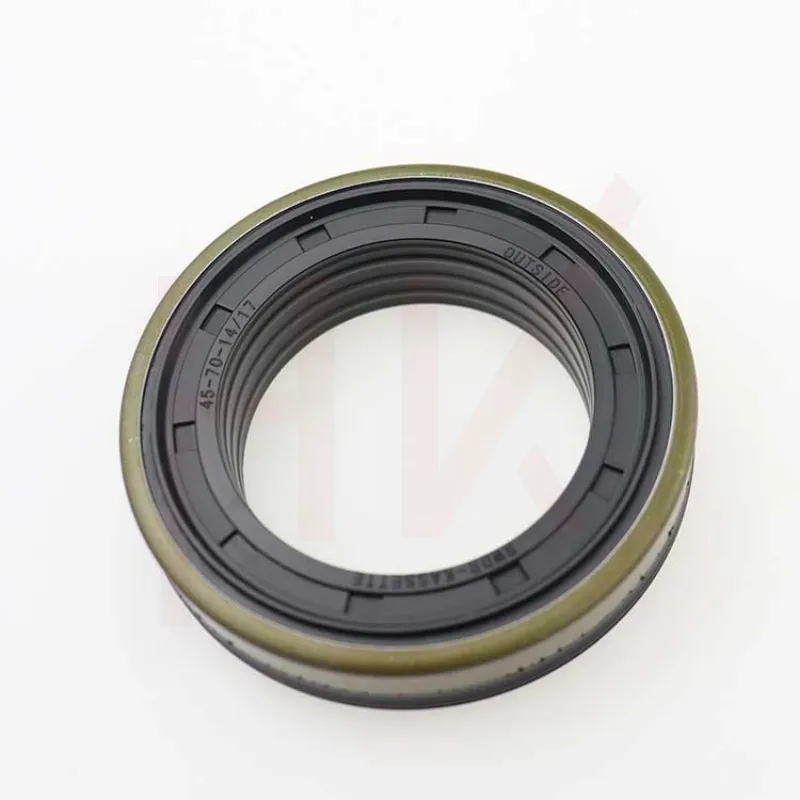
Hub oil seal 40*65*13/14.5 suitable for tractor Cat 12018035b
-
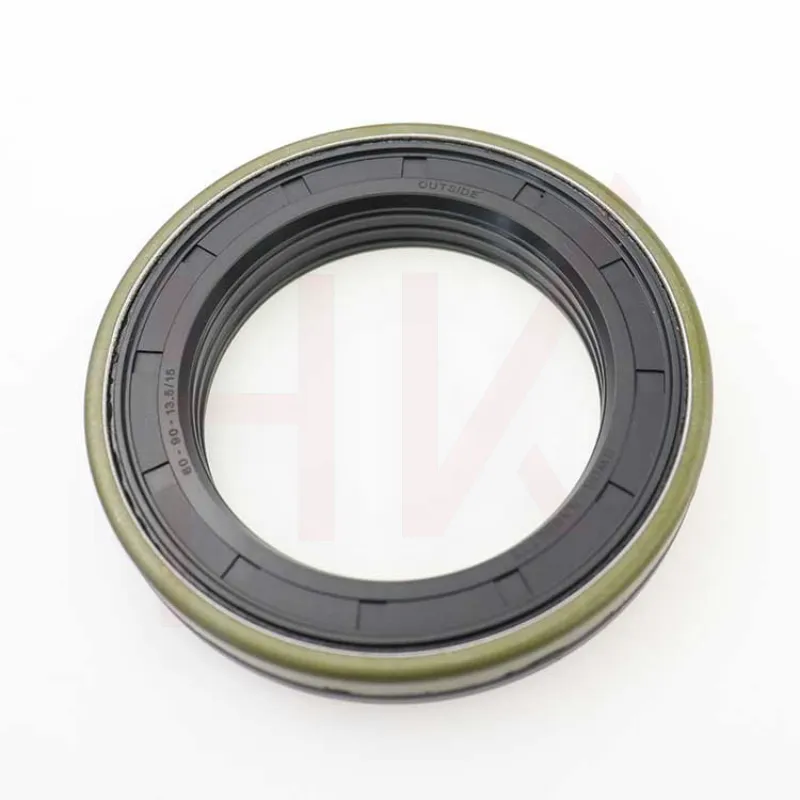
Tractor accessories cassette oil seal hub oil seal 60-90-13.5/15
-
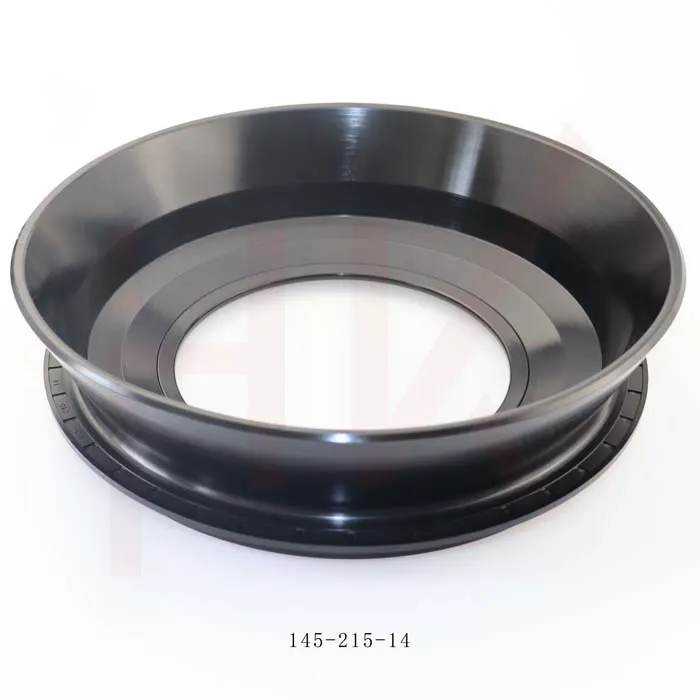
Factory concrete mixer truck oil seal 145*215*14 reducer gearbox oil seal
-
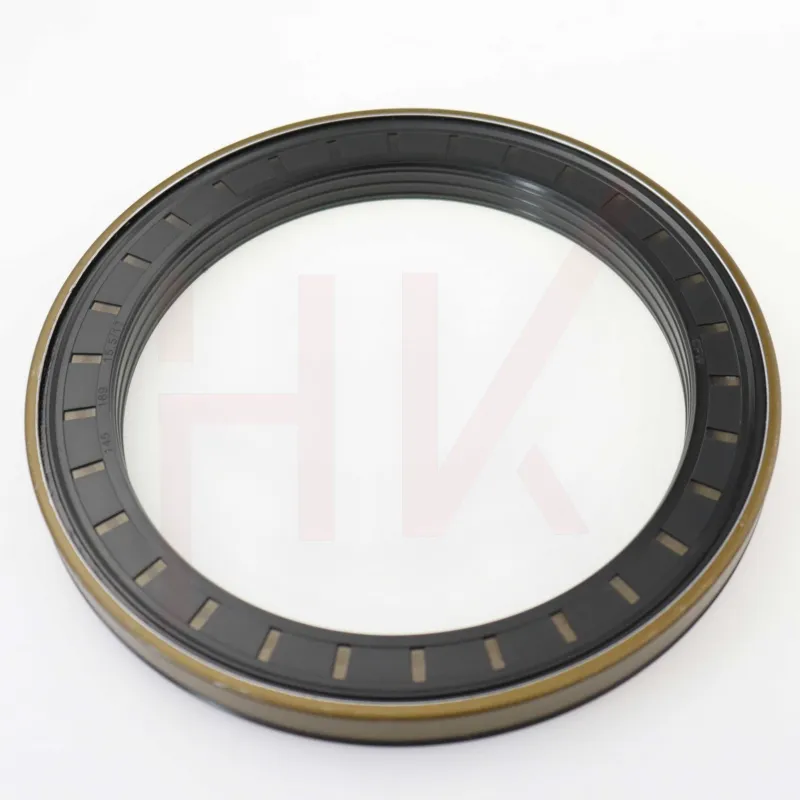
145*189*15.5/17 Cassette Seal NBR Hub Oil Seal 1508044
-
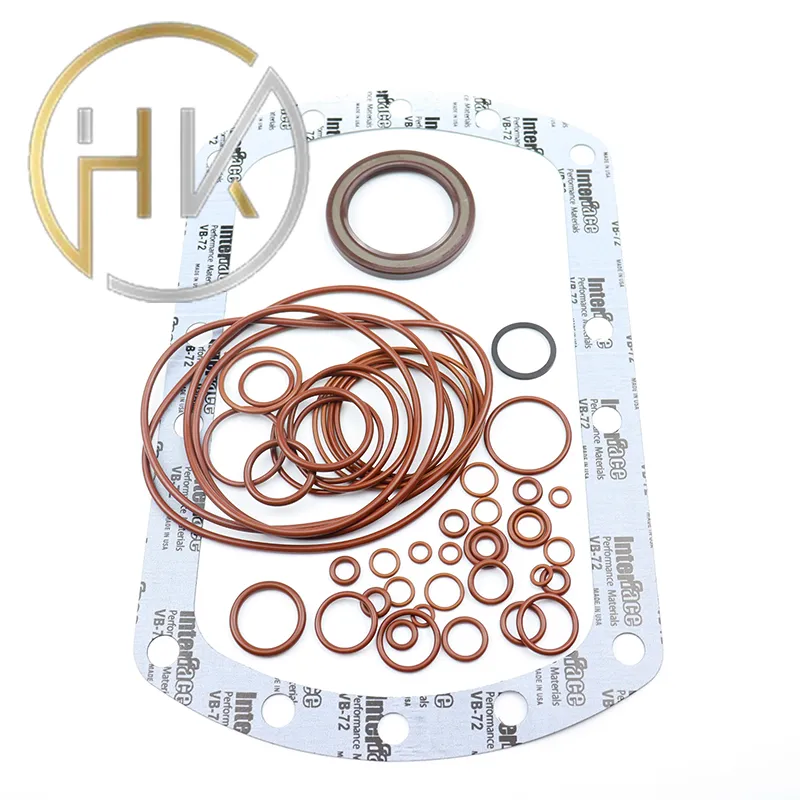
Factory direct sales hydraulic pump motor seal kit A8VO140
-
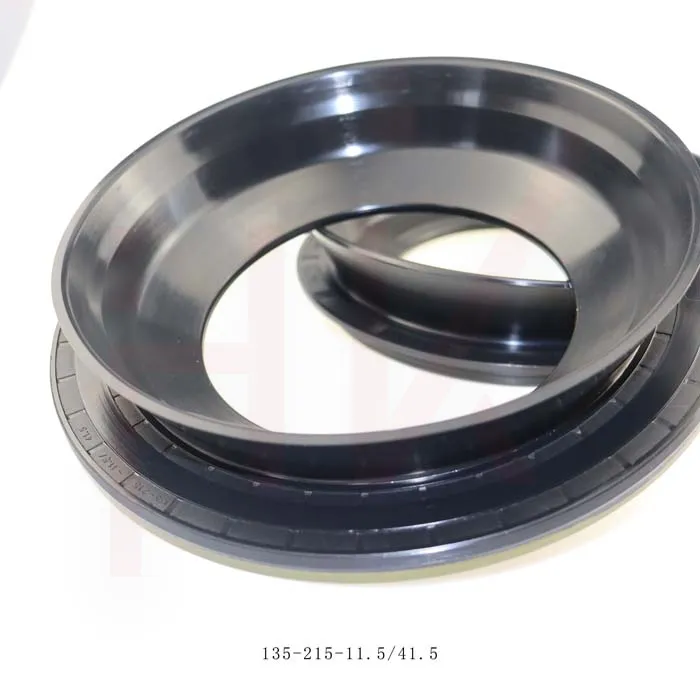
Brand new cement tanker oil seal 135*215*11.5/41.5 concrete mixer oil seal
-
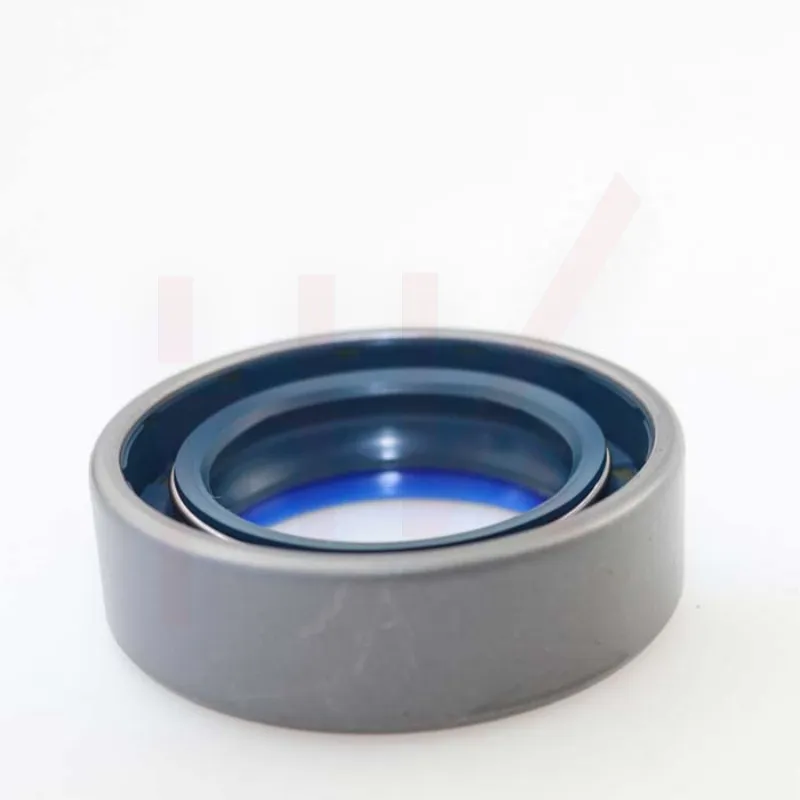
45*65*15 Combi oil seal JCB 90450009 COMBI SF1 SEAL
-
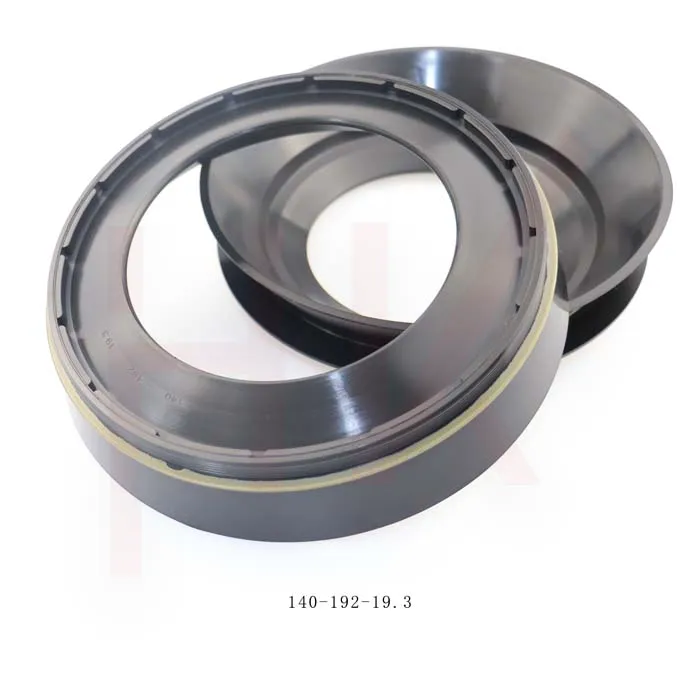
Gear box concrete mixer oil seal 140*192*19.3 nbr reducer oil seal
-
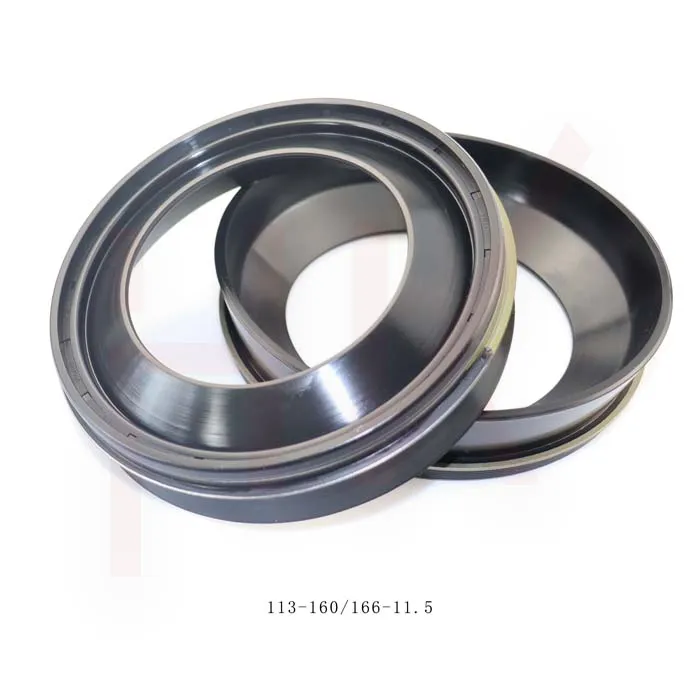
Seals factory direct sales 113*160/166*11.5/38 excavator truck reducer oil seal