
Nov . 28, 2025 13:05 Back to list
Reliable Wiper Gaskets for Industrial Sealing Solutions | HKA I Seal
What is a Wiper Gasket and Why Should You Care?
At first glance, a wiper gasket might sound like technical jargon only a handful of engineers should worry about. But in reality, it’s one of those unsung heroes quietly working behind the scenes in countless industries worldwide. Simply put, a wiper gasket is a seal designed to keep contaminants like dust, grime, and moisture from entering sensitive mechanical areas—most commonly seen in hydraulic cylinders or rotating shafts.
Globally, as industries evolve and machinery uptime becomes mission-critical, the importance of these small but mighty components becomes clear. Understanding wiper gaskets doesn’t just benefit manufacturers; it’s vital for sectors ranging from construction and automotive to disaster relief logistics. Getting this right means longer-lasting machines, reduced maintenance costs, and fewer unexpected breakdowns that can hold up entire projects.
Mini takeaway: Think of a wiper gasket as the machine’s first line of defense, preserving performance and reliability around the clock.
Why Wiper Gaskets Matter Globally
The appeal of a good wiper gasket isn’t restricted by borders. According to the International Organization for Standardization (ISO 11228-1) and sector reports, industrial downtime costs billions annually, much due to contamination-induced wear and tear. This is a problem whether you’re operating heavy machinery in cold Siberia or managing irrigation pumps in India’s Ganges delta.
Around the world, increased automation and tighter environmental regulations demand effective sealing solutions. For example, ISO 3601 standards ensure gasket quality worldwide, which pushes manufacturers toward greater durability and eco-friendliness in their components. The challenge? Designing seals that perform consistently in wildly different climates and usage conditions.
Wiper gasket technology directly addresses these challenges, offering companies a trustworthy solution to extend equipment life and enhance sustainability.
Mini takeaway: Global industrial progress hinges on reliable components like wiper gaskets that keep machines clean and efficient.
Wiper Gasket: What Exactly Is It?
In plain English, a wiper gasket is a specialized seal fitted on machines where shafts or rods slide back and forth. Its primary job? To “wipe” away dirt, dust, or liquids before those unwelcome guests sneak into critical seals or bearings. Think of it as a windshield wiper for your machinery—designed to keep internal environments clean and reduce wear.
This simple function has profound implications, especially in modern industries that rely heavily on hydraulics or pneumatic systems. Humanitarian relief efforts, such as mobile water purification units or temporary shelters, often use equipment where maintenance access is limited. Here, durable wiper gaskets can literally mean the difference between operational and disabled machinery.
Key Features of Effective Wiper Gaskets
1. Durability Under Stress
Materials like polyurethane or nitrile rubber are common because they balance toughness with flexibility. A wiper gasket needs to survive abrasion from dirt while enduring temperature swings from -40°C up to +120°C in some cases. Engineers often select compounds that resist chemical exposure—especially important in industrial or agricultural settings.
2. Tight Sealing Capability
It’s not just about keeping dirt out—it’s about preventing lubrication loss as well. The gasket’s lip profile and pressure resistance help maintain the right seal pressure, ensuring that valuable hydraulic fluids or grease don’t escape.
3. Easy Installation and Replacement
Since these gaskets inevitably wear, their design often includes features that make swapping them out quick and tool-friendly. This minimizes downtime—an important cost saving.
4. Cost Efficiency
Good wiper gaskets strike a balance between price and performance. Too cheap, and they wear fast; too expensive, and maintenance budgets blow out. Manufacturers spend a lot of time vetting suppliers to find this sweet spot.
5. Customizability
Specs differ between vertical industrial pumps, automotive steering gear, or heavy-duty construction lifts, so custom sizing and materials are common. Vendors increasingly offer bespoke options to meet client demands.
Mini takeaway: The best wiper gaskets balance toughness, sealing ability, ease of maintenance, and price—tailored to their unique environment.
Where Are Wiper Gaskets Making a Difference?
Their scope is pretty broad. In hydraulic excavators in the Middle East deserts, wiper gaskets shield pistons from sand intrusion, drastically reducing wear costs. Meanwhile, in European automotive manufacturing, precision-molded wiper seals optimize assembly line machinery uptime.
- Disaster Relief Operations: Mobile water pumps equipped with reliable wiper gaskets sustain critical operations even in muddy or debris-filled zones.
- Remote Mining Industries: Machines running in rugged, dusty environments rely heavily on these seals to avoid failures that could cost thousands daily.
- Agricultural Machinery: In South America, robust wiper gaskets help irrigation systems resist dirt and chemical fertilizers.
Mini takeaway: The humble wiper gasket quietly supports industries essential for infrastructure, safety, and quality of life worldwide.
Realistic Product Specifications
| Specification | Typical Value |
|---|---|
| Material | Polyurethane / Nitrile Rubber |
| Max Temperature | 120°C (248°F) |
| Hardness (Shore A) | 85 ± 5 |
| Operating Pressure | Up to 20 MPa |
| Typical Lifespan | 12–24 months (depending on use) |
| Installation | Snap-fit or press-in |
Vendor Comparison for Wiper Gaskets
| Feature | HKA I Seal | SealTech Co. | Gasket Pro |
|---|---|---|---|
| Material Options | Polyurethane, NBR, Viton | NBR, EPDM | Polyurethane, Rubber blends |
| Custom Sizing | Available on request | Standard sizes only | Available for bulk orders |
| Maximum Operating Temp | 120°C | 100°C | 110°C |
| Lead Time | 1–2 weeks | 3–4 weeks | 2–3 weeks |
| Delivery Regions | Worldwide | Europe & Asia | North America, Asia |
The Advantages and Long-Term Value of Using Quality Wiper Gaskets
Beyond the immediate mechanical benefits, installing reputable wiper gaskets means tangible cost savings over time. Many engineers swear by the reduction in frequent seal replacements and minimized downtime during peak operations. Plus, the sustainability angle is clear: fewer discarded parts and less hydraulic fluid leakage translates to a greener industrial footprint.
On the human side of things, reliable machinery means enhanced safety and operational trust. A well-sealed hydraulic lift is less likely to fail under load. For many users, peace of mind counts as a benefit all on its own.
Mini takeaway: Wiper gaskets might be small, but their value ripples far—cutting costs, boosting safety, and nudging industries toward eco-friendlier futures.
Emerging Trends Shaping Wiper Gasket Technology
It’s fascinating how material science keeps pushing the envelope here. Biodegradable or recycled elastomers are slowly gaining traction. Imagine a world where worn-out gaskets don’t end up in landfill, but safely degrade or recycle.
Another big push is in smart manufacturing—digital sensors embedded into sealing systems that monitor wear in real-time, alerting operators before problems escalate. It feels like a glimpse into a more predictive maintenance future.
And with green energy projects like offshore wind farms, specialized wiper seals designed to battle saltwater corrosion and extreme conditions are increasingly critical.
Challenges in Wiper Gasket Usage and How to Address Them
Of course, the perfect seal is always somewhat elusive. Rapid wear in extreme environments or chemical incompatibility can cause failures. Supply chain delays and inconsistent quality from less reputable vendors pose other hurdles.
Experts recommend proactive communication with suppliers, specifying environmental conditions in detail, and testing samples early to sidestep surprises. Innovations like hybrid materials and modular seal kits can also simplify maintenance in remote locations.
FAQ: Your Top Questions About Wiper Gaskets Answered
- What materials are best for wiper gaskets in cold climates?
- Polyurethane and nitrile rubber variants with low-temperature flexibility are ideal, resisting cracking and maintaining sealing ability down to -40°C.
- How often should I replace wiper gaskets on hydraulic cylinders?
- Replacement cycles vary, but typical lifespans range from 12 to 24 months under normal industrial conditions. Regular inspections can catch wear early.
- Can wiper gaskets prevent fluid contamination completely?
- While they significantly reduce contamination, no seal is 100% foolproof. Proper installation and maintenance remain crucial.
- Are custom-sized wiper gaskets worth the additional cost?
- Yes—custom sizing optimizes sealing performance, reduces wear rate, and prevents premature failures, often saving money long-term.
- How do I source wiper gaskets for international projects?
- Partnering with manufacturers offering worldwide shipping and strong technical support, like HKA I Seal, eases the process.
Wrapping It Up: Why Wiper Gaskets Matter More Than You Think
So there you have it—wiper gaskets: small, somewhat obscure, yet absolutely essential to modern machinery performance. Whether you’re dealing with muddy backhoes, delicate assembly lines, or relief equipment in harsh environments, choosing the right gasket saves money, time, and headaches.
Want to explore top-tier wiper gasket options tailored to your needs? Visit our website to see how innovation meets reliability—crafted with decades of expertise in sealing solutions.
References
-
Guide to Choosing the Right High Quality hydraulic ram kit
NewsApr.16,2026
-
Premium Hydraulic Cylinder Packing Kits for Peak Performance
NewsApr.09,2026
-
Comprehensive Guide to Hydraulic Cylinder Oil Seal Kits for Optimal Performance
NewsApr.07,2026
-
Comprehensive Guide to Choosing the Right Cylinder Seal Kits for Peak Performance
NewsApr.04,2026
-
Comprehensive Guide to Seal Kits for Cylinders Ensuring Optimal Performance
NewsMar.31,2026
-
Comprehensive Guide to Hyd Cylinder Seals for Optimal Hydraulic System Performance
NewsMar.28,2026
-
Comprehensive Guide to Hyd Cylinder Seal Kit Selection and Installation
NewsMar.26,2026
Products categories
-
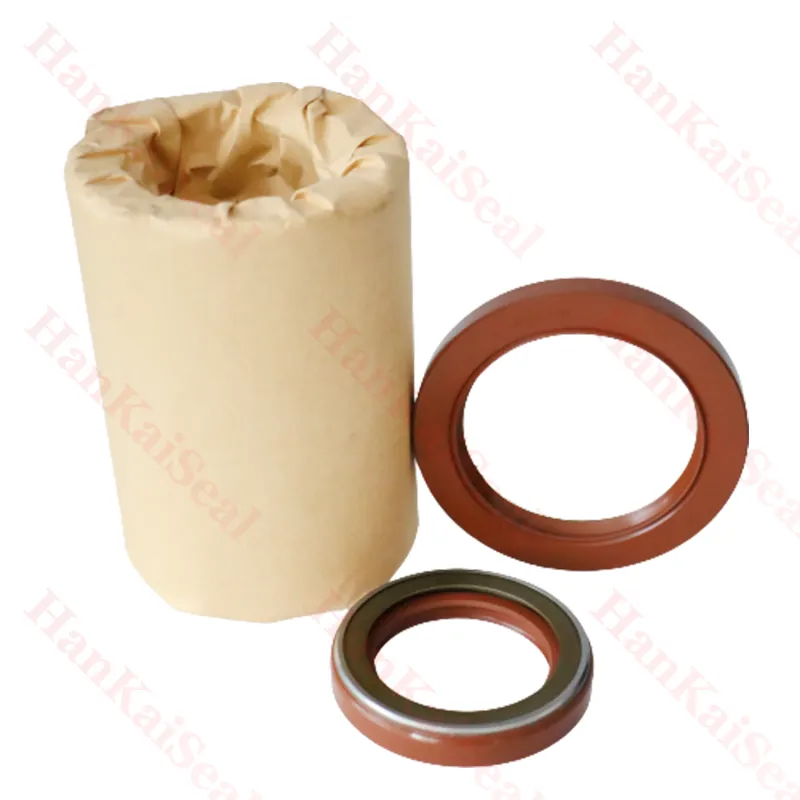
Standard oil seal BP0494 High pressure TCN oil seal
-
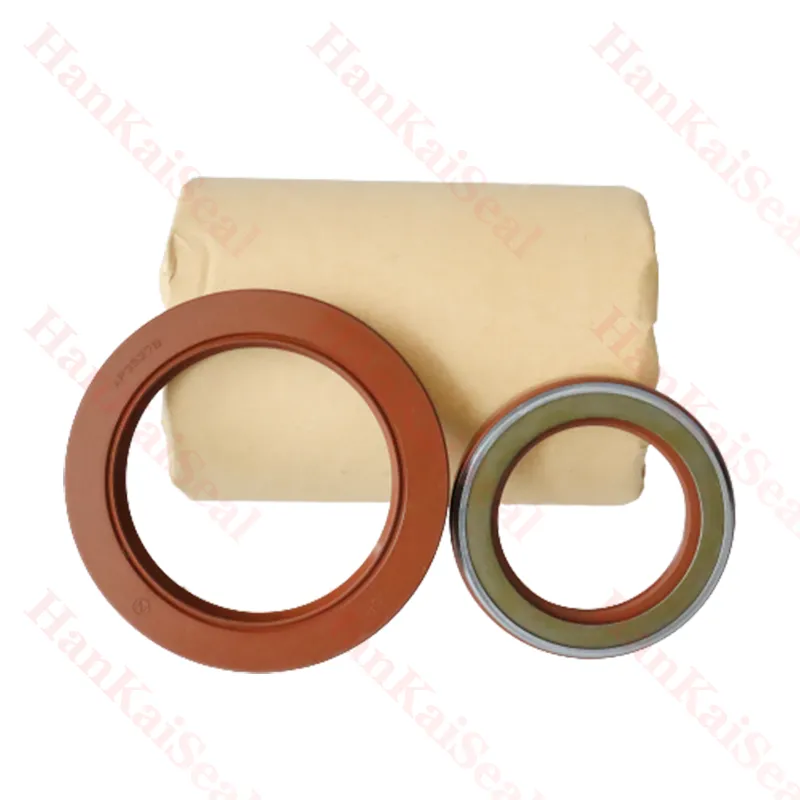
Hydraulic pump seal AP4624G high pressure TCN oil seal
-
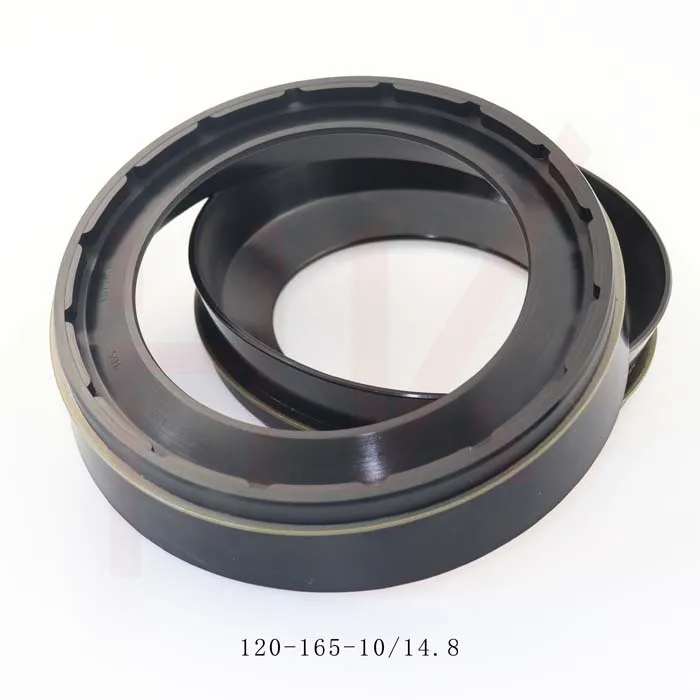
0734307418 0750112169 120*165*10/14.8 concrete mixer reducer oil seal
-
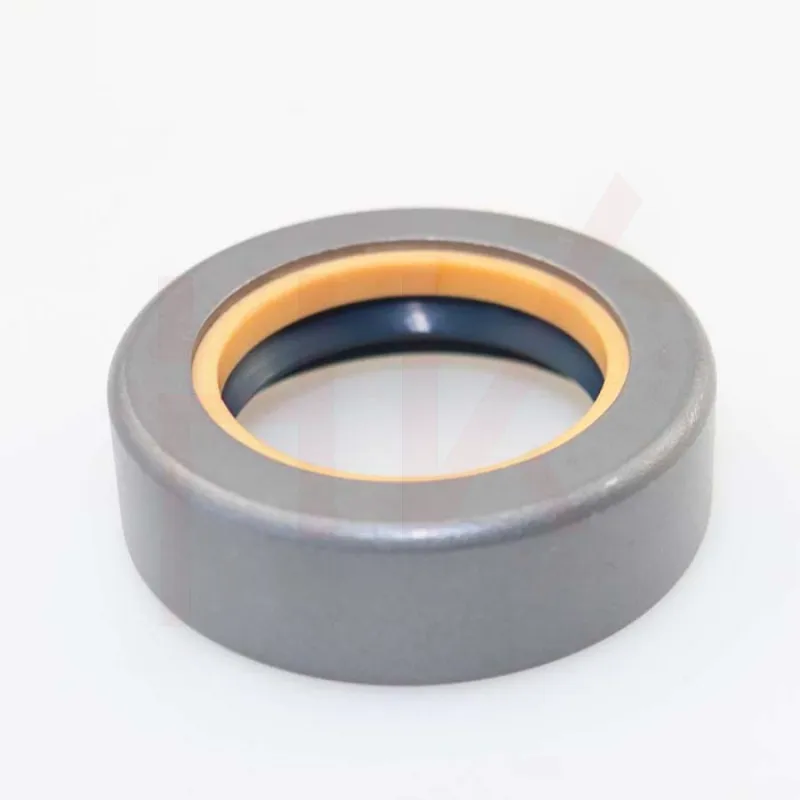
35*52*16 Standard Wheel Hub Oil Seal For Agricultural Machinery
-
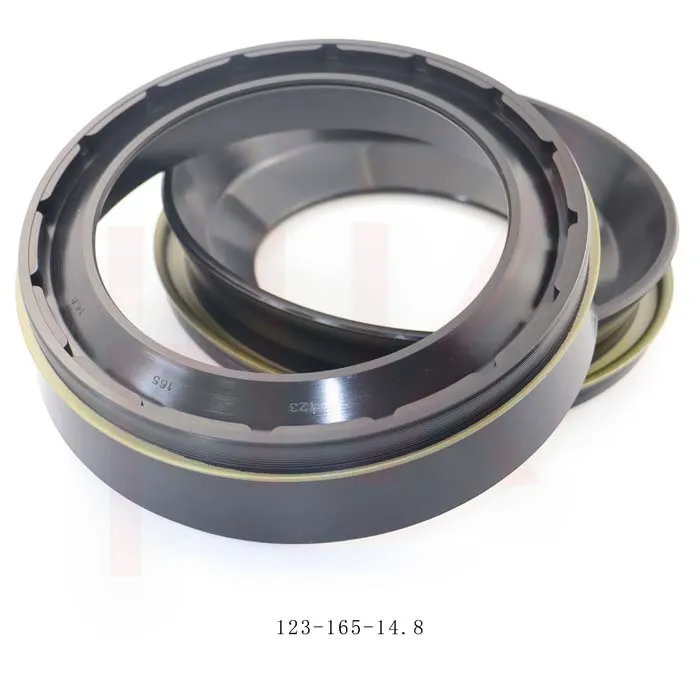
123*165*14.8 concrete mixer truck reducer oil seal
-
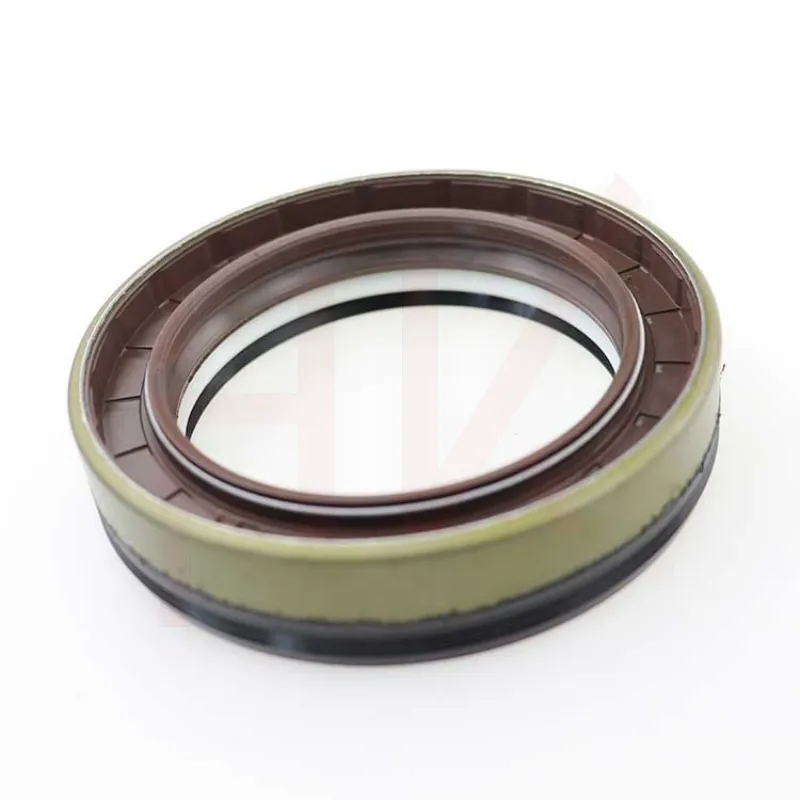
Tractor shaft oil seal 65-90-20 COMBI SF19 hub oil seal
-
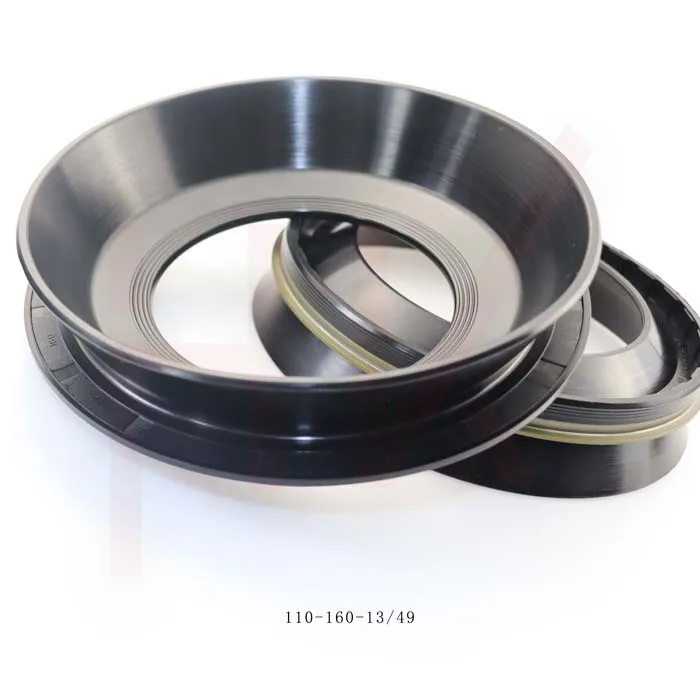
110*160*13/49 NBR reducerConcrete mixer truck oil seal
-
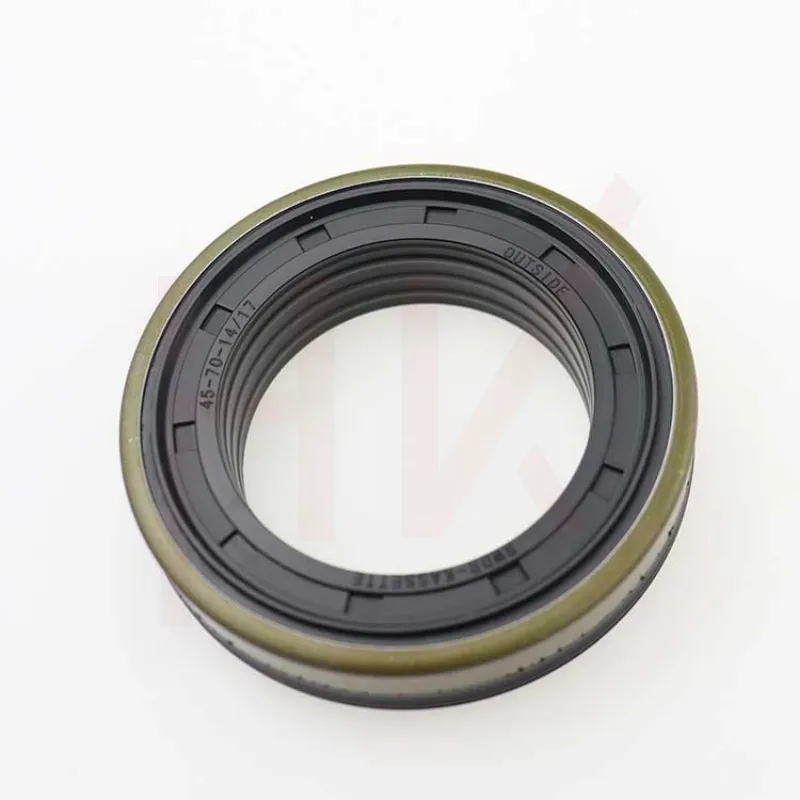
Hub oil seal 40*65*13/14.5 suitable for tractor Cat 12018035b
-
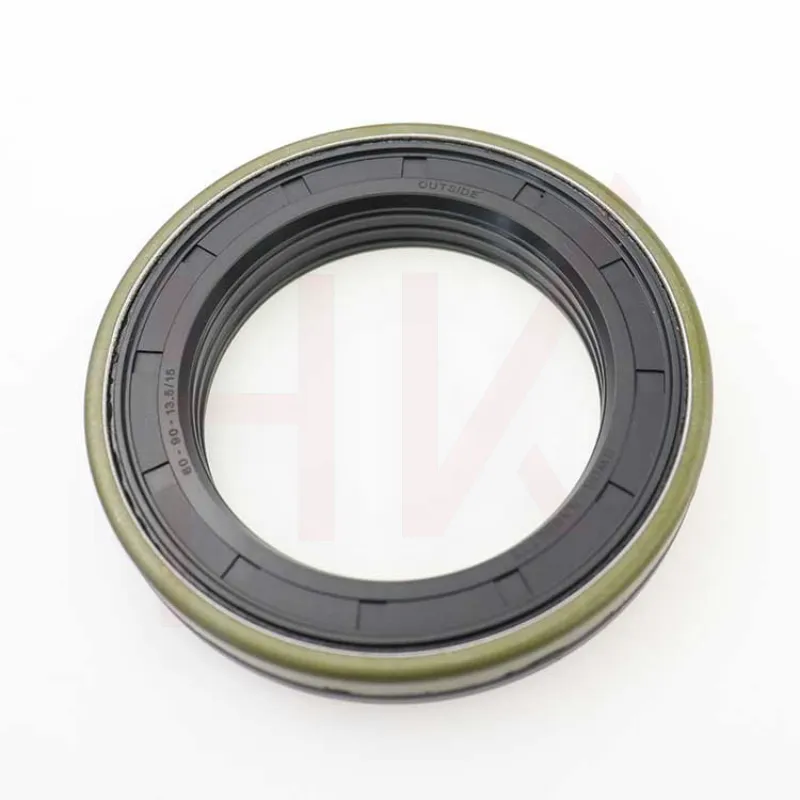
Tractor accessories cassette oil seal hub oil seal 60-90-13.5/15
-
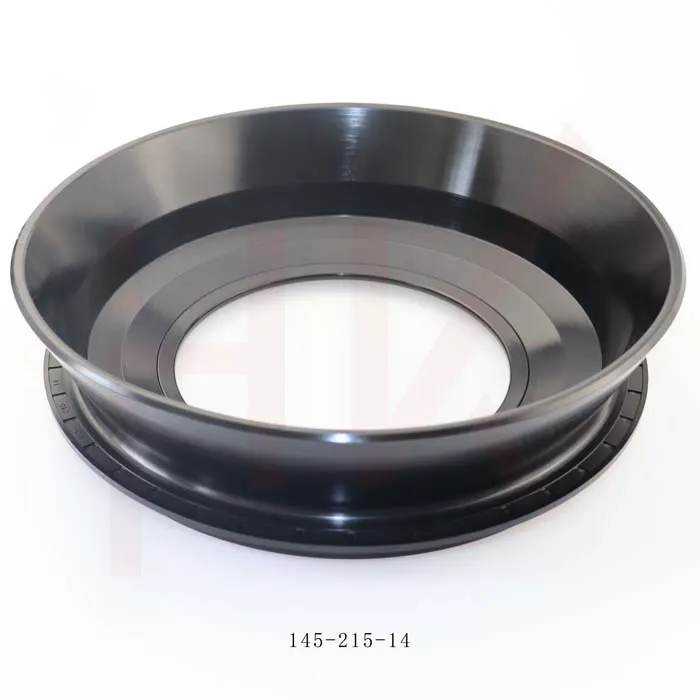
Factory concrete mixer truck oil seal 145*215*14 reducer gearbox oil seal
-
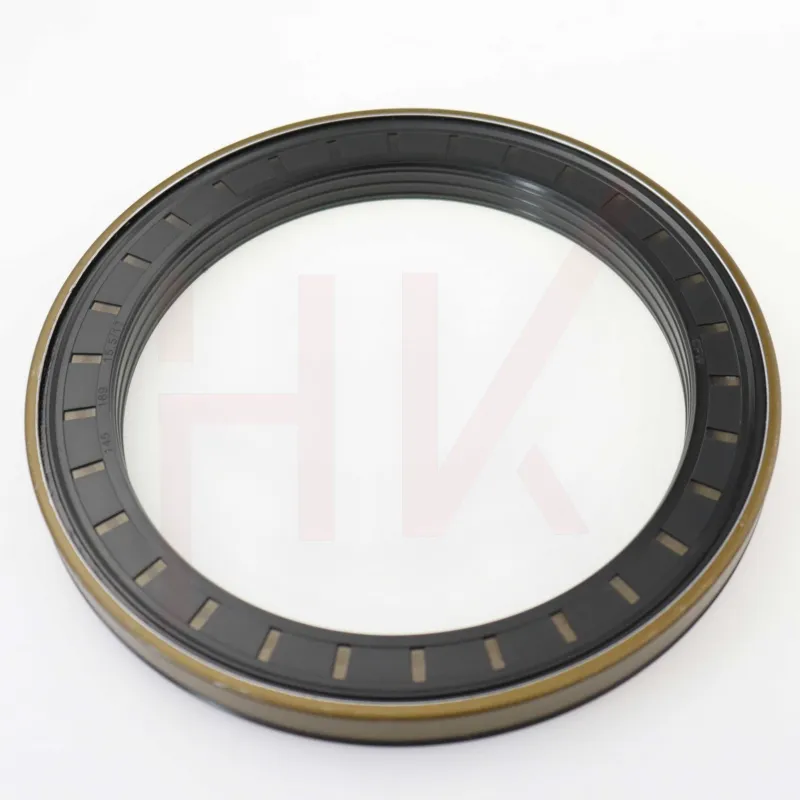
145*189*15.5/17 Cassette Seal NBR Hub Oil Seal 1508044
-
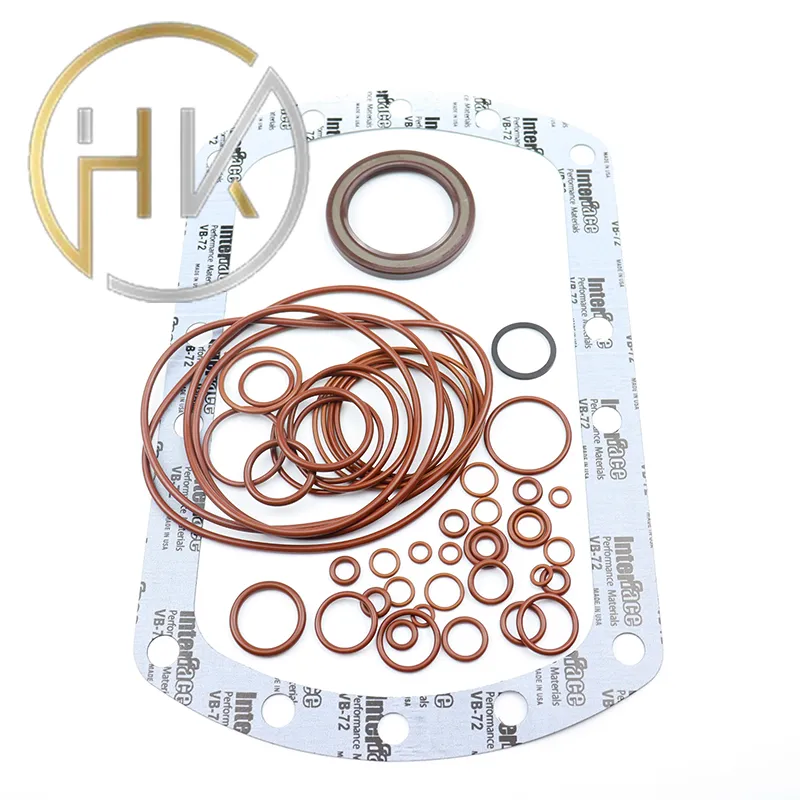
Factory direct sales hydraulic pump motor seal kit A8VO140
-
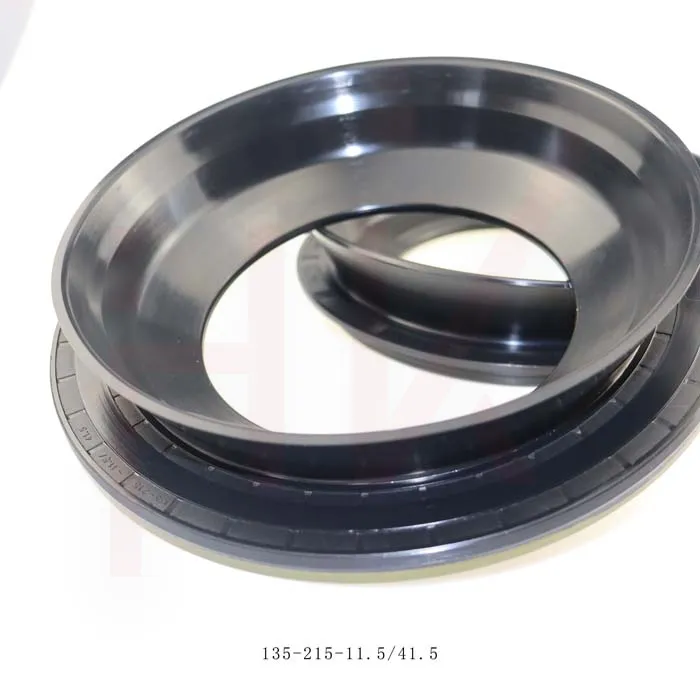
Brand new cement tanker oil seal 135*215*11.5/41.5 concrete mixer oil seal
-
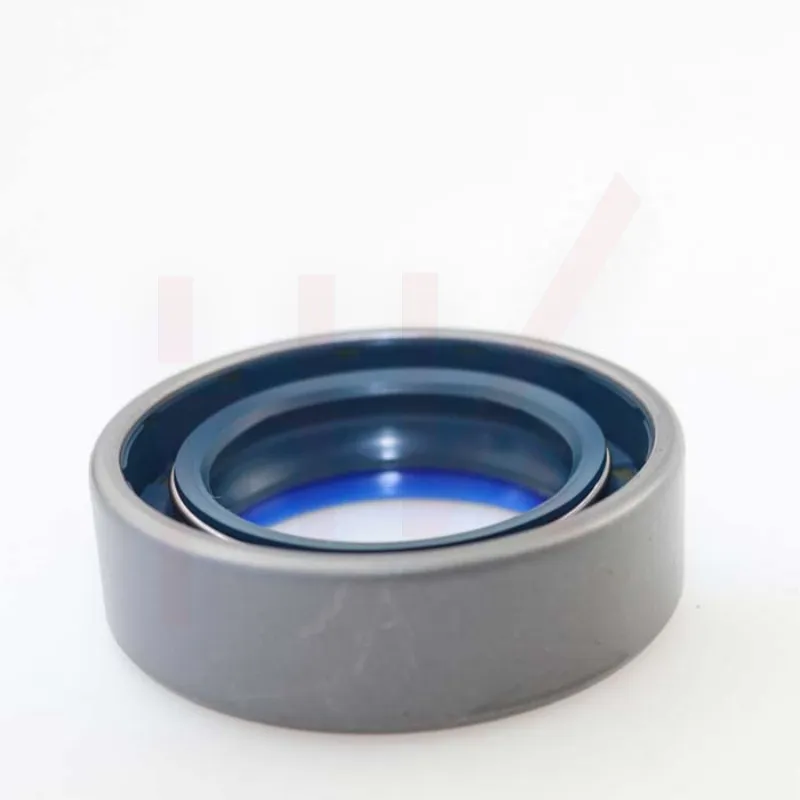
45*65*15 Combi oil seal JCB 90450009 COMBI SF1 SEAL
-
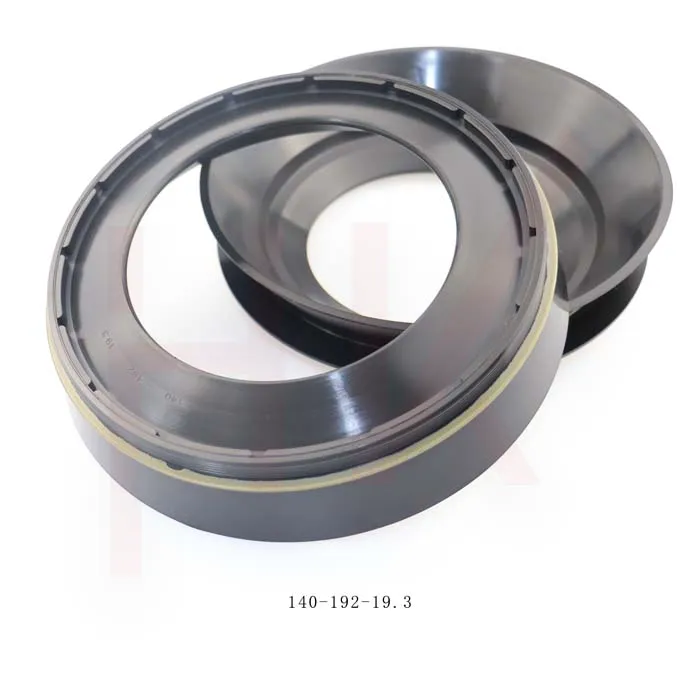
Gear box concrete mixer oil seal 140*192*19.3 nbr reducer oil seal
-
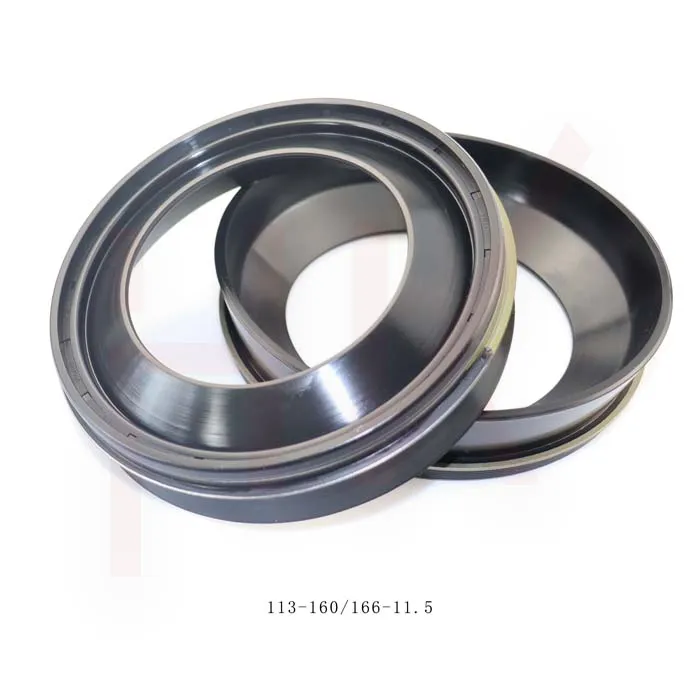
Seals factory direct sales 113*160/166*11.5/38 excavator truck reducer oil seal