
Nov . 28, 2025 11:30 Back to list
Durable Shaft Wipers for Industrial Equipment – Enhance Machine Life & Reliability
Understanding Shaft Wipers: Why They Matter in Today's Industry
If you’ve ever wondered how machines keep their moving shafts clean despite harsh conditions, shaft wipers are the unsung heroes behind the scenes. Simply put, shaft wipers are sealing elements designed to remove dirt, dust, water, and other contaminants from rotating or sliding shafts. While it might seem like a small component, globally their impact is vast, touching industries as varied as manufacturing, agriculture, and even humanitarian relief machinery. The key benefits in grasping how these tiny but mighty devices work? Enhanced equipment lifespan, lowered maintenance costs, and reliable operation even in adverse environments. For companies worldwide, knowing your shaft wipers can prevent costly downtime and improve safety — a clear win. ---The Worldwide Relevance of Shaft Wipers: Tackling Industrial Challenges
Industries around the world rely heavily on mechanized systems where shafts rotate thousands of times per minute. According to the ISO 6194 series on shaft seals, contamination ingress is a leading cause of premature equipment failure, costing billions annually in repairs and lost productivity. In developing economies, where dust and water intrusion are frequent due to environmental conditions, machines without effective shaft wipers often degrade rapidly. The World Bank data on industrial losses in these areas highlights an increasing need for reliable sealing technologies as factories modernize and expand. So, the problem shaft wipers tackle is clear: how to keep machinery clean and operational without constant intervention, especially in punishing conditions like deserts or rainy climates. ---What Are Shaft Wipers? Simply Defined
At their core, shaft wipers are elastomer or polymer rings mounted around shafts to "wipe" contaminants away as the shaft moves. They act as a primary line of defense before dirt can reach inner seals or bearings. Think of them as windshield wipers—but for your machinery shafts. Their role extends beyond just cleaning; they help maintain lubrication inside the system and reduce friction that could cause premature wear. Given their humble appearance, it’s amazing how crucial they become for smooth industrial operations. Many manufacturers now design shaft wipers with specialized materials to meet specific industry needs, bridging modern manufacturing demands with straightforward engineering. ---Key Aspects of Shaft Wipers
Durability
The materials used—usually nitrile rubber, polyurethane, or PTFE composites—must withstand harsh chemicals, extreme temperatures, and abrasive dust. The better the durability, the longer your machine runs without costly part swaps.Compatibility
Shaft dimensions vary widely. The right wiper must fit precisely without causing shaft damage or seal interference. Manufacturers often customize dimensions to fit diverse machinery ranges.Cost Efficiency
You want a balance between initial price and service life. Quality shaft wipers reduce downtime and maintenance costs, ultimately saving money even if their sticker price is a bit higher.Ease of Installation
Quick, clean installation without damaging the shaft or seals is key. Some designs incorporate split rings or flexible lips to make this process smoother for technicians.Environmental Resistance
In outdoor or extreme industrial settings, wipers protect against water, mud, abrasive particles, and temperature swings, making them vital for maintaining performance.Customizability
Unique applications—from underwater pumps to agricultural tractors—demand tailored solutions in materials and lip design. Flexibility here is a big plus. Mini takeaway: Shaft wipers blend engineering science with practical challenges—durability and fit are non-negotiable for industrial success. ---Global Applications and Real-World Use Cases
Shaft wipers find use across practically every continent. In Asia’s vast manufacturing hubs, they keep automotive assembly lines humming. African mining machinery depends heavily on shaft wipers to operate dusty drill rigs efficiently. European agricultural equipment utilizes advanced polymer wipers for better weather resistance. And in North America, hydraulic and pneumatic systems rely on them for safety-critical operations. One notable example is the deployment of mobile water pumps in post-disaster zones. These pumps often operate in muddy, unpredictable conditions where shaft wipers prevent clogging and downtime — ensuring constant access to clean water. Similarly, in remote industrial zones in Russia and Canada, extreme cold demands wipers that can flex without cracking or degradation. Large organizations, including the UN and various NGOs, lean on this technology indirectly, ensuring their supply chains for heavy machinery remain robust during relief efforts. ---Advantages and Long-Term Benefits of Using Quality Shaft Wipers
- Cost Reduction: Less downtime means fewer repair bills. Shaft wipers dramatically reduce premature bearing and seal failure. - Sustainability: Longer equipment life means less waste and more resource-efficient manufacturing. - Reliability: Clean shafts reduce heat generation and mechanical failure risk. - Safety: Preventing leakages and equipment breakdowns keeps workers and environments safer. - Innovation Impact: Advanced materials and designs foster continuous improvement in machine performance. Emotionally, the peace of mind knowing your machines won’t quit unexpectedly adds a level of trust and confidence in your operational assets that money can’t always quantify but every engineer values deeply. ---Looking Ahead: Trends and Innovations in Shaft Wiper Technology
The future feels promising. New materials infused with nanotechnology improve wear resistance and reduce friction further. Green manufacturing pushes the development of eco-friendly polymers that biodegrade after disposal, tackling environmental challenges. Digitization allows real-time monitoring of shaft and seal performance, meaning predictive maintenance can preempt failures before they start. Automation in installation and quality testing speeds up production and improves precision. Some companies experiment with smart wiper materials that react dynamically to any contamination load—a sort of “self-adjusting” seal lip. It may sound sci-fi, but it’s already in testing phases. ---Common Challenges and Emerging Solutions
Despite advances, challenges persist. Improper installation remains the biggest cause of premature failure. Sometimes, wipers that are too rigid cause shaft wear or tear their lip, ironically inviting contamination inside. Experts advise rigorous training for field technicians and recommend modular designs that allow for easy replacement and customization. Additionally, collaboration with equipment manufacturers can ensure shaft wipers fit perfectly rather than being "one size fits all." The increasing complexity of machinery also demands wipers that can handle multidirectional shaft movement, a feature still under development but crucial for emerging technologies like e-mobility. ---Frequently Asked Questions About Shaft Wipers
Q1: How do shaft wipers differ from regular seals?A: Shaft wipers primarily remove external contaminants before they reach inner seals, which provide airtight or fluid-tight sealing. Think of wipers as the first line; seals are the backup defense inside.
Q2: Can shaft wipers be reused once installed?
A: Generally, no. Once a shaft wiper has been compressed or worn, it should be replaced to maintain effectiveness and avoid damage to the shaft or seals.
Q3: What factors should I consider when selecting shaft wipers?
A: Focus on compatibility with shaft dimensions, environmental exposure (dust, water, chemicals), material durability, and installation methods.
Q4: Are customized shaft wipers worth the investment?
A: Usually yes. Custom wipers ensure better fit, longer lifespan, and can significantly reduce maintenance headaches and costs in the long run. ---
Technical Product Specification Table
| Specification | Typical Range/Value | Notes |
|---|---|---|
| Material | Nitrile Rubber (NBR), Polyurethane, PTFE | Depends on environmental resistance needed |
| Temperature Range | -40°C to 120°C (typical) | Special materials extend range |
| Shaft Diameter Range | 2 mm to 300 mm | Custom sizes available |
| Installation Type | Press-fit, split design | Affects ease and frequency of replacement |
| Service Life | 12-36 months (depending on conditions) | Maintenance schedules vary |
Vendor Comparison: Leading Shaft Wiper Providers
| Vendor | Material Options | Customization Level | Typical Lead Time | Best For |
|---|---|---|---|---|
| SealTech Industries | NBR, Polyurethane, Viton | High - custom tooling available | 2-3 weeks | Heavy industry, mining |
| FlexSeal Components | PTFE, Silicone, NBR | Medium - modular options | 1-2 weeks | Agriculture, automotive |
| EcoWipe Manufacturing | Bio-based polymers, NBR | Low - standardized catalog | 5 days | Sustainability-focused projects |
Wrapping It Up: Why Shaft Wipers Are a Small Part With Big Impact
If this all sounds too technical, here’s the takeaway: shaft wipers are like the first responders in your machine’s defense squad. By keeping shafts clean, they protect more expensive internal components, save money on repairs, and keep downtime to a minimum. Plus, with new materials and innovations on the horizon, they’re only going to get better. Ready to explore how the right shaft wipers can boost your equipment’s performance? Visit our site at https://www.hkaiseal.com to learn more. ---References
-
Guide to Choosing the Right High Quality hydraulic ram kit
NewsApr.16,2026
-
Premium Hydraulic Cylinder Packing Kits for Peak Performance
NewsApr.09,2026
-
Comprehensive Guide to Hydraulic Cylinder Oil Seal Kits for Optimal Performance
NewsApr.07,2026
-
Comprehensive Guide to Choosing the Right Cylinder Seal Kits for Peak Performance
NewsApr.04,2026
-
Comprehensive Guide to Seal Kits for Cylinders Ensuring Optimal Performance
NewsMar.31,2026
-
Comprehensive Guide to Hyd Cylinder Seals for Optimal Hydraulic System Performance
NewsMar.28,2026
-
Comprehensive Guide to Hyd Cylinder Seal Kit Selection and Installation
NewsMar.26,2026
Products categories
-
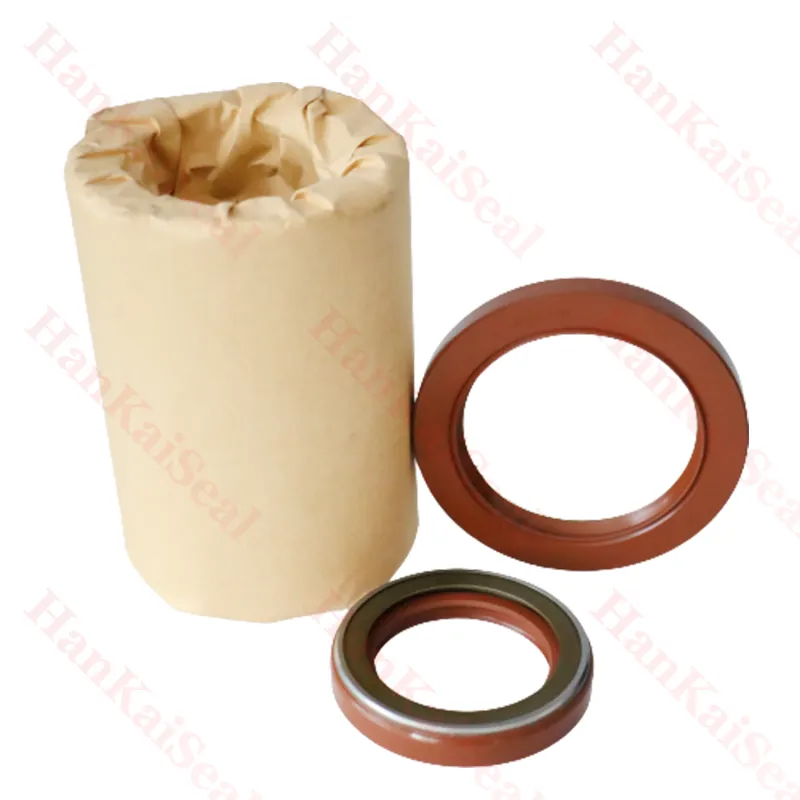
Standard oil seal BP0494 High pressure TCN oil seal
-
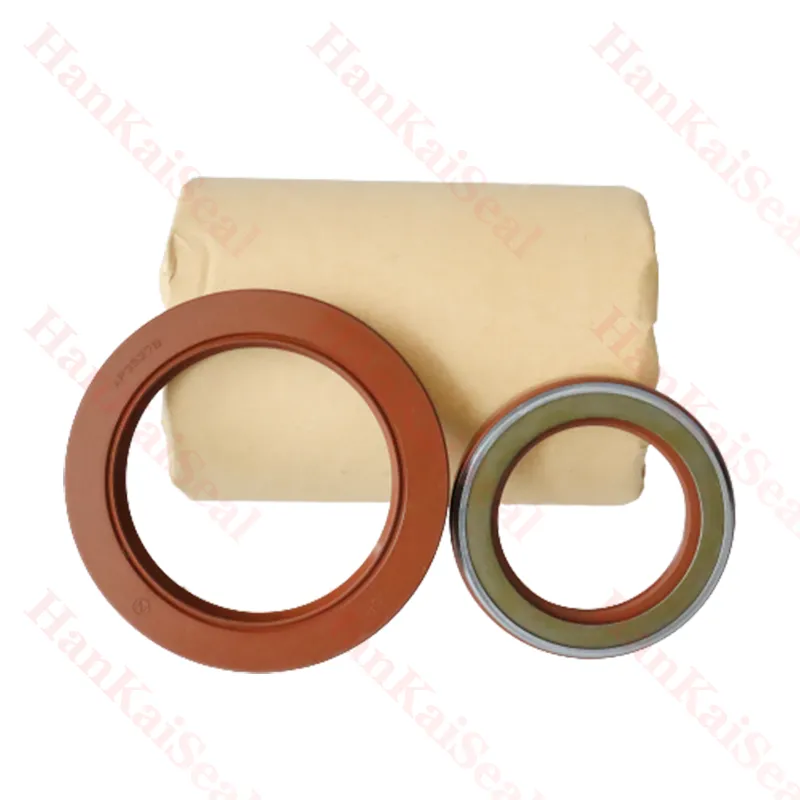
Hydraulic pump seal AP4624G high pressure TCN oil seal
-
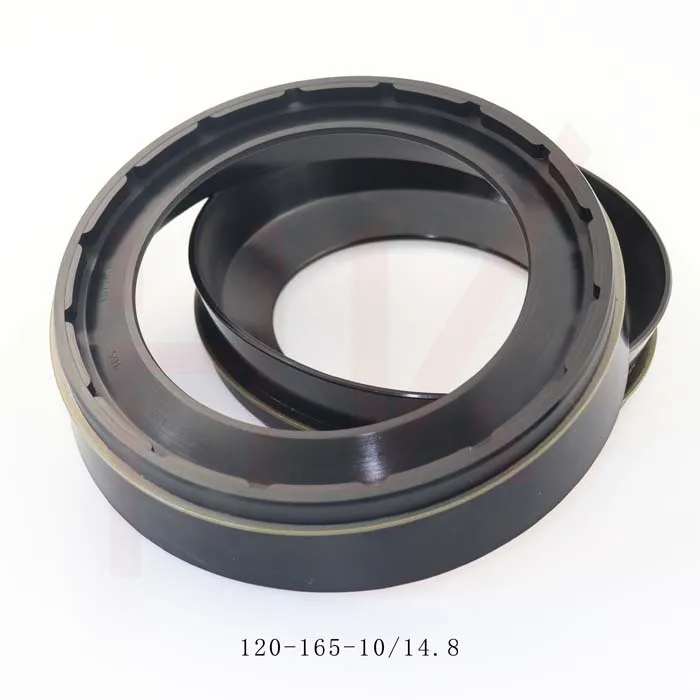
0734307418 0750112169 120*165*10/14.8 concrete mixer reducer oil seal
-
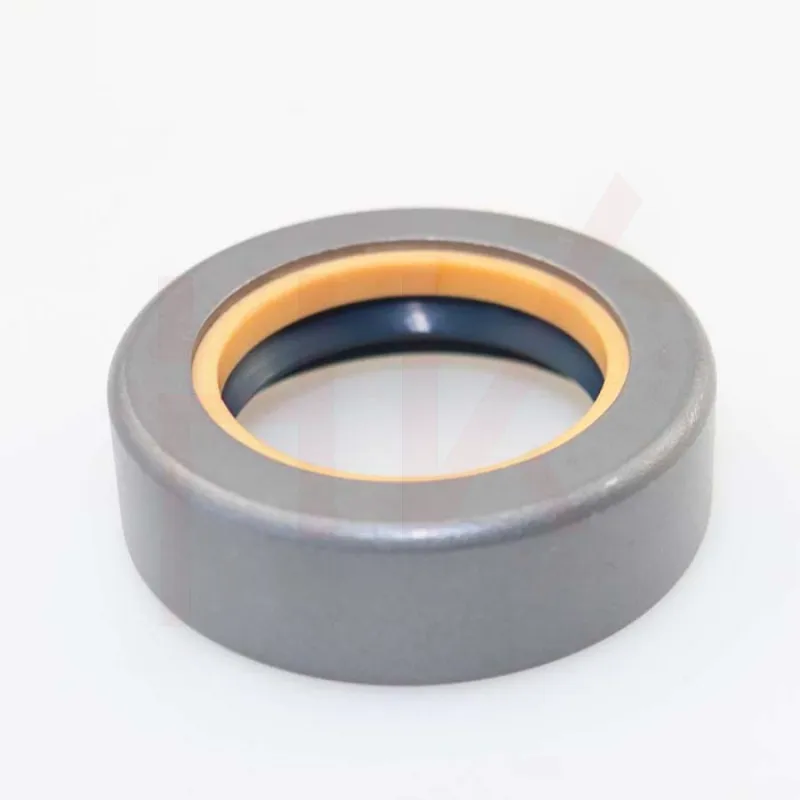
35*52*16 Standard Wheel Hub Oil Seal For Agricultural Machinery
-
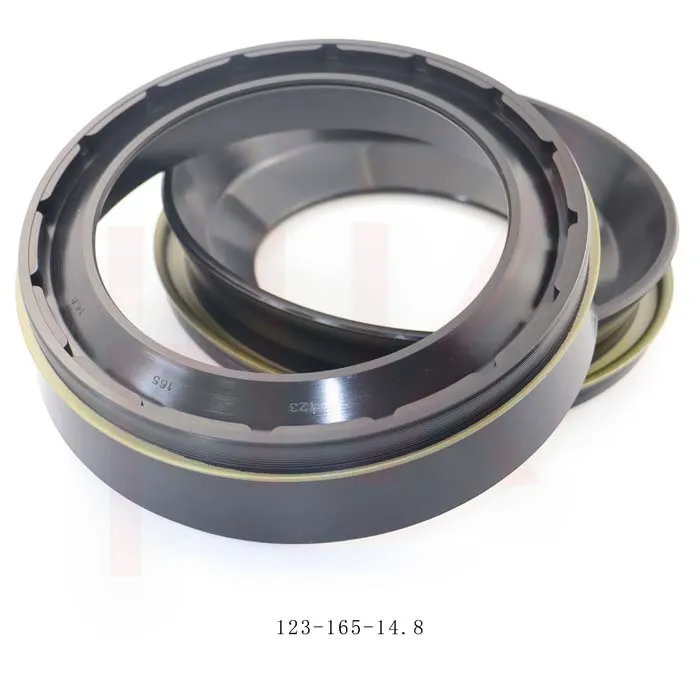
123*165*14.8 concrete mixer truck reducer oil seal
-
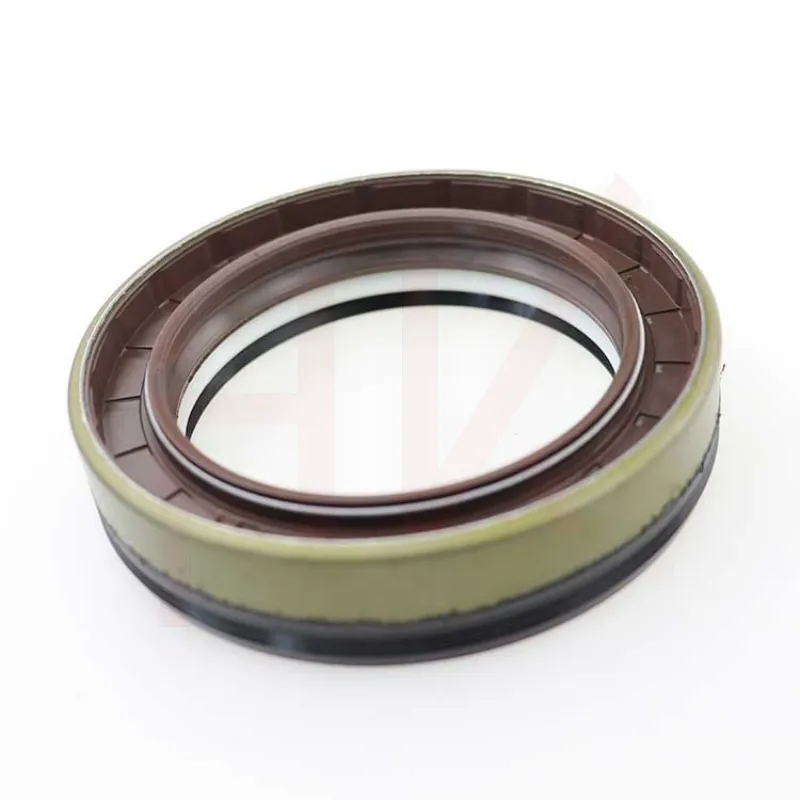
Tractor shaft oil seal 65-90-20 COMBI SF19 hub oil seal
-
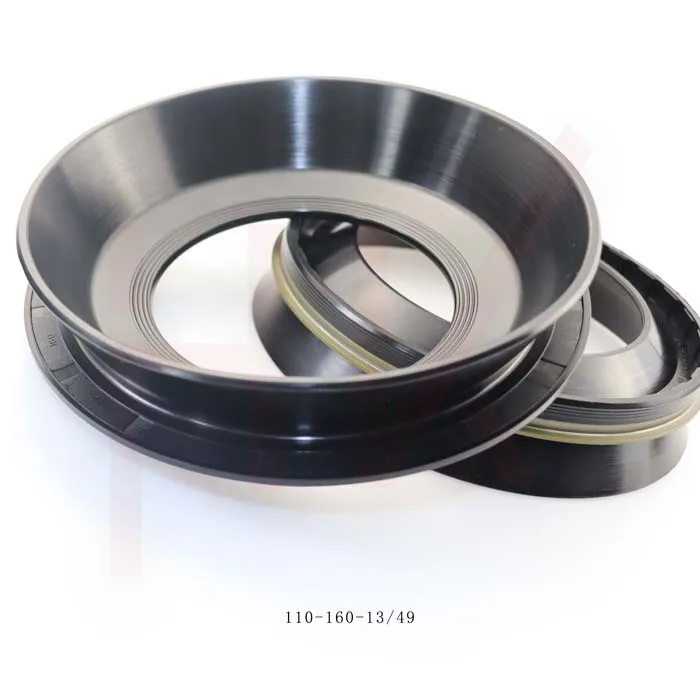
110*160*13/49 NBR reducerConcrete mixer truck oil seal
-
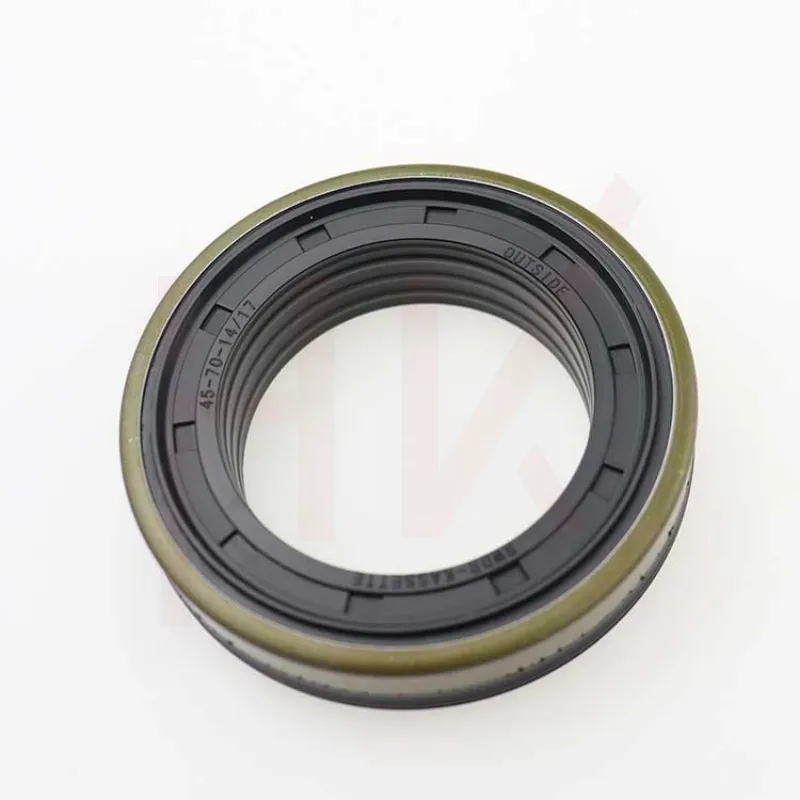
Hub oil seal 40*65*13/14.5 suitable for tractor Cat 12018035b
-
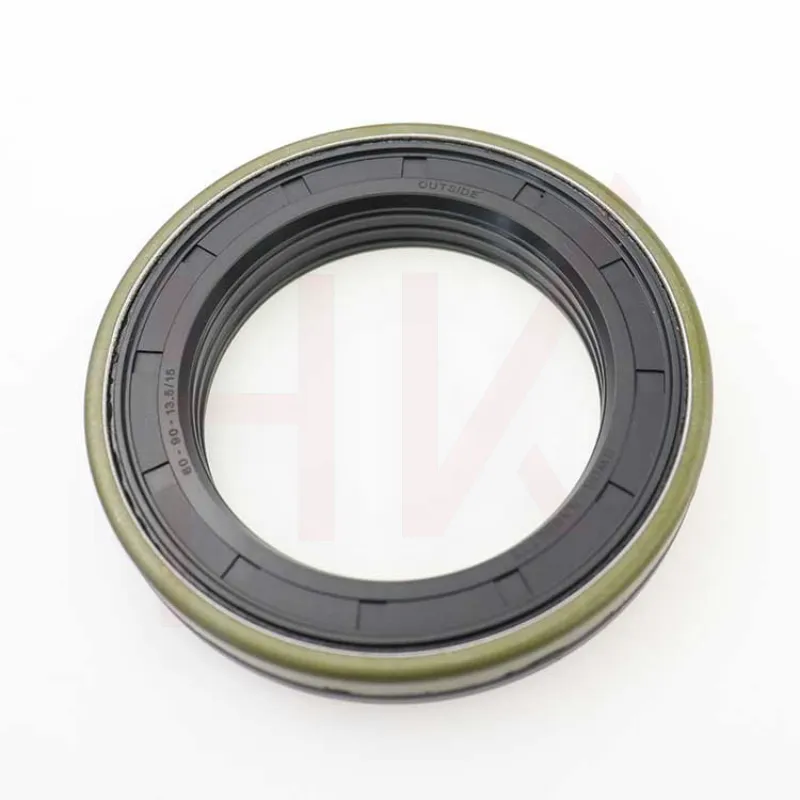
Tractor accessories cassette oil seal hub oil seal 60-90-13.5/15
-
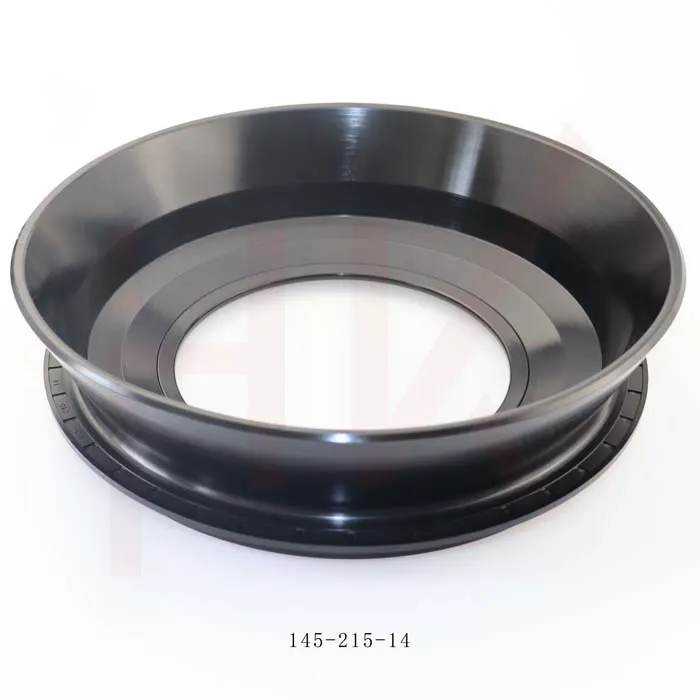
Factory concrete mixer truck oil seal 145*215*14 reducer gearbox oil seal
-
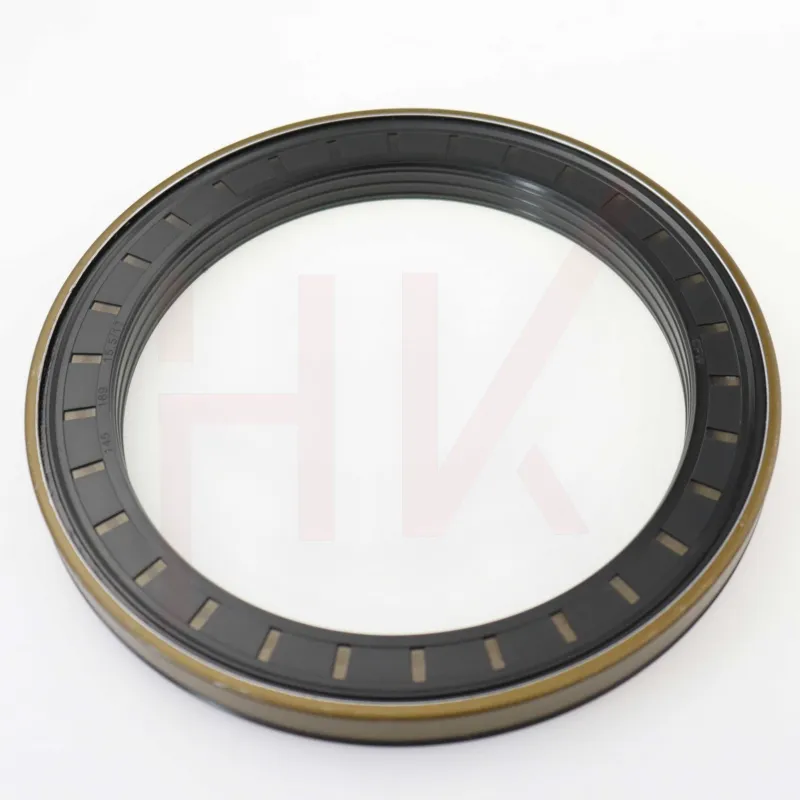
145*189*15.5/17 Cassette Seal NBR Hub Oil Seal 1508044
-
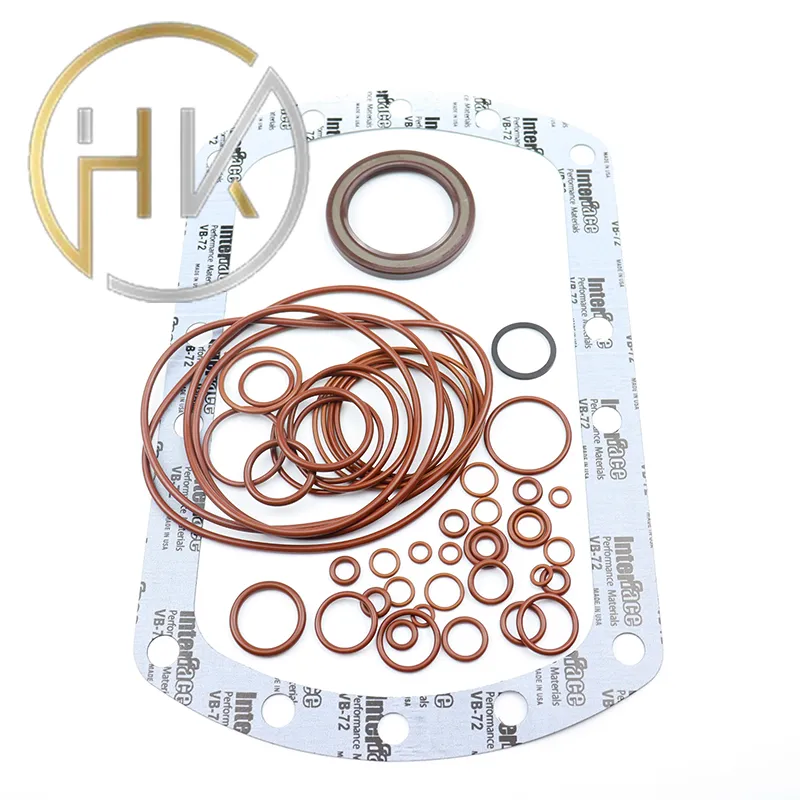
Factory direct sales hydraulic pump motor seal kit A8VO140
-
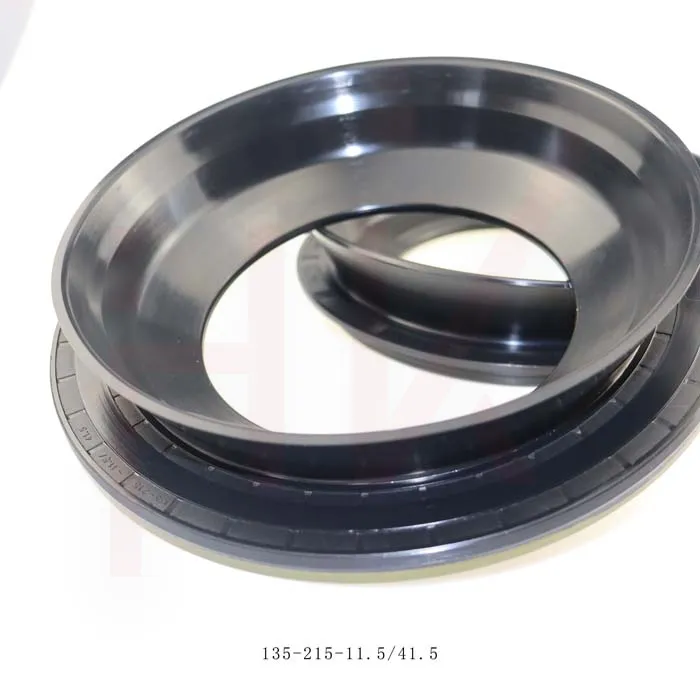
Brand new cement tanker oil seal 135*215*11.5/41.5 concrete mixer oil seal
-
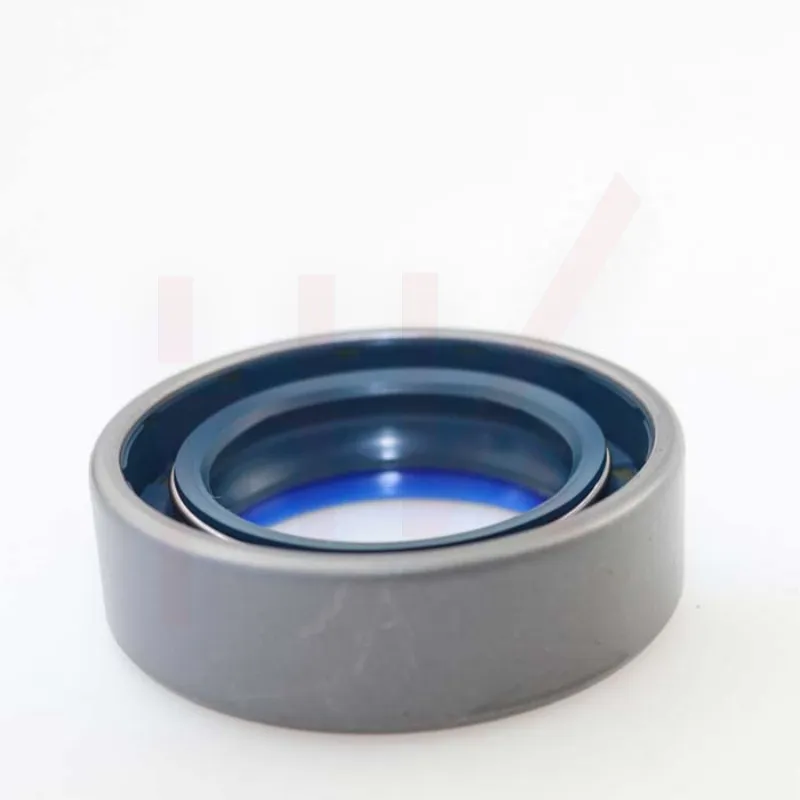
45*65*15 Combi oil seal JCB 90450009 COMBI SF1 SEAL
-
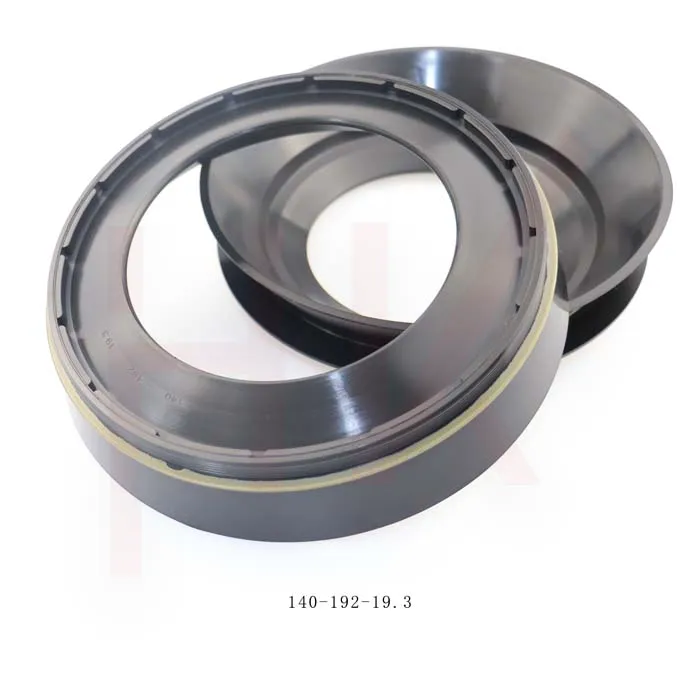
Gear box concrete mixer oil seal 140*192*19.3 nbr reducer oil seal
-
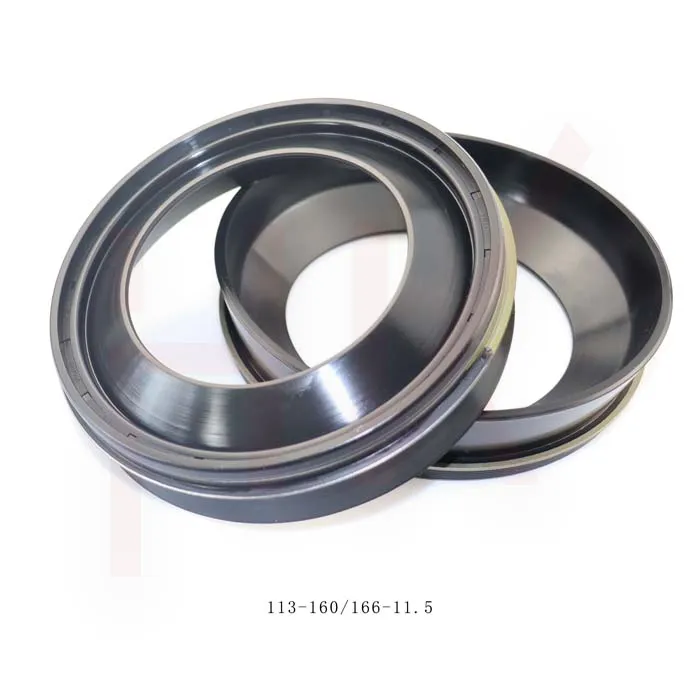
Seals factory direct sales 113*160/166*11.5/38 excavator truck reducer oil seal