
Nov . 27, 2025 21:00 Back to list
Seal Guard Wiper – Essential Protection for Industrial Seals | Kaiseal
What Is a Seal Guard Wiper and Why It Matters Globally
At first glance, a seal guard wiper might sound like a technical gizmo only engineers fuss about—yet it quietly plays a vital role across countless industries worldwide. Put simply, these wipers protect seals from contaminants, preventing damage and leakage that could otherwise lead to costly downtime or even environmental hazards. Globally, as machinery usage rises and industries strive for higher efficiency with less waste, understanding this often-overlooked component becomes essential. Whether in automated factories, construction equipment, or renewable energy setups, the seal guard wiper helps maintain system integrity, enhancing reliability and operational lifespan.
Mini takeaway: A seal guard wiper may be small, but its global impact is huge—safeguarding machinery and supporting safer, more sustainable operations.
The Global Context: Why Seal Guard Wipers Are Growing in Importance
Industrial output worldwide has been steadily climbing—data from the International Organization for Standardization (ISO) suggests machinery uptime improvements significantly affect productivity and product quality. Meanwhile, the World Bank reports increased mechanization in emerging economies as a driver of development. Against this backdrop, contamination-induced wear and tear on seals remains a common culprit behind unexpected failures.
Seal guard wipers address this challenge by keeping dust, dirt, and fluids away from sensitive component seals. This not only reduces maintenance costs but also minimizes environmental risks, a concern with new regulations pushing companies toward more sustainable operations globally.
Oddly enough, despite their ubiquity, many organizations underestimate the simple innovations like enhanced seal guard wiper designs that can produce outsized benefits over time.
Mini takeaway: The rising push for operational efficiency and environmental responsibility worldwide elevates the humble seal guard wiper’s role from accessory to necessity.
Defining the Seal Guard Wiper: What Does It Really Do?
So, what exactly is a seal guard wiper? Technically, it’s a protective device usually made of rubber or polyurethane attached near a machine’s seal to scrape off dirt, debris, or fluid that might impair seal function. Its design focuses on maintaining the seal’s cleanliness and integrity without causing friction or wear on the moving parts.
In industrial hydraulics, for instance, these wipers help prevent contaminants from entering cylinders, which could cause corrosion or mechanical failure. From construction gear in dusty environments to humanitarian field equipment where durability under harsh conditions matters tremendously, the seal guard wiper ensures reliable operation.
Mini takeaway: The seal guard wiper is fundamentally about defense—quietly defending seals from the elements and extending machinery’s life.
Key Components and Qualities of an Effective Seal Guard Wiper
1. Material Durability
Materials have to be wear-resistant yet flexible. Polyurethane is popular because it balances toughness and elasticity, standing up to abrasion, oils, and temperature swings. Sometimes silicone or nitrile rubber variants fit niche cases better—for example, extreme cold or chemical exposure.
2. Precision Fit and Scalability
Seal guard wipers must fit seals perfectly to avoid gaps where contaminants sneak in. At the same time, they should be adaptable for different seal sizes and industrial standards to serve various machinery types.
3. Cost Efficiency
While it’s tempting to skimp on the wiper’s quality, many engineers say investing in better designs drastically lowers unplanned repair costs. This is a classic “pay now or pay later” situation where upfront value leads to long-term savings.
4. Ease of Installation and Maintenance
Installation should be simple—companies that keep downtime minimal score points here. Some contemporary designs feature plug-and-play capabilities, speeding up servicing tasks on-site.
5. Environmental Resistance
Exposure to dust, moisture, UV light, and chemicals varies hugely depending on location, so the ideal seal guard wiper resists degradation over time despite harsh environments.
Mini takeaway: Durability, precision, cost, ease, and resistance are the cornerstones making seal guard wipers practical and dependable.
Seal Guard Wiper in Real-World Applications
These components show up everywhere: in manufacturing plants across North America, rugged mining machines in Australia, agricultural equipment in Latin America, and massive wind turbines in Europe’s offshore farms. For example, in post-disaster relief operations, mobile equipment often endures heavy dust and grime, making reliable seal guard wipers critical for uninterrupted performance.
In remote industrial zones like Siberia or the Sahara, maintaining equipment is a logistical nightmare. Installing top-quality seal guard wipers reduces the frequency of replacements and unscheduled maintenance, saving time and money where resources are scarce.
| Specification | Typical Value | Remarks |
|---|---|---|
| Material | Polyurethane / Nitrile | Common options |
| Temperature Range | -40°C to +120°C | Typical operational |
| Hardness Shore A | 60-75 | Balance of flexibility/rigidity |
| Installation | Snap-on / Clamp-on | Varies by design |
| Expected Lifespan | 12-36 months | Depends on conditions |
Mini takeaway: Throughout the world, these devices adapt to wildly different environments, demonstrating their practical versatility and global necessity.
Advantages & Long-Term Value of Choosing Quality Seal Guard Wipers
- Cost Reduction: Minimizes wear and unplanned stoppages, saving repair and replacement expenses.
- Environmental Sustainability: Prevents leaks and spills, helping meet regulatory and corporate responsibility standards.
- Operational Reliability: Keeps equipment functioning cleanly and safely over longer periods.
- Worker Safety & Confidence: Minimizes sudden failures that can cause accidents or downtime stress.
- Innovation & Competitive Edge: Utilizing advanced materials and designs reflects a company’s dedication to technological excellence.
Mini takeaway: Investing in quality seal guard wipers isn’t just a line item—it’s a sustainable choice that builds trust, efficiency, and safer environments.
Emerging Trends & Innovations in Seal Guard Wipers
The future promises smarter, greener, and more customizable solutions. For instance, some manufacturers are experimenting with bio-based polymers to produce wipers that biodegrade at end-of-life, reducing plastic waste drastically.
Digital manufacturing enables precise tailoring for unique industrial needs, while embedded sensors might soon detect wear states in real time, prompting timely replacements.
Automation and robotics integration encourage seal guard wiper designs that suit self-maintaining systems—a shift aligning well with Industry 4.0 visions.
Mini takeaway: What was once simple rubber scraping tech is steadily evolving into sophisticated, eco-conscious components intertwined with digital innovation.
Common Challenges and Practical Solutions
Despite their simplicity, seal guard wipers face challenges such as premature wear in extremely abrasive environments, or compatibility problems with unconventional seal profiles. To tackle these, vendors increasingly offer bespoke designs and material blends tailored to specific conditions. Plus, ongoing R&D has produced coatings to reduce friction and extend lifespan significantly.
Some companies also invest in regular field testing partnering with customers to validate and refine products under real-world pressures.
Mini takeaway: Challenges are inevitable, but ingenuity and collaboration are closing gaps fast in seal guard wiper performance.
FAQ: Answers to Common Questions About Seal Guard Wiper
- Q: How do seal guard wipers improve hydraulic cylinder performance?
A: By removing contaminants before they reach the cylinder seals, they help prevent leaks, corrosion, and wear—resulting in fewer failures and longer service intervals. - Q: Can seal guard wipers be replaced on-site quickly?
A: Many modern designs are engineered for easy installation and removal, enabling quick swaps with minimal downtime. - Q: Are all seal guard wipers compatible with oil-based lubricants?
A: Not necessarily; some materials degrade with certain oils. It’s important to select products tested for compatibility with your lubricant. - Q: How often should seal guard wipers be inspected or replaced?
A: Inspection intervals vary by environment and workload, but a rule of thumb is roughly every 6-12 months, or during routine maintenance checks.
Conclusion: Why Upgrading Your Seal Guard Wiper Is a Smart Move
Like those unsung heroes in any system, seal guard wipers quietly ensure seals remain clean, machinery keeps running smoothly, and costly disruptions stay out of sight. Their global relevance transcends borders and industries, shaping more reliable and responsible operations worldwide.
Interested in learning more or seeing what specific solutions match your needs? Visit our website at https://www.hkaiseal.com and discover a new layer of protection for your equipment’s most delicate components.
| Vendor | Material Options | Customization | Average Delivery Time | Price Range |
|---|---|---|---|---|
| Kaiseal Tech | Polyurethane, Nitrile, Silicone | High – bespoke designs | 7–10 days | $$$ |
| GlobalSeal Inc. | Polyurethane only | Medium – limited sizes | 14–21 days | $$ |
| EcoSeal Components | Bio-based polymers | Low – standard models only | 10–14 days | $$$ |
Mini takeaway: Selecting the right vendor balances material quality, customization options, price, and delivery speed — and trusting specialized providers can pay off well.
References:
1. International Organization for Standardization (ISO). https://www.iso.org/standards.html
2. World Bank Data on Industrial Development. https://data.worldbank.org
3. Wikipedia contributors, Hydraulic cylinder, https://en.wikipedia.org/wiki/Hydraulic_cylinder
-
Guide to Choosing the Right High Quality hydraulic ram kit
NewsApr.16,2026
-
Premium Hydraulic Cylinder Packing Kits for Peak Performance
NewsApr.09,2026
-
Comprehensive Guide to Hydraulic Cylinder Oil Seal Kits for Optimal Performance
NewsApr.07,2026
-
Comprehensive Guide to Choosing the Right Cylinder Seal Kits for Peak Performance
NewsApr.04,2026
-
Comprehensive Guide to Seal Kits for Cylinders Ensuring Optimal Performance
NewsMar.31,2026
-
Comprehensive Guide to Hyd Cylinder Seals for Optimal Hydraulic System Performance
NewsMar.28,2026
-
Comprehensive Guide to Hyd Cylinder Seal Kit Selection and Installation
NewsMar.26,2026
Products categories
-
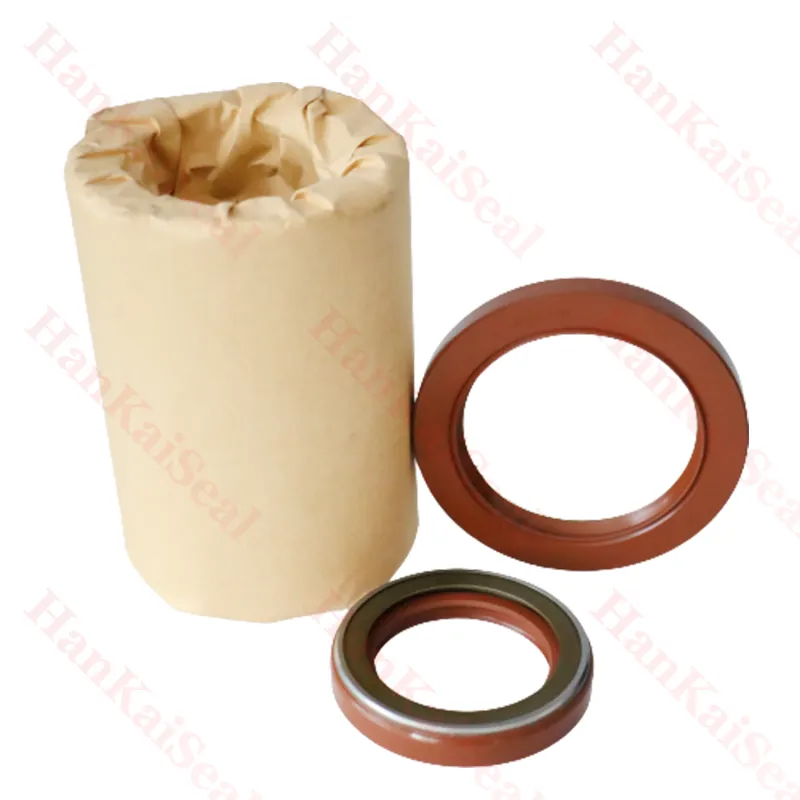
Standard oil seal BP0494 High pressure TCN oil seal
-
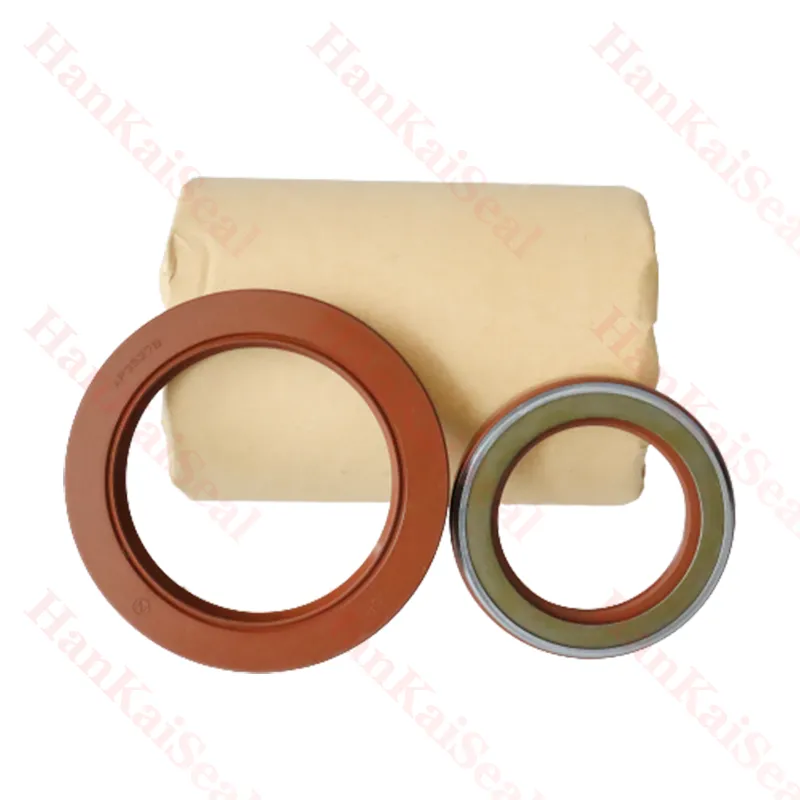
Hydraulic pump seal AP4624G high pressure TCN oil seal
-
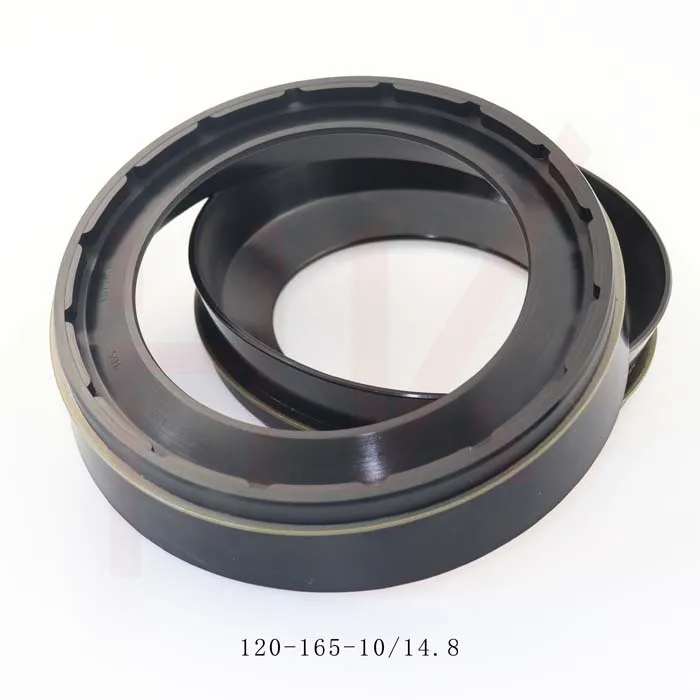
0734307418 0750112169 120*165*10/14.8 concrete mixer reducer oil seal
-
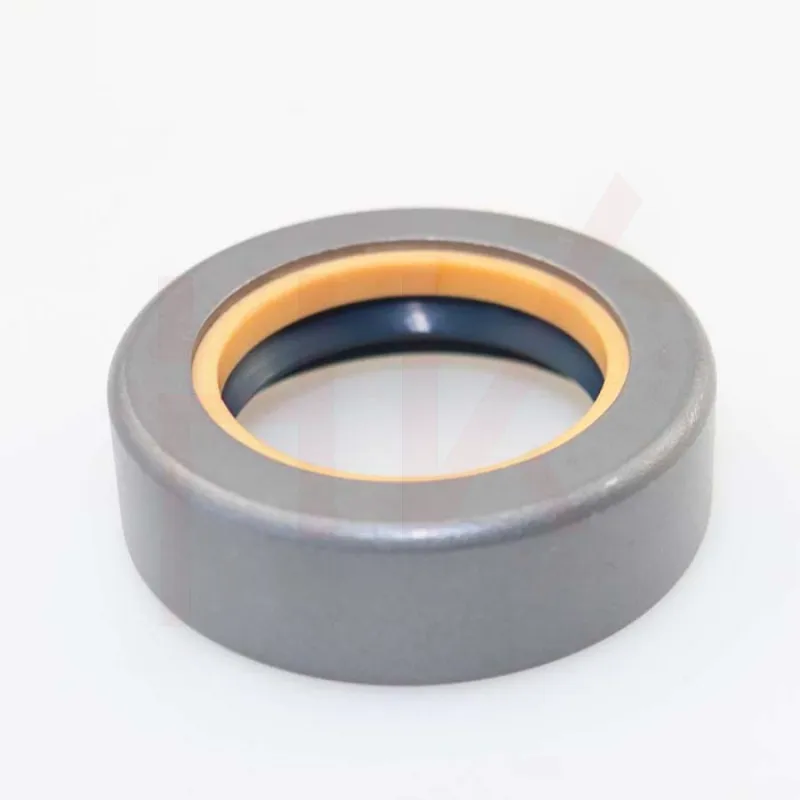
35*52*16 Standard Wheel Hub Oil Seal For Agricultural Machinery
-
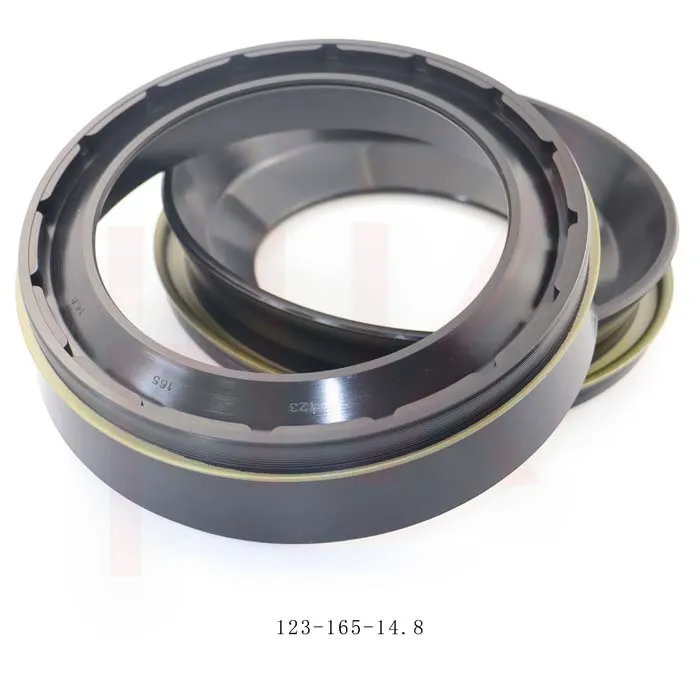
123*165*14.8 concrete mixer truck reducer oil seal
-
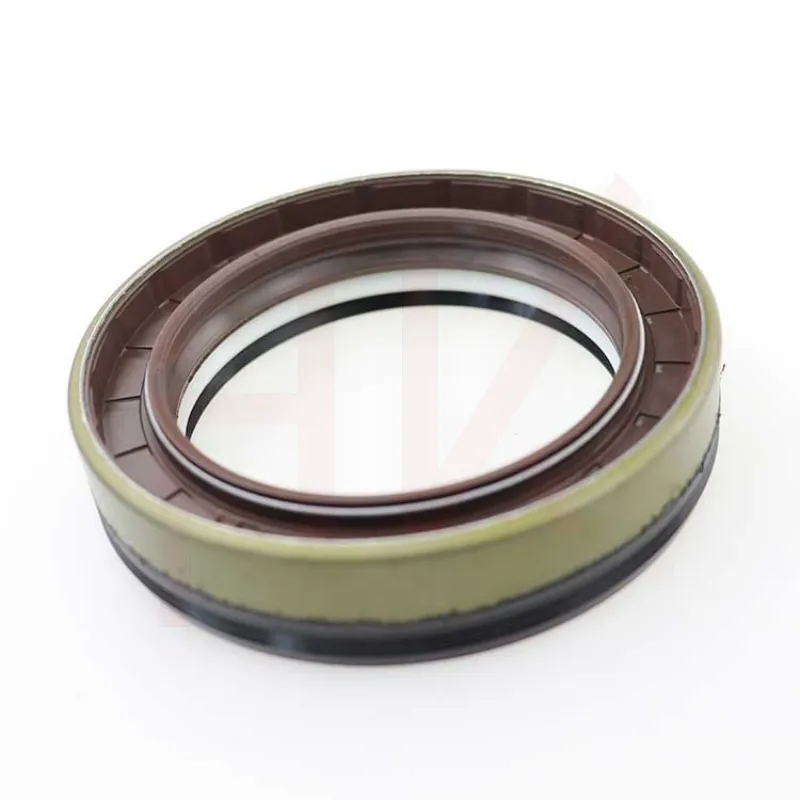
Tractor shaft oil seal 65-90-20 COMBI SF19 hub oil seal
-
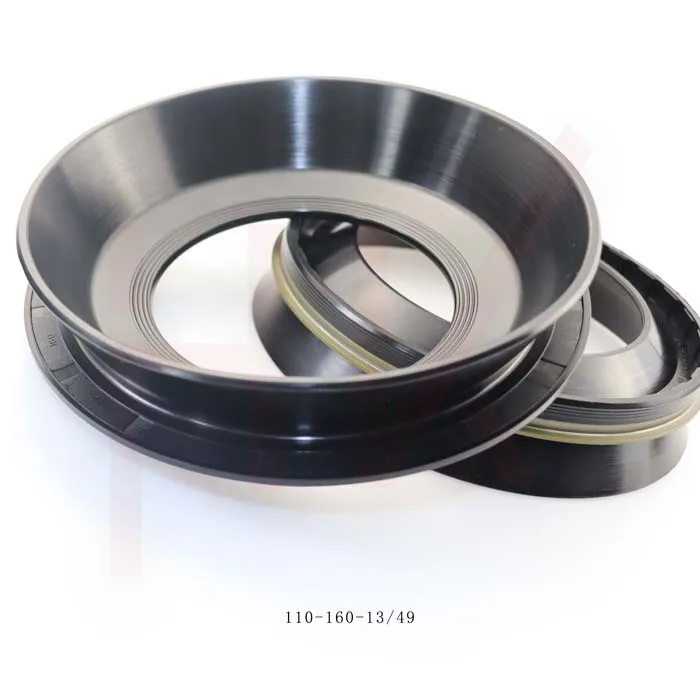
110*160*13/49 NBR reducerConcrete mixer truck oil seal
-
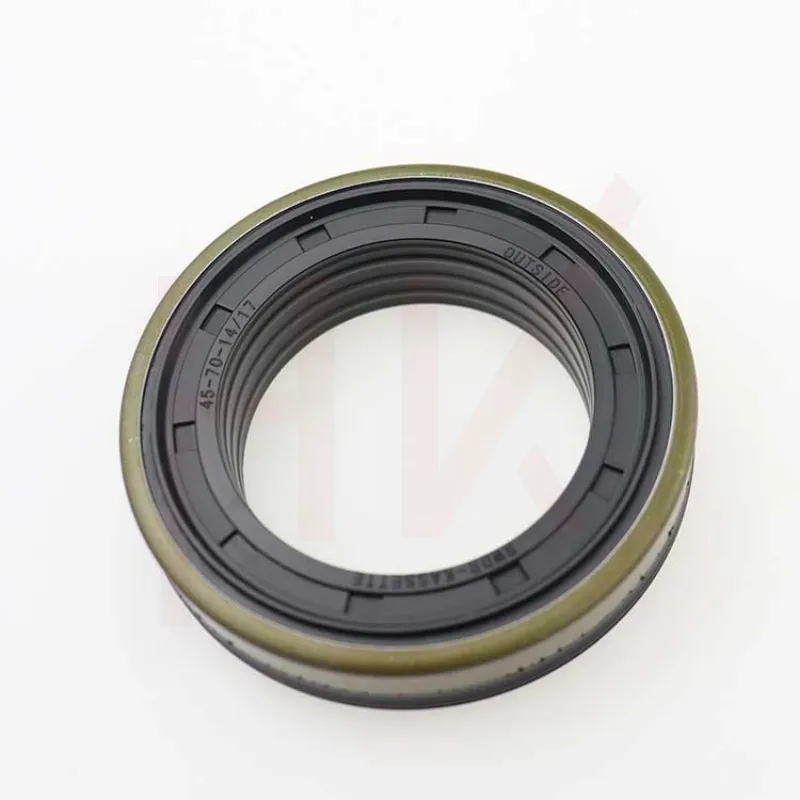
Hub oil seal 40*65*13/14.5 suitable for tractor Cat 12018035b
-
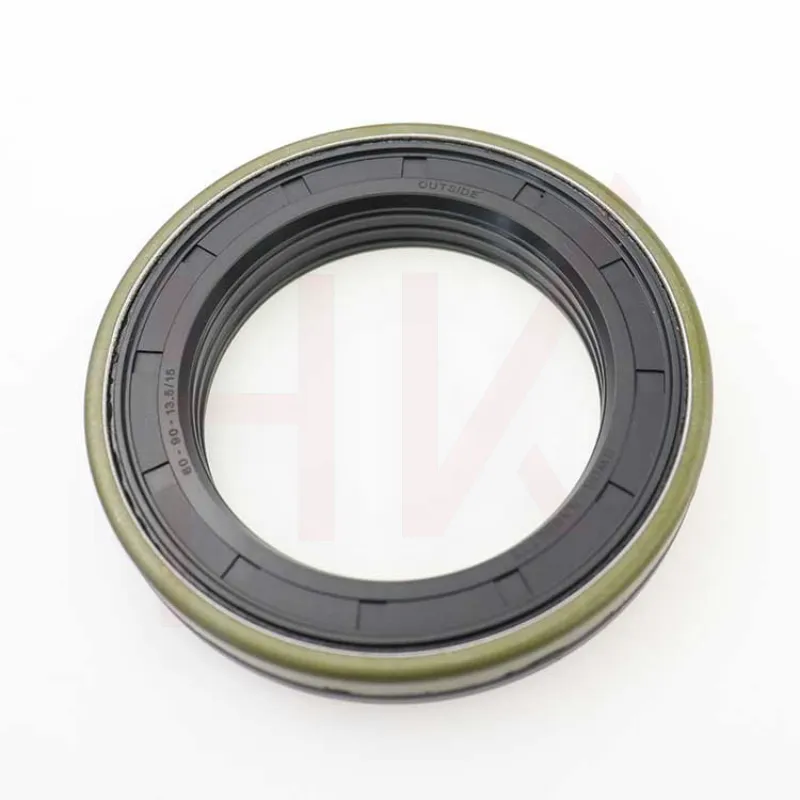
Tractor accessories cassette oil seal hub oil seal 60-90-13.5/15
-
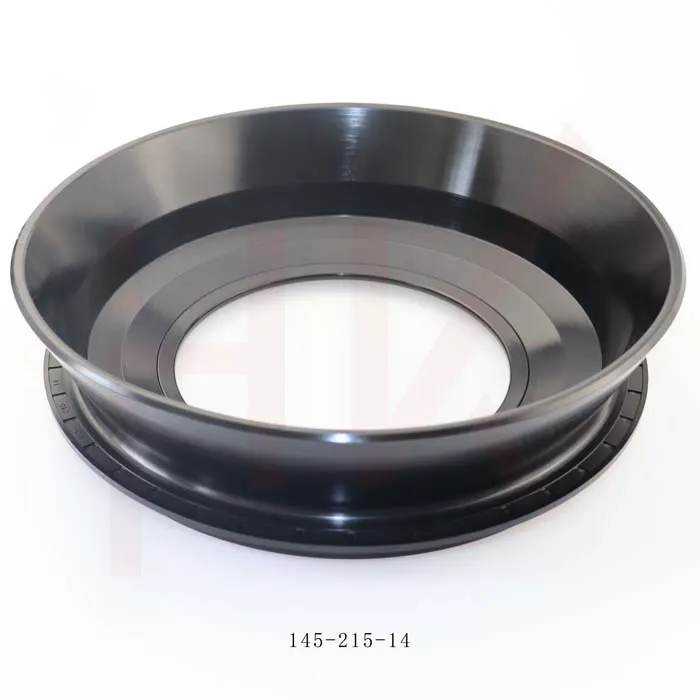
Factory concrete mixer truck oil seal 145*215*14 reducer gearbox oil seal
-
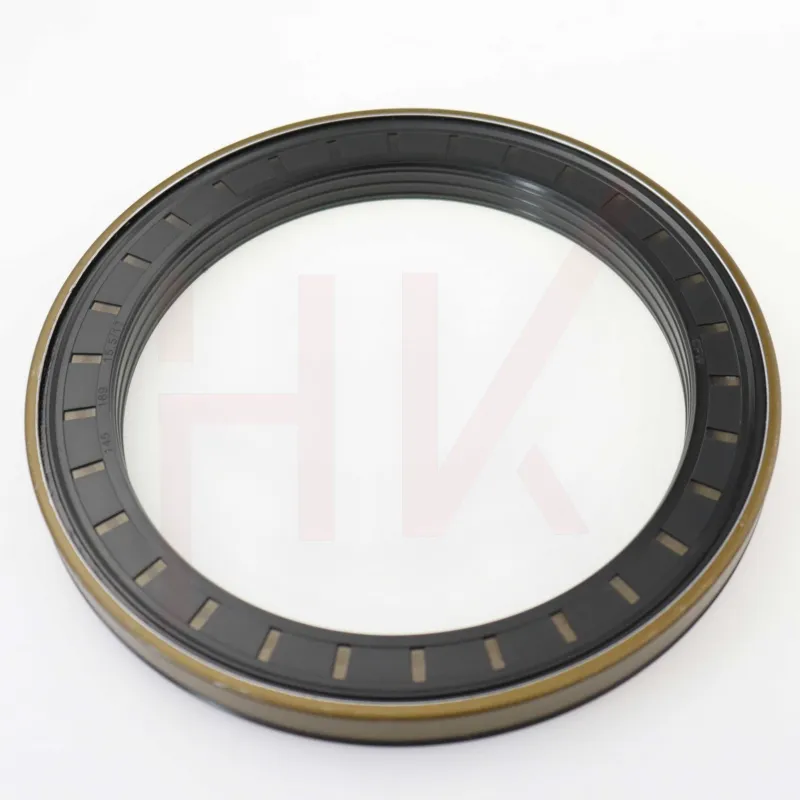
145*189*15.5/17 Cassette Seal NBR Hub Oil Seal 1508044
-
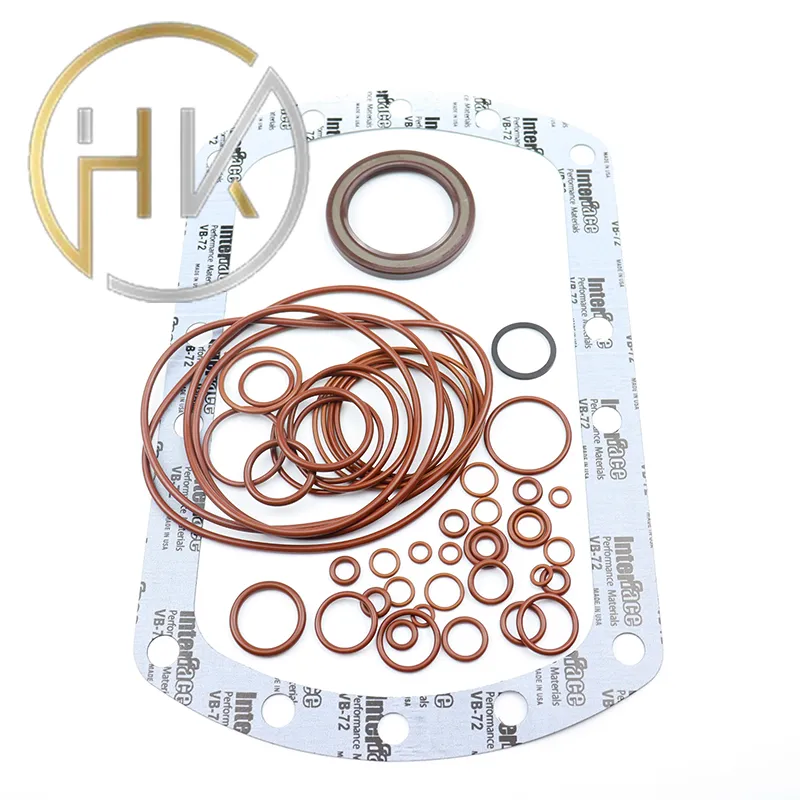
Factory direct sales hydraulic pump motor seal kit A8VO140
-
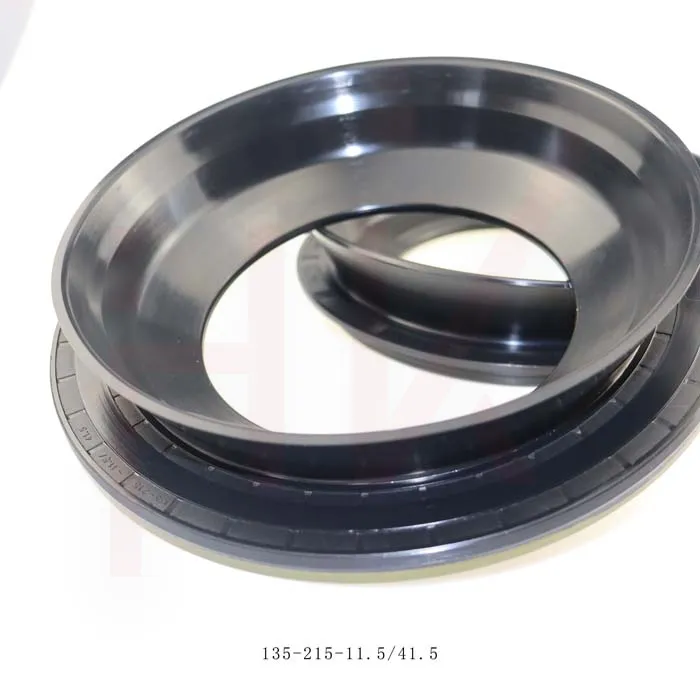
Brand new cement tanker oil seal 135*215*11.5/41.5 concrete mixer oil seal
-
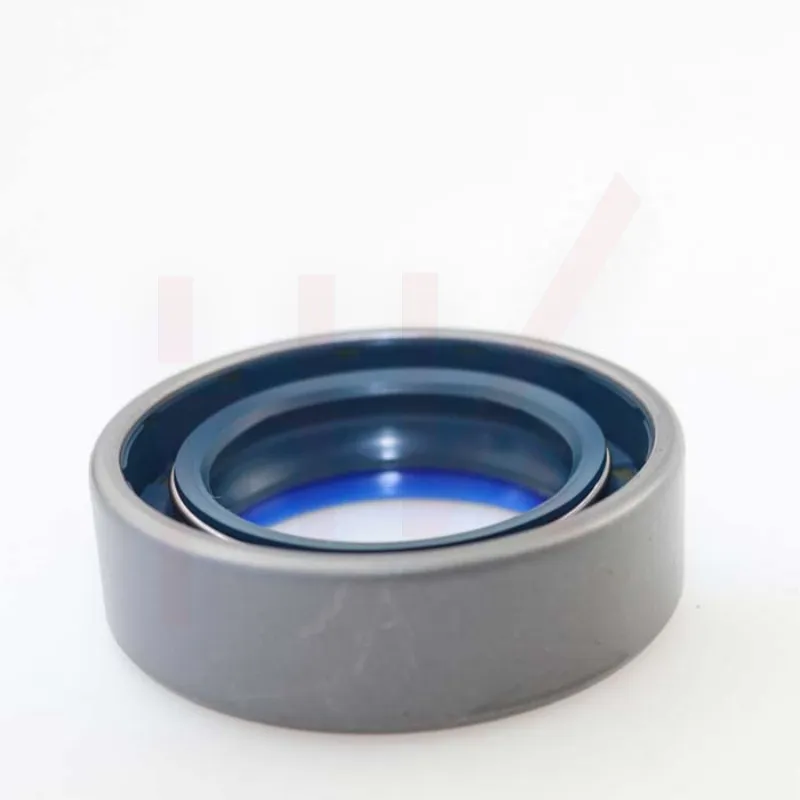
45*65*15 Combi oil seal JCB 90450009 COMBI SF1 SEAL
-
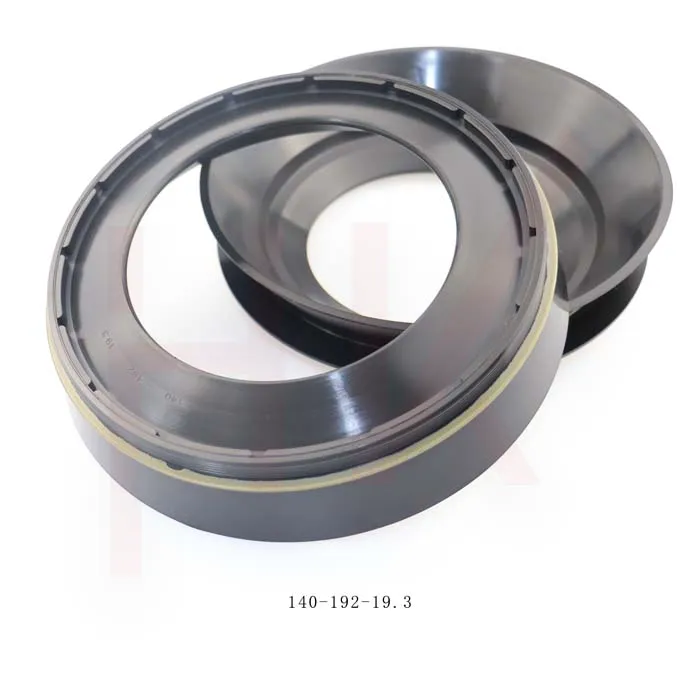
Gear box concrete mixer oil seal 140*192*19.3 nbr reducer oil seal
-
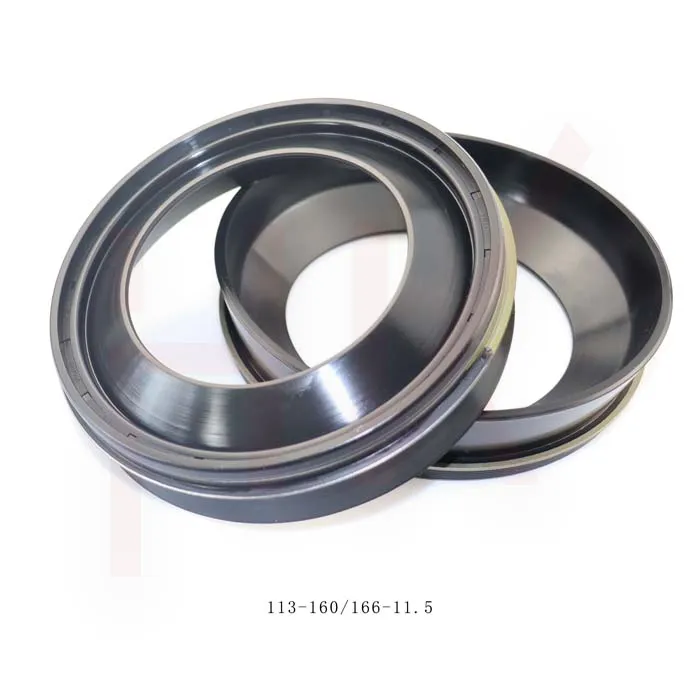
Seals factory direct sales 113*160/166*11.5/38 excavator truck reducer oil seal