
Nov . 27, 2025 19:30 Back to list
Everything You Should Know About Scraper Seal Hydraulic — Durability, Applications, and Innovations
Understanding Scraper Seal Hydraulic: A Critical Component in Modern Industry
If you’ve ever peeked inside a hydraulic cylinder or heavy machinery, you might have caught sight of something called a scraper seal hydraulic. Don’t let the technical-sounding name intimidate you—it’s a simple yet crucial part that keeps machines running smoothly by keeping dirt, dust, and contaminants out of sensitive hydraulic systems. Globally, as industrial applications expand and equipment faces tougher environments, understanding these seals is no longer just a niche interest. The benefits of mastering scraper seal hydraulics touch everything from reduced downtime to environmental sustainability. So, let's unpack why this little seal deserves your attention.
The Global Context: Why Scraper Seal Hydraulics Matter Worldwide
Across the globe, hydraulic systems power construction, agriculture, mining, and countless other industries. According to the International Organization for Standardization (ISO), over 80% of heavy machinery relies on hydraulic technology to function efficiently. But here’s the twist: equipment performance can easily plummet if contaminants sneak inside. Scraper seal hydraulics act as gatekeepers, preventing soil, grit, and water intrusion that cause damage — which ultimately eats up precious maintenance budgets and equipment lifespan.
Environmental challenges only heighten the need for durable seals. Rough terrain in places like Sub-Saharan Africa or the Arctic tundra demands hydraulic seals that withstand extreme temperatures, abrasive particles, and corrosive moisture. The World Bank estimates that equipment downtime due to seal failures runs into the billions annually worldwide — costing productivity and livelihoods.
Mini takeaway: The role of scraper seal hydraulics transcends gear mechanics; it’s a linchpin in ensuring robust, productive operations worldwide.
What Exactly Is a Scraper Seal Hydraulic?
In simplest terms, a scraper seal hydraulic is a specialized seal designed to fit near the outer edge of piston rods in hydraulic cylinders. Its job? Scratch and scrape away contaminants like dust and mud before they reach the delicate inner seals and cylinder components.
Think of it as a bouncer at the door of a nightclub, keeping the rowdy elements (aka dirt and moisture) from spoiling the party inside. Without these seals, hydraulic fluid contamination skyrockets, leading to corrosion, wear, and ultimately machine failure.
More than just engineering jargon, scraper seals offer peace of mind in sectors crucial to human safety and development — from disaster relief machinery to large-scale irrigation systems.
Key Components and Features of Scraper Seal Hydraulics
1. Durability and Wear Resistance
Scraper seals are crafted from tough elastomers such as polyurethane or nitrile rubber, materials chosen for their ability to resist abrasion and maintain integrity under pressure. This resilience ensures a long service life even in harsh environments.
2. Effective Contaminant Removal
The design includes sharp edges or angled lips specifically engineered to physically scrape away dirt and moisture. They don’t just block contaminants—they actively eject them, which reduces seal damage downstream.
3. Compatibility and Adaptability
Depending on the hydraulic system’s size and operation, scraper seals come in varying sizes and cross-sections, sometimes integrated with dust wipers or combined sealing systems for enhanced protection.
4. Temperature and Chemical Resistance
Modern scraper seals withstand temperatures ranging from -40°C to over 120°C, adapting to engine heat or freezing climes. Various compounds also resist hydraulic fluids and environmental chemicals, preventing seal degradation.
5. Cost Efficiency over Time
Though sometimes pricier upfront than simpler seals, scraper seals reduce costly repairs, system failures, and even environmental hazards from leaks, offsetting initial investments.
| Parameter | Typical Range / Value | Description |
|---|---|---|
| Material | Polyurethane, NBR, PTFE | Common elastomers providing durability and chemical resistance |
| Operating Temperature | -40°C to +120°C | Suitable for most industrial hydraulic applications |
| Pressure Limit | Up to 35 MPa (350 bar) | Withstands high-pressure systems typical in construction machinery |
| Sizes Available | 5 mm to 200 mm rod diameters | Range covers light to heavy-duty hydraulic cylinders |
| Lifetime (Typical) | 2-5 years | Varies by environment and maintenance |
How Scraper Seal Hydraulics Serve Global Industries
Everything from massive excavators digging in Australia’s outback to humanitarian relief machines in earthquake zones depends on these seals. In fact, NGOs often specify equipment with scraper seals scraper seal hydraulic technology to ensure rugged reliability where repairs aren’t easy.
In remote industrial zones — say, Siberia or the deserts of the Middle East — these seals prevent costly failure due to dust intrusion. Agricultural machinery in monsoon-heavy areas also benefits by keeping muddy water out, extending machinery life and reducing downtime during critical planting seasons.
And because scraper seals protect the heart of hydraulic systems, their improving designs have opened doors to advanced applications like automated mining rigs and robotic harvesters, pushing industrial capabilities forward.
Mini takeaway: Thanks to scraper seal hydraulics, machines across diverse geographies keep going when it really counts — making a difference in both industry and humanitarian efforts.
The Advantages: Why Invest in Quality Scraper Seal Hydraulics?
- Cost Savings: Less unscheduled maintenance and longer machine life add up to big savings in the long run.
- Enhanced Reliability: Equipment uptime improves, reducing project delays and safety hazards.
- Environmental Protection: By preventing hydraulic fluid contamination and leaks, scraper seals contribute indirectly to sustainability efforts.
- Safety and Trust: Operators can rely on their machinery functioning properly in tough work conditions, improving morale.
Plus, companies with reliable equipment tend to build trust with clients and communities — an often-overlooked factor but critical in repeat business and industry reputation.
Looking Ahead: Innovations and Trends in Scraper Seal Hydraulics
Emerging materials like thermoplastic elastomers and self-lubricating composites are transforming seal lifespans. Digital sensors embedded into seals are beginning to detect wear in real time, signaling maintenance needs before breakdowns occur — that’s part of the growing “Industry 4.0” wave infiltrating hydraulics.
Green engineering trends also influence seal design, including biodegradable elastomers compatible with eco-friendly hydraulic fluids. Automation in assembly lines and tighter global standards (e.g., from ISO 6149 for hydraulic connections) push manufacturers to refine scraper seal quality continuously.
Challenges and How Engineers Are Overcoming Them
Despite advancements, scraper seal hydraulics aren’t perfect. Contaminants smaller than the seal’s groove—fine sand or micro-particles—can still cause damage over time. Variations in installation quality or cylinder alignment also impact performance.
To tackle this, engineers recommend paired sealing systems combining scraper seals with secondary oil seals or magnetic seals in extreme conditions. Training technicians on proper installation also mitigates premature failures.
Vendor Comparison: Scraper Seal Hydraulic Options
| Vendor | Material Options | Custom Sizes | Lead Time | Typical Price Range |
|---|---|---|---|---|
| HKA ISeal Co. | Polyurethane, NBR, PTFE | Yes, wide ranges | 2-4 weeks | $$ |
| SealTech Solutions | NBR, Silicone | Limited | 3-5 weeks | $ |
| ProSeal Dynamics | Advanced thermoplastics | Yes, but premium | 4-6 weeks | $$$ |
FAQ: Practical Questions About Scraper Seal Hydraulic
Q1: How do I know when a scraper seal hydraulic needs replacement?
Look for signs like hydraulic fluid leaks around the rod, increased contamination inside the system, or noticeable performance drops. Regular visual inspection combined with monitoring system pressure can help catch seal wear early.
Q2: Can scraper seals be retrofitted on older hydraulic equipment?
Usually yes, provided the seal profile and size match your cylinder rod. Many suppliers offer custom sizes or adaptable designs ideal for upgrading older models without full equipment replacement.
Q3: What materials are best for scraper seals operating in extreme cold?
Elastomers like silicone or specialized nitrile compounds hold up well in low temperatures, retaining flexibility and sealing ability even below -30°C.
Q4: Are scraper seals compatible with all hydraulic fluids?
Most are designed to withstand common fluids like mineral oils and synthetic fluids, but always check with the manufacturer for compatibility against specific fluids, especially bio-based or phosphate esters.
Q5: How does proper installation affect scraper seal performance?
Critical. Misalignment or damage during installation can reduce the seal’s ability to scrape contaminants, leading to premature failure. Proper training and tools are key for best results.
Conclusion: Why Scraper Seal Hydraulic Investment Pays Dividends
To wrap it all up, scraper seal hydraulics might be ‘small parts’ in the vast scope of industrial machinery, but their impact is outsized — reducing downtime, cutting costs, and bolstering equipment longevity around the world. They’re a quiet hero supporting construction, agriculture, mining, humanitarian projects, and beyond.
So if you’re looking to upgrade your hydraulic systems or build resilience into your fleet, don’t overlook the scraper seal. For tried-and-true products with global reach, be sure to check out scraper seal hydraulic specialists like HKA ISeal. Your machinery—and bank account—will thank you in the long run.
Mini takeaway: Investing in quality scraper seals isn’t just maintenance — it’s future-proofing your operations.
References
-
Guide to Choosing the Right High Quality hydraulic ram kit
NewsApr.16,2026
-
Premium Hydraulic Cylinder Packing Kits for Peak Performance
NewsApr.09,2026
-
Comprehensive Guide to Hydraulic Cylinder Oil Seal Kits for Optimal Performance
NewsApr.07,2026
-
Comprehensive Guide to Choosing the Right Cylinder Seal Kits for Peak Performance
NewsApr.04,2026
-
Comprehensive Guide to Seal Kits for Cylinders Ensuring Optimal Performance
NewsMar.31,2026
-
Comprehensive Guide to Hyd Cylinder Seals for Optimal Hydraulic System Performance
NewsMar.28,2026
-
Comprehensive Guide to Hyd Cylinder Seal Kit Selection and Installation
NewsMar.26,2026
Products categories
-
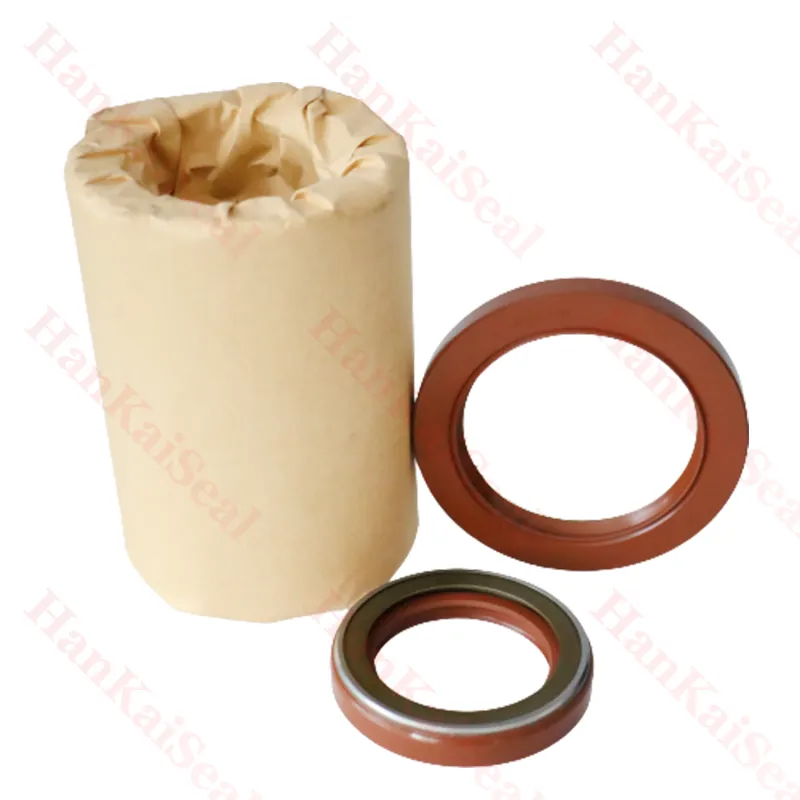
Standard oil seal BP0494 High pressure TCN oil seal
-
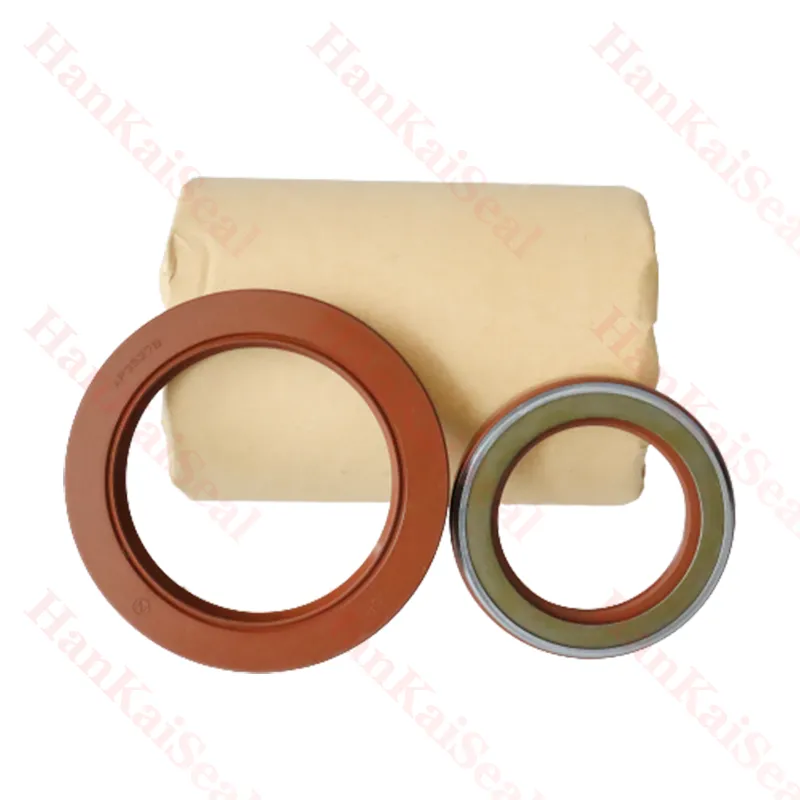
Hydraulic pump seal AP4624G high pressure TCN oil seal
-
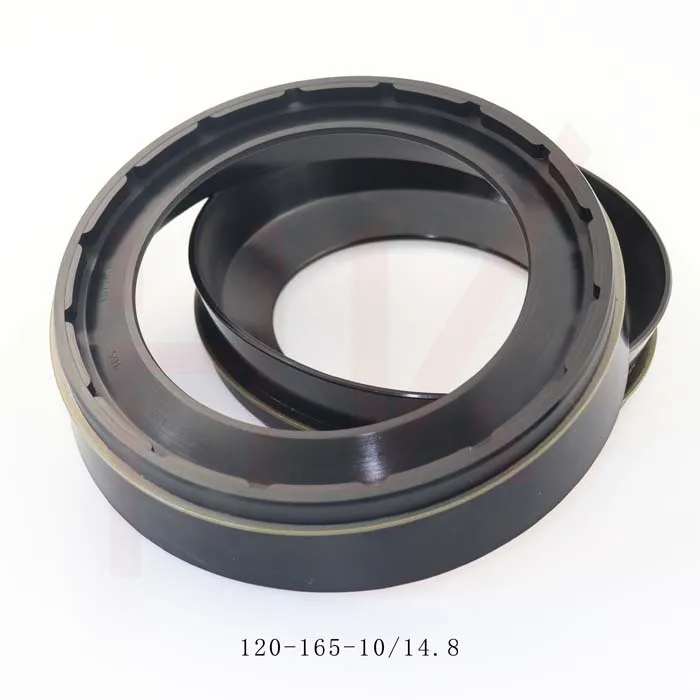
0734307418 0750112169 120*165*10/14.8 concrete mixer reducer oil seal
-
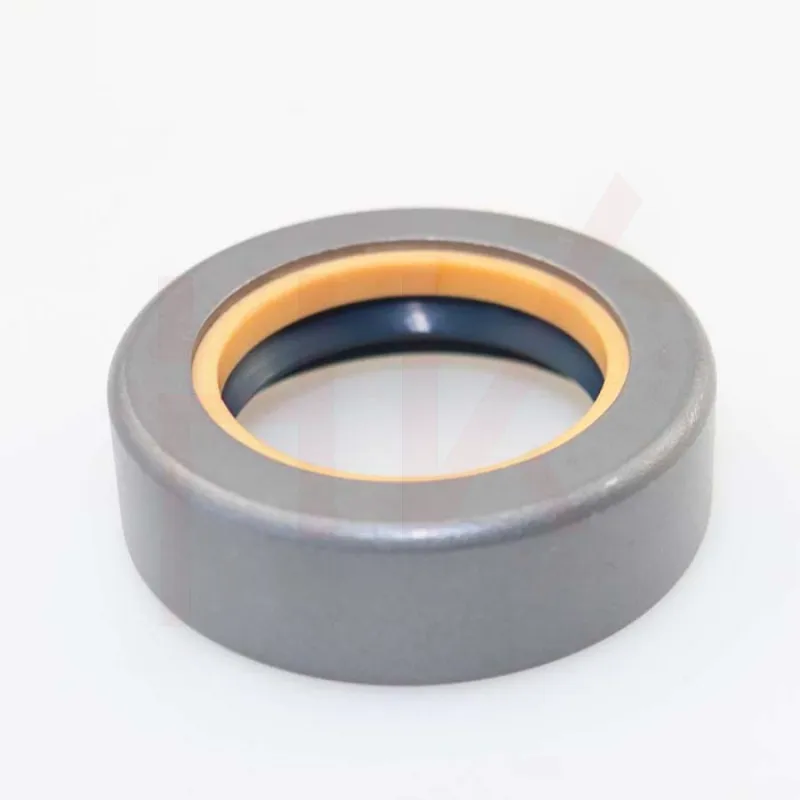
35*52*16 Standard Wheel Hub Oil Seal For Agricultural Machinery
-
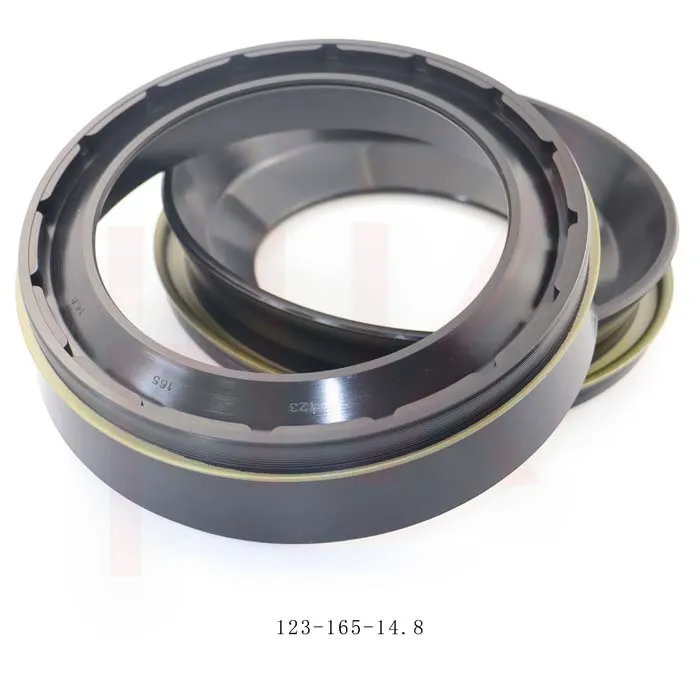
123*165*14.8 concrete mixer truck reducer oil seal
-
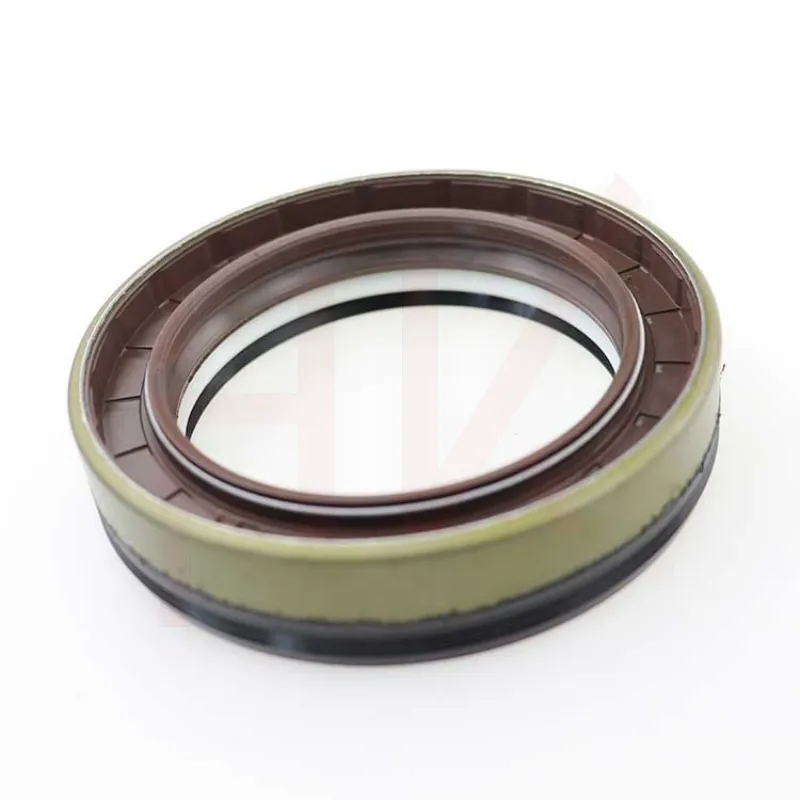
Tractor shaft oil seal 65-90-20 COMBI SF19 hub oil seal
-
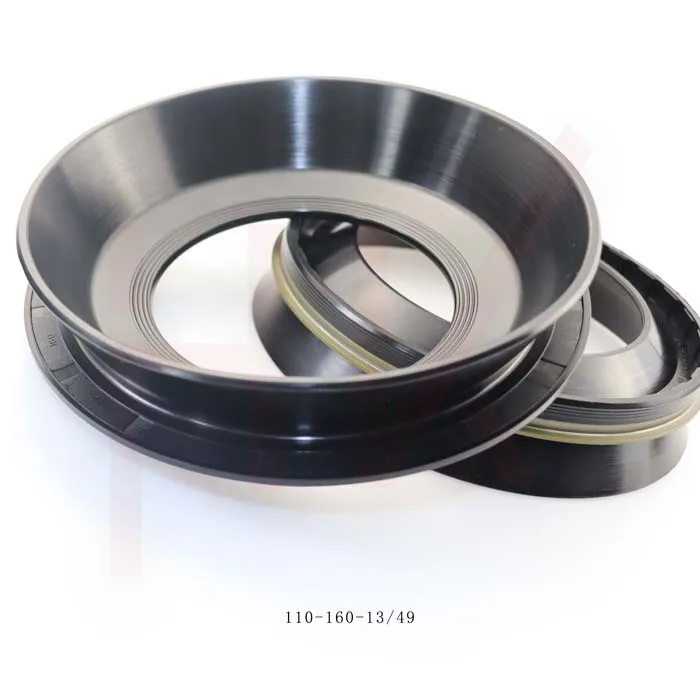
110*160*13/49 NBR reducerConcrete mixer truck oil seal
-
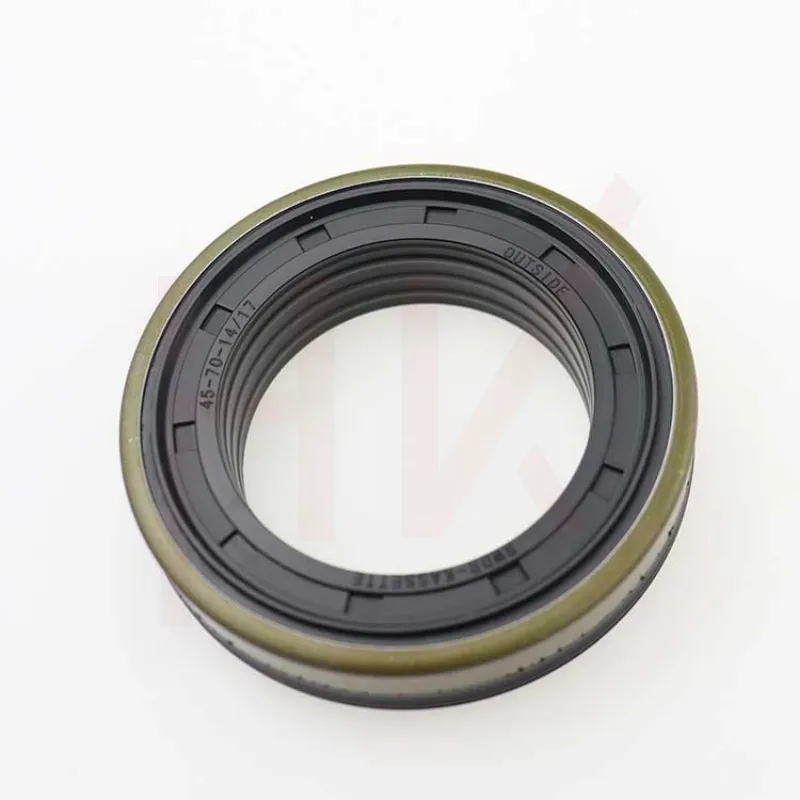
Hub oil seal 40*65*13/14.5 suitable for tractor Cat 12018035b
-
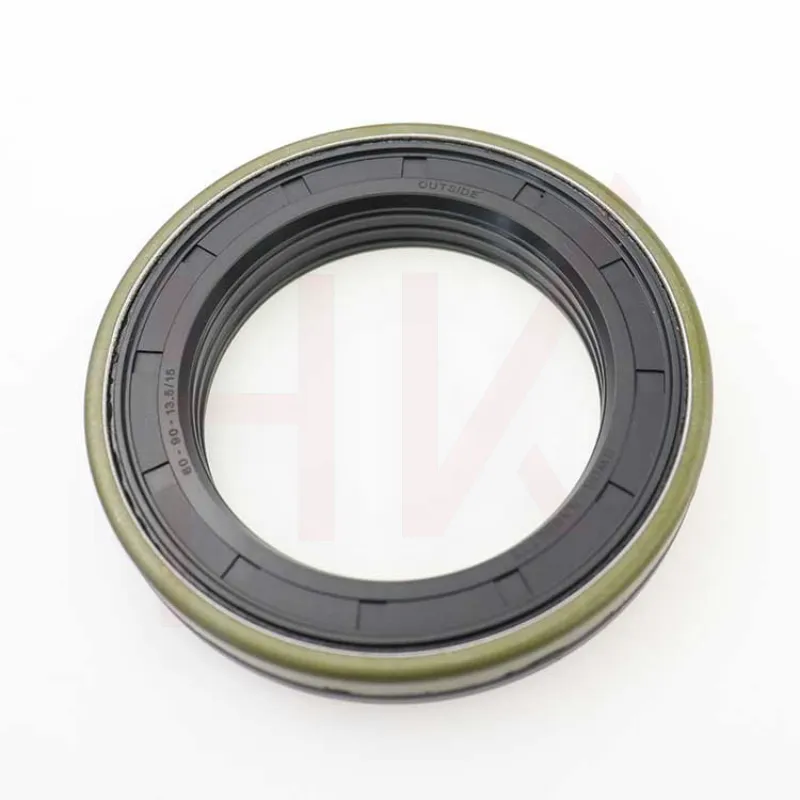
Tractor accessories cassette oil seal hub oil seal 60-90-13.5/15
-
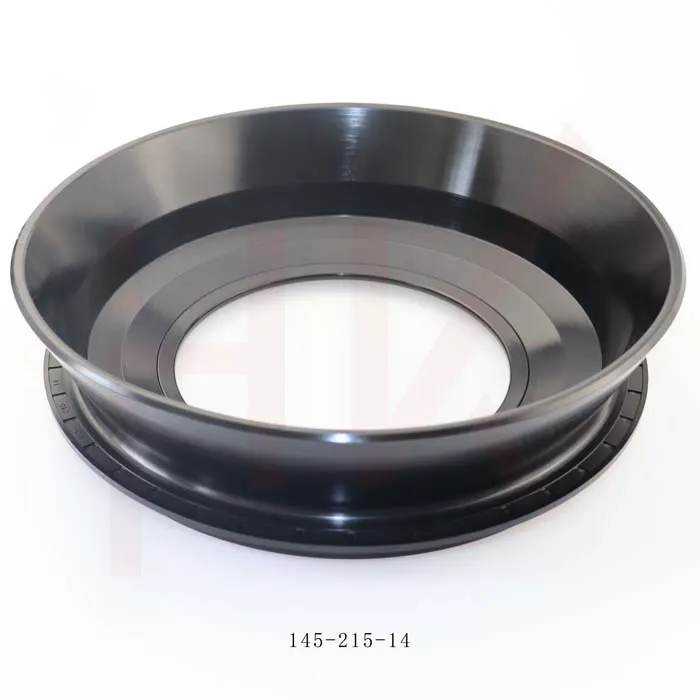
Factory concrete mixer truck oil seal 145*215*14 reducer gearbox oil seal
-
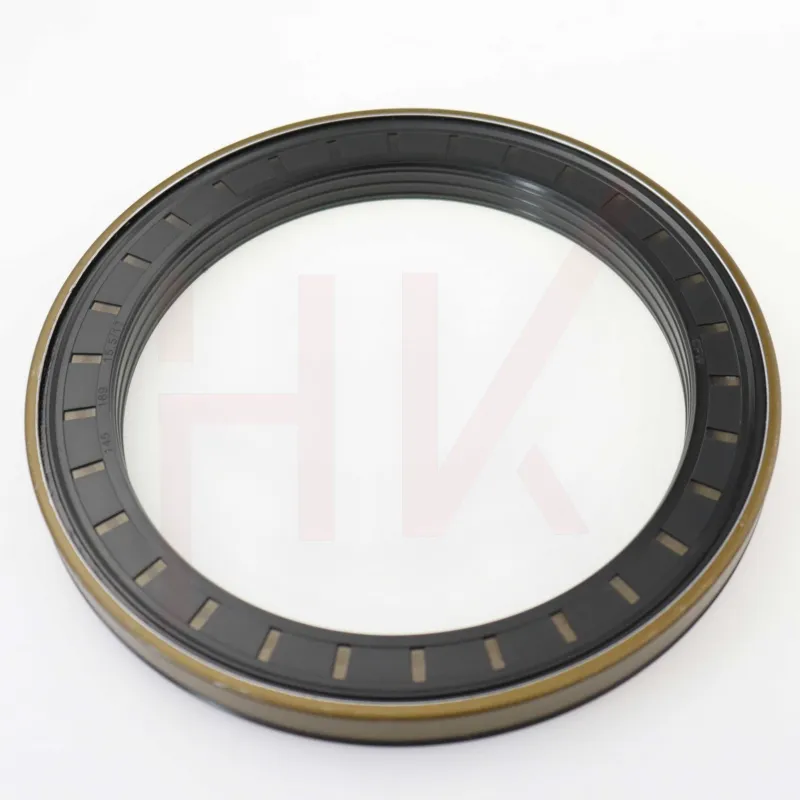
145*189*15.5/17 Cassette Seal NBR Hub Oil Seal 1508044
-
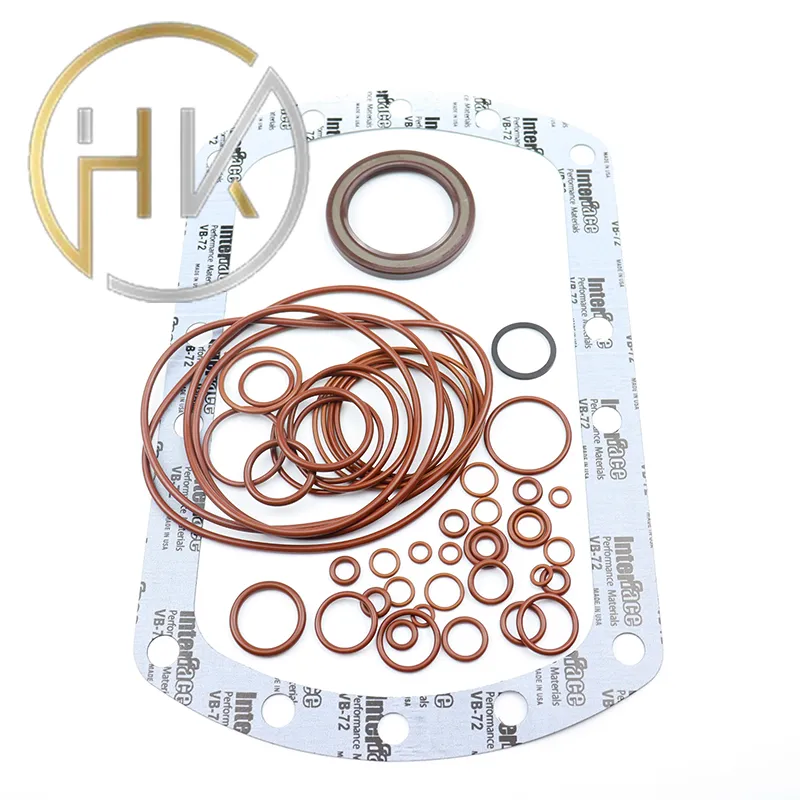
Factory direct sales hydraulic pump motor seal kit A8VO140
-
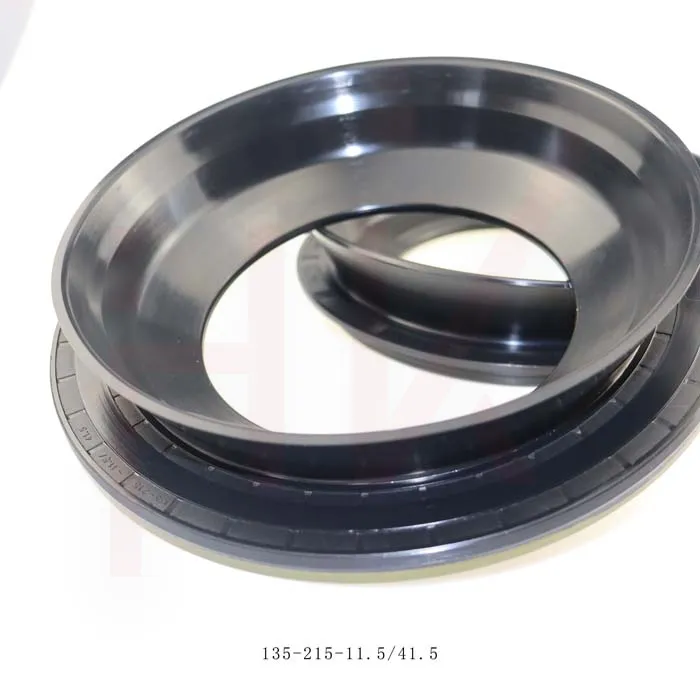
Brand new cement tanker oil seal 135*215*11.5/41.5 concrete mixer oil seal
-
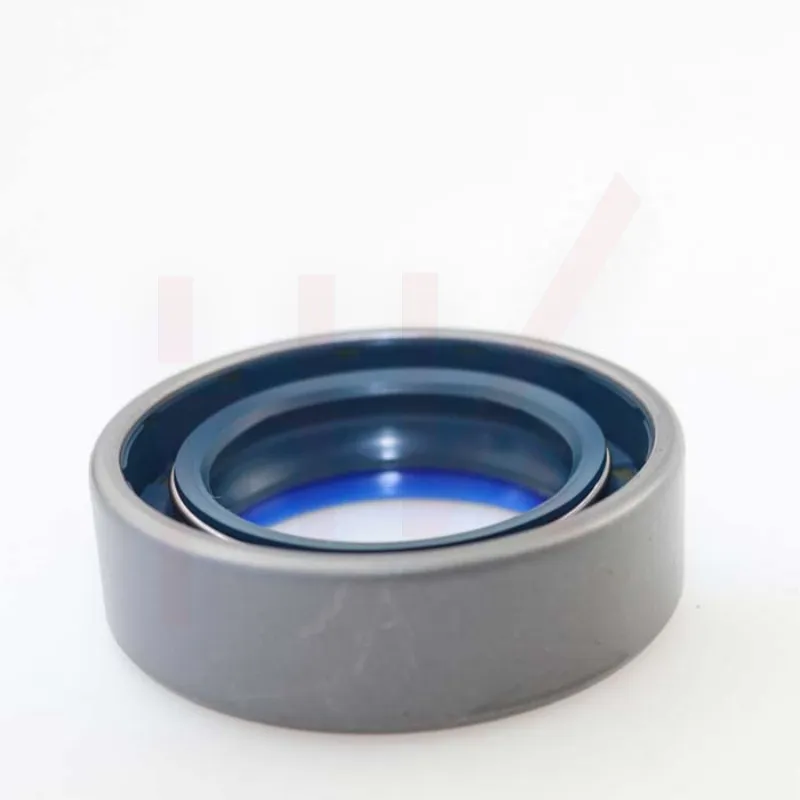
45*65*15 Combi oil seal JCB 90450009 COMBI SF1 SEAL
-
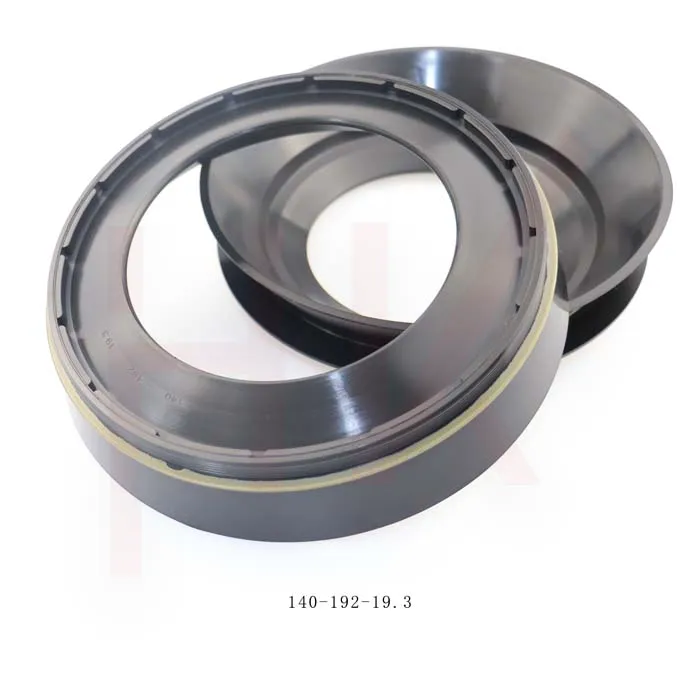
Gear box concrete mixer oil seal 140*192*19.3 nbr reducer oil seal
-
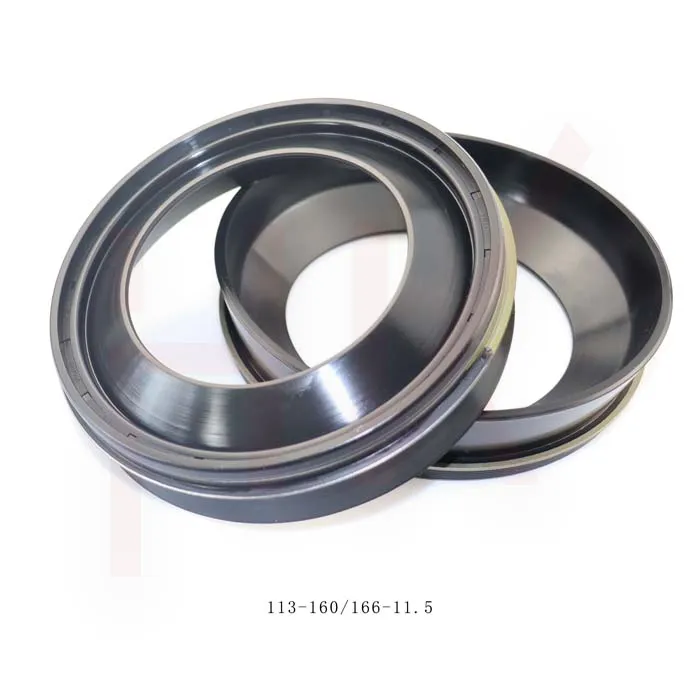
Seals factory direct sales 113*160/166*11.5/38 excavator truck reducer oil seal