
Nov . 27, 2025 18:00 Back to list
Comprehensive Guide to Replacing Wiper Seals on Hydraulic Cylinders | HKA I Seal
Why Replacing Wiper Seals on Hydraulic Cylinders Matters More Than You Think
Hydraulic cylinders are the quiet workhorses behind construction sites, manufacturing lines, and heavy machinery all over the world. The humble wiper seal plays a surprisingly starring role in keeping these cylinders functioning smoothly. Replacing wiper seals on hydraulic cylinders isn’t just a maintenance chore; it’s a critical process that saves downtime, cuts costs, and prevents environmental hazards. Understanding the ins and outs of this task unlocks benefits ranging from enhanced equipment life to industrial safety.
The Global Context: Why Hydraulic Cylinder Maintenance Is Crucial
Worldwide, the hydraulic market is booming as infrastructure projects and automation rise. According to the International Organization for Standardization (ISO), hydraulic equipment is estimated to contribute billions annually to industrial output. But here’s the rub: up to 40% of hydraulic system failures stem from seal damages — particularly the wiper seals exposed to constant wear. This results in costly repairs and machinery downtime globally.
In emerging economies, where heavy equipment may be older or less frequently serviced, the ripple effect is even more pronounced. An unreliable seal can lead to hydraulic fluid leaks, contamination ingress, and eventual cylinder failure — delays that ripple across construction projects or manufacturing plants. So, the question shifts from “Why replace the wiper seal?” to “How soon can we replace it before things get ugly?”
Mini takeaway: Globally, maintaining wiper seals is an underrated yet vital step in safeguarding hydraulic machinery reliability and optimizing operational uptime.
What Is Replacing a Wiper Seal on a Hydraulic Cylinder?
Put simply, the wiper seal is the outermost seal on a hydraulic cylinder rod. Its job is to “wipe” dirt, dust, and moisture off the rod as it retracts, preventing contaminants from entering the cylinder’s internal components. Doing so protects the integrity of the hydraulic fluid and extends the life of other seals inside the system.
Replacing this seal involves carefully removing the old, worn or damaged seal and fitting a new one that conforms perfectly to the rod’s dimensions and material type. The result? The hydraulic system keeps its smooth operation without particulate intrusion or fluid loss.
This process connects deeply with modern industrial sustainability and humanitarian goals — by reducing equipment waste and avoiding hazardous fluid leaks in both developed and remote regions using heavy machinery.
Key Considerations When Replacing Wiper Seals
Durability and Material Compatibility
Picking a wiper seal that can endure harsh environmental elements — whether sand, water, or chemicals — is crucial. For example, polyurethane seals offer excellent abrasion resistance, while nitrile rubber variants resist oil better.
Precision Fit and Dimensions
Even minor deviations in the seal’s sizing can cause leaks or premature wear. Many hydraulic service engineers emphasize measuring the rod diameter and groove specifications carefully before ordering replacement seals.
Cost Efficiency and Availability
While it’s tempting to save money by using generic seals, many find that investing in quality and vendor reputation often reduces total operational costs dramatically. After all, a cheaper seal that fails quickly leads to expensive downtime and accidental failures.
Ease of Installation
Some seals require specialized tools or process steps to replace correctly. Being aware of installation procedures in advance can minimize errors and delays.
Environmental Resistance
In environments like marine construction or desert mining, seals must resist saltwater corrosion or abrasive dust, impacting material choice.
Lifecycle and Maintenance Intervals
Knowing how long a seal typically lasts and scheduling timely replacements avoids surprise failures. Inspections every few months, especially in demanding applications, are standard best practice.
| Parameter | Specification |
|---|---|
| Material Type | Polyurethane or Nitrile Rubber |
| Temperature Range | -40°C to +120°C |
| Rod Diameter Compatibility | 12mm – 150mm |
| Abrasion Resistance | High |
| Chemical Resistance | Oil, Hydraulic Fluids, Water |
| Installation Requirement | Specialized Seal Installation Tool Recommended |
How Industries Across the Globe Apply Wiper Seal Replacement
Anywhere hydraulic cylinders operate, maintaining those wiper seals is routine but crucial.
- Construction and Mining in Australia: Harsh conditions like dust storms mean seals wear out fast. Timely replacement preserves costly machinery.
- Manufacturing Plants in Germany: Precision industries replace seals preventively to uphold uninterrupted automation lines.
- Post-Disaster Relief Machinery: In fragile settings, NGOs rely on equipment with well-maintained seals to quickly mobilize excavation and transport.
- Remote Arctic Oil Fields: Cold-resilient seals endure extreme temperatures and ensure no oil contamination leaks during repairs.
Oddly enough, even small maintenance shops in developing regions that stock the right replacement seals see a big difference in equipment longevity.
Mini takeaway: Replacing wiper seals is a universal practice that varies subtly depending on environment and use, but the underlying goal remains the same: keep hydraulics healthy and leak-free.
Advantages and Long-Term Value of Replacing Wiper Seals
Let’s be honest, it’s not glamorous work, but the benefits are tangible. A fresh wiper seal:
- Prevents dirt from contaminating internal hydraulic components, preserving fluid purity.
- Reduces costly hydraulic leaks that cause environmental harm and safety risks.
- Extends the overall life of hydraulic cylinders and downstream machinery parts.
- Minimizes unexpected downtime, enhancing reliability and operational efficiency.
- Provides peace of mind — especially for remote or high-stakes projects.
There’s a certain dignity in well-maintained equipment. It reflects an organization that values safety, sustainability, and cost-effective innovation.
What’s Next? Innovations in Wiper Seal Technology
Several exciting trends shape the future of replacing wiper seals:
- Advanced Materials: Nano-composite polymers boasting superior abrasion resistance and self-healing properties.
- Digital Condition Monitoring: Embedded sensors that signal seal wear before failure.
- Eco-Friendly Seal Designs: Using biodegradable materials to reduce environmental impact.
- Automation in Replacement: Robots and precision tools to speed up seal change with less human error.
As digitization and sustainability goals rise, the simple wiper seal is quietly undergoing a transformation.
Common Challenges and How Experts Address Them
Challenges like incorrect seal sizing, incompatible materials, or poor installation techniques are common culprits behind premature failures.
Experienced engineers recommend:
- Thorough measurement protocols before ordering parts.
- Choosing seal materials tailored to specific environment and fluid types.
- Using manufacturer-recommended installation tools and procedures.
- Scheduling regular inspections and replacements at fixed intervals.
Replacing wiper seal on hydraulic cylinder is a small investment of time and care that pays back massively in equipment lifespan.
| Vendor | Material Options | Price Range (per seal) | Lead Time | Special Features |
|---|---|---|---|---|
| HKA I Seal | Polyurethane, Nitrile, Viton | $10 - $30 | 1-3 days | Custom sizing, eco-friendly materials |
| SealTech Solutions | Nitrile, EPDM | $12 - $25 | 5-7 days | Bulk order discounts |
| Global Seal Corp | Polyurethane, Viton | $15 - $40 | 3-5 days | Wear sensors integrated |
Common Questions About Replacing Wiper Seals on Hydraulic Cylinders
- How often should I replace the wiper seal on my hydraulic cylinder?
- Replacement frequency depends on usage and conditions, but many industries recommend inspections every 3–6 months, with replacement every 1–2 years. Harsh environments might require more frequent maintenance.
- Can I reuse old wiper seals after removal?
- It’s generally not advisable to reuse old seals because even slight wear or deformation can compromise performance and lead to contamination or leaks down the line.
- What are the signs that a wiper seal needs replacing?
- Look for visible damage, streaks or leaks of hydraulic fluid on the rod, contamination inside the cylinder, or unusual cylinder operation. Sudden drop in hydraulic fluid levels is another red flag.
- Is it possible to replace wiper seals on-site without specialized tools?
- While some small cylinders allow basic replacement with hand tools, most industrial-grade seals benefit from specialized installation tools to avoid damage during fitting.
- How do environmental factors affect wiper seal selection?
- Seals exposed to extreme temperatures, chemicals, or abrasive particulates must match those conditions—choosing the right material prevents premature failure and downtime.
Wrapping It Up: Time to Keep Those Cylinders Healthy
The long-term benefits of replacing wiper seals on hydraulic cylinders echo well beyond just “maintenance task.” They touch cost savings, environmental care, operational reliability, and even worker safety. When you invest in the right seal with proper installation and timing, you’re really investing in peace of mind for your machinery and your team.
If you’re ready to explore precise and durable sealing solutions, it’s worth checking out replacing wiper seal on hydraulic cylinder products and expertise that make this important job easier and more reliable.
References:
-
Guide to Choosing the Right High Quality hydraulic ram kit
NewsApr.16,2026
-
Premium Hydraulic Cylinder Packing Kits for Peak Performance
NewsApr.09,2026
-
Comprehensive Guide to Hydraulic Cylinder Oil Seal Kits for Optimal Performance
NewsApr.07,2026
-
Comprehensive Guide to Choosing the Right Cylinder Seal Kits for Peak Performance
NewsApr.04,2026
-
Comprehensive Guide to Seal Kits for Cylinders Ensuring Optimal Performance
NewsMar.31,2026
-
Comprehensive Guide to Hyd Cylinder Seals for Optimal Hydraulic System Performance
NewsMar.28,2026
-
Comprehensive Guide to Hyd Cylinder Seal Kit Selection and Installation
NewsMar.26,2026
Products categories
-
Standard oil seal BP0494 High pressure TCN oil seal
-
Hydraulic pump seal AP4624G high pressure TCN oil seal
-
0734307418 0750112169 120*165*10/14.8 concrete mixer reducer oil seal
-
35*52*16 Standard Wheel Hub Oil Seal For Agricultural Machinery
-
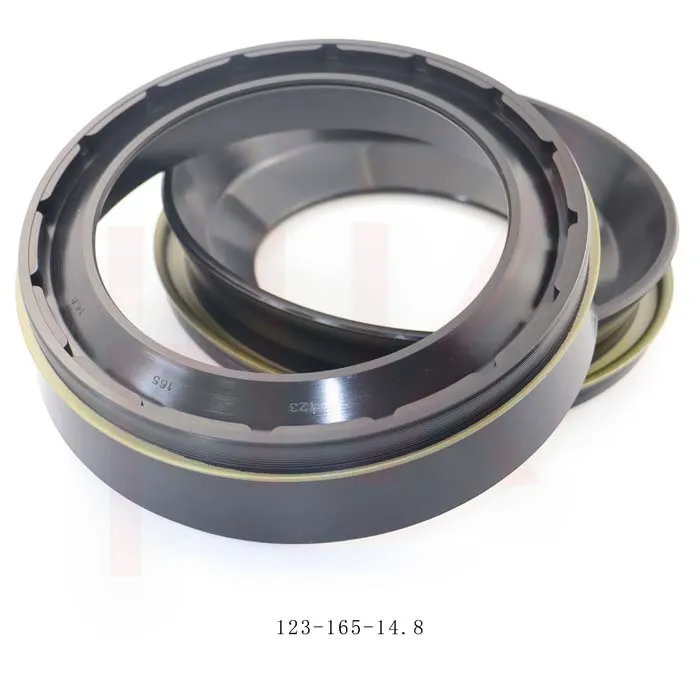
123*165*14.8 concrete mixer truck reducer oil seal
-
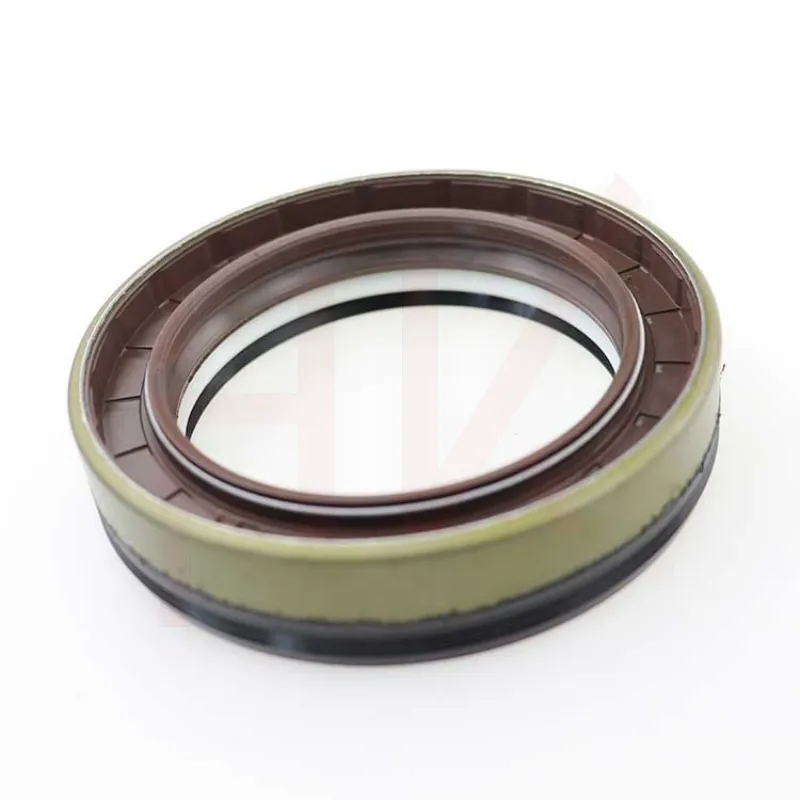
Tractor shaft oil seal 65-90-20 COMBI SF19 hub oil seal
-
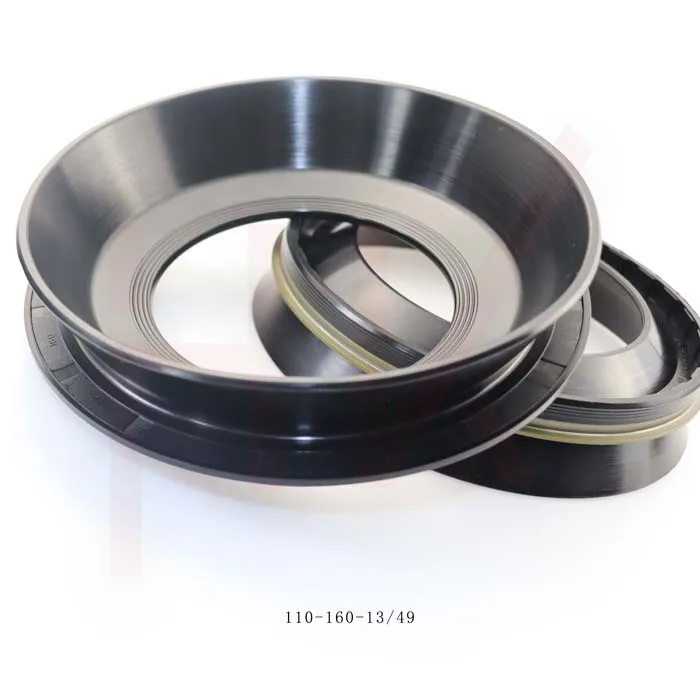
110*160*13/49 NBR reducerConcrete mixer truck oil seal
-
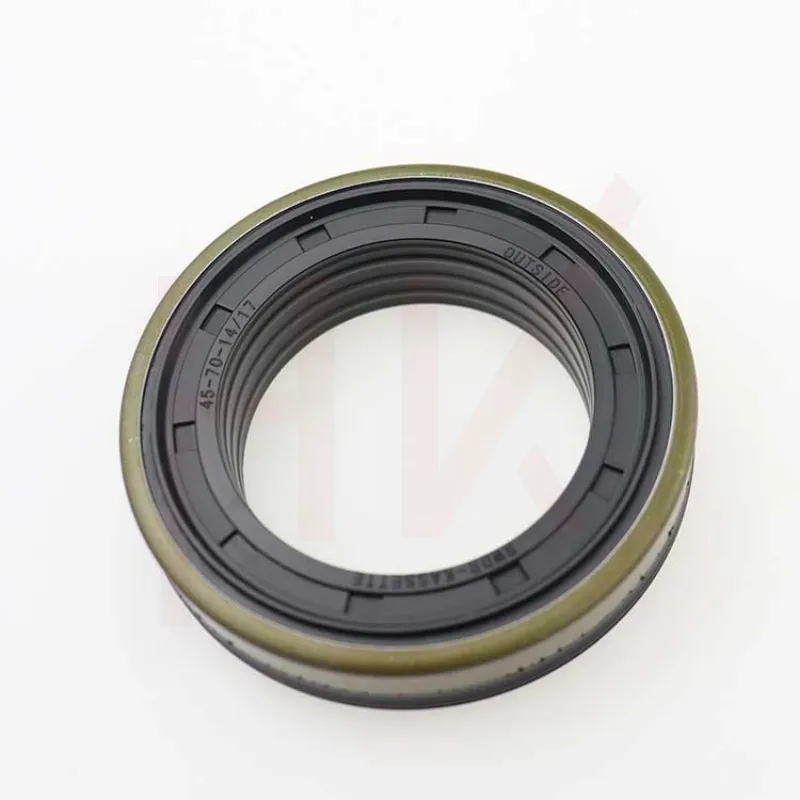
Hub oil seal 40*65*13/14.5 suitable for tractor Cat 12018035b
-
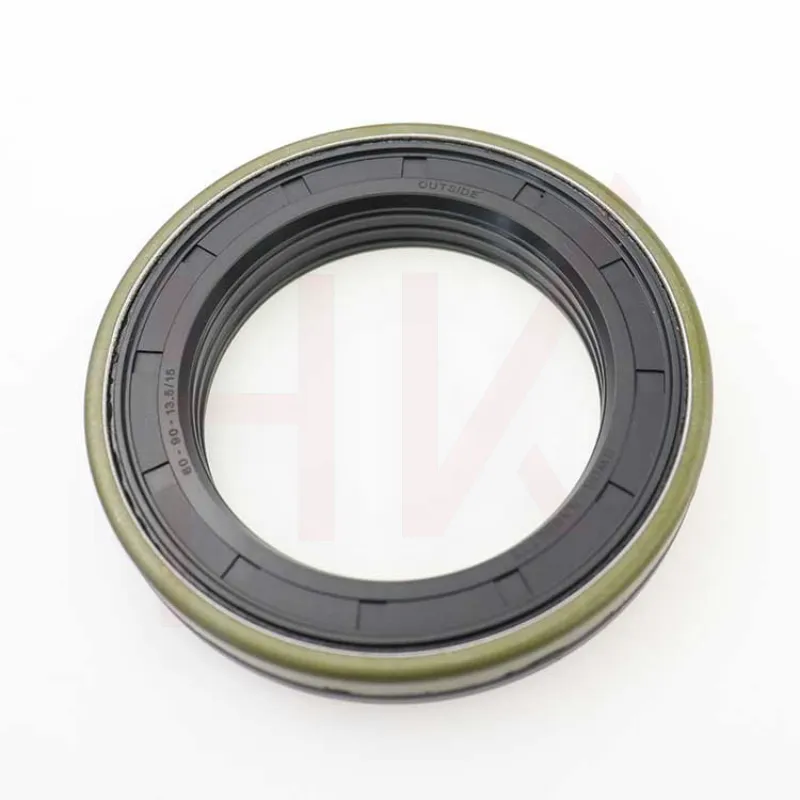
Tractor accessories cassette oil seal hub oil seal 60-90-13.5/15
-
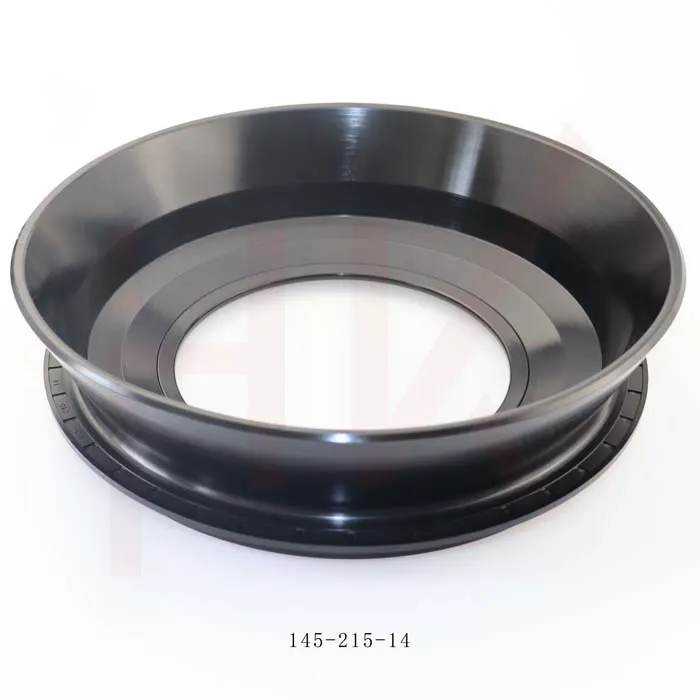
Factory concrete mixer truck oil seal 145*215*14 reducer gearbox oil seal
-
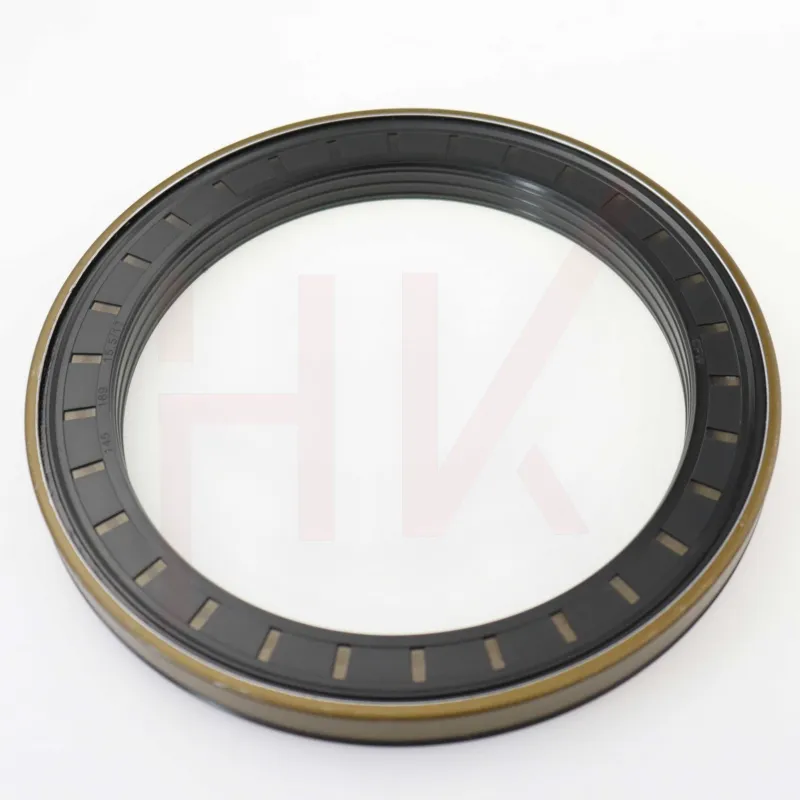
145*189*15.5/17 Cassette Seal NBR Hub Oil Seal 1508044
-
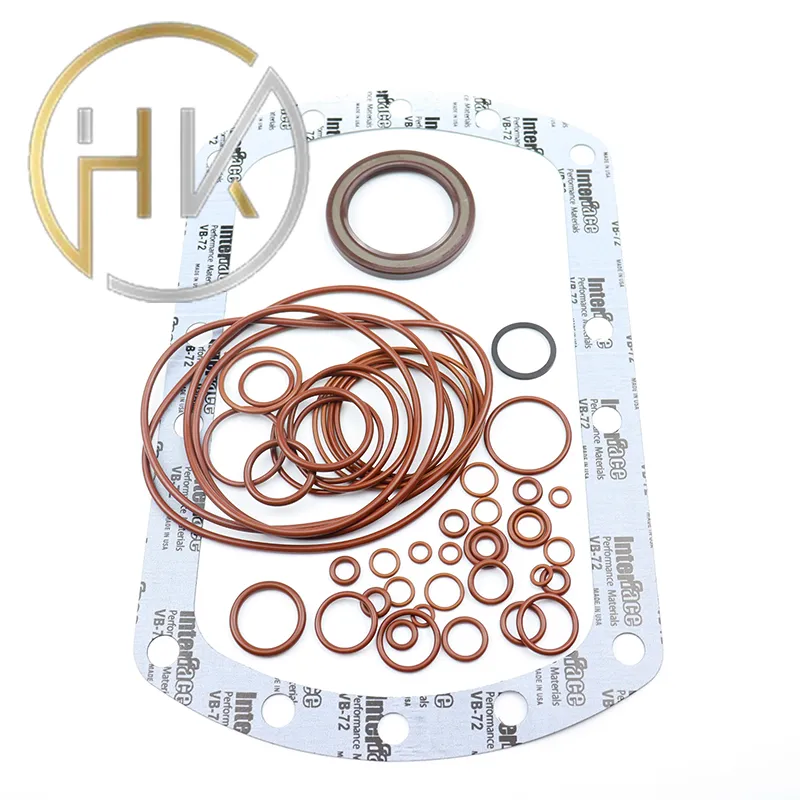
Factory direct sales hydraulic pump motor seal kit A8VO140
-
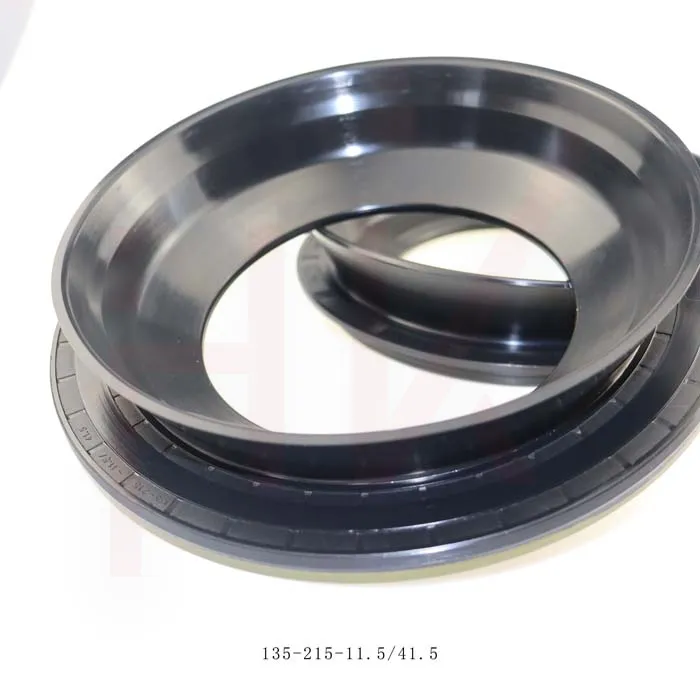
Brand new cement tanker oil seal 135*215*11.5/41.5 concrete mixer oil seal
-
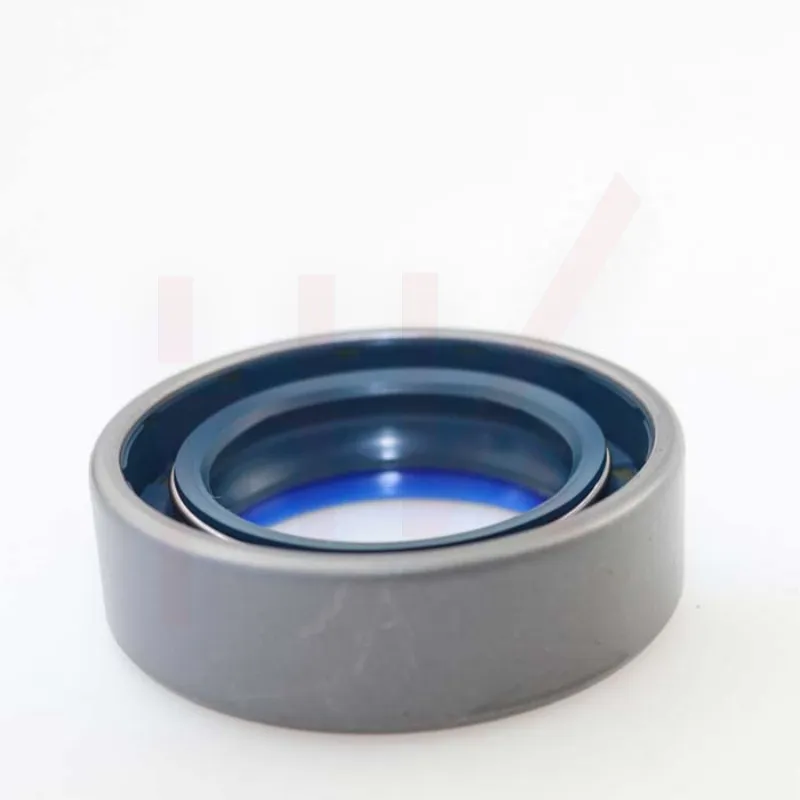
45*65*15 Combi oil seal JCB 90450009 COMBI SF1 SEAL
-
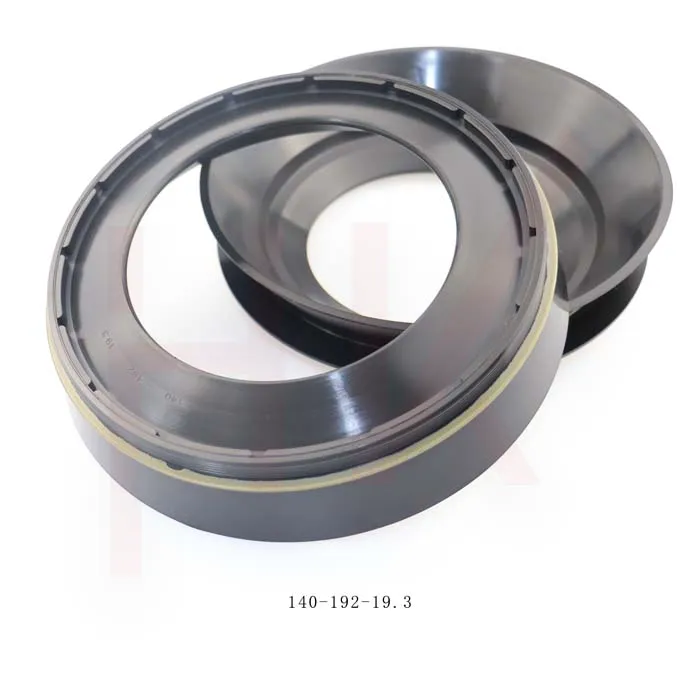
Gear box concrete mixer oil seal 140*192*19.3 nbr reducer oil seal
-
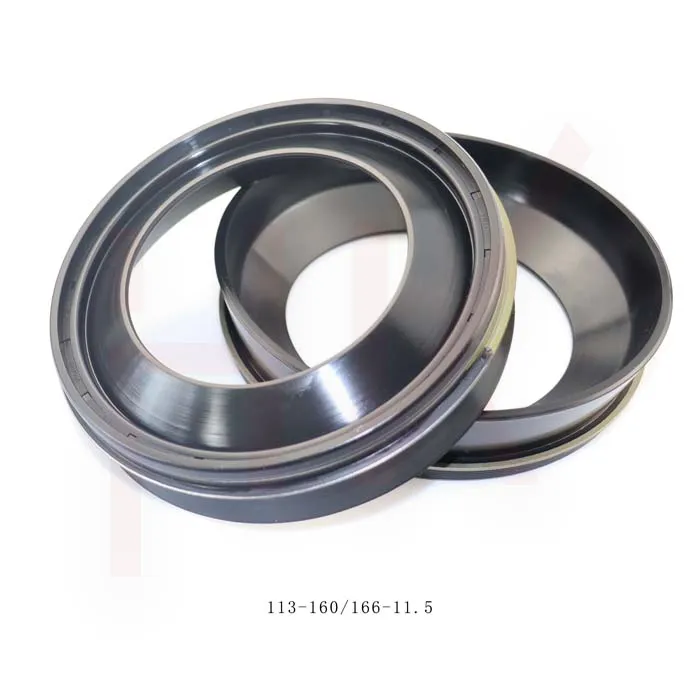
Seals factory direct sales 113*160/166*11.5/38 excavator truck reducer oil seal