
Nov . 27, 2025 15:00 Back to list
What is a PTFE Wiper Seal? Benefits, Uses & Future Trends Explained
Understanding PTFE Wiper Seals: Why They Matter Globally
If you’ve ever wondered how machines remain dust-free and efficient in demanding environments, chances are PTFE wiper seals have something to do with it. These small but mighty components play a critical role worldwide, especially in industries where contamination must be minimized. Frankly, the global economy depends on these seals to keep equipment running smoothly—from heavy manufacturing plants in Europe to mining operations in Australia. Understanding PTFE wiper seals isn't just about seals; it’s about performance, safety, and sustainability across countless sectors. ---The Global Context: Why PTFE Wiper Seals Are a Big Deal
Here’s the thing: industrial equipment failure can cost billions annually (ISO estimates showed unplanned downtime costs reaching 5% of annual revenues in some sectors). A wiper seal — specifically a PTFE (Polytetrafluoroethylene) variant — helps keep unwanted grit or moisture out. Global manufacturing output recently topped $94 trillion, and as you’d guess, keeping machinery contamination-free is vital. The challenge? Many seals quickly degrade in harsh conditions, especially where temperatures fluctuate or chemicals are present. PTFE wiper seals, with their chemical resistance and low friction, combat this problem—and reduce machine wear, maintenance intervals, and, frankly, headaches. So they’re more than just parts; they’re part of this invisible infrastructure that underpins reliable production worldwide. ---What Exactly Is a PTFE Wiper Seal?
Simply put, a PTFE wiper seal is a sealing component designed to wipe dirt, dust, and liquids from moving surfaces—usually cylinders—before contamination can enter sensitive components. Unlike rubber seals, PTFE seals are made from a synthetic fluoropolymer resistant to chemicals, heat, and wear. Because PTFE is non-stick and stable over wide temperature ranges, the wiper seal effectively prevents particles from scratching or damaging shaft surfaces. It’s like a tiny guardian angel for machines. Industries from oil & gas to food processing rely on these, sometimes in the most unforgiving environments you can think of. ---Core Components and Factors of PTFE Wiper Seals
Durability – Going the Distance
The standout feature is durability. PTFE’s resistance to abrasion and chemicals means these seals rarely need early replacement—even in corrosive or abrasive atmospheres. For instance, mining companies operating in dusty, acidic conditions appreciate this longevity since replacing seals regularly can lead to expensive downtime.Temperature Resilience
Unlike traditional rubber or polyurethane seals that start to crack or become stiff above ~120°C, PTFE holds firm up to 260°C or more. This makes it perfect for applications involving heat or variable climates—think of automotive engines or steam machinery.Low Friction Coefficient
PTFE has one of the lowest friction coefficients among polymers, so these wiper seals cause less wear on both the seal itself and the moving parts compared to other materials. This feature means smoother operation and energy savings in motors or cylinders.Cost Efficiency Over Time
Sure, initial costs can be higher than generic seals, but in real terms, the reduced maintenance, extended lifespan, and fewer production halts make PTFE wiper seals highly cost effective. Many engineers say, "You pay a bit more upfront but save tons over the machine’s life."Customization and Versatility
Companies now offer seals tailored to exact cylinder sizes, pressures, and environments. From micro-sealing in delicate pharmaceutical packaging machines to heavy pressurized hydraulic cylinders, PTFE seals show remarkable adaptability. ---Real-World Applications and Industrial Use Cases
PTFE wiper seals are everywhere—in fact, they're quietly prolific. Here are a few snapshots: - Manufacturing Hubs: In Germany’s automotive plants or Japan’s electronics fabs, these seals protect precision equipment from dust and lubricant contamination, ensuring quality and uptime. - Mining Operations in Australia & South Africa: Seals need to withstand dust, mud, and frequent temperature swings. PTFE's robustness is critical for long-term equipment survival. - Food and Pharmaceutical Processing: Here, contamination control is paramount. Since PTFE is FDA-compliant and chemically inert, these seals help maintain hygiene standards. - Environmental and Disaster Relief Equipment: Think of remote water pumps or filtration systems used in disaster zones—PTFE seals keep critical equipment running despite harsh outdoor conditions. > Mini takeaway: The global reach of PTFE wiper seals is vast, traversing continents, industries, and critical infrastructure with quiet reliability. ---Advantages & Long-Term Value of PTFE Wiper Seals
Why do companies swear by these seals? Because beyond technical specs, PTFE wiper seals offer: - Safety: Reliable seals reduce contamination risks, protecting both machinery and workers. - Sustainability: Increased seal lifespan reduces waste and environmental impact. - Cost Savings: Lower maintenance frequency saves money and downtime. - Innovation Enablement: They enable advanced machinery designs that require precision and reliability. It’s fascinating that something so small can inspire such trust in high-stakes industries. ---Future Trends: Where Are PTFE Wiper Seals Headed?
The future looks green and smart. With growing industrial focus on sustainability, PTFE compounds are being optimized for recyclability. Some R&D efforts introduce bio-based filler materials that reduce environmental impact without sacrificing performance. At the same time, advances in digital monitoring (think IoT-equipped hydraulic systems) mean that seals’ wear can be remotely tracked, predicting failure before it hurts production. Smart sealing technology is kind of where materials science meets digital transformation. ---Common Challenges and Practical Solutions
No product is perfect. For PTFE wiper seals, some hurdles include: - Installation Sensitivity: Improper mounting can cause damage since PTFE is rigid. - Initial Cost Barrier: Some clients balk at upfront costs despite long-term savings. - Chemical Compatibility Limits: While PTFE resists most agents, extreme alkalis can cause degradation. Experts recommend: - Proper training for sealers. - Use of hybrid seal designs combining PTFE with elastomer lips. - Partnering with vendors offering tailored solutions and after-sales support. Which reminds me—seals alone don’t win the day; partnership and support matter too. ---Product Specification Table: Typical PTFE Wiper Seal Characteristics
| Parameter | Typical Value | Notes |
|---|---|---|
| Material | PTFE (Virgin or Filled) | Carbon or glass-filled for added strength |
| Operating Temperature | -200°C to +260°C | Wide temperature range |
| Pressure Range | Up to 20 MPa (approx.) | Varies by design |
| Coefficient of Friction | ~0.05–0.1 | Low friction reduces wear |
| Chemical Resistance | Excellent to most acids and solvents | Inert except strong alkalis |
Vendor Comparison: PTFE Wiper Seal Suppliers
| Supplier | Product Range | Customization | Lead Time | Global Presence |
|---|---|---|---|---|
| Kaiseal Industries | Wide - PTFE & hybrid seals | High - tailored engineering support | 2–4 weeks | Asia, Europe, Americas |
| SealTech Corp | Medium - specialized PTFE seals | Moderate customization | 3–5 weeks | North America, Europe |
| GlobalSeal Solutions | Extensive - PTFE blends & composites | High - including rapid prototyping | 1–3 weeks | Worldwide |
Frequently Asked Questions About PTFE Wiper Seals
- Q: How does a PTFE wiper seal differ from a rubber wiper seal?
A: PTFE wiper seals offer superior chemical resistance, temperature tolerance, and lower friction compared to rubber. This means longer life and better performance in harsh environments such as chemicals or heat. - Q: Can PTFE wiper seals be used in food-grade machinery?
A: Yes, PTFE seals are FDA-compliant and inert, making them suitable for food and pharmaceutical applications where hygiene is critical. Just ensure proper certification for your specific product. - Q: What maintenance do PTFE wiper seals require?
A: Generally, PTFE seals require less frequent maintenance due to their wear resistance. Routine inspection is still recommended to check for physical damage or installation issues. - Q: Are PTFE wiper seals environmentally friendly?
A: PTFE itself is not biodegradable, but because of their long lifespan and improved efficiency, these seals contribute to less waste overall. Emerging developments aim to improve their environmental footprint further. - Q: How can I select the right PTFE wiper seal for my hydraulic system?
A: Consider factors such as operating temperature, pressure, fluid compatibility, and shaft diameter. Consulting with suppliers like ptfe wiper seal experts is usually the best approach.
Conclusion: The Quiet Strength of PTFE Wiper Seals
In the grand scheme, PTFE wiper seals may seem like tiny, overlooked parts, but their impact is monumental—for equipment longevity, operational safety, and global industry sustainability. As sectors push for more reliable, cleaner, and smarter solutions, the role of these seals grows stronger. So, whether you’re in hydraulics, manufacturing, or environmental tech, embracing PTFE wiper seals is a smart move now and for the future. For more information or to explore customized solutions, visit https://www.hkaiseal.com — your go-to source for advanced sealing technologies. ---References
-
Guide to Choosing the Right High Quality hydraulic ram kit
NewsApr.16,2026
-
Premium Hydraulic Cylinder Packing Kits for Peak Performance
NewsApr.09,2026
-
Comprehensive Guide to Hydraulic Cylinder Oil Seal Kits for Optimal Performance
NewsApr.07,2026
-
Comprehensive Guide to Choosing the Right Cylinder Seal Kits for Peak Performance
NewsApr.04,2026
-
Comprehensive Guide to Seal Kits for Cylinders Ensuring Optimal Performance
NewsMar.31,2026
-
Comprehensive Guide to Hyd Cylinder Seals for Optimal Hydraulic System Performance
NewsMar.28,2026
-
Comprehensive Guide to Hyd Cylinder Seal Kit Selection and Installation
NewsMar.26,2026
Products categories
-
Standard oil seal BP0494 High pressure TCN oil seal
-
Hydraulic pump seal AP4624G high pressure TCN oil seal
-
0734307418 0750112169 120*165*10/14.8 concrete mixer reducer oil seal
-
35*52*16 Standard Wheel Hub Oil Seal For Agricultural Machinery
-
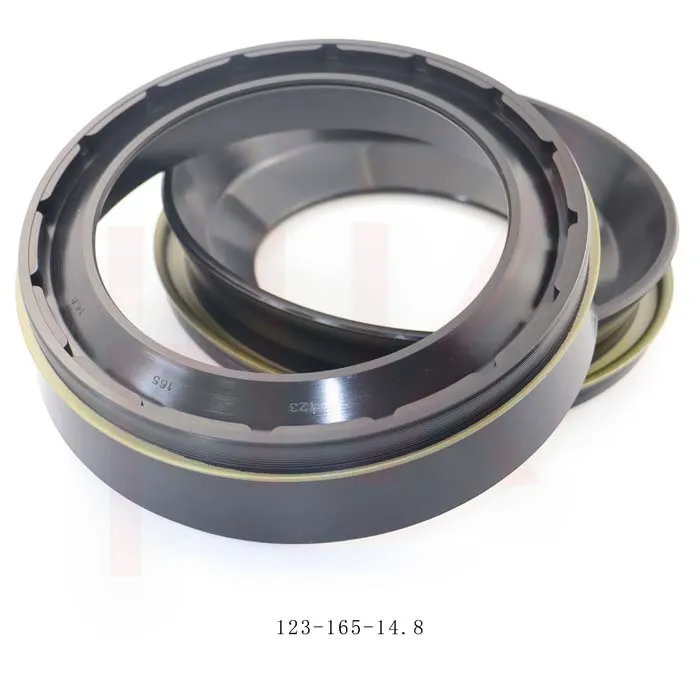
123*165*14.8 concrete mixer truck reducer oil seal
-
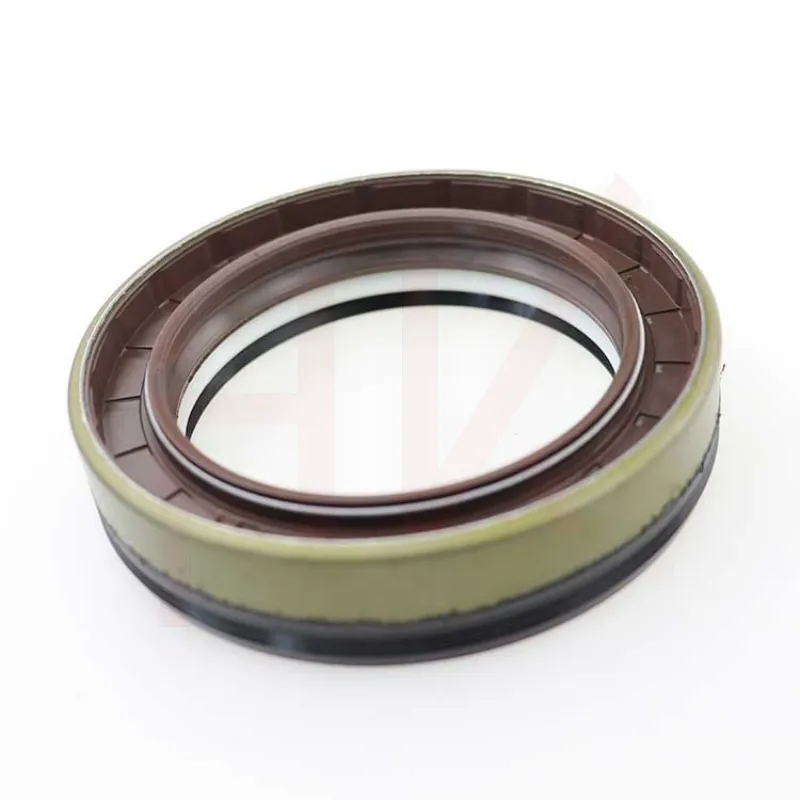
Tractor shaft oil seal 65-90-20 COMBI SF19 hub oil seal
-
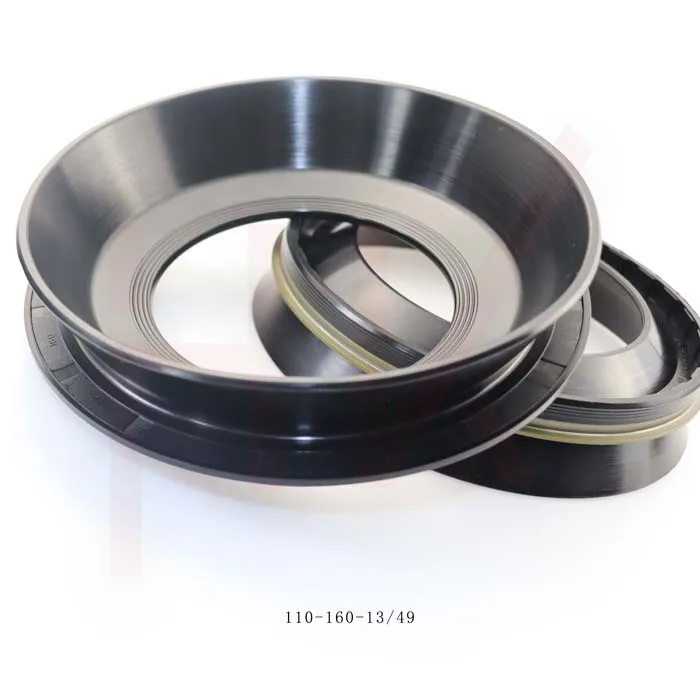
110*160*13/49 NBR reducerConcrete mixer truck oil seal
-
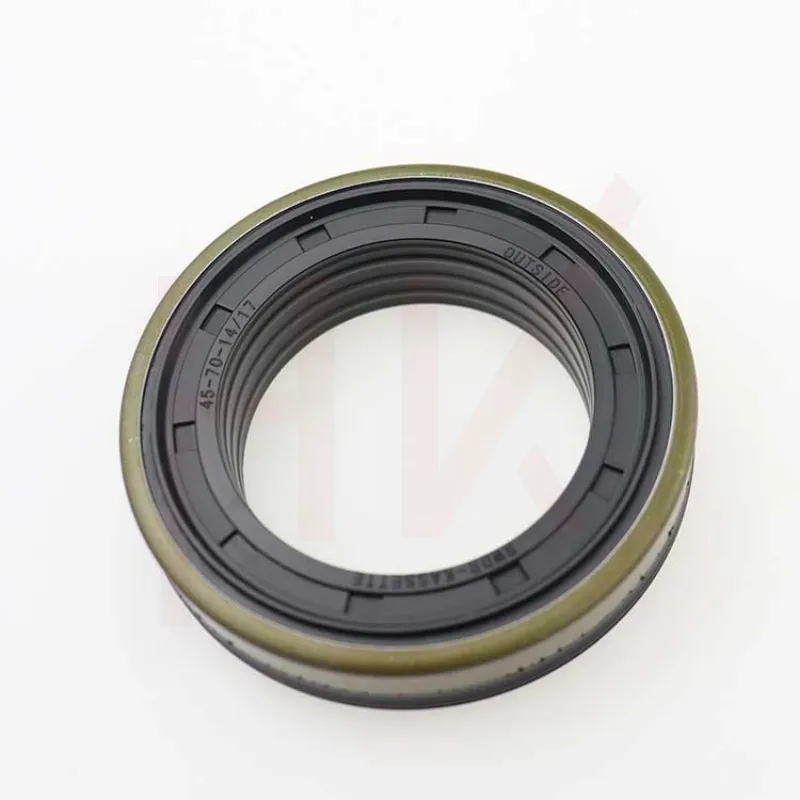
Hub oil seal 40*65*13/14.5 suitable for tractor Cat 12018035b
-
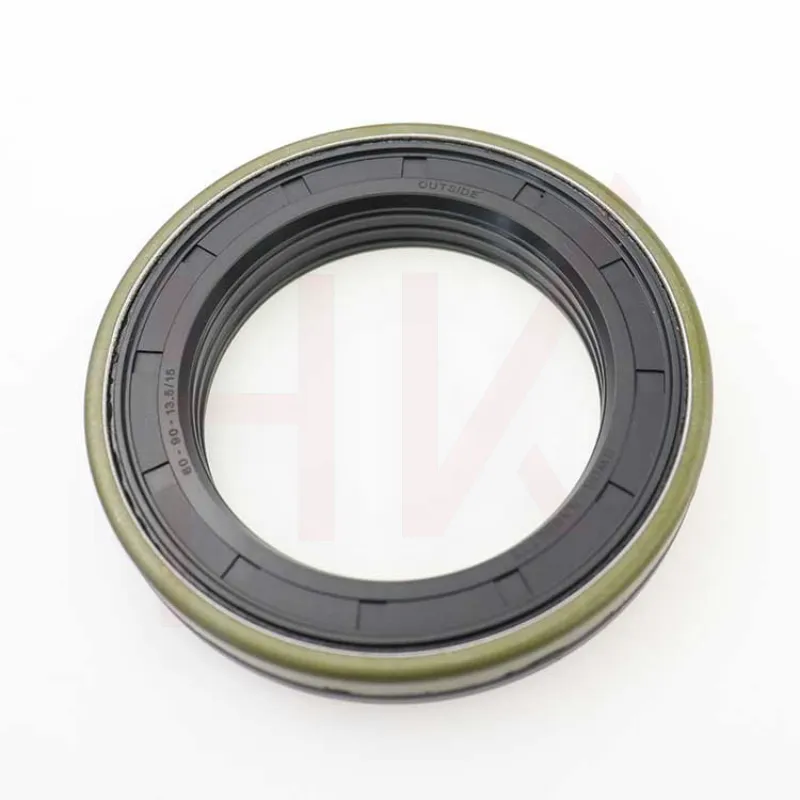
Tractor accessories cassette oil seal hub oil seal 60-90-13.5/15
-
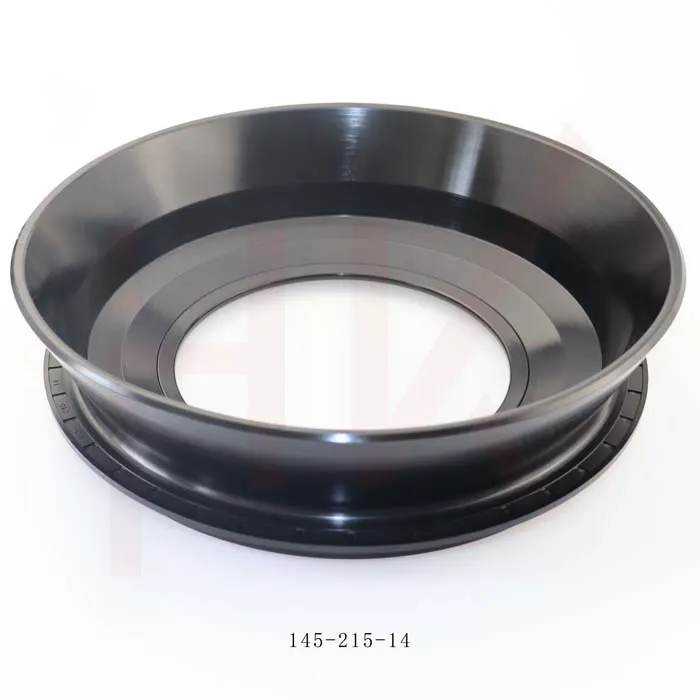
Factory concrete mixer truck oil seal 145*215*14 reducer gearbox oil seal
-
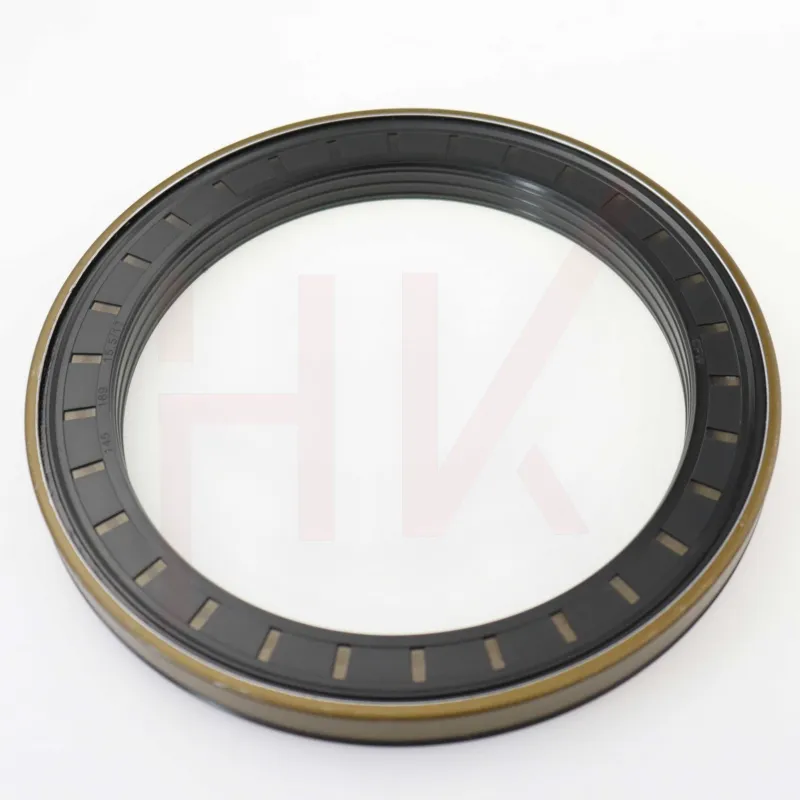
145*189*15.5/17 Cassette Seal NBR Hub Oil Seal 1508044
-
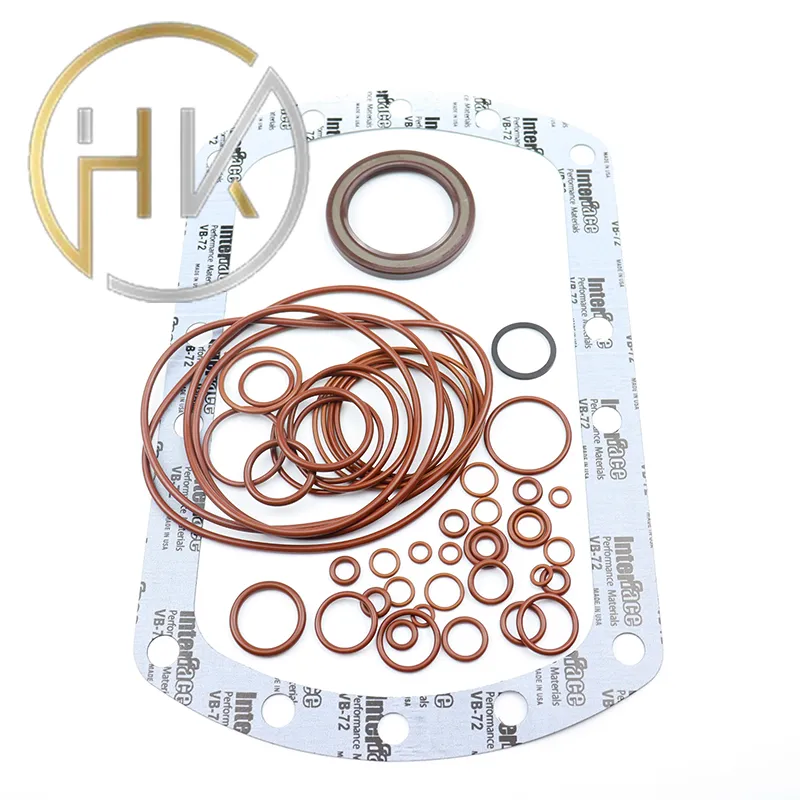
Factory direct sales hydraulic pump motor seal kit A8VO140
-
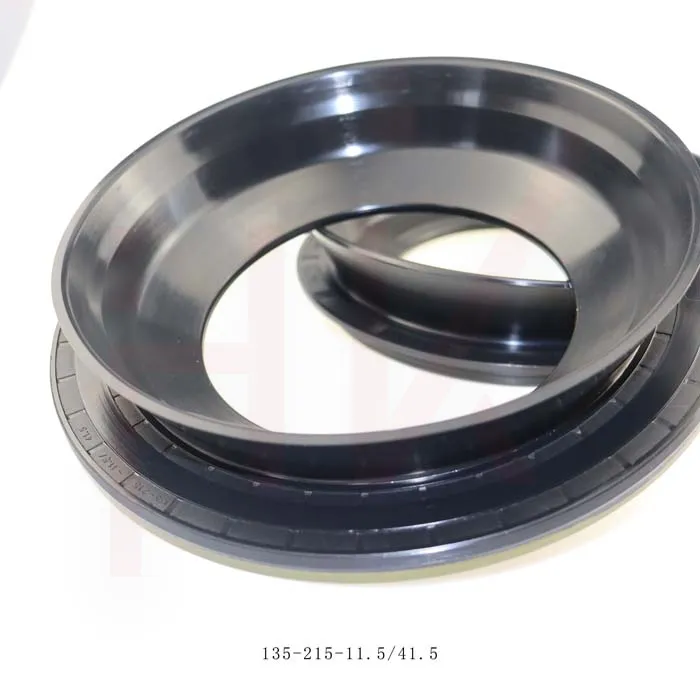
Brand new cement tanker oil seal 135*215*11.5/41.5 concrete mixer oil seal
-
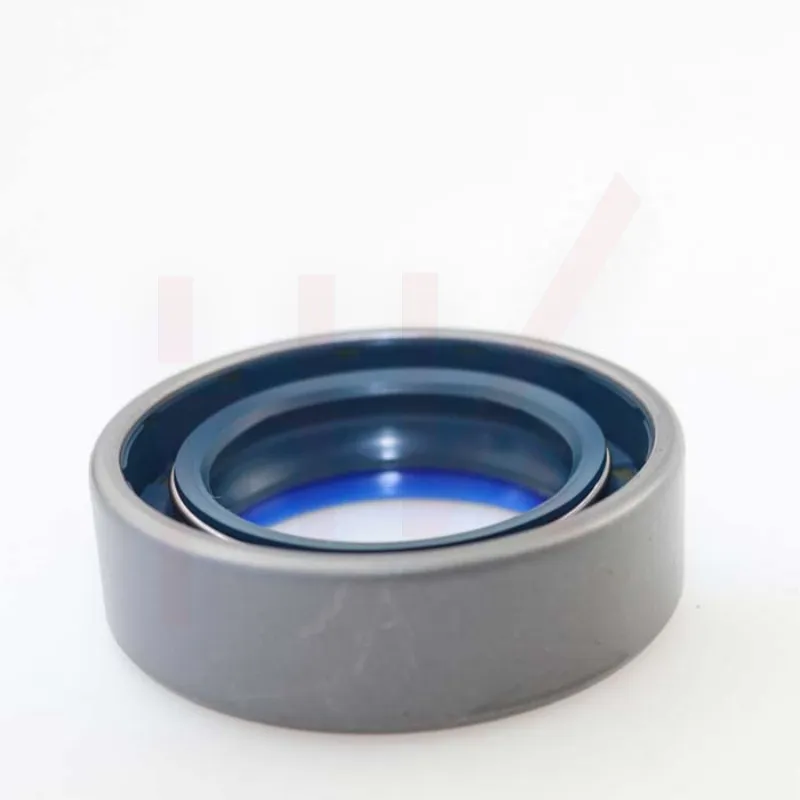
45*65*15 Combi oil seal JCB 90450009 COMBI SF1 SEAL
-
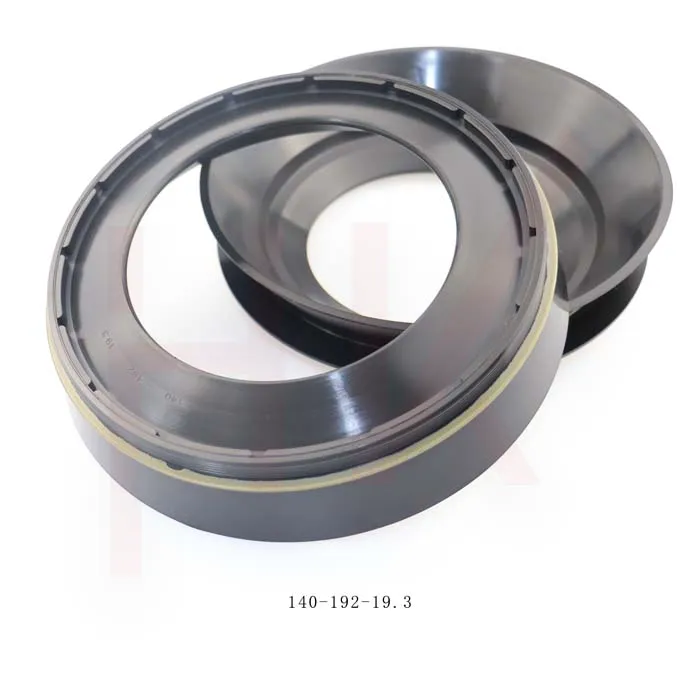
Gear box concrete mixer oil seal 140*192*19.3 nbr reducer oil seal
-
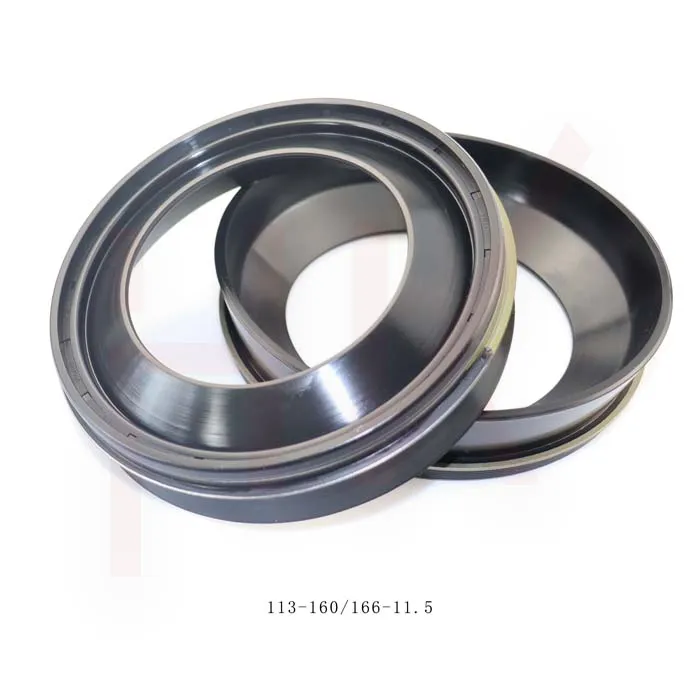
Seals factory direct sales 113*160/166*11.5/38 excavator truck reducer oil seal