
Nov . 27, 2025 13:30 Back to list
Pneumatic Wiper Seal Guide – Enhance Machinery Reliability & Efficiency
Understanding the Role of Pneumatic Wiper Seal in Industry and Innovation
At a glance, a pneumatic wiper seal might sound like a niche technical component, but when you peel back the layers, it’s actually a vital player across countless sectors worldwide. Why does it matter? Because a tiny rubber ring can often mean the difference between smooth, efficient machinery and costly downtime or environmental leakage. Pneumatic wiper seals not only help maintain airtight environments essential for power-packed pneumatic cylinders—they prevent contamination that could otherwise cripple complex machinery on a global scale.
Whether in automotive manufacturing or remote construction sites, understanding how these seals operate gives a subtle clue into how our modern machines keep humming. And frankly, in an era where equipment reliability and sustainability are headline concerns, knowing about reliable sealing solutions is surprisingly relevant.
Pneumatic Wiper Seal: A Global Perspective on Its Significance
In the grand scheme, pneumatic seals have quietly supported the manufacturing ecosystems of the world. According to the International Organization for Standardization (ISO), industries utilizing pneumatic technologies have grown by nearly 5% annually over the past decade, highlighting the increasing demand for robust sealing solutions.
Now, this growth is not just a statistic. It points to a real challenge: keeping pneumatic cylinders contaminant-free and leak-proof in some of the harshest operational environments. Dust, dirt, moisture—these adversaries plague pneumatic systems from assembly lines in Germany to agricultural machinery in Brazil. Pneumatic wiper seals serve as the frontline defense.
One might say that without these seals, many automated processes would suffer from efficiency loss, increased maintenance costs, or major breakdowns. In effect, sealing technology is the unsung hero behind the scenes, supporting industries vital to global GDP.
What Exactly is a Pneumatic Wiper Seal?
At its core, a pneumatic wiper seal is a specialized gasket designed to “wipe” dirt and debris off of piston rods as they retract into cylinders. Picture a sturdy rubber lip with just enough flexibility to clean the piston while maintaining a snug barrier against harmful contaminants.
Imagine the seal like a windshield wiper on your car, but for piston rods that are moving fast and need protecting from even the finest particles. These seals help maintain the cylinder’s internal environment, ensuring smooth, uninterrupted movement—essential in everything from packaging equipment to mobile cranes.
Beyond industry, pneumatic systems also appear in humanitarian applications. For example, mobile water purification units and medical equipment rely on pneumatic cylinders that remain dependable under tough conditions. Without effective wiper seals, these life-supporting systems could falter.
Key Features That Define a Pneumatic Wiper Seal
Durability
One of the main selling points is the seal’s resistance to wear and tear. These components often face abrasive dust, oils, and chemicals yet are expected to perform thousands of cycles. Advanced materials like polyurethane or nitrile rubber are commonplace, offering longevity even in harsh conditions.
Compatibility
These seals must work seamlessly with different rod surfaces and cylinder designs. Manufacturers ensure compatibility with various rod finishes—chrome-plated, stainless steel, or ceramic-coated—to prevent premature degradation.
Temperature Resistance
From tropical heatwaves to subzero industrial freezers, pneumatic wiper seals operate across wide temperature ranges. Materials are selected or engineered to retain elasticity without cracking or deforming.
Ease of Installation & Maintenance
Design simplicity is critical, especially in field repairs or rapid equipment deployment. Reliable seals are often designed for quick fitting and simple tooling, minimizing downtime.
Mini takeaway: These core factors combine to form a seal that’s more than just a rim of rubber—it's a sophisticated enabler ensuring uptime and safety.
Practical Applications & Global Use Cases of Pneumatic Wiper Seals
Pneumatic wiper seals are everywhere. In manufacturing hubs like China and Germany, they serve on assembly lines automating everything from electronics to cars. In North America, construction machinery relies on them for dependable hydraulic movements under gritty outdoor conditions.
Take a moment to think about how crucial they are in disaster relief—portable compressors that power emergency tents or medical tools need rugged pneumatic seals to fight dust and moisture. Or in agricultural machinery in sub-Saharan Africa, seals help extend heavy equipment lifetime despite challenging terrain.
Even space agencies like NASA examine ultra-durable variants for future exploratory rovers. The need for advanced sealing isn’t limited by geography or sector; it’s an industrial universal.
Advantages & Long-Term Value of Pneumatic Wiper Seals
- Cost efficiency: Preventing contamination reduces maintenance frequency and replacement costs.
- Sustainability: Prolonged equipment life means less scrap and waste.
- Reliability: Seamless operation helps companies meet production targets safely.
- Innovation & Trust: High-quality seals support cutting-edge machines, earning customer confidence.
- Safety: By avoiding machine failures, these seals indirectly protect workers and downstream processes.
Honestly, the emotional side is pretty important here. For engineers and technicians, it’s frustrating when something as small as a seal creates massive downtime. Pneumatic wiper seals alleviate this stress by quietly ensuring pieces keep moving as expected.
Looking Ahead: Future Trends in Pneumatic Seal Technology
Materials science is pushing boundaries. New blends of thermoplastics and elastomers promise better wear and temperature resilience. We’re also seeing the integration of sensors inside seals to monitor real-time performance, aligning with Industry 4.0 trends.
Eco-conscious designs use bio-based polymers, reducing environmental footprints during manufacturing and disposal. Automation of installation using robots is being explored, potentially speeding up equipment servicing.
Then there's the digital transformation - smart pneumatic cylinders paired with advanced sealing technology will enhance predictive maintenance, alerting teams before problems escalate.
Common Challenges and How Experts Approach Solutions
Common issues include premature wear due to abrasive environments and compatibility mismatches with certain rod coatings. Many engineers emphasize the importance of correct seal selection tailored to specific operating conditions.
Innovations like dual-lip wiper seals add extra protection layers, and some vendors offer customized seals designed for unique applications. Careful quality control and routine inspections, supported by robust testing protocols, remain key strategies to tackle these challenges.
FAQ: Practical Questions About Pneumatic Wiper Seals
- How do pneumatic wiper seals prevent contamination in harsh environments?
- They create a tight barrier wiping off dust and debris from the piston rod as it retracts, stopping contaminants from entering and damaging the cylinder interior.
- Can I replace pneumatic wiper seals myself or should a technician install them?
- While some seals are designed for easy field installation, it’s generally recommended to have an experienced technician perform the replacement to ensure correct fitting and sealing.
- What materials are best for pneumatic wiper seals in extreme temperatures?
- Materials such as polyurethane or specialized nitrile rubbers work well at high temperatures, while silicone-based compounds might be used for colder environments depending on the application.
- How can I select the right pneumatic wiper seal for my equipment?
- Consider factors like rod diameter, surface finish, operating temperature, and environmental conditions. Consult vendor datasheets and possibly specialist engineers to find an optimal fit.
Specification Comparison: Typical Pneumatic Wiper Seal Model
| Feature | Specification |
|---|---|
| Material | Polyurethane (PU) / Nitrile Rubber (NBR) |
| Temperature Range | -40 °C to +100 °C |
| Operating Pressure | Up to 15 bar |
| Rod Diameter Fit Range | 10 mm to 80 mm |
| Typical Lifespan | > 1 million cycles |
Vendor Comparison Table: Leading Pneumatic Wiper Seal Manufacturers
| Vendor | Material Options | Custom Sizes | Lead Time | Price Range |
|---|---|---|---|---|
| SealPro | PU, NBR, Silicone | Yes | 2 weeks | $$ |
| AeroSeal | NBR, Viton | Limited | 1-3 weeks | $$$ |
| HKAI Seal | PU, NBR | Yes, wide range | 1 week | $ |
Wrapping Up: Why Pneumatic Wiper Seals Matter Long-Term
Obviously, these small components pack a punch far beyond their size. They protect machinery, save costs, and extend equipment life, all while quietly supporting many industries and humanitarian technologies worldwide. If you’re involved even remotely in manufacturing or industrial maintenance, understanding the nuances of pneumatic wiper seals can save you headaches—and money—in the long run.
Interested in exploring the best options available? Visit our website for a comprehensive catalog and expert guidance on choosing the right pneumatic wiper seal for your needs.
References
-
Guide to Choosing the Right High Quality hydraulic ram kit
NewsApr.16,2026
-
Premium Hydraulic Cylinder Packing Kits for Peak Performance
NewsApr.09,2026
-
Comprehensive Guide to Hydraulic Cylinder Oil Seal Kits for Optimal Performance
NewsApr.07,2026
-
Comprehensive Guide to Choosing the Right Cylinder Seal Kits for Peak Performance
NewsApr.04,2026
-
Comprehensive Guide to Seal Kits for Cylinders Ensuring Optimal Performance
NewsMar.31,2026
-
Comprehensive Guide to Hyd Cylinder Seals for Optimal Hydraulic System Performance
NewsMar.28,2026
-
Comprehensive Guide to Hyd Cylinder Seal Kit Selection and Installation
NewsMar.26,2026
Products categories
-
Standard oil seal BP0494 High pressure TCN oil seal
-
Hydraulic pump seal AP4624G high pressure TCN oil seal
-
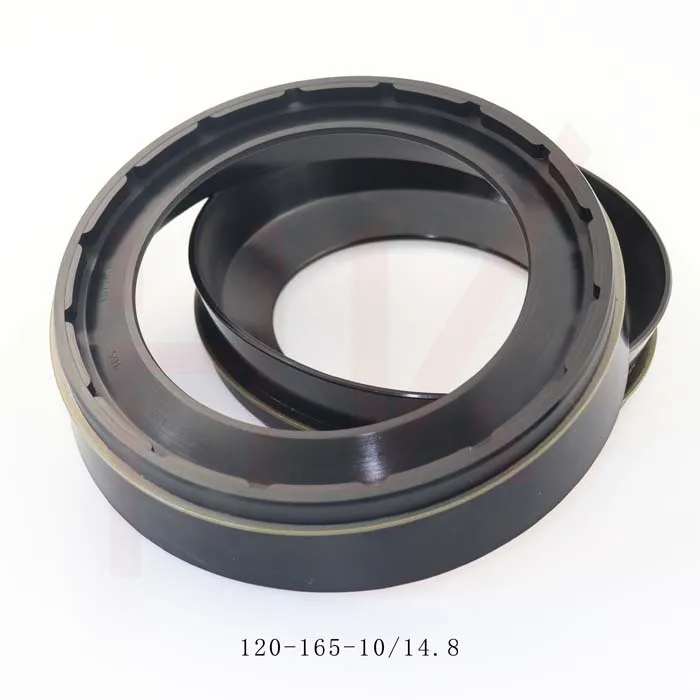
0734307418 0750112169 120*165*10/14.8 concrete mixer reducer oil seal
-
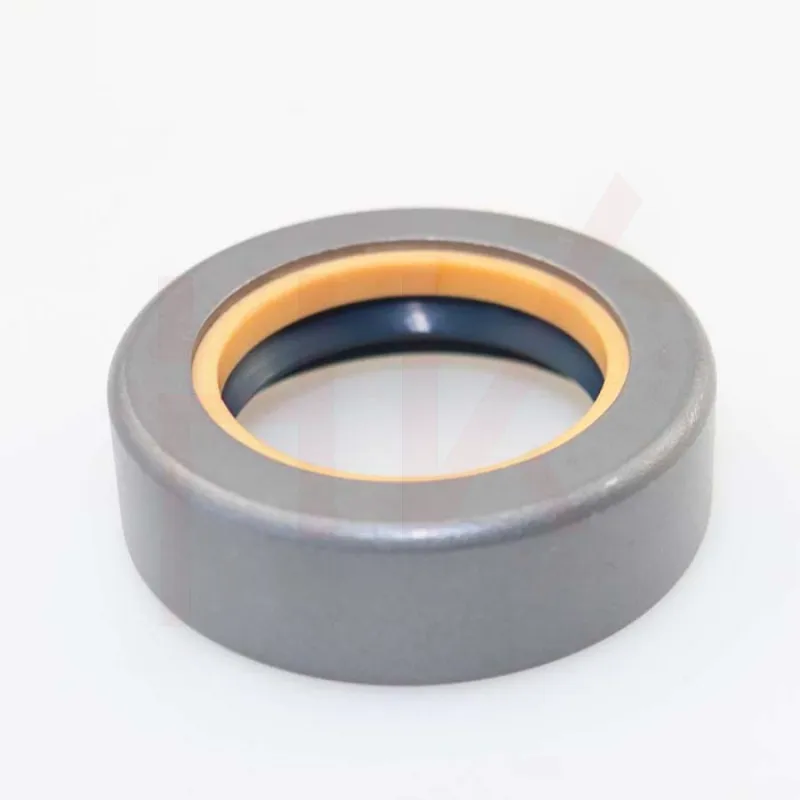
35*52*16 Standard Wheel Hub Oil Seal For Agricultural Machinery
-
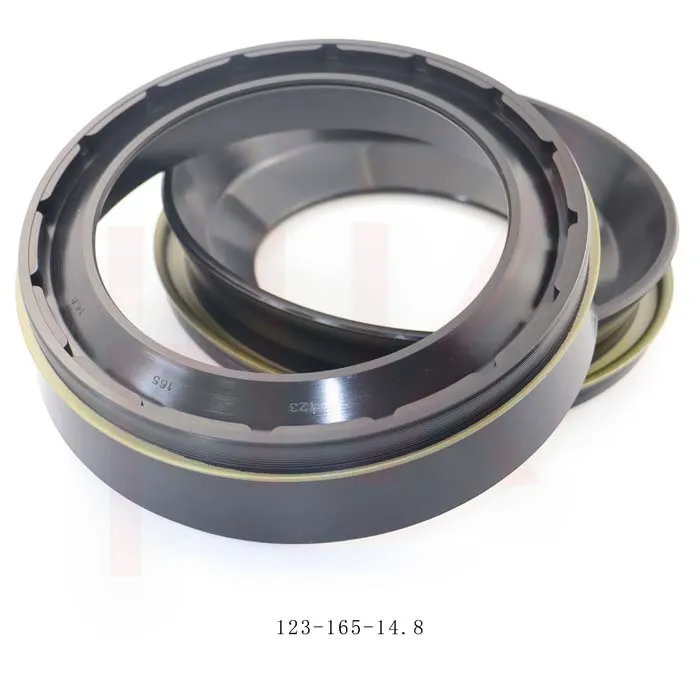
123*165*14.8 concrete mixer truck reducer oil seal
-
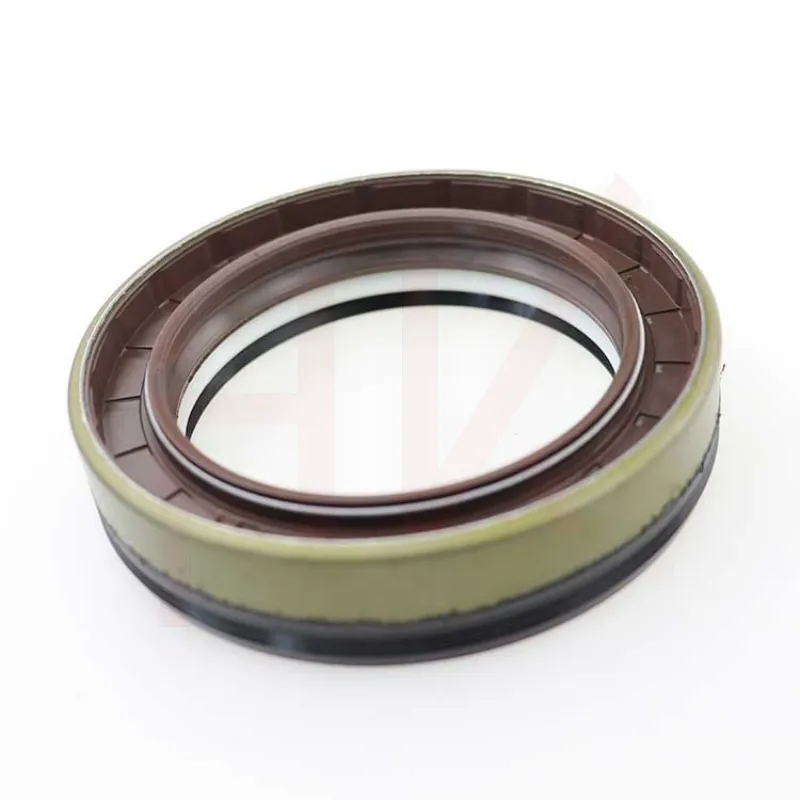
Tractor shaft oil seal 65-90-20 COMBI SF19 hub oil seal
-
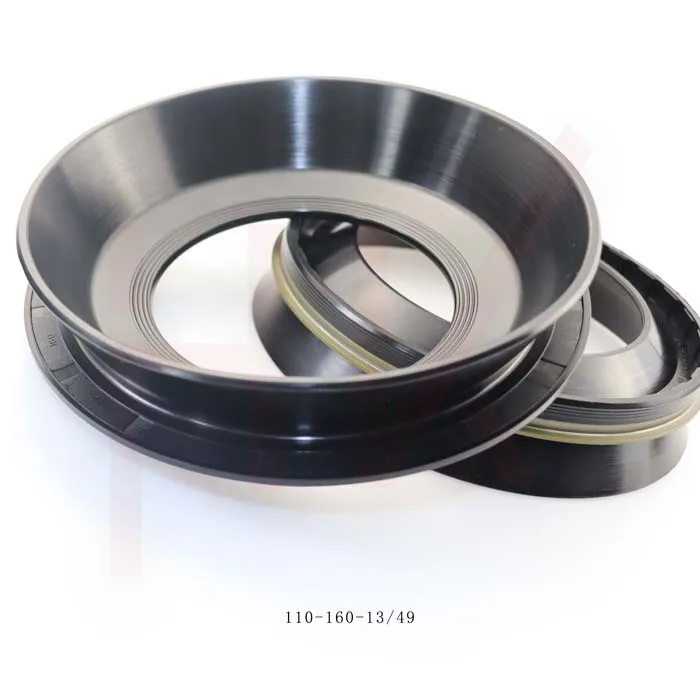
110*160*13/49 NBR reducerConcrete mixer truck oil seal
-
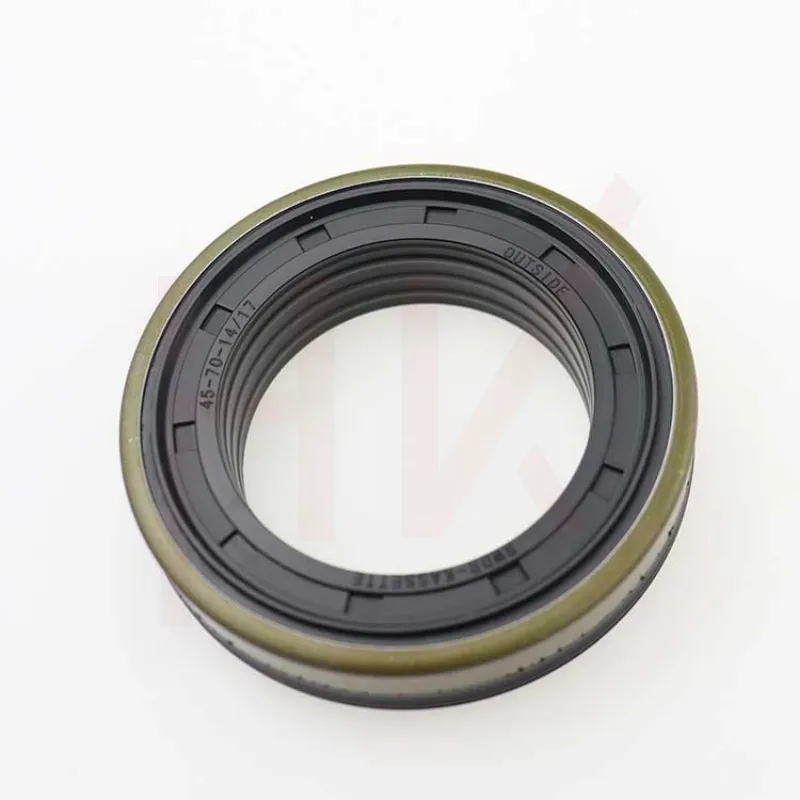
Hub oil seal 40*65*13/14.5 suitable for tractor Cat 12018035b
-
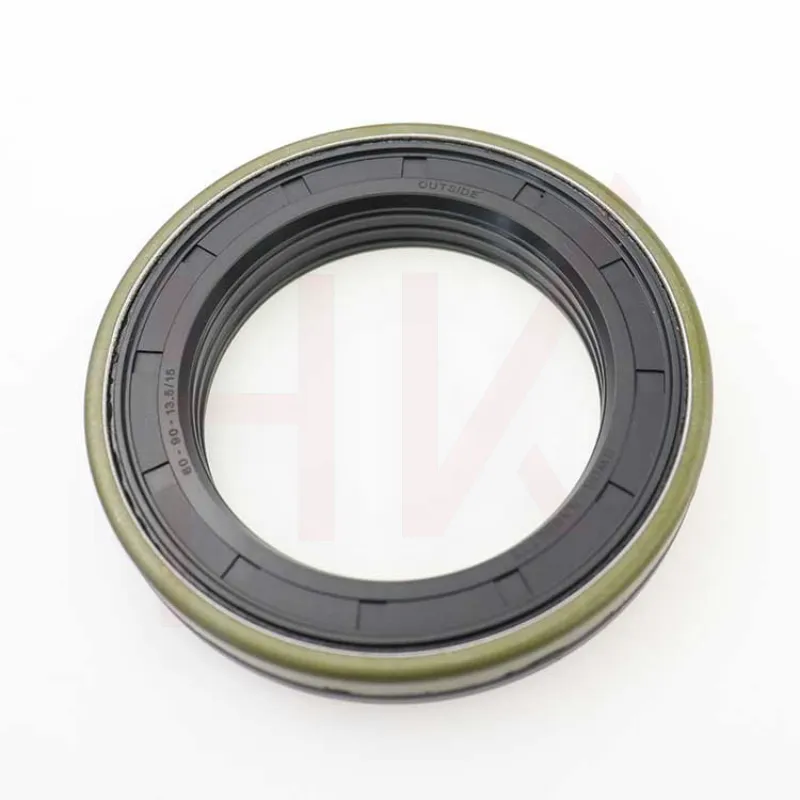
Tractor accessories cassette oil seal hub oil seal 60-90-13.5/15
-
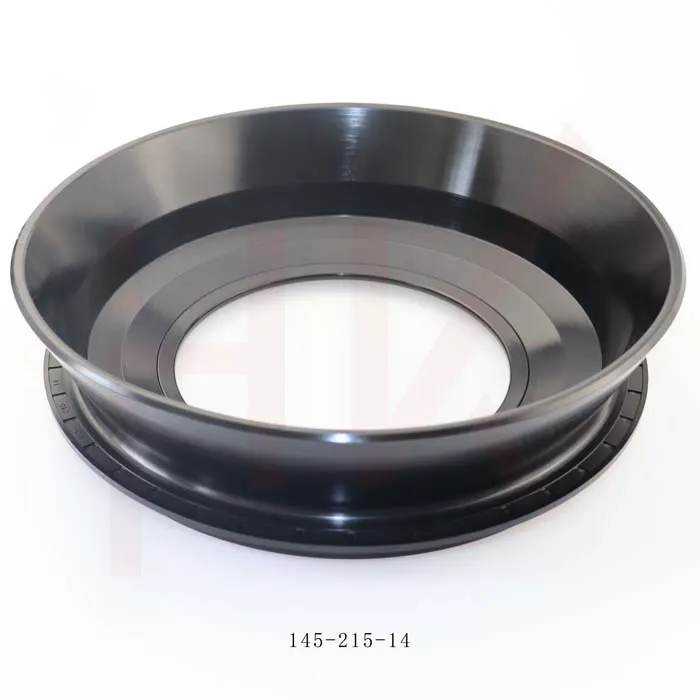
Factory concrete mixer truck oil seal 145*215*14 reducer gearbox oil seal
-
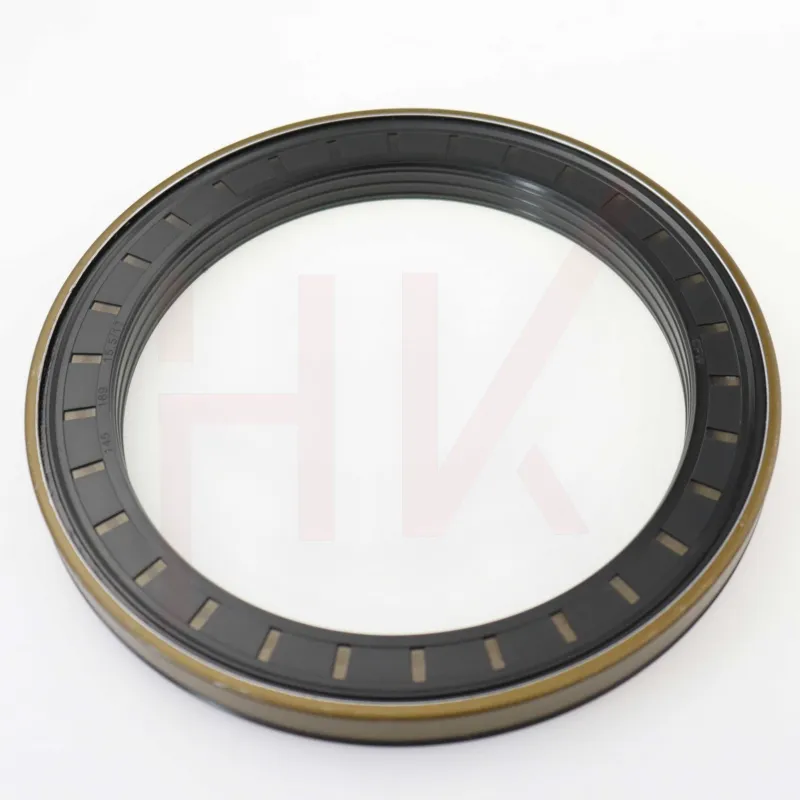
145*189*15.5/17 Cassette Seal NBR Hub Oil Seal 1508044
-
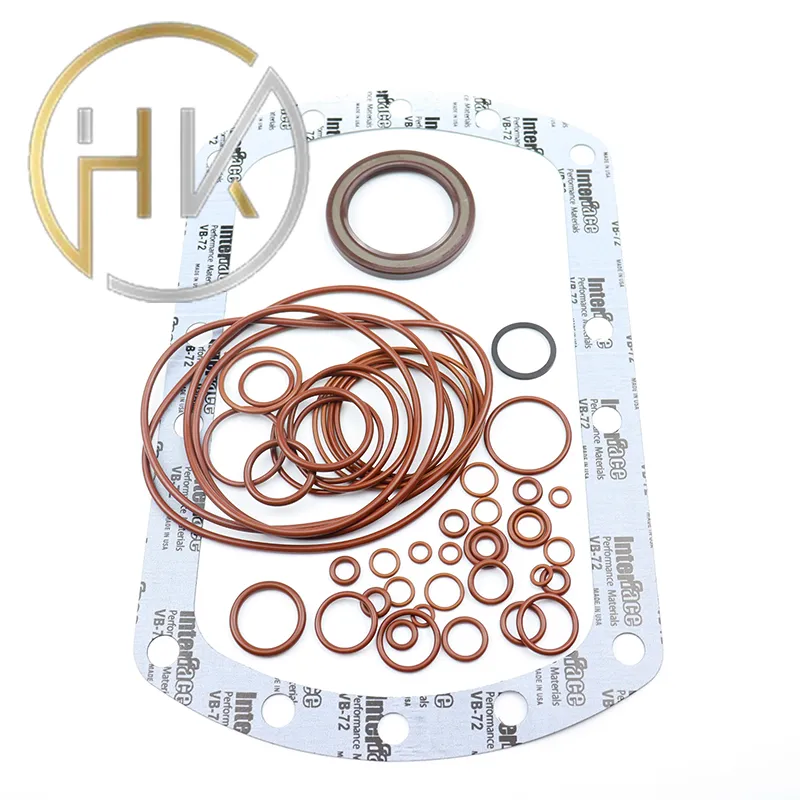
Factory direct sales hydraulic pump motor seal kit A8VO140
-
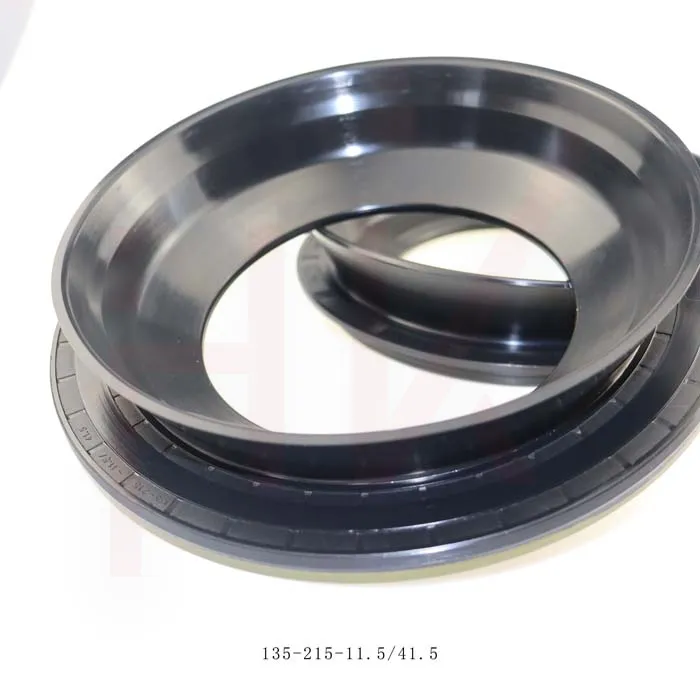
Brand new cement tanker oil seal 135*215*11.5/41.5 concrete mixer oil seal
-
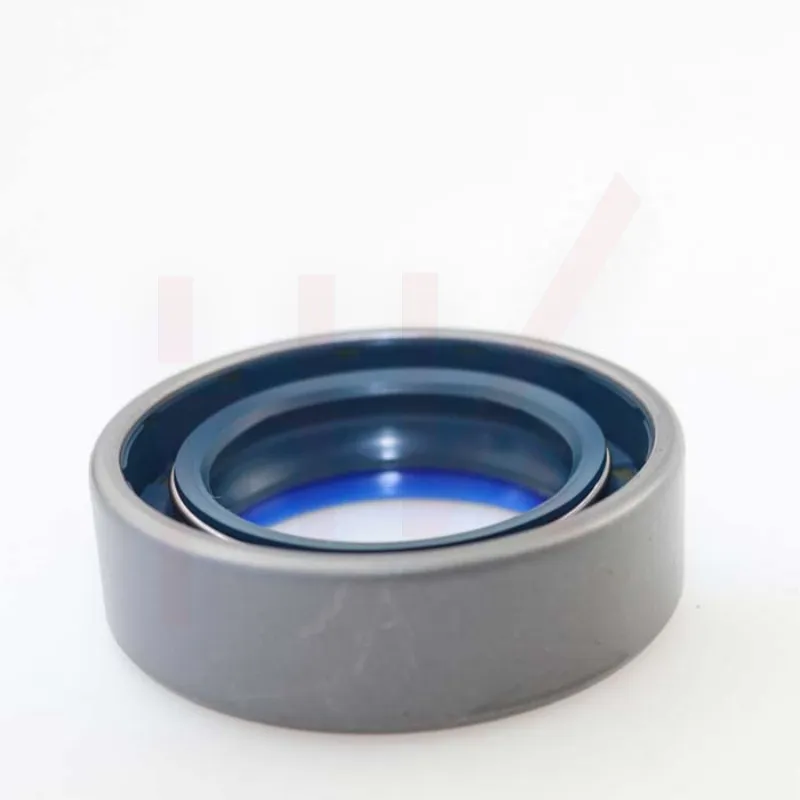
45*65*15 Combi oil seal JCB 90450009 COMBI SF1 SEAL
-
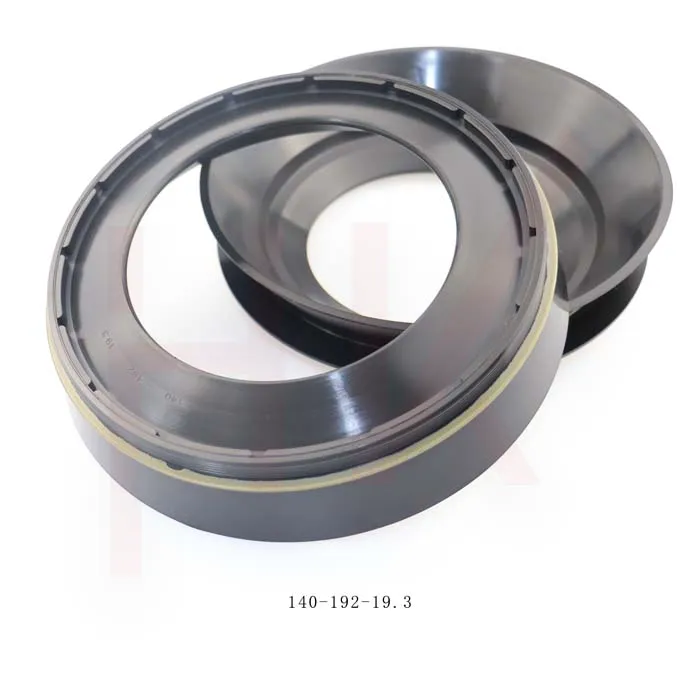
Gear box concrete mixer oil seal 140*192*19.3 nbr reducer oil seal
-
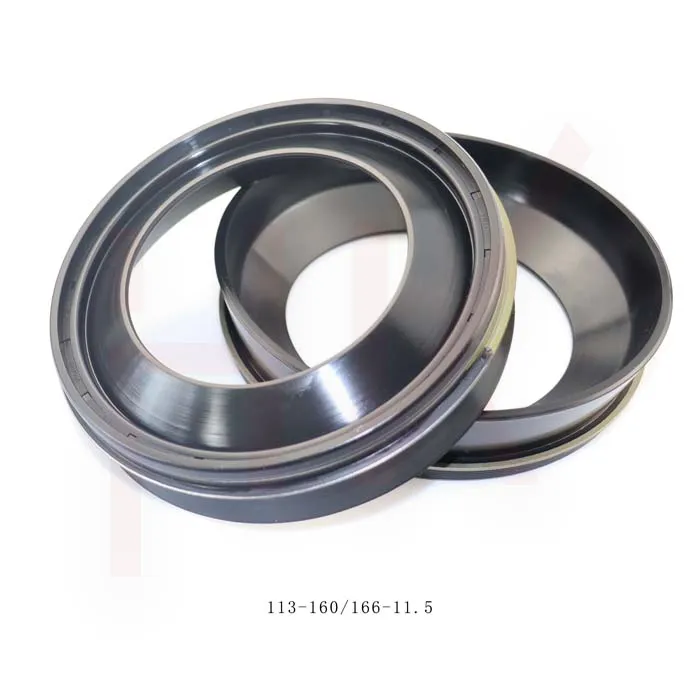
Seals factory direct sales 113*160/166*11.5/38 excavator truck reducer oil seal