
Nov . 27, 2025 11:55 Back to list
What Is a Piston Wiper Seal? Global Uses, Benefits & FAQs Explained
Understanding the Piston Wiper Seal: A Small Component with a Big Impact
When you peek inside any hydraulic or pneumatic cylinder, it might be hard to imagine just how crucial every tiny part really is. Among them, the piston wiper seal stands out — a humble yet essential safeguard that ensures machines run smoothly, reliably, and safely. Why does this matter on a global scale? Because from the construction cranes in Dubai to the agricultural machinery trudging through fields in Kenya, these seals help keep equipment — and economies — humming.
In this article, we’ll break down what piston wiper seals do, why they are indispensable in modern industries, and even peek into the future of their technology and applications. Whether you’re an engineer, procurement specialist, or simply curious about industrial tech, this overview offers a solid dose of insight.
Why the Piston Wiper Seal Matters Worldwide
Globally, hydraulic and pneumatic systems power everything from urban infrastructure to disaster relief equipment. According to ISO standards and data from the World Bank’s industrial machinery sector reports, machines with proper sealing components experience up to 30% fewer breakdowns and lower maintenance costs. In settings where downtime means losing thousands of dollars — or worse, risking safety — this matters a lot.
But the piston wiper seal doesn’t just guard against oil or fluid leaks. It keeps dirt, dust, and contaminants out of delicate cylinder mechanisms. In places ranging from the dusty deserts of Australia to the humid warehouses in Southeast Asia, these seals shield vital equipment from wear and tear, translating to longer life, less waste, and stronger reliability overall.
Mini takeaway: The piston wiper seal isn’t just a part — it’s a frontline defender of machine longevity and operational safety worldwide.
What Exactly Is a Piston Wiper Seal?
In simple terms, a piston wiper seal is a specially designed elastomer or polymer ring fitted around the piston inside a cylinder. Its main job? To “wipe” the piston rod clean each time it moves in or out, preventing abrasive particles from entering the cylinder and damaging internal surfaces. Think of it like the windshield wiper on your car — ensuring the path stays clean so everything works as intended.
In humanitarian and industrial contexts alike, reliable piston wiper seals translate to equipment that won’t fail when it counts most — like water pumps delivering clean water post-disaster, or farming machinery pressing on through tough seasons.
Core Components of a Quality Piston Wiper Seal
1. Durability
Many engineers swear by seals made from polyurethane or nitrile rubber — materials known for resisting wear, heat, and chemical attack. After all, seals that crack or degrade quickly only cost more downtime and replacement expenses.
2. Precision Fit
The seal has to fit the piston rod perfectly without being too tight or too loose. Too tight, and you get excess friction and energy waste; too loose, and contaminants sneak in. Manufacturing tolerances are everything here.
3. Material Compatibility
Depending on the hydraulic fluid or environmental conditions, seals must be compatible with oils, greases, or even food-grade lubricants in some cases.
4. Environmental Resistance
Piston wiper seals often face dust, moisture, extreme temperatures, and ultraviolet exposure. Advanced sealing compounds can handle these stressors for longer operational life.
5. Easy Installation and Maintenance
Designs that allow quick installation or replacement can save valuable time, especially in remote or emergency situations.
Mini takeaway: The perfect piston wiper seal balances material science, dimensional precision, and real-world resistance to protect machinery efficiently.
Global Applications of Piston Wiper Seals
Think hydraulic excavators digging foundations in Europe, automated assembly lines in Japan, or irrigation systems in Africa — piston wiper seals work silently behind the scenes in all these setups.
- Construction and Mining: Rugged conditions produce dirt and debris aplenty. Robust piston wiper seals directly improve machine uptime.
- Agriculture: Precision irrigation and plowing equipment demand contamination protection to keep yields high.
- Disaster Relief: Mobile pumps and cranes need seals that perform reliably in chaotic or temporary setups.
- Manufacturing: Automated presses rely on clean hydraulics to maintain quality and efficiency.
For example, in remote industrial zones of South America, many companies report that upgrading to premium piston wiper seals lowered their equipment maintenance frequency by nearly 15%, with consequential savings in labor and parts procurement.
Advantages & Long-Term Value of Robust Piston Wiper Seals
There’s an emotional side to this, really — trusting your equipment means trusting your livelihood. Reliable piston wiper seals enhance safety by preventing fluid leaks that can cause hazardous spills, protect dignity by keeping essential machinery running through tough times, and foster innovation by allowing engineers to push equipment limits without worrying about premature seal failure.
Logically, the long-term benefits include:
- Reduced operational costs due to less frequent repairs.
- Lower downtime leading to greater productivity.
- Extended machinery life cycles aligning with sustainability efforts.
- Compliance with international safety and environmental standards.
Mini takeaway: Investing in quality piston wiper seals offers both measurable financial returns and invaluable peace of mind.
Product Specification Table
| Specification | Detail |
|---|---|
| Material | Nitrile Rubber (NBR), Polyurethane (PU), PTFE blends |
| Temperature Range | -40°C to +120°C |
| Pressure Limit | Up to 250 bar (depending on material) |
| Compatibility | Hydraulic oils, water-glycol fluids, mineral oils |
| Standard Sizes | Custom sizes available from 10mm to 150mm rod diameter |
| Installation | Tool-assisted press fit or snap-in depending on design |
Vendor Comparison: Leading Piston Wiper Seal Manufacturers
| Vendor | Material Innovation | Customization Options | Global Reach | Warranty & Support |
|---|---|---|---|---|
| HKA ISeal | Advanced nitrile and PU blends | Full custom tooling and sizes | Worldwide distribution & agent network | 2-year warranty, 24/7 technical support |
| SealMaster Co. | Standard polyurethane blends | Limited size options; mostly standard | Regional focus (North America and Europe) | 1-year warranty, office hours support |
| GlobalSeal Tech | PTFE enhanced blends for chemical resistance | Custom & OEM orders available | Strong presence in Asia-Pacific | Responsive tech support, warranty varies |
Looking Ahead: Future Trends in Piston Wiper Seal Technology
Designers and manufacturers are increasingly embracing smarter materials — like advanced fluoropolymers and graphene-infused compounds — that promise better wear resistance and environmental impact. Additionally, digital transformation in supply chains and quality control means seals are not just off-the-shelf items anymore but are often custom-engineered with 3D modeling and rapid prototyping.
In the sustainability arena, some companies aim to produce seals with biodegradable polymers or recyclable materials to cut down on industrial waste. Automated installation tools and sensors that detect seal wear in real-time are also on the horizon, heralding a future where predictive maintenance keeps downtime close to zero.
Challenges & How to Overcome Them
One of the common hurdles is sealing performance in extreme environments—think freezing Arctic conditions or scorching desert heat. Elastomer degradation and improper sizing can cause premature failure. Also, there’s the challenge of matching seal materials precisely to new, green hydraulic fluids, which differ from traditional oils.
Experts recommend thorough field testing and partnering with manufacturers who offer prototyping and testing capabilities. Another approach is modular seal design that allows quick replacement without disassembling entire cylinders — a real lifesaver in remote operations.
FAQ: Answers to Common Questions on Piston Wiper Seals
- Q: How often should piston wiper seals be inspected or replaced?
- A: Typically, seals should be inspected every 6-12 months depending on usage and environmental exposure. Replacement intervals can vary widely, but proactive maintenance helps avoid costly equipment failure.
- Q: Can piston wiper seals be customized for specialized fluid types?
- A: Absolutely. Manufacturers like HKA ISeal offer custom formulations compatible with various hydraulic fluids, including bio-degradable and food-grade options.
- Q: Are piston wiper seals reusable after removal?
- Generally, once removed, piston wiper seals should be replaced to ensure optimal performance. Reusing old seals can risk leaks and contamination.
- Q: What installation tools do I need for piston wiper seals?
- Installation often requires a press or specialized snap-ring tools. Some seal designs are easier to fit by hand, but using appropriate tools prevents damage during fitting.
- Q: How do I choose the right piston wiper seal manufacturer?
- Look for companies offering technical support, customization, proven material quality, and global distribution. Checking warranty terms and customer reviews also helps.
Wrapping It Up: The Unsung Hero of Hydraulic & Pneumatic Systems
It feels odd, maybe, to get excited over a small ring of rubber or polymer around a piston. But the piston wiper seal quietly champions machinery reliability, operational safety, and global industrial progress. Whether it’s the giant excavator in a busy city or a water pump saving lives after a hurricane, this tiny component makes a rather huge difference.
Looking to learn more or source high-quality piston wiper seals? Visit our website today and see how the right seal can keep your operations moving smoothly for years to come.
References
-
Guide to Choosing the Right High Quality hydraulic ram kit
NewsApr.16,2026
-
Premium Hydraulic Cylinder Packing Kits for Peak Performance
NewsApr.09,2026
-
Comprehensive Guide to Hydraulic Cylinder Oil Seal Kits for Optimal Performance
NewsApr.07,2026
-
Comprehensive Guide to Choosing the Right Cylinder Seal Kits for Peak Performance
NewsApr.04,2026
-
Comprehensive Guide to Seal Kits for Cylinders Ensuring Optimal Performance
NewsMar.31,2026
-
Comprehensive Guide to Hyd Cylinder Seals for Optimal Hydraulic System Performance
NewsMar.28,2026
-
Comprehensive Guide to Hyd Cylinder Seal Kit Selection and Installation
NewsMar.26,2026
Products categories
-
Standard oil seal BP0494 High pressure TCN oil seal
-
Hydraulic pump seal AP4624G high pressure TCN oil seal
-
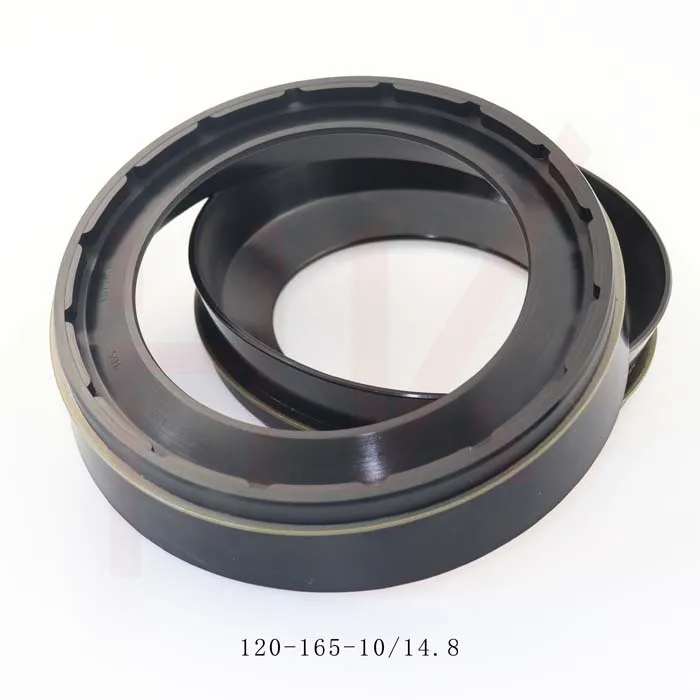
0734307418 0750112169 120*165*10/14.8 concrete mixer reducer oil seal
-
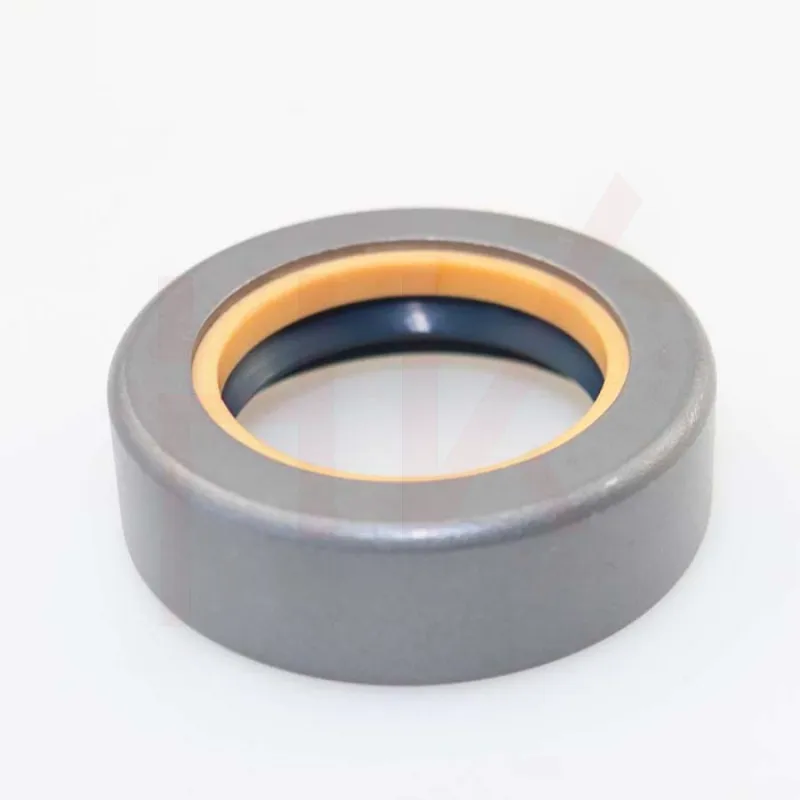
35*52*16 Standard Wheel Hub Oil Seal For Agricultural Machinery
-
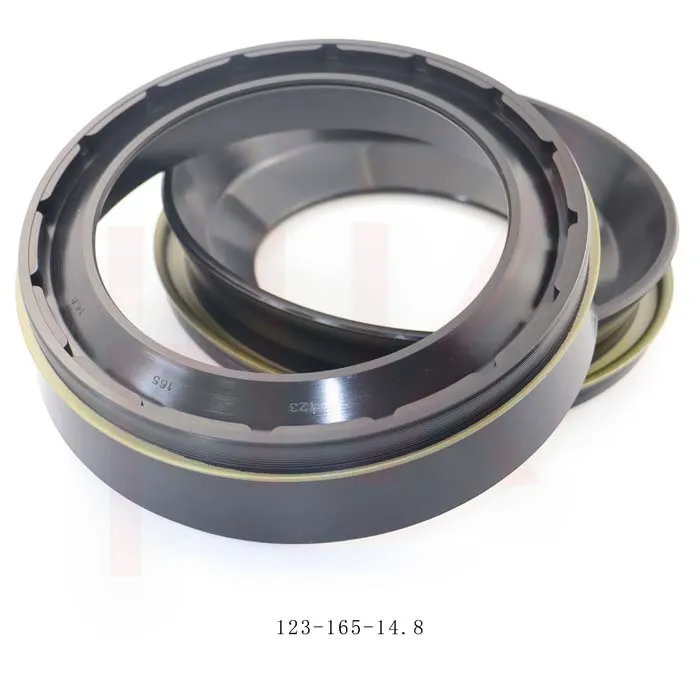
123*165*14.8 concrete mixer truck reducer oil seal
-
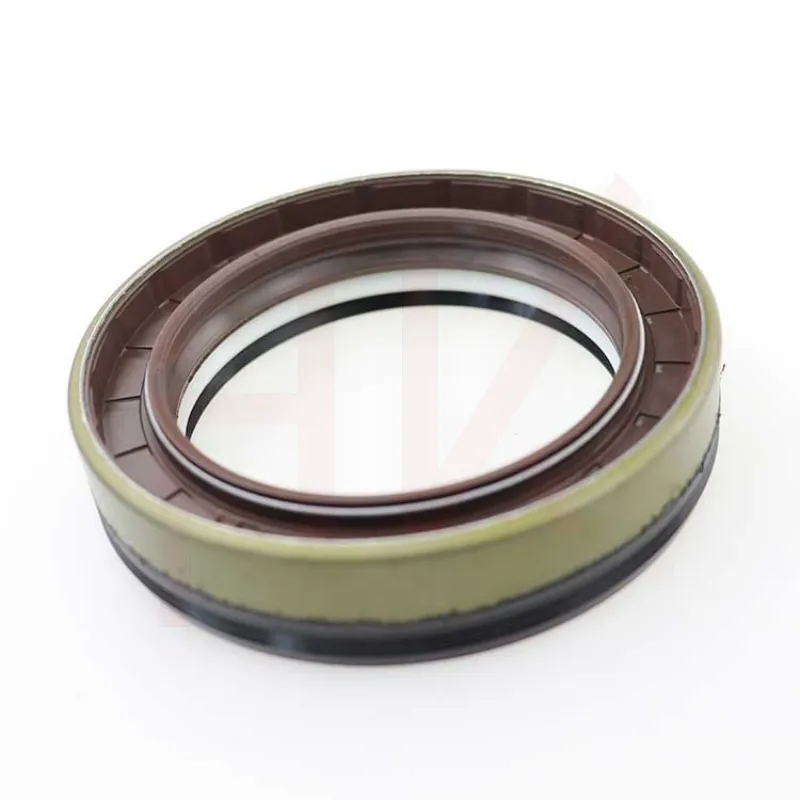
Tractor shaft oil seal 65-90-20 COMBI SF19 hub oil seal
-
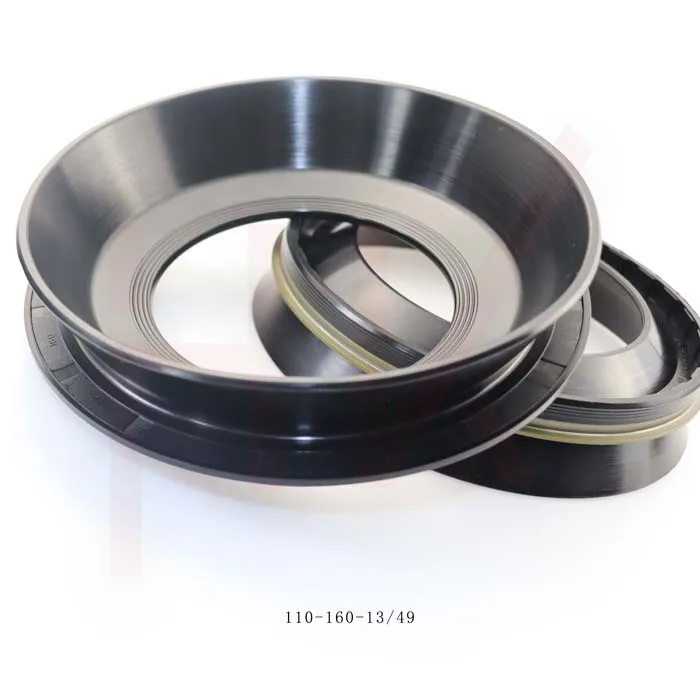
110*160*13/49 NBR reducerConcrete mixer truck oil seal
-
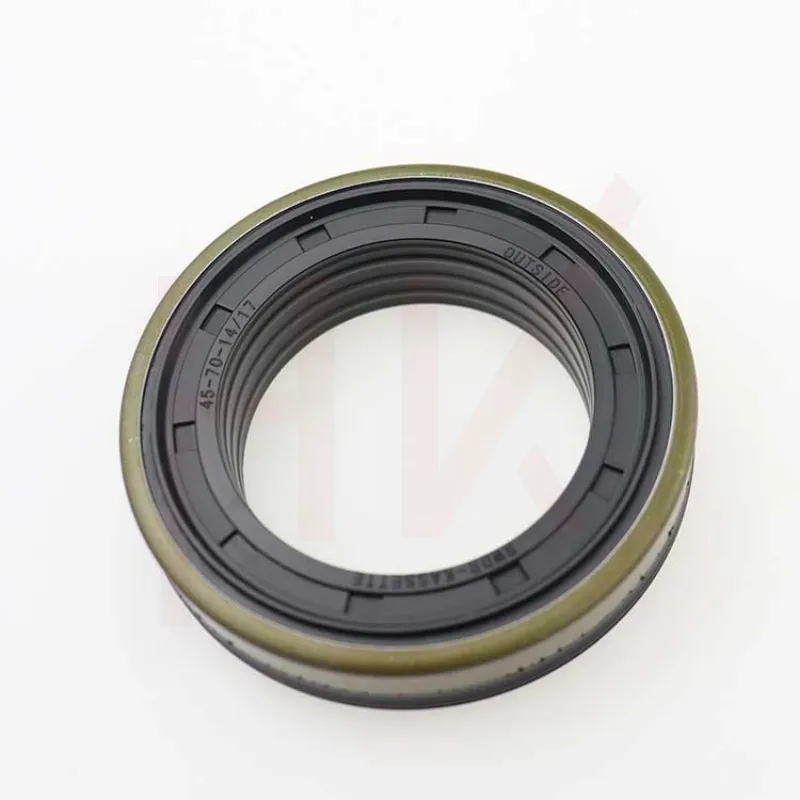
Hub oil seal 40*65*13/14.5 suitable for tractor Cat 12018035b
-
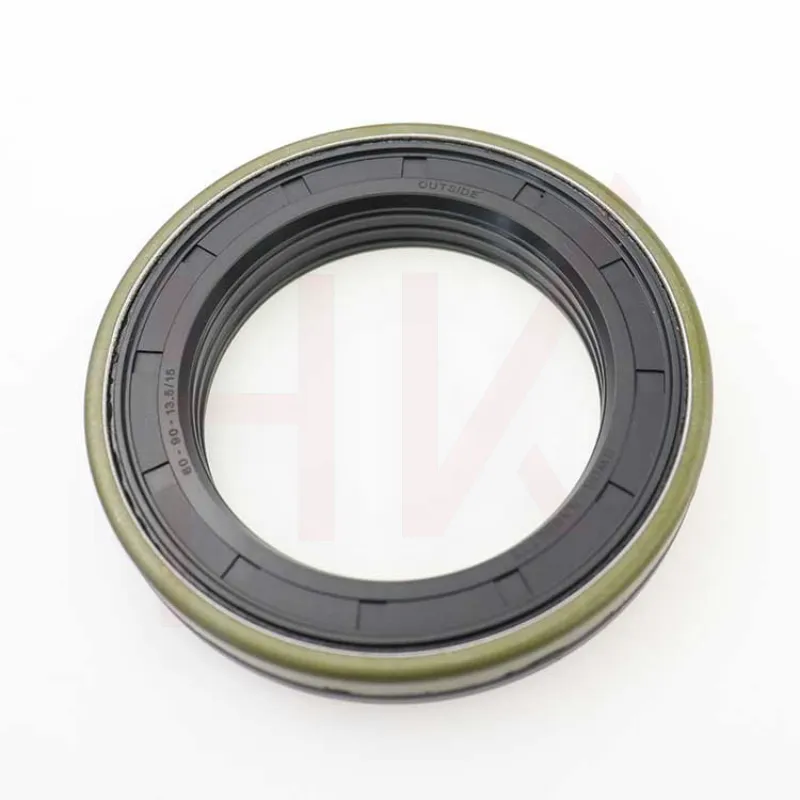
Tractor accessories cassette oil seal hub oil seal 60-90-13.5/15
-
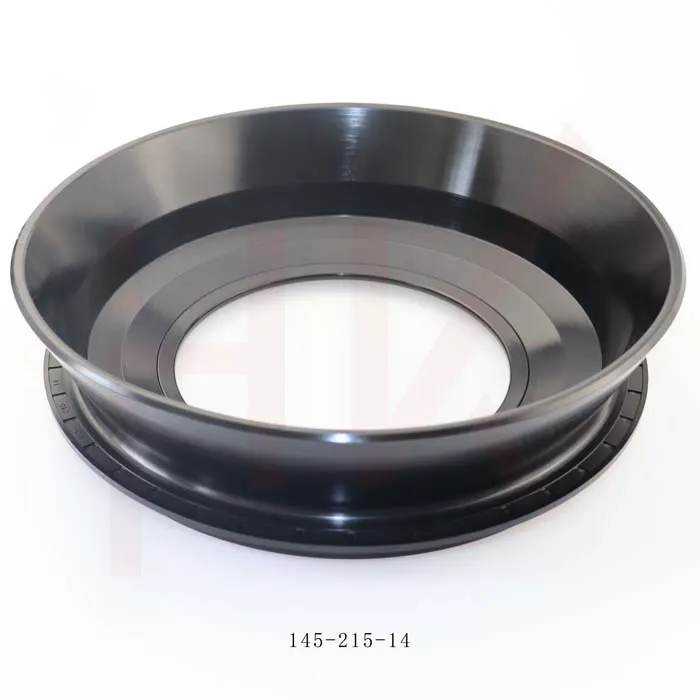
Factory concrete mixer truck oil seal 145*215*14 reducer gearbox oil seal
-
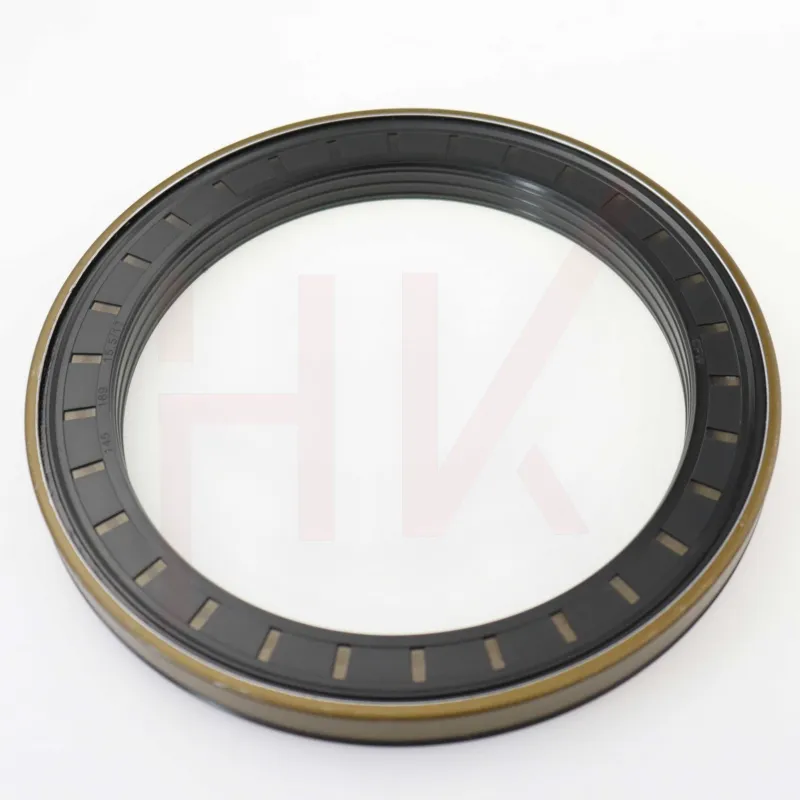
145*189*15.5/17 Cassette Seal NBR Hub Oil Seal 1508044
-
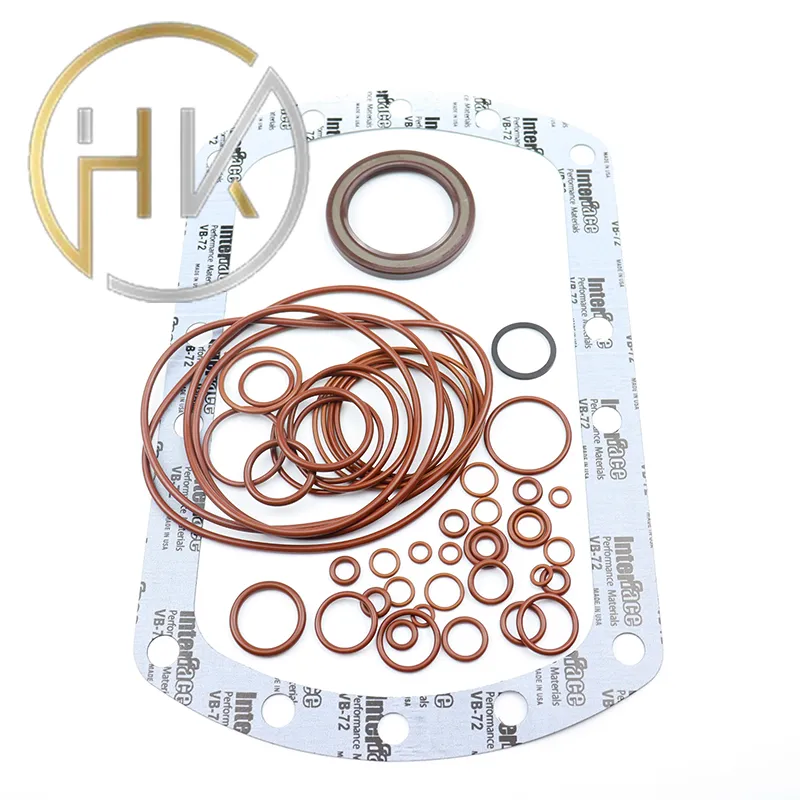
Factory direct sales hydraulic pump motor seal kit A8VO140
-
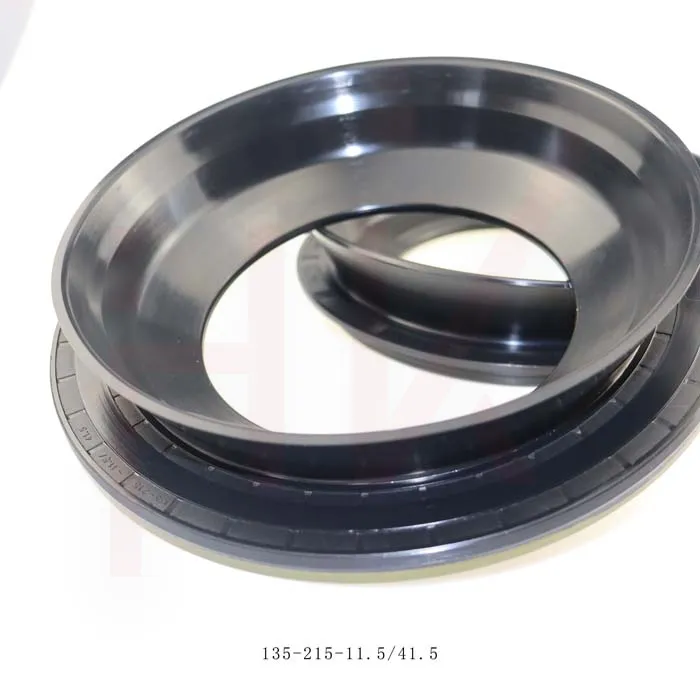
Brand new cement tanker oil seal 135*215*11.5/41.5 concrete mixer oil seal
-
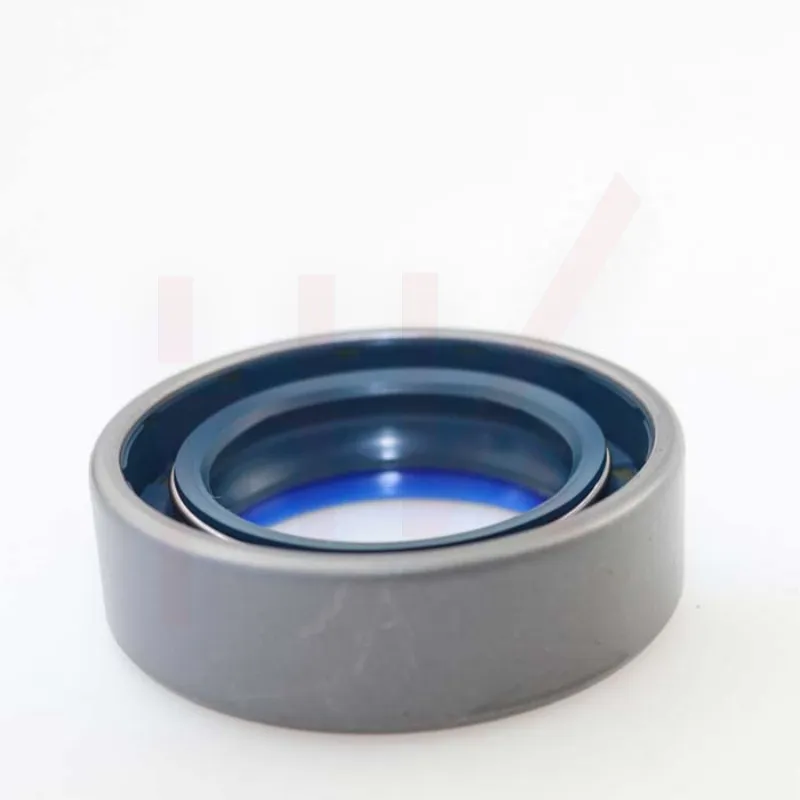
45*65*15 Combi oil seal JCB 90450009 COMBI SF1 SEAL
-
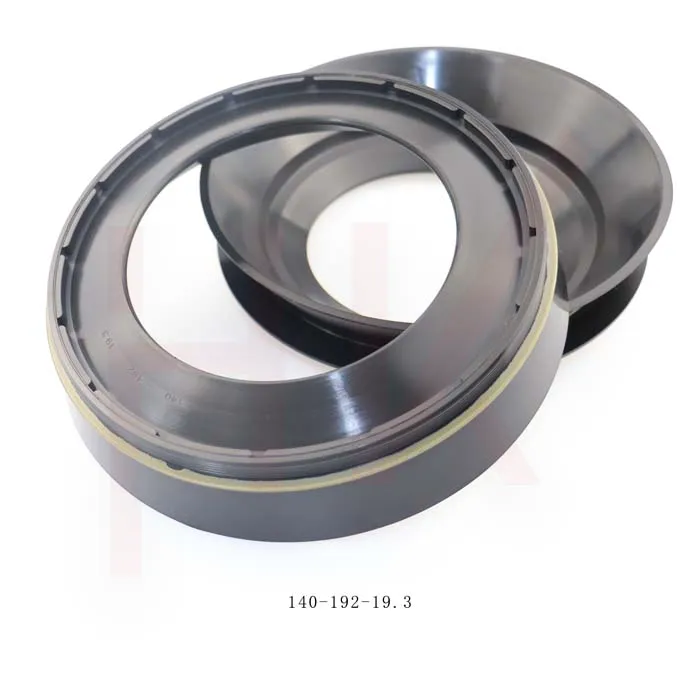
Gear box concrete mixer oil seal 140*192*19.3 nbr reducer oil seal
-
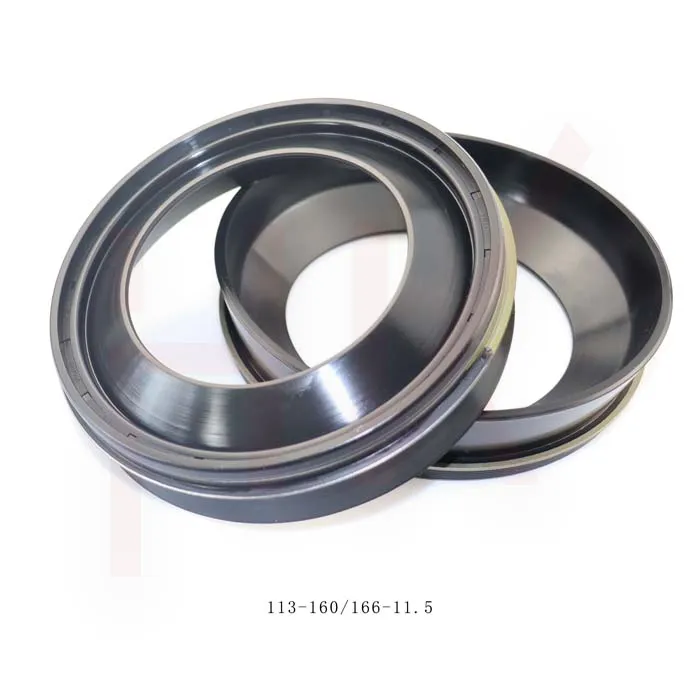
Seals factory direct sales 113*160/166*11.5/38 excavator truck reducer oil seal