
Nov . 27, 2025 09:45 Back to list
Comprehensive Guide to Piston Wiper Rings: Applications, Benefits & Future Trends
The Quiet Workhorse: Understanding the Piston Wiper Ring and Why It Matters
On the surface, the piston wiper ring might not sound like the star component in the mechanical world. Yet, it quietly plays a critical role in the functioning of countless engines across industries worldwide. Whether in the automotive sector, heavy machinery, or even humanitarian relief equipment, this small but mighty part keeps systems running efficiently, reliably, and sustainably.
Thinking globally, the efficiency of engines and hydraulic systems impacts everything from transportation to agricultural productivity. With increasing pressure to optimize performance, reduce emissions, and extend machinery life cycles, understanding components like the piston wiper ring is more than technical trivia — it’s essential knowledge for engineers, manufacturers, and decision-makers alike.
Why the Piston Wiper Ring Is an Unsung Hero in Industry
Globally, machinery reliability matters: World Bank data suggests that improving agricultural machinery efficiency alone can boost yields by 20-30% in developing countries. The piston wiper ring’s role in sealing and protecting piston cylinders directly contributes to this." But here’s the kicker — despite their importance, piston wiper rings often go unnoticed outside technical circles, even though failure leads to costly downtime and environmental risks.
ISO standards like ISO 10423 emphasize the need for precision-engineered components to reduce leakages and emissions, areas where piston wiper rings are front and center. So when engines falter or hydraulic systems leak, often the root cause is a worn or poorly specified wiper ring, underscoring how a tiny ring can carry enormous responsibility.
What Exactly Is a Piston Wiper Ring?
Simply put, a piston wiper ring is a sealing ring mounted on piston assemblies that wipes excess lubricants and contaminants off cylinder walls during operation — hence the name “wiper.” Its job is twofold: keep the lubricant inside and prevent dirt or dust from entering the system.
Industrially, it’s indispensable for engine efficiency and longevity. Think of it as the gatekeeper protecting the piston and cylinder interface; without it, systems suffer accelerated wear, decreased performance, and premature failure. Humanitarian organizations operating in rugged, dusty environments rely heavily on such reliable components to keep vital machinery operational for extended periods.
Key Factors That Make a Piston Wiper Ring Effective
1. Durability
No surprise — a piston wiper ring needs to withstand extreme temperatures, pressures, and chemical exposures. Engineering materials like nitrile rubber (NBR), fluoroelastomers (FKM), and PTFE composites are popularly used because they last longer without cracking or deforming.
2. Material Compatibility
Not all wiper rings are created equal, and compatibility with engine oils, hydraulic fluids, and cylinder materials is critical. Selecting the wrong compound can lead to swelling, hardening, or chemical breakdown.
3. Design Precision
The ideal design ensures consistent contact with the cylinder wall to effectively “wipe” contaminants while minimizing friction. Innovations like spring-energized rings improve sealing under variable pressures.
4. Cost Efficiency
Although often overlooked, choosing the right piston wiper ring yields long-term savings by reducing maintenance downtime, lowering lubricant consumption, and preserving engine parts.
Mini Takeaway:
It’s these core factors — durability, material compatibility, precision design, and cost efficiency — that ensure piston wiper rings fulfill their vital role across industries.
Global Applications: Where Piston Wiper Rings Make the Biggest Impact
Industries from automotive manufacturing in Germany to mining equipment in Australia lean heavily on piston wiper technology. In agricultural machinery across Sub-Saharan Africa, reliable piston wiper rings help tractors and harvesters run longer despite harsh dust and heat.
Oddly enough, relief organizations that set up emergency power generators in post-disaster zones report that quality piston wiper rings prolong generator usability amidst challenging conditions. Also, in remote oilfields, piston wiper rings maintain hydraulic pumps essential for drilling operations, reducing environmental risks from leaks.
Product Specification Table
| Specification | Typical Values | Remarks |
|---|---|---|
| Material | NBR, PTFE, FKM | Dependent on application |
| Operating Temperature | -40°C to 200°C | Typical range for automotive |
| Hardness (Shore A) | 70 - 90 | Balance between flexibility and wear resistance |
| Coefficient of Friction | 0.05 - 0.15 | Crucial for efficiency |
| Max Pressure | Up to 30 MPa | Suitable for heavy-duty hydraulics |
Advantages & Long-Term Value of Piston Wiper Rings
It might sound obvious, but a good piston wiper ring is the difference between downtime and uptime. The cost of replacing an entire piston or cylinder far outweighs investing in quality seals. From a sustainability point of view, fewer replacements mean less waste and resource consumption — a subtle but vital win in today’s environmentally conscious markets.
Moreover, the social impact can't be ignored: in industries where machine failure risks human safety, dependable piston wiper rings help maintain safe working conditions. Innovation here builds trust between manufacturers and end-users. As many engineers I've met say, "It's the little things that keep the big things moving."
Vendor Comparison: Top Piston Wiper Ring Suppliers
| Supplier | Material Options | Customization Level | Typical Delivery Time | Geographic Reach |
|---|---|---|---|---|
| HKAI Seal | NBR, FKM, PTFE blends | High – OEM specs available | 2–4 weeks | Global |
| RingTech Corp | NBR, PU | Medium – Standard sizes | 3–6 weeks | North America, Europe |
| SealsPlus | PTFE, FKM | Low – Mostly stock items | 1–2 weeks | Asia-Pacific |
Future Trends and Innovations in Piston Wiper Rings
Materials science is advancing at a brisk pace, and odd as it sounds, piston wiper rings stand to benefit. New fluoropolymer blends promise lower friction and higher heat resistance. Meanwhile, additive manufacturing (3D printing) is opening doors for rapid prototyping of custom-shaped seals tailored for advanced engine designs.
Green energy pushes will likely demand piston wiper rings that can handle alternative fluids and wider working conditions as hybrid and electric-hybrid engines gain ground. Digital diagnostics integrated with smart seals might not be far behind — someday, wiper rings could signal their own wear status or lubricant needs. It feels like the future is just around the corner...
Challenges & Expert Solutions in Piston Wiper Ring Usage
Leakage and premature wear still plague many applications. Sometimes, it’s poor material choice; other times, installation errors. Interestingly, field engineers often stress training as the best remedy — even a perfect piston wiper ring won't perform if it’s not fitted correctly.
Adopting improved quality control systems, insisting on OEM specification compliance, and encouraging predictive maintenance can reduce such challenges. Partners like piston wiper ring manufacturers also support customers with tailored advice, ensuring longer service life.
FAQ: Practical Questions About Piston Wiper Rings
- Q: How often should piston wiper rings be replaced in heavy machinery?
A: Replacement intervals vary based on usage and environment, but typically every 10,000 to 20,000 operating hours. Regular inspection is essential to prevent failures. - Q: Can piston wiper rings handle extreme temperatures?
A: Yes, depending on material choice. For example, FKM rings can operate up to 200°C, while certain PTFE blends may tolerate even higher. - Q: Are custom piston wiper rings expensive?
A: Customization adds cost upfront, but it can reduce total ownership expenses by fitting perfectly and lasting longer. - Q: What’s the main difference between piston wiper rings and piston sealing rings?
A: Wiper rings primarily remove contaminants and excess oil from cylinder walls, while sealing rings focus on maintaining compression and sealing combustion gases.
Wrapping Things Up: Why Choosing the Right Piston Wiper Ring Pays Off
In real terms, that humble piston wiper ring is fundamental to mechanical health across many industries. It’s a small investment that pays dividends in durability, efficiency, and sustainability. Getting it right means fewer surprises under the hood and more trust in your equipment’s performance.
If you’re looking to explore options or customize wiper rings tailored for your applications, it’s worth visiting piston wiper ring specialists who combine industry insight with technical excellence.
Stay curious — sometimes the smallest parts hold the biggest secrets to success.
References
-
Guide to Choosing the Right High Quality hydraulic ram kit
NewsApr.16,2026
-
Premium Hydraulic Cylinder Packing Kits for Peak Performance
NewsApr.09,2026
-
Comprehensive Guide to Hydraulic Cylinder Oil Seal Kits for Optimal Performance
NewsApr.07,2026
-
Comprehensive Guide to Choosing the Right Cylinder Seal Kits for Peak Performance
NewsApr.04,2026
-
Comprehensive Guide to Seal Kits for Cylinders Ensuring Optimal Performance
NewsMar.31,2026
-
Comprehensive Guide to Hyd Cylinder Seals for Optimal Hydraulic System Performance
NewsMar.28,2026
-
Comprehensive Guide to Hyd Cylinder Seal Kit Selection and Installation
NewsMar.26,2026
Products categories
-
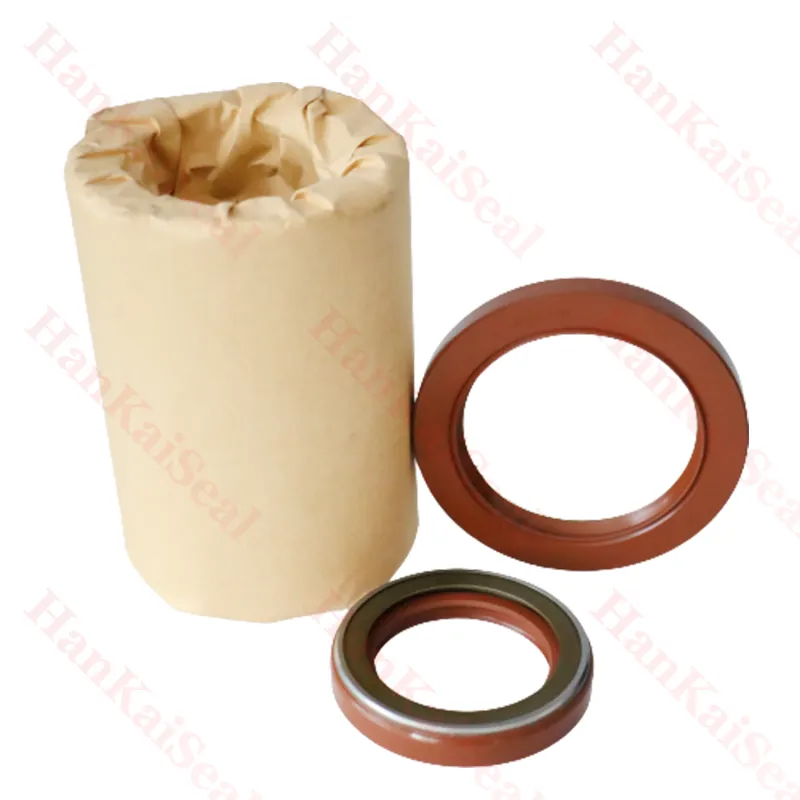
Standard oil seal BP0494 High pressure TCN oil seal
-
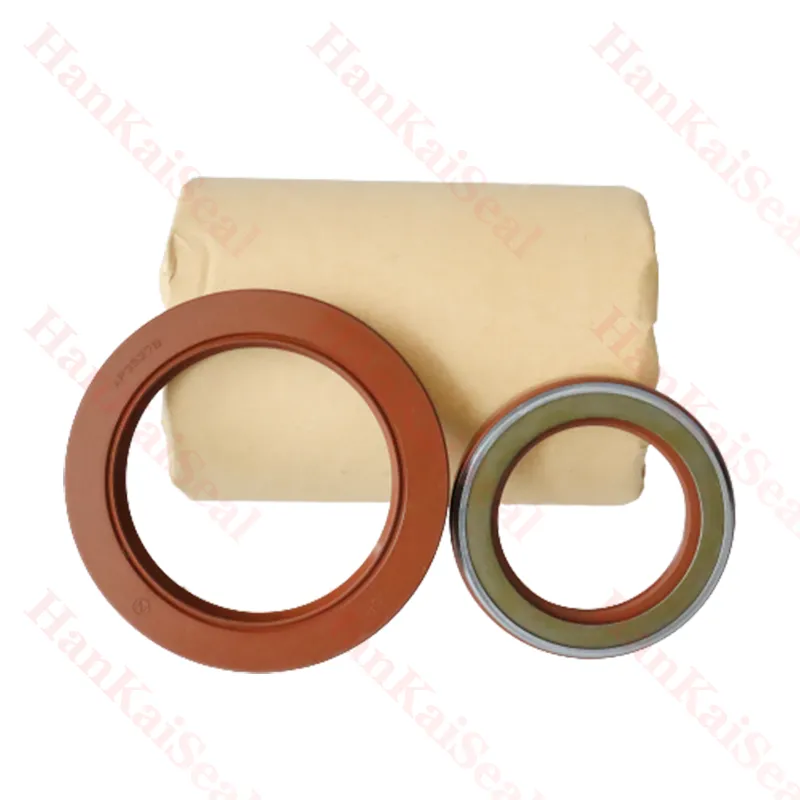
Hydraulic pump seal AP4624G high pressure TCN oil seal
-
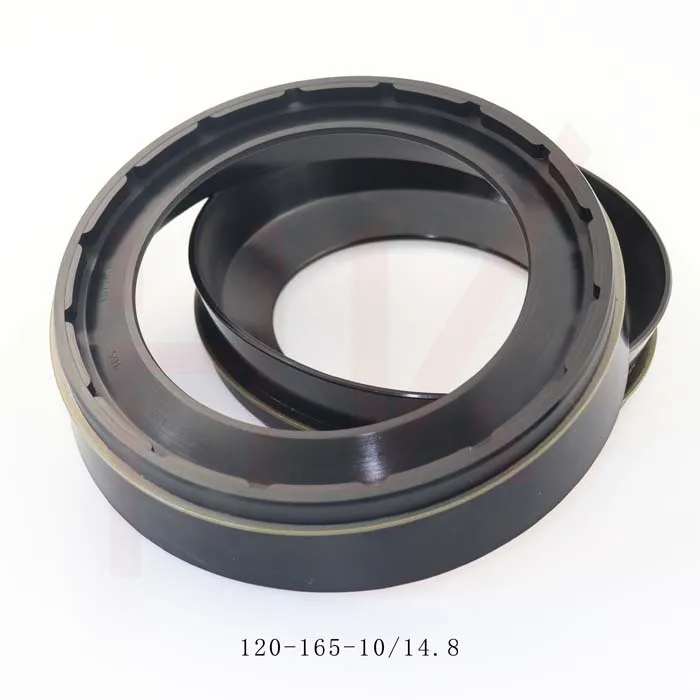
0734307418 0750112169 120*165*10/14.8 concrete mixer reducer oil seal
-
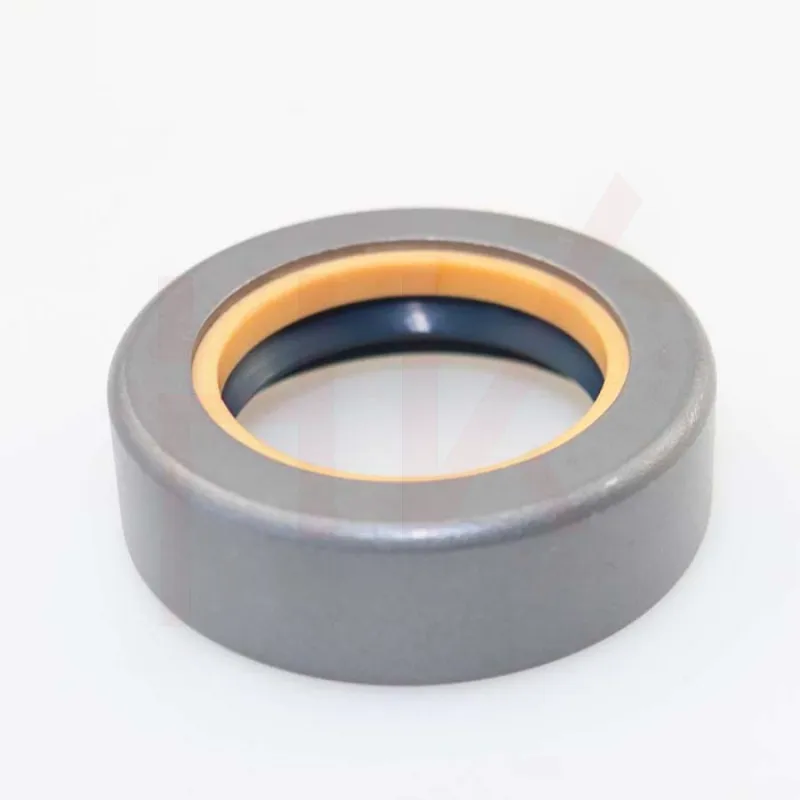
35*52*16 Standard Wheel Hub Oil Seal For Agricultural Machinery
-
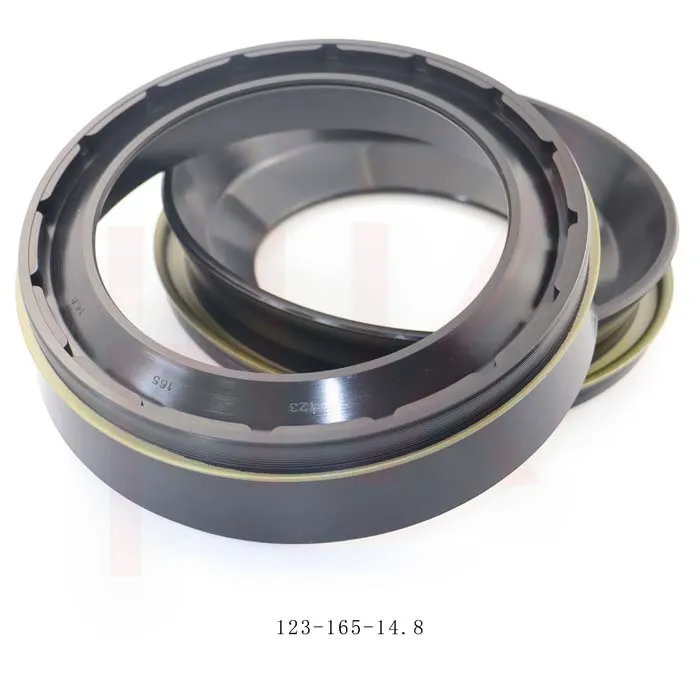
123*165*14.8 concrete mixer truck reducer oil seal
-
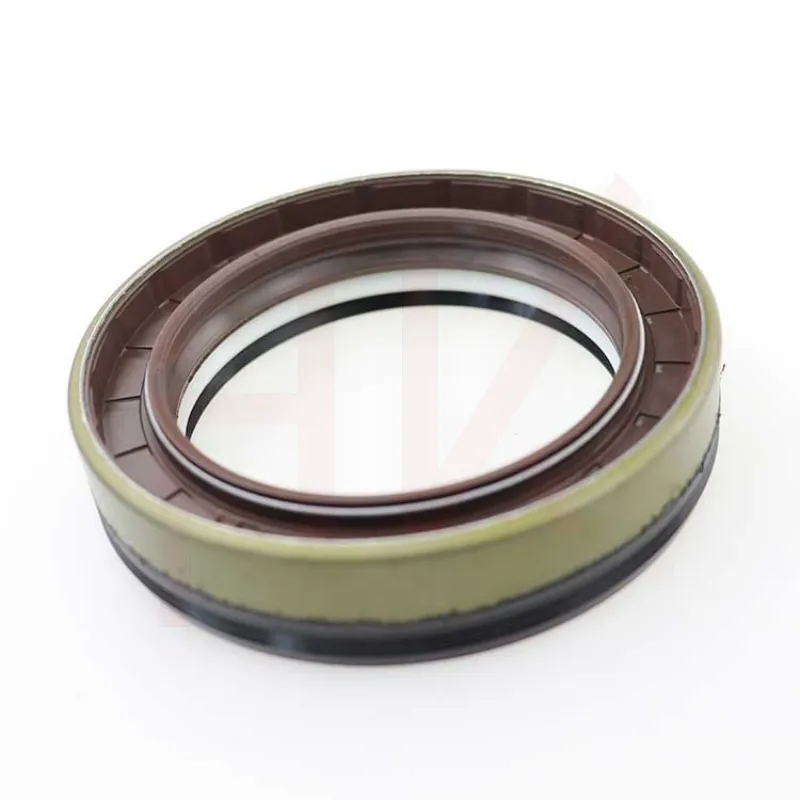
Tractor shaft oil seal 65-90-20 COMBI SF19 hub oil seal
-
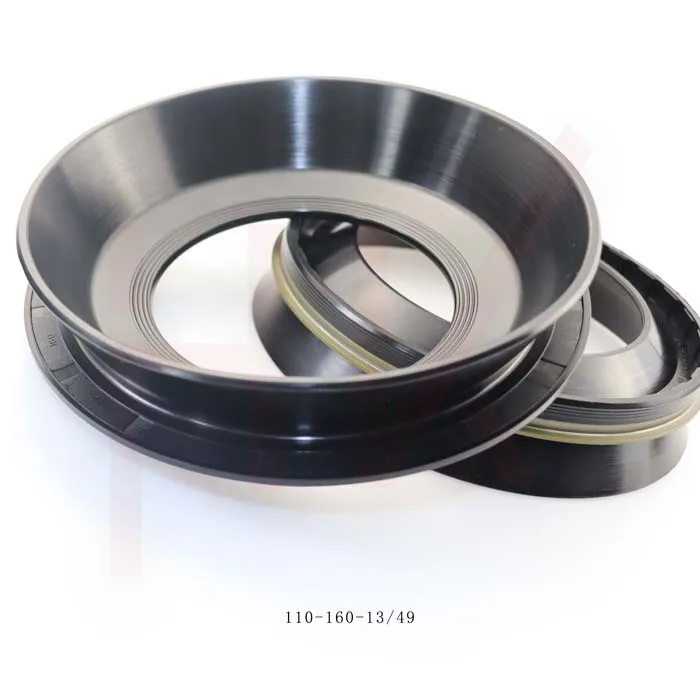
110*160*13/49 NBR reducerConcrete mixer truck oil seal
-
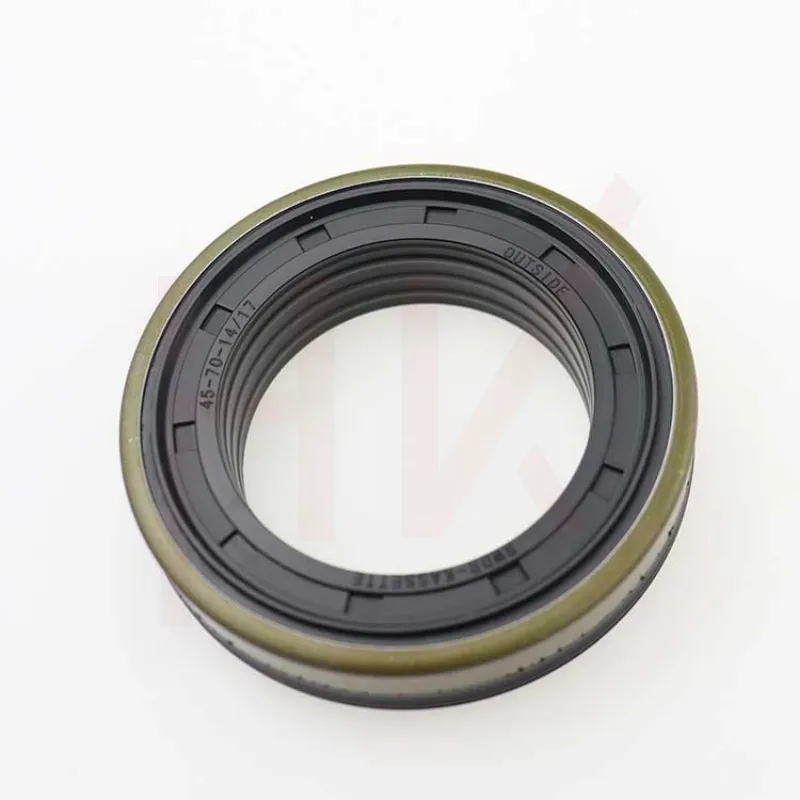
Hub oil seal 40*65*13/14.5 suitable for tractor Cat 12018035b
-
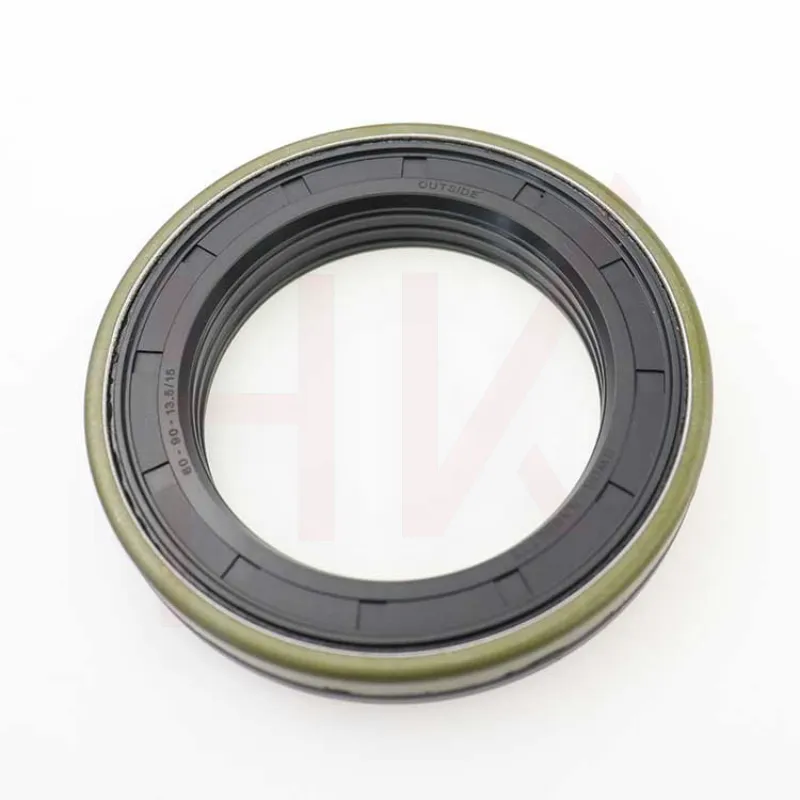
Tractor accessories cassette oil seal hub oil seal 60-90-13.5/15
-
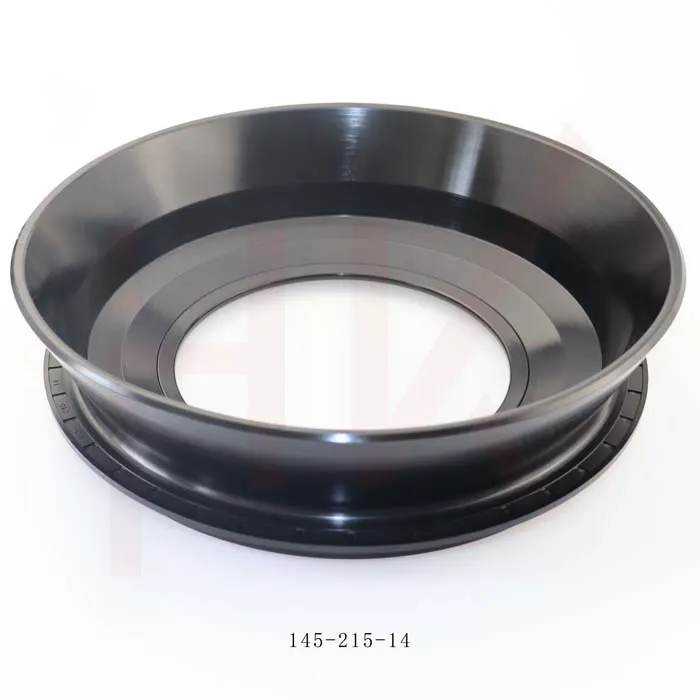
Factory concrete mixer truck oil seal 145*215*14 reducer gearbox oil seal
-
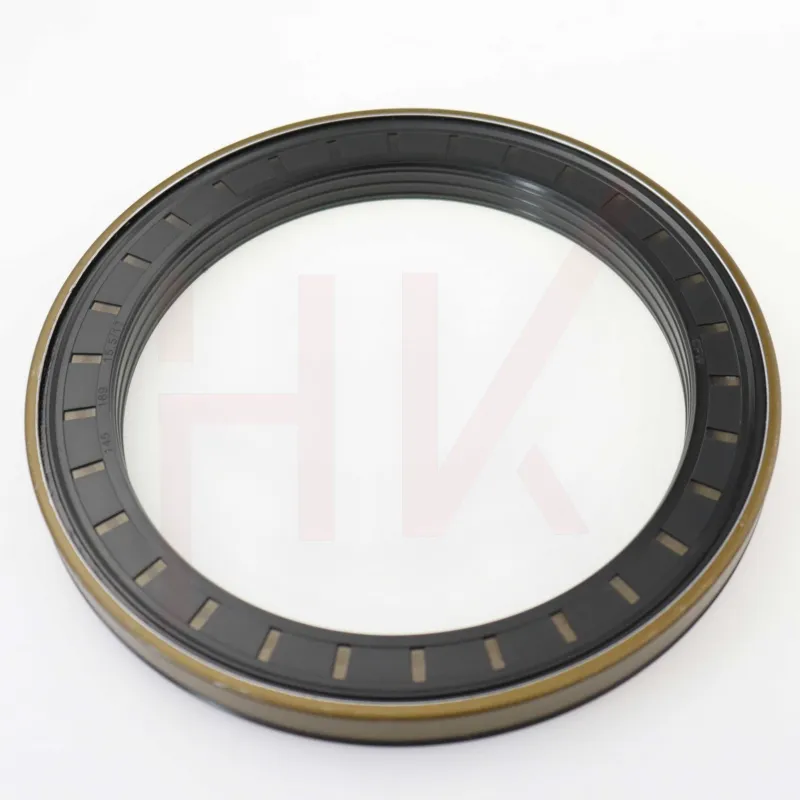
145*189*15.5/17 Cassette Seal NBR Hub Oil Seal 1508044
-
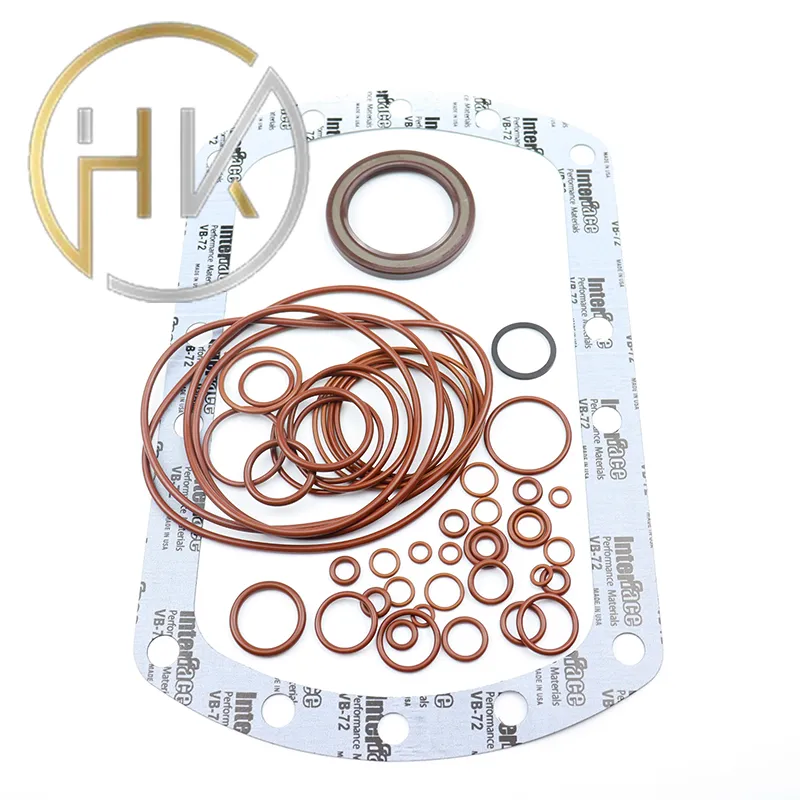
Factory direct sales hydraulic pump motor seal kit A8VO140
-
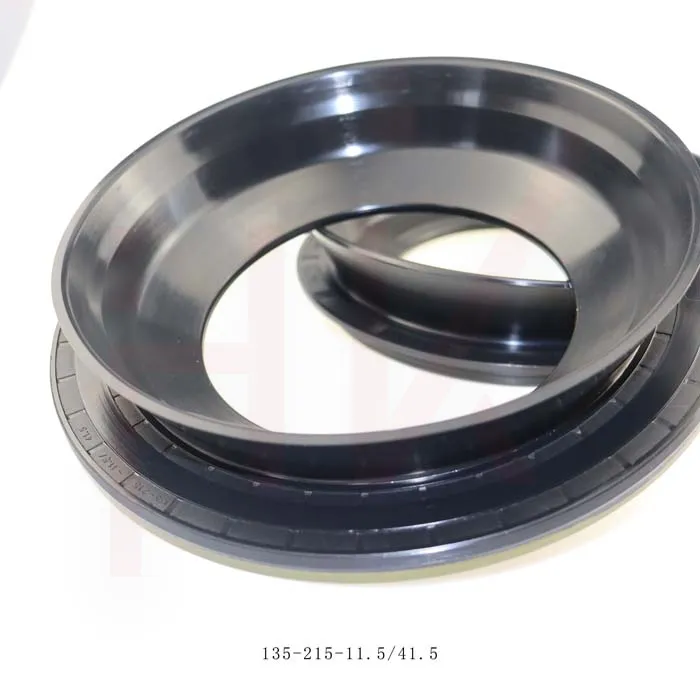
Brand new cement tanker oil seal 135*215*11.5/41.5 concrete mixer oil seal
-
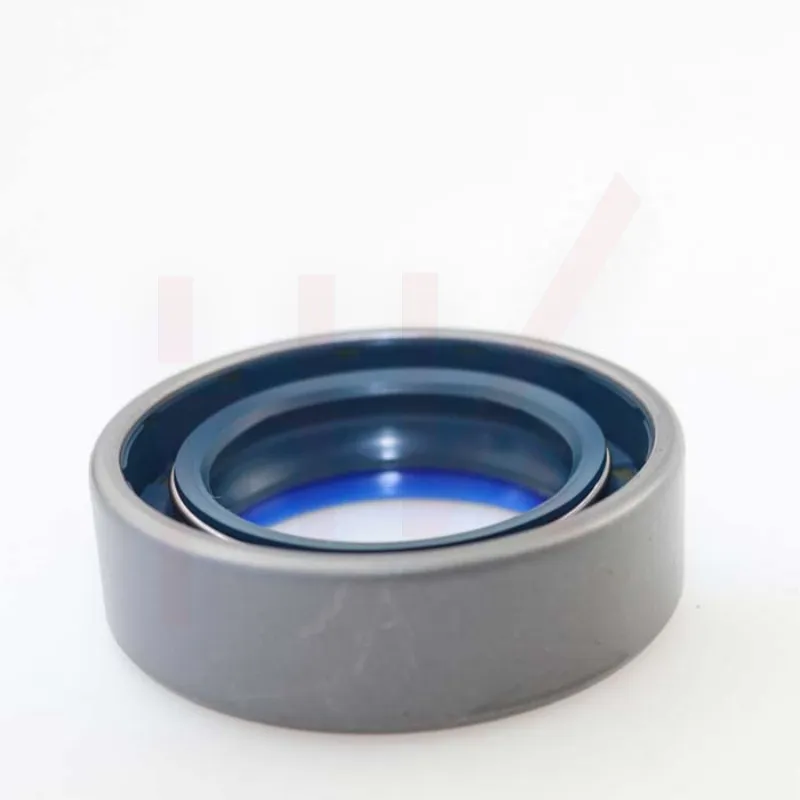
45*65*15 Combi oil seal JCB 90450009 COMBI SF1 SEAL
-
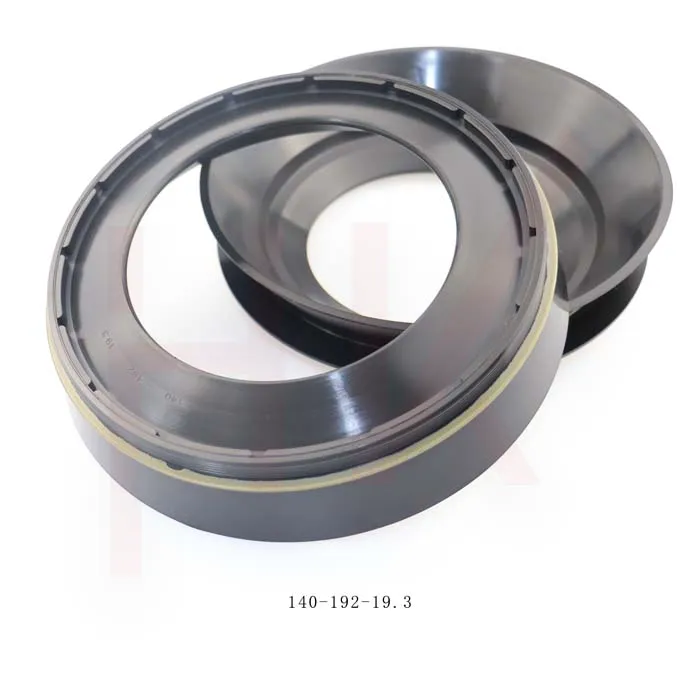
Gear box concrete mixer oil seal 140*192*19.3 nbr reducer oil seal
-
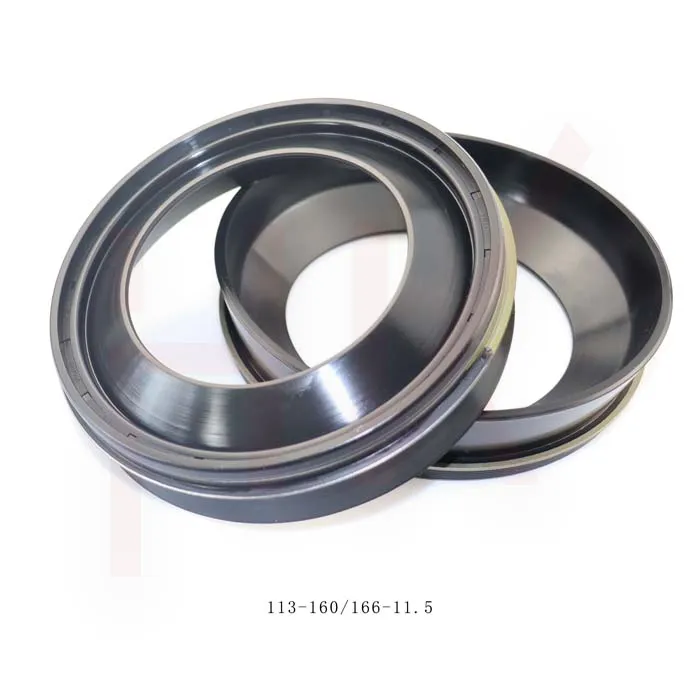
Seals factory direct sales 113*160/166*11.5/38 excavator truck reducer oil seal