
Nov . 27, 2025 08:10 Back to list
Comprehensive Guide to Oil Wiper Ring: Benefits, Applications, and Future Trends
Understanding the Oil Wiper Ring: More Than Just a Seal
At first glance, an oil wiper ring might seem like just another tiny component in the sprawling world of machinery parts. But in reality, this often-overlooked device plays a crucial role globally, especially across industries heavy on mechanical efficiency and environmental responsibility. You see, where there’s moving equipment and lubricant, there’s a need to keep oils where they belong — inside, not leaking out or attracting dirt in. Understanding how oil wiper rings function is key to maximizing machine lifespans, cutting energy waste, and promoting sustainability in manufacturing and transportation sectors worldwide. It matters more than you might think.
The Global Context: Why Oil Wiper Rings Are Vital
Worldwide, machines power everything from agriculture to aerospace. According to the International Organization for Standardization (ISO), flawless sealing mechanisms like oil wiper rings reduce industrial lubricant loss by up to 15% annually, translating to millions of gallons saved and emissions reduced across sectors. Yet, a persistent challenge remains — contamination and leakage cause costly equipment failures. This is where oil wiper rings step in, acting as frontline defenders protecting lubricants from dirt ingress and preventing oil seepage, especially in harsh environments where maintenance is costly or infrequent.
Oddly enough, the subtle improvement of an oil wiper ring can ripple into major economic and environmental benefits globally. From automotive production lines in Germany to remote mining rigs in Australia, these small rings help reduce downtime and extend machine life — essential for smooth, cost-effective operations.
Mini Takeaway:
- Oil wiper rings address a global need to contain lubricants and protect machinery.
- They help industries reduce losses, boost efficiency, and lower environmental footprints.
Defining the Oil Wiper Ring
So, what exactly is an oil wiper ring? In its simplest form, it's a ring-shaped sealing device, usually made from resilient materials like nitrile rubber or PTFE, designed to “wipe” and seal oil on rotating shafts or pistons. Think of it like a guardian at the interface between moving parts, sweeping away excess oil and preventing contaminants like dust, sand, or moisture from entering the system.
Without these rings, lubricants would escape or mix with debris, leading to quicker wear and even catastrophic failure. In industries demanding reliability — aerospace, hydraulics, automotive — good oil wiper rings are indispensable. And oddly enough, even in humanitarian efforts like disaster relief machinery, these silent heroes keep essential equipment humming without interruptions.
Mini Takeaway:
- An oil wiper ring is a simple but essential sealing component that protects against oil loss and contamination.
- Its role is critical across various industrial and humanitarian applications.
Core Features That Define Oil Wiper Rings
Durability
Many engineers will tell you the biggest factor is material resilience. The ring must endure friction, high temperatures, and chemical exposure — all while maintaining seal integrity. Durable materials like fluoroelastomers or polyurethane extend service life, meaning fewer replacements and less downtime.
Precision Fit
It's not just about material — the geometry matters. A properly sized oil wiper ring ensures uniform pressure on the shaft or piston surface, allowing it to scrape off oil consistently without damage. Even minor imperfections in design can lead to leaks or premature wear.
Cost Efficiency
Balancing cost with quality is always a puzzle. While premium materials and tighter tolerances raise initial costs, the long-term savings from reduced maintenance and improved reliability typically justify the investment. It’s that kind of thing where paying a bit more upfront can really pay dividends down the line.
Environmental Resistance
Industries in harsh settings — think deep-sea oil rigs or desert mining sites — depend on rings that resist corrosion, ozone, and extreme weather. Properly engineered oil wiper rings help lower the ecological impact by minimizing leaks and protecting lubrication systems from harsh elements.
Ease of Installation & Replacement
Often overlooked, this factor directly reduces machine downtime. Many vendors now design oil wiper rings for simple retrofitting, minimizing labor costs and operational delays.
Mini Takeaway:
- Durability and precisely engineered fits are the backbone of effective oil wiper rings.
- Environmental resistance and cost efficiency make them viable worldwide.
Real-World Uses of Oil Wiper Rings
The use cases run deep and broad. Automotive engines, for example, rely heavily on oil wiper rings to prevent oil from spilling into combustion chambers — improving engine efficiency and emission controls. In heavy industrial hydraulics, these rings prevent fluid leaks, critical in construction and agriculture machinery.
In emergency settings — say in post-disaster relief — equipment like water pumps and generators often operates in dusty or muddy conditions. Here, durable oil wiper rings guard vital machinery, reducing maintenance cycles during critical operations.
Geographically, manufacturers across Europe, Asia, and North America are refining oil wiper ring designs to meet specific demands, showing how universal yet adaptable the solution is. Even developing regions are benefiting; for instance, mining sectors in Africa are upgrading seals to improve equipment uptime.
Mini Takeaway:
- Oil wiper rings are indispensable in automotive, industrial, and relief equipment.
- Their adaptability makes them valuable across diverse global regions and environments.
Advantages and The Long-Term Value of Oil Wiper Rings
From a practical perspective, oil wiper rings save money by lowering oil consumption and preventing mechanical wear. This translates to less frequent repairs and machine replacements — a direct boost to any company's bottom line.
But beyond dollars and cents, there’s a sustainability story. Cleaner operations mean fewer emissions and safer workplaces. It's no coincidence that industries pushing green manufacturing often invest in better sealing technologies.
Emotionally, reliability brings peace of mind. When engineers know their equipment is guarded from one of its most common foes — lubricant failure — stress levels drop, trust increases, and performance improves. It feels like a subtle, uncelebrated innovation that quietly keeps the gears turning.
Mini Takeaway:
- Oil wiper rings offer economic savings, sustainability benefits, and emotional reassurance.
- They represent a smart investment for dependable, earth-conscious operations.
Future Trends in Oil Wiper Rings
Looking ahead, the focus is shifting towards smarter materials and integration with Industry 4.0 technologies. Self-lubricating polymers and nanocomposite materials are entering the scene, aiming to extend service life and reduce friction even further.
Smart sensors embedded near or within oil wiper rings are being tested to monitor wear in real-time, allowing predictive maintenance — a game-changer in avoiding unexpected breakdowns.
Environmentally, biopolymers derived from renewable sources are making strides, easing the lifecycle impacts of these components. And of course, automation and robotics manufacturing are demanding even more precise and durable seals, pushing innovation forward.
Mini Takeaway:
- Emerging materials and embedded technologies will redefine oil wiper ring performance.
- Greater sustainability and automation compatibility are key future focuses.
Challenges and Innovative Solutions
Despite progress, issues remain. Oil wiper rings can fail under extreme loads or when incompatible fluids are used. Selecting the wrong design can cause premature wear or leakage.
To combat this, many companies now offer custom-engineered solutions tailored to unique operating conditions — not a one-ring-fits-all anymore. Testing protocols adhere to strict international standards (like ISO 6194 for piston and rod seals) to guarantee quality.
New surface treatments and coatings are helping rings resist abrasion and chemical attack, a welcome relief for end-users working in severe environments.
Mini Takeaway:
- Proper selection, tailored design, and advanced coatings solve many traditional oil wiper ring failures.
- Compliance with international standards ensures reliability and trust.
Frequently Asked Questions About Oil Wiper Rings
- What materials are best for oil wiper rings in high-temperature environments?
- Fluoroelastomers (FKM) or PTFE-based materials are preferred because they withstand temperatures typically up to 200°C while maintaining elasticity and chemical resistance.
- How often should oil wiper rings be replaced in heavy machinery?
- Replacement intervals depend on operating conditions, but many manufacturers recommend checking seals during regular maintenance cycles every 12 to 24 months to prevent failures.
- Can oil wiper rings prevent contamination in dusty or sandy work sites?
- Yes, their primary role is to wipe off excess oil and stop external contaminants from entering critical machinery parts, which is especially important in dusty environments.
- Are custom oil wiper rings expensive compared to standard ones?
- They can be pricier initially but deliver better performance and longer service life, which often leads to lower total ownership costs.
- Where can I find reliable suppliers for oil wiper rings globally?
- Trusted vendors usually comply with ISO certification and offer technical support. Sites like HKA ISeal provide comprehensive product ranges and custom solutions.
Product Specification Table
| Specification | Typical Value | Notes |
|---|---|---|
| Material | Nitrile Rubber (NBR), PTFE, FKM | Depends on application environment |
| Operating Temperature | -40°C to 200°C | Varies by material type |
| Shaft Diameter Range | 5 mm to 300 mm | Custom sizes available |
| Pressure Rating | Up to 15 bar | Suitable for hydraulic systems |
| Lubricants Compatible | Mineral oils, synthetic oils | Consult for specialized fluids |
Vendor Comparison Table
| Vendor | Material Range | Custom Solutions | International Reach | Certifications |
|---|---|---|---|---|
| HKA ISeal | NBR, PTFE, FKM, Silicone | Yes | Global (EMEA, APAC, Americas) | ISO 9001, ISO 14001 |
| SealTech Solutions | NBR, PTFE | Limited | North America, Europe | ISO 9001 |
| GlobalSeal Co. | FKM, Silicone | Yes | Asia, Middle East | ISO 9001, TS 16949 |
Wrapping Up
In real terms, the oil wiper ring is one of those perfect “small but mighty” components. It may not win flashiest innovation awards, but it silently champions the cause of efficiency, reliability, and sustainability across countless machines and industries worldwide. By keeping lubricants clean and confined, it cuts costs, boosts uptime, and even contributes to lowering environmental impact — a tidy win-win-win.
For engineers, machine operators, and industry leaders considering better sealing solutions, diving deeper into the nuances of oil wiper rings can reveal surprising opportunities for improvement.
Ready to explore reliable oil wiper ring solutions tailored for your needs? Visit the experts at HKA ISeal for a detailed catalog and consultation.
References
-
Guide to Choosing the Right High Quality hydraulic ram kit
NewsApr.16,2026
-
Premium Hydraulic Cylinder Packing Kits for Peak Performance
NewsApr.09,2026
-
Comprehensive Guide to Hydraulic Cylinder Oil Seal Kits for Optimal Performance
NewsApr.07,2026
-
Comprehensive Guide to Choosing the Right Cylinder Seal Kits for Peak Performance
NewsApr.04,2026
-
Comprehensive Guide to Seal Kits for Cylinders Ensuring Optimal Performance
NewsMar.31,2026
-
Comprehensive Guide to Hyd Cylinder Seals for Optimal Hydraulic System Performance
NewsMar.28,2026
-
Comprehensive Guide to Hyd Cylinder Seal Kit Selection and Installation
NewsMar.26,2026
Products categories
-
Standard oil seal BP0494 High pressure TCN oil seal
-
Hydraulic pump seal AP4624G high pressure TCN oil seal
-
0734307418 0750112169 120*165*10/14.8 concrete mixer reducer oil seal
-
35*52*16 Standard Wheel Hub Oil Seal For Agricultural Machinery
-
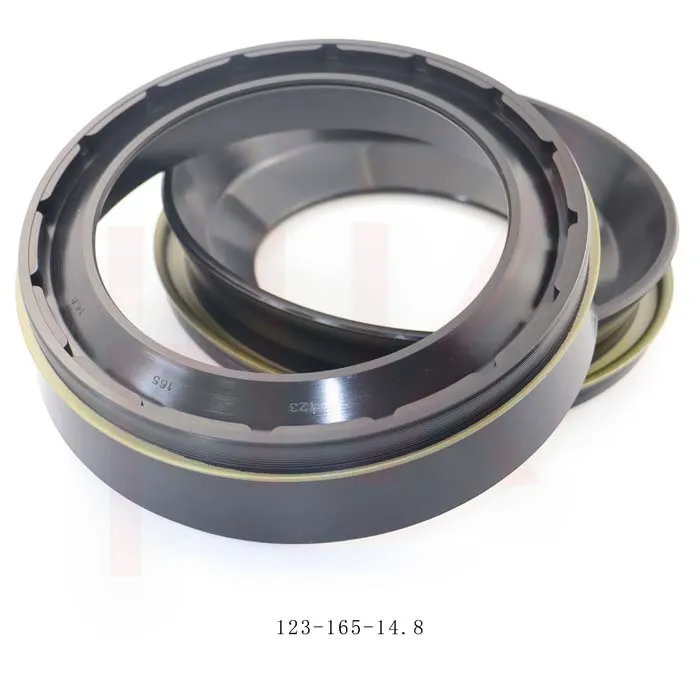
123*165*14.8 concrete mixer truck reducer oil seal
-
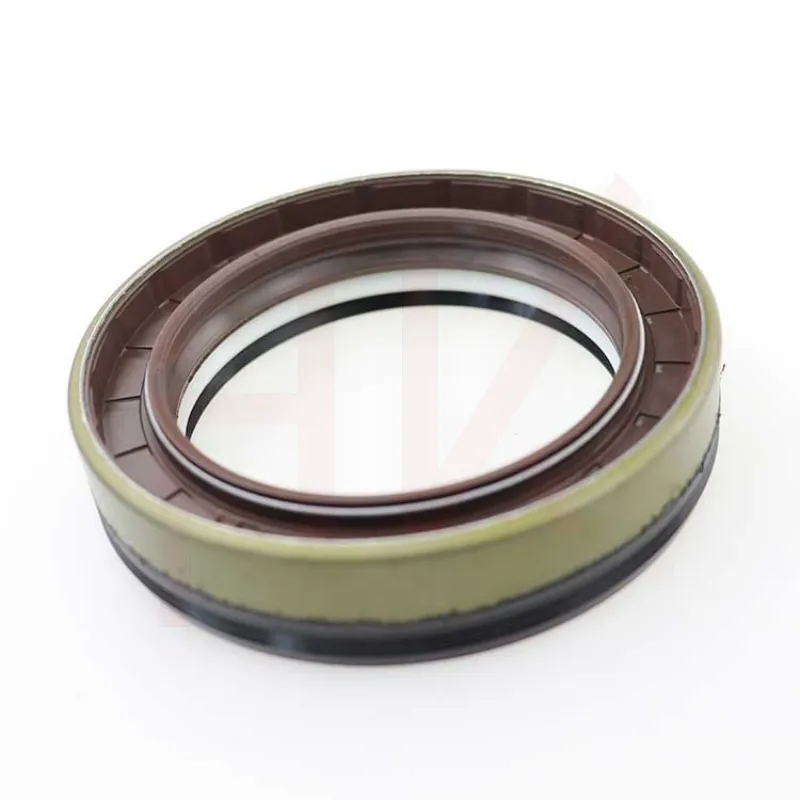
Tractor shaft oil seal 65-90-20 COMBI SF19 hub oil seal
-
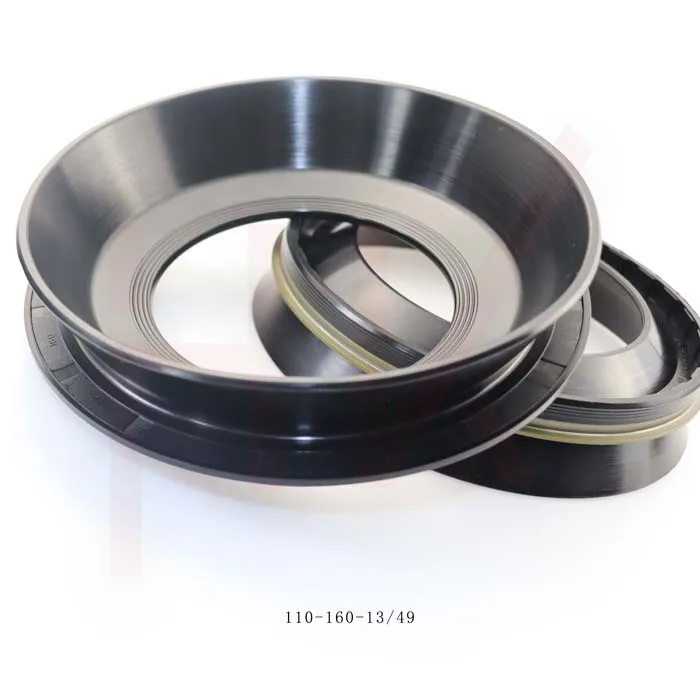
110*160*13/49 NBR reducerConcrete mixer truck oil seal
-
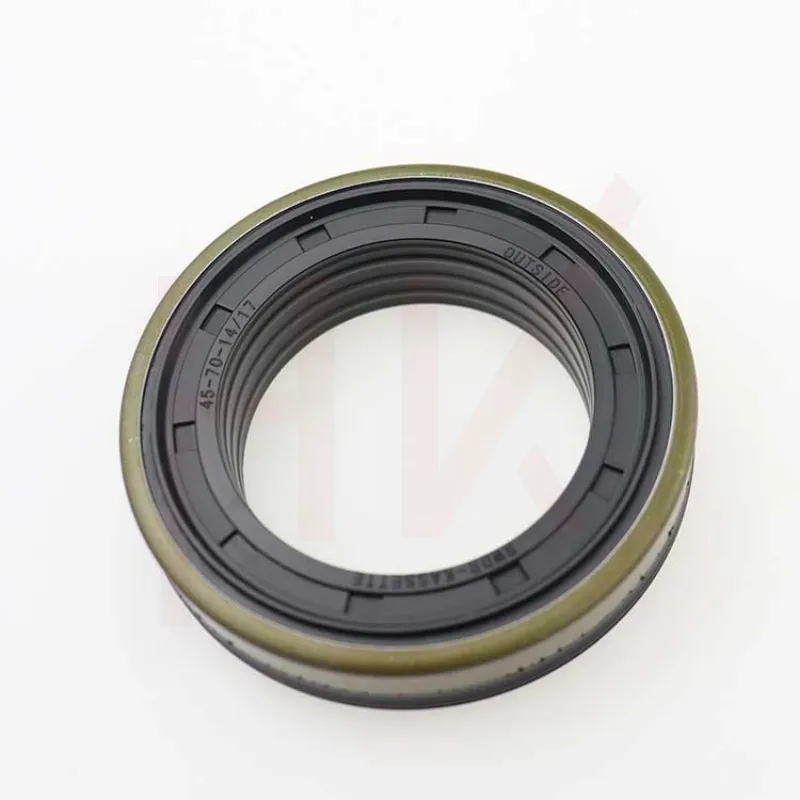
Hub oil seal 40*65*13/14.5 suitable for tractor Cat 12018035b
-
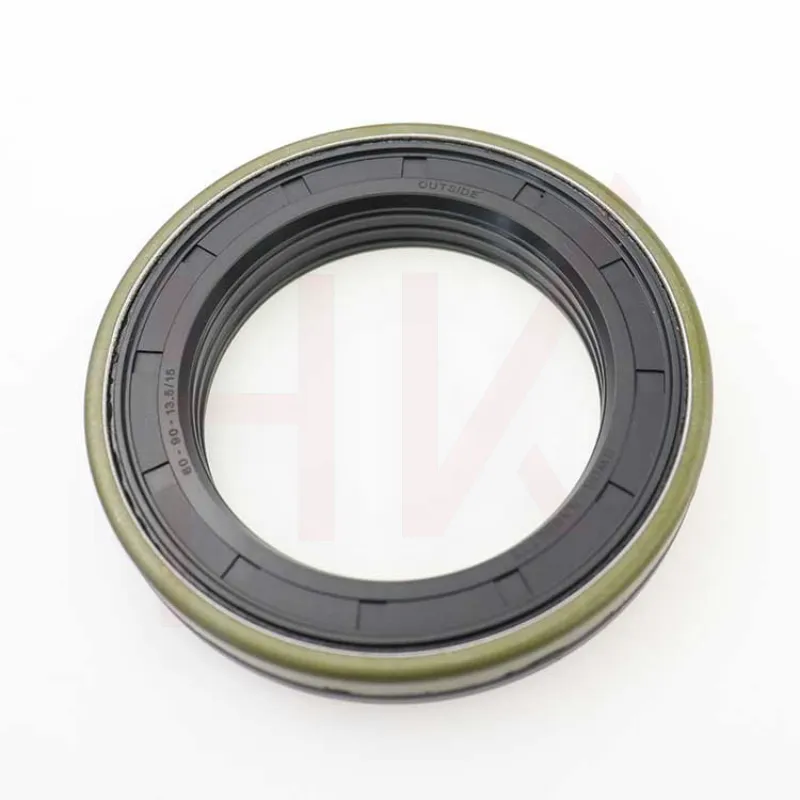
Tractor accessories cassette oil seal hub oil seal 60-90-13.5/15
-
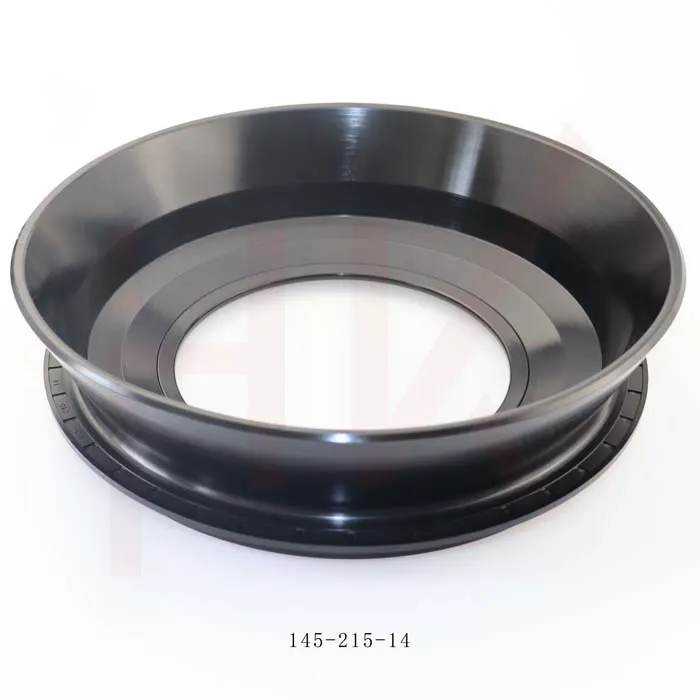
Factory concrete mixer truck oil seal 145*215*14 reducer gearbox oil seal
-
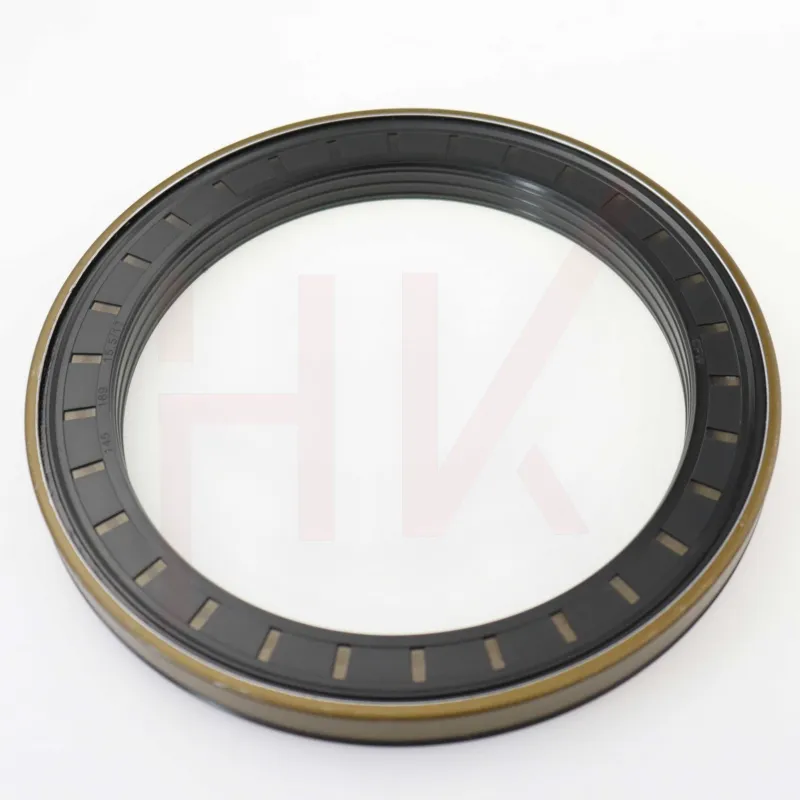
145*189*15.5/17 Cassette Seal NBR Hub Oil Seal 1508044
-
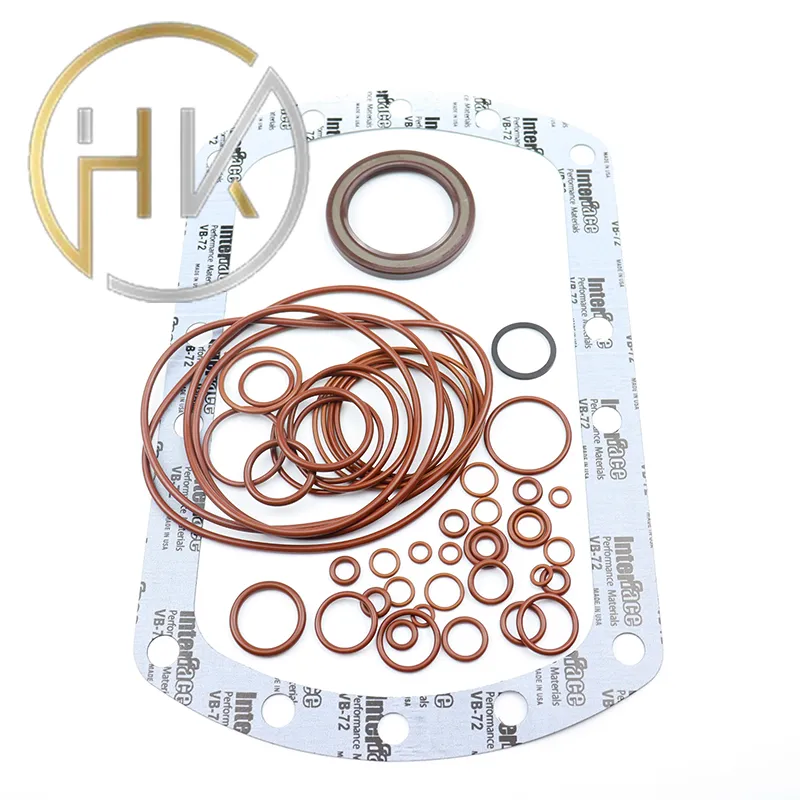
Factory direct sales hydraulic pump motor seal kit A8VO140
-
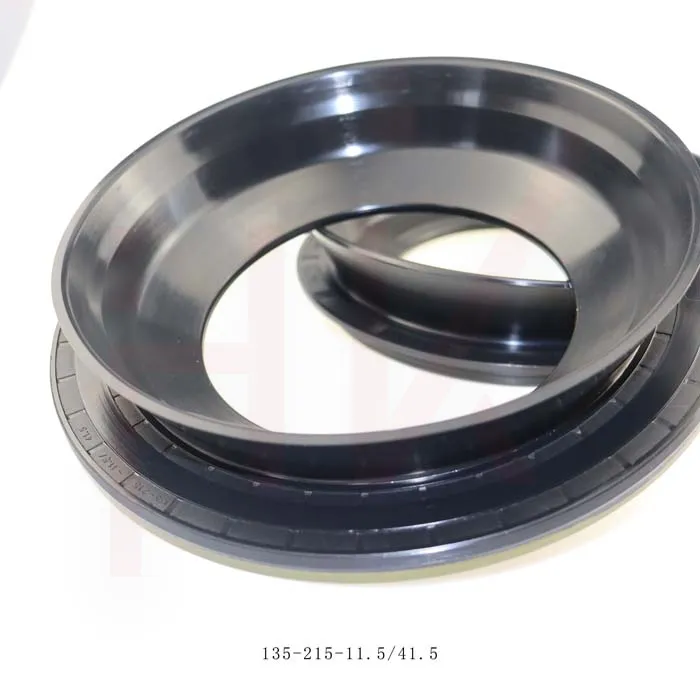
Brand new cement tanker oil seal 135*215*11.5/41.5 concrete mixer oil seal
-
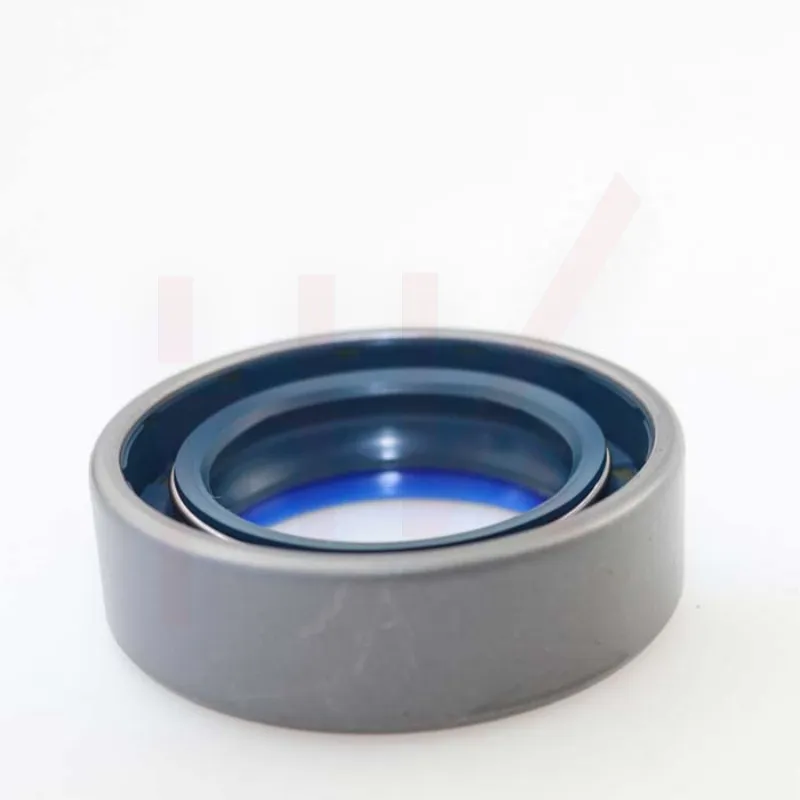
45*65*15 Combi oil seal JCB 90450009 COMBI SF1 SEAL
-
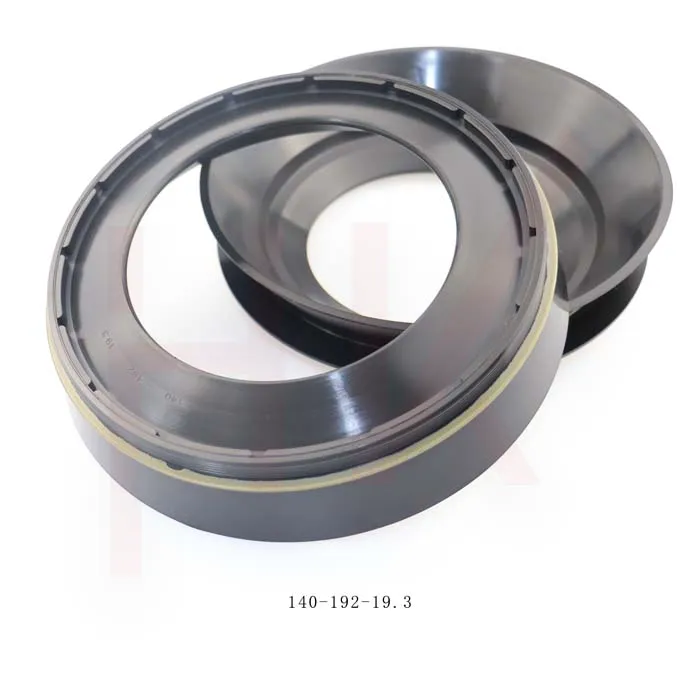
Gear box concrete mixer oil seal 140*192*19.3 nbr reducer oil seal
-
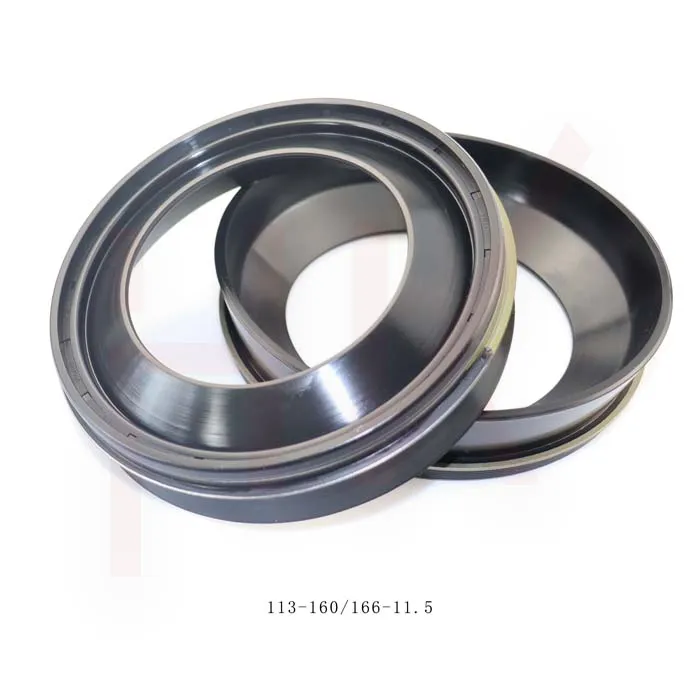
Seals factory direct sales 113*160/166*11.5/38 excavator truck reducer oil seal