
Nov . 27, 2025 05:35 Back to list
Comprehensive Guide to Metric Rod Wipers: Features, Applications, and Future Trends
Why Metric Rod Wipers Matter in Today's Industrial World
At first glance, the humble metric rod wiper might seem like an overlooked mechanical part in large pneumatic or hydraulic systems. Yet worldwide, these small but crucial components help protect machinery from dirt, dust, and contaminants — errors that can easily lead to costly downtime. Understanding the role of metric rod wipers, their design, and application helps industries ranging from manufacturing to construction improve reliability and cut maintenance costs. And frankly, if you’ve ever dealt with a stubborn piston seal failure, you'd appreciate why quality rod wipers are worth their weight in gold.
Global Context: The Industrial Pulse Behind Metric Rod Wipers
The global manufacturing sector contributes about 17% to total world GDP (Wikipedia) and depends heavily on hydraulic and pneumatic systems to power machinery. Faults caused by contaminated rods—surfaces moving in and out of cylinders—often start here. Enter the metric rod wiper: a first line of defense against external debris. ISO standards for rod seal efficiency underline their growing importance in ensuring long-term operational reliability (ISO 5593:2020).
In harsh environments—from remote industrial zones in Siberia to tropical construction sites in Southeast Asia—rod wipers mitigate contamination that otherwise accelerates wear. Without them, downtime and equipment failure rates spike, translating into billions in lost productivity globally.
Mini takeaway: The metric rod wiper is a small part making a big global impact by defending critical systems from environmental contaminants.
What Exactly Is a Metric Rod Wiper?
A metric rod wiper is essentially a sealing ring or lip seal that fits around a piston rod. It “wipes” off dirt, dust, and moisture before these elements can enter the cylinder housing, safeguarding internal components like piston seals and hydraulic fluids. Using metric dimensions—millimeters—it’s designed precisely to match rods used internationally, allowing easy specification and interchangeability in global supply chains.
These wipers aren’t just about machines. Without them, systems that power humanitarian relief efforts—everything from water pumps to mobile medical units—risk failure, possibly affecting millions of vulnerable people.
Key Features That Make Metric Rod Wipers Tick
1. Durability
Metric rod wipers are often made from polyurethane, nitrile rubber, or PTFE composites, materials selected for abrasion resistance and flexibility. This durability directly affects the lifespan of cylinders, especially in dusty or corrosive environments.
2. Precision Fit
With metric sizing, tight tolerances allow the wiper to snugly fit rod diameters from a few millimeters to several centimeters, preventing leak paths or ingress points.
3. Chemical Resistance
Many hydraulic fluids today contain additives and chemicals that degrade traditional materials. Modern rod wipers incorporate resistant polymers to withstand such fluids without losing integrity.
4. Easy Installation and Maintenance
Thanks to standardized dimensions, technicians can swap out worn wipers quickly, minimizing downtime. Some designs even include split wipers for radial installation without full cylinder disassembly.
5. Cost Efficiency
The upfront low cost of wipers belies their long-term value—preventing expensive failures or maintenance that can lead to equipment idle time.
Mini takeaway: For optimal machinery performance, durability, precise fitting, and chemical resistance are non-negotiable features of high-quality metric rod wipers.
Real-World Applications: Who Uses Metric Rod Wipers?
Metric rod wipers are the unsung heroes in numerous fields:
- Construction Equipment: In excavators and cranes, keeping hydraulic rods clean extends the life of heavy machinery working in dusty, muddy sites.
- Automotive Manufacturing: Robotics arms and automated presses rely on clean rods to function smoothly, ensuring production lines run uninterrupted.
- Agricultural Machinery: Tractors and harvesters operating in fields full of dirt and plant debris depend on effective rod wipers to avoid malfunctions.
- Disaster Relief: Mobile hydraulic power units deployed in earthquake or flood zones must remain reliable and ready to save lives.
For example, in a post-tsunami rebuilding effort in Southeast Asia, engineers noted that swapping to high-grade polyurethane metric rod wipers reduced cylinder repair incidents by nearly 40%, a huge operational win.
Advantages and Long-Term Value of Using Metric Rod Wipers
Consider the cost of one hour of machinery downtime in a high-output factory—hundreds to thousands of dollars lost. Now factor in how many incidents stem from contaminated rods. Investing in superior metric rod wipers pays off by:
- Boosting safety: Faulty hydraulics risk operator injury; good wipers reduce unexpected failures.
- Enhancing sustainability: Longer-lasting machines mean less waste and fewer replacements.
- Building trust: Reliable equipment keeps projects on schedule, improves reputation with clients.
- Saving money: Maintenance interventions drop, spare parts last longer, energy efficiency improves.
Emotionally, workers feel less frustrated when machines behave well, and managers gain peace of mind — all thanks to the small but mighty rod wiper.
Innovations and Looking Ahead: The Future of Metric Rod Wipers
Materials science continues to push boundaries with nanocomposite polymers and eco-friendly bioplastics aiming to extend service life even more. We’re also seeing integration of smart sensors in hydraulic systems that monitor wiper and seal wear in real time — predictive maintenance made easier. Additionally, automation in installation and 3D printing customization allow rapid prototyping of wipers for unique machinery.
The drive toward sustainability means companies increasingly demand rod wipers with minimal environmental impact, recyclable materials, and compliance with stricter chemical standards.
Common Challenges and Solutions When Using Metric Rod Wipers
While rod wipers are essential, several challenges persist:
- Material degradation: Exposure to extreme UV or chemicals can shorten life. Solution: Use specialized materials fit for specific environments.
- Incorrect sizing: Can cause leakage or damage rods. Solution: Precise measurement tools and metric standards help avoid this.
- Installation errors: Improper fitting leads to wiper failure. Solution: Training and clear instructions improve success rates.
Many experts recommend routine inspection paired with selecting trusted suppliers to reduce risks significantly.
Product Specification Table: Typical Metric Rod Wiper Features
| Feature | Specification | Notes |
|---|---|---|
| Material | Polyurethane / Nitrile Rubber / PTFE | Varies by application environment |
| Diameter Range | 3 mm – 150 mm (metric) | Custom sizes available |
| Operating Temp | -40°C to +120°C | Depends on material |
| Chemical Resistance | Hydraulic fluids, greases | Critical for hydraulic applications |
| Installation Type | Radial / Axial / Split | Split types ease maintenance |
Vendor Comparison: Leading Metric Rod Wiper Suppliers
| Supplier | Materials | Customization | Global Reach | Typical Clients |
|---|---|---|---|---|
| HK AI Seal | Polyurethane, PTFE, NBR | High customization, metric rod wipers available | Global | Manufacturing, Construction, Farming |
| SealPro Industries | NBR, EPDM | Standard options, limited custom | Regional (EU, NA) | Automotive, Industrial |
| GlobalSeal Tech | PTFE composites | Custom parts, rapid prototyping | Worldwide | Aerospace, Energy |
FAQ: Common Questions About Metric Rod Wipers
- What distinguishes a metric rod wiper from other rod seals?
- Metric rod wipers are sized according to international metric standards, ensuring precise fits for rods measured in millimeters. Unlike general rod seals, wipers focus specifically on scraping off contaminants before they enter the cylinder, complementing sealing functions.
- How often should I replace a metric rod wiper?
- The lifespan depends on operating conditions but typically ranges from 3 to 12 months. Regular inspection for cracking, hardening, or damage is key. Harsh environments usually require more frequent changes.
- Can rod wipers handle extreme temperatures?
- Yes. Materials like polyurethane and PTFE variants are rated for temperatures between -40°C and +120°C, some specialty compounds even broader. Always check specs for your specific application.
- Are metric rod wipers easy to retrofit into existing machinery?
- Generally yes. Because metric sizing is standardized, compatible wipers can replace worn originals without major modifications. Split ring designs further simplify installation without full disassembly.
- Where can I find custom metric rod wipers for unique machinery?
- Specialized manufacturers, like HK AI Seal, offer custom design and prototyping services to match unusual rod sizes or profiles, ideal for niche industrial requirements.
Conclusion: The Small Component With Big Benefits
In sum, the metric rod wiper plays a deceptively large role in industrial efficiency, safety, and sustainability. Its precise design protects expensive hydraulic and pneumatic systems, cuts costs via prolonged equipment life, and supports critical applications from industrial bots to disaster recovery units. To explore premium metric rod wiper options that elevate your operations, visit our trusted partner’s site at HK AI Seal. Reliable machines start with reliable sealing.
Sometimes, it’s the tiniest details that keep the whole machine running—and the world turning.
References
-
Guide to Choosing the Right High Quality hydraulic ram kit
NewsApr.16,2026
-
Premium Hydraulic Cylinder Packing Kits for Peak Performance
NewsApr.09,2026
-
Comprehensive Guide to Hydraulic Cylinder Oil Seal Kits for Optimal Performance
NewsApr.07,2026
-
Comprehensive Guide to Choosing the Right Cylinder Seal Kits for Peak Performance
NewsApr.04,2026
-
Comprehensive Guide to Seal Kits for Cylinders Ensuring Optimal Performance
NewsMar.31,2026
-
Comprehensive Guide to Hyd Cylinder Seals for Optimal Hydraulic System Performance
NewsMar.28,2026
-
Comprehensive Guide to Hyd Cylinder Seal Kit Selection and Installation
NewsMar.26,2026
Products categories
-
Standard oil seal BP0494 High pressure TCN oil seal
-
Hydraulic pump seal AP4624G high pressure TCN oil seal
-
0734307418 0750112169 120*165*10/14.8 concrete mixer reducer oil seal
-
35*52*16 Standard Wheel Hub Oil Seal For Agricultural Machinery
-
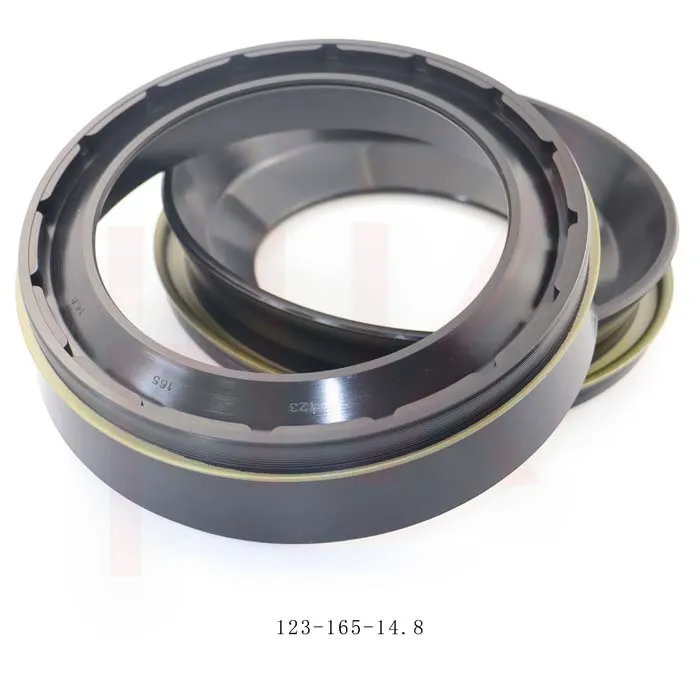
123*165*14.8 concrete mixer truck reducer oil seal
-
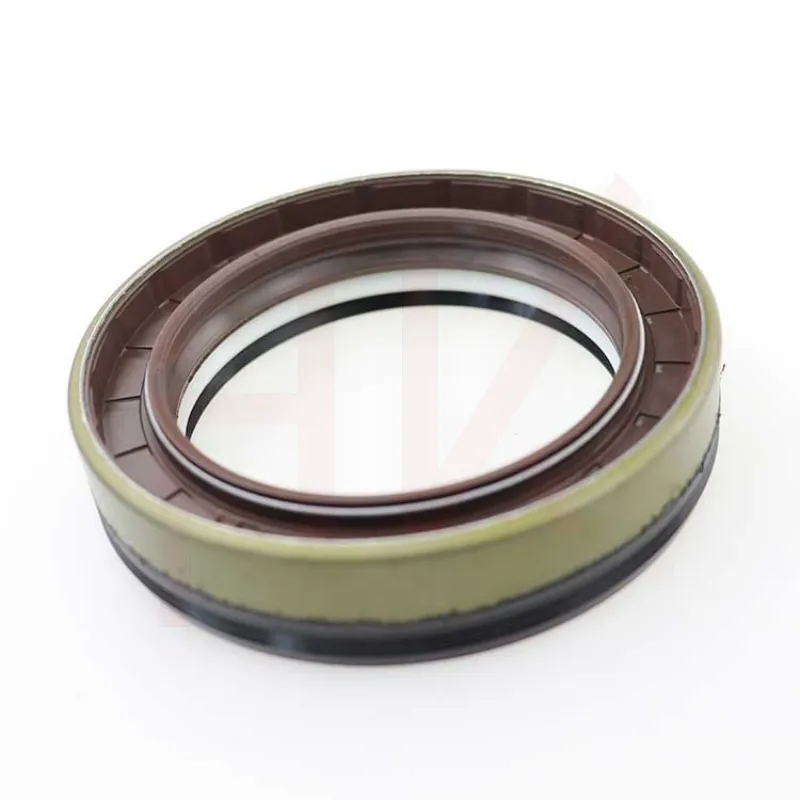
Tractor shaft oil seal 65-90-20 COMBI SF19 hub oil seal
-
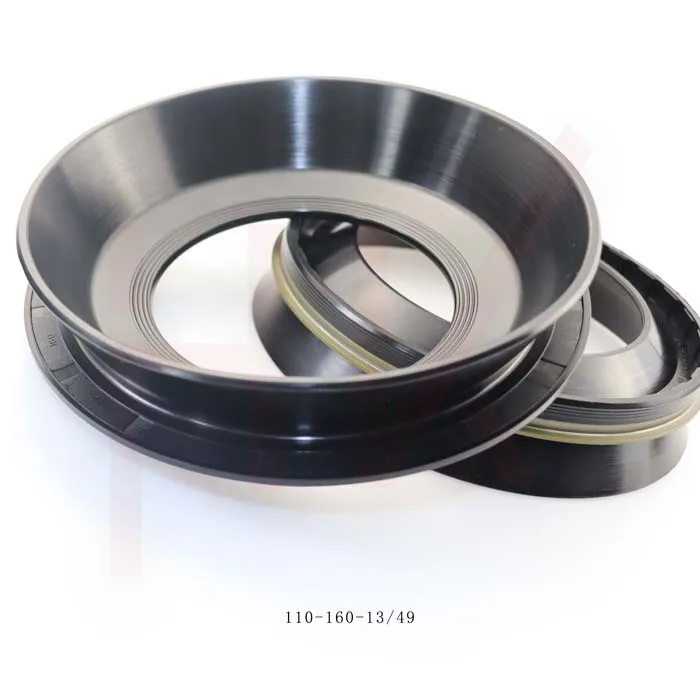
110*160*13/49 NBR reducerConcrete mixer truck oil seal
-
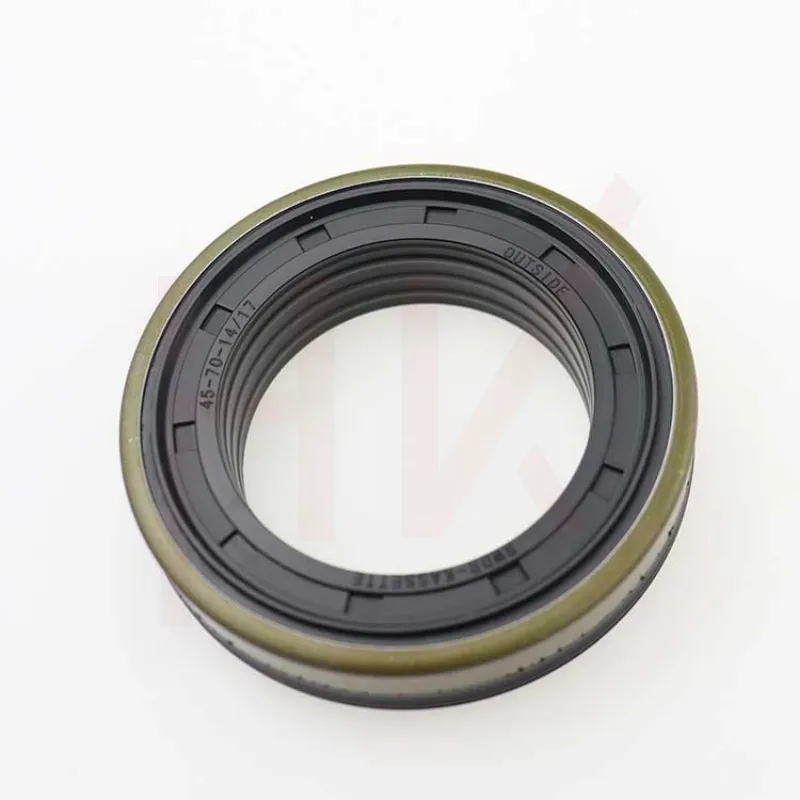
Hub oil seal 40*65*13/14.5 suitable for tractor Cat 12018035b
-
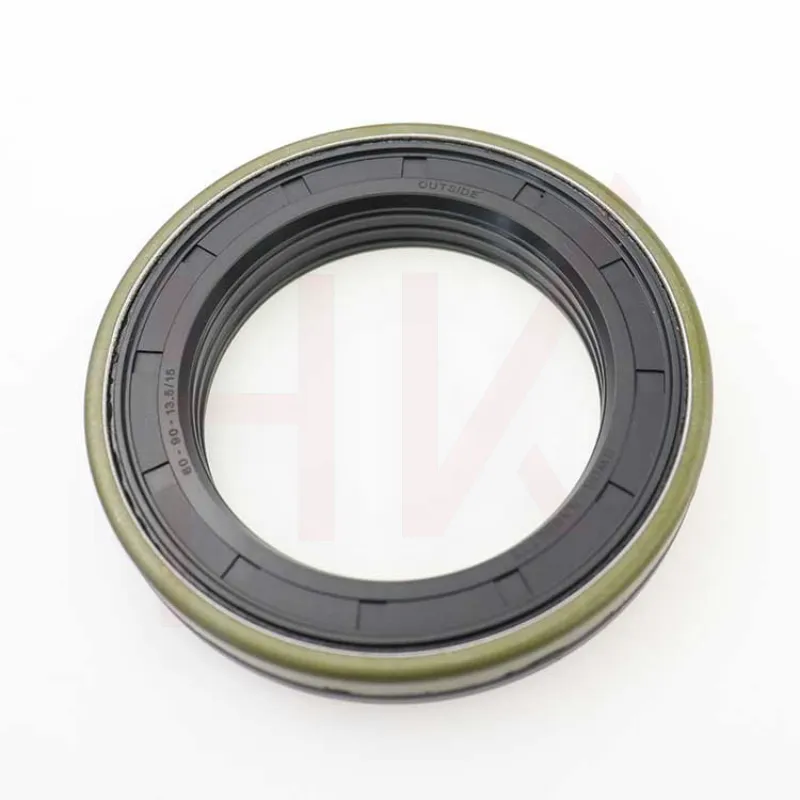
Tractor accessories cassette oil seal hub oil seal 60-90-13.5/15
-
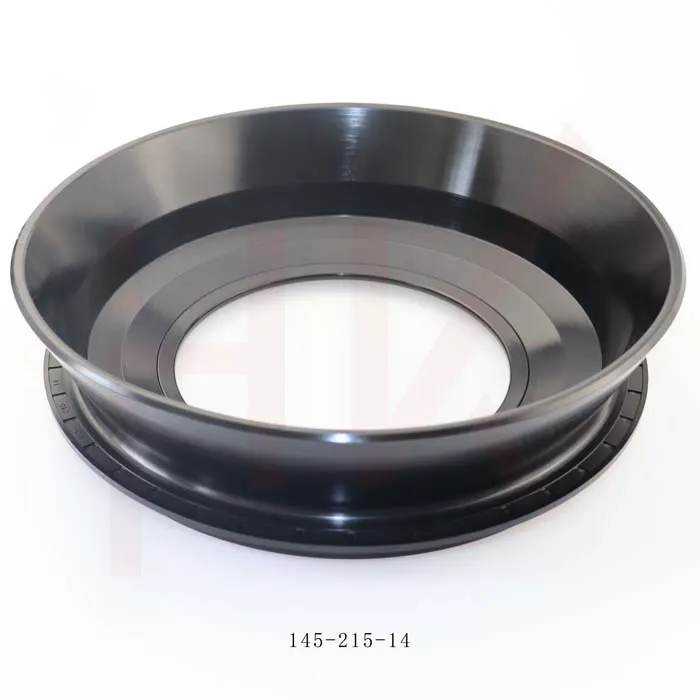
Factory concrete mixer truck oil seal 145*215*14 reducer gearbox oil seal
-
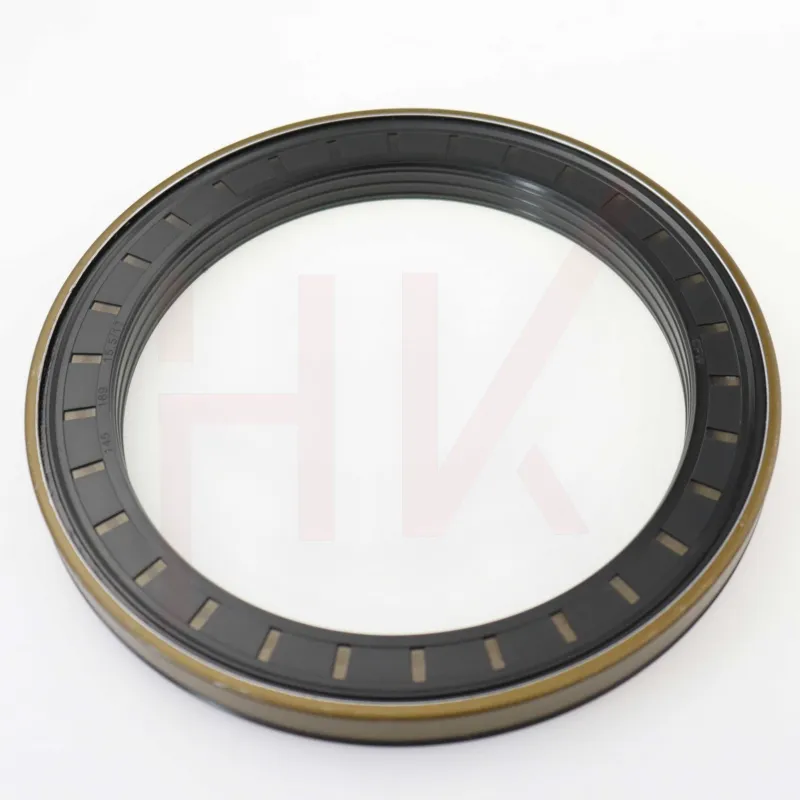
145*189*15.5/17 Cassette Seal NBR Hub Oil Seal 1508044
-
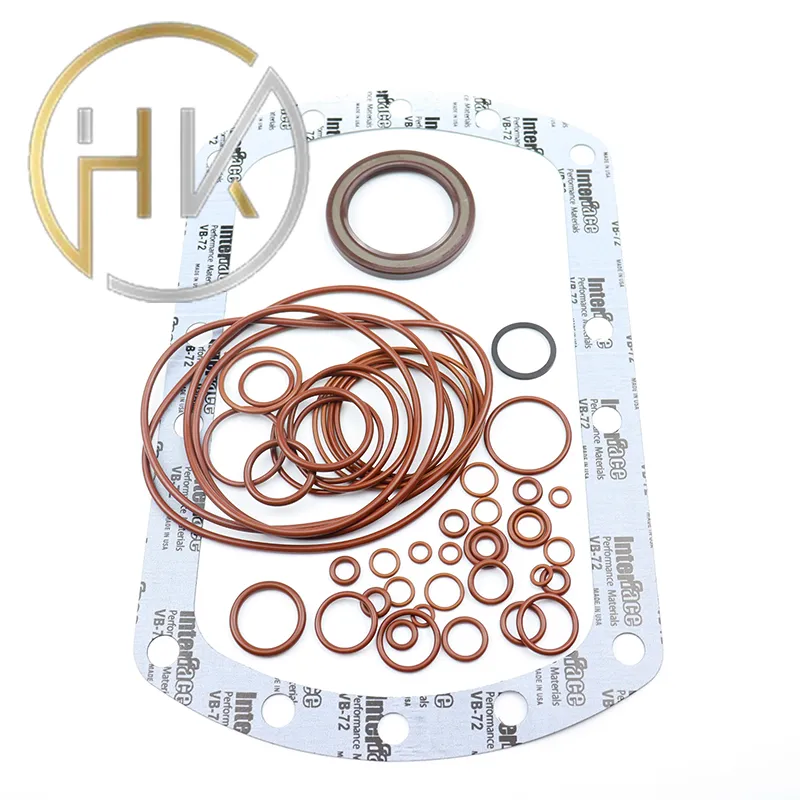
Factory direct sales hydraulic pump motor seal kit A8VO140
-
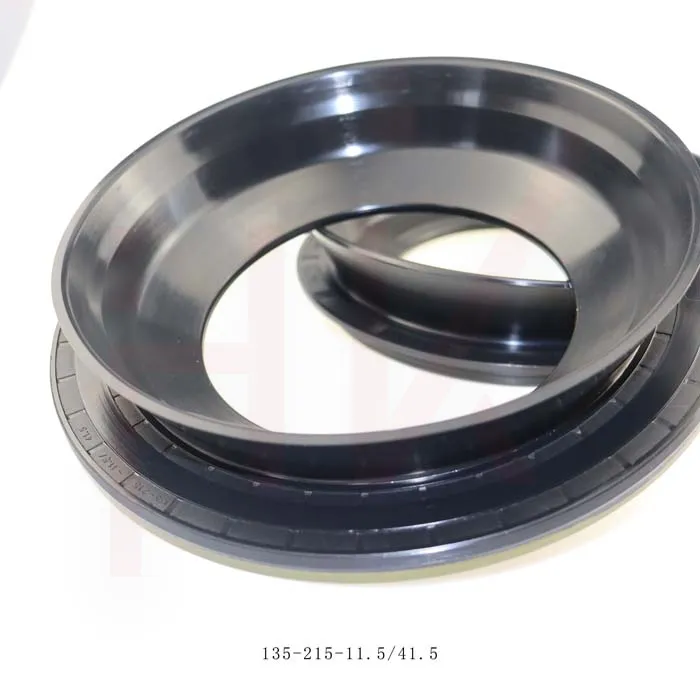
Brand new cement tanker oil seal 135*215*11.5/41.5 concrete mixer oil seal
-
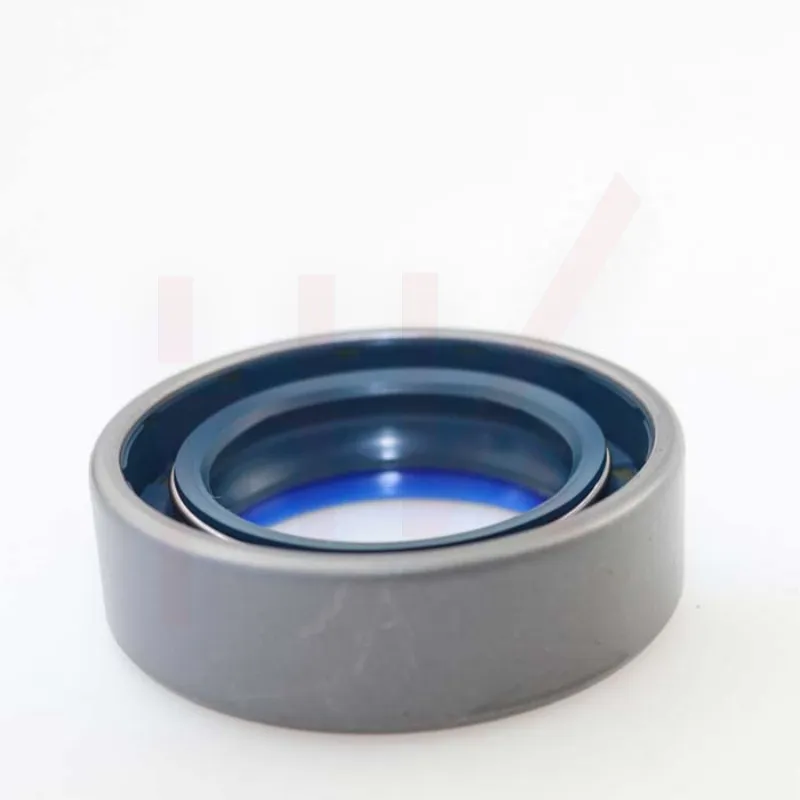
45*65*15 Combi oil seal JCB 90450009 COMBI SF1 SEAL
-
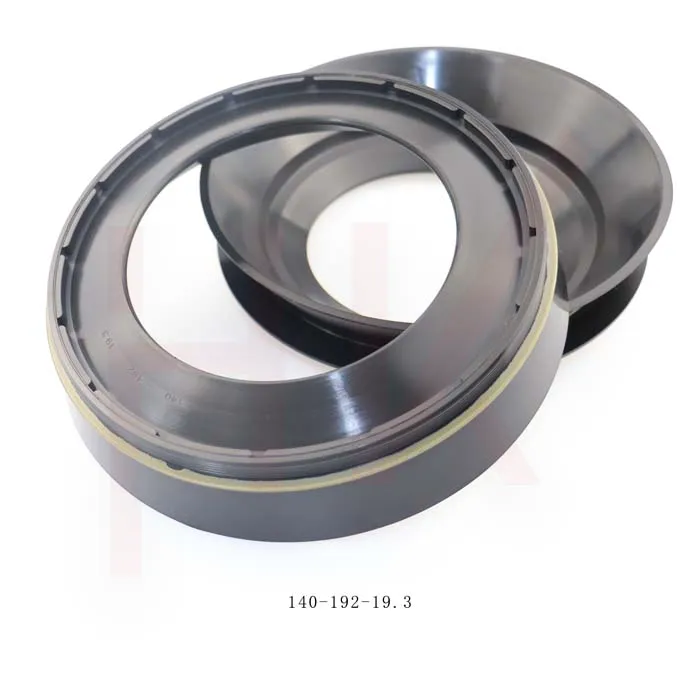
Gear box concrete mixer oil seal 140*192*19.3 nbr reducer oil seal
-
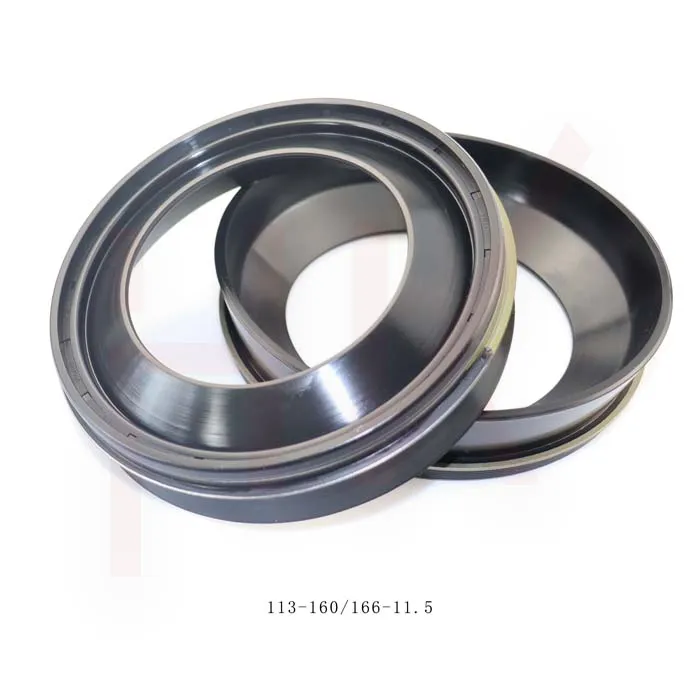
Seals factory direct sales 113*160/166*11.5/38 excavator truck reducer oil seal