
Nov . 27, 2025 03:10 Back to list
Durable Metal Wiper Seals for Industrial Machinery | H.K.A.I. Seal Solutions
Metal Wiper Seal: The Unsung Hero of Equipment Reliability
When you think about the inner workings of heavy machinery or hydraulic systems, metal wiper seals are not usually the first thing to spring to mind. Yet, these seemingly modest components play a vital role in maintaining equipment performance across industries worldwide. In an era when downtime costs billions and sustainability is non-negotiable, understanding the metal wiper seal’s function and benefits helps engineers and operations managers alike make smarter, longer-lasting choices.
Introduction: Why Metal Wiper Seals Matter Globally
The World Bank estimates that global industrial equipment downtime costs businesses in the billions annually, often due to poor sealing or contamination of hydraulic systems. According to ISO standards (ISO 6195 specifically tackles wiper seals), metal wiper seals are designed to keep dirt, dust, and moisture out — the silent saboteurs of efficiency. Industries from oil & gas hubs in the Middle East, to manufacturing plants in Europe, to remote mining operations in Australia rely heavily on these seals to protect their equipment.
But here’s the catch: challenges like extreme temperatures, abrasive dust, and high pressure make choosing the right seal harder than it sounds. That’s where metal wiper seals step in, offering a unique blend of robustness and precision.
What Exactly Is a Metal Wiper Seal?
Simply put, a metal wiper seal is a sealing component made predominantly from metal that fits onto rods or shafts to wipe away contaminants. Think of it as a tiny, tough gatekeeper, scraping away dirt and liquids as the machinery moves. Unlike rubber or synthetic seals, the metallic construction means these seals resist wear and deformation over longer periods, especially in harsh environments.
This isn’t just industrial jargon. In many humanitarian and infrastructure projects—like those funded by the UN or NGOs working in disaster zones—durable seals mean equipment stays operational when lives depend on it.
Core Components and Qualities That Define Metal Wiper Seals
1. Durability
The metallic body is often made from stainless steel or spring steel, capable of resisting corrosion and physical wear, maintaining integrity through thousands of cycles.
2. Contaminant Exclusion
The seal’s geometry and finishing are engineered to actively scrape and expel dust and particles, critical in dusty or muddy conditions.
3. Temperature and Chemical Resistance
Metal wiper seals handle extreme temperatures (-40°C to +180°C) and exposure to hydraulic fluids and oils better than most polymers.
4. Low Friction Operation
Thanks to surface treatments like PTFE coatings, many seals minimize wear on mating parts and improve energy efficiency.
5. Customization and Scalability
Depending on the application, manufacturers can customize internal springs or coatings to fit everything from compact pneumatic cylinders to massive industrial presses.
How and Where Are Metal Wiper Seals Used Worldwide?
In real terms, these seals find home in:
- Hydraulic cylinders: From cranes in Asia to agricultural machinery across Europe.
- Construction equipment: Protecting rods against abrasive construction dust and debris.
- Industrial automation: Robotics arms depend on clean, lubricated rods.
- Mining operations: In highly abrasive, remote environments, seals prevent downtime.
- Disaster relief machinery: Portable pumps and generators need reliability when disaster strikes.
The middle east’s oil fields, with notoriously abrasive sand and high temps, make heavy use of metal wiper seals to minimize unexpected shutdowns. Oddly enough, I once noticed a remote facility in northern Canada relying on these seals to operate hydraulic drill rigs reliably through bitter winters.
Product Specification Table
| Specification | Typical Value | Notes |
|---|---|---|
| Material | Stainless Steel 316 / Spring Steel | Corrosion resistant grade |
| Operating Temperature | -40°C to 180°C | Suitable for harsh environments |
| Surface Finish | PTFE or Chrome Plating | Reduces friction |
| Pressure Range | Up to 250 bar | Hydraulic applications rating |
| Seal Thickness | 3-7 mm | Varies with shaft size |
| Lifecycle | Up to 1 million cycles | Depends on conditions |
Comparing Top Metal Wiper Seal Vendors
| Vendor | Material Options | Lead Time | Customization | Price Range |
|---|---|---|---|---|
| SealTech Inc. | Stainless Steel, Chrome Plated | 2-3 weeks | High (custom springs, coatings) | $$$ |
| Duraseal Co. | Spring Steel, PTFE Coated | 1-2 weeks | Medium (limited coatings) | $$ |
| H.K.A.I. Seal | Stainless Steel, Custom Alloys | 3-4 weeks | Very High (full custom engineering) | $$$$ |
For example, metal wiper seal solutions from H.K.A.I. stand out for fully customized designs tailored to specialized industries with strict requirements.
Advantages and Long-Term Value of Metal Wiper Seals
- Cost-Effective Maintenance: Reduced downtime and fewer replacements save huge expenses.
- Sustainability: Longevity reduces waste and supports circular economy principles.
- Reliability: Maintains sealing performance in demanding environments, promoting safety.
- Trust: Users have peace of mind knowing their equipment won’t fail unexpectedly.
Frankly, this kind of reliable component is often overlooked until it’s missing—and then you suddenly realize you really needed it. In essence, metal wiper seals quietly champion innovations by keeping heavy machinery moving smoothly.
Future Trends and Innovations on the Horizon
With growing emphasis on green tech, many manufacturers are developing eco-friendlier coatings and exploring advanced alloys with lower carbon footprints. Additive manufacturing (3D printing) is starting to enable quicker prototyping and tiny batches of highly customized seals.
Digital integration—think sensors embedded into seals monitoring wear in real-time—is on its way, making predictive maintenance a reality. And in automation-heavy plants, seals engineered for less friction will reduce energy consumption further.
Challenges and Innovative Solutions in Metal Wiper Seal Use
Despite their strengths, metal wiper seals aren’t without obstacles:
- Cost Barriers: Initial expense can be higher than rubber seals—though offset by durability.
- Material Fatigue: Under extreme cyclic loads, metal can still wear eventually.
- Customization Complexity: Not all manufacturers offer tailored solutions quickly.
Innovative coatings like diamond-like carbon (DLC) and using hybrid composites combining metal with polymers are promising ways to extend lifespan and reduce costs. Partnering with vendors experienced in rapid design cycles is also critical.
Frequently Asked Questions About Metal Wiper Seals
- How do metal wiper seals differ from traditional rubber seals?
- Metal wiper seals are constructed mainly from stainless or spring steel, offering superior abrasion and temperature resistance compared to rubber seals. This makes them ideal for harsh environments where rubber may quickly degrade.
- What industries benefit most from metal wiper seals?
- Heavy machinery, construction, mining, oil & gas, and industrial automation benefit widely due to the seal's durability against dust, dirt, and hydraulic fluids.
- Can metal wiper seals be used in food processing equipment?
- Depending on certifications and surface treatments, some metal wiper seals are suitable for hygienic environments, but typically polymer seals are preferred unless metal seals meet strict sanitary standards.
- How do I choose the right supplier for custom metal wiper seals?
- Look for proven material expertise, customization capabilities, and responsiveness. Vendors like H.K.A.I. Seal offer extensive custom engineering but may have longer lead times.
- Are there eco-friendly metal wiper seal options?
- Yes, some manufacturers now use recycled metals and non-toxic coatings to minimize environmental impact during production and disposal.
Conclusion: Why Invest in Quality Metal Wiper Seals?
In a world progressively driven by machine efficiency and reduced environmental footprints, the humble metal wiper seal quietly represents much more than a component. It’s a small but impactful piece enabling longevity, safety, and cost savings across global industries.
Next time you think of seals, remember this quiet resilience and consider reaching out to reliable vendors like H.K.A.I. Seal for your bespoke needs. Your equipment—and your bottom line—will thank you.
References
-
Guide to Choosing the Right High Quality hydraulic ram kit
NewsApr.16,2026
-
Premium Hydraulic Cylinder Packing Kits for Peak Performance
NewsApr.09,2026
-
Comprehensive Guide to Hydraulic Cylinder Oil Seal Kits for Optimal Performance
NewsApr.07,2026
-
Comprehensive Guide to Choosing the Right Cylinder Seal Kits for Peak Performance
NewsApr.04,2026
-
Comprehensive Guide to Seal Kits for Cylinders Ensuring Optimal Performance
NewsMar.31,2026
-
Comprehensive Guide to Hyd Cylinder Seals for Optimal Hydraulic System Performance
NewsMar.28,2026
-
Comprehensive Guide to Hyd Cylinder Seal Kit Selection and Installation
NewsMar.26,2026
Products categories
-
Standard oil seal BP0494 High pressure TCN oil seal
-
Hydraulic pump seal AP4624G high pressure TCN oil seal
-
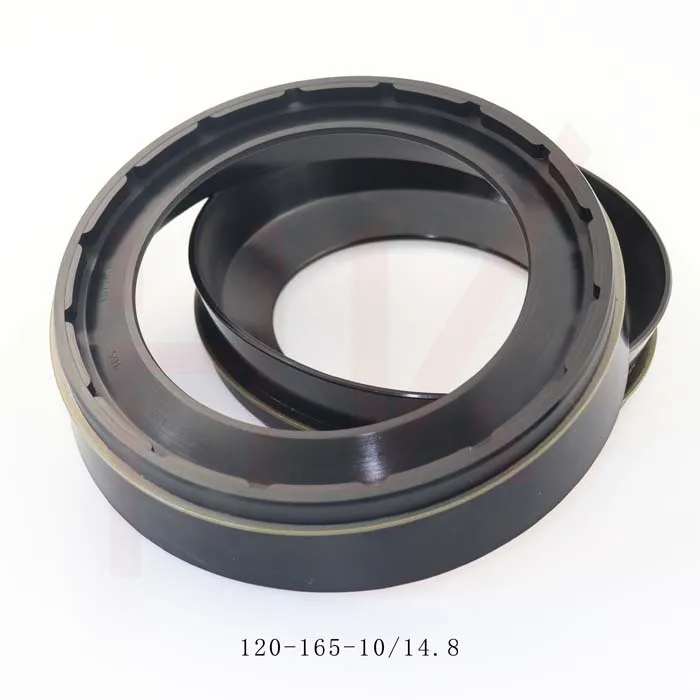
0734307418 0750112169 120*165*10/14.8 concrete mixer reducer oil seal
-
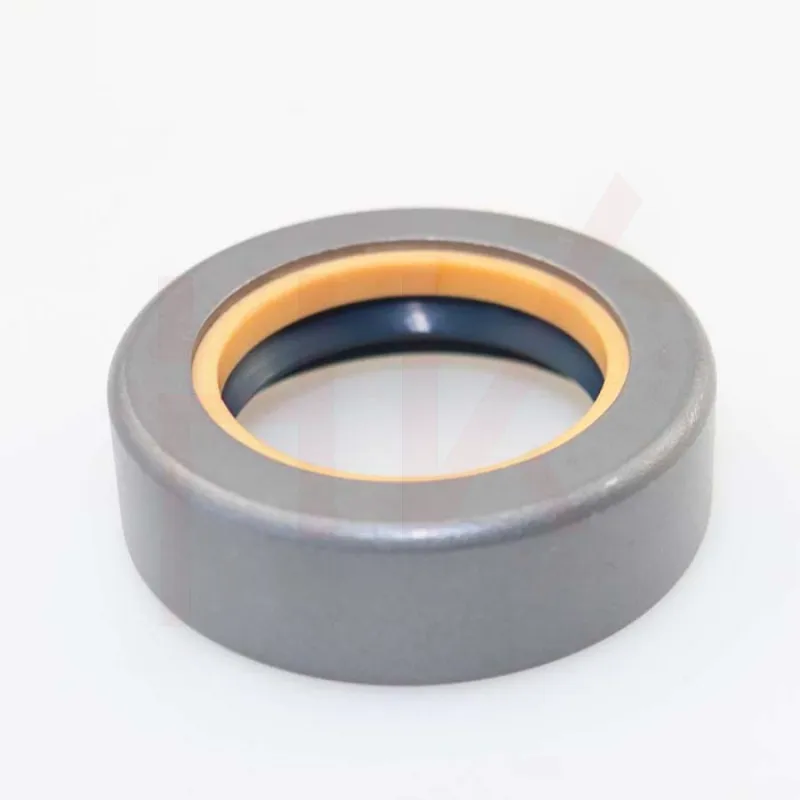
35*52*16 Standard Wheel Hub Oil Seal For Agricultural Machinery
-
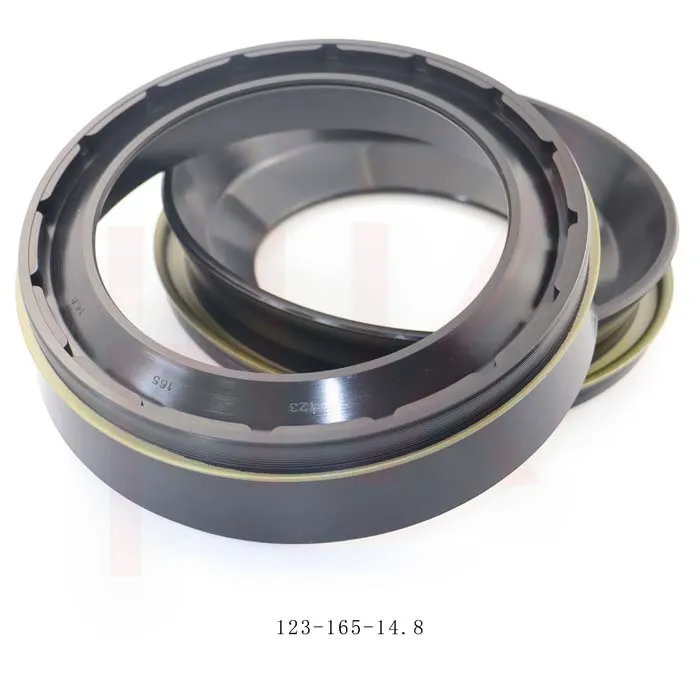
123*165*14.8 concrete mixer truck reducer oil seal
-
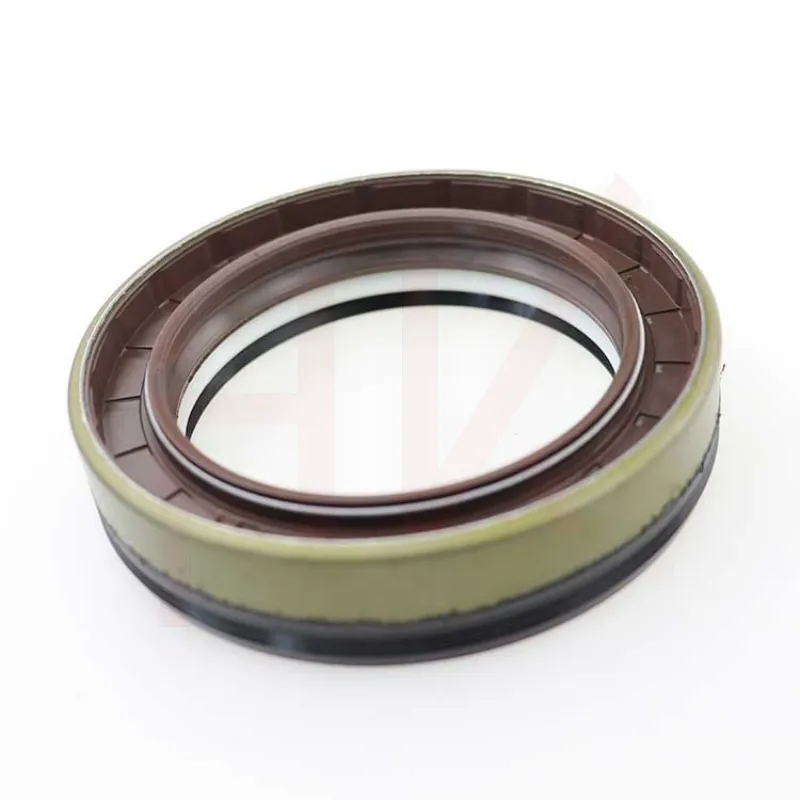
Tractor shaft oil seal 65-90-20 COMBI SF19 hub oil seal
-
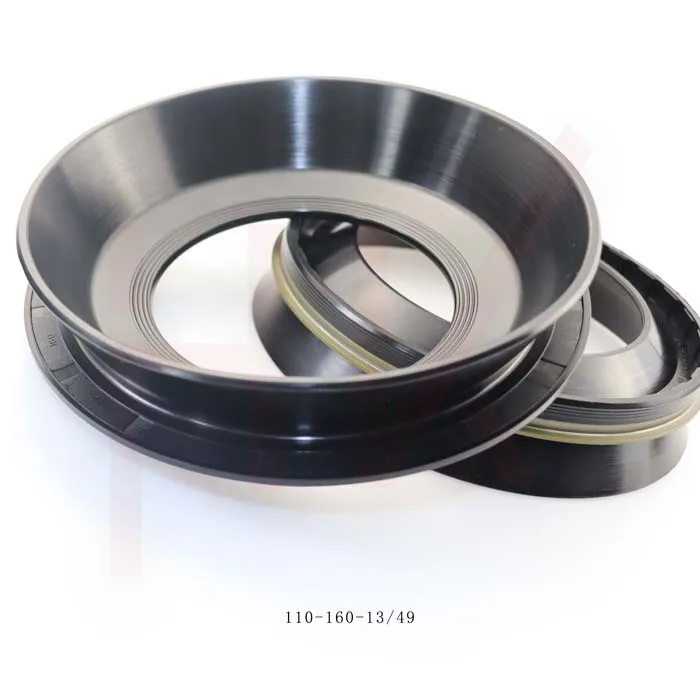
110*160*13/49 NBR reducerConcrete mixer truck oil seal
-
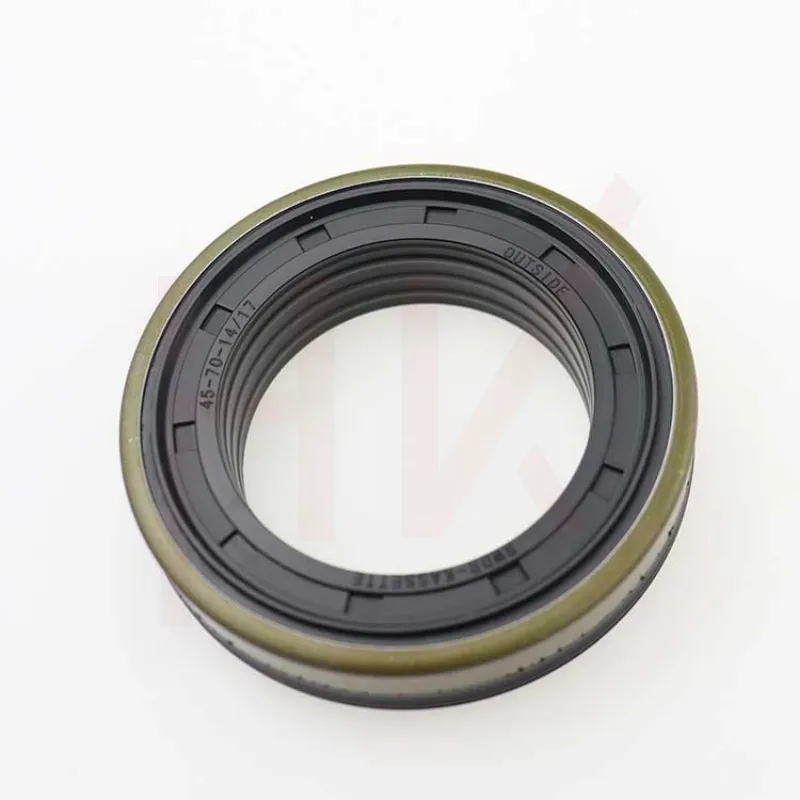
Hub oil seal 40*65*13/14.5 suitable for tractor Cat 12018035b
-
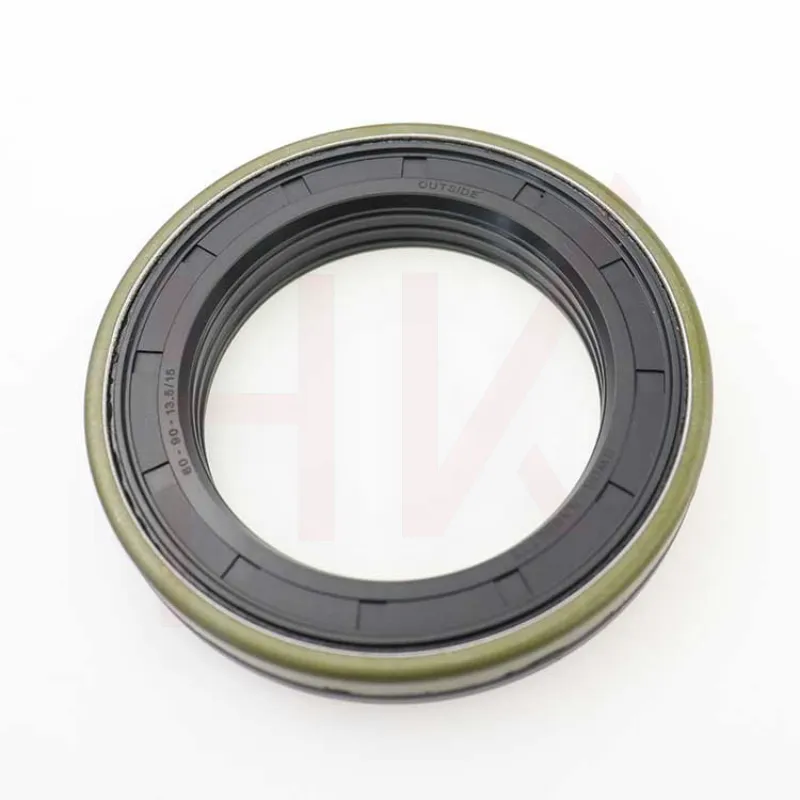
Tractor accessories cassette oil seal hub oil seal 60-90-13.5/15
-
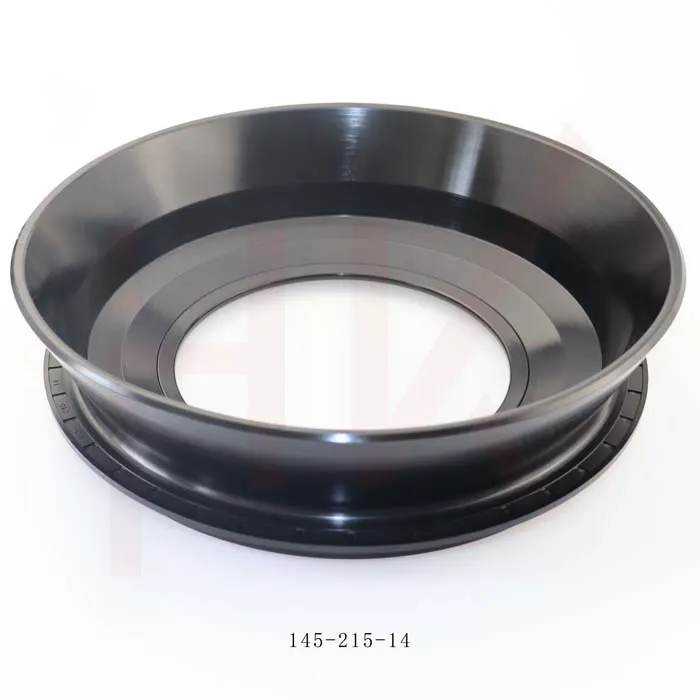
Factory concrete mixer truck oil seal 145*215*14 reducer gearbox oil seal
-
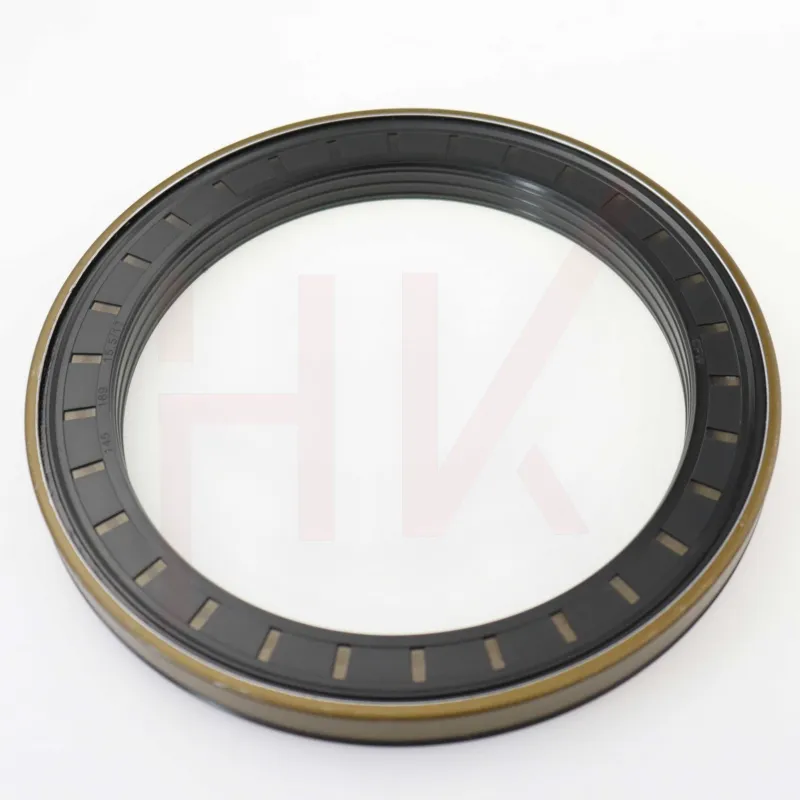
145*189*15.5/17 Cassette Seal NBR Hub Oil Seal 1508044
-
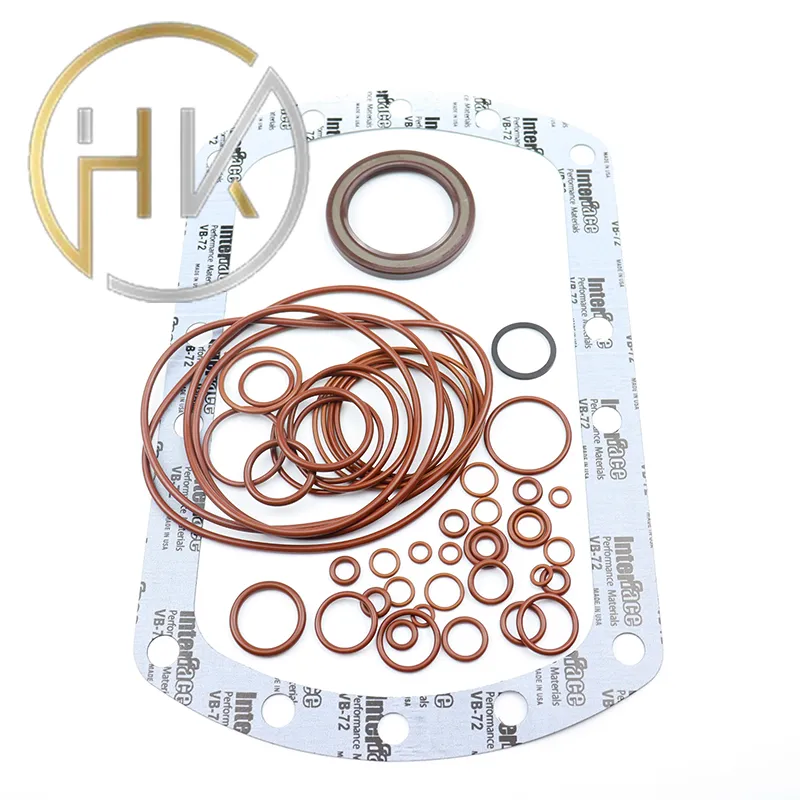
Factory direct sales hydraulic pump motor seal kit A8VO140
-
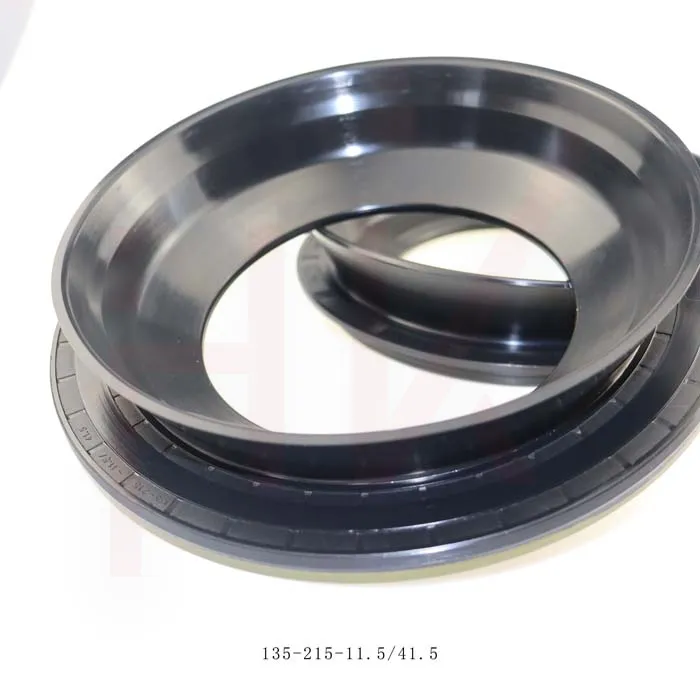
Brand new cement tanker oil seal 135*215*11.5/41.5 concrete mixer oil seal
-
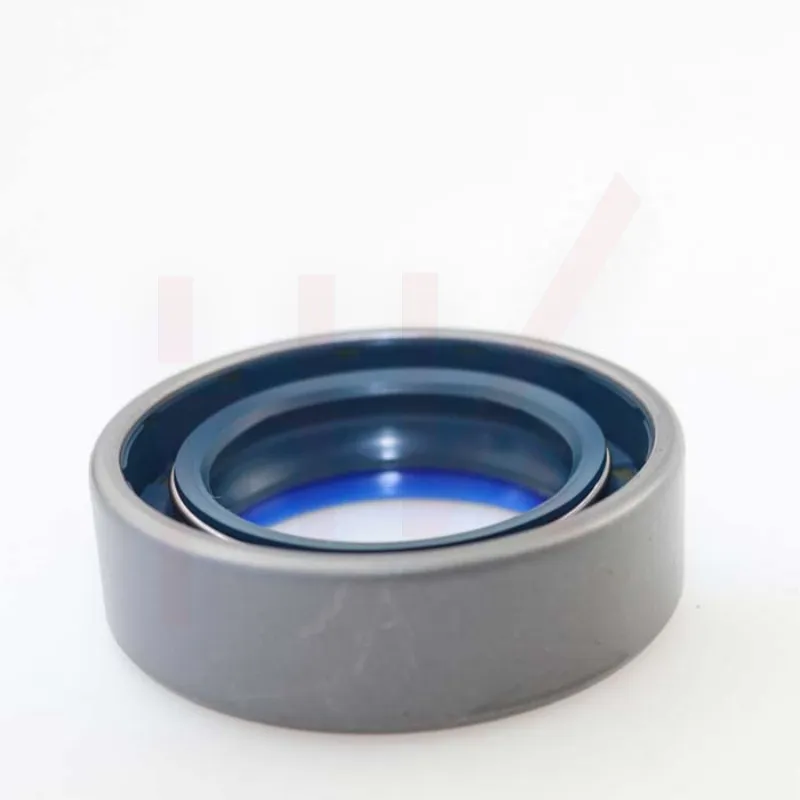
45*65*15 Combi oil seal JCB 90450009 COMBI SF1 SEAL
-
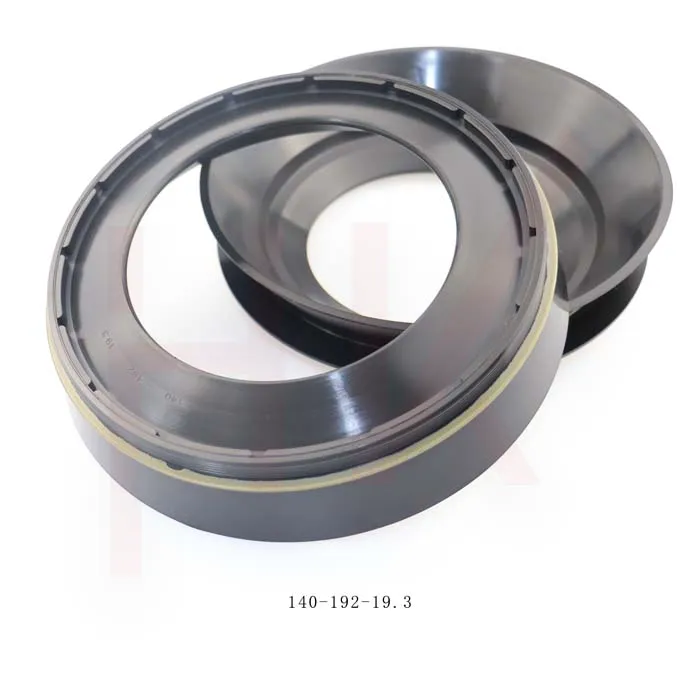
Gear box concrete mixer oil seal 140*192*19.3 nbr reducer oil seal
-
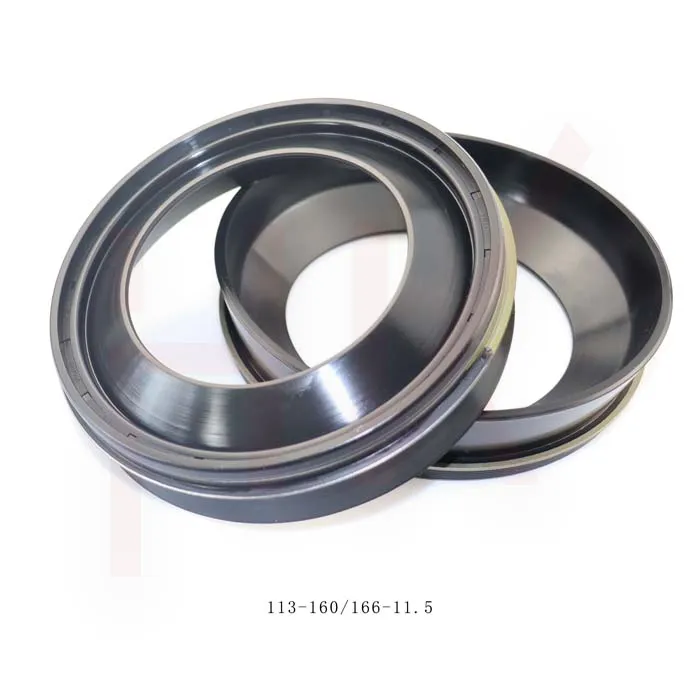
Seals factory direct sales 113*160/166*11.5/38 excavator truck reducer oil seal