
Nov . 26, 2025 23:25 Back to list
Hydraulic Wiper – Essential Protection for Hydraulic Systems Worldwide
Hydraulic Wiper: The Unsung Hero in Modern Mechanical Systems
Hydraulic wipers are the subtle but crucial parts you don’t think about until they aren’t working. They keep hydraulic cylinders clean and reliable—vital in industries from construction to agriculture worldwide. It may sound niche, but given the global machinery market was valued at over $500 billion in 2023 (source: Statista), and hydraulic systems are the backbone of much heavy-duty equipment, understanding hydraulic wipers is surprisingly important.
Why? Because a simple seal can save millions in downtime and repairs. And more importantly, it ensures safety and efficiency in systems we rely on daily.
The Worldwide Importance of Hydraulic Wipers
Hydraulic wipers have a global footprint. Whether it’s a mining operation in Australia, agricultural machinery in the US Midwest, or infrastructure projects in Asia, hydraulic cylinders are everywhere—and so are wipers.
According to the International Organization for Standardization (ISO 5593), effective hydraulic sealing and contamination control solutions significantly extend equipment life. This matters because contamination causes almost 70% of hydraulic system failures worldwide (source). In practical terms, imagine mud, dust, or grit creeping past a hydraulic rod and wreaking havoc inside the cylinder—it’s a slow, expensive killer.
Hydraulic wipers address this challenge head-on by scrapping contaminants off the rods before they enter sealed zones. Simple in function, but massively impactful.
What Exactly Is a Hydraulic Wiper?
Put simply, a hydraulic wiper is a seal positioned at the outer edge of a hydraulic cylinder rod. Its job is to “wipe” off dirt, moisture, and debris so that these contaminants cannot enter the cylinder and damage internal components.
If the world of hydraulics was a club, the hydraulic wiper would be the bouncer at the door, making sure only the right stuff gets in.
Why Hydraulic Wipers Matter Today
As machinery becomes more advanced and environments harsher—think remote mining sites or disaster relief units—the need for tough, reliable wipers grows. Beyond industry, humanitarian engineering efforts, such as mobile clinics and relief shelters, rely on hydraulic systems too. Without effective wipers, downtime increases and budgets spiral, impacting people’s lives more than we often consider.
Core Components and Characteristics of Hydraulic Wipers
Durability
A hydraulic wiper’s lifespan depends largely on the material used. High-quality polyurethane or rubber composites resist abrasion and chemical breakdown, providing long-term protection even in gritty environments.
Effective Contaminant Removal
Design shapes often feature angled lips or multiple edges to ensure dirt and moisture are efficiently scraped away. This engineering detail can mean the difference between a machine that lasts months versus years.
Compatibility with Rod Sizes
Hydraulic wipers come in many sizes and profiles to fit rods ranging from small agricultural machinery to massive construction excavators. Customization is key.
Ease of Installation
In real-world maintenance, wipers that are easy to fit save hours of downtime and reduce labor costs.
Cost Efficiency
While wipers are relatively inexpensive parts, choosing poor-quality ones can lead to costly hydraulic failures. Investing upfront is usually smart finance.
Resistance to Environmental Factors
From freezing Arctic temperatures to blazing tropical heat, wipers must remain functional across temperature extremes and resist corrosion.
Global Use Cases: Where Hydraulic Wipers Shine
Let’s zoom out a bit. Here are some real-world scenarios where hydraulic wipers play starring roles:
- Construction Equipment: Bulky excavators and loaders working in dusty, muddy conditions rely heavily on wipers to keep hydraulic rods clean for reliable motion.
- Agriculture: Tractors and harvesters operate in dirt-laden fields, and wipers constantly keep wear-causing grit away from internal seals.
- Disaster Relief: Mobile generators, pumps, and lifting equipment deployed in post-disaster zones face harsh environmental challenges, making durable wipers vital to keep operations smooth.
- Industrial Automation: In factories, precise hydraulic actuators depend on contamination-free movement—a role wipers help fill quietly but effectively.
Advantages & Long-Term Value of Hydraulic Wipers
The long-term benefits of proper hydraulic wiper use stretch beyond simple maintenance budgets:
- Reduced Downtime: Less contamination means fewer breakdowns.
- Enhanced Safety: Well-maintained hydraulics reduce the risk of sudden failures, protecting operators.
- Lower Lifetime Costs: Fewer parts replacements and hydraulic fluid contamination reduce operational expenses.
- Environmental Impact: Preventing hydraulic fluid leaks and failures aligns with sustainability goals.
- Trust and Reliability: Operators gain confidence knowing equipment is durable and well-protected.
Hydraulic Wiper Product Specifications
| Specification | Detail |
|---|---|
| Material | Polyurethane / Nitrile Rubber |
| Temperature Range | -40°C to +120°C (-40°F to 248°F) |
| Rod Diameter Range | 6mm to 300mm (custom sizes available) |
| Abrasion Resistance | High |
| Installation Method | Press Fit or Snap-In |
| Certifications | ISO 5593 Compliant |
Vendor Comparison: Leading Hydraulic Wiper Manufacturers
| Vendor | Product Range | Customization | Price Range | Lead Time |
|---|---|---|---|---|
| HydroSeal Inc. | Wide (Standard & Custom) | High | $$ | 2-4 weeks |
| SealiTech | Moderate | Medium | $ | 1-3 weeks |
| WiperPro | Specialized | Low | $$$ | 4-6 weeks |
Emerging Trends and Innovations in Hydraulic Wipers
Innovation in this space often feels incremental but matters greatly. Engineers are creating hydraulic wipers from new composite materials with self-lubricating properties, reducing friction and wear.
Also, manufacturers focus on environmentally friendly materials to improve sustainability. Digital technologies like sensor-enabled wipers that monitor wear and predict maintenance cycles are not far off—imagine a wiper telling your system, “Hey, replace me soon!”
It's pretty exciting to see a simple component get smarter.
Challenges & Practical Solutions
Not everything is smooth sailing. Common hydraulic wiper challenges include:
- Premature wear in extremely abrasive environments
- Compatibility issues with custom rod finishes
- Installation errors leading to seal slips
How do experts tackle these? Through better pre-installation training, material advancements, and customizing to unique operational conditions. Some firms even provide mobile installation units for remote sites.
FAQ: Your Questions About Hydraulic Wipers
What exactly does a hydraulic wiper prevent?
Hydraulic wipers prevent dirt, dust, moisture, and other contaminants from entering the cylinder, protecting internal seals and hydraulic fluid from contamination, which can cause damage and premature failure.
How often should hydraulic wipers be replaced?
Replacement frequency depends on operating conditions but generally ranges from every 6 months to 2 years. Inspect regularly for signs of cracks, tears, or hardening.
Can I install hydraulic wipers myself?
If you have mechanical experience and follow manufacturer guidelines, yes. However, improper installation can cause seal damage and system failure, so professional installation is often recommended.
Are hydraulic wipers universal or customized?
Many wipers come in standard sizes, but custom dimensions are common for specialized machinery. Choose based on rod diameter and environmental needs.
Do hydraulic wipers impact system efficiency?
Indirectly, yes. By keeping contaminants out, they reduce wear and leaks, leading to more efficient hydraulic operation and less downtime.
Wrapping Up: Why Hydraulic Wipers Matter More Than You Thought
In the grand scheme of mechanical systems, hydraulic wipers are tiny but mighty. They protect, prolong, and optimize some of the most essential machinery on earth. Whether you’re an engineer, procurement specialist, or just a curious mind, understanding their role can save time, money, and headaches.
If you want to explore high-quality, reliable hydraulic wiper options, visit our website to see how we can help keep your hydraulics running smoothly — because sometimes, small parts make all the difference.
References
-
Guide to Choosing the Right High Quality hydraulic ram kit
NewsApr.16,2026
-
Premium Hydraulic Cylinder Packing Kits for Peak Performance
NewsApr.09,2026
-
Comprehensive Guide to Hydraulic Cylinder Oil Seal Kits for Optimal Performance
NewsApr.07,2026
-
Comprehensive Guide to Choosing the Right Cylinder Seal Kits for Peak Performance
NewsApr.04,2026
-
Comprehensive Guide to Seal Kits for Cylinders Ensuring Optimal Performance
NewsMar.31,2026
-
Comprehensive Guide to Hyd Cylinder Seals for Optimal Hydraulic System Performance
NewsMar.28,2026
-
Comprehensive Guide to Hyd Cylinder Seal Kit Selection and Installation
NewsMar.26,2026
Products categories
-
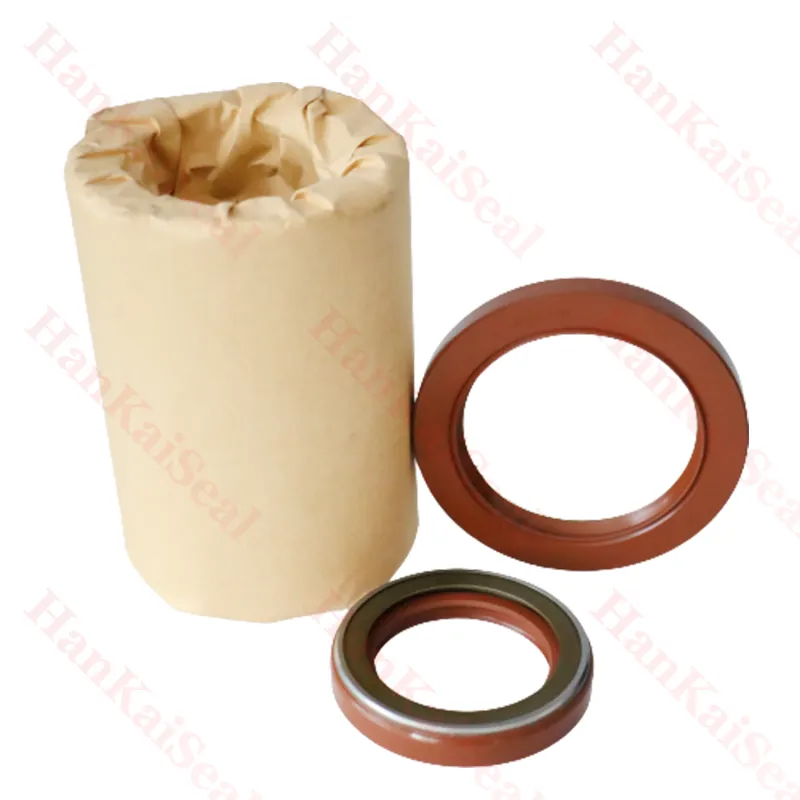
Standard oil seal BP0494 High pressure TCN oil seal
-
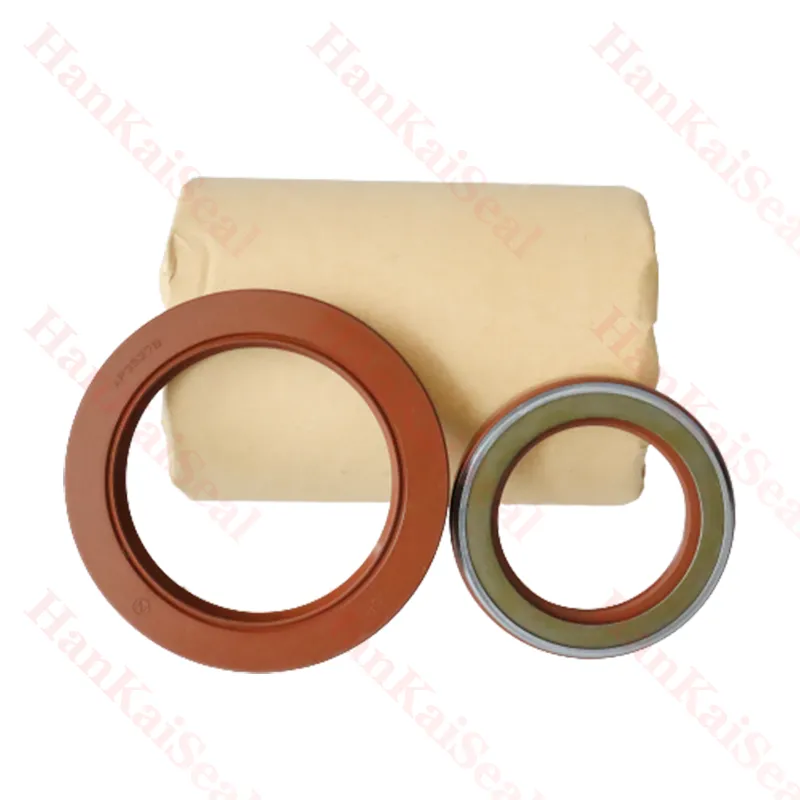
Hydraulic pump seal AP4624G high pressure TCN oil seal
-
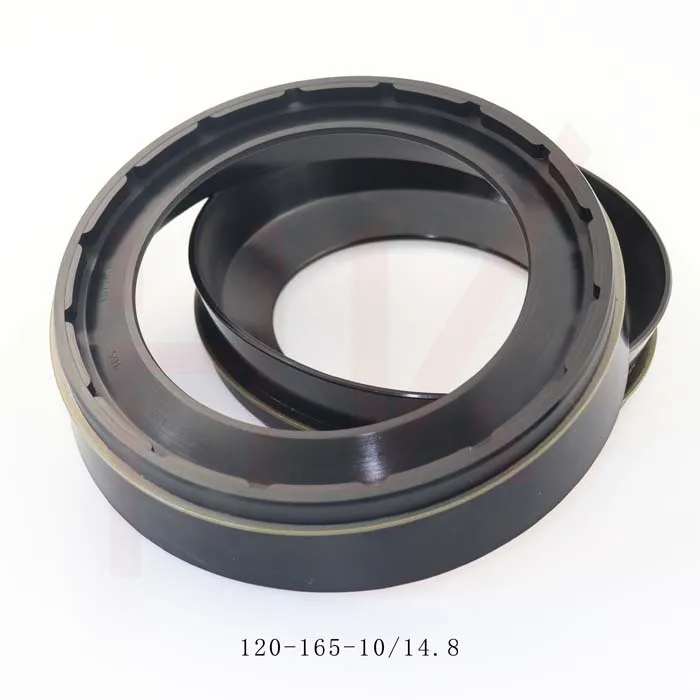
0734307418 0750112169 120*165*10/14.8 concrete mixer reducer oil seal
-
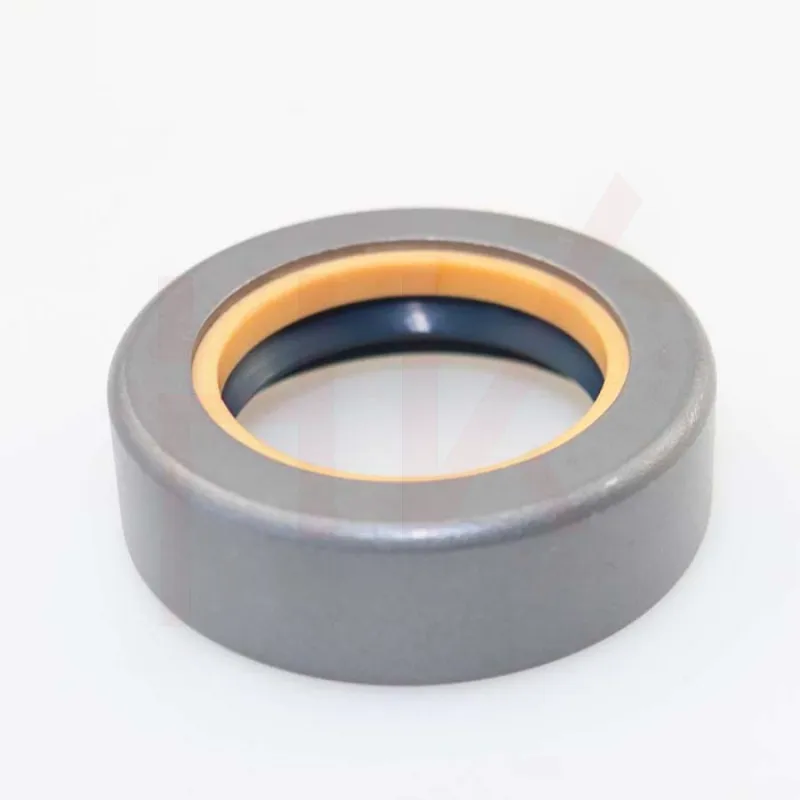
35*52*16 Standard Wheel Hub Oil Seal For Agricultural Machinery
-
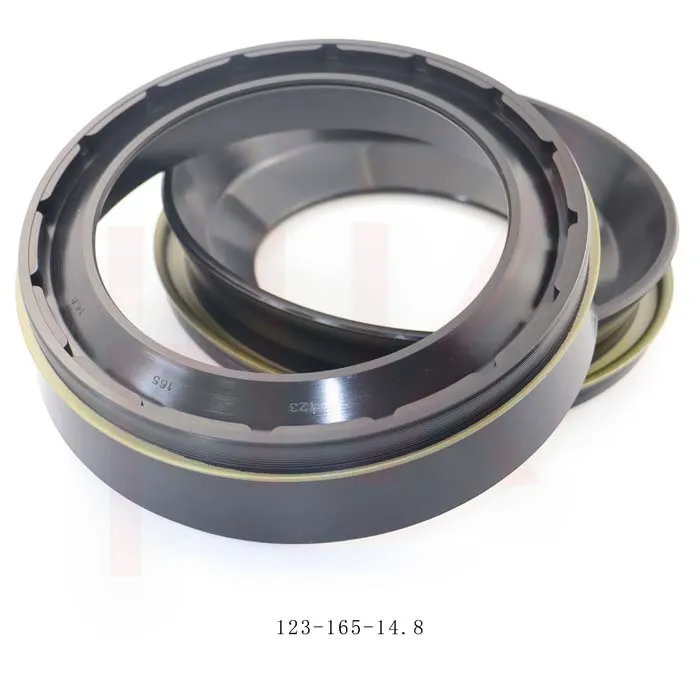
123*165*14.8 concrete mixer truck reducer oil seal
-
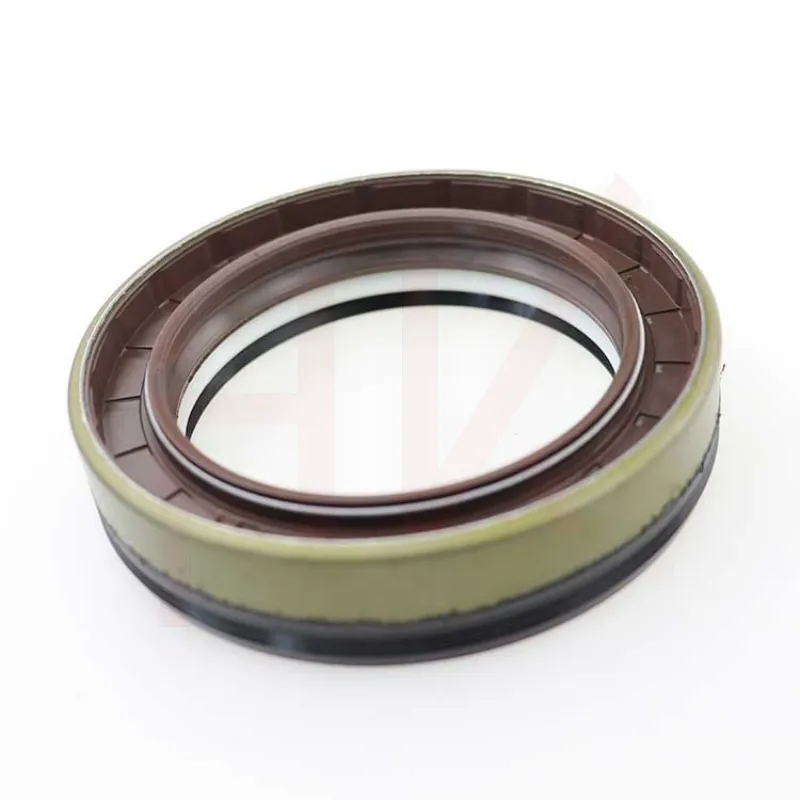
Tractor shaft oil seal 65-90-20 COMBI SF19 hub oil seal
-
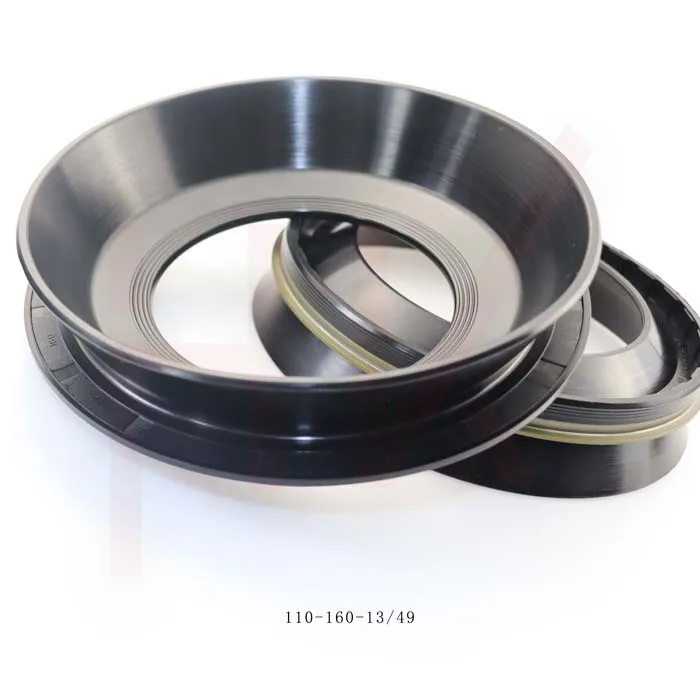
110*160*13/49 NBR reducerConcrete mixer truck oil seal
-
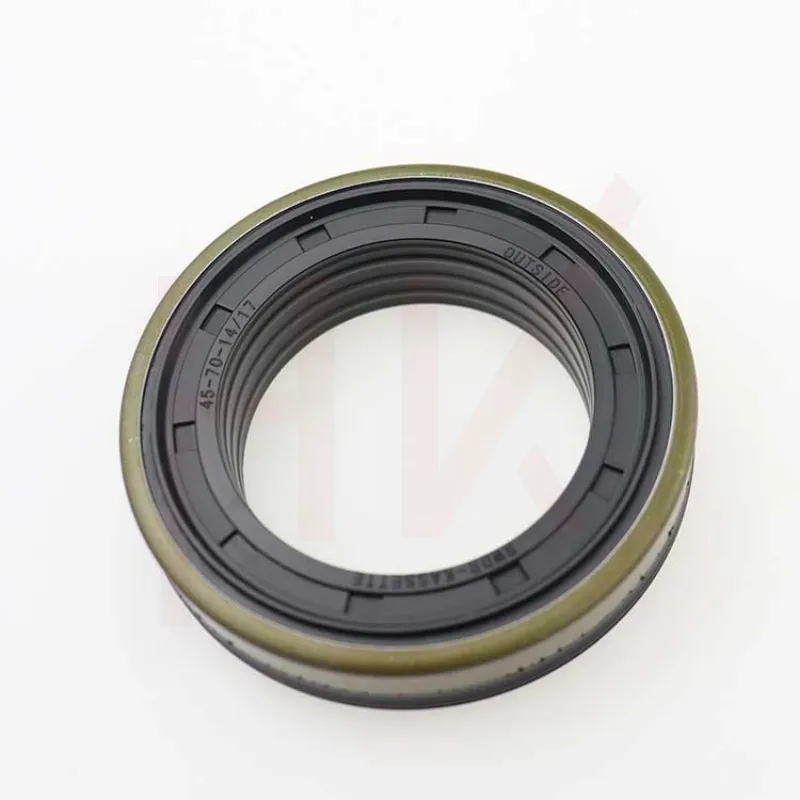
Hub oil seal 40*65*13/14.5 suitable for tractor Cat 12018035b
-
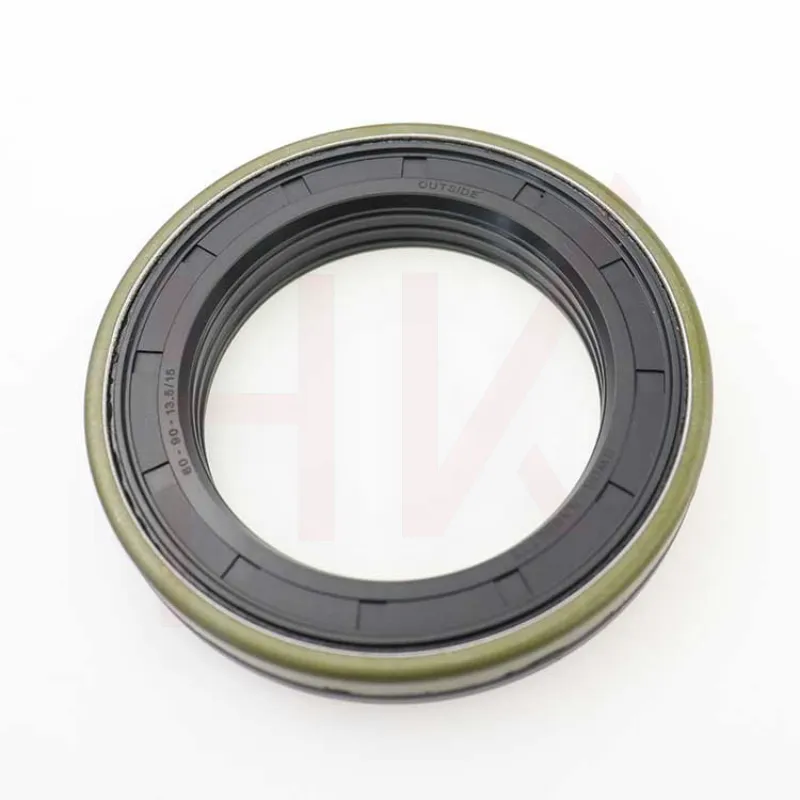
Tractor accessories cassette oil seal hub oil seal 60-90-13.5/15
-
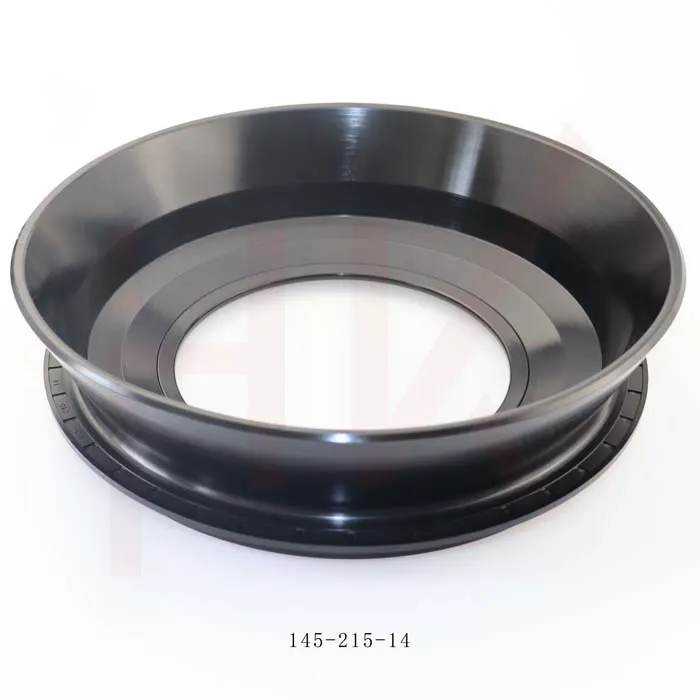
Factory concrete mixer truck oil seal 145*215*14 reducer gearbox oil seal
-
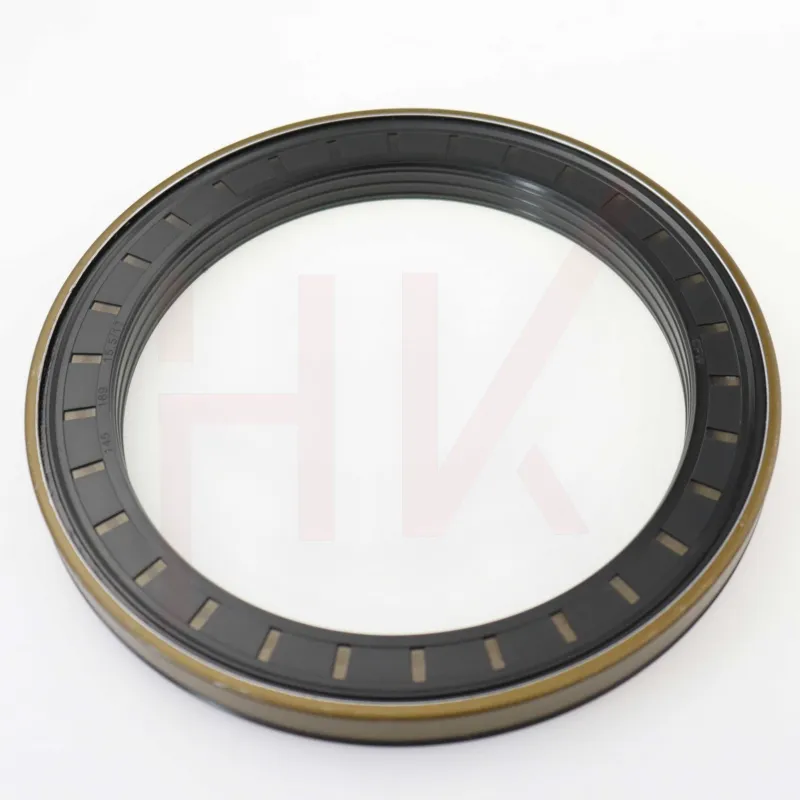
145*189*15.5/17 Cassette Seal NBR Hub Oil Seal 1508044
-
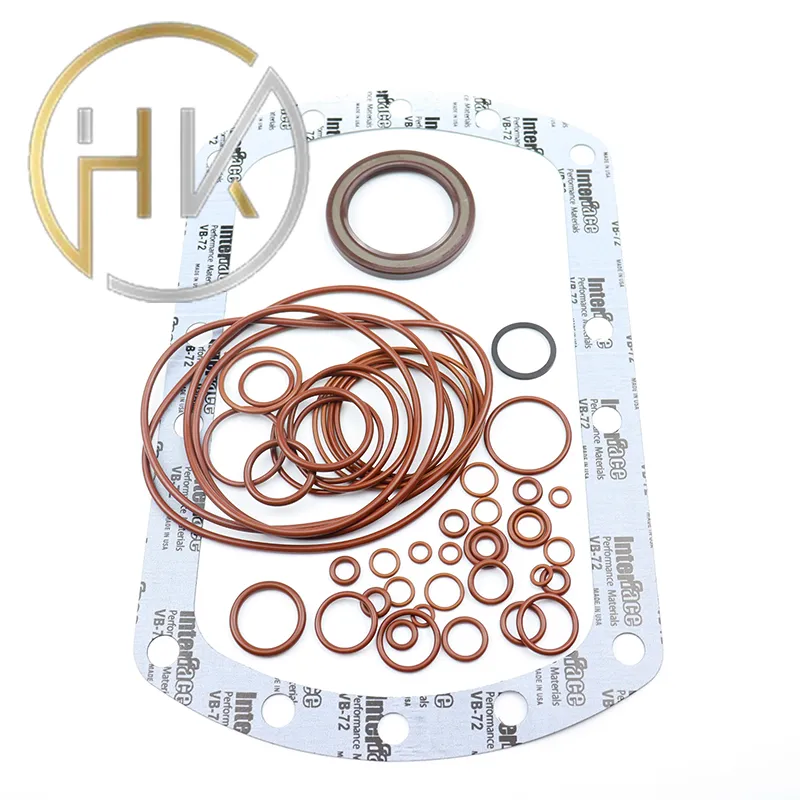
Factory direct sales hydraulic pump motor seal kit A8VO140
-
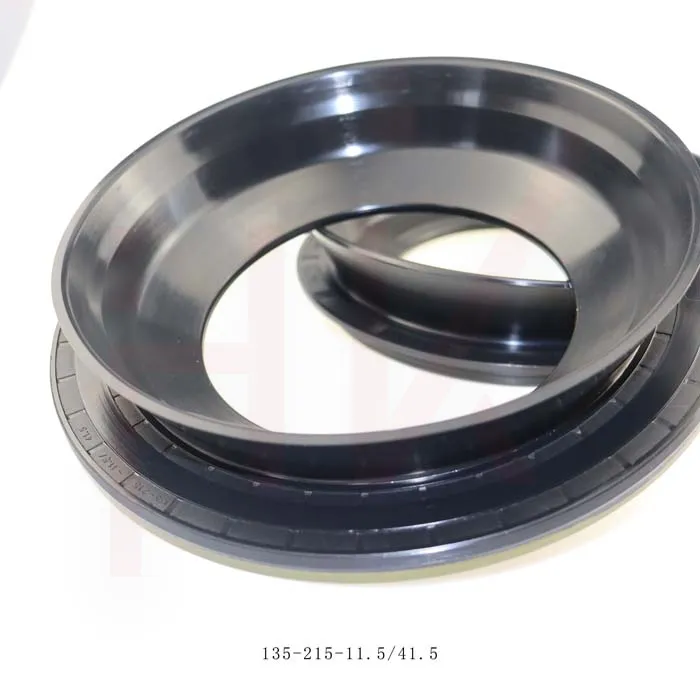
Brand new cement tanker oil seal 135*215*11.5/41.5 concrete mixer oil seal
-
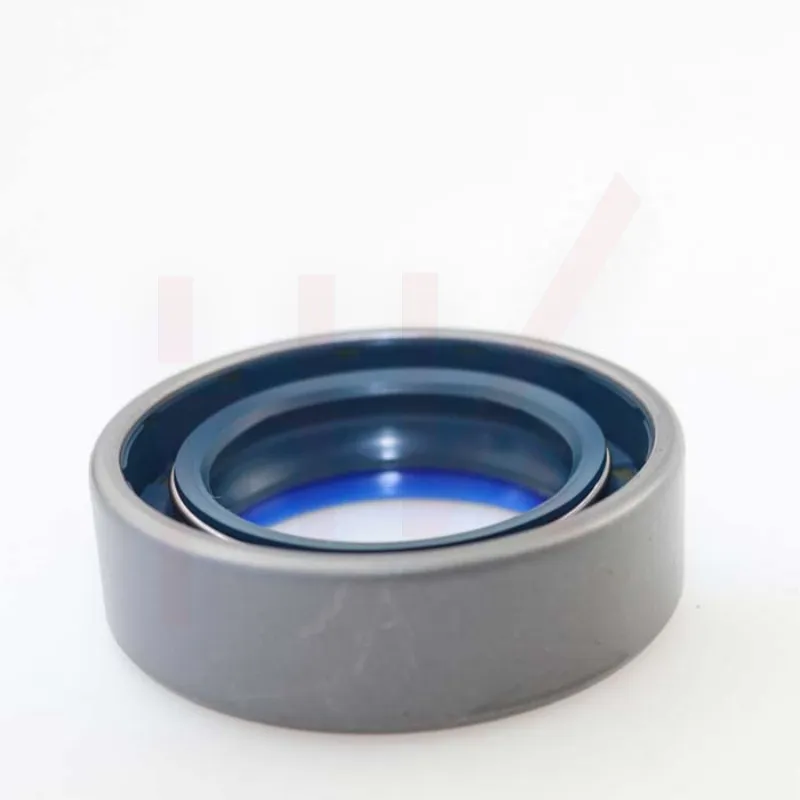
45*65*15 Combi oil seal JCB 90450009 COMBI SF1 SEAL
-
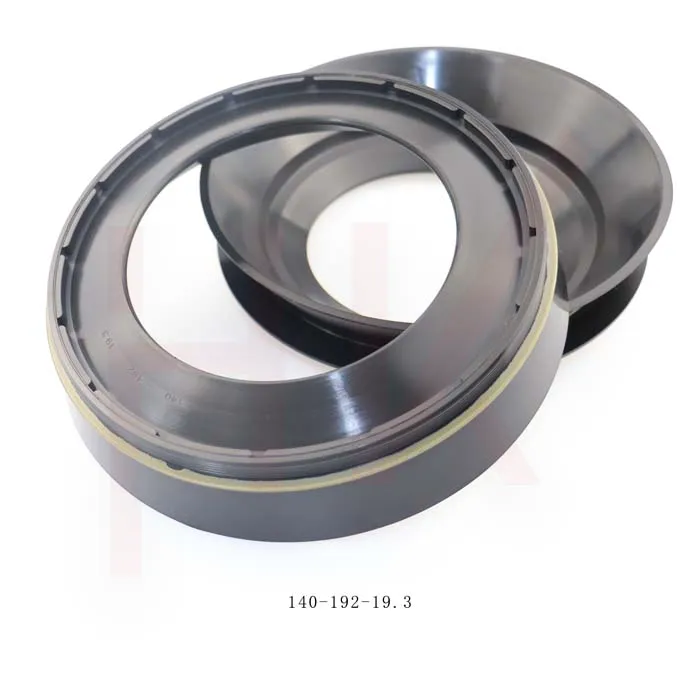
Gear box concrete mixer oil seal 140*192*19.3 nbr reducer oil seal
-
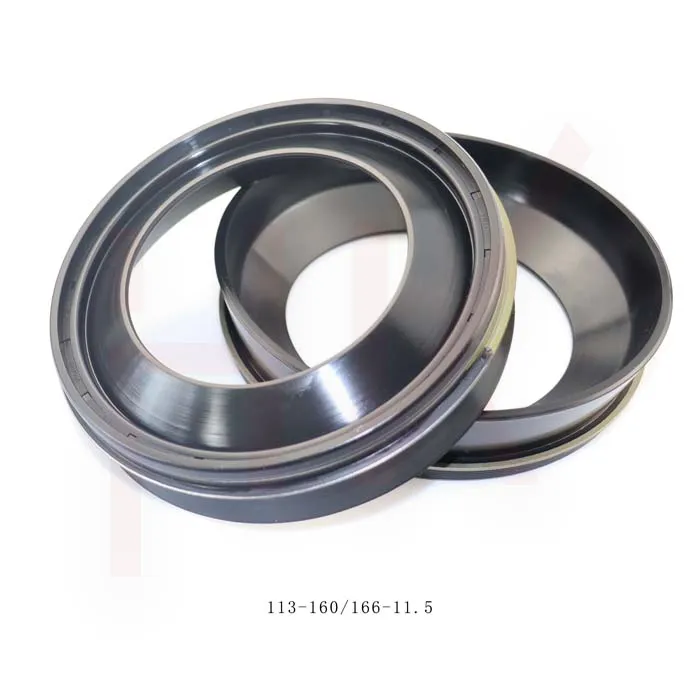
Seals factory direct sales 113*160/166*11.5/38 excavator truck reducer oil seal