
Nov . 26, 2025 21:25 Back to list
Essential Guide to Hydraulic Rod Wiper Seals — Design, Uses & Innovations
Why the Hydraulic Rod Wiper Seal Matters in Our Connected World
Anyone who’s ever peeked inside a hydraulic cylinder knows just how crucial every little seal is — the hydraulic rod wiper seal, in particular, often goes unnoticed but holds the key to long-lasting, efficient machinery. Globally, industries from agriculture to aerospace rely heavily on hydraulics, and the simple act of keeping contaminants out while maintaining lubrication means major savings and less downtime. It’s not just an engineering quirk but a pivotal piece of the machinery puzzle with ripple effects on global manufacturing, energy production, and even humanitarian equipment. Understanding hydraulic rod wiper seals isn't just for those in mechanical fields; it’s about appreciating how industrial efficiency sustains economies, reduces waste, and supports infrastructures everywhere. After all, a tiny component like this can prevent million-dollar failures far beyond the factory floor.Global Context: How Hydraulic Rod Wiper Seals Address Worldwide Industrial Challenges
Hydraulics power an estimated 70% of the machinery used in construction, agriculture, and manufacturing worldwide (ISO 1219 standards offer some good context here). According to a 2022 report by the World Bank, industrial downtime costs developing economies billions annually—much of it due to seal failure and contamination issues. This brings the hydraulic rod wiper seal into sharp focus: its job is preventing dirt, dust, and moisture from sneaking past the piston rod and into vital hydraulic components. In dusty or wet environments — think mega-construction sites in Asia or mining operations in South America — the seal acts as the first line of defense against contamination that could halt operations or cause expensive repairs. Oddly enough, even in space technology and military vehicles, where reliability can mean life or death, this humble seal is foundational. It’s a small but mighty hero supporting global industry’s push toward sustainability and efficiency, which organizations like the United Nations also stress in their industrial development goals.What Exactly Is a Hydraulic Rod Wiper Seal?
Simply put, the hydraulic rod wiper seal is a specialized ring fitted around the piston rod on hydraulic cylinders designed to scrape off dirt, dust, and moisture before they can enter the cylinder. Imagine it like an automotive windshield wiper but for hydraulic rods—constantly cleaning off contaminants that would otherwise gum up the works. While small in scale, this seal is essential to maintain pressure inside hydraulic systems, prevent leaks, and significantly increase the life span of hardware. In humanitarian contexts, say relief equipment or water pumps, it keeps life-saving machinery working longer and more reliably under tough conditions.Takeaway:
Keeping hydraulic components clean and sealed is critical—not just for machines but for economic and human sustainability worldwide.Core Features of Hydraulic Rod Wiper Seals — Why They Work
1. Durability
Most rods face abrasive dust and high pressure. Seals are often made from tough polyurethane or nitrile rubber, sometimes enhanced with PTFE (Teflon) coatings for extra wear resistance. This means they stay effective for thousands of cycles — roughly like a marathon runner with reinforced shoes.2. Contaminant Exclusion
Their primary job is keeping dirt and moisture away. Think deserts or muddy fields—without proper wiper seals, you’d see hydraulic failures in weeks, if not days.3. Temperature Resistance
Hydraulic rod wiper seals must endure extreme temperatures, from freezing alpine sites to hot foundries. That's why materials selection is key, ensuring seals don’t shrink, crack, or soften under pressure.4. Cost Efficiency
Replacing seals costs less than replacing entire cylinders or pumps. This small part prevents big repairs, which is why maintenance teams obsess over using the right hydraulic rod wiper seal for the job.5. Compatibility & Customization
Seals come tailored for different rods, pressures, and fluid types—hydraulic fluids in construction vs. food industry use require different chemical compatibilities.Summary:
The seal’s design blends engineering precision with materials science to keep whole hydraulic systems humming reliably.Where the Rubber Meets the Road: Global Uses & Industrial Impact
Industries range widely: - Agriculture: Tractors and harvesters work muddy fields worldwide; wiper seals keep lifting arms operational during long harvests. - Construction: From skyscraper cranes in Dubai to tunnel diggers in Germany, these seals fend off the brutal outdoor elements. - Mining: Heavy loaders in Australia and South America depend on seals to prevent costly breakdowns. - Humanitarian & Relief Works: Mobile water pumps and medical devices used in disaster-stricken regions rely on robust seals for continual function. - Energy: Hydraulic turbines and oil rigs around the globe need seals that tolerate extreme pressures and harsh chemicals. In remote industrial zones, the seal’s longevity means less frequent maintenance trips—a big deal where logistics are tough. For instance, a South African gold mine significantly reduced unscheduled downtime after switching to higher-grade hydraulic rod wiper seals.Mini recap:
The hydraulic rod wiper seal quietly enables countless critical activities worldwide—from feeding communities to building cities.Advantages & Long-Term Value: Beyond the Basics
Practically speaking: - Cost Savings: Reducing water or dust ingress slashes maintenance and replacement expenses. - Environmentally Friendly: Longer-lasting seals reduce waste and minimize hydraulic fluid leaks harmful to ecosystems. - Reliability & Safety: Machines perform predictably, protecting workers and infrastructure. - Innovation Catalyst: Better seals allow designers to push hydraulic systems to new performance heights, underpinning innovation. On a more human note, many operators say better seals give peace of mind in tough, dusty jobs—knowing their machine won’t let them down when it counts. And frankly, that kind of reliability earns trust, which has a value no commercial metric can fully measure.What’s Next? Innovations in Hydraulic Rod Wiper Seal Technology
Green energy efforts mean machines working offshore wind farms or solar-panel trackers require seals resistant to salt spray or UV light. Here, novel materials like fluoropolymer blends and bio-based rubbers are emerging. Digital manufacturing also lets vendors produce highly precise, customized seals more quickly and cost-effectively. Automation and smart sensors are creeping in—imagine a future where hydraulic cylinders self-report seal wear or contamination, triggering preemptive maintenance to avoid downtime. Oddly enough, such “smart seals” could transform industries still held back by dumb failures.Challenges & How Experts Are Tackling Them
Of course, no seal is perfect: - High-speed rod motion can cause premature wear. - Extreme contaminants sometimes overwhelm standard designs. - Cost pressures tempt cheaper, less reliable components. Manufacturers respond with layered materials, tighter quality controls, and extensive testing—some even follow ISO 3601 guidelines for fluid power seals. Experimental coatings and seal geometries aim to boost seal life and performance under harshest conditions.FAQ: Common Questions About Hydraulic Rod Wiper Seals
Q1: How often should I replace hydraulic rod wiper seals? A1: Replacement intervals vary by application, but roughly every 12-24 months in general use is typical. Extreme environments may require more frequent checks. Q2: Can I use any type of wiper seal for all hydraulic cylinders? A2: No; compatibility depends on rod diameter, pressure, fluid type, and temperature range. Always match seals to your specific hydraulic specs. Q3: What materials are best for seals in dusty industrial sites? A3: Polyurethane or Teflon-enhanced seals tend to handle abrasion well, making them a good choice for dust-heavy environments. Q4: Is it possible to customize wiper seals for specialized uses? A4: Absolutely. Many vendors offer tailored seals for unique hydraulic setups or industries, including chemical resistance or extreme temperature adaptations. Q5: How can I ensure seals are installed correctly? A5: Proper installation includes cleaning the rod, using correct tools, and following vendor instructions carefully to avoid damage or misalignment.Hydraulic Rod Wiper Seal - Product Specification Overview
| Feature | Typical Value | Notes |
|---|---|---|
| Material | Polyurethane / Nitrile Rubber / PTFE Coated | Depends on application demands |
| Temperature Range | -40°C to +120°C | High-temp variants available |
| Operating Pressure | Up to 500 bar | Suits most mobile equipment |
| Rod Diameter Range | 5mm to 300mm+ | Custom sizes available |
| Chemical Resistance | Hydraulic fluids, oils, mild acids | Check compatibility per application |
Comparing Leading Hydraulic Rod Wiper Seal Vendors
| Vendor | Material Options | Custom Sizes | Typical Lead Time | Price Range |
|---|---|---|---|---|
| SealPro Inc. | Polyurethane, Nitrile, PTFE | Yes | 2-3 weeks | $$$ |
| HydraSeal Co. | Nitrile, Silicone blends | Limited | 1-2 weeks | $$ |
| GlobalSeal Ltd. | Polyurethane, PTFE, FKM | Yes | 4 weeks | $$$$ |
Final Thoughts: The Small Seal That Makes Big Things Possible
In the end, the humble hydraulic rod wiper seal embodies the idea that sometimes, the smallest parts have the biggest impact. It quietly guards against grit and grime, enabling heavy equipment worldwide to function smoothly and safely. Looking ahead, its role will only deepen as industries push for sustainability, automation, and innovation. If you want to know more or ensure your equipment uses the best seals out there, do visit hydraulic rod wiper seal and look into the latest offerings tailored to your needs. Sometimes, upgrading a tiny seal can be the smartest investment you make all year.References:
-
Guide to Choosing the Right High Quality hydraulic ram kit
NewsApr.16,2026
-
Premium Hydraulic Cylinder Packing Kits for Peak Performance
NewsApr.09,2026
-
Comprehensive Guide to Hydraulic Cylinder Oil Seal Kits for Optimal Performance
NewsApr.07,2026
-
Comprehensive Guide to Choosing the Right Cylinder Seal Kits for Peak Performance
NewsApr.04,2026
-
Comprehensive Guide to Seal Kits for Cylinders Ensuring Optimal Performance
NewsMar.31,2026
-
Comprehensive Guide to Hyd Cylinder Seals for Optimal Hydraulic System Performance
NewsMar.28,2026
-
Comprehensive Guide to Hyd Cylinder Seal Kit Selection and Installation
NewsMar.26,2026
Products categories
-
Standard oil seal BP0494 High pressure TCN oil seal
-
Hydraulic pump seal AP4624G high pressure TCN oil seal
-
0734307418 0750112169 120*165*10/14.8 concrete mixer reducer oil seal
-
35*52*16 Standard Wheel Hub Oil Seal For Agricultural Machinery
-
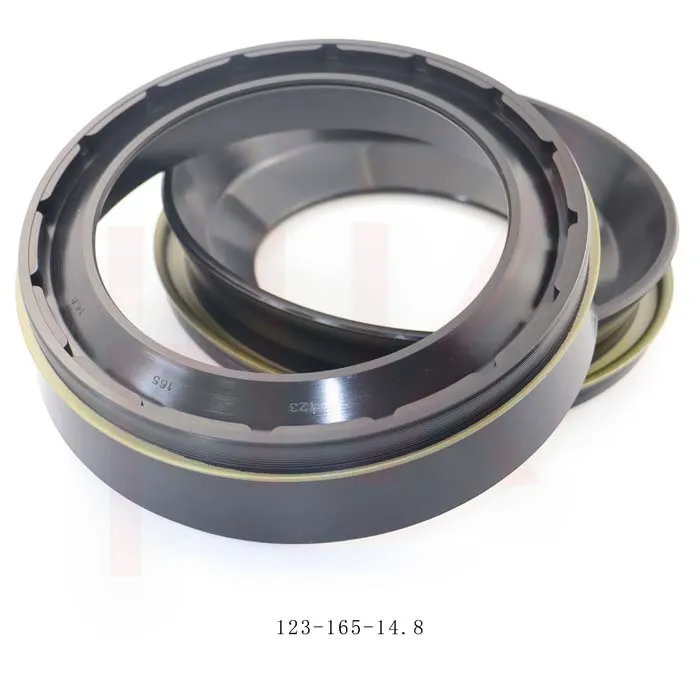
123*165*14.8 concrete mixer truck reducer oil seal
-
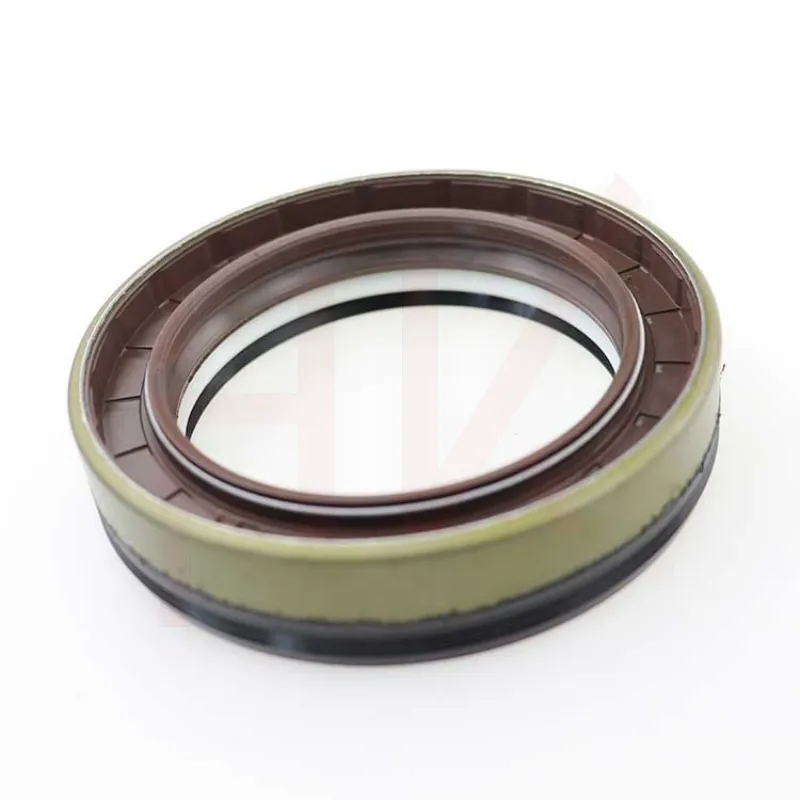
Tractor shaft oil seal 65-90-20 COMBI SF19 hub oil seal
-
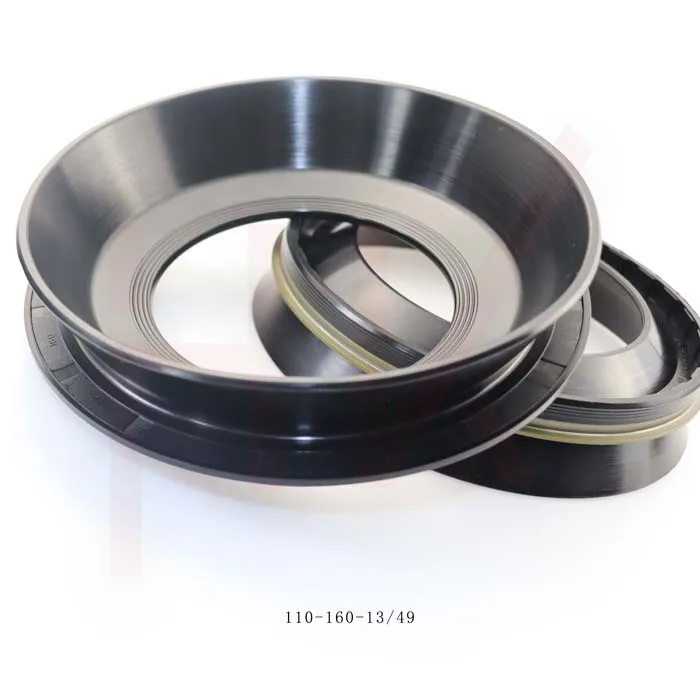
110*160*13/49 NBR reducerConcrete mixer truck oil seal
-
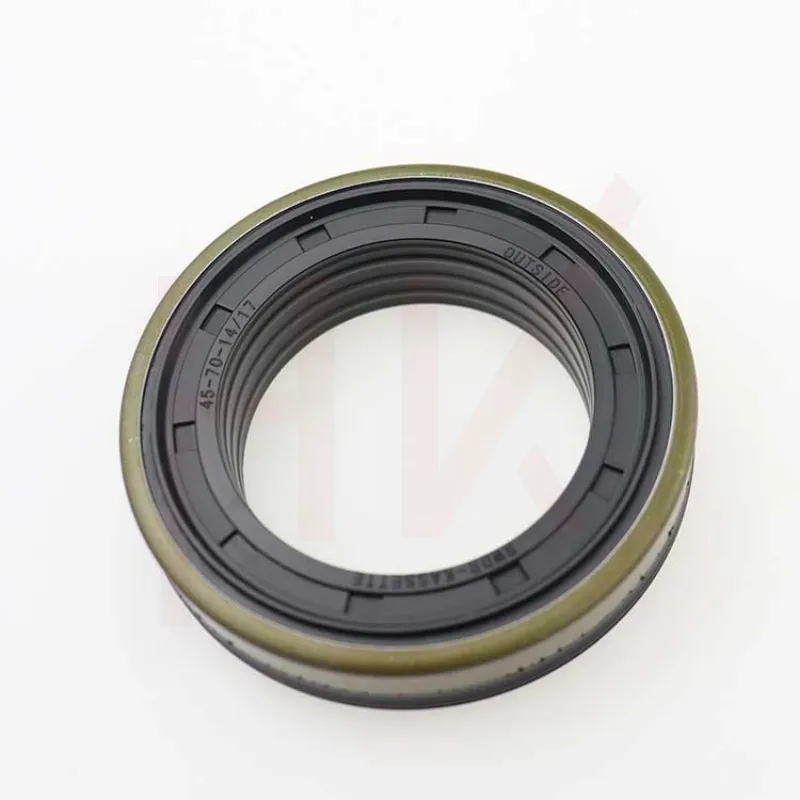
Hub oil seal 40*65*13/14.5 suitable for tractor Cat 12018035b
-
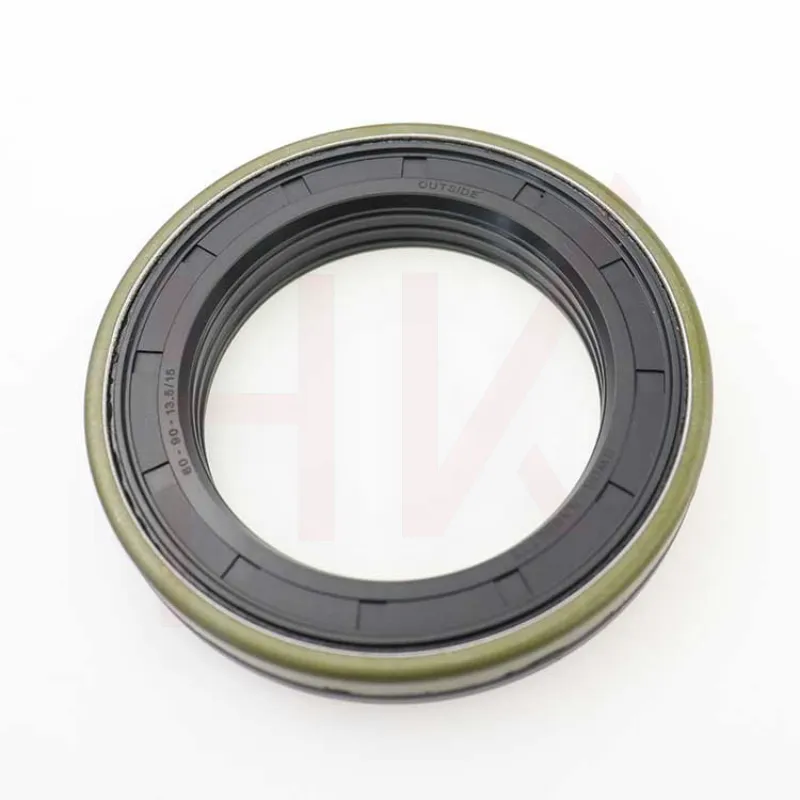
Tractor accessories cassette oil seal hub oil seal 60-90-13.5/15
-
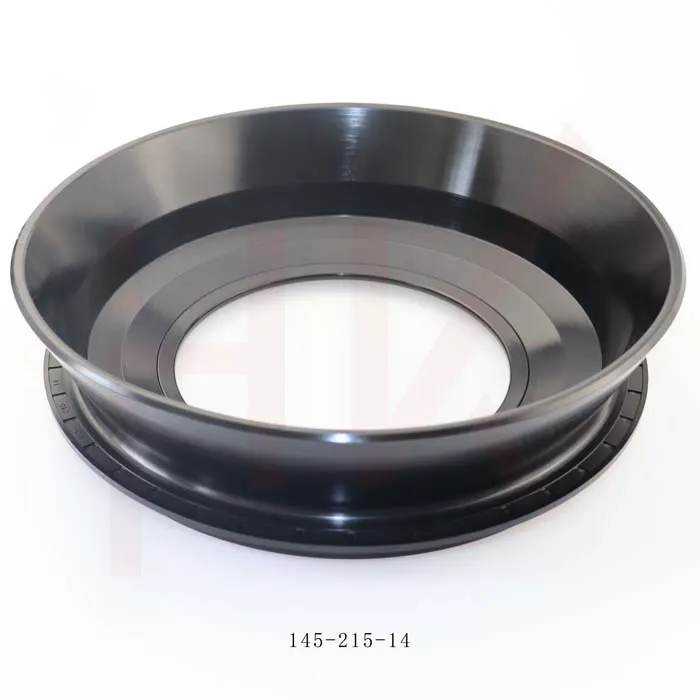
Factory concrete mixer truck oil seal 145*215*14 reducer gearbox oil seal
-
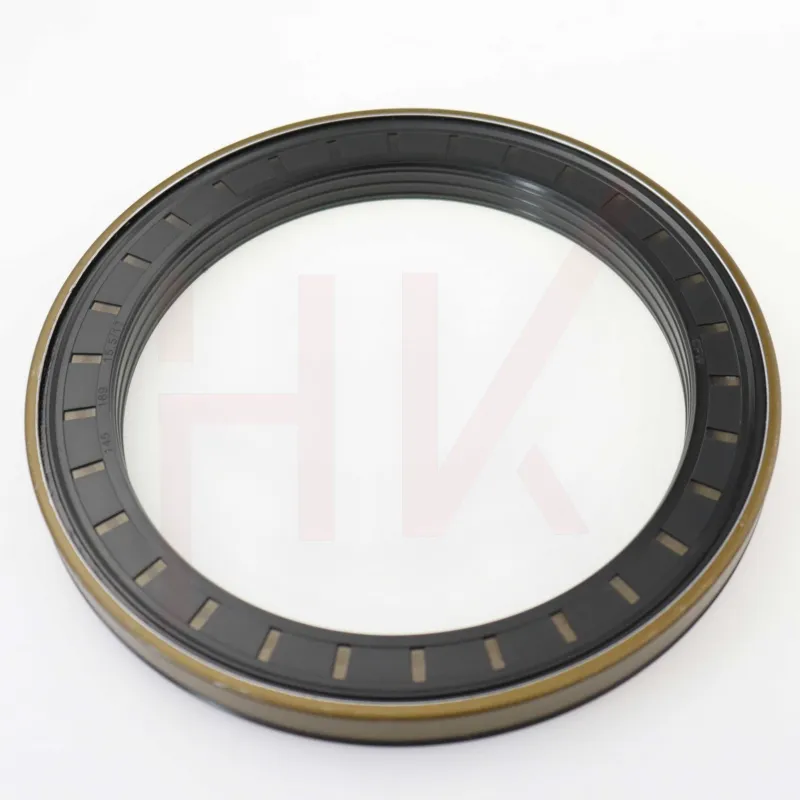
145*189*15.5/17 Cassette Seal NBR Hub Oil Seal 1508044
-
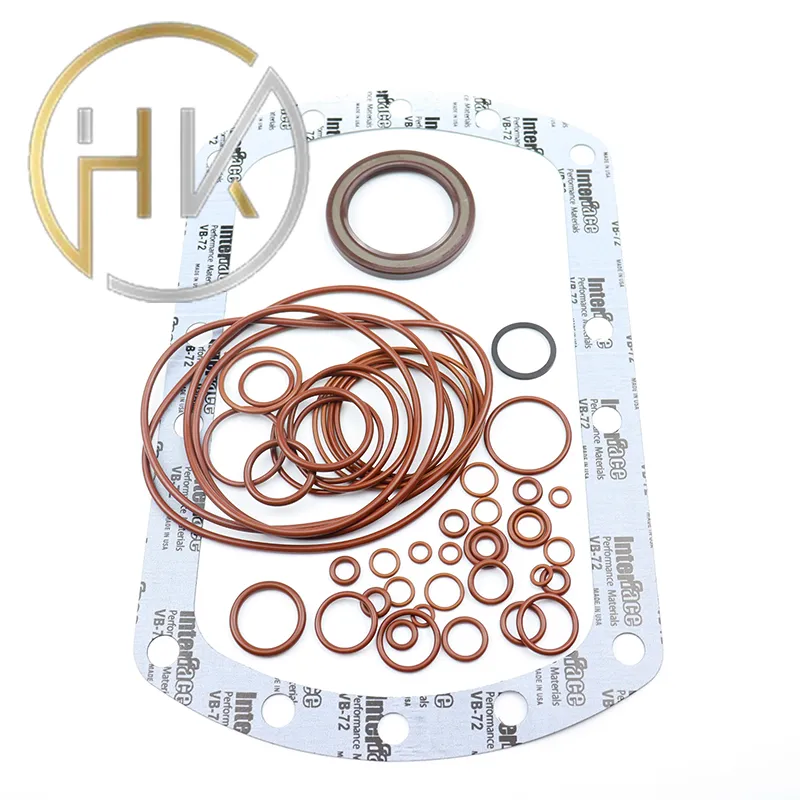
Factory direct sales hydraulic pump motor seal kit A8VO140
-
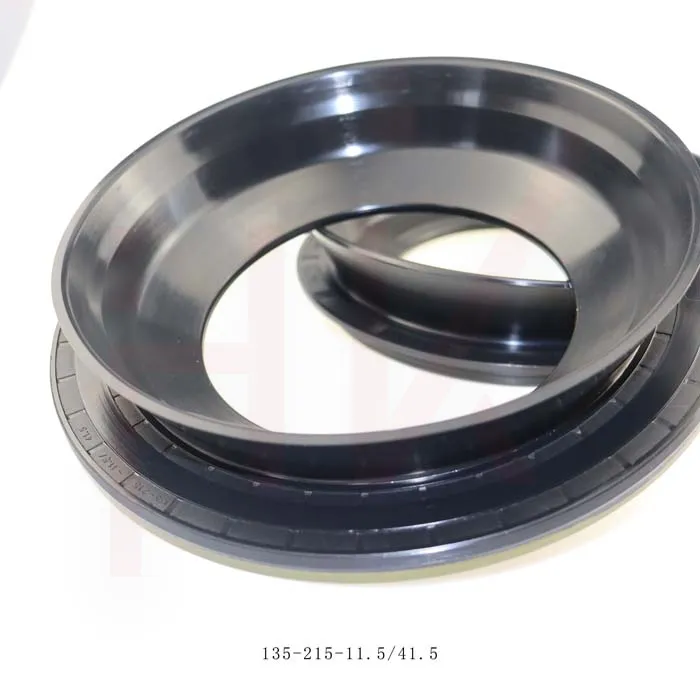
Brand new cement tanker oil seal 135*215*11.5/41.5 concrete mixer oil seal
-
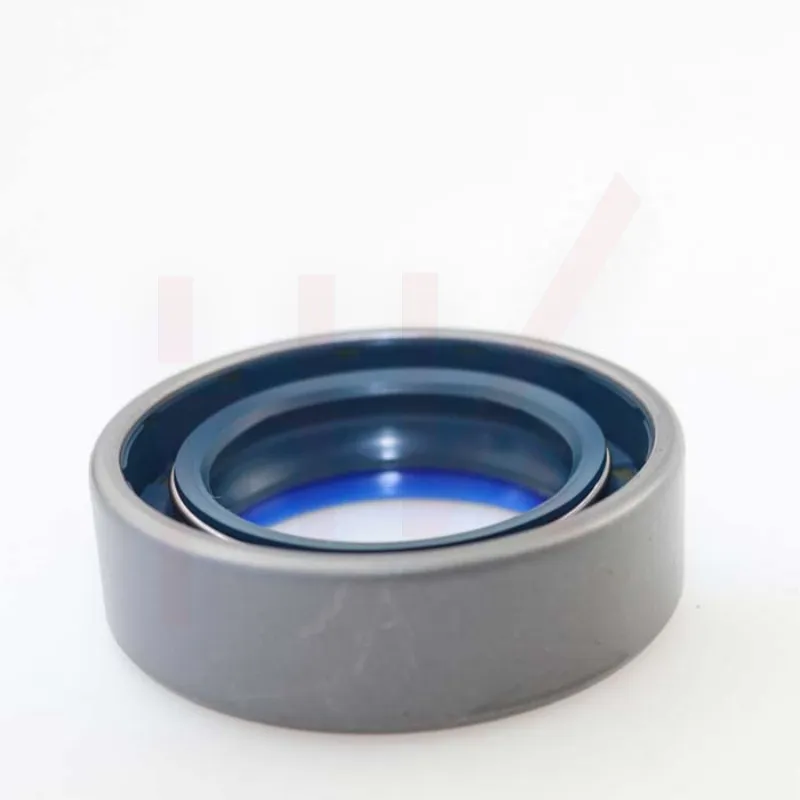
45*65*15 Combi oil seal JCB 90450009 COMBI SF1 SEAL
-
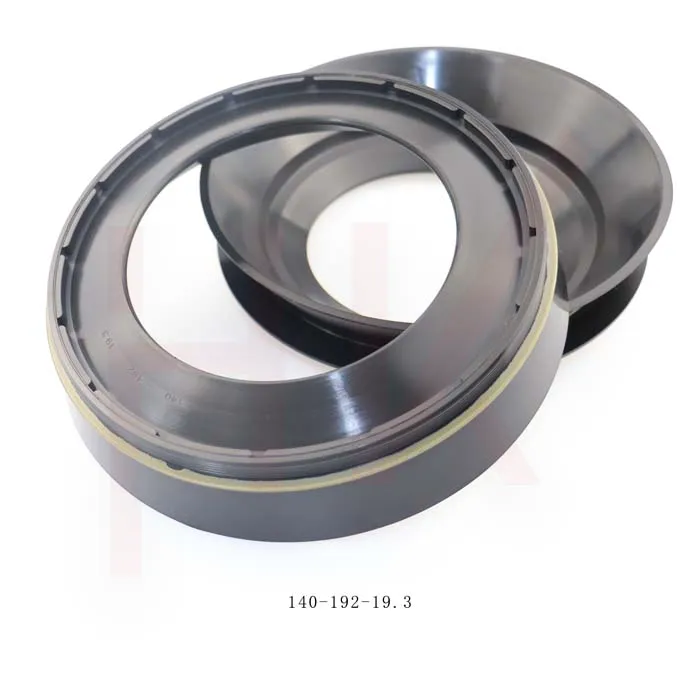
Gear box concrete mixer oil seal 140*192*19.3 nbr reducer oil seal
-
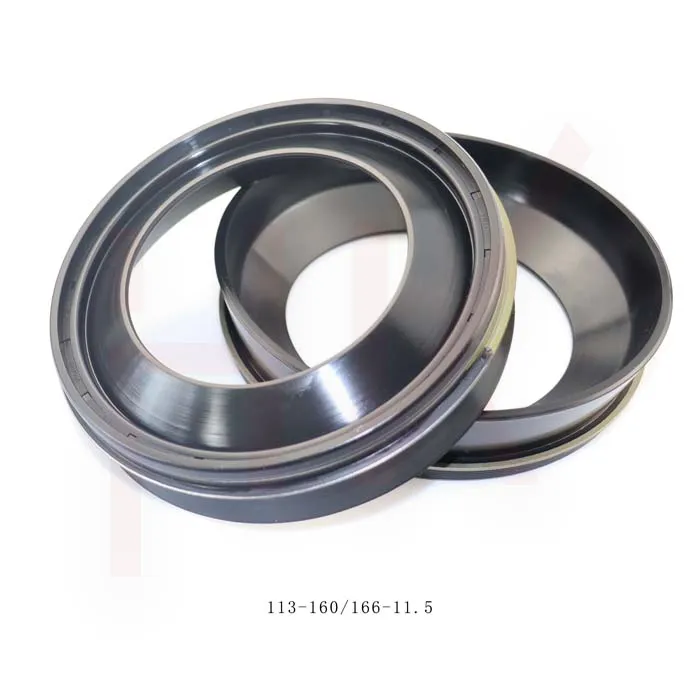
Seals factory direct sales 113*160/166*11.5/38 excavator truck reducer oil seal