
Nov . 26, 2025 19:30 Back to list
Durable Hydraulic Ram Wiper Seals for Industrial Reliability | HKAI Seal
The Basics and Bigger Picture of Hydraulic Ram Wiper Seals
Hydraulic ram wiper seals might seem like a small detail stuck inside heavy machinery, but globally they represent a quiet hero in industries ranging from construction to aerospace. Simply put, these seals wipe dirt and debris off the hydraulic pistons in cylinder rams, preventing contamination that can cause equipment failure. Understanding why these seals matter gives you a glimpse into how complex machines keep running smoothly in harsh environments.
On a bigger scale, preventing downtime due to seal failure saves money, boosts safety, and supports industries that feed and build our world. Plus, with millions of hydraulic cylinders operating worldwide, the impact is enormous. It's a topic that touches engineering, economics, and even humanitarian logistics too. So why not dive into what makes the hydraulic ram wiper seal such a staple in industrial reliability?
Why Hydraulic Ram Wiper Seals Matter Globally
Globally, hydraulic machinery powers everything from agricultural equipment in emerging economies to massive earth movers mining rare minerals critical for green technologies. According to the Wikipedia page on hydraulic cylinders, even a tiny leakage or contamination can cause catastrophic failure in a $100,000+ machine. And the ISO standards for sealing components emphasize precision due to this high stakes environment.
The challenge? Environmental debris, water ingress, and extreme temperatures repeatedly test the durability of seals. When these seals fail, it’s not just an expensive repair—it can delay emergency response equipment at critical moments or stall mining activities that supply raw materials for electric vehicles.
Hydraulic Ram Wiper Seal Defined
To break it down simply, a hydraulic ram wiper seal is a ring-like component fitted tightly around the piston rod of hydraulic cylinders. Its job is to “wipe” away dirt, dust, and moisture from the rod as it retracts into the cylinder barrel. Picture it as the gatekeeper that stops contaminants from sneaking inside and wrecking the inner components.
From bulldozers tearing through rocky soil to robotic arms assembling delicate electronics, these seals are vital. And beyond just industry, think about their role in humanitarian aid. Heavy machinery clearing debris post-disaster depends on these seals working flawlessly — without them, rescue operations could slow down dramatically.
Core Components: What Makes a Hydraulic Ram Wiper Seal Tick?
1. Material Quality
Usually made from polyurethane or nitrile rubber blend, these seals withstand a blend of abrasion, chemical exposure, and temperature swings. Polyurethane offers excellent wear resistance, while nitrile is often prized for oil compatibility. The material choice influences longevity and cost — a trade many engineers debate.
2. Design Geometry
The lip design and sealing surface contour determine how effectively the wiper removes contaminants. For example, some seals include a double-lip design for enhanced wiping and sealing against moisture. The geometry needs to balance friction (which wears parts down) with effective debris exclusion.
3. Fit & Compatibility
Precision matters—these seals must perfectly match the rod and cylinder dimensions. Too tight, and you get excessive wear and energy loss; too loose and contaminants sneak past. Stock and custom sizes cater to varied industrial machines, but quality vendors always specify tolerances.
4. Temperature and Chemical Resistance
In locations like deep mines or desert construction sites, extremes are common. Wiper seals must endure temperatures from -40°C up to 120°C or more while resisting hydraulic fluids and contaminants. Newer materials also focus on environmental friendly compounds.
Real-World Impact: Where Hydraulic Ram Wiper Seals Make a Difference
These unassuming components find their way into far-flung corners of industry and aid. In the mining regions of South America, brutal terrain and dust storms challenge equipment daily. Here, top-tier wiper seals keep extraction ongoing. In sub-Saharan African agriculture, smallholders rely on hydraulic tractors, and seal durability means livelihood stability.
Even disaster zones like post-tsunami Japan saw rapid deployment machinery critically relying on durable wiper seals for operations. And look across the ocean to offshore oil rigs in the North Sea — corrosion-resistant wipers prevent costly hydraulic failures that could otherwise have fateful environmental effects.
Mini Takeaway:
No matter the region or industry, hydraulic ram wiper seals form the frontline defense against downtime, environmental hazards, and financial risks.
Advantages and Long-Term Value of Hydraulic Ram Wiper Seals
- Cost Efficiency: Avoid unexpected repairs and machine replacement by extending component lifespan.
- Sustainability: Durable seals reduce environmental waste and improve hydraulic system efficiency.
- Safety: Preventing hydraulic failures decreases accident risks on job sites.
- Innovation and Trust: Using advanced materials and precision manufacturing builds reliability, a factor often underestimated.
I often think about how a tiny ring of rubber or polyurethane supports complex machinery that literally moves mountains or clears debris in a disaster. It’s an emotional mix of humility and admiration.
Hydraulic Ram Wiper Seal Specifications at a Glance
| Specification | Typical Range | Notes |
|---|---|---|
| Material | Polyurethane, Nitrile Rubber | Polyurethane = higher wear resistance |
| Operating Temperature | -40°C to 120°C | Depends on material |
| Inner Diameter (Rod Size) | 10mm to 250mm+ | Custom sizes available |
| Design | Single lip, Double lip, U-cup | Choice impacts wiping efficiency |
| Hardness (Shore A) | 75-90 | Balance between flexibility and wear |
Comparing Leading Vendors of Hydraulic Ram Wiper Seals
| Vendor | Material Options | Customization | Global Reach | Typical Lead Time |
|---|---|---|---|---|
| HKAI Seal | Polyurethane, Nitrile, Viton | High – OEM specs accepted | Worldwide | 2-4 weeks |
| SealTech Inc. | Nitrile, EPDM | Medium – standard sizes only | North America, Europe | 3-6 weeks |
| GlobalSeal Solutions | Polyurethane, Silicone | Low – limited customization | Asia, Africa | 4-8 weeks |
Future Trends in Hydraulic Ram Wiper Seal Technology
The future looks interesting: new biodegradable materials aim to reduce environmental impact without sacrificing durability. Some researchers are integrating smart polymers that can signal wear or contamination levels digitally, syncing with Industry 4.0 automation systems.
And oddly enough, in a world rushing towards electrification, these seals play a surprisingly important role in hybrid hydraulic systems that balance energy efficiency and power density. As machines become more connected, smart seal monitoring might become the norm — a small sensor nestled beside your humble wiper seal.
Challenges and How Experts Are Tackling Them
A key challenge remains keeping seals reliably sealing under ever-increasing pressure and environmental variability. Poor installation, material aging, or unexpected contaminants remain common failure culprits.
Many engineers now advocate for more rigorous testing protocols, advanced surface treatments, and modular seal designs for simpler maintenance. Plus, education plays a part — knowing how to select the right hydraulic ram wiper seal for your machine can save considerable headaches.
FAQs on Hydraulic Ram Wiper Seal
1. How often should hydraulic ram wiper seals be replaced?
It depends heavily on operating conditions but generally every 1-3 years under normal use. Harsh or dusty environments may require more frequent inspection. Regular maintenance is key to prevent seal failure.
2. Can I replace a hydraulic ram wiper seal without disassembling the entire cylinder?
In some designs, yes — with specialized tools and seals designed for easy change—but often full cylinder disassembly ensures proper installation and prevents leaks. Consult your equipment manual or OEM guidance.
3. Are all hydraulic ram wiper seals compatible with all hydraulic fluids?
No. Material compatibility varies — nitrile rubber suits petroleum-based fluids best, while polyurethane tolerates a broader range. Always confirm fluid-seal compatibility to avoid rapid degradation.
4. How do environmental conditions affect wiper seal selection?
Extreme temps, chemicals, and abrasive debris demand seals made from tougher or specially formulated compounds. For severe conditions, look for heat- and chemical-resistant materials like Viton or specialized polyurethanes.
Wrapping It Up: Why Hydraulic Ram Wiper Seals Still Matter
The humble hydraulic ram wiper seal quietly powers the reliability behind some of the world’s most crucial machines — from construction sites to humanitarian aid delivery vehicles. Their role in reducing downtime, securing safety, and enabling innovation is hard to overstate.
Whether you’re an engineer specifying parts, an operations manager concerned about maintenance costs, or just curious about the unseen heroes in machine tech, hydraulic ram wiper seals are a fascinating topic worth a closer look.
Curious? Learn more or get a custom solution at hydraulic ram wiper seal experts HKAI Seal.
References
-
Guide to Choosing the Right High Quality hydraulic ram kit
NewsApr.16,2026
-
Premium Hydraulic Cylinder Packing Kits for Peak Performance
NewsApr.09,2026
-
Comprehensive Guide to Hydraulic Cylinder Oil Seal Kits for Optimal Performance
NewsApr.07,2026
-
Comprehensive Guide to Choosing the Right Cylinder Seal Kits for Peak Performance
NewsApr.04,2026
-
Comprehensive Guide to Seal Kits for Cylinders Ensuring Optimal Performance
NewsMar.31,2026
-
Comprehensive Guide to Hyd Cylinder Seals for Optimal Hydraulic System Performance
NewsMar.28,2026
-
Comprehensive Guide to Hyd Cylinder Seal Kit Selection and Installation
NewsMar.26,2026
Products categories
-
Standard oil seal BP0494 High pressure TCN oil seal
-
Hydraulic pump seal AP4624G high pressure TCN oil seal
-
0734307418 0750112169 120*165*10/14.8 concrete mixer reducer oil seal
-
35*52*16 Standard Wheel Hub Oil Seal For Agricultural Machinery
-
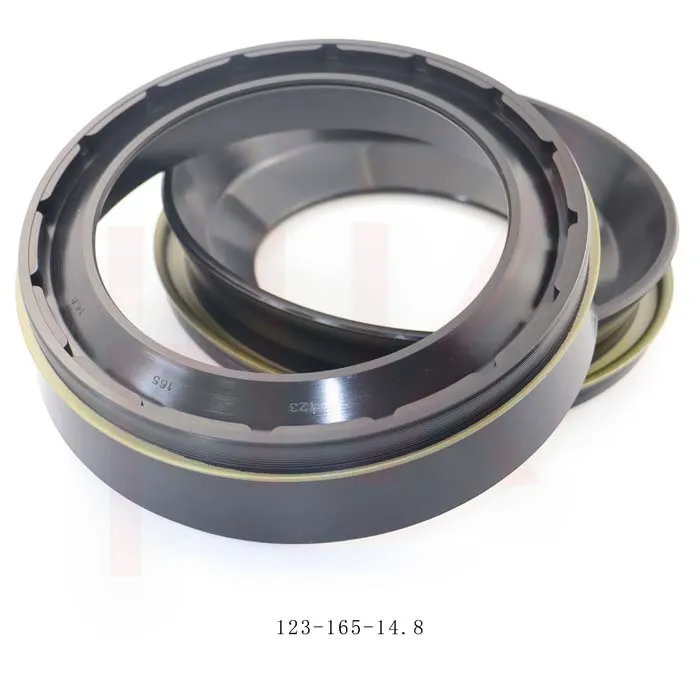
123*165*14.8 concrete mixer truck reducer oil seal
-
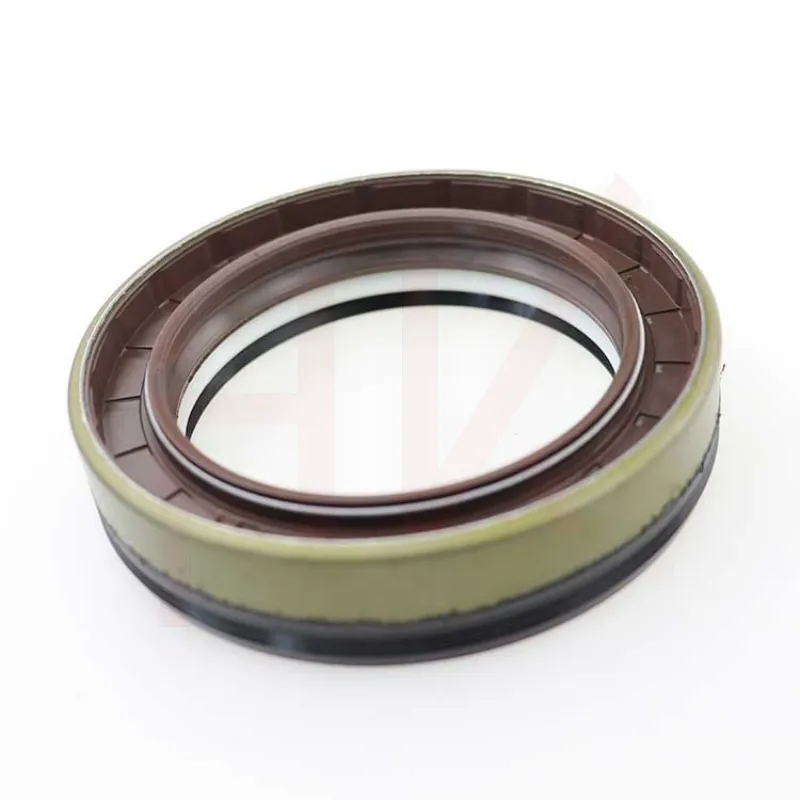
Tractor shaft oil seal 65-90-20 COMBI SF19 hub oil seal
-
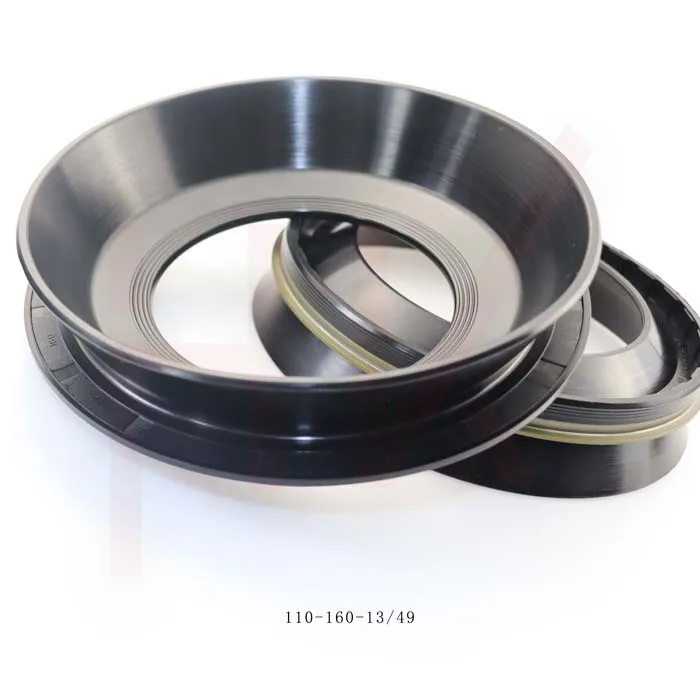
110*160*13/49 NBR reducerConcrete mixer truck oil seal
-
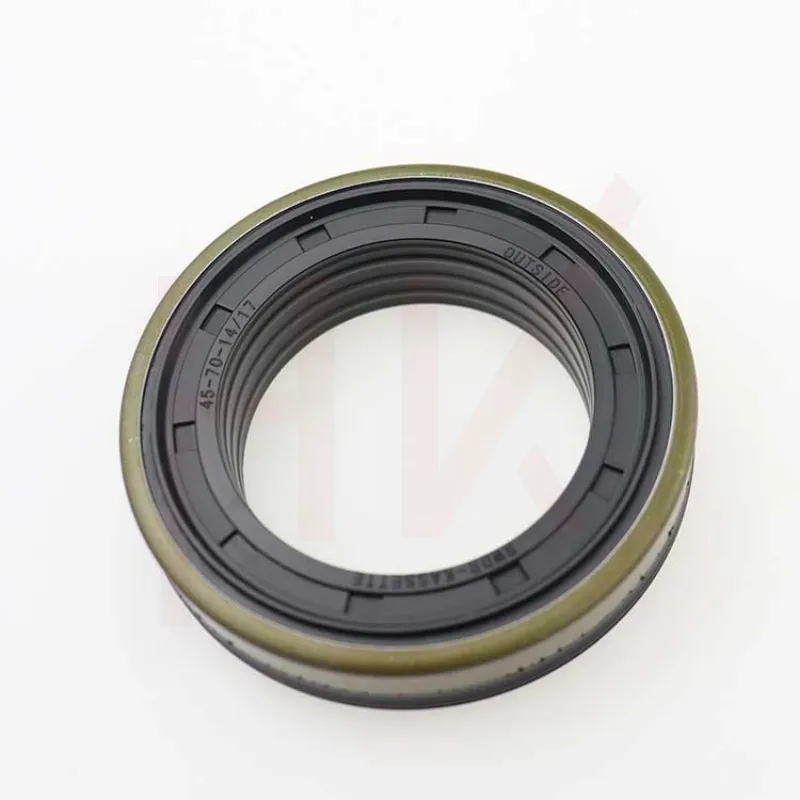
Hub oil seal 40*65*13/14.5 suitable for tractor Cat 12018035b
-
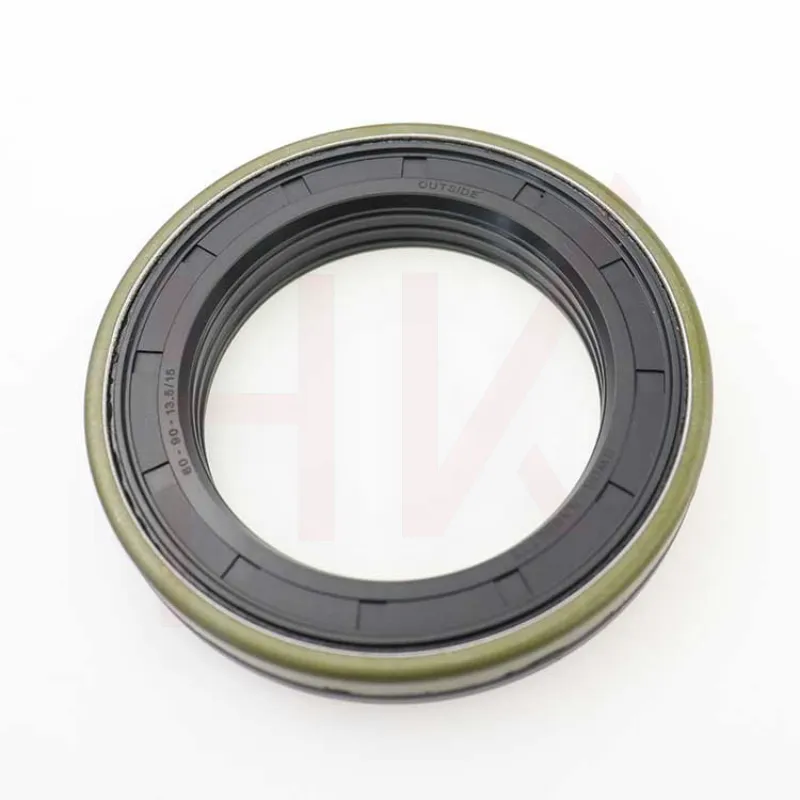
Tractor accessories cassette oil seal hub oil seal 60-90-13.5/15
-
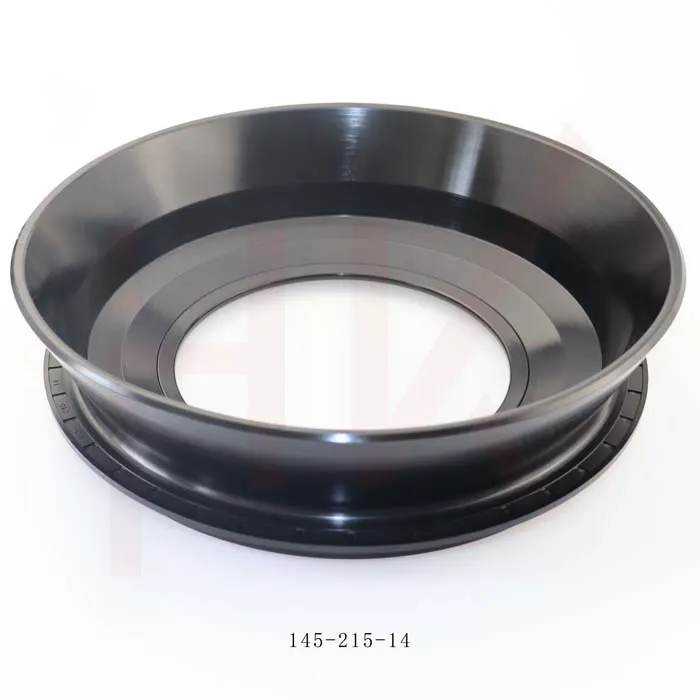
Factory concrete mixer truck oil seal 145*215*14 reducer gearbox oil seal
-
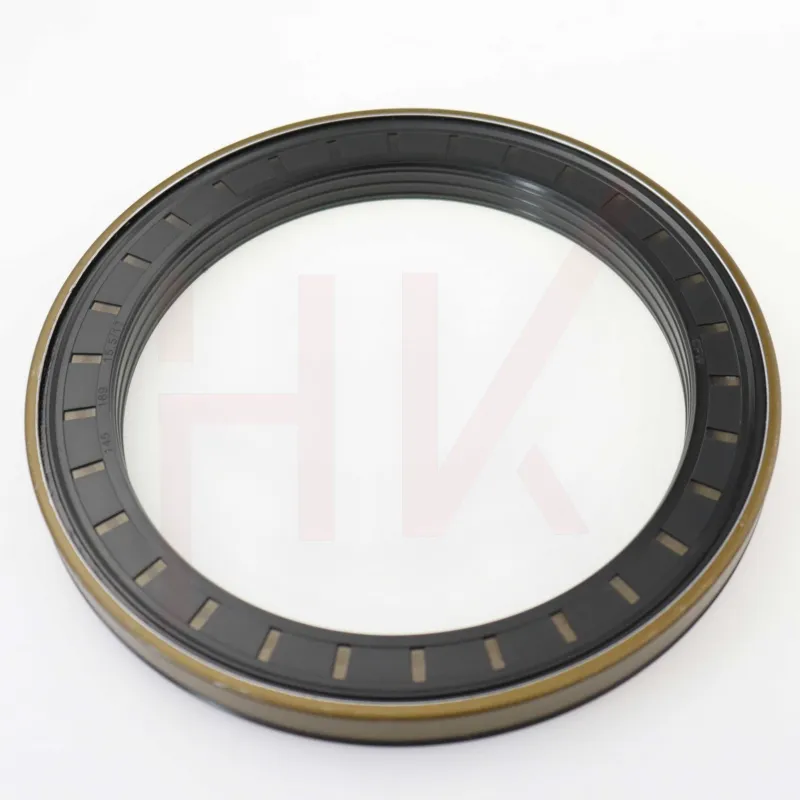
145*189*15.5/17 Cassette Seal NBR Hub Oil Seal 1508044
-
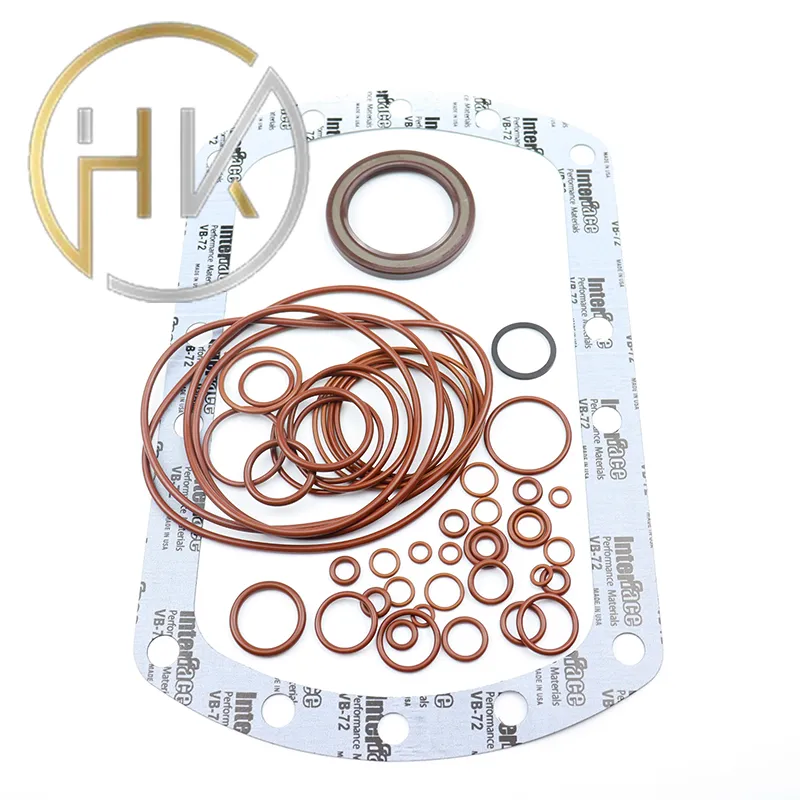
Factory direct sales hydraulic pump motor seal kit A8VO140
-
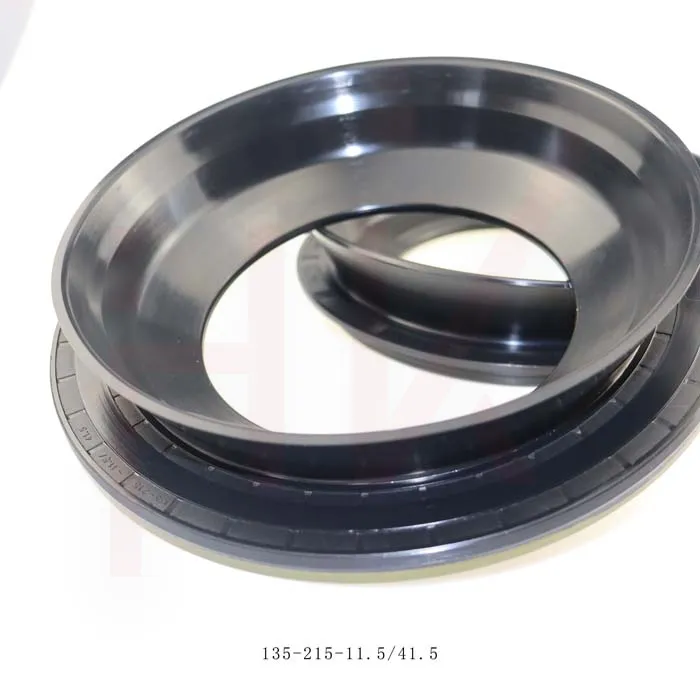
Brand new cement tanker oil seal 135*215*11.5/41.5 concrete mixer oil seal
-
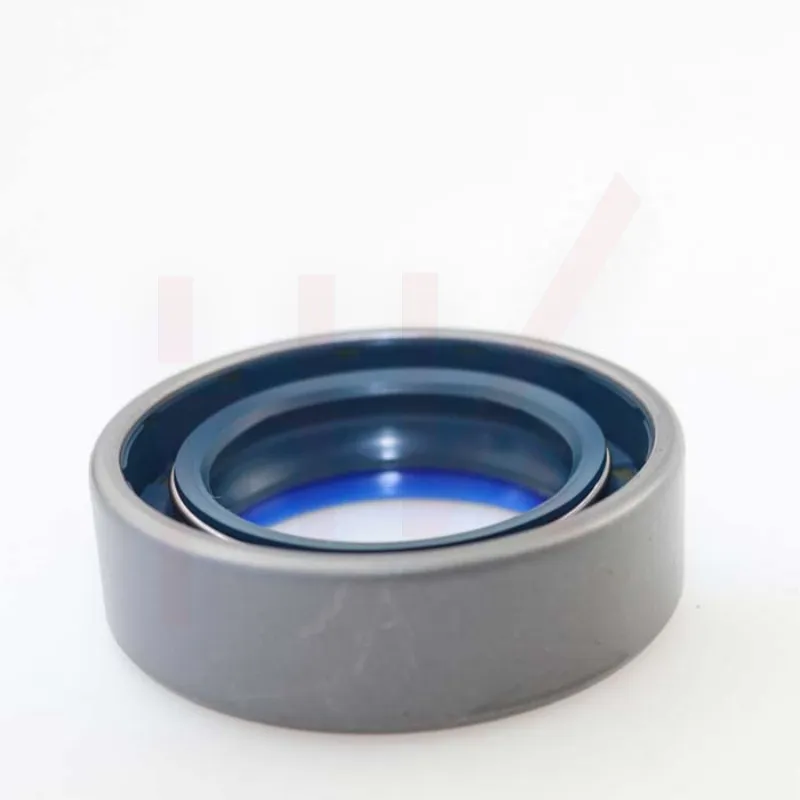
45*65*15 Combi oil seal JCB 90450009 COMBI SF1 SEAL
-
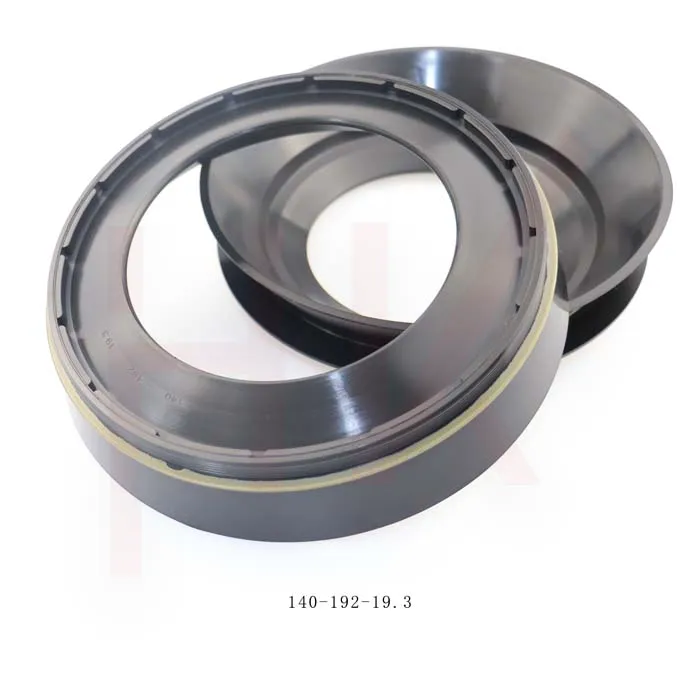
Gear box concrete mixer oil seal 140*192*19.3 nbr reducer oil seal
-
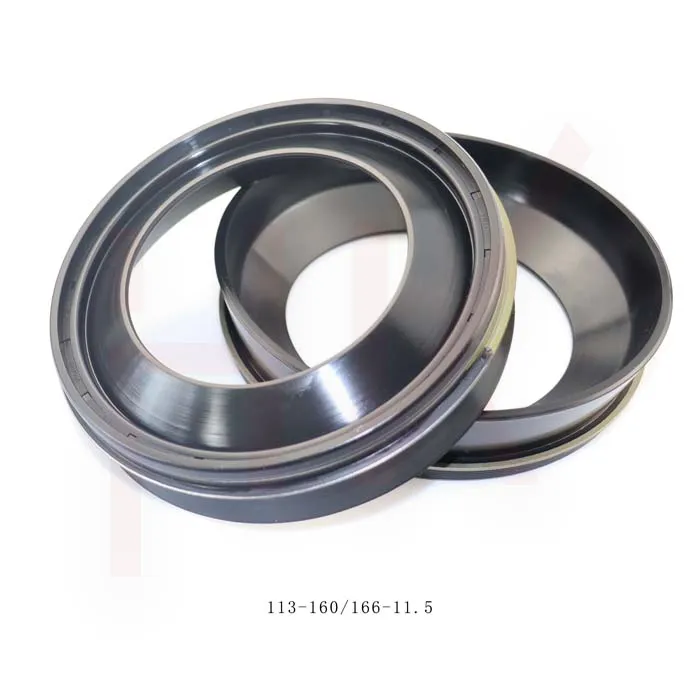
Seals factory direct sales 113*160/166*11.5/38 excavator truck reducer oil seal