
Nov . 26, 2025 17:45 Back to list
Understanding Hydraulic Cylinder Wipers: Protection, Performance & Global Impact
Hydraulic Cylinder Wipers: Small Parts, Big Impact
At first glance, hydraulic cylinder wipers might not sound like the headline act in heavy machinery. Yet, these modest seals quietly protect the heart of countless industrial and humanitarian projects worldwide. Understanding their role unlocks not only smoother operations but also long-term cost savings and greater equipment reliability. So why does mastering this niche matter globally? Because through their simple job—keeping dirt, water, and dust from damaging hydraulic cylinders—these wipers help machines last longer, reduce downtime, and support everything from construction projects in urban areas to disaster relief in fragile regions.
The Global Stage: Why Hydraulic Cylinder Wipers Are More Relevant Than You Think
The hydraulics industry is booming, with the global hydraulic equipment market valued at over USD 40 billion as of 2023, projected to grow steadily according to the International Hydraulics Association. Countries focusing on infrastructure expansion, mining, and energy extraction rely heavily on heavy machinery loaded with hydraulic cylinders. These components must endure harsh environments—think blowing sand, heavy rain, or industrial pollution. International standards like ISO 1219 set guidelines to guarantee components, including hydraulic cylinder wipers, meet durability and safety requirements.
However, challenges persist: contamination entering hydraulic cylinders causes 70% of system failures worldwide, as per ISO 11171. That’s where the humble wiper steps in, acting as the first line of defense. The uptime of heavy machines directly impacts projects’ timelines and budgets globally. So yeah, these little wipers matter quite a bit.
Mini Takeaway:
- Hydraulic cylinder wipers defend machines in tough environments, crucial for industrial and humanitarian sectors worldwide.
- Proper sealing reduces costly hydraulic failures and downtime.
What Exactly Are Hydraulic Cylinder Wipers?
Simply put, hydraulic cylinder wipers are sealing components fitted at the rod entry point of a hydraulic cylinder. Their job? To “wipe” or clean the cylinder rod as it retracts, preventing dust, dirt, moisture, and other contaminants from sneaking inside the cylinder itself. This protection is vital because any intrusive particles can rapidly degrade internal seals and hydraulic fluid quality, reducing performance and causing leaks.
Nowadays, hydraulic cylinder wipers form the backbone of efficient industrial operations across sectors—from agriculture and construction to water management and humanitarian aid logistics. Imagine emergency shelters or water pumps in remote locations—these machines need reliable seals capable of enduring extreme environments with minimal maintenance.
Mini Takeaway:
- Hydraulic cylinder wipers keep contamination out, safeguarding internal components.
- They’re essential for smooth, leak-free hydraulic systems.
Core Components and Key Factors That Shape Wiper Performance
1. Material Durability
Most manufacturers use polyurethane or nitrile rubber for wipers because these materials resist wear from dirt and abrasion. Some specialty wipers incorporate PTFE (Teflon) for enhanced chemical and temperature resistance. The right material choice improves wiper lifespan and prevents early failure.
2. Precision Design
Sealing performance depends heavily on the wiper’s fit to rod dimensions and the cylinder's working pressure. A well-engineered wiper balances enough tension to scrape away dirt without excessive friction that wears down components prematurely.
3. Environmental Resistance
Hydraulic systems operate in varied climates—from scorching deserts to icy mountains. Adaptive wipers that maintain flexibility across temperature ranges help avoid cracking or hardening.
4. Cost Efficiency and Availability
While premium materials can raise upfront costs, investing in quality wipers reduces maintenance schedules and replacements, overall lowering operational expenses. Easy replacement and availability in global markets are crucial for field repairs.
5. Compatibility & Customization
Interchangeable wipers tailored to specific cylinder models and industry needs expand usability. For instance, some humanitarian-focused kits feature corrosion-resistant coatings for marine or flood-prone environments.
Mini Takeaway:
- Material and design quality directly impact the wiper’s durability and performance.
- Adaptable and cost-effective solutions enable smoother global maintenance.
Worldwide Applications: Where Do Hydraulic Cylinder Wipers Make a Difference?
Industries from mining in Australia’s outback to public works in European cities rely on hydraulic cylinders daily. But truly global impact emerges in sectors like:
- Disaster Relief: Post-earthquake debris removal, flood water pumps, and temporary shelters all require hydraulics in tough conditions. Wipers help ensure operational reliability when lives depend on it.
- Agriculture: Fields exposed to mud and dust threaten hydraulic systems in tractors and harvesters. Sealing components hold the line for productivity.
- Construction: Urban and rural projects alike face dust storms or rainy seasons that test wiper effectiveness.
- Renewable Energy: Wind turbines and solar trackers making use of hydraulic cylinders in isolated, weather-exposed sites need robust seals to endure years of operation.
Organizations such as the United Nations Development Programme (UNDP) encourage robust infrastructure parts to improve sustainability in emerging economies—a perfect example of this technology's role in humanitarian contexts.
Mini Takeaway:
- Hydraulic cylinder wipers serve a broad spectrum of applications globally.
- They contribute importantly to sustainable development and emergency infrastructure.
Advantages & Long-Term Value of Investing in Quality Hydraulic Cylinder Wipers
Let’s be honest—machines breaking down during critical jobs? A nightmare. Wipers that keep contaminants out minimize the odds of leaks, ruptures, and costly downtime. This reliability inspires operator confidence and supports safety on-site.
Environmentally, longer-lasting seals mean less waste from discarded components, aligning well with ISO 14001 environmental management principles many industries follow.
Socially, when machinery works without hiccups in disaster zones or developing regions, aid agencies achieve goals faster, improving lives—something you can truly appreciate when reading about global crisis responses.
Mini Takeaway:
- Reliable hydraulic cylinder wipers reduce maintenance costs and environmental waste.
- They support safety and efficacy in mission-critical applications worldwide.
Future Trends and Innovations
Innovation is driving smarter, longer-lasting wipers. Some new materials incorporate nanotechnology to reduce wear and resist chemical degradation. Others integrate sensors or digital monitoring to predict seal wear before failures happen—part of the wider Industry 4.0 wave.
Eco-conscious manufacturing using biodegradable or recyclable materials is also gaining momentum, supporting greener supply chains. Plus, automation in assembly lines ensures precise wiper installation, reducing human error.
Mini Takeaway:
- Emerging tech promises smarter, eco-friendlier, and more durable hydraulic wipers.
- Digital integration will soon aid predictive maintenance strategies.
Common Challenges with Hydraulic Cylinder Wipers—and How Experts Overcome Them
Despite best efforts, issues like premature wear or chemical incompatibility arise. Dust granulometry or unexpected fluids can overwhelm standard wipers. That’s where material testing labs and real-world feedback loops come into play, helping designers tweak formulations.
Modular seals or enhanced geometries also reduce strain. Some companies offer custom engineering services to fit extreme or unusual environments. This bespoke approach often prevents downtime in critical missions.
Mini Takeaway:
- Environmental challenges require tailored wiper solutions and ongoing testing.
- Collaboration between manufacturers and field engineers is key to overcoming wear issues.
Product Specification Table
| Specification | Typical Value | Notes |
|---|---|---|
| Material | Polyurethane, Nitrile Rubber | Depends on environment and chemical exposure |
| Operating Temperature | -40°C to +120°C | Varies with material composition |
| Rod Diameter Range | 10 mm to 200 mm | Custom sizes available |
| Chemical Resistance | Good against oils, water, mild acids | Special grades for harsher chemicals |
| Lifespan | 12 to 24 months typical | Dependent on usage and maintenance |
Vendor Comparison Snapshot
| Vendor | Material Grades | Customization | Global Availability | Sustainability Efforts |
|---|---|---|---|---|
| Hkaiseal | Standard and premium polyurethane | Custom sizes and coatings | Worldwide export network | ISO 14001 compliant manufacturing |
| SealTech Pro | Nitrile and PTFE blends | Limited custom options | Regional presence only | Some eco initiatives |
| GlobalSeal Corp | Wide range including specialty polymers | Full customization service | Global distributors network | Sustainability leader |
FAQs About Hydraulic Cylinder Wipers
- Q: How often should hydraulic cylinder wipers be replaced?
- A: Typically, wipers last between 12 to 24 months depending on environmental conditions and usage intensity. Regular inspections every six months help identify wear early to avoid damage.
- Q: Can hydraulic cylinder wipers be customized for extreme weather?
- A: Yes, variants using specialized materials such as PTFE or with added coatings can withstand temperature extremes and chemical exposures in harsh climates.
- Q: What role do hydraulic cylinder wipers play in preventing system failure?
- A: By wiping contaminants off the hydraulic rod, they prevent dirt and moisture ingress that can cause seal degradation and fluid contamination, which are common causes of hydraulic failure.
- Q: Are replacement wipers easy to install in the field?
- A: Most wipers are designed for relatively straightforward installation, though careful fitting is crucial to ensure sealing integrity. Some vendors provide kits and instructions suited for field repairs.
- Q: How do I choose the right hydraulic cylinder wiper for my machinery?
- A: Consider rod diameter, operating environment, typical contaminants, and chemical exposures. Consulting suppliers with experience in your industry can provide tailored recommendations.
Wrapping Up
So, the next time someone mentions hydraulic cylinder wipers, remember: these components punch way above their weight. They protect vital machinery from contamination, save money through less downtime, and enable critical operations across industries and continents. For anyone managing hydraulic equipment, investing in quality wipers is less about a minor detail and more about securing the entire system’s future.
To explore premium, customizable hydraulic cylinder wipers trusted by global professionals, visit Hkaiseal’s website today — it might just save you a headache tomorrow.
References
-
Guide to Choosing the Right High Quality hydraulic ram kit
NewsApr.16,2026
-
Premium Hydraulic Cylinder Packing Kits for Peak Performance
NewsApr.09,2026
-
Comprehensive Guide to Hydraulic Cylinder Oil Seal Kits for Optimal Performance
NewsApr.07,2026
-
Comprehensive Guide to Choosing the Right Cylinder Seal Kits for Peak Performance
NewsApr.04,2026
-
Comprehensive Guide to Seal Kits for Cylinders Ensuring Optimal Performance
NewsMar.31,2026
-
Comprehensive Guide to Hyd Cylinder Seals for Optimal Hydraulic System Performance
NewsMar.28,2026
-
Comprehensive Guide to Hyd Cylinder Seal Kit Selection and Installation
NewsMar.26,2026
Products categories
-
Standard oil seal BP0494 High pressure TCN oil seal
-
Hydraulic pump seal AP4624G high pressure TCN oil seal
-
0734307418 0750112169 120*165*10/14.8 concrete mixer reducer oil seal
-
35*52*16 Standard Wheel Hub Oil Seal For Agricultural Machinery
-
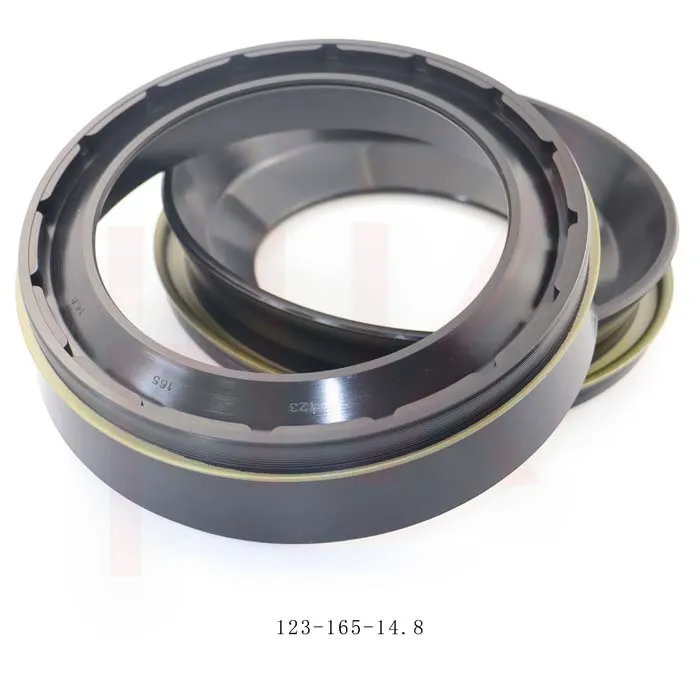
123*165*14.8 concrete mixer truck reducer oil seal
-
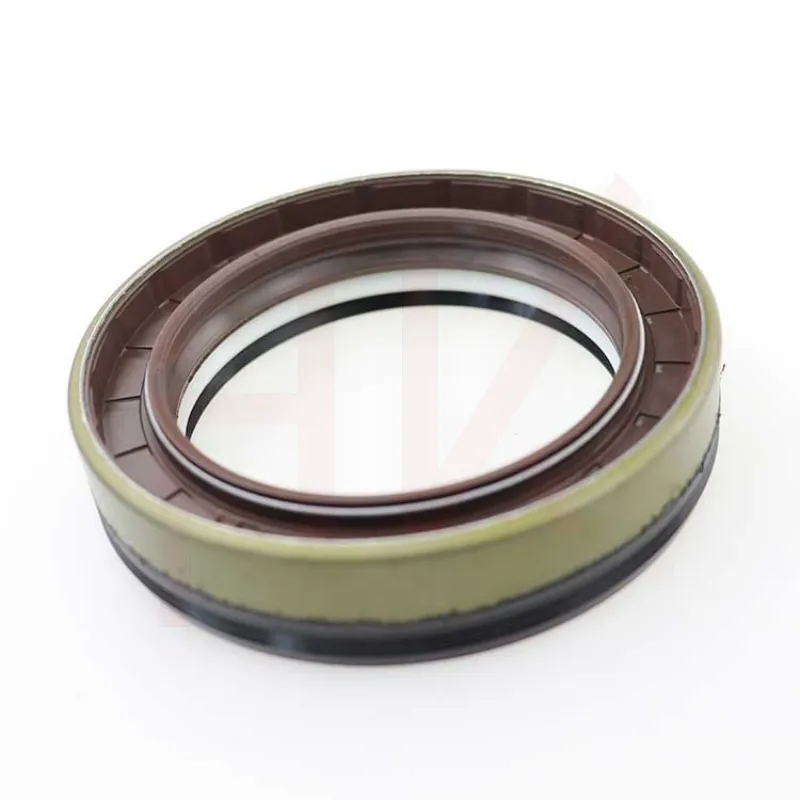
Tractor shaft oil seal 65-90-20 COMBI SF19 hub oil seal
-
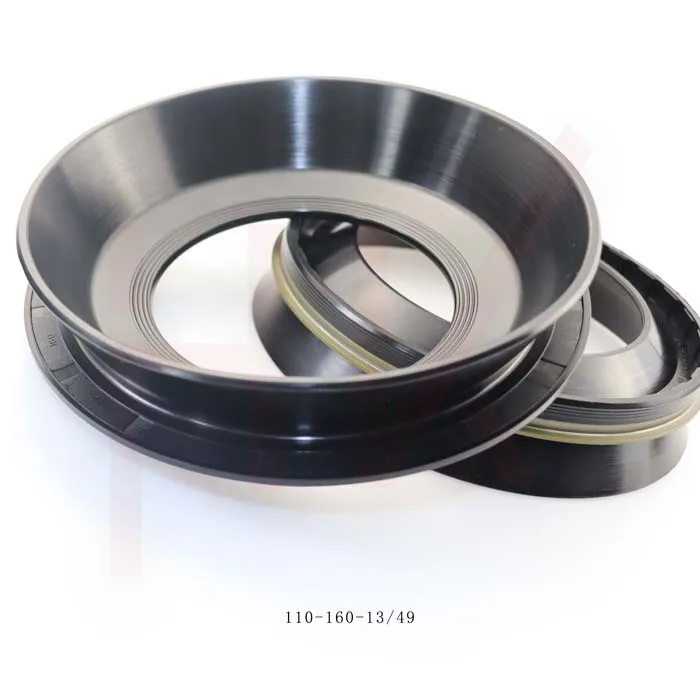
110*160*13/49 NBR reducerConcrete mixer truck oil seal
-
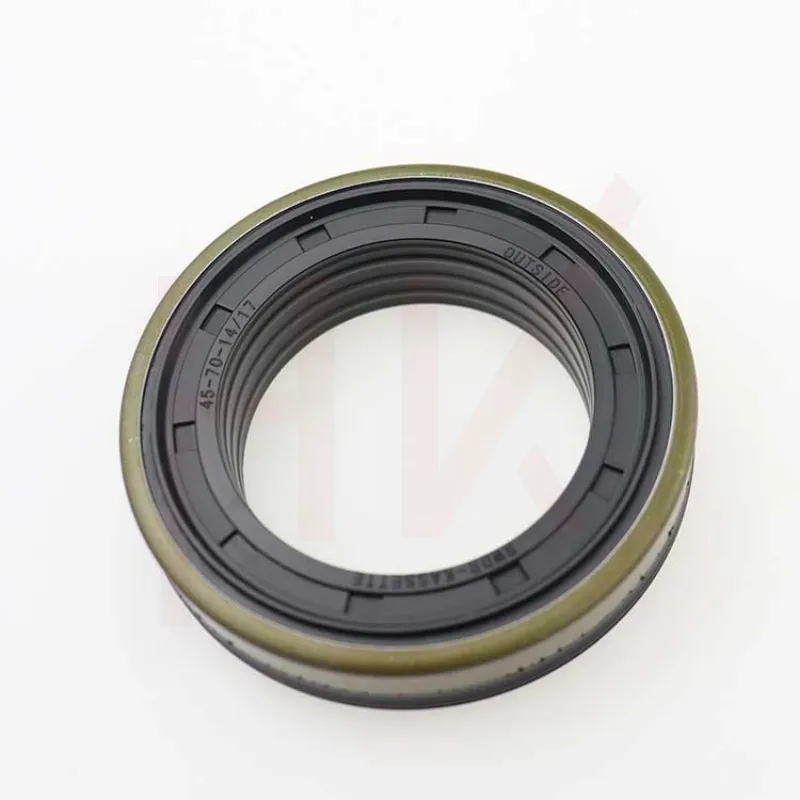
Hub oil seal 40*65*13/14.5 suitable for tractor Cat 12018035b
-
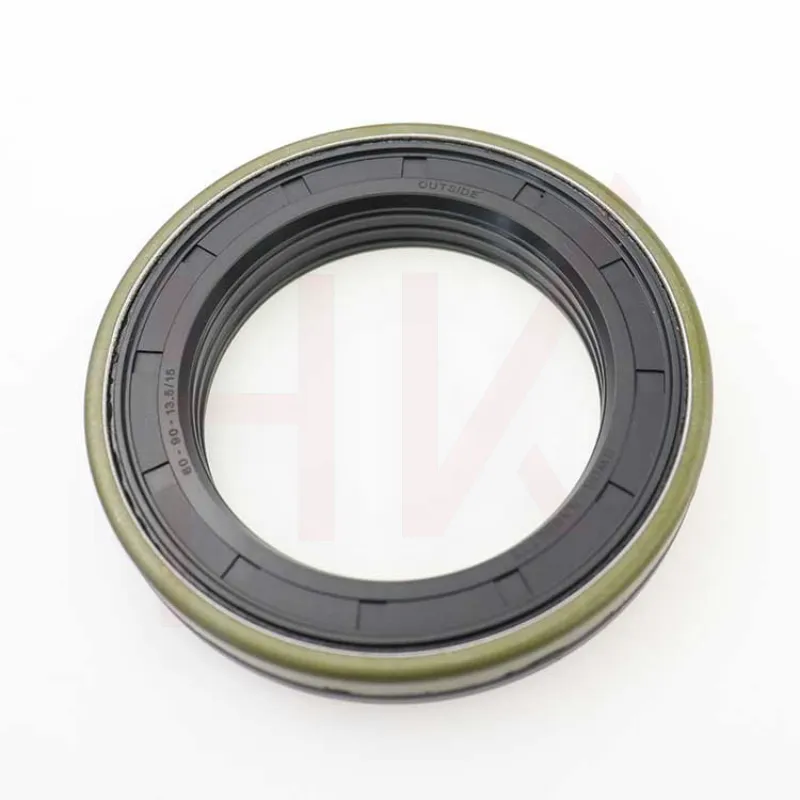
Tractor accessories cassette oil seal hub oil seal 60-90-13.5/15
-
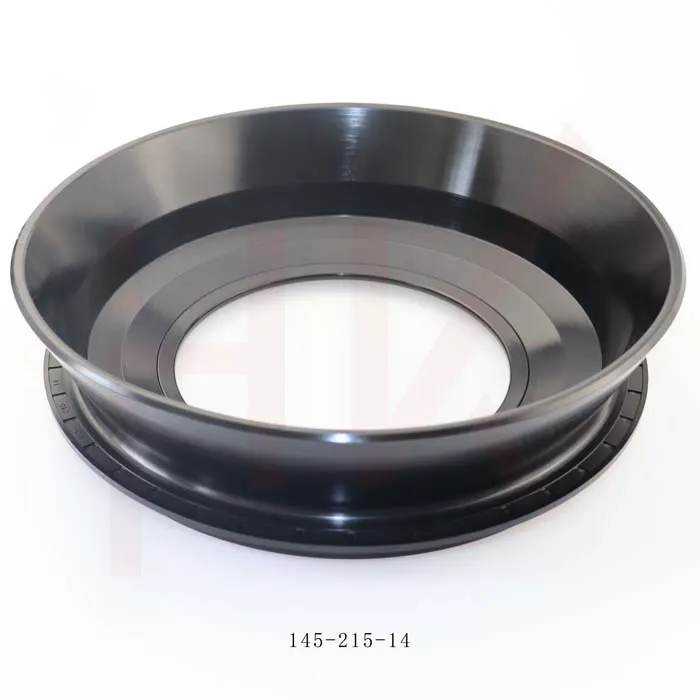
Factory concrete mixer truck oil seal 145*215*14 reducer gearbox oil seal
-
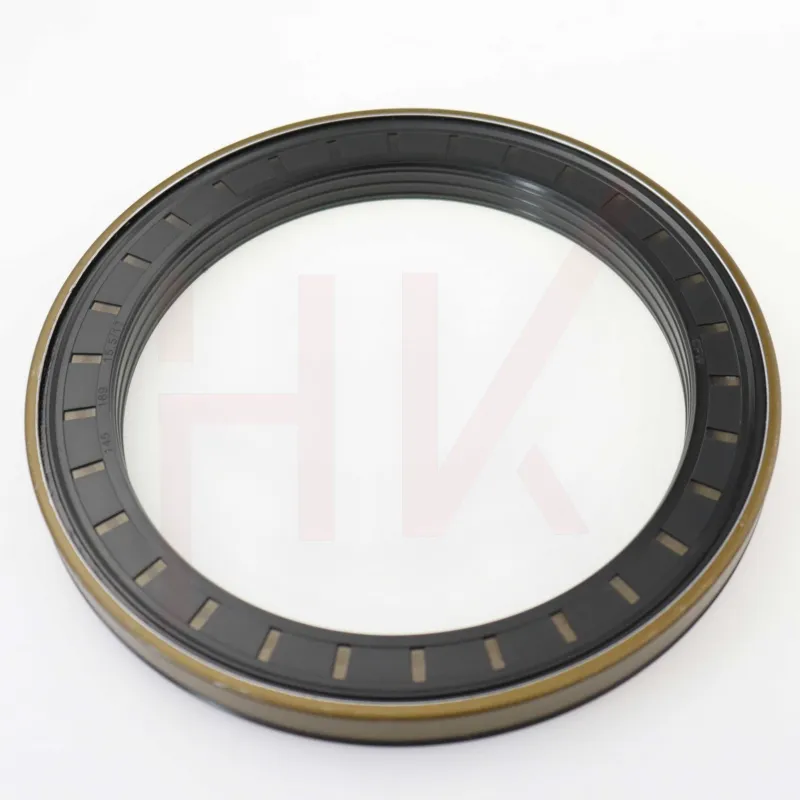
145*189*15.5/17 Cassette Seal NBR Hub Oil Seal 1508044
-
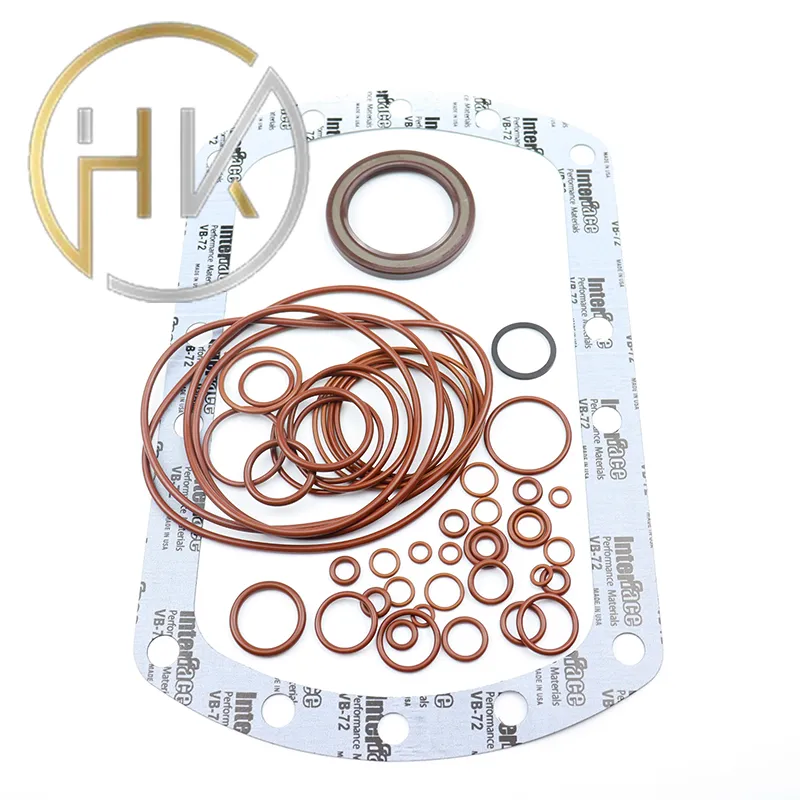
Factory direct sales hydraulic pump motor seal kit A8VO140
-
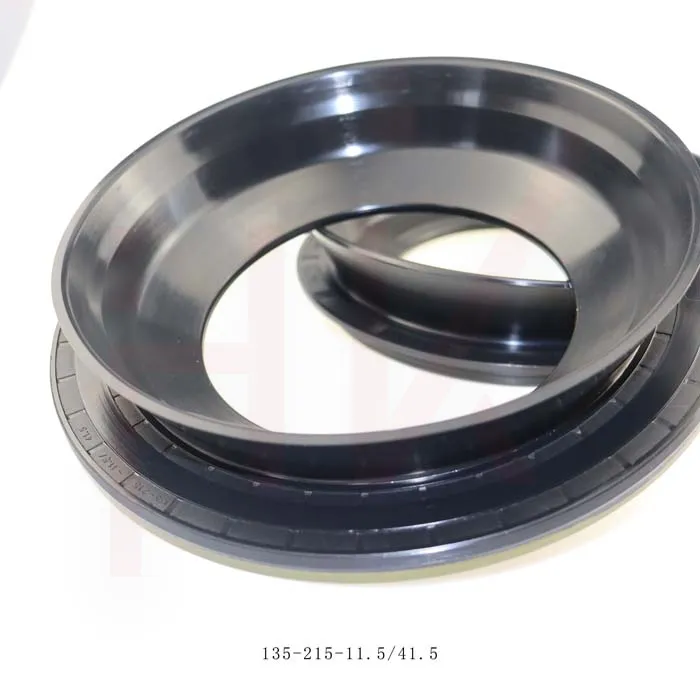
Brand new cement tanker oil seal 135*215*11.5/41.5 concrete mixer oil seal
-
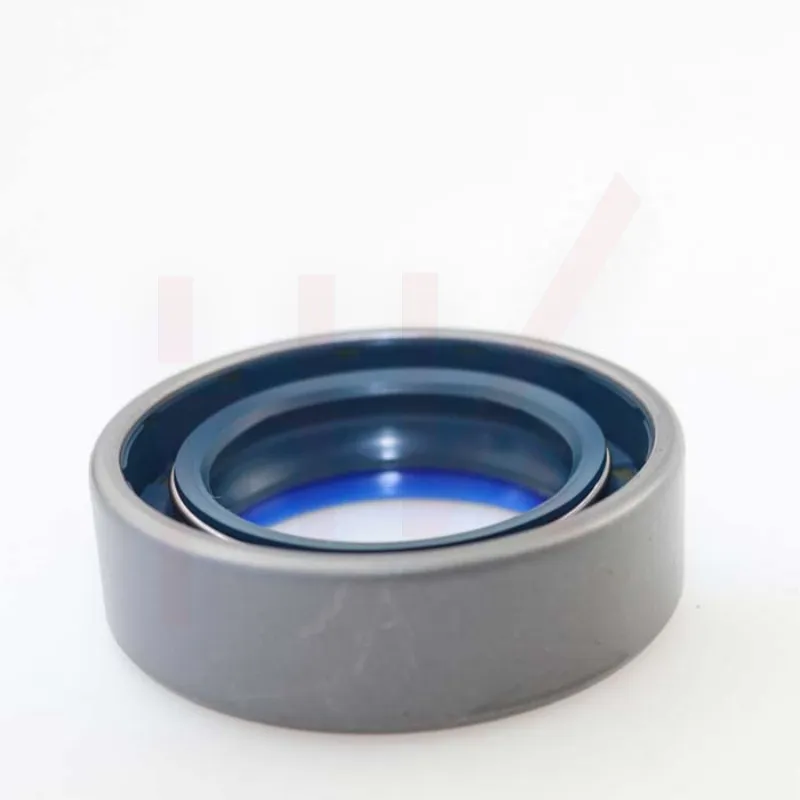
45*65*15 Combi oil seal JCB 90450009 COMBI SF1 SEAL
-
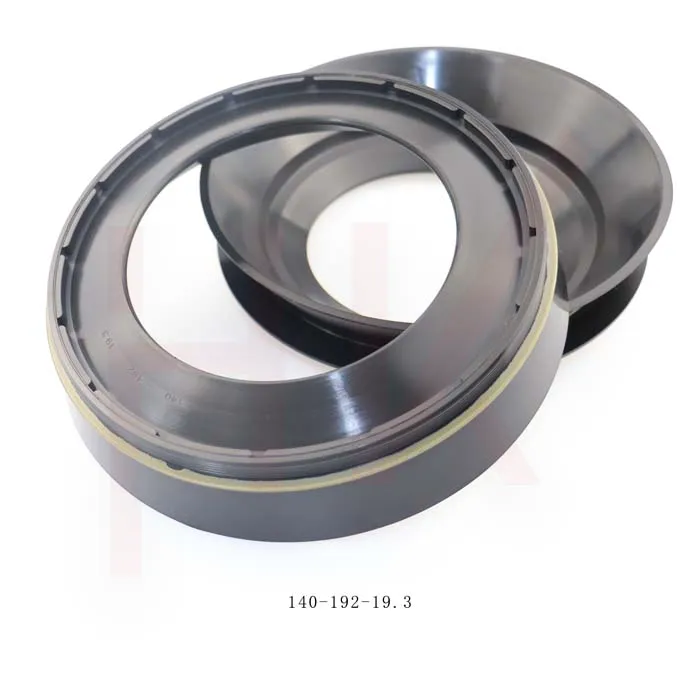
Gear box concrete mixer oil seal 140*192*19.3 nbr reducer oil seal
-
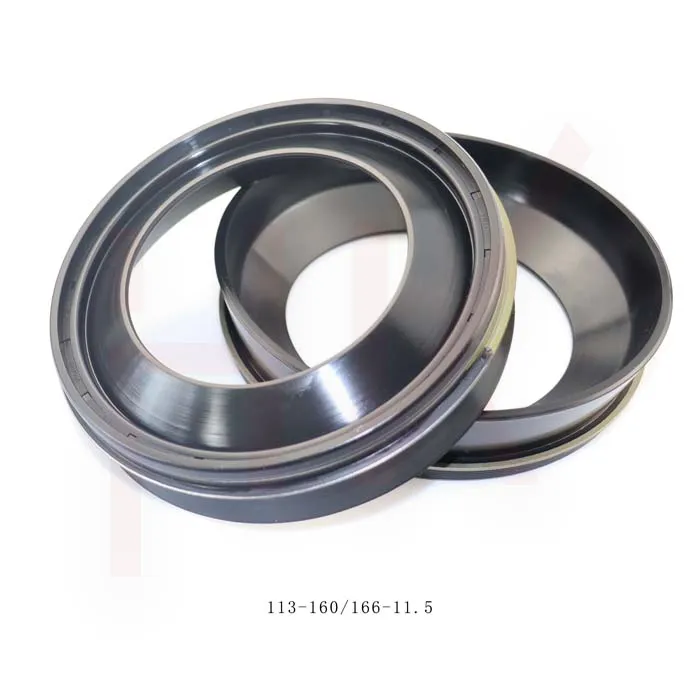
Seals factory direct sales 113*160/166*11.5/38 excavator truck reducer oil seal