
Nov . 26, 2025 16:10 Back to list
Durable Hydraulic Cylinder Seals and Wipers for Reliable Machinery Performance
Hydraulic Cylinder Seals and Wipers: Why They Matter More Than You Think
It’s funny how small components can make a massive difference in heavy machinery performance. Hydraulic cylinder seals and wipers might seem like niche parts, but globally, they’re essential to the reliability and efficiency of countless machines. From massive construction equipment burrowing below ground to agricultural tractors working in remote fields, these components quietly ensure smooth operation and prevent failure.
Understanding the role of hydraulic cylinder seals and wipers isn’t just a technical exercise; it’s about grasping the backbone of industries that drive infrastructure, humanitarian efforts, and green energy advances worldwide. Think about it — when a seal fails, downtime, costly repairs, and sometimes serious safety risks suddenly come into play. So, yes, these little pieces pack a punch.
The World Stage: Why Hydraulic Cylinder Seals and Wipers Are Global Game-Changers
Hydraulics underpin approximately 80% of modern mechanical power transmission systems (Wikipedia). Given this, it's no surprise that components like seals and wipers are crucial for the smooth operation of industries spanning construction, manufacturing, aerospace, and renewable energy sectors.
According to the International Organization for Standardization (ISO), maintenance and reliability issues related to seals account for a significant portion of hydraulic system failures. This directly impacts economic productivity and safety worldwide. For example, in the construction industry alone, unplanned equipment downtime can cost upwards of $15 billion annually (World Bank data extrapolated).
Challenges like contamination control, environmental sealing, and wear resistance are where hydraulic cylinder seals and wipers become the unsung heroes. Without them, machines wear down faster, leak hydraulic fluid (thus hurting the ecosystem), and lose their operational efficiency.
Defining Hydraulic Cylinder Seals and Wipers: What Are We Talking About?
In the simplest terms, hydraulic cylinder seals are specialized elastomer or polymer components that maintain the integrity of hydraulic cylinders. They keep fluids inside pressurized chambers while preventing contaminants like dust and moisture from sneaking in.
Wipers (sometimes called scraper seals), on the other hand, serve as the machine’s first line of defense. They clean the rod’s surface as it retracts into the cylinder — think of them as a windshield wiper blade for hydraulic pistons — ensuring that dirt and debris don’t get dragged inside, which would otherwise damage the internal seals.
Modern hydraulic machines depend on these components for smooth, safe, and long-lasting operation. Whether it's in humanitarian aid equipment designed for rough terrain or in cutting-edge wind turbines on offshore platforms, seals and wipers bridge engineering and real-world demands.
Mini takeaway:
- Hydraulic cylinder seals retain fluid and pressure.
- Wipers keep contaminants out by cleaning the rod.
- Both extend machine life and improve reliability.
Core Components and Key Factors Behind Effective Hydraulic Cylinder Seals and Wipers
1. Material Durability
Materials like polyurethane, nitrile rubber (NBR), and fluorocarbon (FKM) are commonly chosen for their resistance to wear, temperature extremes, and chemical exposure. The right material choice directly impacts how long a seal or wiper lasts under real operational pressures.
2. Precision Design and Fit
Hydraulic cylinders demand extremely tight tolerances. Even the smallest misalignment can cause leaks or premature wear. Advanced CAD design aided by finite element analysis (FEA) helps manufacturers optimize seal profiles for efficiency and longevity.
3. Resistance to Contaminants
Wipers with ribs and lips in their profiles channel debris away, preventing ingress past the seal line. This design element is critical in dusty, muddy environments — imagine agricultural equipment in sub-Saharan Africa or mining drills in South America.
4. Compatibility with Fluids
Hydraulic systems use various fluids, often petroleum-based or synthetic. Seals must resist swelling or degradation caused by these fluids, ensuring consistent performance throughout their service life.
5. Environmental Considerations
Seals and wipers contribute to eco-friendly operations by preventing hydraulic oil leaks that could contaminate soil and groundwater, meeting stricter global regulations on environmental protection.
Mini takeaway:
- Materials influence lifespan and compatibility.
- Design finesse reduces failures.
- Contaminant resistance prolongs machine health.
Hydraulic Cylinder Seals and Wipers in Action: Global Applications
It's remarkable how these parts serve in vastly different settings:
- Construction Equipment: Excavators operating in urban renewal zones depend on high-performance seals to avoid costly downtimes.
- Agriculture: Tractors and harvesters in the American Midwest or Indian plains rely on hardy wipers for daily unforgiving use.
- Humanitarian Relief Efforts: Post-disaster deployments where portable hydraulic tools must function flawlessly to clear rubble and provide emergency support.
- Renewable Energy: Wind turbines use hydraulic pitch control systems where seal reliability directly affects energy output.
Even the aerospace and defense industries lean heavily on advanced sealing technologies to maintain hydraulic system integrity under extreme conditions.
Mini takeaway:
- Part of essential operations in various industries.
- Supports humanitarian and environmental goals.
- Global reach, from farmland to offshore rigs.
Specification Snapshot: Typical Hydraulic Cylinder Seals and Wipers
| Component | Material | Temperature Range | Pressure Rating | Typical Applications |
|---|---|---|---|---|
| Rod Seal | Nitrile rubber (NBR) | -30°C to 100°C | Up to 350 bar | Heavy machinery, automotive |
| Piston Seal | Polyurethane | -20°C to 120°C | Up to 500 bar | Industrial presses, construction |
| Wiper Seal | Polyurethane / Nitrile blend | -40°C to 100°C | N/A (non-pressure) | All outdoor machinery |
Comparing Top Vendors of Hydraulic Cylinder Seals and Wipers
| Vendor | Product Range | Material Innovation | Global Reach | Custom Solutions |
|---|---|---|---|---|
| HKA Seal | Hydraulic seals, wipers, guide rings | Advanced polyurethane blends | International | Tailored designs available |
| SKF | Seals and lubricants | Standard elastomers, eco-friendly options | Global | Limited customization |
| Parker Hannifin | Extensive hydraulic component portfolio | High-performance polymers | Worldwide | Bespoke engineering solutions |
Why Invest in Quality Hydraulic Cylinder Seals and Wipers?
Let’s be blunt: the benefits go beyond simply preventing leaks. Investing in premium quality sealing components pays off with reduced maintenance frequency, lower downtime costs, enhanced operational safety, and — crucially — environmental protection.
There’s something deeply reassuring about knowing your heavy equipment is trusted not to fail in mission-critical moments. Maintenance teams often talk about the “lifesaver effect” when using effective seals — an emotionally charged trust that your machines won’t quit mid-task, especially when lives or livelihoods depend on it.
Future Outlook: Innovations and Sustainability in Sealing Technology
Looking ahead, the industry is buzzing with exciting changes. Material science advancements mean seals are becoming more durable, adaptable to extreme temperatures, and eco-friendly, using biodegradable elastomers or low-friction coatings.
Automation and IoT integration promise predictive maintenance — seal condition sensors can alert operators before a failure occurs. This digital transformation aligns perfectly with Industry 4.0’s drive for smarter, cleaner, and more efficient hydraulic systems.
Green energy projects, especially offshore wind farms, demand seals that resist corrosion and long-term wear without environmental trade-offs, pushing manufacturers to innovate continuously.
Common Challenges and How Experts Tackle Them
Despite best efforts, hydraulic cylinder seals and wipers face hurdles like contamination ingress, premature wear due to improper installation, and incompatibility with certain fluids. Experts now emphasize comprehensive training for field technicians, improved quality control, and iterative design improvements informed by real-world feedback.
Some manufacturers also recommend using composite sealing systems — combining multiple sealing elements — for enhanced reliability. Many engineers swear by rigorous testing under simulated harsh conditions during development phases, ensuring products hold up once in action.
FAQs About Hydraulic Cylinder Seals and Wipers
- How often should hydraulic cylinder seals and wipers be inspected or replaced?
- Inspection frequency depends on operating conditions but typically every 6 to 12 months. Frequent inspections catch wear early, preventing costly failures. Replacement intervals vary but often occur every 2 to 5 years under normal usage.
- Can seals and wipers be customized for extreme environments?
- Absolutely. Many vendors offer custom materials and designs tailored for extreme temperatures, aggressive fluids, or high-pressure applications. It’s best to consult with the manufacturer for specific requirements.
- What happens if a wiper seal fails?
- A failed wiper allows contaminants to enter the cylinder, which can damage internal seals and surfaces, leading to leaks and hydraulic failure. This often results in increased downtime and maintenance costs.
- Are there environmentally friendly hydraulic cylinder seals?
- Yes, the industry is moving toward bio-based elastomers and low-friction coatings that reduce energy consumption and environmental impact, aligning with sustainability goals.
Final Thoughts: Why Hydraulic Cylinder Seals and Wipers Pay Off for the Long Haul
In the vast and sometimes unpredictable world of hydraulics, these small but mighty components ensure everything runs as it should — quietly, efficiently, and sustainably. For anyone reliant on hydraulic machinery, understanding and investing in quality seals and wipers isn’t just smart; it’s essential.
For the best in hydraulic cylinder seals and wipers, consider partnering with experienced manufacturers who marry technical innovation with practical reliability.
Stay ahead. Protect your equipment. Trust the seal.
References:
-
Guide to Choosing the Right High Quality hydraulic ram kit
NewsApr.16,2026
-
Premium Hydraulic Cylinder Packing Kits for Peak Performance
NewsApr.09,2026
-
Comprehensive Guide to Hydraulic Cylinder Oil Seal Kits for Optimal Performance
NewsApr.07,2026
-
Comprehensive Guide to Choosing the Right Cylinder Seal Kits for Peak Performance
NewsApr.04,2026
-
Comprehensive Guide to Seal Kits for Cylinders Ensuring Optimal Performance
NewsMar.31,2026
-
Comprehensive Guide to Hyd Cylinder Seals for Optimal Hydraulic System Performance
NewsMar.28,2026
-
Comprehensive Guide to Hyd Cylinder Seal Kit Selection and Installation
NewsMar.26,2026
Products categories
-
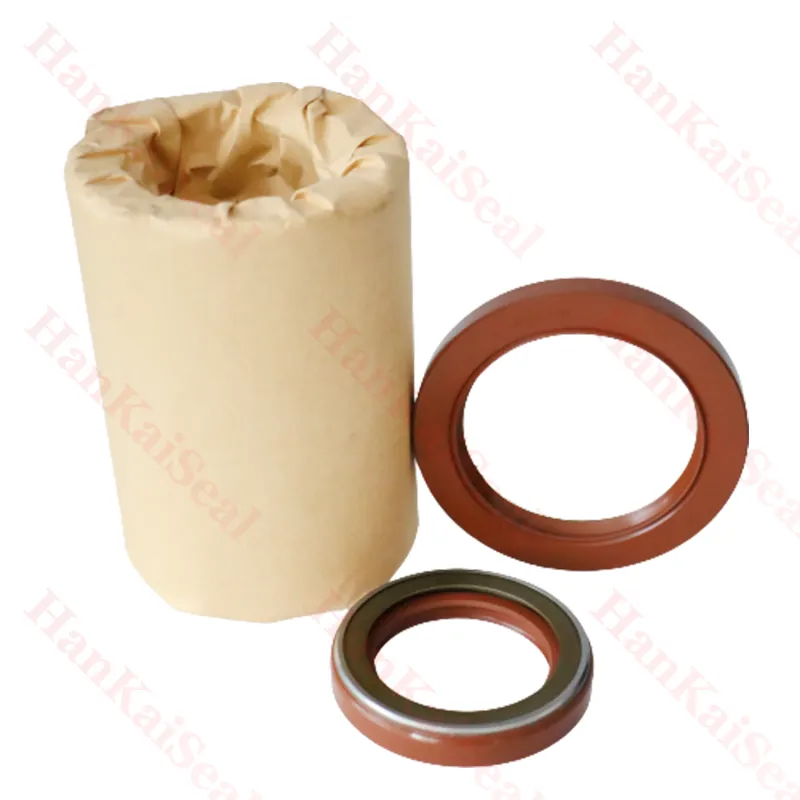
Standard oil seal BP0494 High pressure TCN oil seal
-
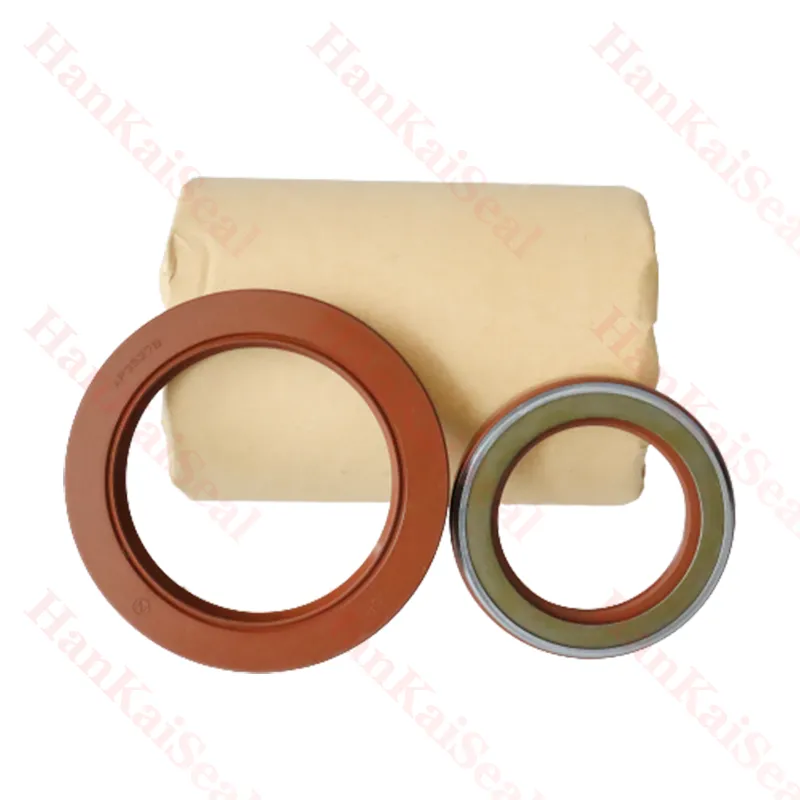
Hydraulic pump seal AP4624G high pressure TCN oil seal
-
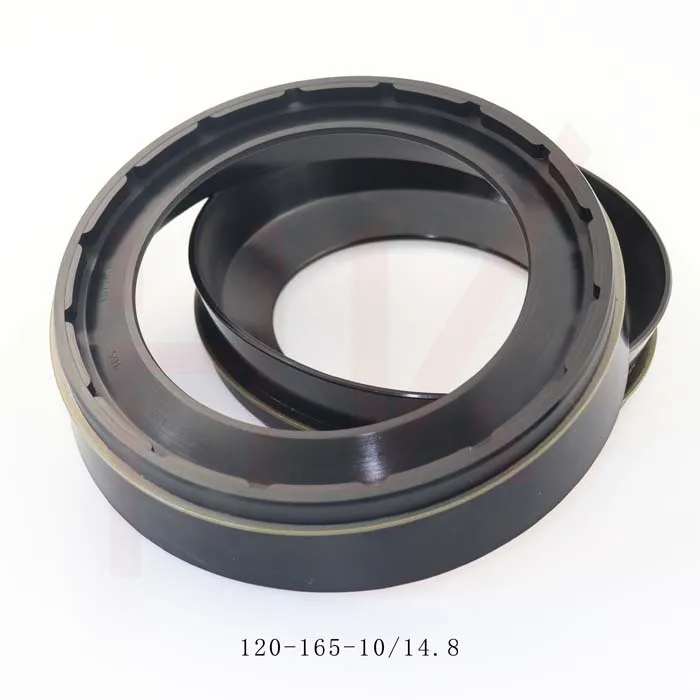
0734307418 0750112169 120*165*10/14.8 concrete mixer reducer oil seal
-
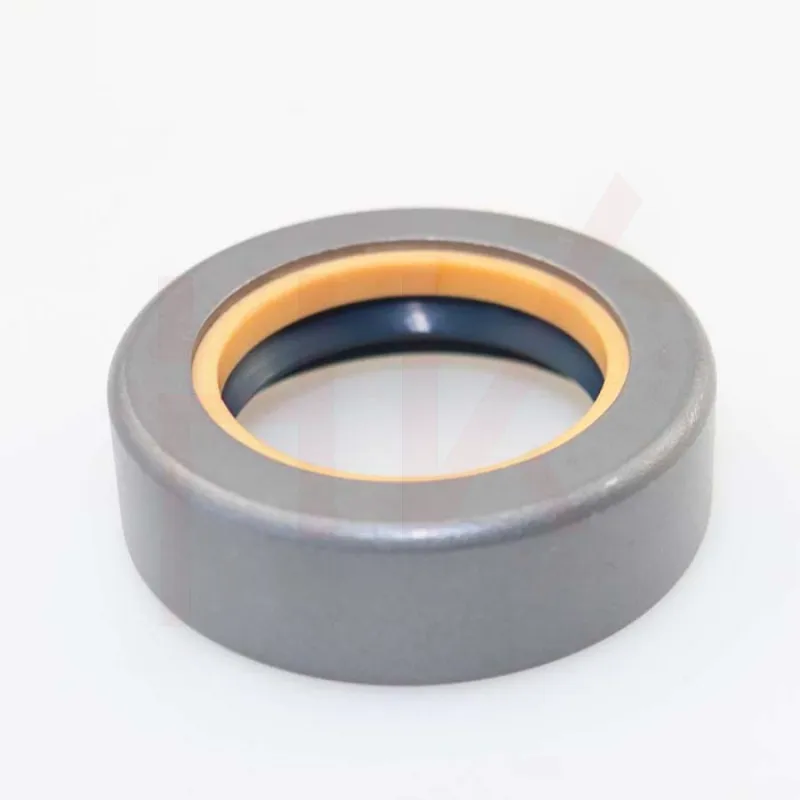
35*52*16 Standard Wheel Hub Oil Seal For Agricultural Machinery
-
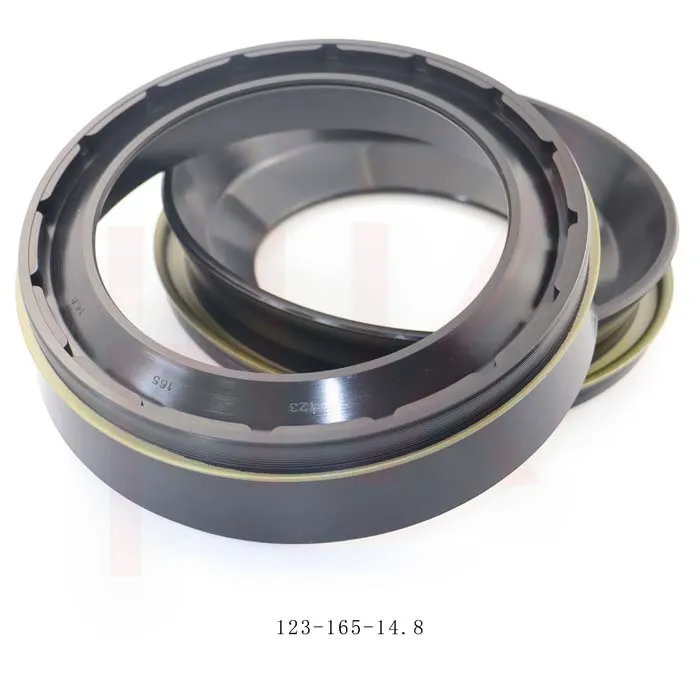
123*165*14.8 concrete mixer truck reducer oil seal
-
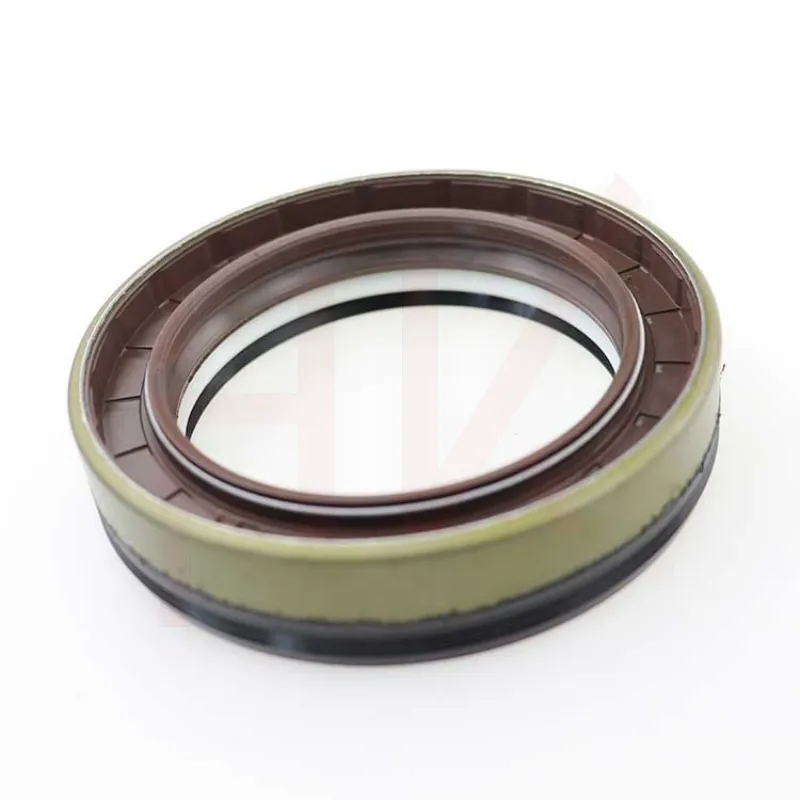
Tractor shaft oil seal 65-90-20 COMBI SF19 hub oil seal
-
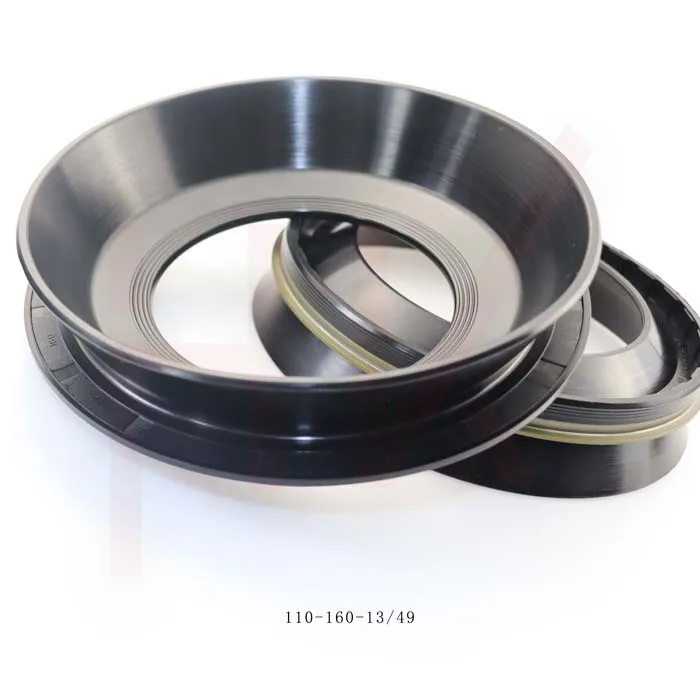
110*160*13/49 NBR reducerConcrete mixer truck oil seal
-
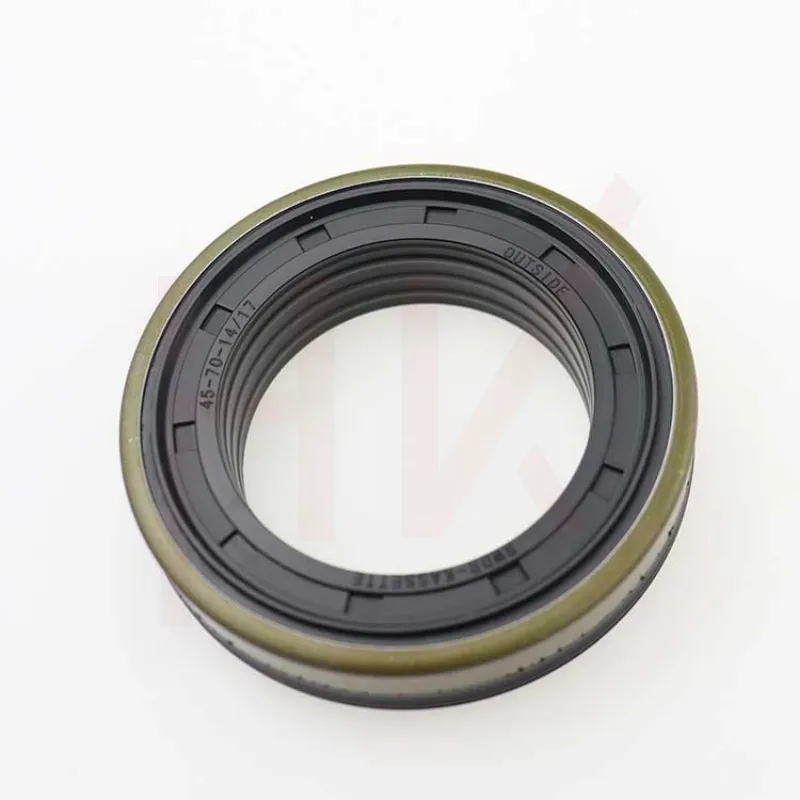
Hub oil seal 40*65*13/14.5 suitable for tractor Cat 12018035b
-
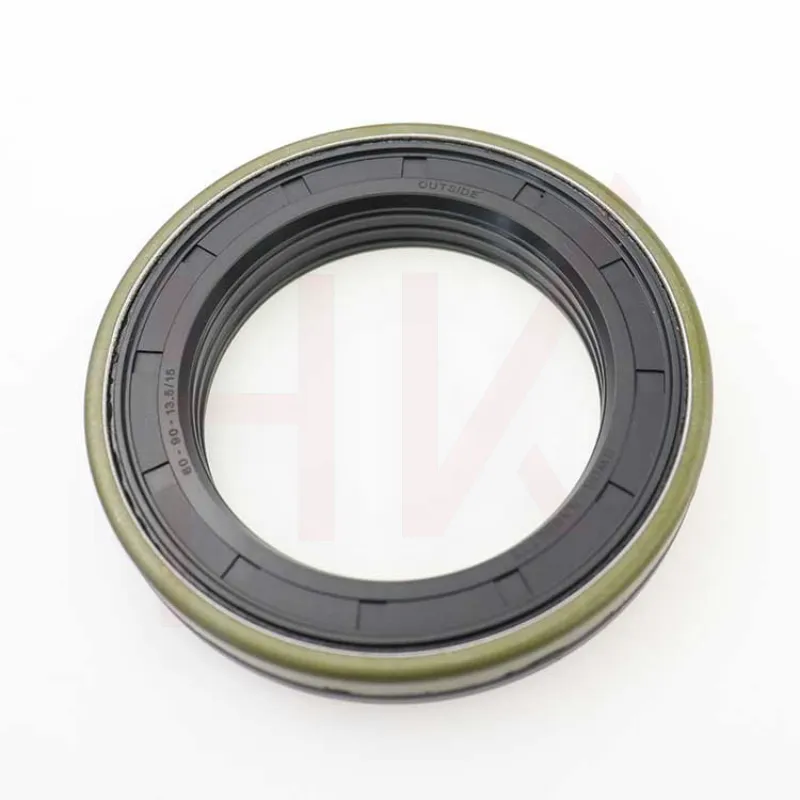
Tractor accessories cassette oil seal hub oil seal 60-90-13.5/15
-
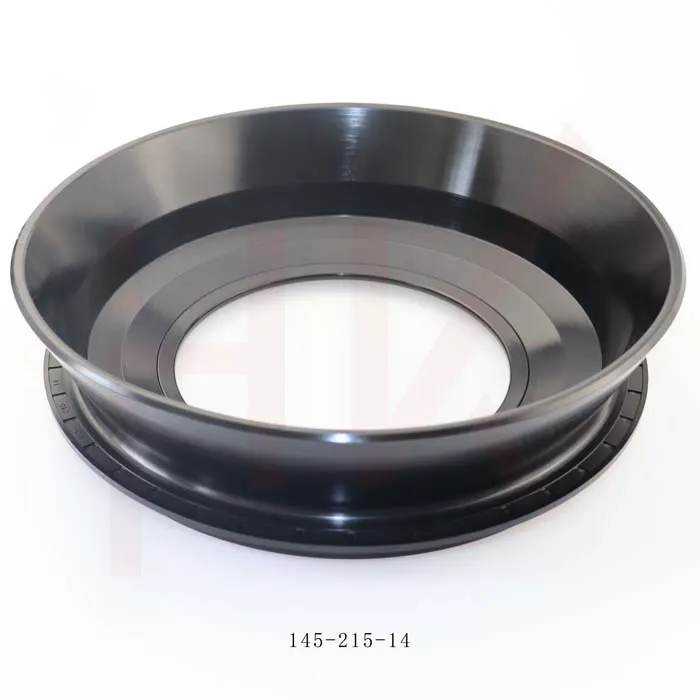
Factory concrete mixer truck oil seal 145*215*14 reducer gearbox oil seal
-
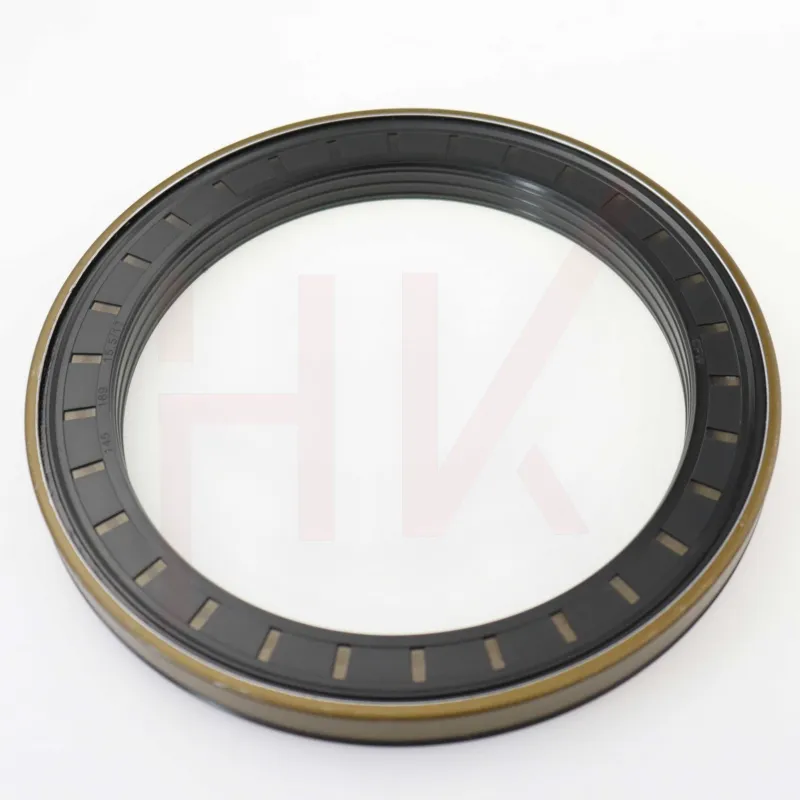
145*189*15.5/17 Cassette Seal NBR Hub Oil Seal 1508044
-
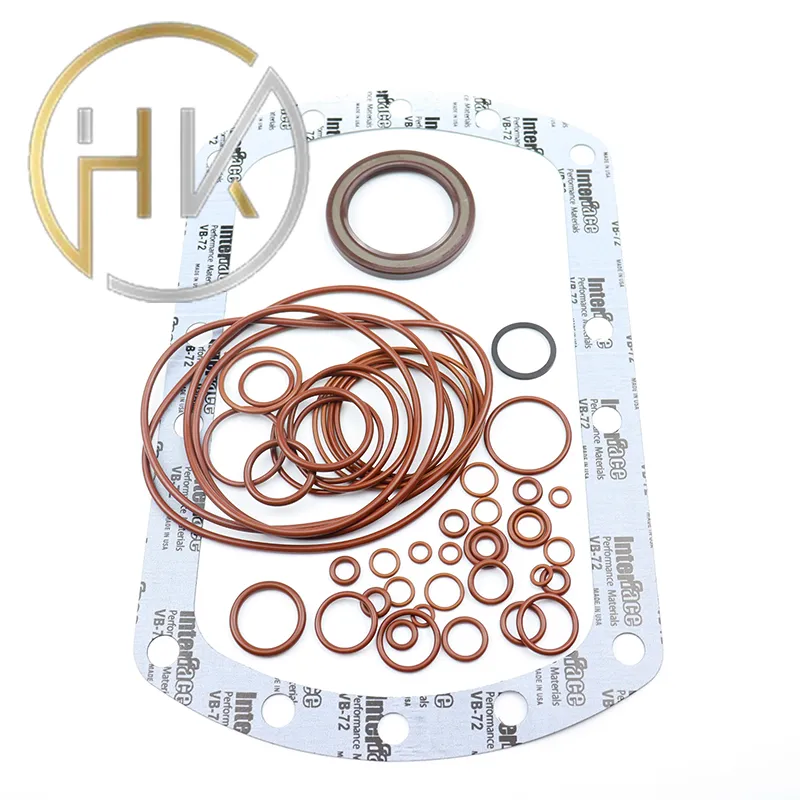
Factory direct sales hydraulic pump motor seal kit A8VO140
-
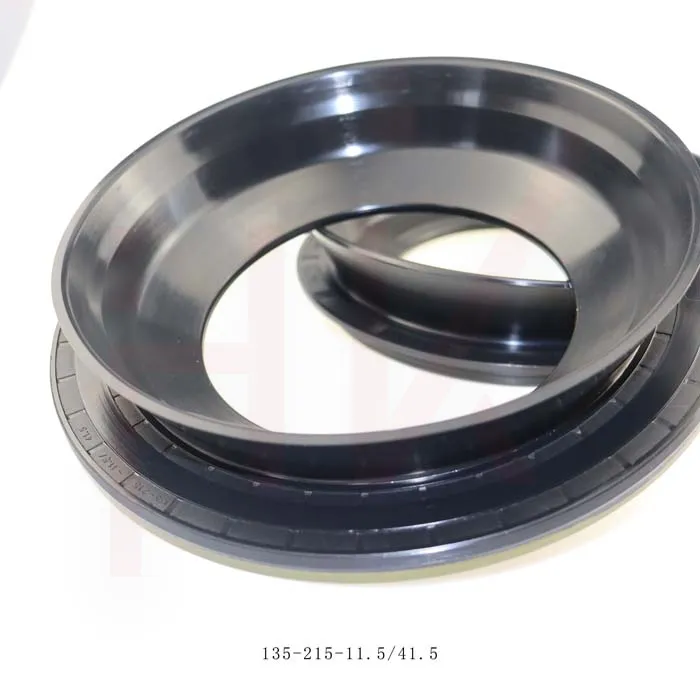
Brand new cement tanker oil seal 135*215*11.5/41.5 concrete mixer oil seal
-
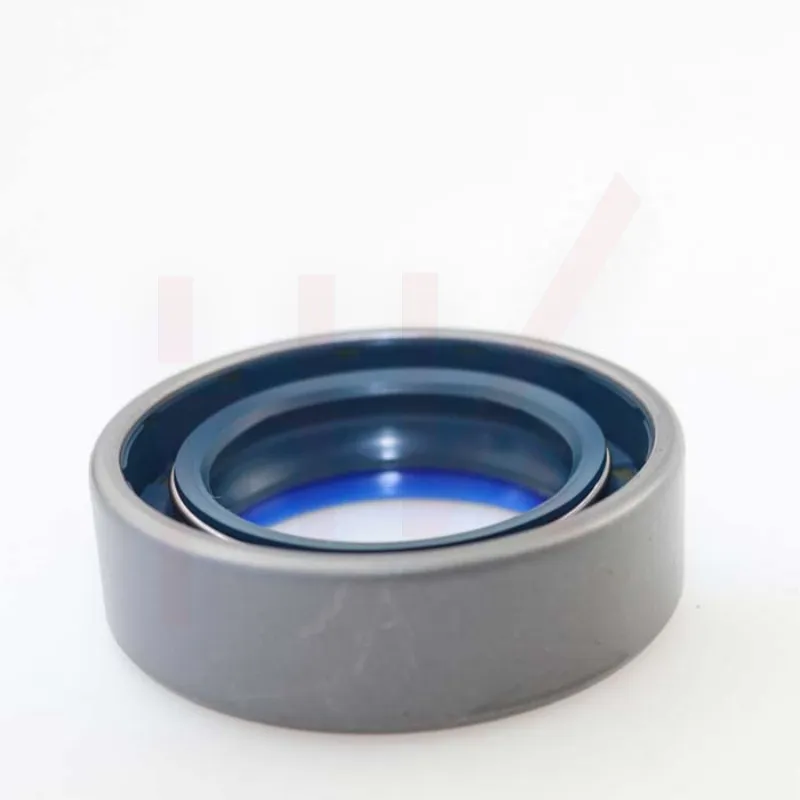
45*65*15 Combi oil seal JCB 90450009 COMBI SF1 SEAL
-
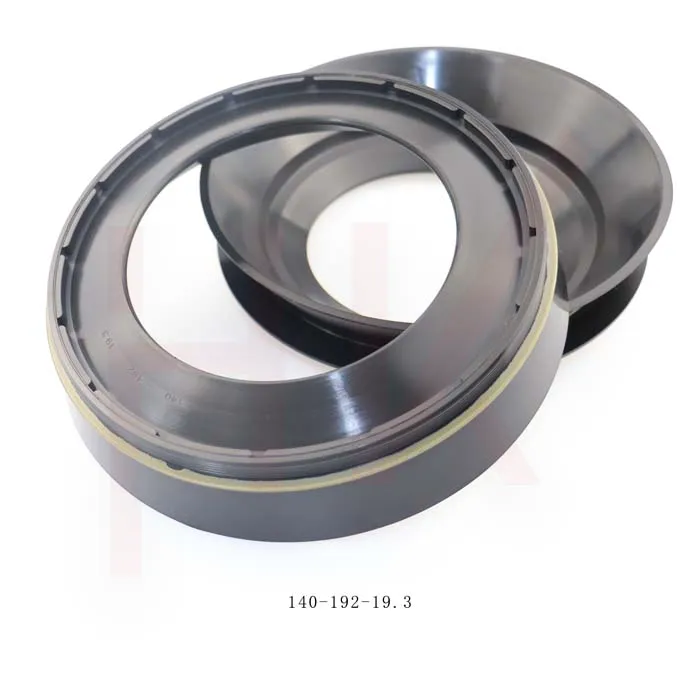
Gear box concrete mixer oil seal 140*192*19.3 nbr reducer oil seal
-
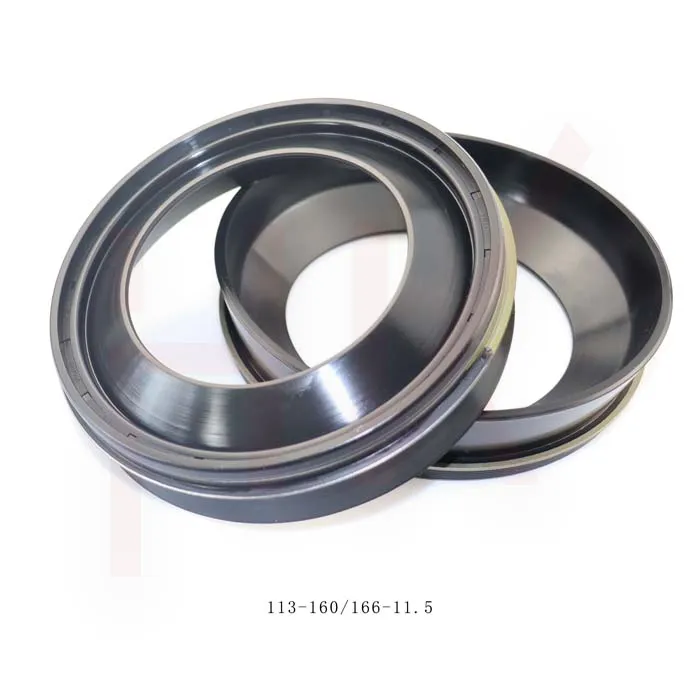
Seals factory direct sales 113*160/166*11.5/38 excavator truck reducer oil seal