
Nov . 26, 2025 13:20 Back to list
Felt Wiper Seals – Durable Contamination Protection for Industrial & Humanitarian Use
Felt Wiper Seals: The Unsung Heroes of Industrial and Environmental Protection
Felt wiper seals might sound like niche, technical jargon — and frankly, they are — but the truth is, understanding these humble components can unlock huge benefits across industries globally. Whether it’s keeping machinery clean in remote mining operations or protecting delicate hydraulic parts in humanitarian aid equipment, these seals quietly protect systems from harmful debris and wear. Their role — though often overlooked — touches everything from environmental safety to cost efficiency. So, let’s pull back the curtain and see why felt wiper seals matter now more than ever.
Why the World Needs Felt Wiper Seals: A Global Perspective
Here’s a surprising data point: ISO estimates that over 30% of machine failures stem from contamination like dust and dirt getting into mechanical systems. Combine that with the fact that industries worldwide are pushing for longer equipment lifespans and lower maintenance costs, and you see the perfect storm that felt wiper seals help weather. These seals help meet global challenges in industries ranging from construction and automotive to humanitarian aid, especially in harsh conditions that might be dusty, wet, or chemically aggressive.
Without reliable seals to keep contaminants out, downtime can balloon, replacement parts get expensive quick, and environmental hazards increase. Felt wiper seals provide a simple, elegant shield that embraces the rough conditions of many settings, whether it’s a remote mine in Australia or a relief camp in sub-Saharan Africa.
Mini takeaway: Felt wiper seals address a universal industrial pain point — contamination — helping extend machinery life and improve operational reliability worldwide.What Exactly Are Felt Wiper Seals?
At their simplest, felt wiper seals are components made of dense, compressed felt material designed to literally “wipe” contamination off moving parts. Imagine the fuzzy edge of a felt pad gently brushing away dirt and grit as a shaft rotates. These seals are placed in mechanical assemblies — like hydraulic cylinders or conveyor rollers — where they act as the first line of defense against particles that can cause friction, corrosion, or outright failure.
Though their design sounds straightforward, these seals hold critical importance in modern industrial and humanitarian equipment, reducing downtime and protecting sensitive components. For example, relief organizations deploying water pumps or mobile shelters in disaster zones often rely on these seals to ensure equipment keeps running smoothly in dusty conditions.
Key Components of Felt Wiper Seals
- Durability: High-quality felt is engineered to resist wear and tear, extending the seal’s active life even in abrasive environments.
- Absorption and Filtration: Felt’s porous structure traps fine particles, preventing them from entering machinery.
- Flexibility: Unlike rigid seals, felt contours easily to irregular or moving surfaces, maintaining contact without excessive pressure.
- Cost Efficiency: Felt wiper seals often cost less than synthetic alternatives, making them attractive for large-scale or budget-sensitive projects.
- Environmental Compatibility: Many felt seals are biodegradable or recyclable, aligning with sustainability directives like ISO 14001.
Global Uses and Real-World Examples
Oddly enough, despite their simple nature, felt wiper seals are everywhere, across vastly different industries and regions:
- Manufacturing hubs in East Asia rely on felt wipers in automated assembly lines where dust and metal shavings are constant nuisances.
- Mining operations in South America use these seals in excavators and conveyors, where grit and mud can rapidly degrade machinery.
- Humanitarian logistics in Africa and South Asia count on felt wiper seals to maintain water pumps, generators, and mobile equipment used in emergency relief efforts.
- Agricultural sectors in Europe and North America deploy felt seals in tractors and implements, protecting equipment from soil and crop debris.
Consider a relief organization shipping modular water filtration units to flood zones. Without felt wiper seals, sand and waterborne debris can clog pipes and damage valves. Instead, these seals keep contaminants at bay, ensuring water flows clean and uninterrupted to communities in desperate need.
Advantages & Long-Term Value of Felt Wiper Seals
Here are a few big-picture benefits that make felt wiper seals an industry favorite:
- Lower Operating Costs: By reducing wear on moving parts, felt seals decrease the frequency of costly repairs or replacements.
- Environmental Impact: Their biodegradability and simple manufacturing processes lead to a smaller ecological footprint, valuable given increasingly strict environmental standards.
- Increased Machine Lifespan: Continual protection against contamination keeps equipment performing longer, reducing downtime and waste.
- User Confidence: Whether it’s factory engineers or frontline aid workers, reliable seals engender trust in equipment performance under tough conditions.
Frankly, it’s refreshing to see a low-tech solution that can produce such tangible, long-term results — especially when so many industrial challenges get caught up in high-tech hype.
Product Specifications: Typical Felt Wiper Seals at a Glance
| Specification | Value | Notes |
|---|---|---|
| Material | 100% Wool Felt | Natural, biodegradable |
| Thickness | 3–10 mm | Customizable by application |
| Operating Temperature | -40°C to +120°C | Suitable for outdoor and industrial use |
| Durability (Cycles) | >500,000 | Depends on environment and maintenance |
| Environmental Standards | ISO 14001 Compliant | Adheres to eco-friendly manufacturing |
Comparing Felt Wiper Seal Vendors: What to Look For
| Vendor | Material Quality | Customization Options | Lead Time | Sustainability Certifications |
|---|---|---|---|---|
| Hkaiseal | Premium 100% Wool Felt | Full range, custom sizes & thickness | 2-4 weeks | ISO 14001, REACH |
| GlobalSeal Co. | Mixed Wool & Synthetic Blend | Limited customization | 4-6 weeks | ISO 9001 only |
| EcoSeal Ltd. | 100% Recycled Felt | Medium range | 3-5 weeks | ISO 14001, FSC Certified |
Innovations on the Horizon
Technology marches on, and even felt wiper seals are evolving. Many suppliers are experimenting with nanofiber-infused felts that boost filtration without sacrificing flexibility. Others are combining natural fibers with water-resistant coatings, aimed at expanding applications to marine or high-humidity environments. And amid the green energy push, biodegradable and zero-waste production methods are under heavy development to meet tougher environmental regulations.
Digital transformation also brings smart sensors integrated with seals, enabling real-time monitoring of wear and contamination levels — meaning maintenance can shift from reactive to predictive, a huge leap in operational efficiency.
Challenges and Forward Steps
Even the best felt wiper seals face durability limits under extreme conditions such as heavy chemical exposure or very high-speed operations. Sometimes, they have to be combined with other seal types or regularly replaced to maintain peak performance. The key is smart design — factoring in environment, machinery specifics, and maintenance cycles.
Suppliers increasingly work closely with end-users to customize felt density, thickness, and treatments — a collaborative approach that maximizes effectiveness and durability.
FAQs: What Do People Ask About Felt Wiper Seals?
Q1: How often should felt wiper seals be replaced in industrial machines?
A: Replacement frequency depends on operating conditions but generally ranges from 12 to 24 months under normal industrial use. High abrasion or dusty environments may require more frequent changes to maintain optimal protection.
Q2: Can felt wiper seals handle wet or oily conditions?
A: Yes, though felt is naturally absorbent, special oil-resistant treatments and blends are available for seals operating in wet or lubricated environments to prevent degradation and maintain sealing efficiency.
Q3: Are felt wiper seals customizable for different shaft sizes and speeds?
A: Absolutely. Manufacturers typically offer custom sizing, thickness, and density options so the seals can fit unique machinery needs, balancing protection with minimal friction.
Q4: How do felt wiper seals compare environmentally to synthetic seals?
A: Felt seals, particularly those made from natural wool, are more eco-friendly since they biodegrade and can be produced sustainably, unlike many synthetic materials derived from plastics.
Final Thoughts on Felt Wiper Seals
Thinking about felt wiper seals might not make for the most glamorous topic at your next industry mixer, but their worldwide impact is hard to ignore. By keeping machinery clean and running longer, they save money, reduce waste, and even help deliver water and energy where it’s needed most — including in disaster zones and remote communities. If you want to explore high-quality felt wiper seals or need customized solutions for your industry, visit our website: felt wiper seals.
Next time you see a piece of dusty equipment keep humming along, you might consider the quiet, fuzzy strip silently doing its job behind the scenes.
References
-
Premium Hydraulic Cylinder Packing Kits for Peak Performance
NewsApr.09,2026
-
Comprehensive Guide to Hydraulic Cylinder Oil Seal Kits for Optimal Performance
NewsApr.07,2026
-
Comprehensive Guide to Choosing the Right Cylinder Seal Kits for Peak Performance
NewsApr.04,2026
-
Comprehensive Guide to Seal Kits for Cylinders Ensuring Optimal Performance
NewsMar.31,2026
-
Comprehensive Guide to Hyd Cylinder Seals for Optimal Hydraulic System Performance
NewsMar.28,2026
-
Comprehensive Guide to Hyd Cylinder Seal Kit Selection and Installation
NewsMar.26,2026
-
Comprehensive Guide to Hydraulic Cylinder Seal Kits for Optimal Performance
NewsMar.24,2026
Products categories
-
Standard oil seal BP0494 High pressure TCN oil seal
-
Hydraulic pump seal AP4624G high pressure TCN oil seal
-
0734307418 0750112169 120*165*10/14.8 concrete mixer reducer oil seal
-
35*52*16 Standard Wheel Hub Oil Seal For Agricultural Machinery
-
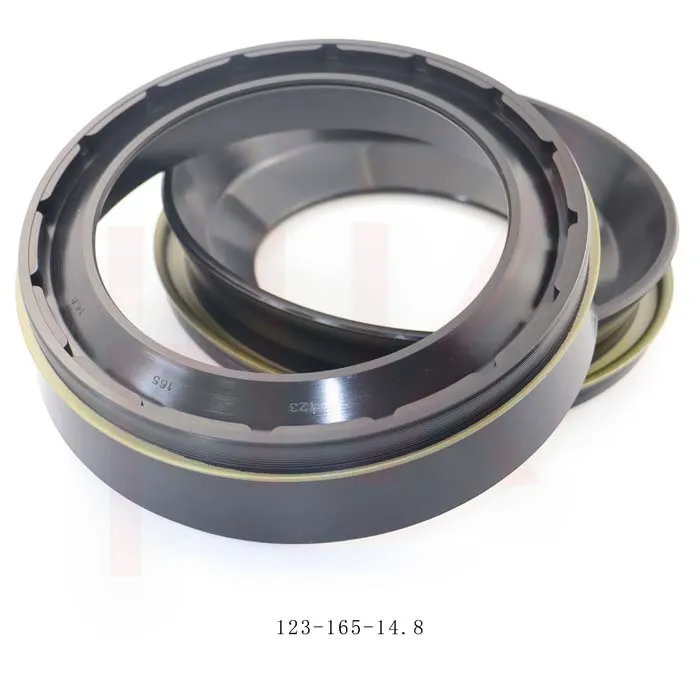
123*165*14.8 concrete mixer truck reducer oil seal
-
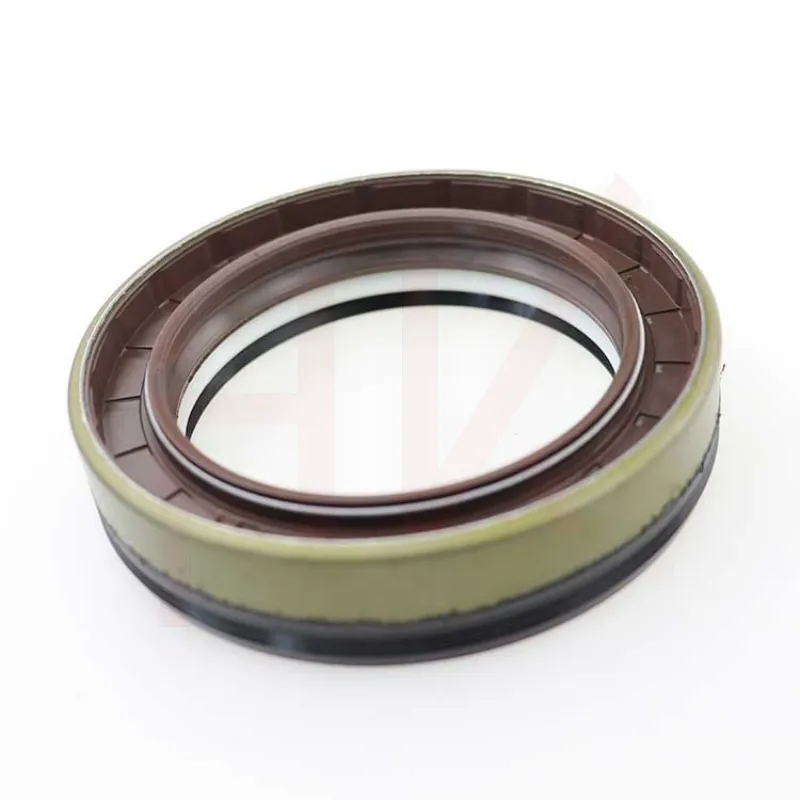
Tractor shaft oil seal 65-90-20 COMBI SF19 hub oil seal
-
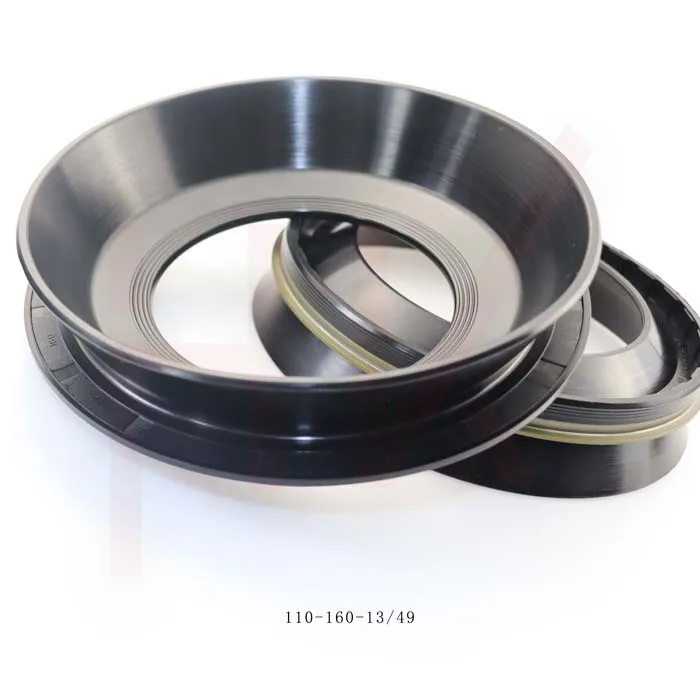
110*160*13/49 NBR reducerConcrete mixer truck oil seal
-
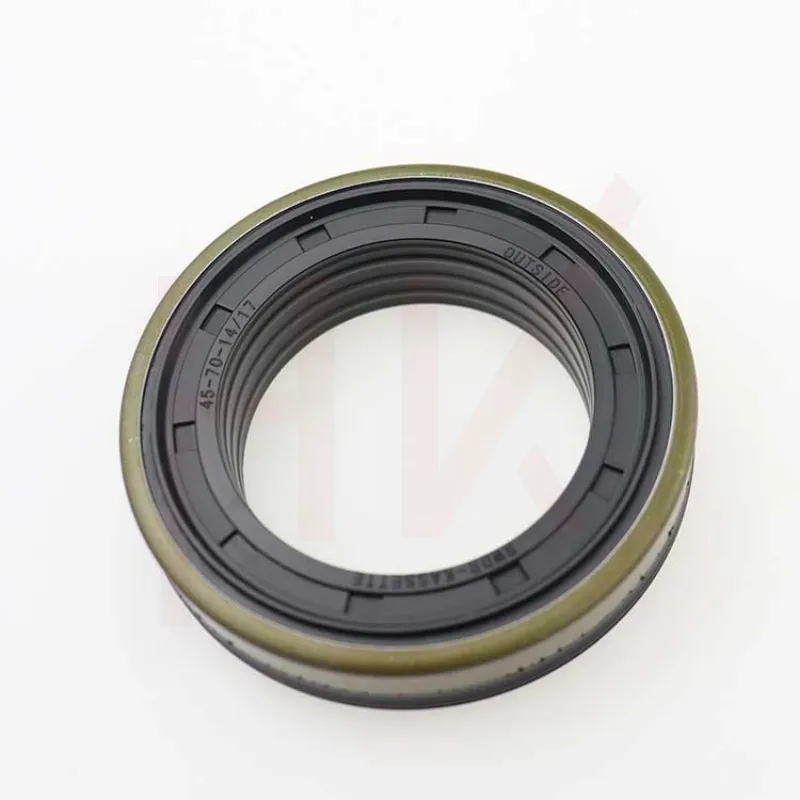
Hub oil seal 40*65*13/14.5 suitable for tractor Cat 12018035b
-
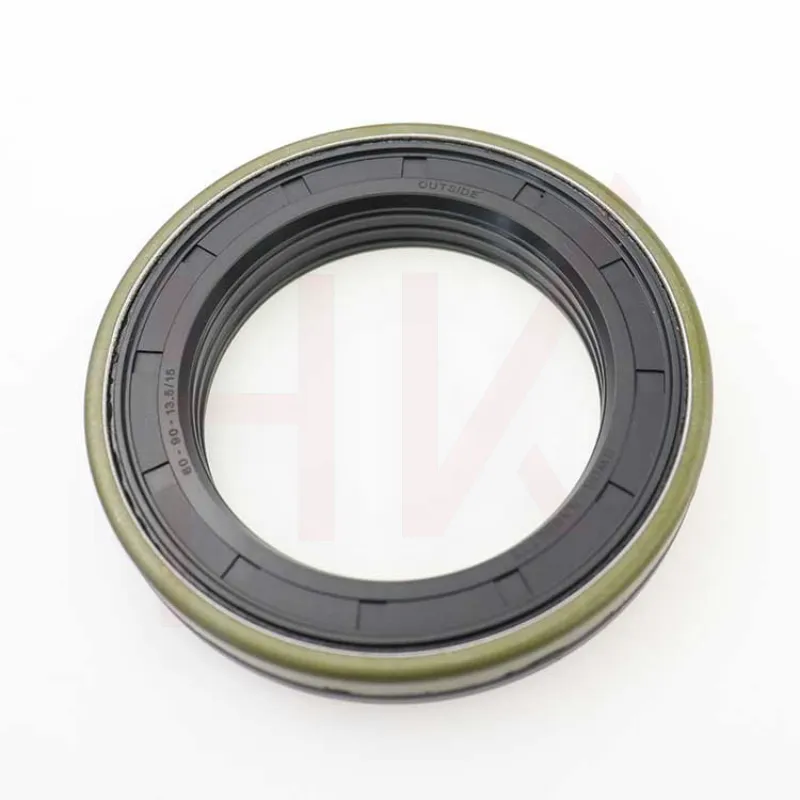
Tractor accessories cassette oil seal hub oil seal 60-90-13.5/15
-
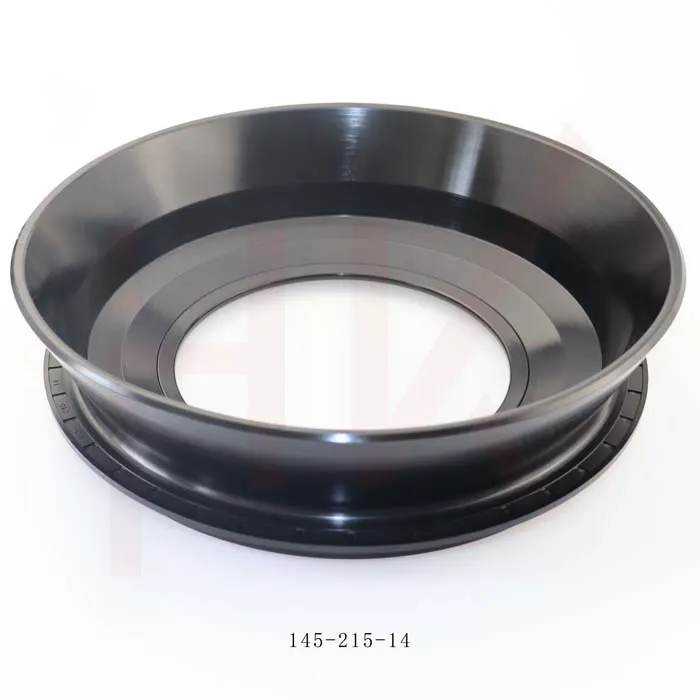
Factory concrete mixer truck oil seal 145*215*14 reducer gearbox oil seal
-
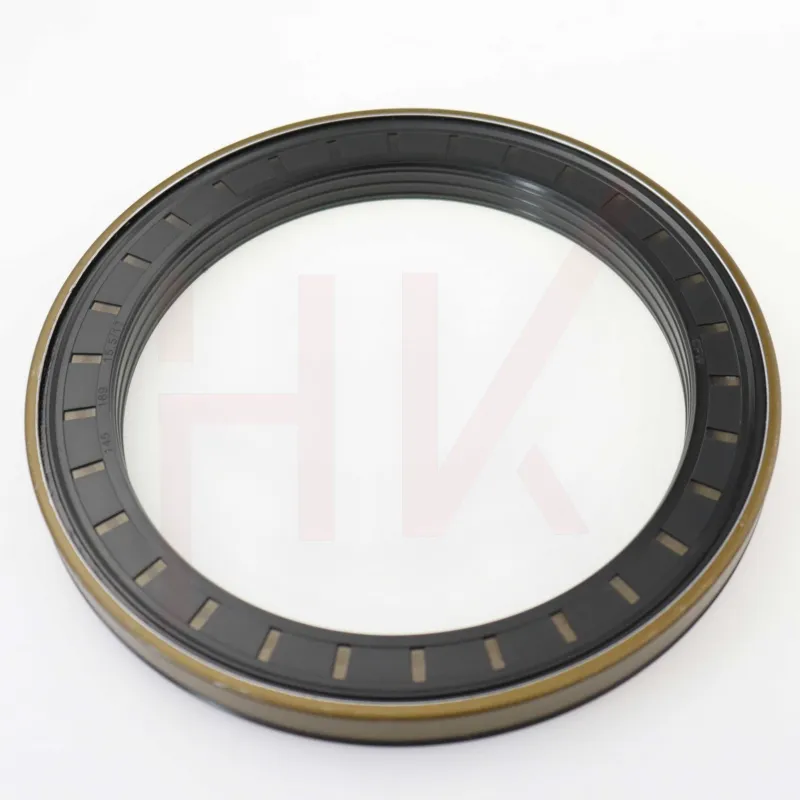
145*189*15.5/17 Cassette Seal NBR Hub Oil Seal 1508044
-
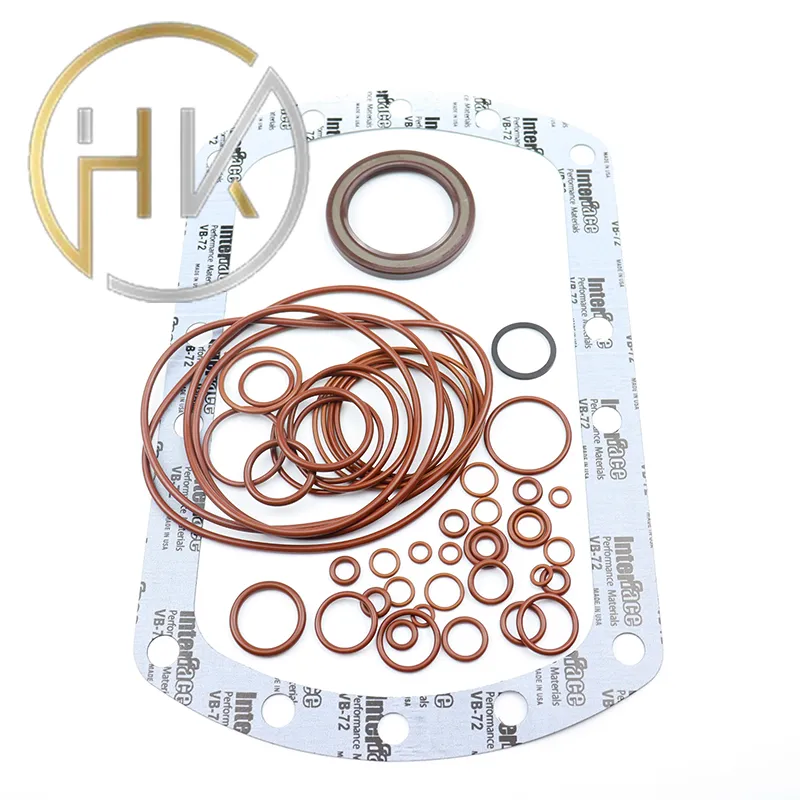
Factory direct sales hydraulic pump motor seal kit A8VO140
-
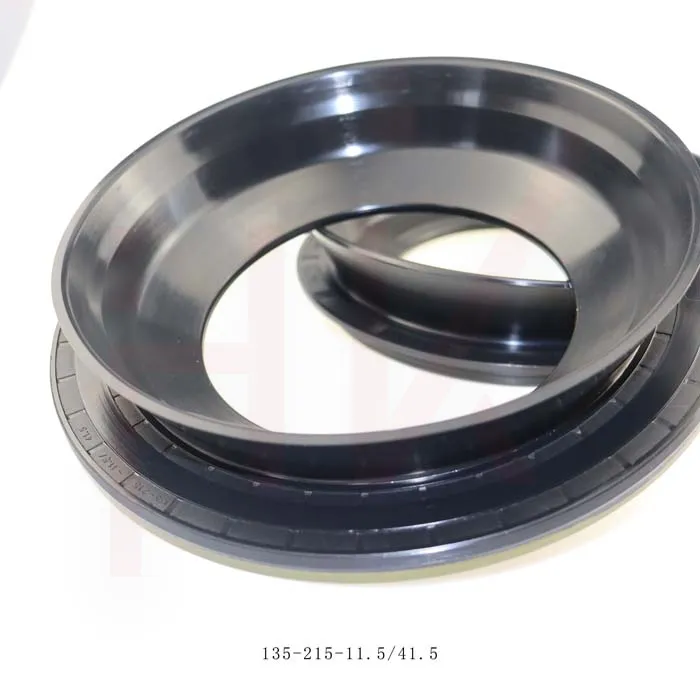
Brand new cement tanker oil seal 135*215*11.5/41.5 concrete mixer oil seal
-
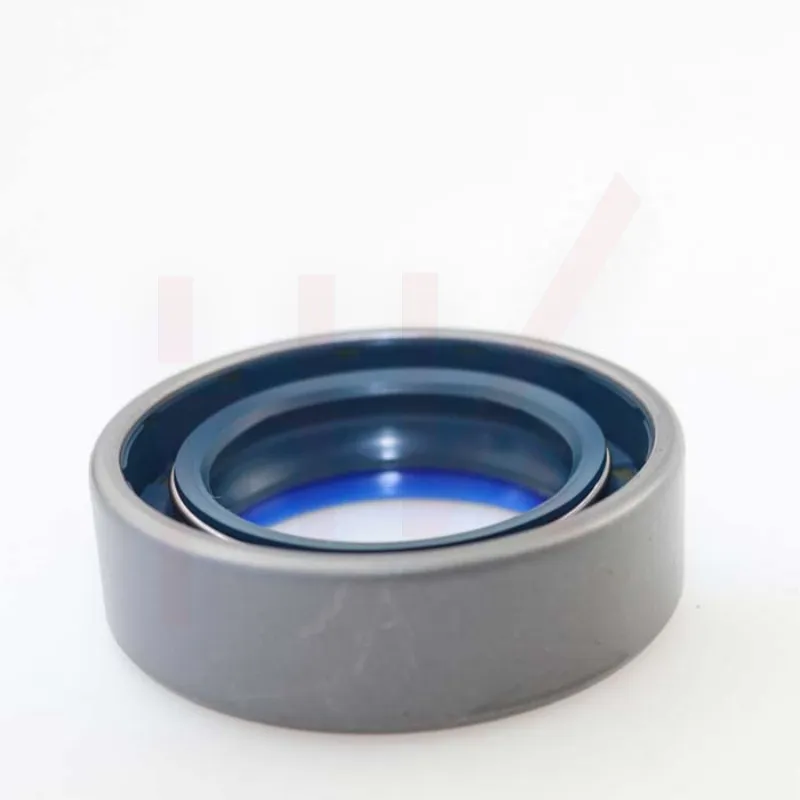
45*65*15 Combi oil seal JCB 90450009 COMBI SF1 SEAL
-
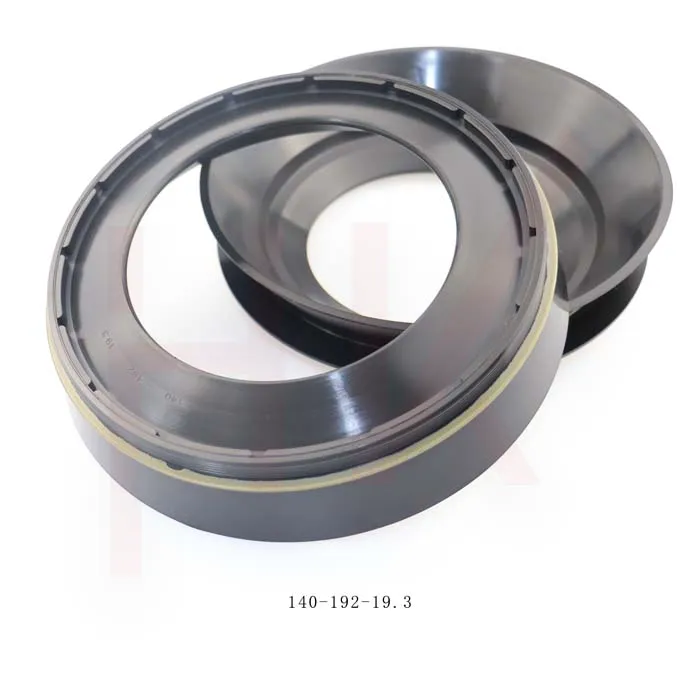
Gear box concrete mixer oil seal 140*192*19.3 nbr reducer oil seal
-
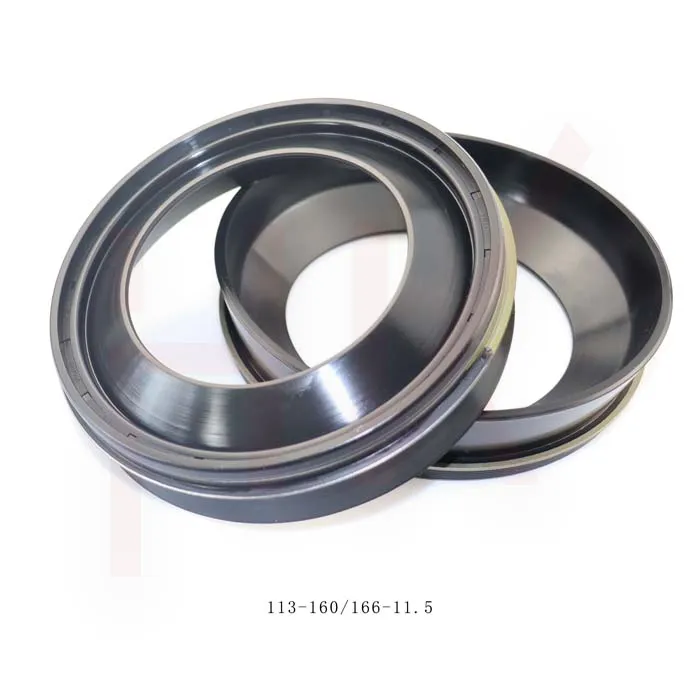
Seals factory direct sales 113*160/166*11.5/38 excavator truck reducer oil seal