
Nov . 26, 2025 10:00 Back to list
High-Quality Double Wiper Seals | Durable Hydraulic & Pneumatic Solutions
Understanding Double Wiper Seals: What They Are and Why They Matter Globally
If you’re in mechanical engineering or industrial design, you might have bumped into the term double wiper seal — yet still wondered, “What exactly makes it special?” At first glance, it’s just one of those technical components hiding in plain sight inside hydraulic cylinders or pneumatic systems. But, when you consider how it prevents dirt and contaminants from wreaking havoc on expensive machinery — especially in harsh environments — its importance suddenly becomes clear. On a global scale, the use of reliable sealing technologies like double wiper seals improves equipment longevity, reduces downtime, and contributes to sustainability by limiting waste and unnecessary maintenance. Given the sheer volume of hydraulic equipment powering industries from construction to agriculture, understanding these seals results in smarter design choices and safer operations worldwide. It’s not just about a little rubber ring; it’s about trust and durability that drive entire industries forward.Global Context: Why Double Wiper Seals Are Essential in Today’s Industrial Landscape
Here’s a little perspective. According to ISO standards pertaining to hydraulic equipment, about 70% of hydraulic system failures trace back to poor sealing and contamination ingress. The UN Environment Programme also highlights contamination as a major cause of premature industrial equipment failure, which leads to wasted resources and higher carbon footprints globally. Simply put, dirt and moisture sneaking into cylinders can cost manufacturers millions each year. That’s where the double wiper seal shines — it’s engineered to face the harshest conditions, from arid deserts to muddy tropical sites, protecting systems that keep economies moving. Industrial growth in Asia and emerging markets demands cost-efficient maintenance solutions; double wiper seals, by safeguarding machinery, answer this call. So what’s the actual problem that people installing these seals hope to solve? Dirt infiltration, rod corrosion, and lubricant loss. These might seem like mundane concerns, but in real terms, they’re the difference between smooth shipment deliveries and costly downtimes.Defining the Double Wiper Seal
At its core, a double wiper seal is a sophisticated sealing component designed to prevent contaminants such as dust, dirt, moisture, and other foreign particles from entering hydraulic or pneumatic cylinders. Unlike a single wiper seal, the “double” design features two scraping lips that work in tandem—one removes larger debris, the other fine particles and moisture — before the rod slides into the housing. In simple terms, it’s like a guard dog at the gate — keeping out unwanted intruders that could damage the sensitive internal parts. These seals often combine composite rubber, polyurethane, or PTFE materials for durability and chemical resistance. From manufacturing to humanitarian emergency response — where robust machinery often operates in dirty, unpredictable conditions — double wiper seals play a quiet but critical role.Core Components and Key Factors
1. Durability in Extreme Conditions
Double wiper seals face constant abrasion. Their materials are chosen for resistance against UV rays, chemicals, and temperature swings — factors vital in industries like mining or oil extraction.2. Contaminant Resistance
Effectively brushing off dirt and grit before entry, these seals safeguard expensive cylinders and prevent costly contamination issues.3. Cost Efficiency Over Time
Though initially pricier than single wipers, double wiper seals extend the service life of machinery, reducing repair and replacement expenses.4. Ease of Installation and Maintenance
They’re engineered to fit multiple rod sizes and cylinder geometries, simplifying stocking and replacement.5. Environmental Sustainability
Minimized leakage and extended machinery life mean fewer discarded parts and reduced waste — aligning well with modern eco-conscious manufacturing goals.Mini Takeaway:
Double wiper seals aren’t just about clean rods; they blend materials science with smart design, delivering economic and environmental benefits hand in hand.Where in the World Are Double Wiper Seals Making a Difference?
Globally, you’ll find these seals installed in various sectors and regions:- Construction sites in rapidly urbanizing areas of Southeast Asia rely on them to keep equipment working despite dust storms and heavy rain.
- Oil and gas rigs in the North Sea demand seals that survive harsh weather and saline corrosion.
- Agricultural machinery in South America’s vast plains utilizes these seals to maximize uptime during critical harvest seasons.
- Humanitarian organizations deploying emergency water pumps post-disaster benefit from the reliability of such seals to keep relief flowing.
Product Specifications: A Closer Look at Typical Double Wiper Seals
| Specification | Typical Value/Range | Comment |
|---|---|---|
| Material | Polyurethane / Nitrile Rubber / PTFE | Durable & chemical resistant variants |
| Operating Temperature | -30°C to +120°C | Varies by compound |
| Pressure Resistance | Up to 25 MPa | Suitable for heavy hydraulics |
| Rod Diameter Range | 5 mm to 200 mm+ | Fits various cylinder sizes |
| Typical Lifespan | 2 to 5 years | Depends on operating conditions |
Vendor Comparison: Selecting the Right Double Wiper Seal Supplier
| Vendor | Material Quality | Customization Options | Global Shipping | Price Range |
|---|---|---|---|---|
| HKaiseal | Premium (Polyurethane & PTFE blends) | Extensive sizes and compounds | Yes, worldwide | Mid-range |
| SealTech Inc. | Standard-grade Nitrile | Limited sizes | Regional only | Lower-end |
| GlobalSeal Solutions | High-grade PTFE & rubber blends | Moderate customization | Yes, selective countries | Higher-end |
Advantages and Long-Term Value of Double Wiper Seals
So, beyond the fit and finish, what’s the long-term payoff? First, cost savings — double wiper seals reduce maintenance frequency by preventing contaminants from wearing down parts. That means fewer emergency breakdowns and more predictable uptime for businesses that can’t afford interruptions. Next, there’s the sustainability angle. Longer-lasting machinery leads to less frequent part replacements and discarded equipment. Conservation of resources matters, especially as global industries push toward greener footprints. Also consider safety and trust. Equipment running smoothly due to good sealing helps protect operators and the environment — preventing leaks and related hazards. For humanitarian groups working in disaster-hit zones, reliable machinery isn’t just convenient; it’s a matter of dignity and survival.Emerging Trends and Innovations in Double Wiper Seals
Technology doesn’t sleep, and neither do engineers. Recent innovations mix nano-coatings to enhance abrasion resistance, while bio-based or recyclable materials are gaining traction for sustainability. I noticed some vendors experimenting with self-lubricating polymers that cut down the need for regular greasing. Digitization also creeps in: “smart seals” embedded with sensors can monitor wear and contamination, predicting maintenance before failures occur — a dream scenario for predictive maintenance routines. In a world leaning heavily on automation and green energy, even humble seals like these are evolving quietly but meaningfully.Challenges and Practical Solutions
No product is perfect. Double wiper seals face issues like material degradation under extreme pressure spikes or chemical exposure outside specifications. Installation errors also reduce efficiency. Luckily, best practices include:- Precisely matching seals to rod and barrel sizes
- Employing correct installation tools and procedures
- Routine inspections and scheduled replacements
- Engaging suppliers for customized compound advice based on unique environments
FAQ: Your Double Wiper Seal Questions Answered
Q1: How do double wiper seals differ from single wiper seals?A1: Double wiper seals have two scraping lips, improving contaminant exclusion efficiency compared to single wipers, which only have one. This dual action extends cylinder lifecycle in demanding environments. Q2: Can double wiper seals be used in both hydraulic and pneumatic cylinders?
A2: Yes, they are versatile enough for both applications but material choice and design should fit specific pressure and contamination levels. Q3: What causes double wiper seals to fail prematurely?
A3: Common causes include improper installation, exposure to incompatible chemicals, excessive heat, or abrasive contaminants exceeding seal specifications. Q4: How often should double wiper seals be replaced?
A4: Replacement cycles depend on operating conditions, but typically every 2-5 years under standard usage. Regular inspections help catch wear before failure. Q5: Are custom sizes available from manufacturers?
A5: Yes, many vendors — including HKaiseal — offer custom diameters, materials, and compound formulations to suit specific needs.
Wrapping Up: Why Investing in Quality Double Wiper Seals Pays Off
Ultimately, the double wiper seal isn’t just a tiny component on a rod — it’s a frontline defender against costly and frustrating machine failures. By safeguarding equipment across industries worldwide, it supports sustainability goals, operational efficiency, and even safety. For anyone in need of reliable sealing solutions, getting familiar with the nuances of double wiper seals is well worth the effort. If you want to explore options or find custom solutions tailored to your machinery, I recommend you visit our website and see what fits your project best. ---References
-
Guide to Choosing the Right High Quality hydraulic ram kit
NewsApr.16,2026
-
Premium Hydraulic Cylinder Packing Kits for Peak Performance
NewsApr.09,2026
-
Comprehensive Guide to Hydraulic Cylinder Oil Seal Kits for Optimal Performance
NewsApr.07,2026
-
Comprehensive Guide to Choosing the Right Cylinder Seal Kits for Peak Performance
NewsApr.04,2026
-
Comprehensive Guide to Seal Kits for Cylinders Ensuring Optimal Performance
NewsMar.31,2026
-
Comprehensive Guide to Hyd Cylinder Seals for Optimal Hydraulic System Performance
NewsMar.28,2026
-
Comprehensive Guide to Hyd Cylinder Seal Kit Selection and Installation
NewsMar.26,2026
Products categories
-
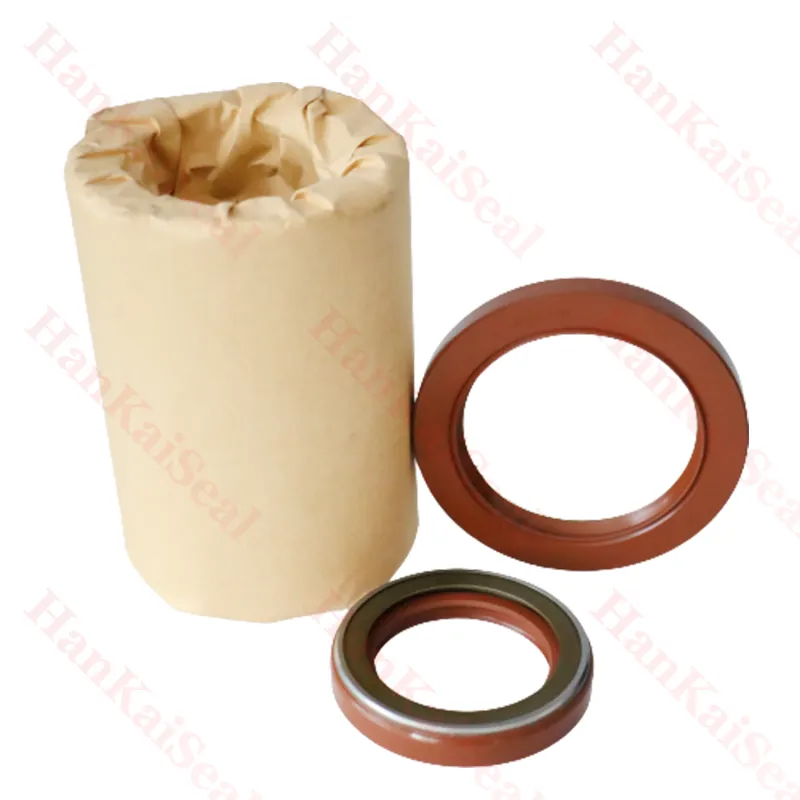
Standard oil seal BP0494 High pressure TCN oil seal
-
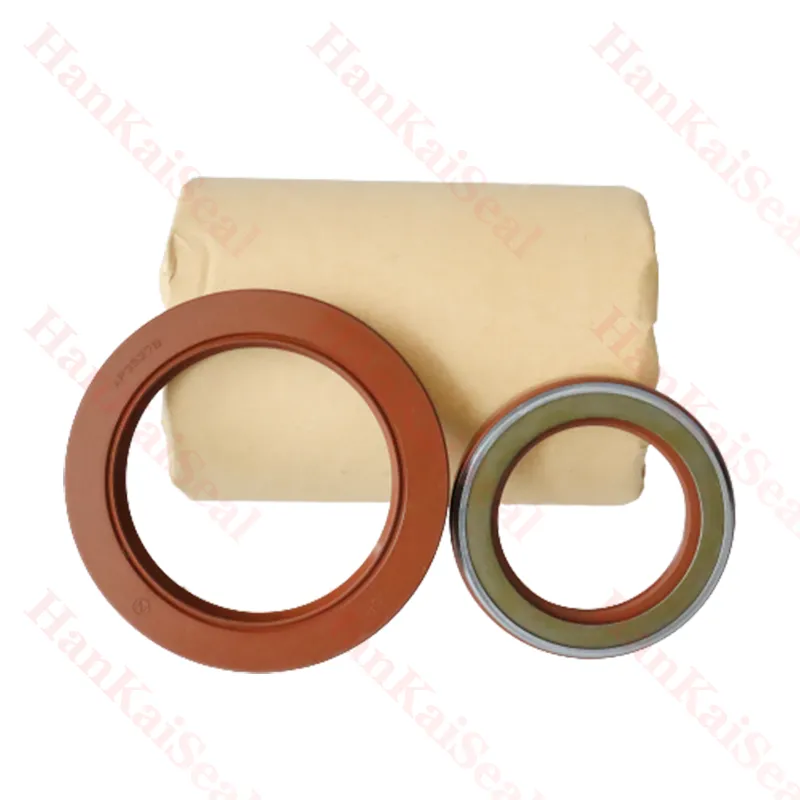
Hydraulic pump seal AP4624G high pressure TCN oil seal
-
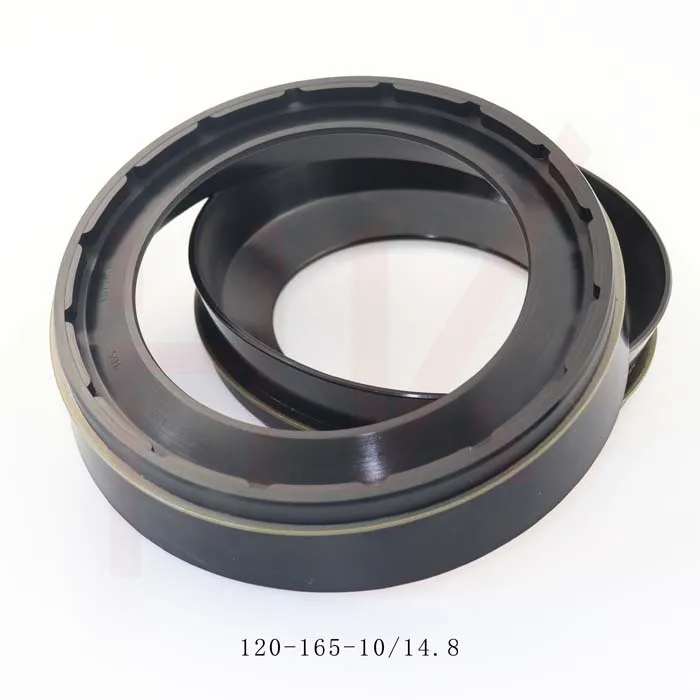
0734307418 0750112169 120*165*10/14.8 concrete mixer reducer oil seal
-
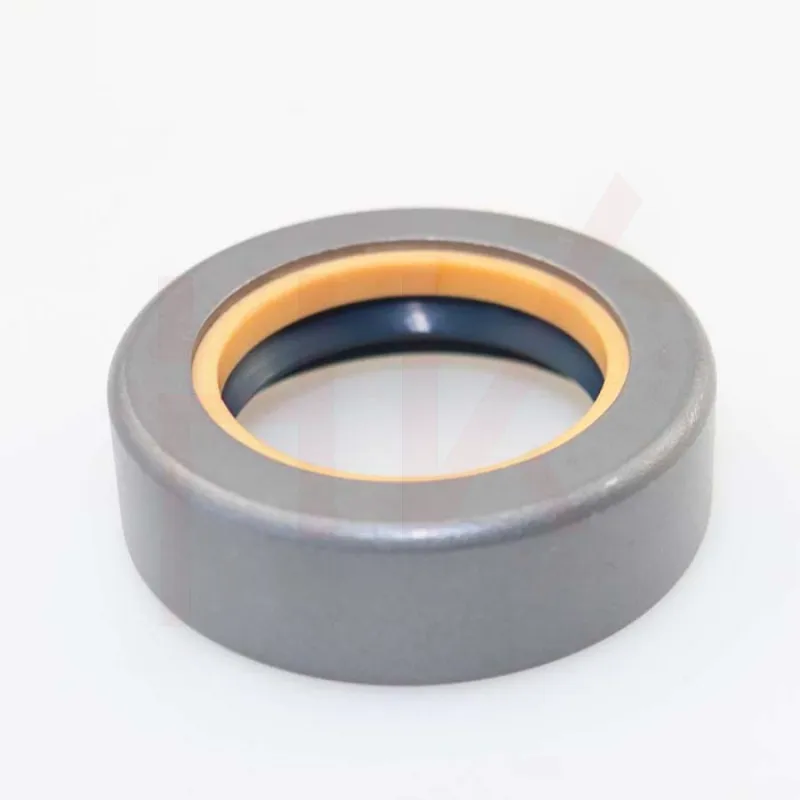
35*52*16 Standard Wheel Hub Oil Seal For Agricultural Machinery
-
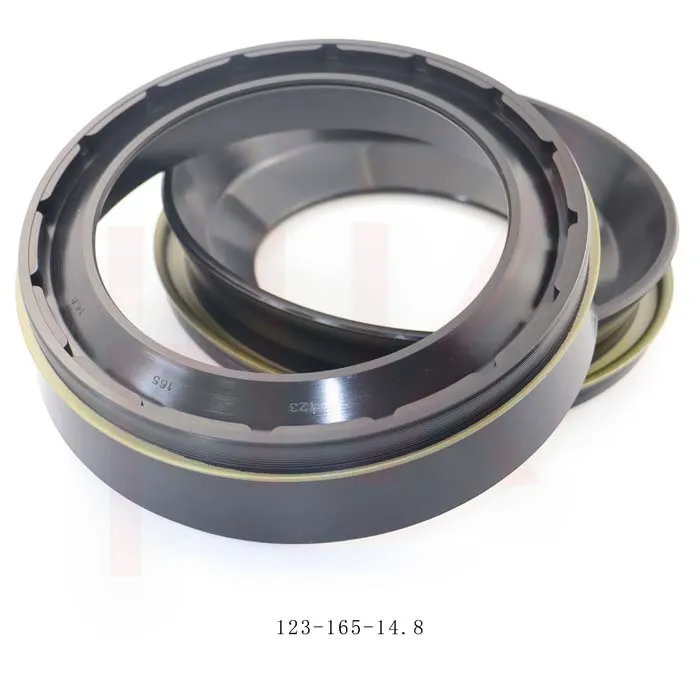
123*165*14.8 concrete mixer truck reducer oil seal
-
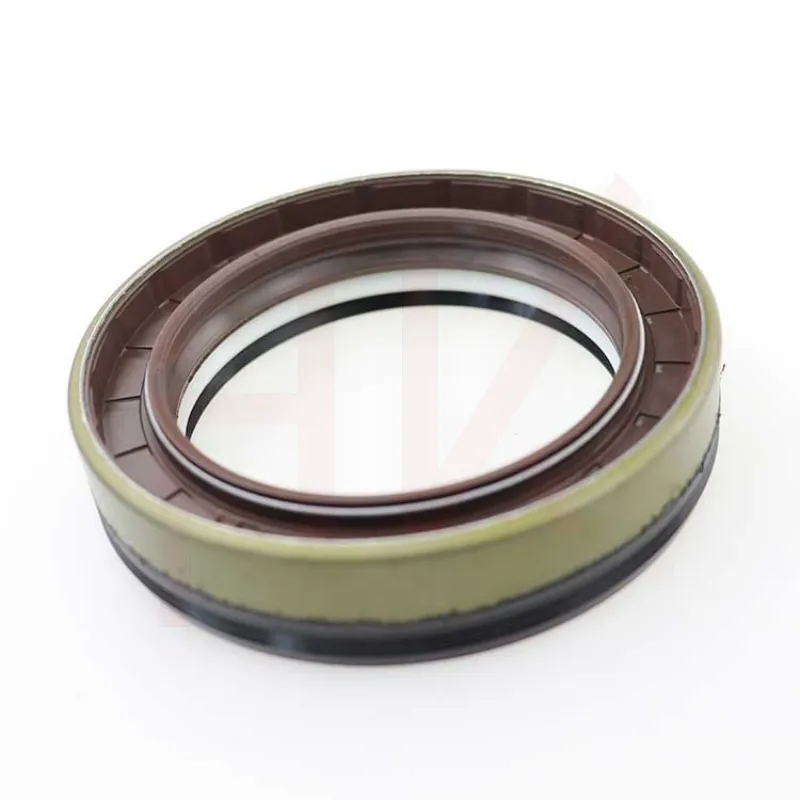
Tractor shaft oil seal 65-90-20 COMBI SF19 hub oil seal
-
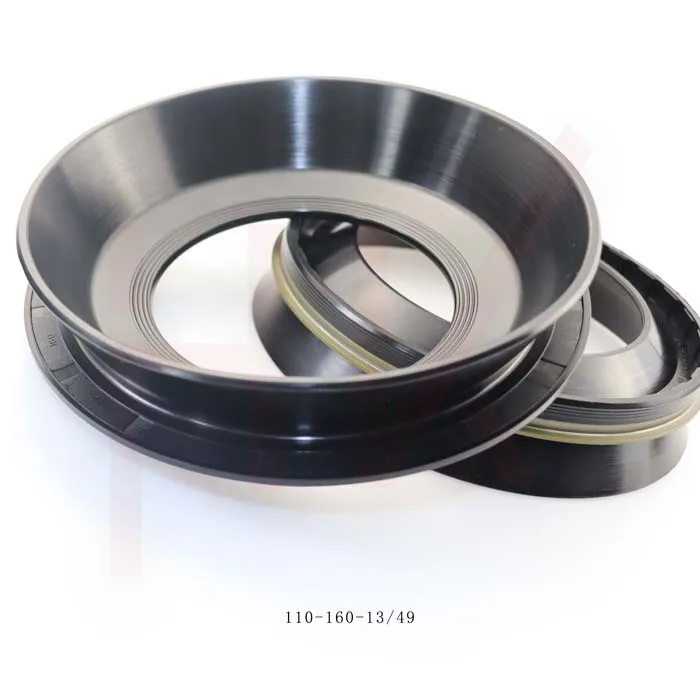
110*160*13/49 NBR reducerConcrete mixer truck oil seal
-
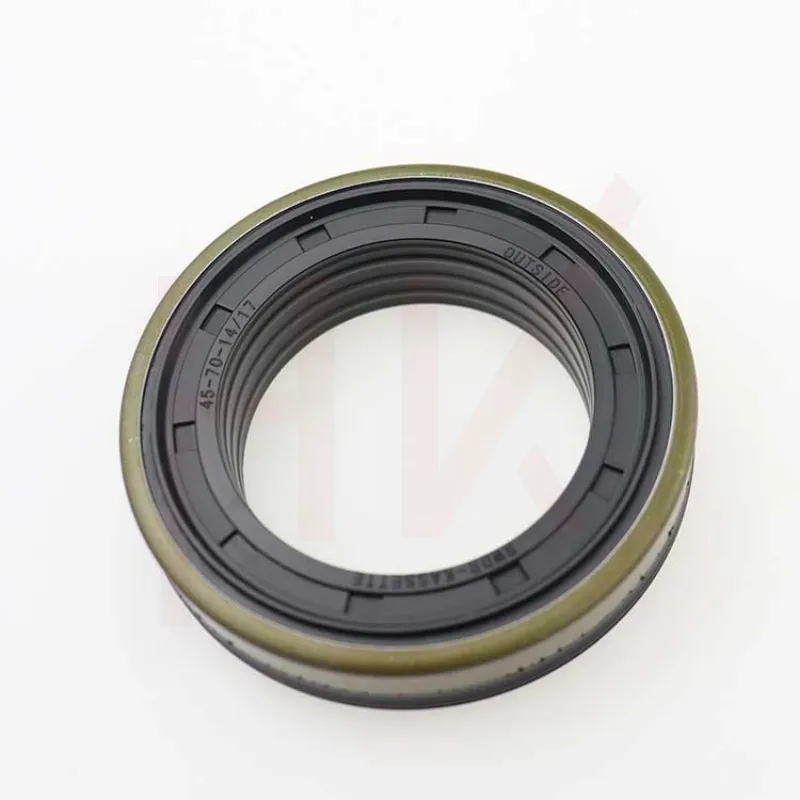
Hub oil seal 40*65*13/14.5 suitable for tractor Cat 12018035b
-
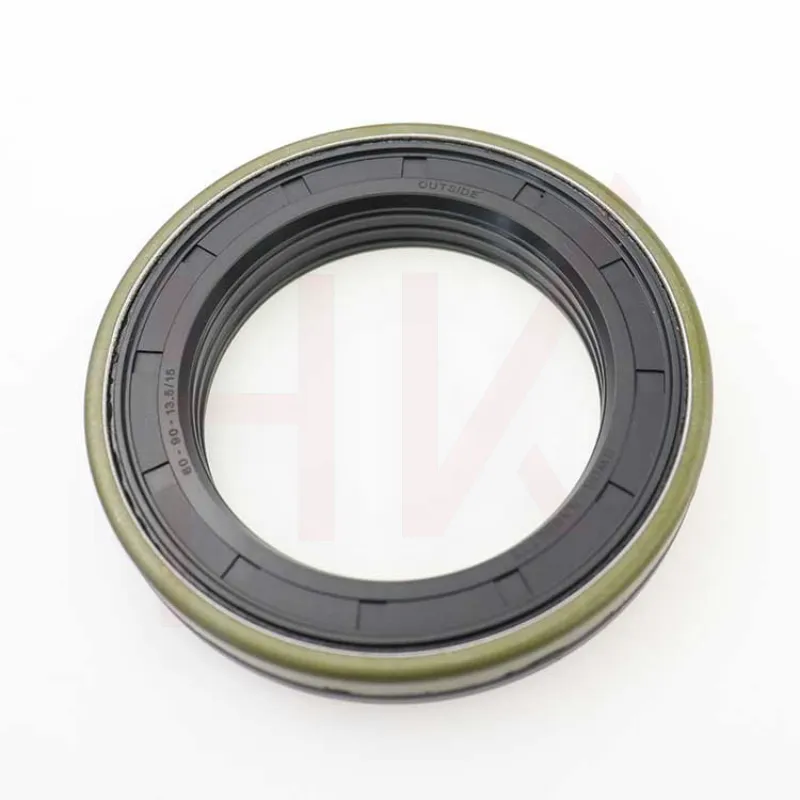
Tractor accessories cassette oil seal hub oil seal 60-90-13.5/15
-
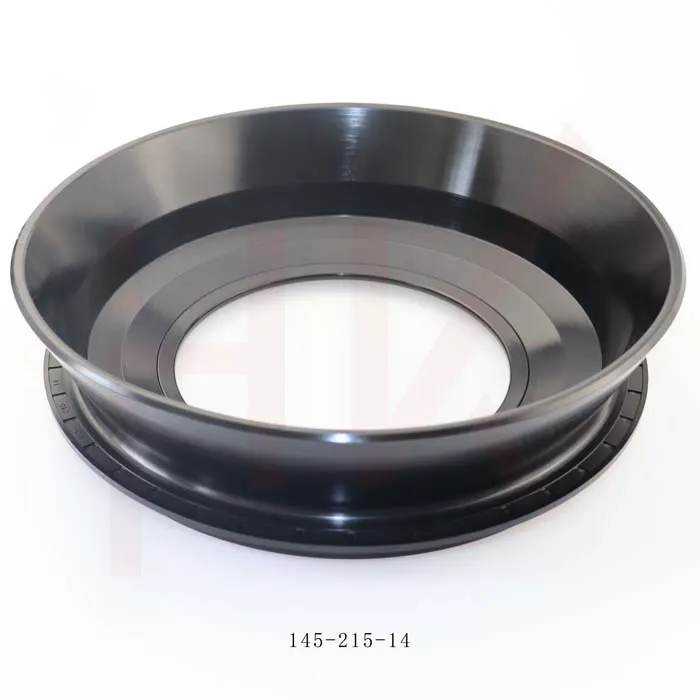
Factory concrete mixer truck oil seal 145*215*14 reducer gearbox oil seal
-
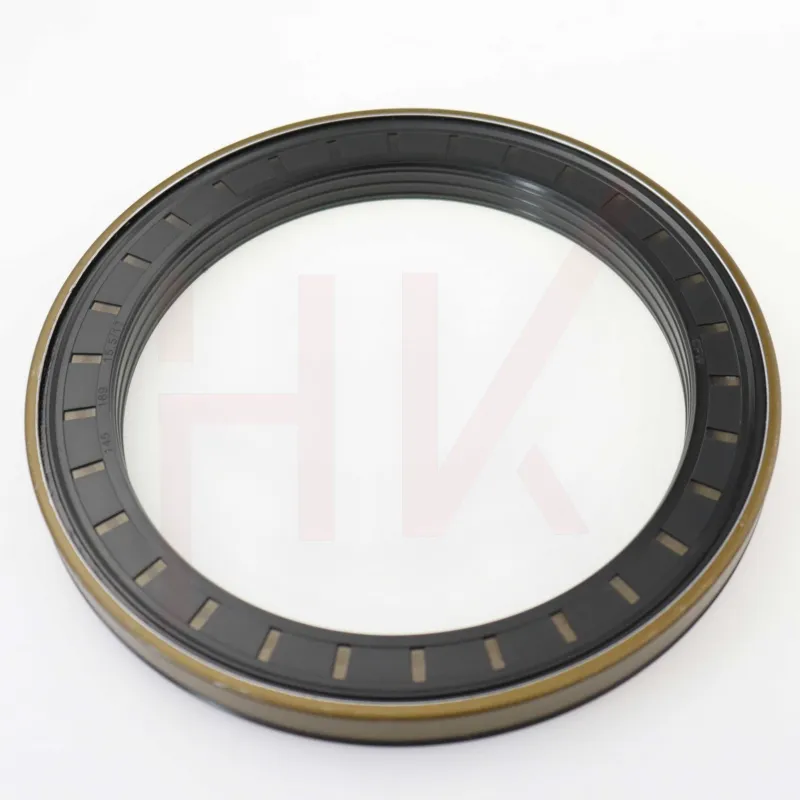
145*189*15.5/17 Cassette Seal NBR Hub Oil Seal 1508044
-
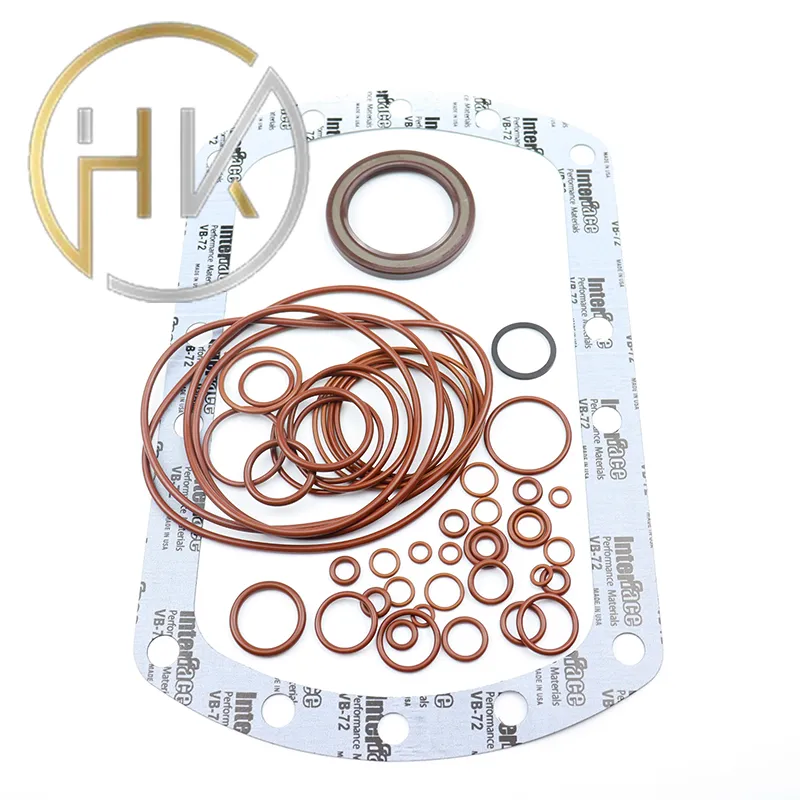
Factory direct sales hydraulic pump motor seal kit A8VO140
-
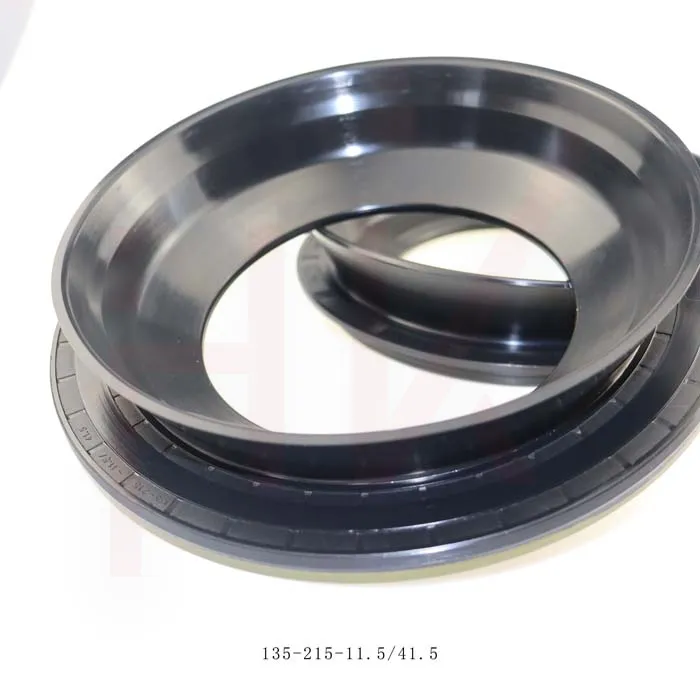
Brand new cement tanker oil seal 135*215*11.5/41.5 concrete mixer oil seal
-
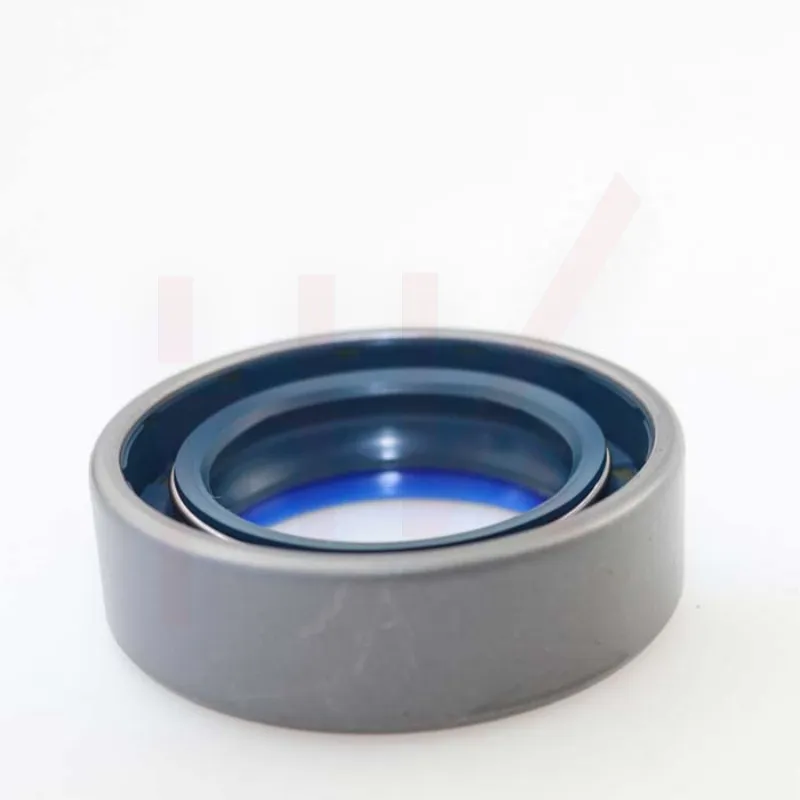
45*65*15 Combi oil seal JCB 90450009 COMBI SF1 SEAL
-
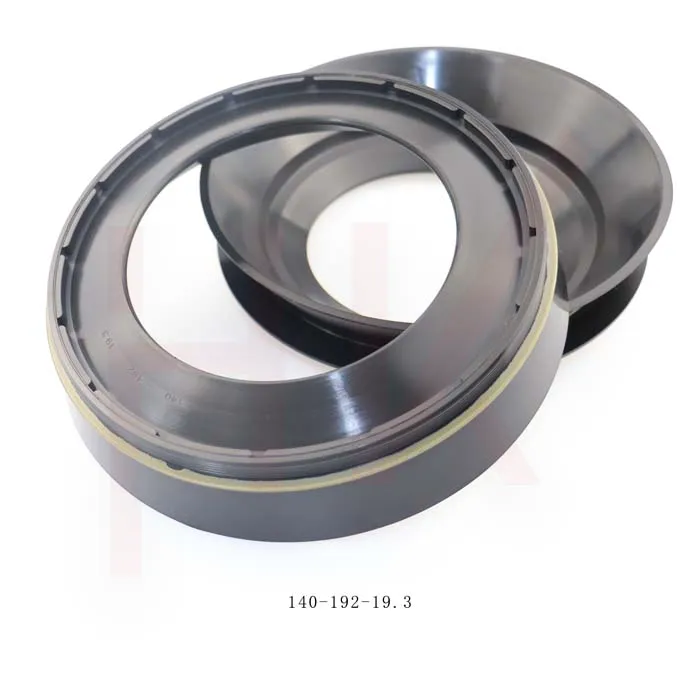
Gear box concrete mixer oil seal 140*192*19.3 nbr reducer oil seal
-
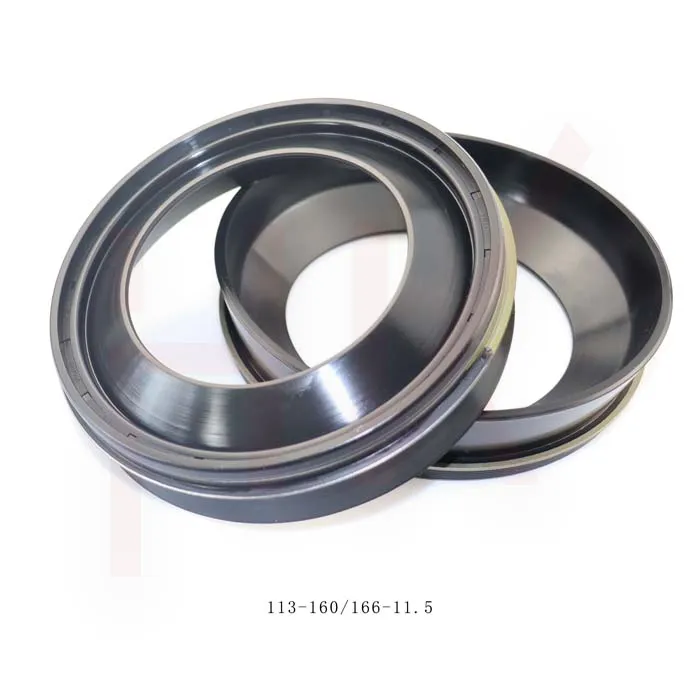
Seals factory direct sales 113*160/166*11.5/38 excavator truck reducer oil seal