
Dec . 02, 2025 11:26 Back to list
What Is a Rotary Lip Seal? Definition, Benefits, Applications & Future Trends
Understanding the Rotary Lip Seal: A Small Component with Global Impact
When we talk about industrial machinery and equipment, small parts often don’t get the spotlight they deserve. Take the rotary lip seal, for example — a modest component that quietly plays a huge role in keeping machines running smoothly worldwide. Why does it matter? Well, these seals ensure things like automotive engines, hydraulic systems, and even renewable energy turbines can maintain reliability and efficiency over extended periods. The benefits of understanding how rotary lip seals work? Better machine longevity, lower maintenance costs, and less environmental waste. All things that matter, frankly, in today’s global push for sustainable industry.
Global Relevance: Why the Rotary Lip Seal Matters Today
Statistics from the International Organization for Standardization (ISO) remind us that rotating equipment accounts for over 50% of energy usage in industrial settings worldwide. The operational integrity of these machines depends heavily on efficient sealing solutions. Rotary lip seals — which prevent lubricants from leaking and contaminants from entering — address a critical challenge: reducing downtime and preventing costly failures.
Globally, industries from automotive manufacturing in Germany to offshore wind farms off the coast of Denmark rely on these seals. Oddly enough, even humanitarian aid equipment, like water pumps in remote relief zones, benefit indirectly by having dependable machinery thanks to reliable sealing technology.
What Is a Rotary Lip Seal?
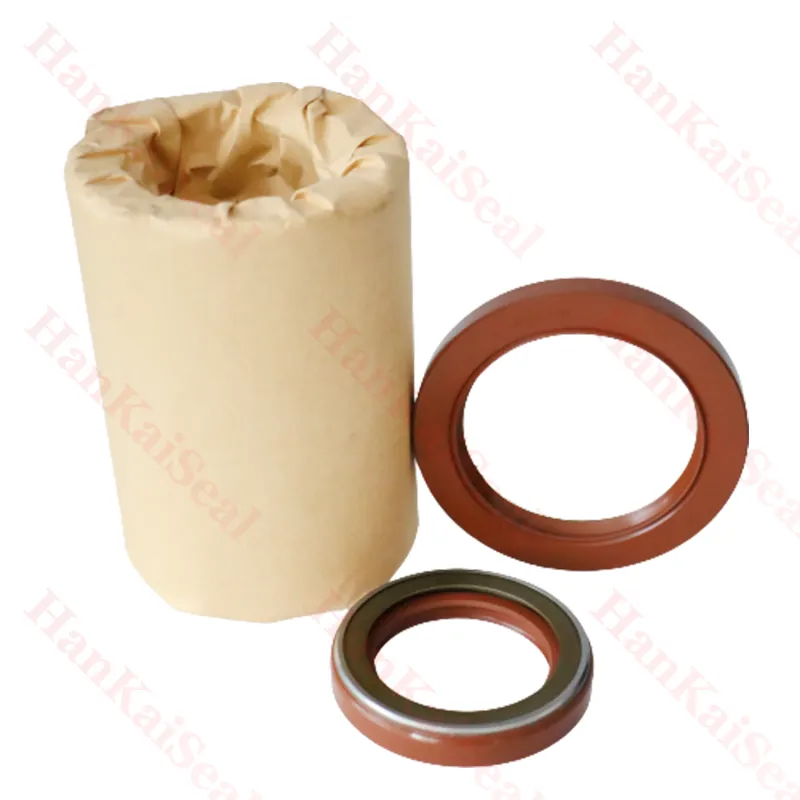
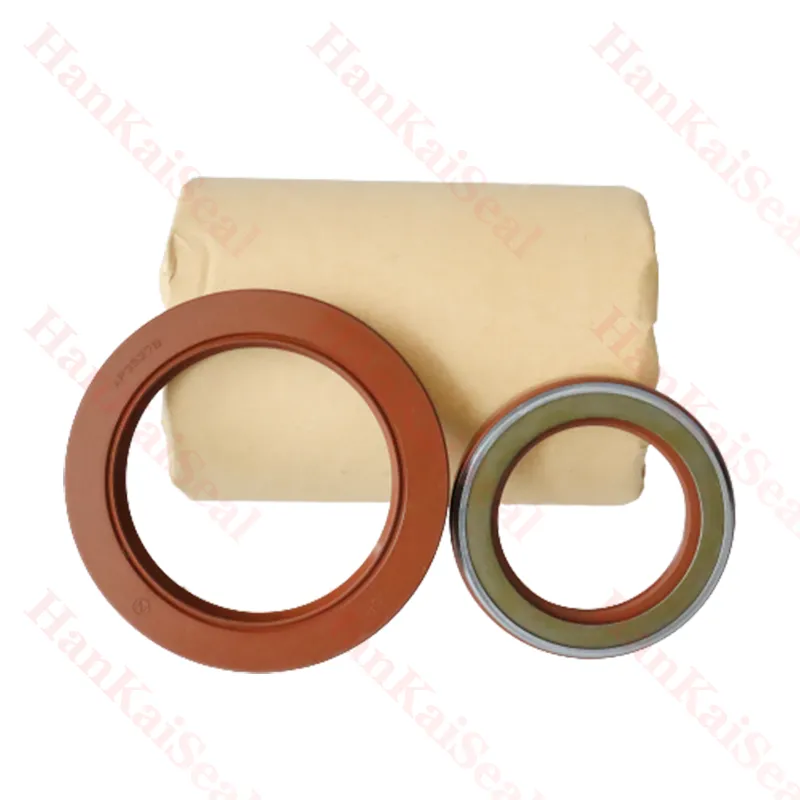
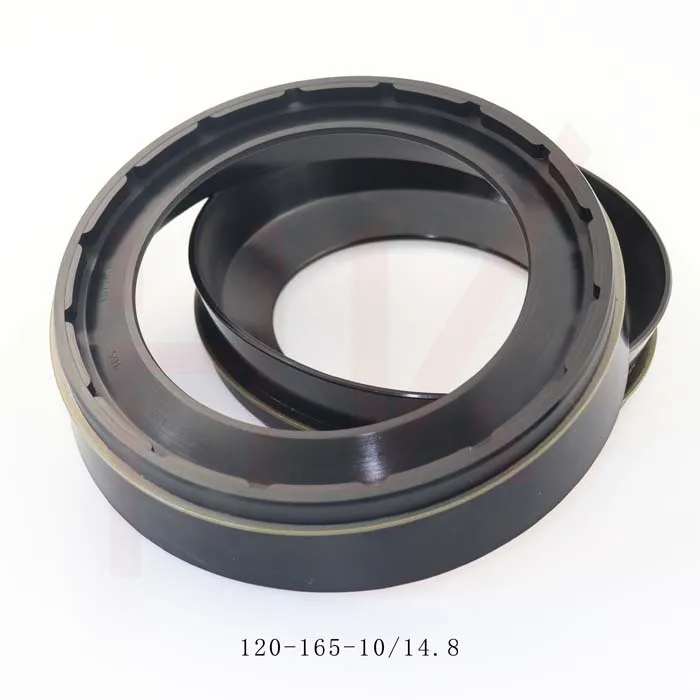
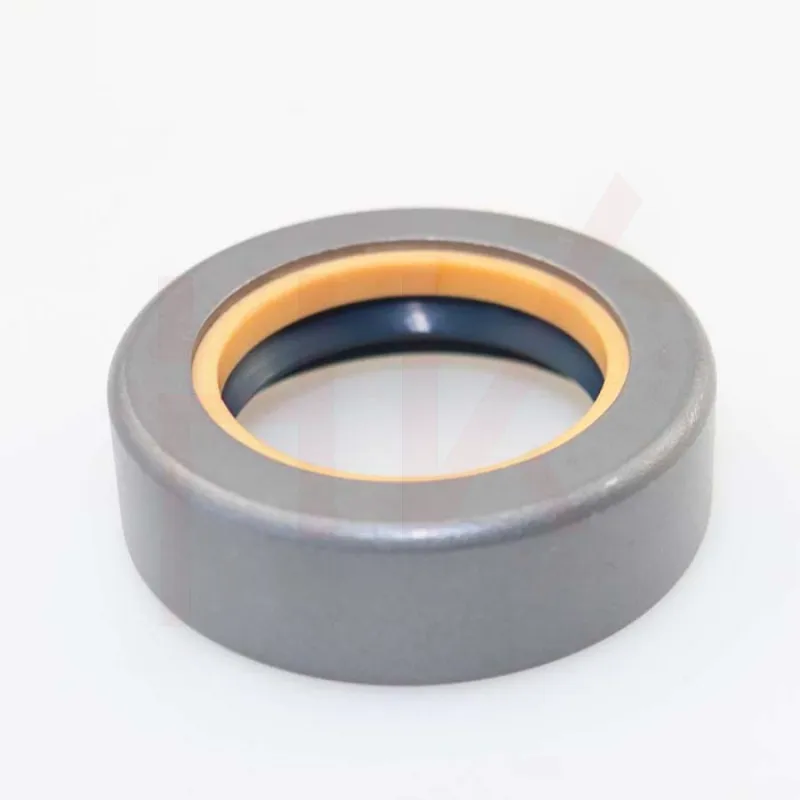
Simply put, a rotary lip seal is a flexible, ring-shaped barrier placed around a rotating shaft. It blocks fluids (oil, grease) from leaking and keeps dirt or moisture that might cause wear out of the system. You can think of it like a guardian of the machine’s moving parts, maintaining optimal working conditions.
In modern industry, these seals help machines operate more reliably, which can translate into less downtime and fewer resources wasted on repairs. That’s especially essential in sectors pushing for sustainability and resilience.
Key Components of Rotary Lip Seals
1. Durability
Rotary lip seals are typically made of materials like nitrile rubber, Viton, or silicone, which withstand extreme temperatures, pressures, and chemical exposures. This durability means they last longer in harsh environments—important for industries like mining or marine engineering.
2. Precision Fit
A good rotary lip seal fits snugly around shafts to prevent leaks but is designed to minimize friction and wear. Precision machining and quality materials ensure the seal doesn’t cause extra resistance that eats into energy efficiency.
3. Cost Efficiency
Replacing or upgrading rotary seals may seem like a small fix, but over time it leads to significant savings. Less downtime, fewer breakdowns, and extended lifespan for machinery mean the investment pays off quickly.
4. Adaptability
These seals come in various sizes and material grades, tailored for wide-ranging industries—whether it’s automotive, aerospace, or renewable energy sectors.
Rotary Lip Seal Product Specifications
| Specification | Typical Range / Values |
|---|---|
| Shaft Diameter | 5 mm – 500 mm |
| Operating Temperature | -40°C to 200°C (depends on material) |
| Pressure Range | Vacuum to 0.5 MPa |
| Material Types | Nitrile, Viton, Silicone, PTFE |
| Speed Capability | Up to 30 m/s shaft velocity |
Who Uses Rotary Lip Seals Around the World?
The applications are surprisingly broad and global. European automakers rely heavily on these seals to keep engine oil contained and dust out. In Asia, manufacturers of heavy industrial machinery depend on high-performance rotary lip seals for hydraulic systems. And in North America, the renewable energy sector uses specialized seals in wind turbines to prevent moisture ingress while maintaining rotational freedom.
- Automotive Industry: Sealing engine components for reliability and performance.
- Renewable Energy: Wind turbines and hydropower rely on seals for durability in harsh outdoor conditions.
- Manufacturing Equipment: Hydraulic and pneumatic machinery use these seals to maintain pressure and fluid containment.
- Humanitarian Operations: Water pumps and generators used in remote or disaster zones benefit from dependable seals that minimize machine failure.
Mini Takeaway: Knowing where rotary lip seals slip into the bigger picture helps highlight their value — they are small, but mighty players in global manufacturing and operations.
Advantages and Long-Term Value
From a business perspective, rotary lip seals reduce operational downtime drastically. Machines last longer, require less frequent maintenance, and operate more safely because leaks don’t lead to hazardous conditions. On a more human level, reliable sealing technology supports industries that create safer vehicles, cleaner energy, and essential services in challenging environments.
One often overlooked benefit is sustainability. By preventing lubricant leaks that can contaminate soil and water, these seals contribute directly to environmental protection. Longevity and efficiency go hand in hand in building trust with end-users and stakeholders.
Vendor Comparison: Rotary Lip Seal Providers
| Feature | Kai Seal Co. | SealTech Inc. | Global Seal Solutions |
|---|---|---|---|
| Material Options | Nitrile, Viton, PTFE | Nitrile, Silicone | Viton, Silicone, PTFE |
| Custom Sizes | Available | Limited | Available |
| Minimum Order Quantity | 100 pcs | 200 pcs | 50 pcs |
| Lead Time | 2-3 weeks | 4-6 weeks | 1-2 weeks |
| Technical Support | 24/7 availability | Business hours only | Limited |
Future Trends & Innovations in Rotary Lip Seals
Looking ahead, the demand for seals that accommodate higher speeds and more extreme temperatures is pushing materials science forward. Emerging polymers and composite materials promise longer seal life and better environmental resistance. Plus, digital transformation is creeping into how seals are monitored — sensors embedded in seals can now report wear and leakage signs remotely, meaning predictive maintenance rather than reactive fixes.
Also tied to the global sustainability push, companies are exploring bio-based elastomers and recycling programs for used seals. It’s an exciting development for an industry sometimes considered low-tech but actually quite innovative.
Challenges & Solutions
Of course, rotary lip seals aren’t perfect. Common issues include premature wear from abrasive environments and improper installation. Some engineers complain about variability in performance due to poor-quality materials or fitting errors. The good news: industry standards (ISO 6194 series for rotary shaft lip seals) and advancements in installation training mitigate these problems. Moreover, partnering closely with reputable vendors can resolve many pain points early on.
FAQ: Frequently Asked Questions About Rotary Lip Seals
- Q: How do I know which rotary lip seal material suits my application?
A: Material choice depends on temperature, chemical exposure, and shaft speed. For example, Viton is excellent in high temperatures and chemical resistance, while nitrile is cost-effective for general use. - Q: Can rotary lip seals be reused after removal?
A: Generally, no. Most seals should be replaced to ensure an effective fit and prevent leaks. Reused seals risk deformation and failure. - Q: What maintenance do rotary lip seals require?
A: Routine inspection for leaks or wear and ensuring the shaft surface remains smooth and clean helps prolong seal life. - Q: Are rotary lip seals compatible with food-grade applications?
A: Yes, but they must be made from FDA-approved materials like certain silicones or PTFE compounds specifically designed for food contact.
Conclusion: The Unsung Hero of Machinery
Rotary lip seals might be unassuming, but their role in global industry and infrastructure is significant. Their ability to ensure machinery runs longer, safer, and more sustainably is something every engineer and operator should appreciate. If you want to explore quality rotary lip seals tailored to your needs, do visit our website at https://www.hkaiseal.com. Don’t underestimate the little things — they keep the wheels turning.
Mini takeaway: Small components like rotary lip seals are pivotal cogs in the machinery of global progress and sustainability.
References:
1. ISO 6194-1:2019, Rotary shaft lip seals — Part 1: Vocabulary — Terms and definitions.
2. International Organization for Standardization
3. Wikipedia - Rotary Shaft Seal
-
Guide to Choosing the Right High Quality hydraulic ram kit
NewsApr.16,2026
-
Premium Hydraulic Cylinder Packing Kits for Peak Performance
NewsApr.09,2026
-
Comprehensive Guide to Hydraulic Cylinder Oil Seal Kits for Optimal Performance
NewsApr.07,2026
-
Comprehensive Guide to Choosing the Right Cylinder Seal Kits for Peak Performance
NewsApr.04,2026
-
Comprehensive Guide to Seal Kits for Cylinders Ensuring Optimal Performance
NewsMar.31,2026
-
Comprehensive Guide to Hyd Cylinder Seals for Optimal Hydraulic System Performance
NewsMar.28,2026
-
Comprehensive Guide to Hyd Cylinder Seal Kit Selection and Installation
NewsMar.26,2026
Products categories
-
Standard oil seal BP0494 High pressure TCN oil seal
-
Hydraulic pump seal AP4624G high pressure TCN oil seal
-
0734307418 0750112169 120*165*10/14.8 concrete mixer reducer oil seal
-
35*52*16 Standard Wheel Hub Oil Seal For Agricultural Machinery
-
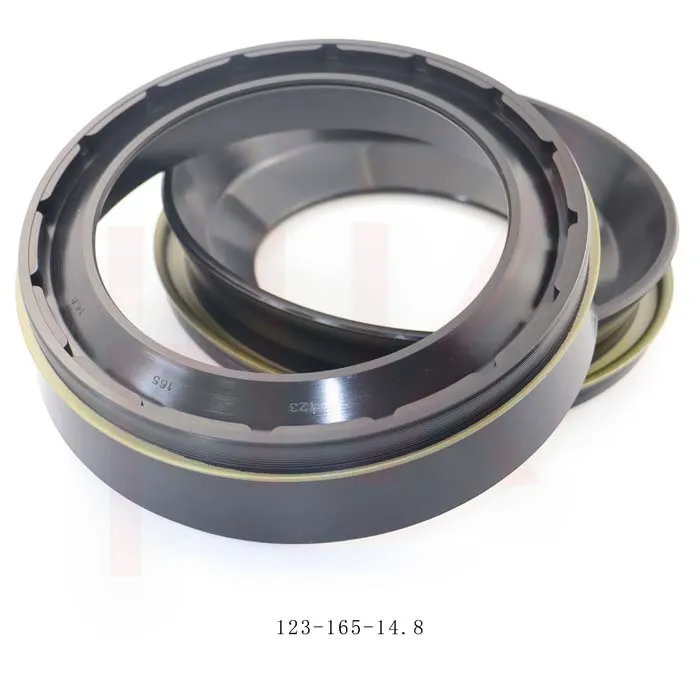
123*165*14.8 concrete mixer truck reducer oil seal
-
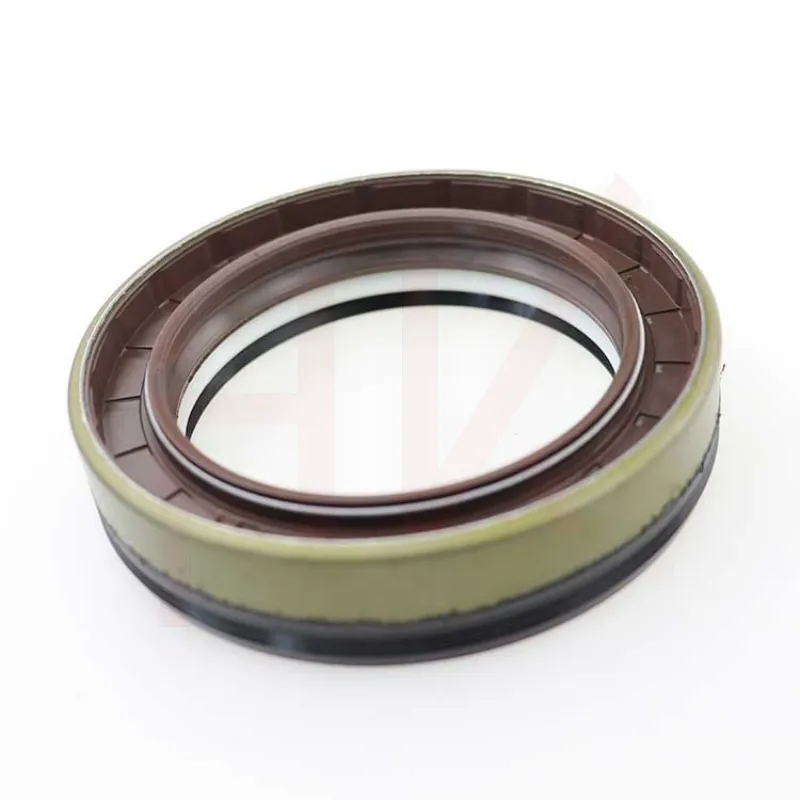
Tractor shaft oil seal 65-90-20 COMBI SF19 hub oil seal
-
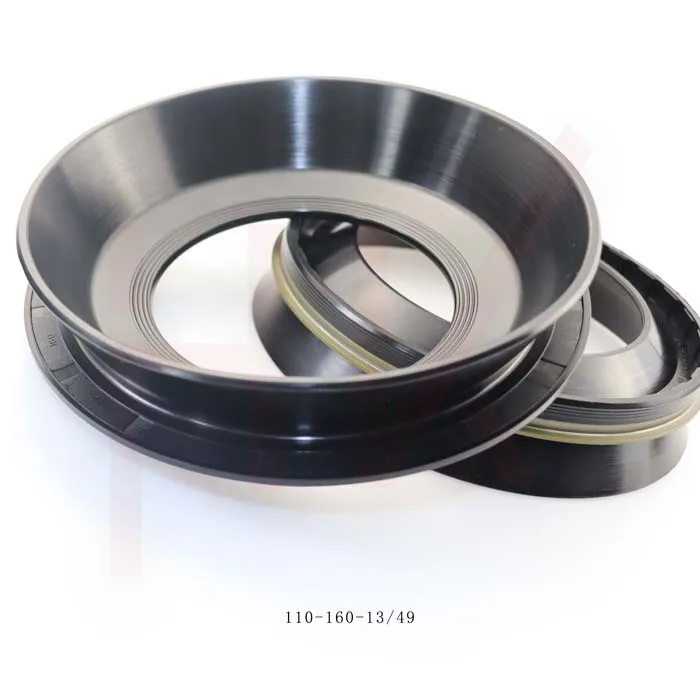
110*160*13/49 NBR reducerConcrete mixer truck oil seal
-
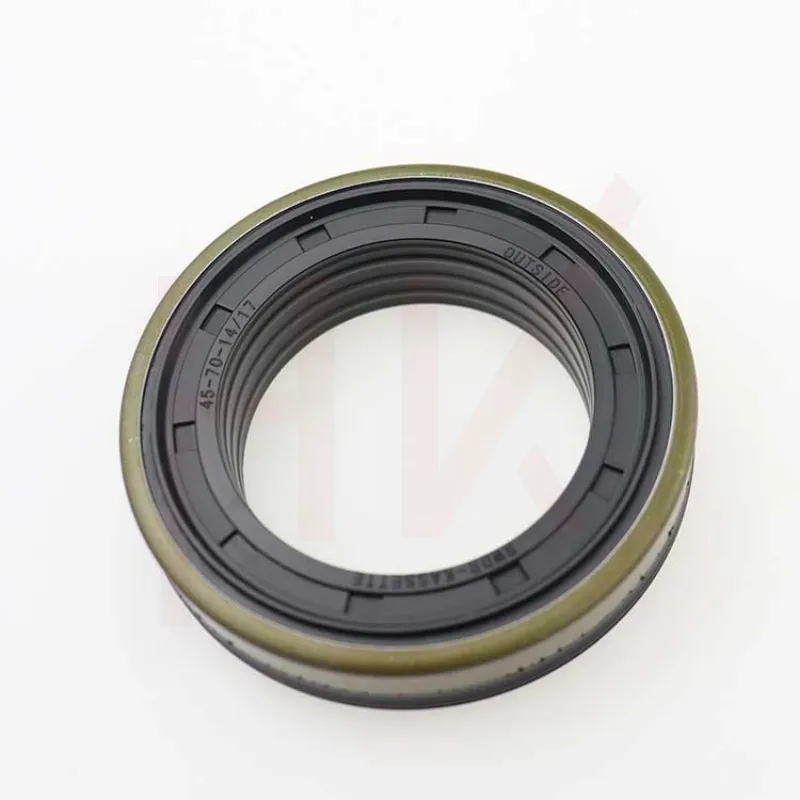
Hub oil seal 40*65*13/14.5 suitable for tractor Cat 12018035b
-
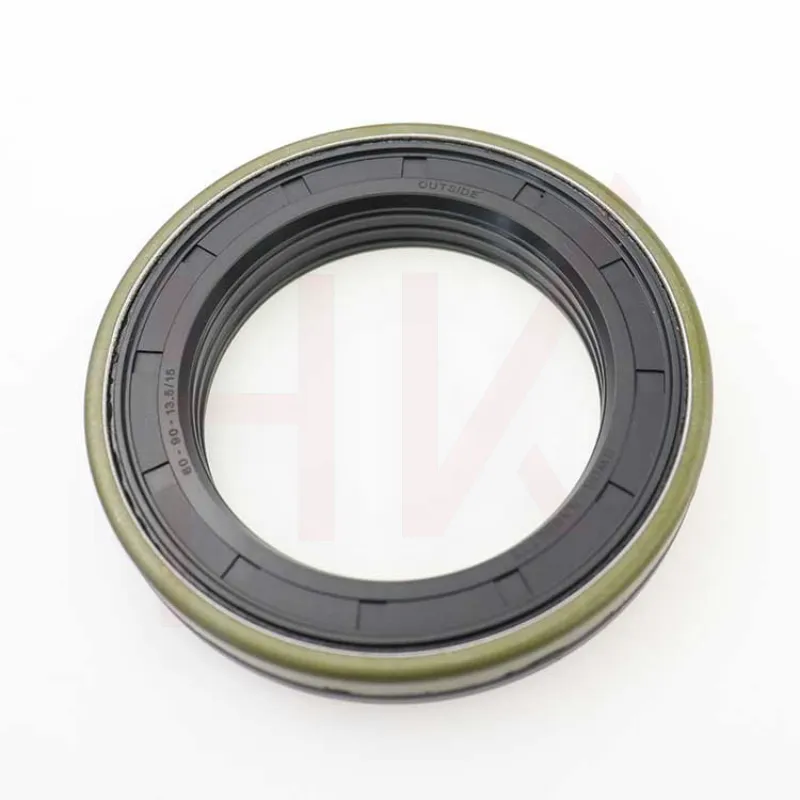
Tractor accessories cassette oil seal hub oil seal 60-90-13.5/15
-
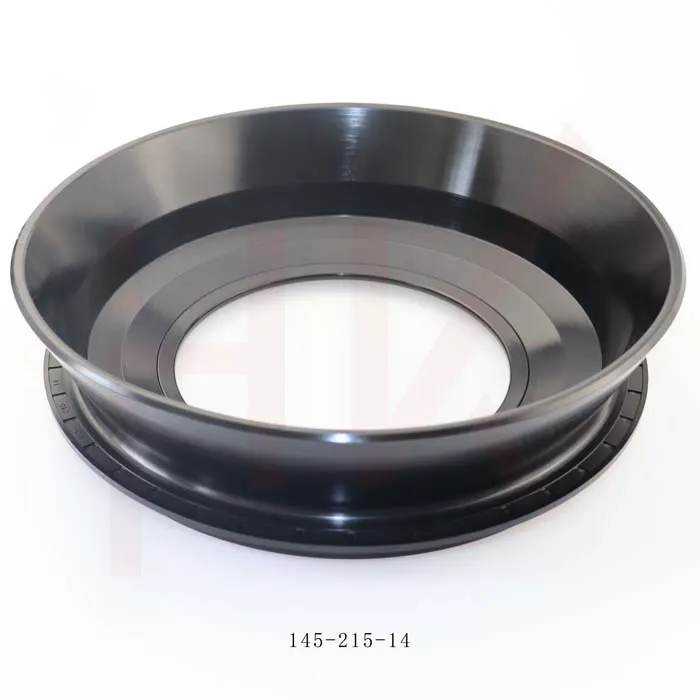
Factory concrete mixer truck oil seal 145*215*14 reducer gearbox oil seal
-
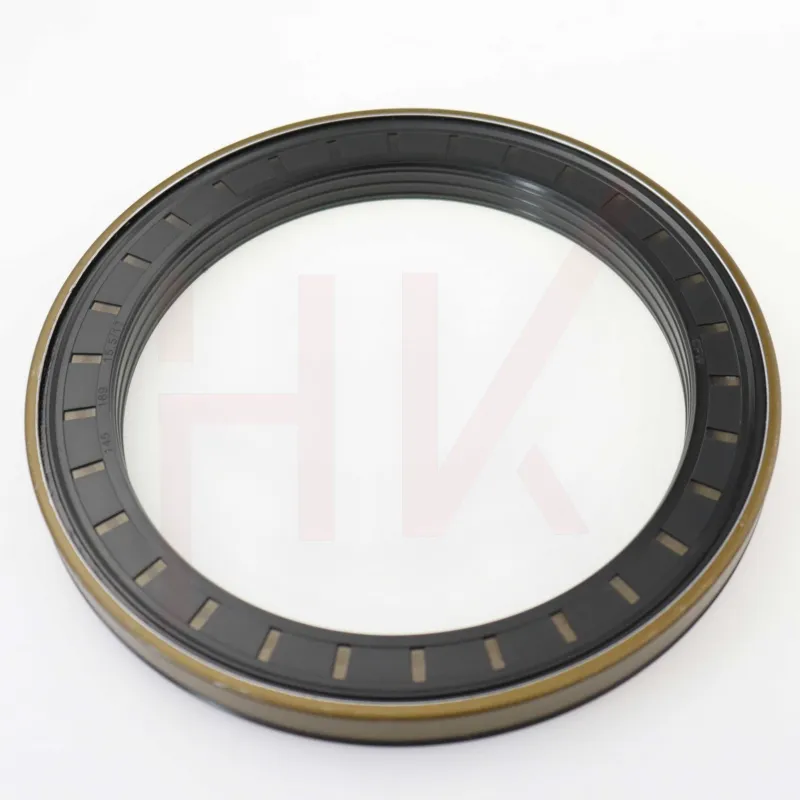
145*189*15.5/17 Cassette Seal NBR Hub Oil Seal 1508044
-
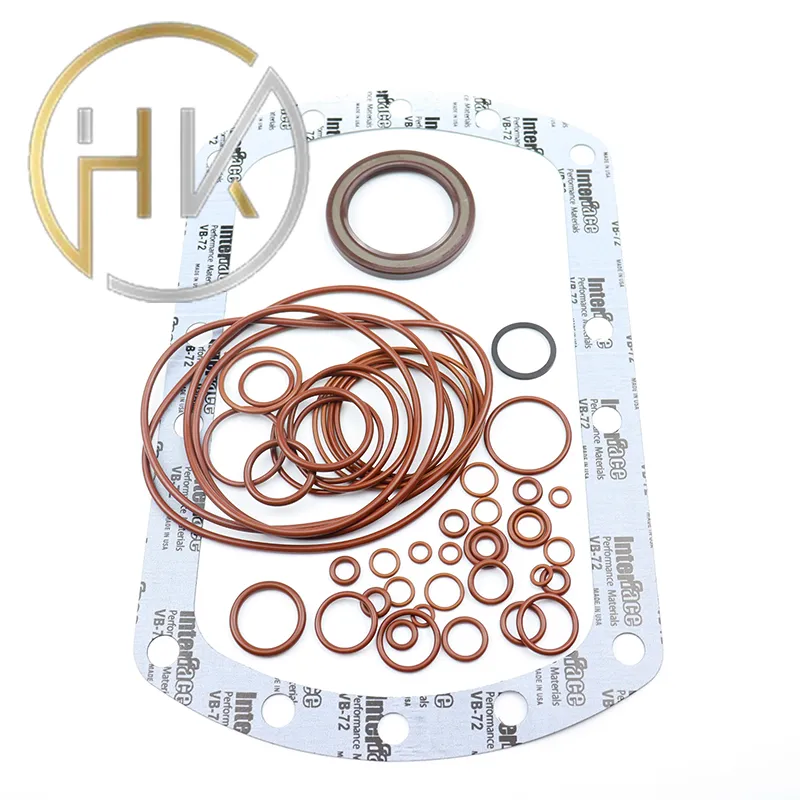
Factory direct sales hydraulic pump motor seal kit A8VO140
-
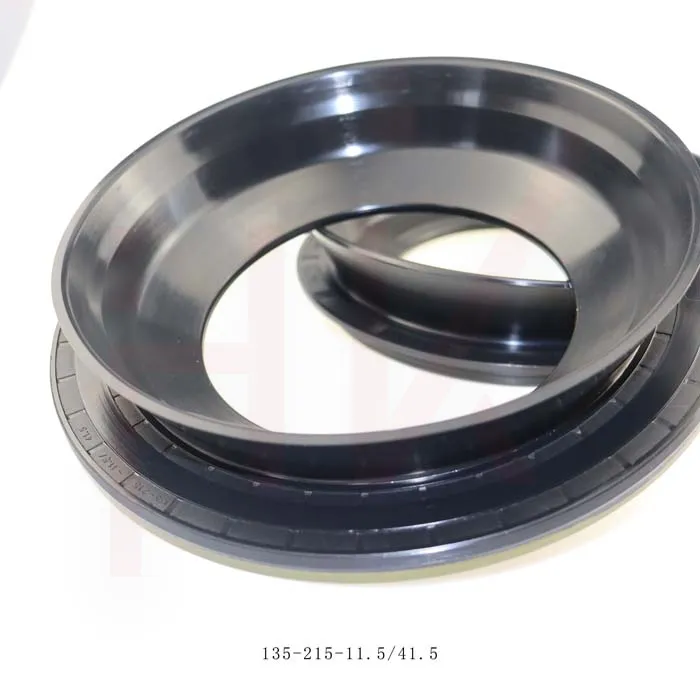
Brand new cement tanker oil seal 135*215*11.5/41.5 concrete mixer oil seal
-
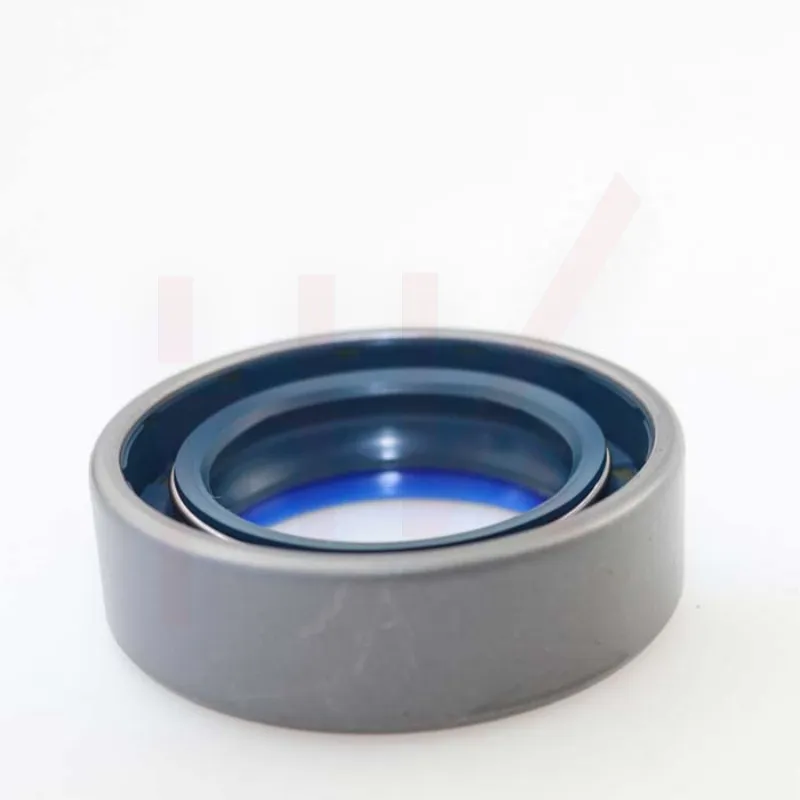
45*65*15 Combi oil seal JCB 90450009 COMBI SF1 SEAL
-
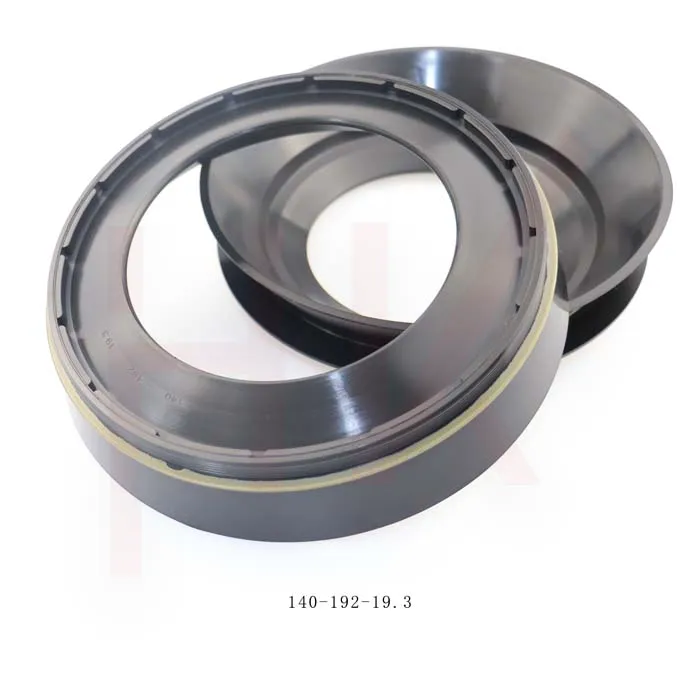
Gear box concrete mixer oil seal 140*192*19.3 nbr reducer oil seal
-
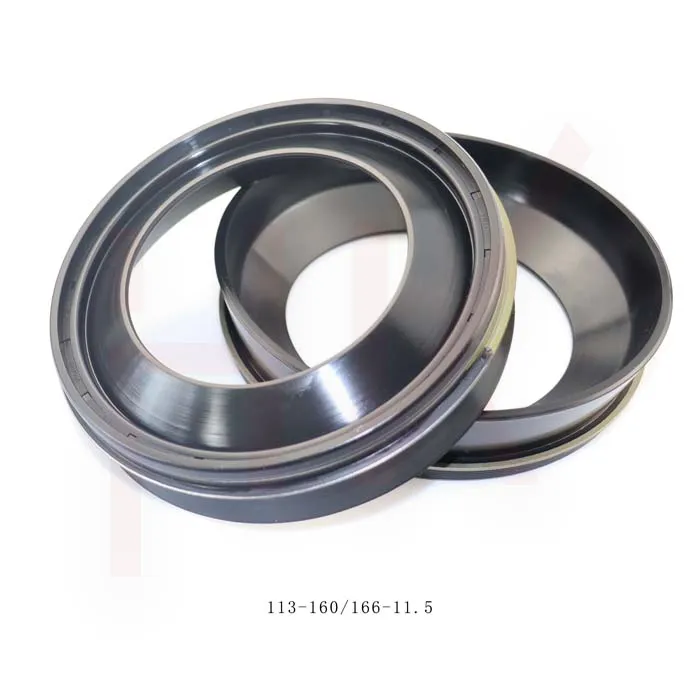
Seals factory direct sales 113*160/166*11.5/38 excavator truck reducer oil seal