
Dec . 02, 2025 10:50 Back to list
Gearbox Seals: Essential Industrial Components for Reliability and Sustainability
Gearbox Seals: The Unsung Heroes of Industrial Reliability
When you hear the term gearbox seals, you might think they’re just tiny components lost inside a machine. Yet, globally, these small parts play a colossal role in keeping industries—from automotive manufacturing to renewable energy—running smoothly. Understanding gearbox seals is key to reducing downtime, boosting energy efficiency, and minimizing environmental risks associated with lubricant leaks in heavy machinery.
Why Do Gearbox Seals Matter So Much?
The global industrial sector depends heavily on gearboxes to transmit power efficiently. According to the International Organization for Standardization (ISO), lubricant contamination or leakage caused by seal failure accounts for over 20% of unplanned gearbox outages worldwide. With an estimated market size of gearbox components surpassing $2 billion annually, sealing technology is more than just maintenance—it’s a cornerstone of operational sustainability.
Mini takeaway: Gearbox seals might be small, but their impact extends far beyond the gearbox casing—keeping industry gears turning smoothly and safely.
What Exactly Are Gearbox Seals?
Simply put, gearbox seals are components that prevent lubricant from escaping the gearbox housing and keep contaminants like dust and water out. Think of them as the protective skin of the gearbox, forming a tight barrier where rotating shafts penetrate the gearbox casing. Without them, the lubricant would quickly leak, causing friction, wear, and ultimately, mechanical failure.
From an industrial perspective, this isn’t just about machine health. In humanitarian contexts—like disaster relief logistics—dependable machinery is vital, and gearbox seals quietly ensure that reliability under tough conditions.
Key Factors That Make Gearbox Seals Effective
1. Durability
Seals must withstand continuous rotation, heat, and chemical exposure. Materials like nitrile rubber and PTFE are popular for their resilience. Durability translates into fewer replacements and less downtime.
2. Sealing Performance
A seal’s job is to keep oil in and dirt out. This requires precision design such as lip geometry and interference fit to tailor to shaft size and speed.
3. Cost Efficiency
While precision parts can seem pricey, investing in high-quality seals saves money long-term by reducing maintenance and avoiding catastrophic breakdowns.
4. Compatibility
Seals must match the gearbox’s operating environment whether it’s high temperature, high speed, or exposure to corrosive fluids.
5. Environmental Impact
Preventing oil leaks reduces soil and water contamination—aligning with global sustainability goals and ISO environmental standards.
Common Gearbox Seal Specifications
| Specification | Typical Value | Notes |
|---|---|---|
| Material | Nitrile Rubber (NBR), PTFE, Viton | Depends on temperature and chemical exposure |
| Operating Temperature | -30°C to 150°C | Varies by seal material |
| Shaft Speed | Up to 15 m/s | Critical for lip seal design |
| Pressure Resistance | Up to 0.2 MPa | Typical for most gearboxes |
| Seal Type | Radial lip seal, mechanical seal | Selected based on application |
Mini takeaway: Choosing the right seal means knowing the operating details as well as understanding your environment—both mechanical and ecological.
Global Applications & Use Cases of Gearbox Seals
- Automotive Manufacturing: Precision seals in car gearboxes increase longevity and performance.
- Wind Energy: Offshore turbines rely on robust gearbox seals to prevent saltwater damage in harsh marine environments.
- Mining Industry: Heavy-duty seals help keep contaminants out of gearboxes working in dust-heavy conditions, particularly in Africa and Australia.
- Disaster Relief Operations: Portable generators equipped with sealed gearboxes maintain critical power supply in remote locations. This ensures machinery can perform under extreme, unpredictable conditions.
Vendor Comparison: Top Gearbox Seal Suppliers
| Vendor | Material Range | Environmental Compliance | Price Range (USD) | Lead Time |
|---|---|---|---|---|
| AlphaSeal Co. | NBR, Viton, Silicone | ISO 14001 Certified | $15-$40 per unit | 2-3 weeks |
| SealMaster Ltd. | PTFE, NBR | RoHS Compliant | $12-$35 per unit | 1-2 weeks |
| GreenSeal Inc. | Eco-friendly blends | ISO 14001 & REACH | $20-$50 per unit | 3-4 weeks |
Why Invest in Quality Gearbox Seals? The Advantages
- Cost Savings: Reduced downtime and longer machinery life.
- Environmental Responsibility: Leaks cause soil and water contamination; good seals help prevent this.
- Operational Safety: Preventing lubricant spills reduces fire hazards and machine damage.
- Reliability & Trust: Enhancing brand reputation through dependable equipment performance.
Emerging Trends & Innovations in Gearbox Seals
The industry is moving towards advanced polymers that tolerate higher temperatures and chemical exposure, extending seal lifetimes drastically. Oddly enough, digital monitoring using IoT sensors embedded near seals is gaining traction—predicting seal wear before failure, transforming reactive maintenance to proactive management.
Meanwhile, green energy sectors demand seals that perform reliably in extreme offshore environments, pushing innovations in materials resilient against salt corrosion and biofouling.
Challenges & Solutions in Gearbox Sealing
Despite improvements, seal failure remains a significant cause of gearbox repairs. Common issues include material degradation under extreme temperatures, improper installation, and unexpected shaft misalignment. Frankly, many engineers agree that regular condition monitoring combined with tailored seal design is the winning combo.
Innovative approaches like self-lubricating seals and adaptive lip fits provide promising solutions. Partnering with specialized suppliers who understand your gearboxes’ unique needs can cut unexpected costs drastically.
FAQs About Gearbox Seals
- Q1: How often should gearbox seals be inspected or replaced?
- A: Typically, seals should be checked during scheduled maintenance—about every 12 months or 5,000 hours of operation. Early signs of wear like oil leaks, noise, or temperature rise warrant immediate replacement for safety.
- Q2: Can I use a universal seal for all gearboxes?
- A: No, universal seals rarely fit all shaft sizes or operating conditions. It’s best to select seals designed for your gearbox specifications to ensure optimal performance and longevity.
- Q3: Are there eco-friendly gearbox seals?
- A: Yes, some manufacturers produce seals using environmentally safer materials that comply with ISO 14001 and REACH, reducing ecological impact without compromising durability.
- Q4: What role do gearbox seals play in energy efficiency?
- A: By preventing lubricant leaks and contamination, seals reduce friction and wear, resulting in smoother gear operation and energy savings over extended periods.
Conclusion: Sealing the Future of Industrial Performance
Gearbox seals may not make the headlines, but their importance in maintaining machinery health, protecting the environment, and supporting global industry is indisputable. Investing in quality sealing technology today means fewer headaches tomorrow, improved sustainability, and trustworthy operations that stand the test of time. For those looking to explore reliable gearbox seals tailored to specific needs, visit our website.
Reflecting on gearbox seals, it’s odd how these modest components quietly define so much about mechanical dependability and environmental stewardship—sort of the unsung backbone of our industrial world.
References
-
Guide to Choosing the Right High Quality hydraulic ram kit
NewsApr.16,2026
-
Premium Hydraulic Cylinder Packing Kits for Peak Performance
NewsApr.09,2026
-
Comprehensive Guide to Hydraulic Cylinder Oil Seal Kits for Optimal Performance
NewsApr.07,2026
-
Comprehensive Guide to Choosing the Right Cylinder Seal Kits for Peak Performance
NewsApr.04,2026
-
Comprehensive Guide to Seal Kits for Cylinders Ensuring Optimal Performance
NewsMar.31,2026
-
Comprehensive Guide to Hyd Cylinder Seals for Optimal Hydraulic System Performance
NewsMar.28,2026
-
Comprehensive Guide to Hyd Cylinder Seal Kit Selection and Installation
NewsMar.26,2026
Products categories
-
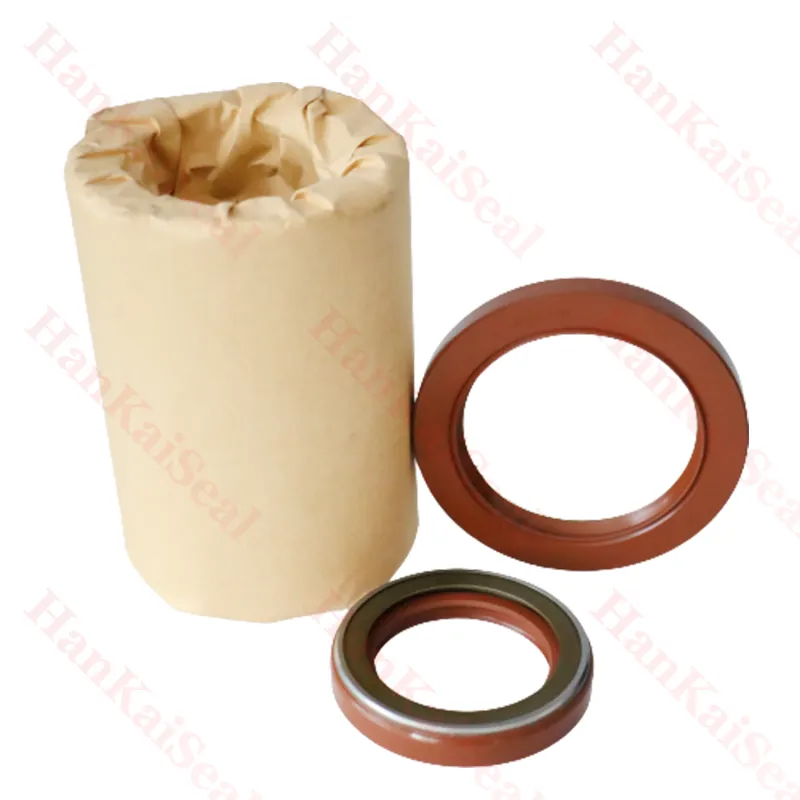
Standard oil seal BP0494 High pressure TCN oil seal
-
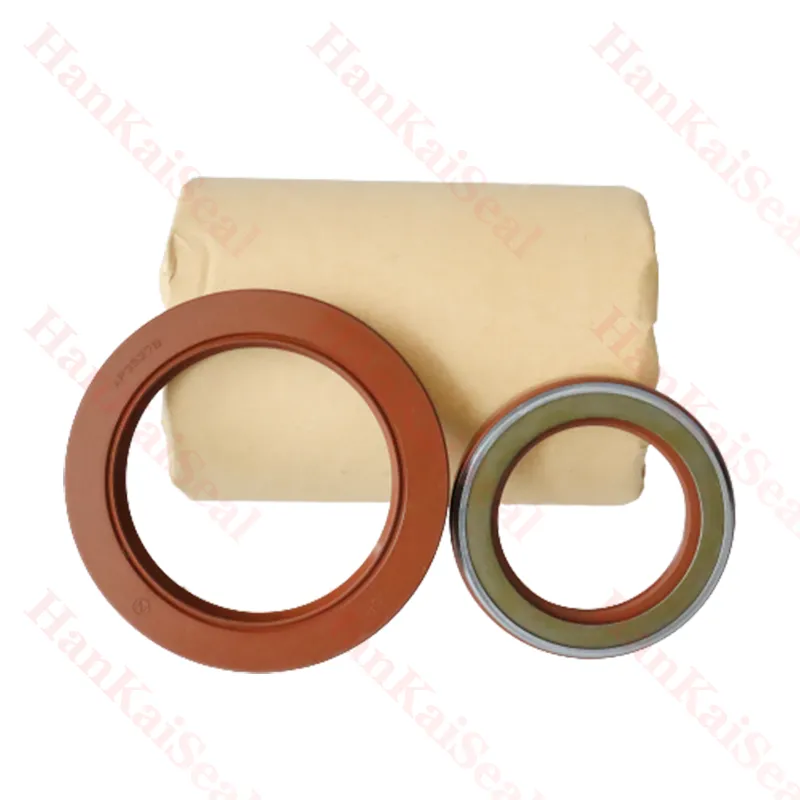
Hydraulic pump seal AP4624G high pressure TCN oil seal
-
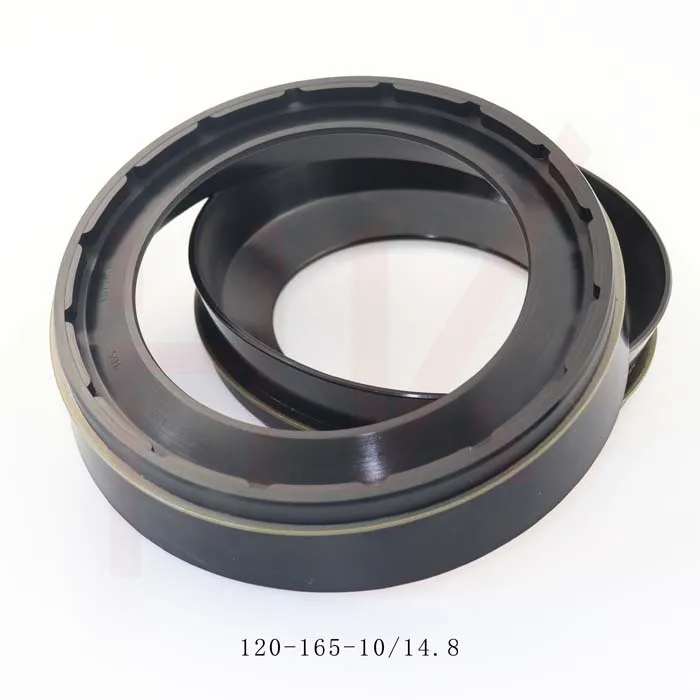
0734307418 0750112169 120*165*10/14.8 concrete mixer reducer oil seal
-
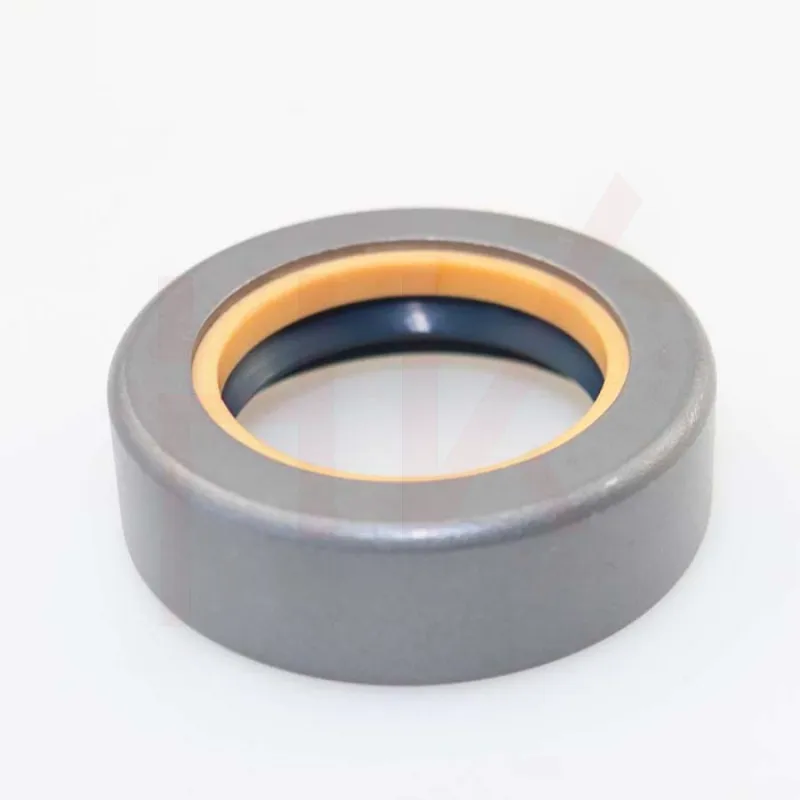
35*52*16 Standard Wheel Hub Oil Seal For Agricultural Machinery
-
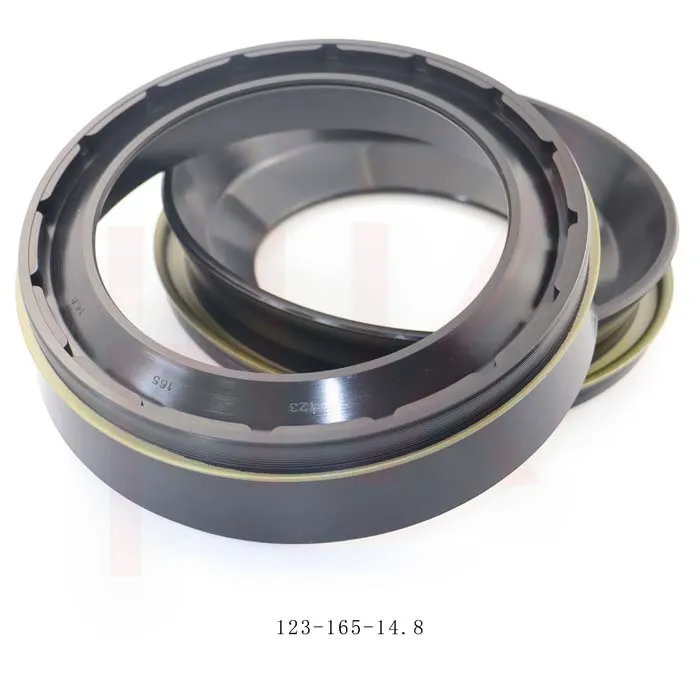
123*165*14.8 concrete mixer truck reducer oil seal
-
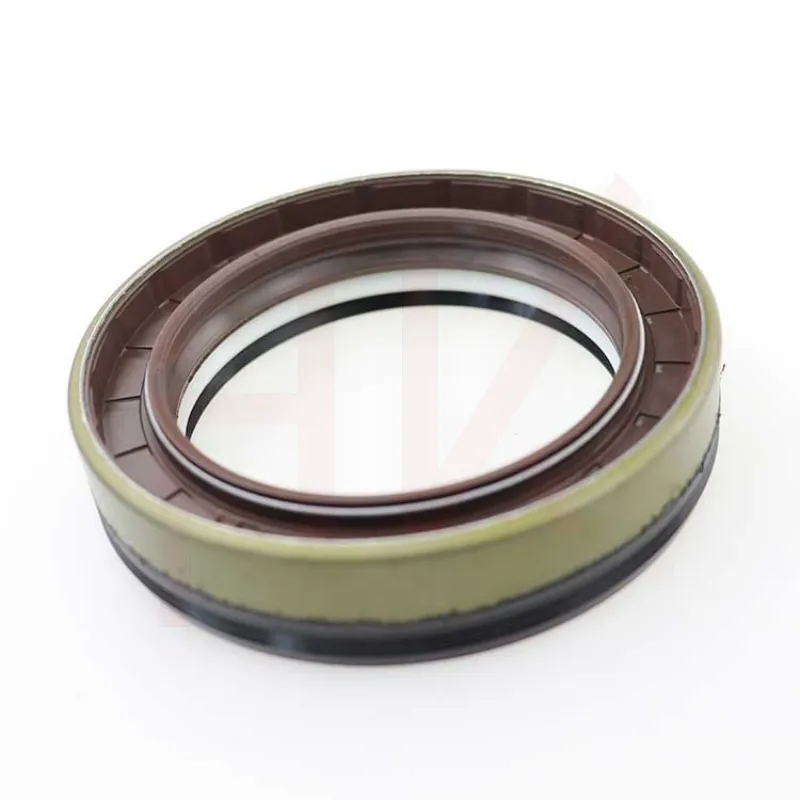
Tractor shaft oil seal 65-90-20 COMBI SF19 hub oil seal
-
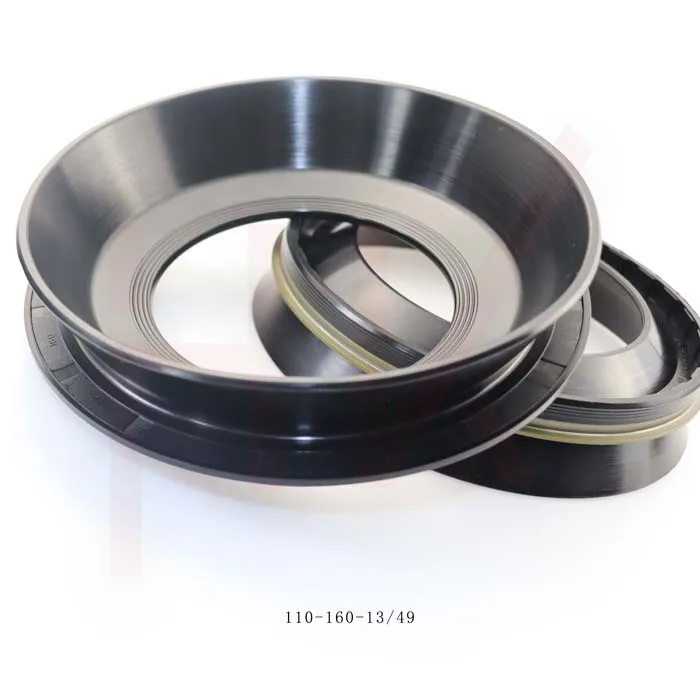
110*160*13/49 NBR reducerConcrete mixer truck oil seal
-
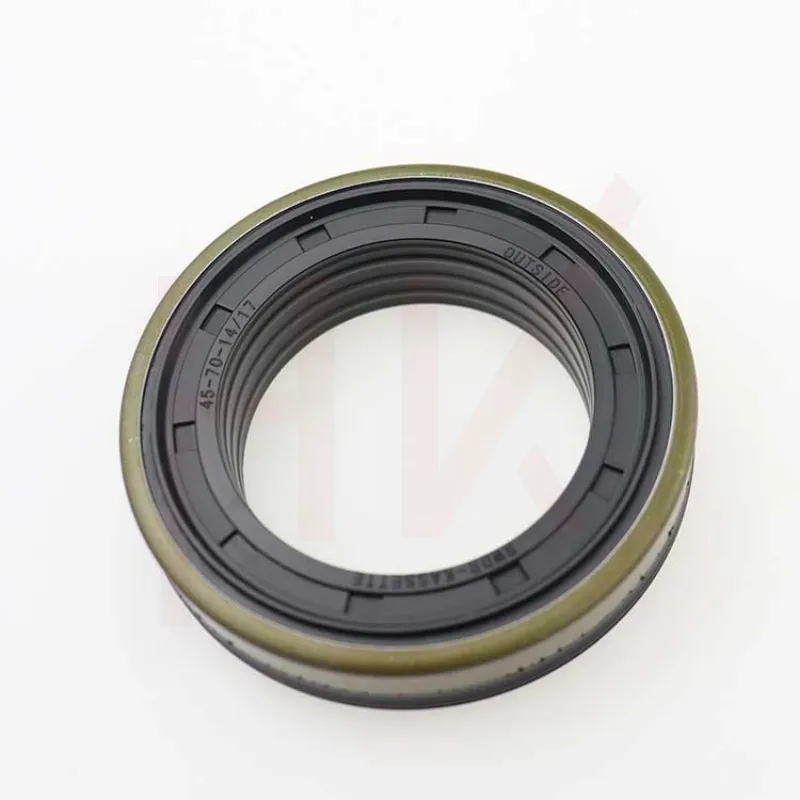
Hub oil seal 40*65*13/14.5 suitable for tractor Cat 12018035b
-
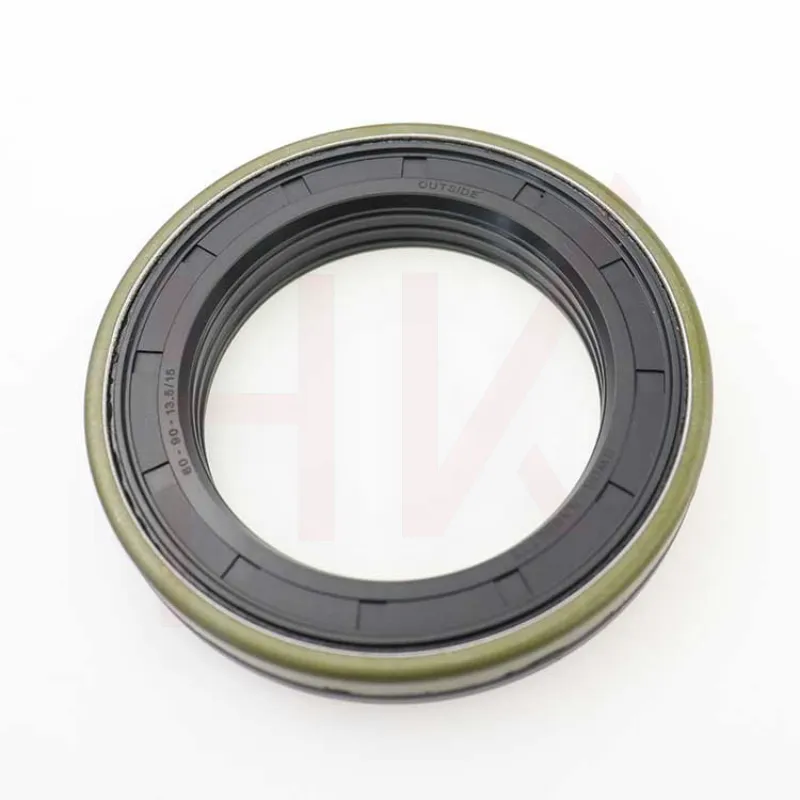
Tractor accessories cassette oil seal hub oil seal 60-90-13.5/15
-
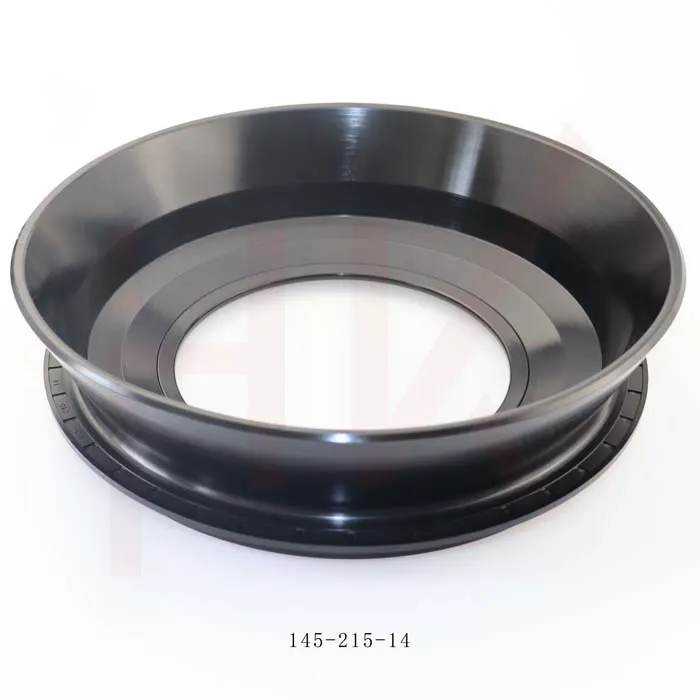
Factory concrete mixer truck oil seal 145*215*14 reducer gearbox oil seal
-

145*189*15.5/17 Cassette Seal NBR Hub Oil Seal 1508044
-
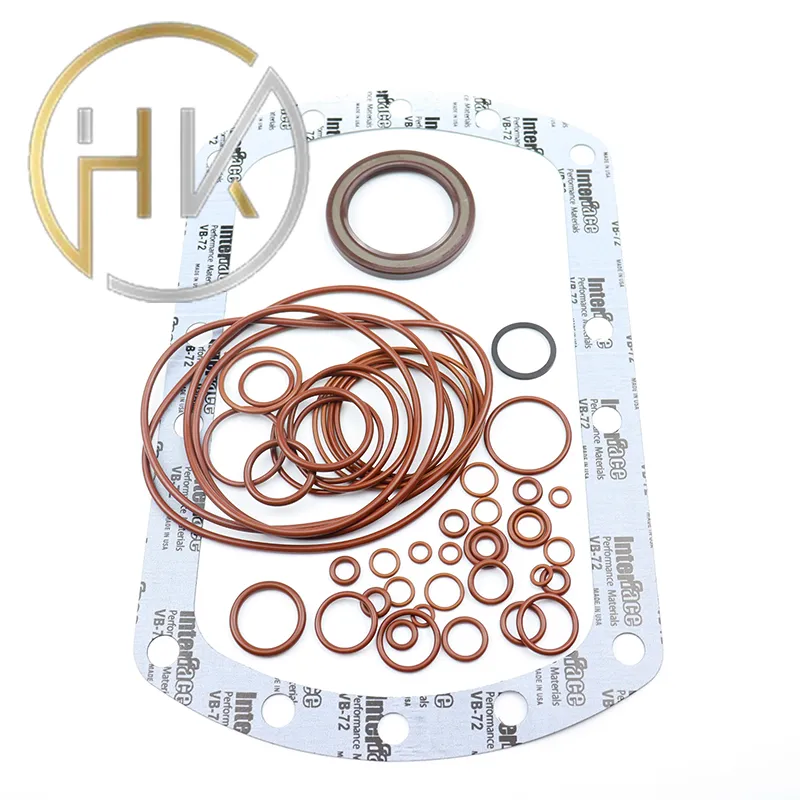
Factory direct sales hydraulic pump motor seal kit A8VO140
-
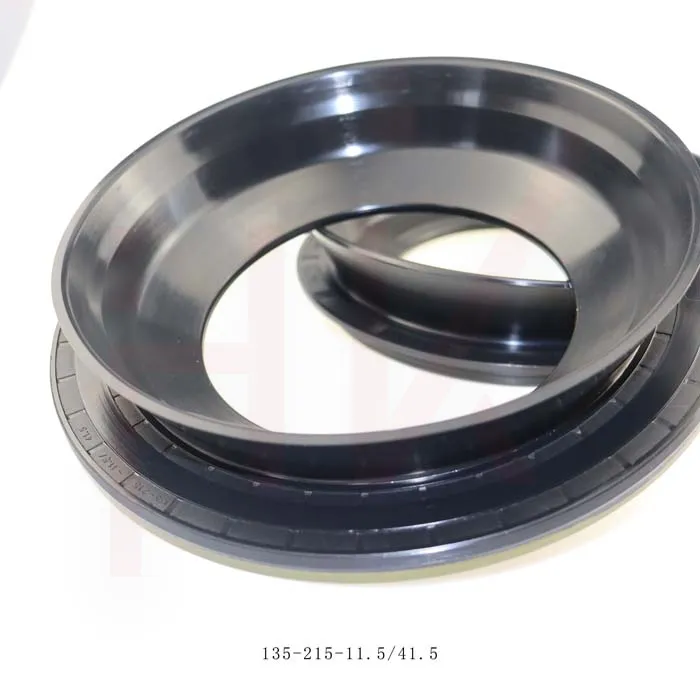
Brand new cement tanker oil seal 135*215*11.5/41.5 concrete mixer oil seal
-
45*65*15 Combi oil seal JCB 90450009 COMBI SF1 SEAL
-
Gear box concrete mixer oil seal 140*192*19.3 nbr reducer oil seal
-
Seals factory direct sales 113*160/166*11.5/38 excavator truck reducer oil seal