
Dec . 02, 2025 12:05 Back to list
Rotary Oil Seals: Essential Components for Efficient and Sustainable Machinery
Understanding Rotary Oil Seals: The Unsung Heroes of Modern Industry
If you’re not familiar with rotary oil seals, you might be surprised to learn how widely they impact our daily lives — and global industry. These small, seemingly simple components are critical for sealing lubricants in countless machines and devices. Without them, we’d face higher maintenance costs, more frequent machine failures, and a major hurdle in sustainability efforts worldwide.
Simply put, rotary oil seals are the guardians preventing oil leaks and contamination in rotating equipment. Understanding their design and applications is vital across sectors from automotive to energy, helping improve efficiency, reduce waste, and ultimately support the circular economy we all aim for.
Global Context: Why Rotary Oil Seals Matter More Than Ever
The global manufacturing industry, worth trillions annually, relies heavily on precise machinery operation. According to the International Organization for Standardization (ISO), sealing components like rotary oil seals help maintain machine reliability, playing into the broader efficiency and sustainability goals urged by the UN’s industrial development frameworks (UNIDO).
Globally, industries spend billions each year dealing with equipment downtime and oil leak-related accidents. Rotary oil seals address this by providing tight sealing solutions that minimize oil loss and contamination, which are critical in heavy industries — think manufacturing plants in Asia, automotive industries in Europe, or oil rigs in the Gulf.
One of the major challenges they tackle is environmental protection — improper sealing leads to leaks that pollute soil and water. Thus, reliable rotary oil seals are not just an engineering detail; they’re part of responsible industrial stewardship.
What Are Rotary Oil Seals?
To put it simply, a rotary oil seal is a device designed to seal the interface between stationary and rotating components, especially where lubricating oils or greases are involved. Picture a spinning shaft transmitting motion; the seal ensures lubricant stays inside while preventing dirt, dust, and water from getting in.
Though tiny and often overlooked, their role is crucial in everything from automotive engines and transmissions to wind turbines and industrial pumps. Given their widespread use, these seals help reduce maintenance frequency and extend equipment life, which relates directly to humanitarian needs by ensuring continuous power, water supply, and transportation systems.
Core Components of Rotary Oil Seals
1. Durability
Rotary oil seals must endure harsh environments—extreme temperatures, abrasive particles, and constant friction—from machinery operating around the world. Materials like nitrile rubber (NBR), fluoroelastomer (FKM), and silicone offer tailored resistance to chemicals and heat, balancing flexibility and toughness.
2. Precision Fit & Design
The geometry of rotary oil seals is sophisticated—lip design, spring tension, and shaft surface finish all influence sealing efficiency. A well-fitted seal drastically reduces leakage, which translates to less oil consumption and fewer breakdowns.
3. Scalability & Customization
Modern manufacturing demands seals in varied sizes and formats to fit unique applications. From miniature electric motors to giant offshore wind turbines, manufacturers provide bespoke solutions, ensuring optimized performance across industries.
4. Cost Efficiency
Investing in quality seals might seem pricey upfront, but the downstream savings are measurable in lower downtime and extended machine service intervals — a classic example of spending smart to save big later.
5. Environmental Compatibility
Many modern rotary oil seals incorporate eco-friendly materials and designs that reduce waste and facilitate recycling, supporting global trends in sustainable manufacturing practices.
Mini takeaway: Rotary oil seals, while small, blend material science, engineering precision, and cost considerations to ensure machinery runs reliably worldwide.
Global Applications & Use Cases
- Automotive Industry: Seals are used in engines, gearboxes, and axles, essential for reducing maintenance costs and improving fuel efficiency.
- Energy Sector: Wind turbines and hydroelectric generators rely on robust sealing to operate efficiently in harsh environments.
- Manufacturing Plants: Rotary collars and shafts in industrial pumps and compressors use seals to minimize leaks, even in heavy-duty corrosive conditions.
- Oil & Gas: Offshore platforms use specialized seals to prevent environmental contamination — vital for compliance and safety.
- Humanitarian Engineering: Remote water pumps and generators in disaster-prone regions depend on reliable seals to keep critical infrastructure running.
For instance, in post-disaster relief operations, portable water pumps equipped with dependable rotary oil seals provide continuous operation under rough conditions — enabling faster, more efficient aid delivery.
Advantages & Long-Term Value of Rotary Oil Seals
The advantages of effective sealing solutions go well beyond technical specs. For operators, this means:
- Reduced downtime and maintenance costs: Machinery stays online longer, avoiding costly repairs.
- Environmental protection: Preventing leaks reduces oil spills and contamination risks.
- Safety and reliability: Prevent equipment failures that could endanger workers or critical services.
- Sustainability: Using high-quality, recyclable materials aligns with circular economy principles.
There’s also an emotional piece: when you design equipment to be trustworthy and long-lasting, you’re investing in users’ peace of mind — a value that often goes unmeasured but profoundly influences industrial relationships.
Future Trends & Innovations in Rotary Oil Seals
Looking ahead, the rotary oil seal space is embracing smart materials and digital integration:
- Advanced materials: Graphene-reinforced elastomers and biodegradable compounds show promise to enhance durability and environmental responsibility.
- IoT & sensors: Embedded condition-monitoring systems can predict wear and prevent catastrophic seal failure, pivoting toward predictive maintenance.
- Automation: Robotic seal installation and customized manufacturing using 3D printing are improving scalability and quality.
- Green energy alignment: More seals are designed specifically for renewable applications, such as offshore wind turbines, where saltwater resistance is paramount.
Challenges & Solutions in Rotary Oil Seal Usage
Despite their robustness, rotary oil seals face challenges:
- Wear and tear under extreme conditions: High-speed shafts or contaminated environments accelerate degradation.
- Material compatibility: Poor matching of seal material to lubricant or process chemicals can cause early failure.
- Installation errors: Incorrect fitting leads to leaks despite good seal design.
Industry experts recommend detailed condition assessments, material analysis, and installation training to mitigate these risks. Companies also increasingly rely on continuous monitoring and innovative seal designs to extend service intervals and reduce costly failures.
Rotary Oil Seals: Product Specifications
| Specification | Typical Range / Value | Notes |
|---|---|---|
| Operating Temperature | -40°C to 200°C | Varies by elastomer type |
| Shaft Diameter | 1 mm to 1500 mm+ | Custom sizes commonly produced |
| Pressure Limits | Up to 0.5 MPa | Higher pressures require special design |
| Material Options | NBR, FKM, Silicone, PTFE | Selected based on environment and fluid |
| Expected Lifespan | 1 to 5 years typical | Depends on application and maintenance |
Vendor Comparison: Rotary Oil Seal Suppliers
| Vendor | Global Reach | Material Variety | Customization Options | Pricing |
|---|---|---|---|---|
| Vendor A | Worldwide | High (NBR, FKM, Silicone) | Extensive | Mid-Range |
| Vendor B | Asia, Europe | Moderate (NBR, PTFE) | Limited | Competitive |
| Vendor C | North America | High (Including advanced composites) | Moderate | Premium |
Frequently Asked Questions About Rotary Oil Seals
- How do I know if a rotary oil seal needs replacing?
- Look for signs like oil leaks around the shaft, unusual noises, or excessive shaft wear. Routine inspections and monitoring operating temperature can also help catch issues early.
- Can I use the same rotary seal for different lubricants?
- Not always. Seal materials must be compatible with the specific lubricant and environmental conditions to avoid degradation and leaking. Consult manufacturer guidelines.
- What causes premature failure of rotary oil seals?
- Common causes include misalignment during installation, abrasive contamination, incompatible materials, and excessive shaft speed or pressure beyond the seal’s design limits.
- Are custom rotary seals worth the cost?
- Absolutely. Custom seals ensure precise fit and optimal material selection, which enhances sealing performance and lifespan, reducing costly downtime in the long run.
- Where can I buy high-quality rotary oil seals?
- Reputable suppliers with global reach, like the ones listed above, or specialized manufacturers provide a range of options. Visit rotary oil seals for expert products and support.
Wrapping Up: Why Rotary Oil Seals Should Matter to You
In the grand scheme of machinery and engineering, rotary oil seals might seem like a small gear in a huge machine. Yet, they’re the difference between smooth operation and costly failure. I suppose it feels odd to consider how something so tiny can influence entire supply chains, energy production, or disaster relief efforts — but that’s exactly their power.
If you’re involved in manufacturing, engineering, or maintenance, keeping these seals in mind means improved efficiency, environmental stewardship, and smarter operational budgets. For more information, product selections, or expert advice, don’t hesitate to check out rotary oil seals.
It’s a classic case of paying attention to the small stuff — because, oddly enough, it often makes all the difference.
References:
-
Guide to Choosing the Right High Quality hydraulic ram kit
NewsApr.16,2026
-
Premium Hydraulic Cylinder Packing Kits for Peak Performance
NewsApr.09,2026
-
Comprehensive Guide to Hydraulic Cylinder Oil Seal Kits for Optimal Performance
NewsApr.07,2026
-
Comprehensive Guide to Choosing the Right Cylinder Seal Kits for Peak Performance
NewsApr.04,2026
-
Comprehensive Guide to Seal Kits for Cylinders Ensuring Optimal Performance
NewsMar.31,2026
-
Comprehensive Guide to Hyd Cylinder Seals for Optimal Hydraulic System Performance
NewsMar.28,2026
-
Comprehensive Guide to Hyd Cylinder Seal Kit Selection and Installation
NewsMar.26,2026
Products categories
-
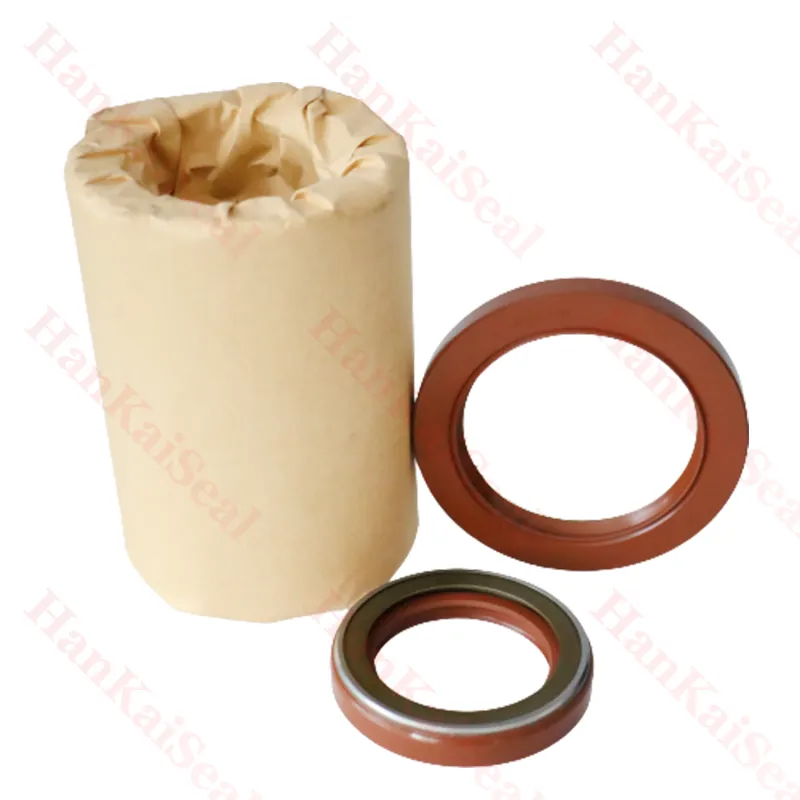
Standard oil seal BP0494 High pressure TCN oil seal
-
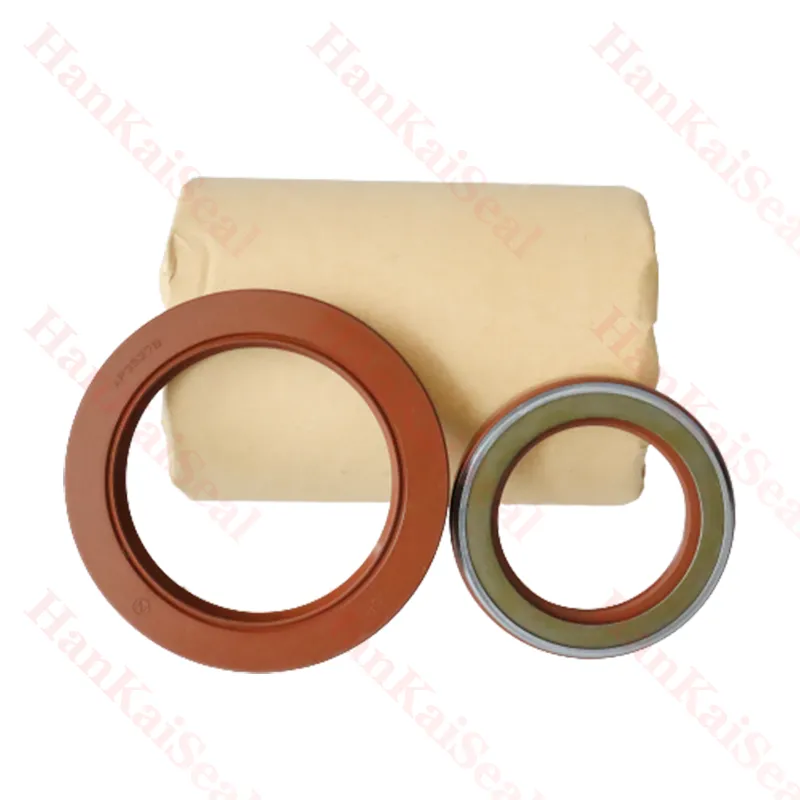
Hydraulic pump seal AP4624G high pressure TCN oil seal
-
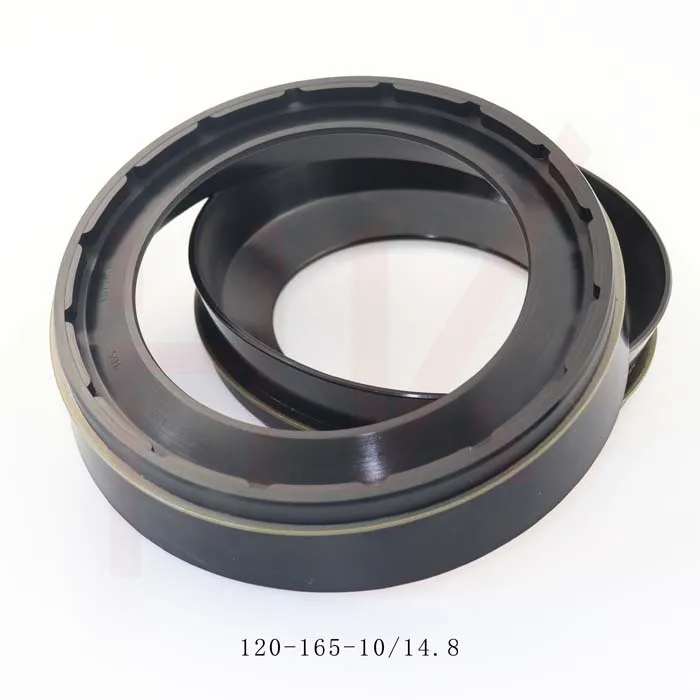
0734307418 0750112169 120*165*10/14.8 concrete mixer reducer oil seal
-
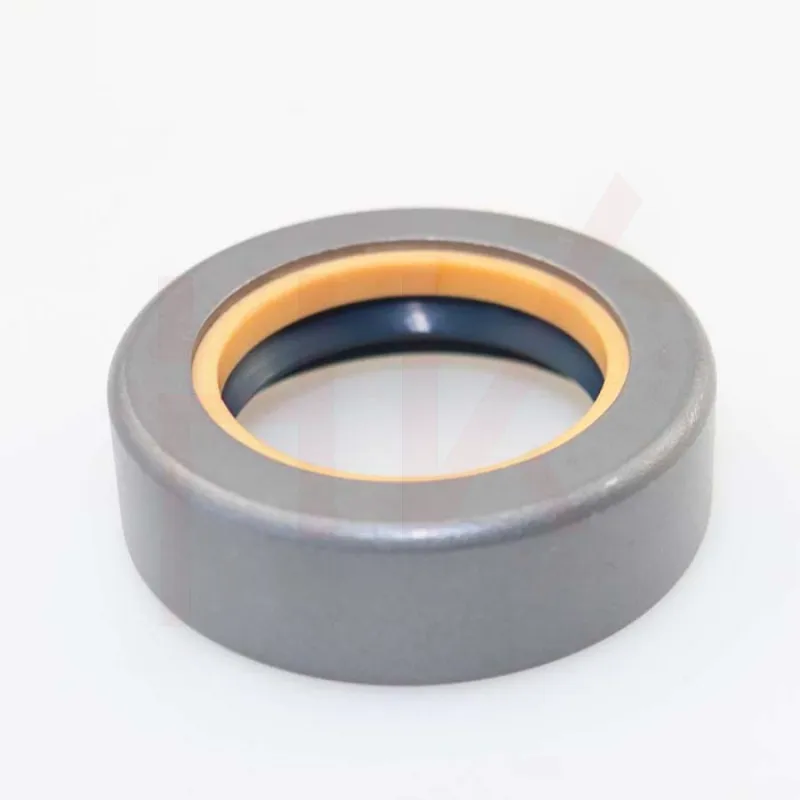
35*52*16 Standard Wheel Hub Oil Seal For Agricultural Machinery
-
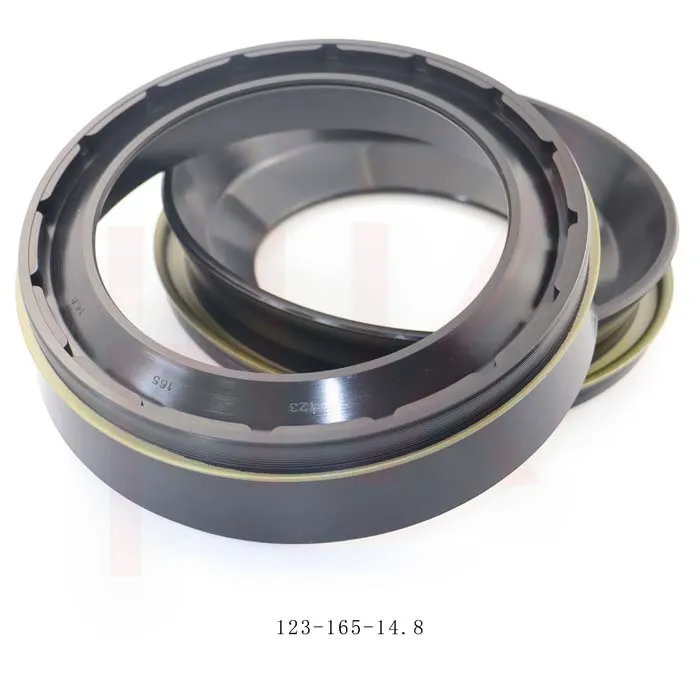
123*165*14.8 concrete mixer truck reducer oil seal
-
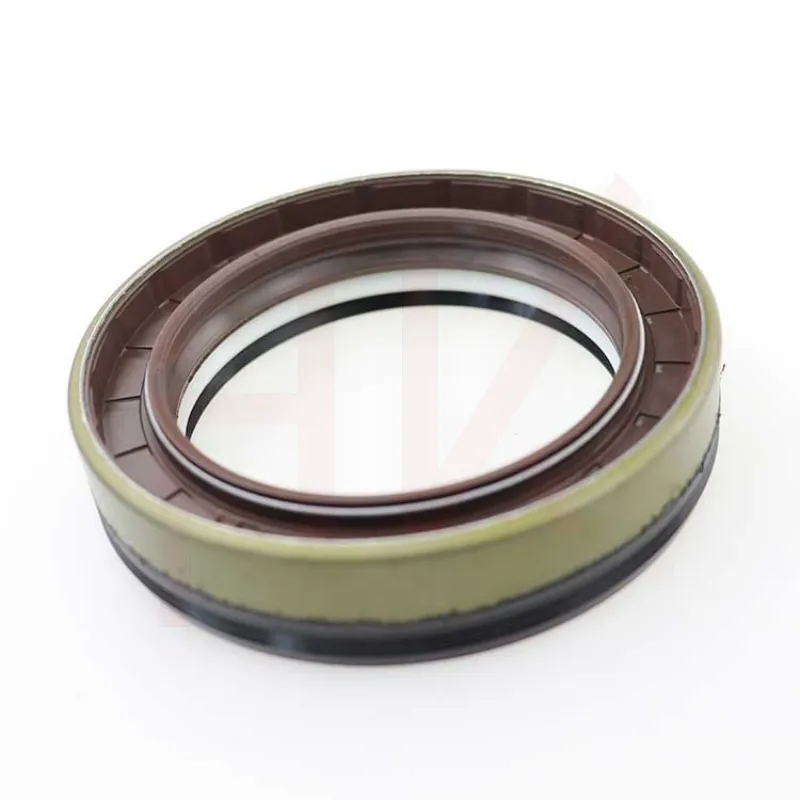
Tractor shaft oil seal 65-90-20 COMBI SF19 hub oil seal
-
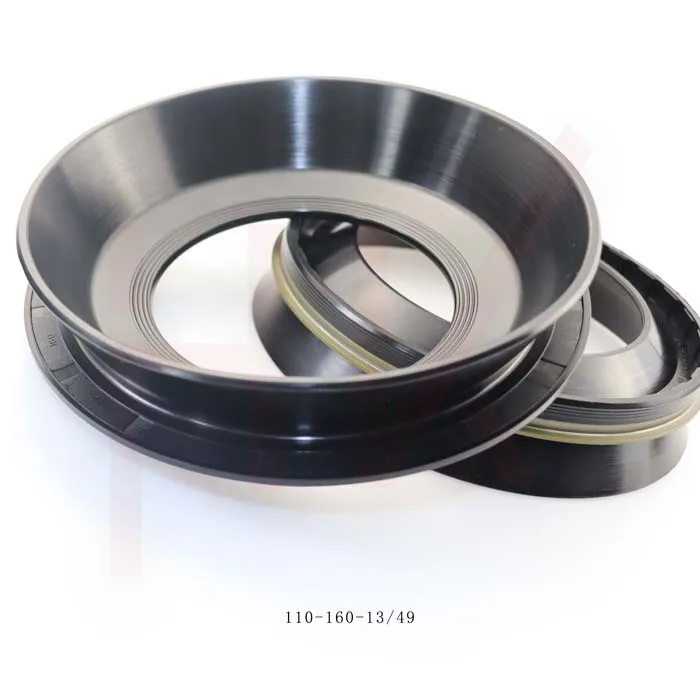
110*160*13/49 NBR reducerConcrete mixer truck oil seal
-
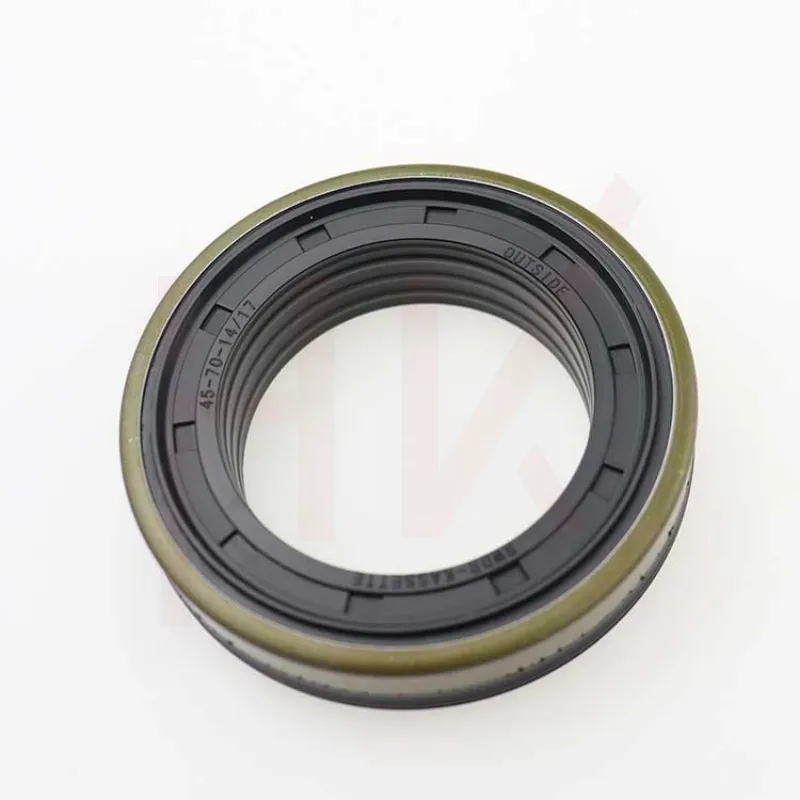
Hub oil seal 40*65*13/14.5 suitable for tractor Cat 12018035b
-
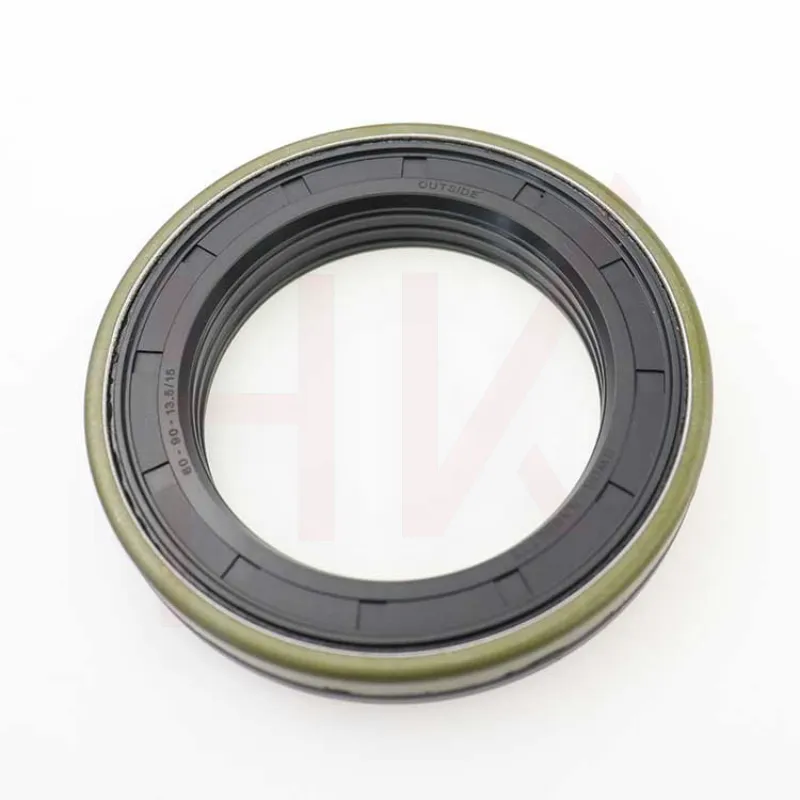
Tractor accessories cassette oil seal hub oil seal 60-90-13.5/15
-
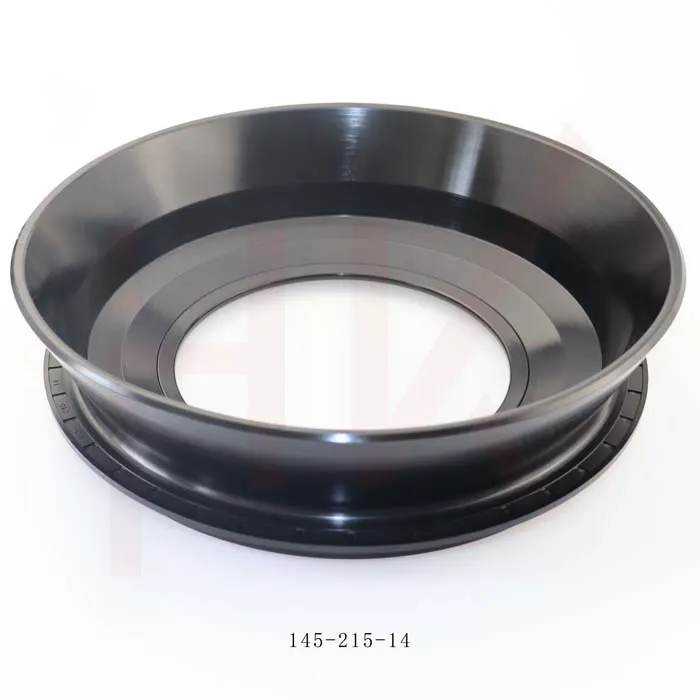
Factory concrete mixer truck oil seal 145*215*14 reducer gearbox oil seal
-

145*189*15.5/17 Cassette Seal NBR Hub Oil Seal 1508044
-
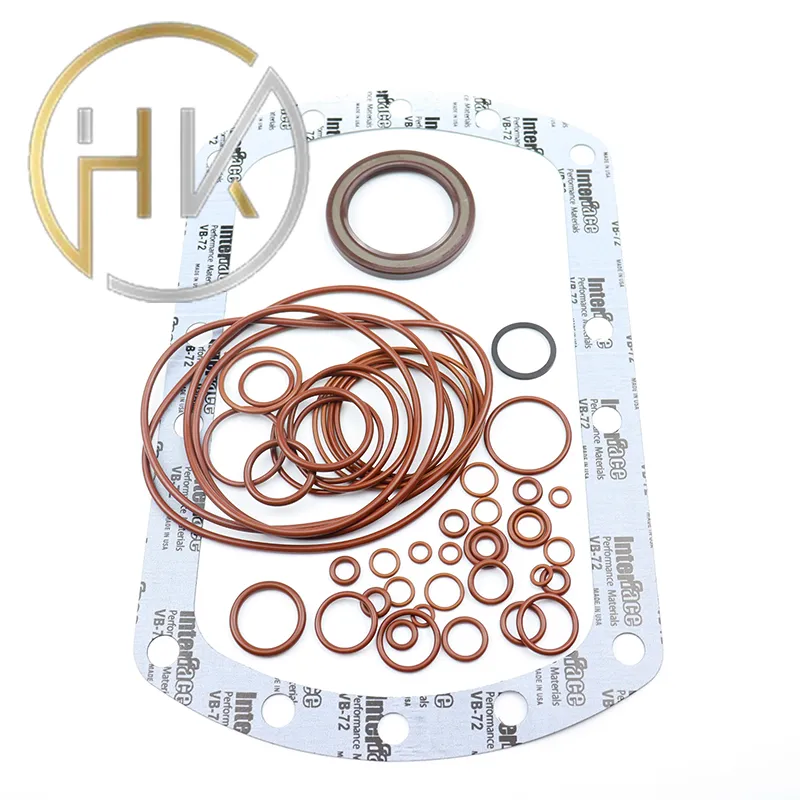
Factory direct sales hydraulic pump motor seal kit A8VO140
-
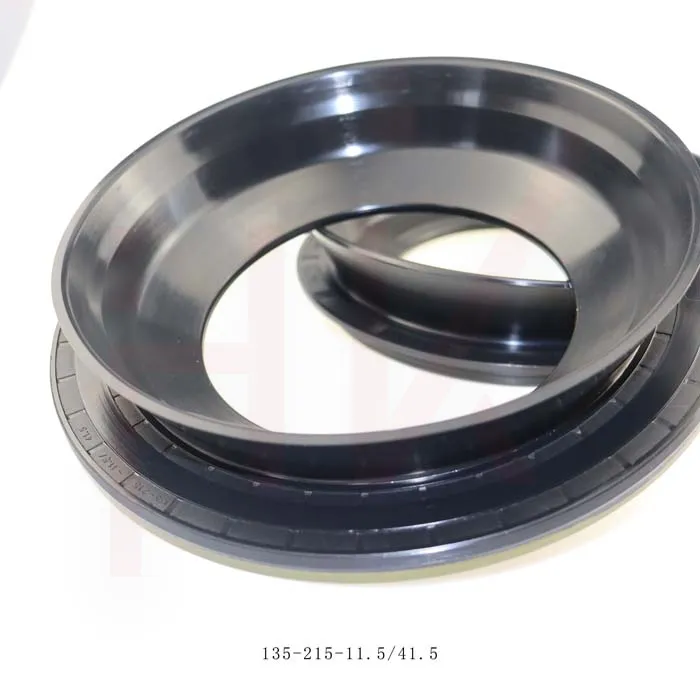
Brand new cement tanker oil seal 135*215*11.5/41.5 concrete mixer oil seal
-
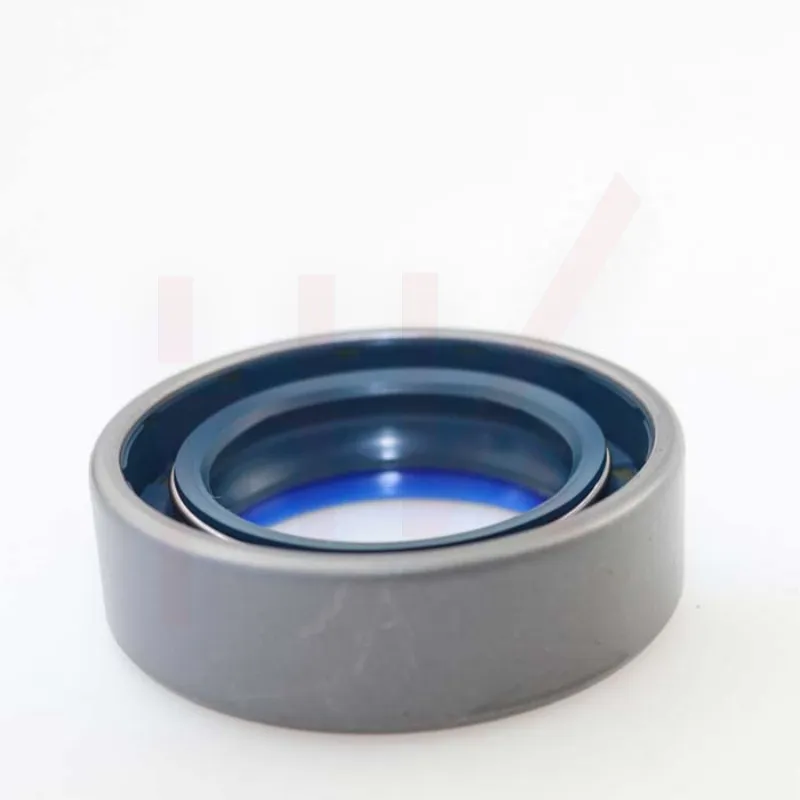
45*65*15 Combi oil seal JCB 90450009 COMBI SF1 SEAL
-
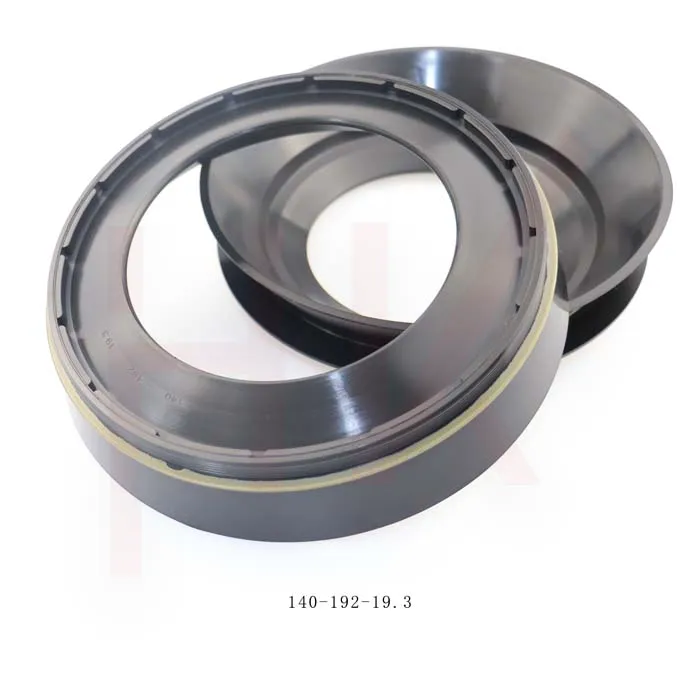
Gear box concrete mixer oil seal 140*192*19.3 nbr reducer oil seal
-
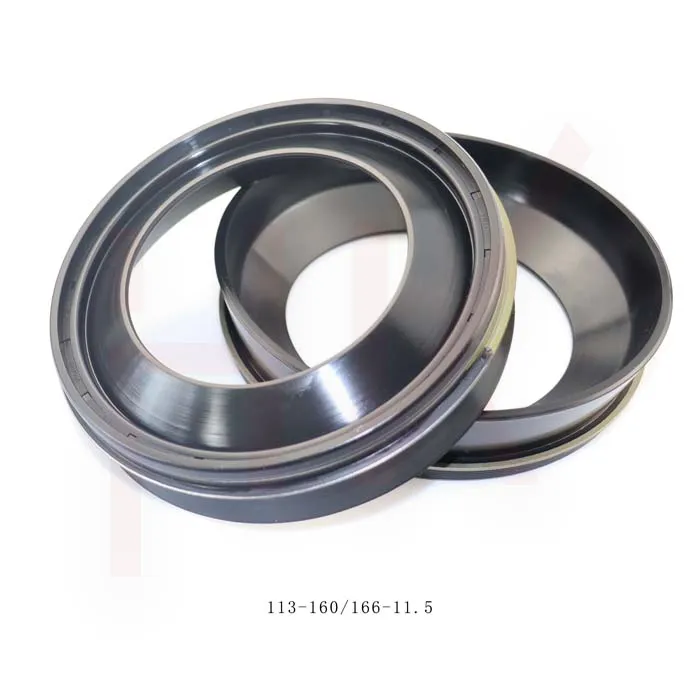
Seals factory direct sales 113*160/166*11.5/38 excavator truck reducer oil seal