
Dec . 02, 2025 12:41 Back to list
Comprehensive Guide to CFW Oil Seal: Benefits, Applications, and Innovations
Understanding CFW Oil Seal: What It Is and Why It Matters Globally
When you think about machinery—whether it's a car engine, industrial compressor, or agricultural equipment—the tiny yet mighty cfw oil seal plays an unassuming but crucial role. These seals keep lubricants inside and contaminants out, ensuring smooth operations. Globally, industries depend on reliable seals to reduce downtime, minimize maintenance, and prolong machine lifespans. Understanding cfw oil seal technology isn’t just for engineers; it’s critical knowledge for any sector where equipment reliability impacts productivity and safety.
Oddly enough, something so small can cause massive headaches if neglected. Machinery failures cost the global economy billions each year, according to ISO estimates on industrial downtime (1). That’s why the cfw oil seal—a tried and tested component—is quietly pivotal in operations worldwide.
Mini Summary: The cfw oil seal is vital in global industry, ensuring equipment reliability and cost efficiency. Grasping its features helps businesses reduce failures and optimize operations.
Introduction: The Industry and Global Context of CFW Oil Seals
The widespread use of machinery across manufacturing, automotive, and energy sectors means that the cfw oil seal is significant beyond borders. World Bank data shows that industrial equipment maintenance costs can total up to 15% of production value in some countries (2), so any innovation or understanding that reduces repair times or prevents failure directly supports economic stability.
But here’s the snag: harsh environments, from chemicals to extreme temperatures, push seals to their limits. A poorly chosen or low-quality seal can lead to lubricant leakage, contaminant ingress, and ultimately machine breakdowns. This is where knowing the ins and outs of cfw oil seals can save time and resources.
Mini Summary: Global industrial reliance on durable seals is huge, but operating conditions challenge their efficacy—making quality seal selection critical.
What Is a CFW Oil Seal?
Simply put, a cfw oil seal is a mechanical seal used to retain lubricants like oil inside rotating shafts and to keep dirt, dust, and moisture out. These seals are usually made from specialized rubber or synthetic materials bonded to metal rings. The “CFW” designation often relates to design specifics or material grades customized for certain operating conditions.
Think of it as a gatekeeper for your machine’s moving parts; without it, lubricants seep out and harmful debris can speed up wear and tear. Modern industries—from automotive assembly lines to renewable energy turbines—depend heavily on these seals to maintain the machinery’s integrity and efficiency.
Mini Summary: The cfw oil seal is a protective barrier ensuring lubricant containment and contaminant exclusion in machines, essential for modern industrial operations.
Core Components and Key Factors
1. Durability and Material Composition
The rubber or synthetic polymer must resist heat, chemicals, and abrasion — materials like nitrile rubber (NBR), fluoroelastomers (FKM), or silicone often fit the bill. Their durability directly influences maintenance cycles.
2. Precision Design and Fit
The metal or plastic casing supports the sealing lip, which must fit perfectly around shafts, sometimes with intricate spring-loaded lips to maintain pressure and flexibility.
3. Temperature and Pressure Resistance
CFW oil seals are engineered to function under a range of temperatures (-40°C to +200°C in some cases) and pressures, important for engines, pumps, or compressors.
4. Resistance to Environmental Contaminants
Seals need to block out dust, water, and chemicals—critical in agriculture, mining, and marine applications.
5. Cost Efficiency and Availability
Product availability and cost-effectiveness influence procurement decisions, especially for large-scale industrial operations.
Mini Summary: Material quality, design precision, environmental resistance, and cost all factor into the performance and adoption of cfw oil seals.
Specifications of a Typical CFW Oil Seal
| Specification | Details |
|---|---|
| Material | Nitrile Rubber (NBR) with Metal Garter Spring |
| Temperature Range | -40°C to +120°C |
| Pressure Rating | Up to 0.1 MPa |
| Shaft Diameter Range | 10mm to 200mm |
| Typical Applications | Automotive engines, gearboxes, pumps, industrial compressors |
Global Applications and Use Cases
From bustling factories in Germany to oil rigs off the coast of Brazil, cfw oil seals are everywhere. In automotive assembly lines in Japan, seals ensure engines operate smoothly for tens of thousands of miles. In harsh mining environments like South Africa’s platinum fields, seals keep dirt and abrasive particles out of vital equipment.
Post-disaster relief operations often depend on generators and pumps, where reliable sealing can mean the difference between prolonged service or critical failure. Remote industrial zones in Canada and Russia rely on these seals to maintain equipment performance despite extreme cold.
Mini Summary: These seals support many industries worldwide—from automotive to mining to humanitarian aid—proving their versatility and critical role.
Vendor Comparison: Popular CFW Oil Seal Manufacturers
| Vendor | Material Options | Price Range | Lead Time | Special Features |
|---|---|---|---|---|
| HKAID Seal Co. | NBR, FKM | $$ | 1-2 weeks | Custom sizes, eco-friendly materials |
| Global Seals Inc. | NBR, Silicone | $$$ | 2-3 weeks | High-temp resistance |
| SealTech Solutions | FKM, Silicone | $$$ | 3-5 days | Rapid prototyping, custom designs |
Advantages and Long-Term Value of CFW Oil Seals
It’s not just about keeping oil in—though that’s obviously important. Good cfw oil seals prevent costly downtime, reduce environmental impacts from leaks, and improve overall operational safety. The emotional side often goes unnoticed—these seals protect lives by maintaining machine integrity in hazardous environments.
Businesses get a long-term ROI through less frequent replacements, lower maintenance costs, and better energy efficiency. The seals also align closely with sustainability goals by reducing waste and increasing equipment efficiency.
Mini Summary: Beyond mechanical benefits, these seals deliver durable cost savings, enhance safety, and support sustainability—clear wins on multiple levels.
Future Trends & Innovations in CFW Oil Seal Technology
With green energy and Industry 4.0 rising, manufacturers are pushing for eco-friendly seal materials — biodegradable elastomers, for example. Digital sensors embedded in seals are emerging, allowing predictive maintenance by monitoring wear in real time.
Automation in assembly offers higher quality and consistent sealing, while alternative materials may enable better resistance to extreme conditions. Frankly, it feels like we’re on the cusp of a new era for these humble components.
Challenges and Expert Solutions
Seals sometimes fail prematurely due to improper installation, unexpected chemical exposure, or extreme thermal cycling. Many engineers say the biggest hurdle is selecting the right seal for the right application. Customization and thorough testing can help, as can supplier support and training.
Innovative coatings and improved polymers are providing solutions to wear and leakage, while service providers increasingly offer installation audits and training sessions to reduce errors.
FAQ: Frequently Asked Questions About CFW Oil Seal
- Q1: What is the typical lifespan of a CFW oil seal in industrial machinery?
A: Generally, a well-selected and properly installed CFW oil seal can last between 3 to 5 years under standard operating conditions. Harsh environments can shorten this lifespan, so regular inspection is recommended. - Q2: Can CFW oil seals be used with alternative lubricants like synthetic oils?
A: Yes, many seals are compatible with synthetic oils, but material compatibility must be confirmed with the supplier to ensure seal integrity. - Q3: How do I know if my equipment needs a custom CFW oil seal?
A: If your machinery has unusual shaft sizes, operates in extreme environments, or requires specific performance criteria, custom seals tailored to these needs can outperform standard options. - Q4: Are there eco-friendly CFW oil seal options?
A: Increasingly yes—manufacturers like HKAID Seal Co. offer bio-based and recyclable seal materials that reduce environmental impact without sacrificing performance.
Conclusion
The cfw oil seal might not make headlines, but it quietly supports billions of dollars in machinery operation worldwide. From industrial factories to remote mining sites, its role in maintaining equipment health, safety, and efficiency can’t be overstated. As technologies evolve toward smarter and greener solutions, understanding and choosing the right seal gives businesses a solid foundation for long-term success.
Want to explore more on reliable seals? Visit https://www.hkaiseal.com and discover products and expertise for your needs.
Reflection: It’s strange sometimes—how often we overlook small components like seals. Yet they literally hold the entire operation together. Next time you hear a machine hum smoothly, think of the little hero inside, guarding it quietly...
- ISO Maintenance Standards Overview, ISO.org
- World Bank Report on Industrial Maintenance Costs, 2021
- Wikipedia article on Mechanical Seals, accessed 2024
-
Guide to Choosing the Right High Quality hydraulic ram kit
NewsApr.16,2026
-
Premium Hydraulic Cylinder Packing Kits for Peak Performance
NewsApr.09,2026
-
Comprehensive Guide to Hydraulic Cylinder Oil Seal Kits for Optimal Performance
NewsApr.07,2026
-
Comprehensive Guide to Choosing the Right Cylinder Seal Kits for Peak Performance
NewsApr.04,2026
-
Comprehensive Guide to Seal Kits for Cylinders Ensuring Optimal Performance
NewsMar.31,2026
-
Comprehensive Guide to Hyd Cylinder Seals for Optimal Hydraulic System Performance
NewsMar.28,2026
-
Comprehensive Guide to Hyd Cylinder Seal Kit Selection and Installation
NewsMar.26,2026
Products categories
-
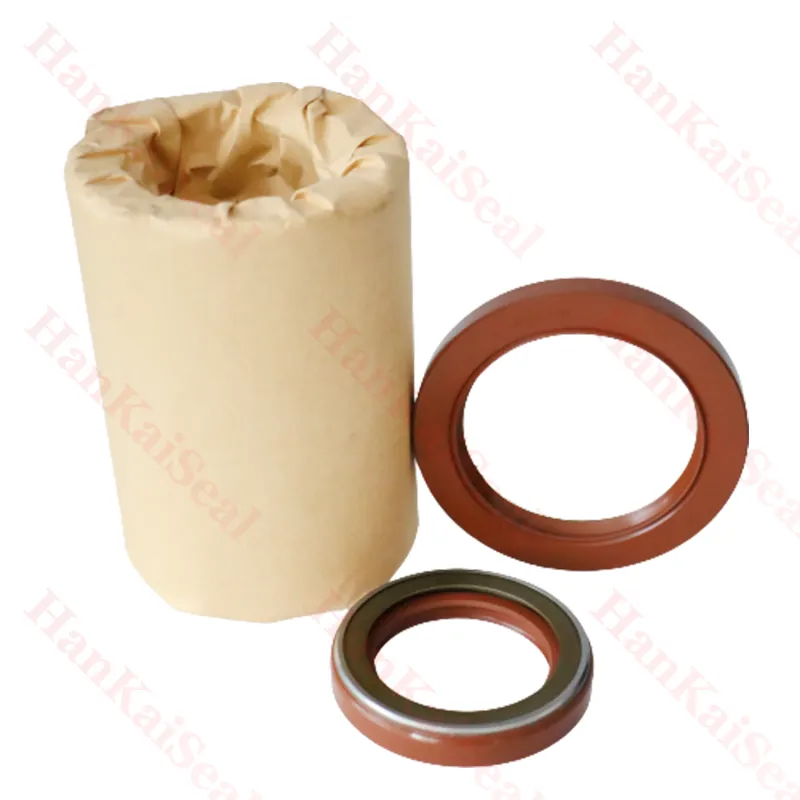
Standard oil seal BP0494 High pressure TCN oil seal
-
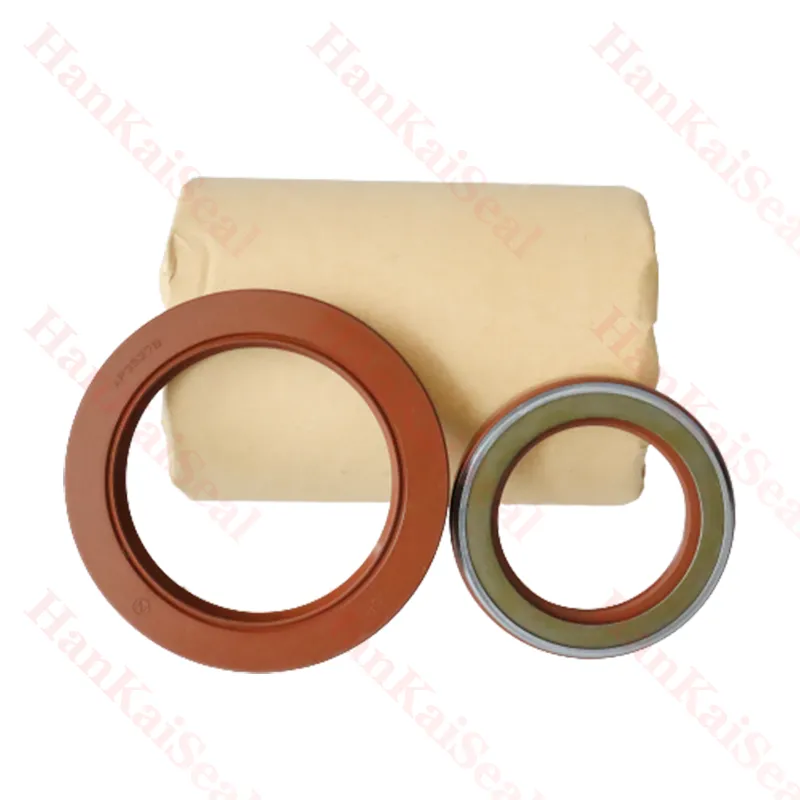
Hydraulic pump seal AP4624G high pressure TCN oil seal
-
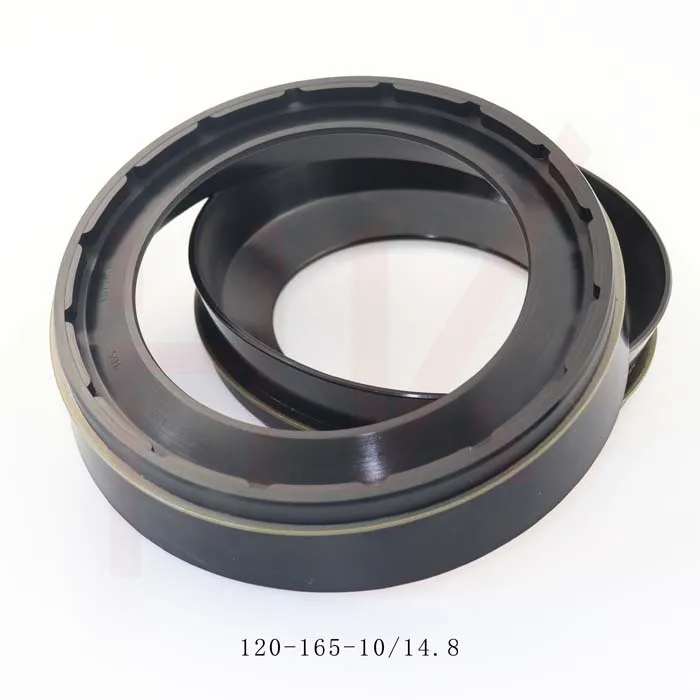
0734307418 0750112169 120*165*10/14.8 concrete mixer reducer oil seal
-
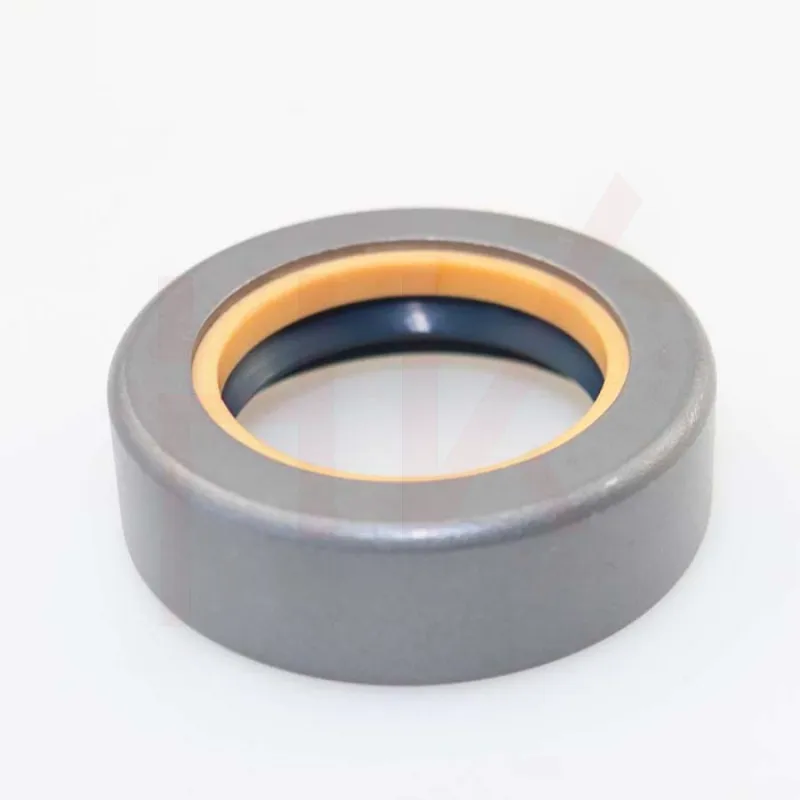
35*52*16 Standard Wheel Hub Oil Seal For Agricultural Machinery
-
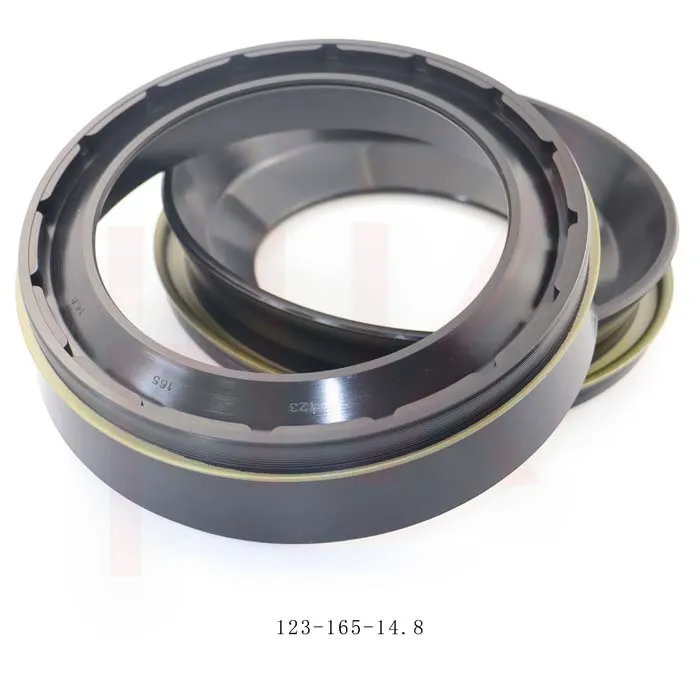
123*165*14.8 concrete mixer truck reducer oil seal
-
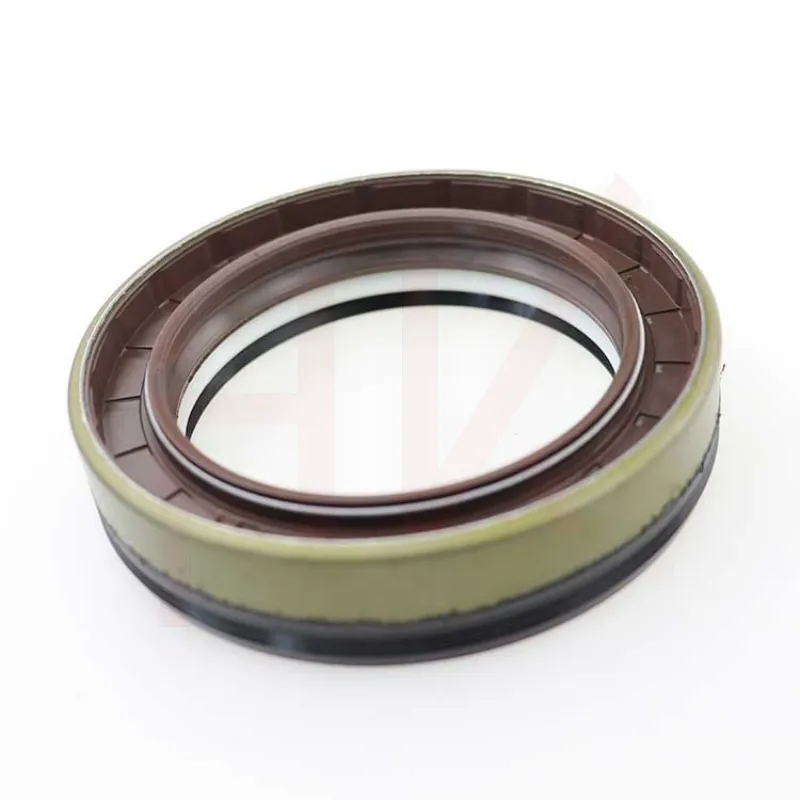
Tractor shaft oil seal 65-90-20 COMBI SF19 hub oil seal
-
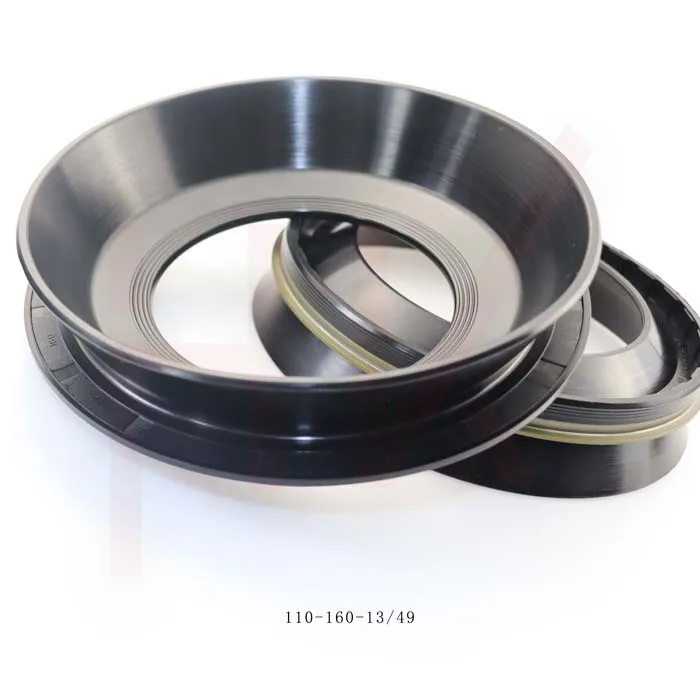
110*160*13/49 NBR reducerConcrete mixer truck oil seal
-
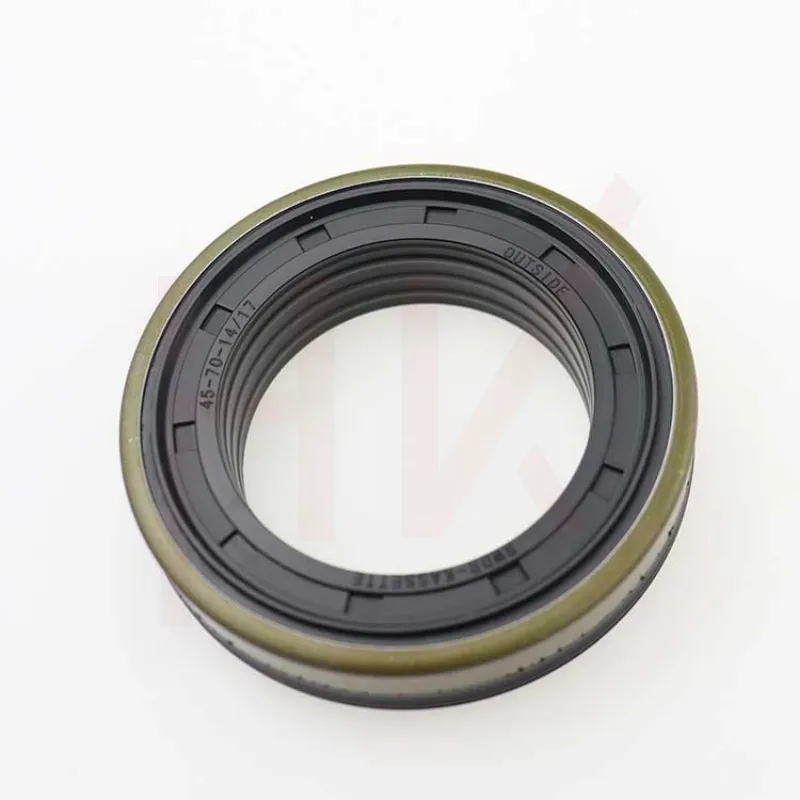
Hub oil seal 40*65*13/14.5 suitable for tractor Cat 12018035b
-
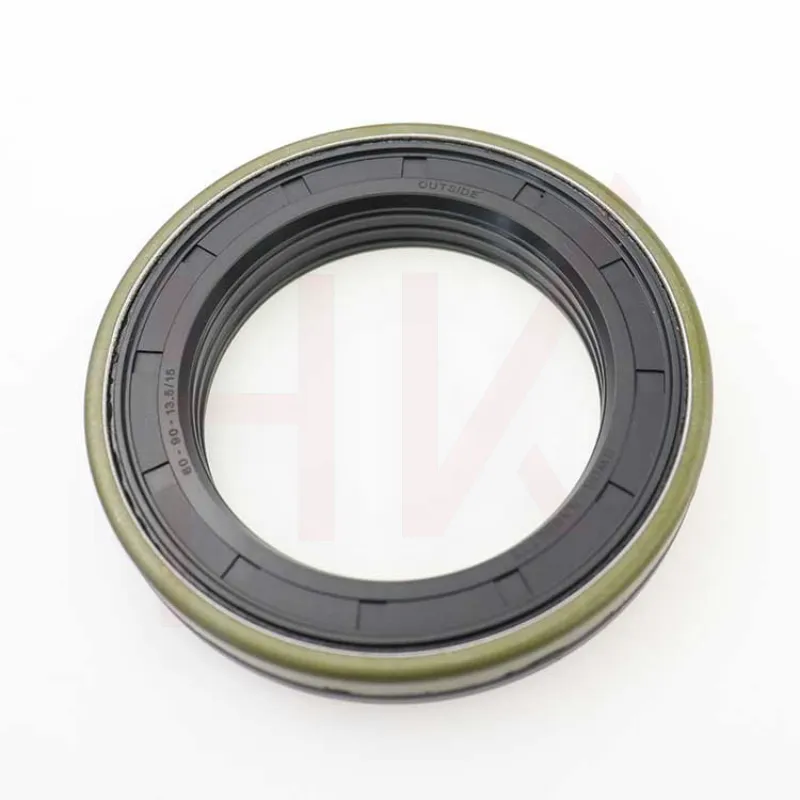
Tractor accessories cassette oil seal hub oil seal 60-90-13.5/15
-
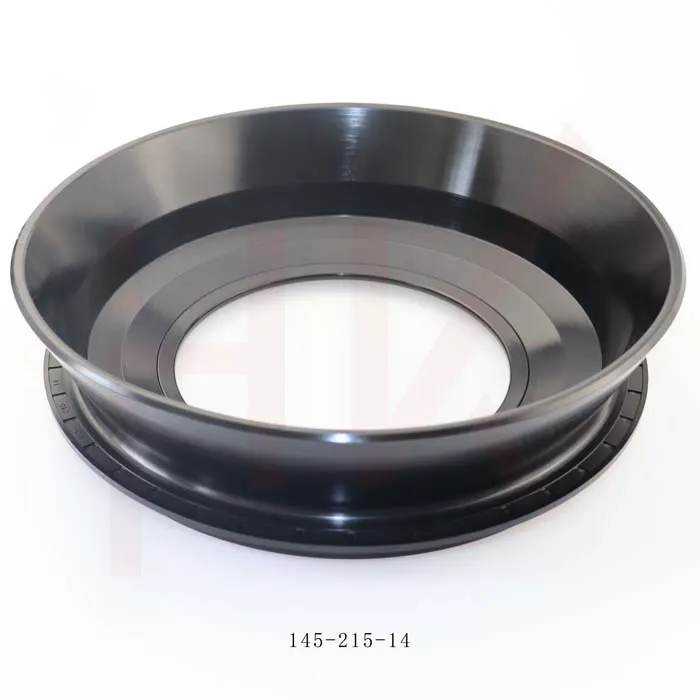
Factory concrete mixer truck oil seal 145*215*14 reducer gearbox oil seal
-
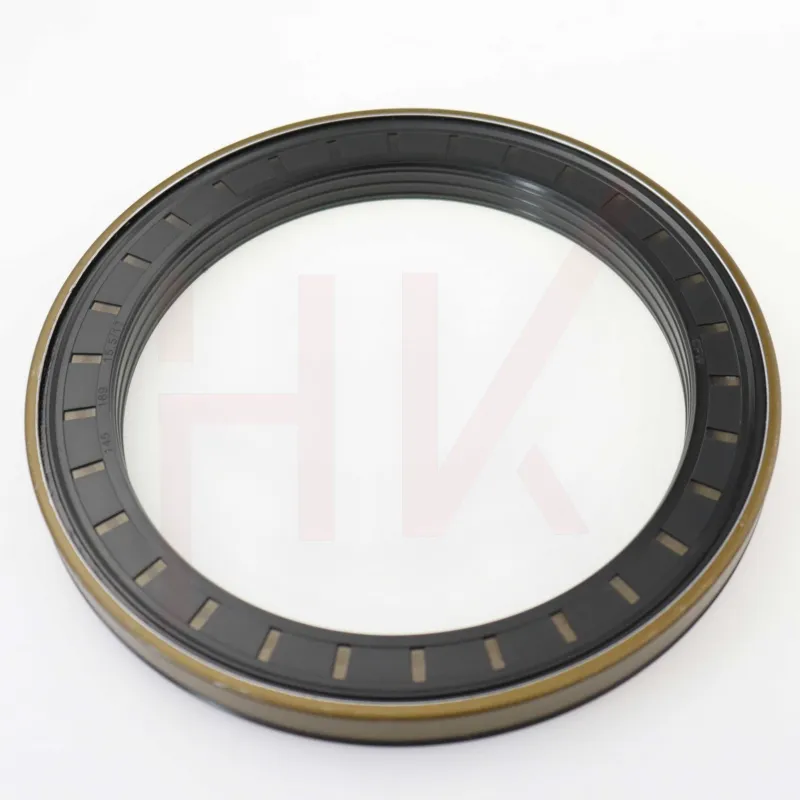
145*189*15.5/17 Cassette Seal NBR Hub Oil Seal 1508044
-
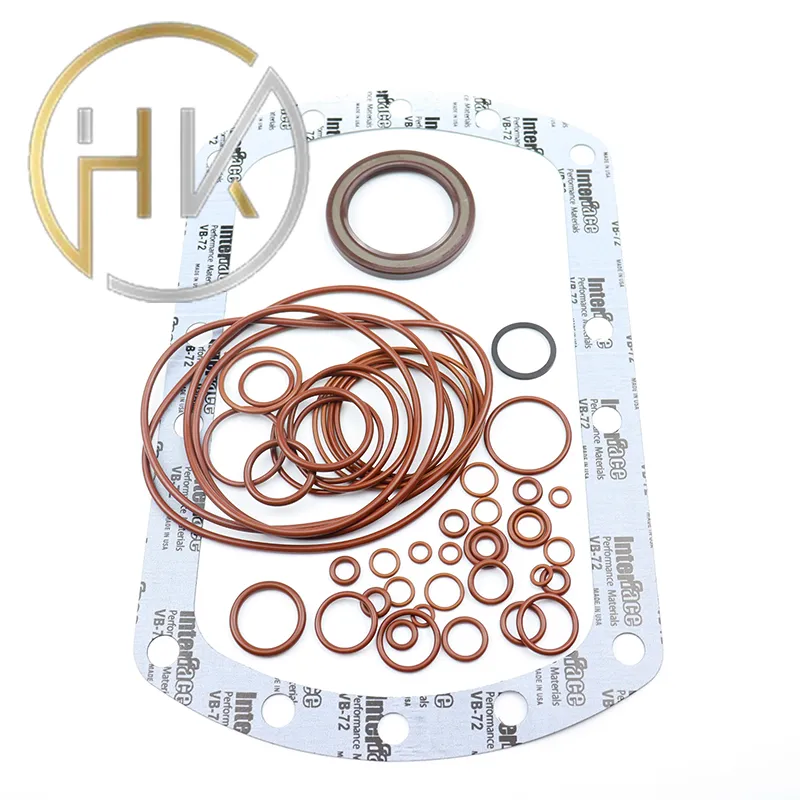
Factory direct sales hydraulic pump motor seal kit A8VO140
-
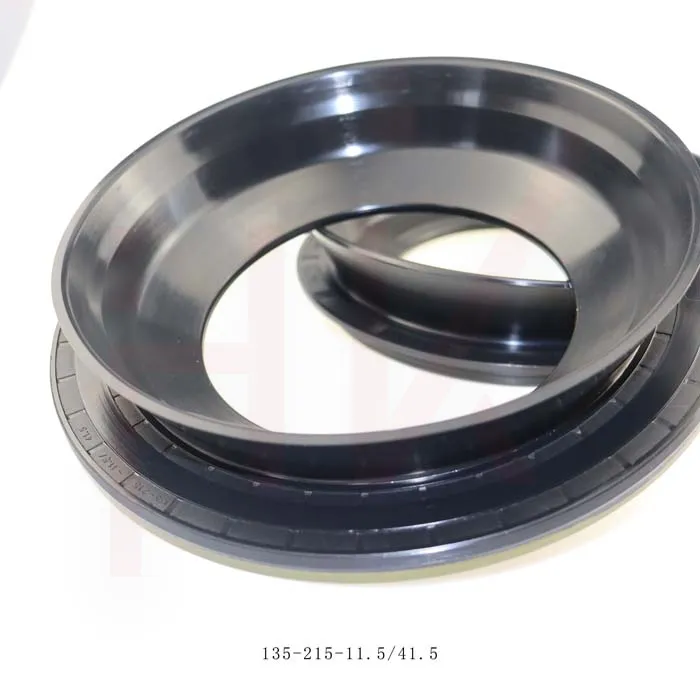
Brand new cement tanker oil seal 135*215*11.5/41.5 concrete mixer oil seal
-
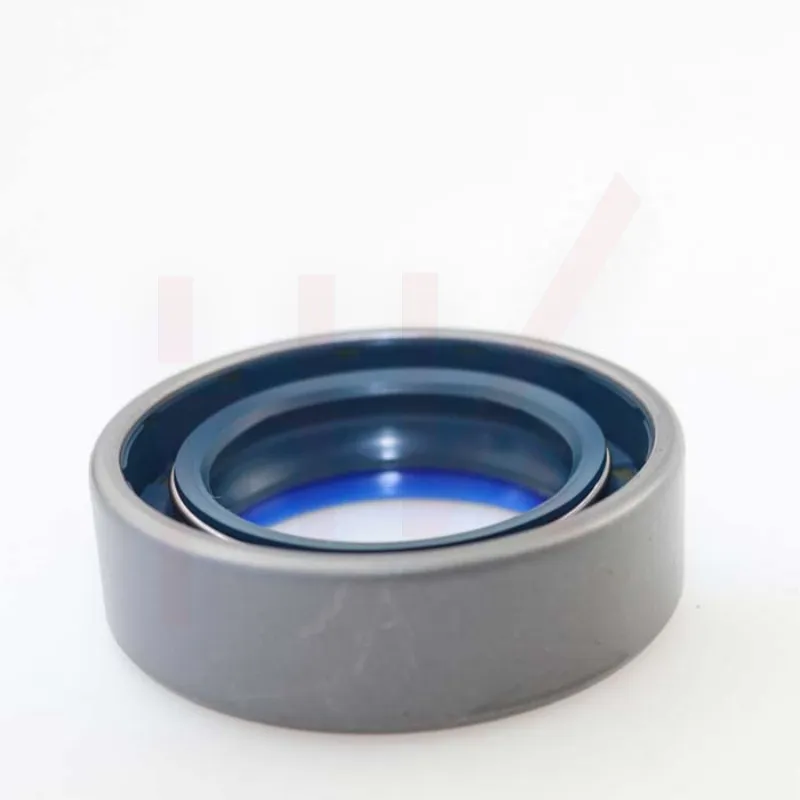
45*65*15 Combi oil seal JCB 90450009 COMBI SF1 SEAL
-
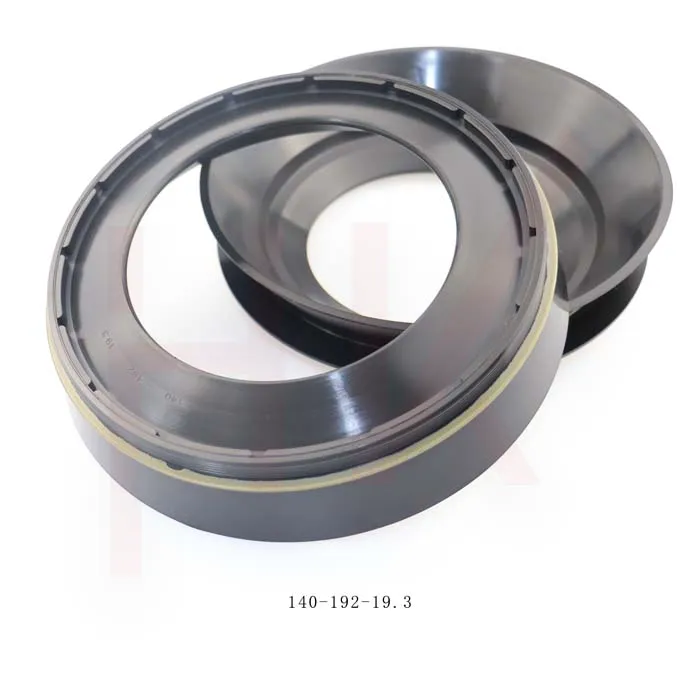
Gear box concrete mixer oil seal 140*192*19.3 nbr reducer oil seal
-
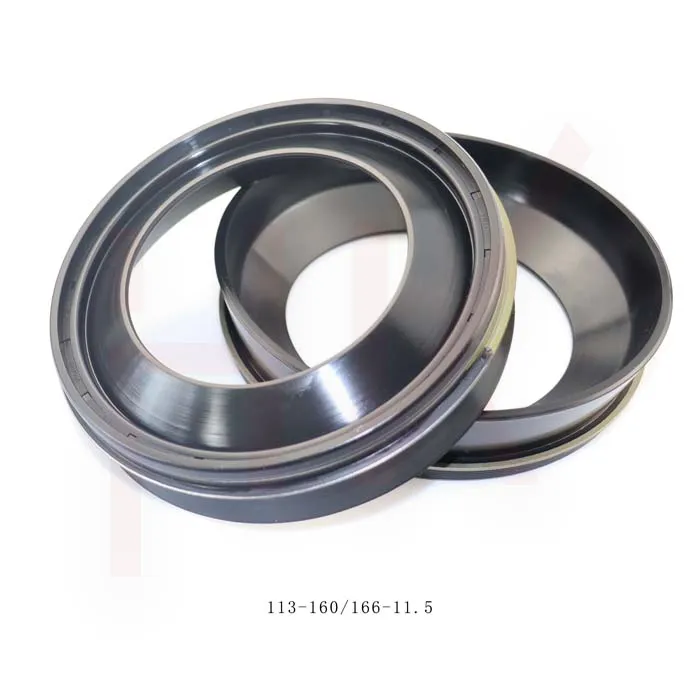
Seals factory direct sales 113*160/166*11.5/38 excavator truck reducer oil seal