
Dec . 01, 2025 22:20 Back to list
Understanding Oil Seal Factories: Essential Components in Modern Manufacturing
The Role of an Oil Seal Factory in Modern Industry: Why It Matters Globally
Oil seal factories might not be the first thing that pops into your head when you think about global manufacturing, but oddly enough, their presence literally keeps thousands of machines running around the world. These factories craft the critical components that protect machinery from leaks and contaminants — a small part with a big mission. In an age where equipment reliability, environmental safety, and efficient energy use are paramount, understanding the workings and benefits of oil seal factories becomes increasingly essential.
According to industry reports from ISO and manufacturing analyses, the seal manufacturing sector is growing at nearly 5% annually worldwide. This marks a robust demand in automotive, aerospace, agriculture, and even humanitarian field equipment. Why? Because seals reduce downtime, minimize environmental hazards caused by oil leaks, and extend machinery lifespans — factors critical to sustainable industrial growth.
Mini takeaway: An oil seal factory is a quiet but crucial cog in global industry, ensuring machines are leak-free and safe, supporting sustainability and operational efficiency.
What Exactly Is an Oil Seal Factory?
Simply put, an oil seal factory is a manufacturing facility specialized in producing oil seals — flexible, resilient rings that prevent fluids (usually oils or lubricants) from escaping machinery parts while keeping dirt and debris out. These seals are everywhere — in car engines, turbines, hydraulic equipment, pumps, and industrial gearboxes.
Think of oil seals as the body's immune system in machines, warding off contamination and loss. An oil seal factory is the place where rubber, metal, and synthetic materials meet precise engineering to form these lifesavers. Such factories employ automated molding, quality testing, and custom design capabilities, connecting modern industry with the demands of efficiency and environmental care.
Mini takeaway: Oil seal factories produce critical sealing solutions that protect machines worldwide and help industries meet modern efficiency and environmental standards.
Key Components That Define an Oil Seal Factory’s Success
1. Durability and Material Quality
Durability starts with the materials chosen. The best oil seal factories use robust rubber compounds like nitrile, silicone, or fluorocarbon, combined with steel reinforcements or fabric backings. This blend ensures seals withstand friction, heat, and chemicals, a must in harsh environments.
2. Precision Manufacturing Processes
Seals need near-perfect dimensions. The factory’s injection or compression molding tech shapes components with tolerances often below 0.01 mm. Many factories deploy automated vision inspection systems to maintain this precision level that many engineers swear by.
3. Scalability and Customization
Not all machines are created equal. An efficient oil seal factory offers custom sealing solutions — different sizes, lip designs, materials, and hardness grades — to fit niche industrial needs, from tiny robotics to massive earthmovers.
4. Cost Efficiency
Mass production combined with smart supply chains enables oil seal factories to keep unit costs low without sacrificing quality. Economies of scale help meet the increasing global demand while sustaining competitive pricing.
5. Rigorous Testing and Quality Assurance
Seals undergo pressure, chemical resistance, and longevity tests before leaving the factory floor, safeguarding end-user reliability — because a single failed seal can cause catastrophic downtime.
6. Environmental Compliance
A quality oil seal factory also adopts eco-friendly materials and emits minimal VOCs (volatile organic compounds), aligning production with international environmental standards.
Mini takeaway: The interplay of materials, precision, customization, cost control, testing, and eco-friendliness define a top-notch oil seal factory’s output.
Where Do Oil Seals from These Factories Make the Biggest Impact?
The real-world applications of oil seals stretch across continents and industries:
- Automotive hubs (Europe, Asia): Ensuring engines and transmissions run cleanly and efficiently.
- Renewable energy sectors (Europe, North America): Wind turbines rely heavily on robust oil seals to maintain gearbox integrity in harsh conditions.
- Agricultural machinery in Africa and South America: Durable oil seals extend equipment life when spare parts are scarce.
- Disaster relief equipment: In temporary power generators and pumps deployed post-crisis, reliable sealing means fewer breakdowns amidst critical recovery operations.
Additionally, large factories in Asia supply global OEMs (Original Equipment Manufacturers) directly, while smaller specialized factories service regional industrial zones needing customized seals.
Mini takeaway: Oil seal factories fuel the performance of machinery everywhere — from the snowy Nordic wind farms to hot agricultural fields in Brazil.
How an Oil Seal Factory Brings Long-Term Value
Here’s the kicker: It’s not just about parts. An oil seal factory's products enable safer, cleaner, and more sustainable industrial ecosystems. Here’s how:
- Cost savings: Less leakage means fewer maintenance costs, less oil consumption, and prolonged equipment life.
- Environmental safety: Preventing oil leaks avoids soil and water contamination, a big plus for corporate social responsibility.
- Reliability & trust: Equipment operators and engineers count on seals to minimize downtime and boost safety, creating trust and brand loyalty.
- Social impact: In emerging economies, better machinery uptime supports local infrastructure and agriculture stability.
All this combines to show how oil seal factories contribute beyond profit — they support sustainability, social welfare, and industrial innovation simultaneously.
Oil Seal Factory Product Specification Table
| Specification | Typical Values | Notes |
|---|---|---|
| Material | Nitrile Rubber (NBR), Silicone, Viton | Selected based on temp & chemical resistance |
| Temperature Range | -40°C to +150°C | Depends on compound used |
| Pressure Tolerance | Up to 2 MPa (approx.) | Varies by design |
| Hardness (Shore A) | 60-90 | Impacts flexibility & durability |
| Max Speed | up to 20 m/s surface speed | Higher speeds require special designs |
Comparing Top Oil Seal Factory Vendors
| Vendor | Production Capacity | Product Range | Custom Solutions | Sustainability Initiatives |
|---|---|---|---|---|
| SealTech Ltd. | > 10 million units/year | Automotive, Aerospace, Industrial | Full customization offered | Uses recycled rubber, low VOC |
| Global Seal Solutions | ~ 5 million units/year | Industrial, Agricultural | Standard sizes, some customization | ISO 14001 certified |
| EcoSeal Manufacturing | ~ 3 million units/year | Specialty seals for green tech | Highly customized, prototype R&D | Zero-waste factory, bio-based materials |
What's on the Horizon? Innovations Shaping Oil Seal Factories
It feels like the industry is shifting gears right now. The rise of electric vehicles (EVs) and renewable power has changed seal design requirements. New materials like bio-based elastomers and graphene composites promise longer life with less ecological impact. Digitization also transforms factories: advanced sensor-based quality checks and AI-driven predictive maintenance optimize operations — less downtime, fewer defects.
Moreover, policies tightening waste and emissions have pushed many factories to greener practices — not just because it's ethical, but because end customers demand it. Automation advances mean smaller runs of highly customized seals can be produced more economically than ever before.
Mini takeaway: The oil seal factory of tomorrow is green, smart, and tailored, syncing with a sustainable industrial future.
Common Challenges and How the Industry Tackles Them
Though things are looking bright, there are still bumps along the road. Material sourcing volatility, especially for specialty elastomers, can drive costs up. Smaller factories may struggle with automation investments or environmental compliance.
Experts suggest collaboration models between manufacturers and raw material suppliers, plus government incentives for green tech adoption. There’s also growing interest in shared manufacturing platforms and digital twins — a bit geeky, but very cool — to simulate production and lower waste.
Dealing with accelerated wear in electric motor applications requires constant R&D. Yet, knowledge sharing and industry consortia are helping everyone move forward faster.
FAQ: Answers to Your Most Common Questions About Oil Seal Factories
- What factors should I consider when choosing an oil seal manufacturer?
- Look for consistent quality, material expertise, production capacity, customization options, and environmental certifications. A good factory will also offer rigorous testing to ensure seal durability and fit for your application.
- How long do typical oil seals last in industrial machinery?
- Lifespan can range from 2 to 10 years depending on operating conditions like temperature, pressure, and exposure to chemicals. Proper installation and regular maintenance also extend seal life.
- Are there eco-friendly oil seal options available?
- Yes, some factories now produce seals using bio-based or recycled materials and low-VOC compounds. These are designed to reduce environmental impact while maintaining performance standards.
- Can customized oil seals be produced quickly for niche applications?
- Many modern oil seal factories offer rapid prototyping and short runs using advanced molding and 3D printing, allowing for faster product development and testing cycles.
- How do oil seal factories ensure compliance with international standards?
- Leading factories follow ISO certifications and industry standards like ISO 9001 and ISO 14001, ensuring quality, safety, and environmental responsibility throughout production processes.
Wrapping Up: Why Oil Seal Factories Deserve Your Attention
Oil seal factories may operate quietly in the background, but their products ripple through global industry and environmental efforts alike. They keep engines purring, turbines spinning, and farms productive — all while pushing toward sustainable manufacturing futures. If you want reliable machine performance paired with responsible production, it’s worth getting familiar with this sector.
Curious for more detailed specs, custom options, or wanting to chat with trusted manufacturers? Visit our website at oil seal factory to explore the latest in seal technology and production services.
References
-
Guide to Choosing the Right High Quality hydraulic ram kit
NewsApr.16,2026
-
Premium Hydraulic Cylinder Packing Kits for Peak Performance
NewsApr.09,2026
-
Comprehensive Guide to Hydraulic Cylinder Oil Seal Kits for Optimal Performance
NewsApr.07,2026
-
Comprehensive Guide to Choosing the Right Cylinder Seal Kits for Peak Performance
NewsApr.04,2026
-
Comprehensive Guide to Seal Kits for Cylinders Ensuring Optimal Performance
NewsMar.31,2026
-
Comprehensive Guide to Hyd Cylinder Seals for Optimal Hydraulic System Performance
NewsMar.28,2026
-
Comprehensive Guide to Hyd Cylinder Seal Kit Selection and Installation
NewsMar.26,2026
Products categories
-
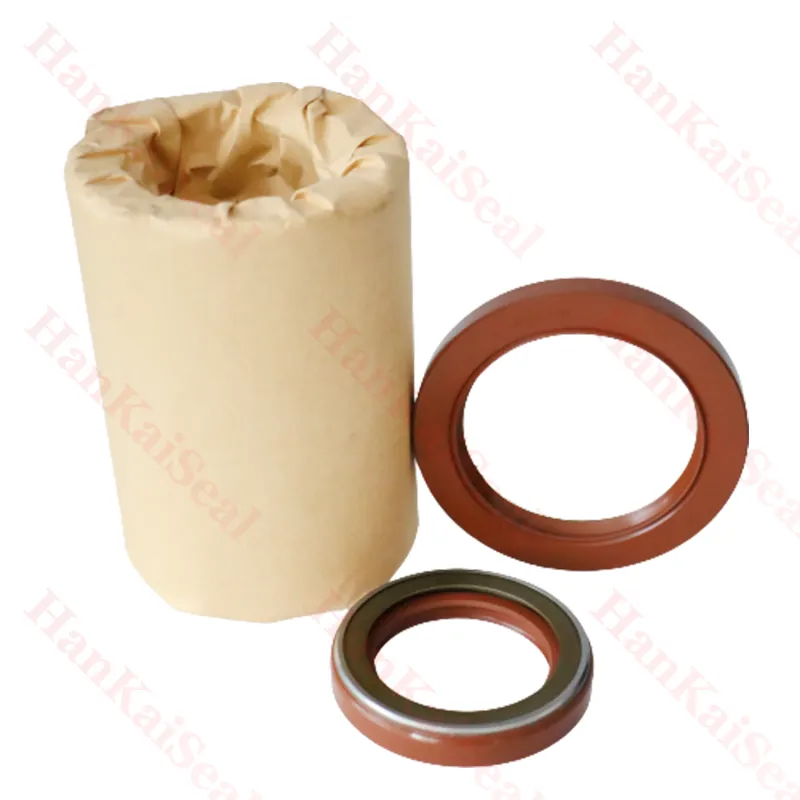
Standard oil seal BP0494 High pressure TCN oil seal
-
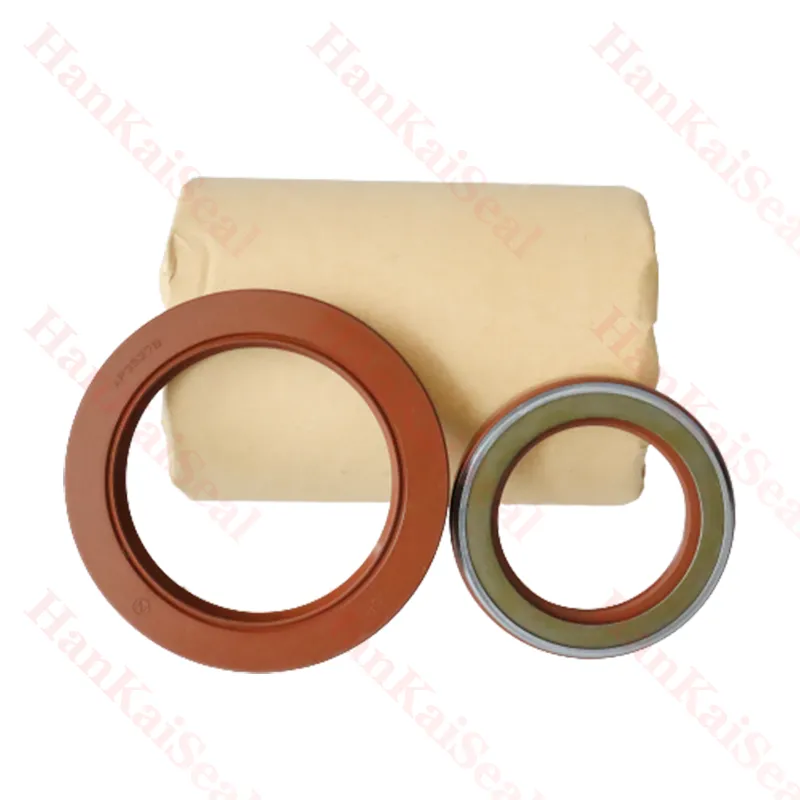
Hydraulic pump seal AP4624G high pressure TCN oil seal
-
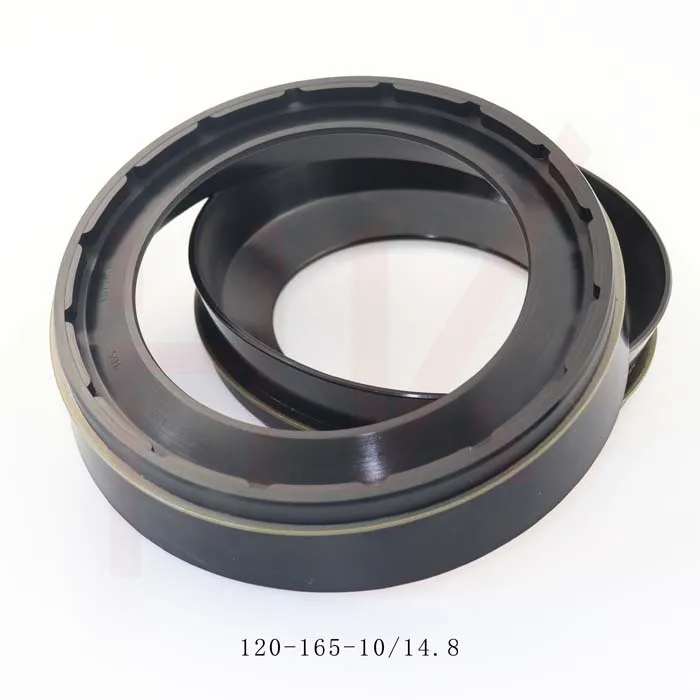
0734307418 0750112169 120*165*10/14.8 concrete mixer reducer oil seal
-
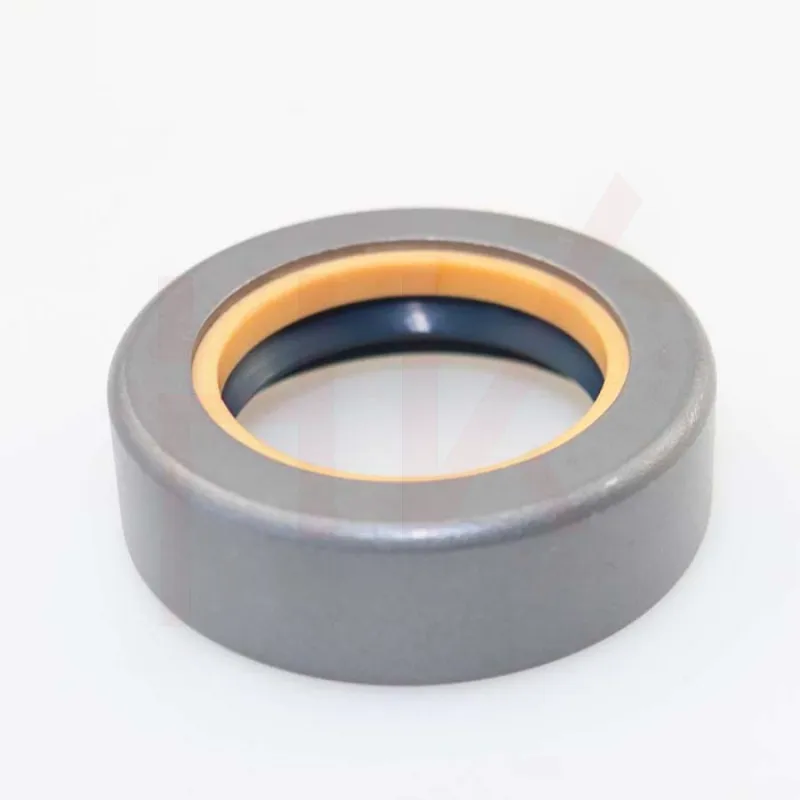
35*52*16 Standard Wheel Hub Oil Seal For Agricultural Machinery
-
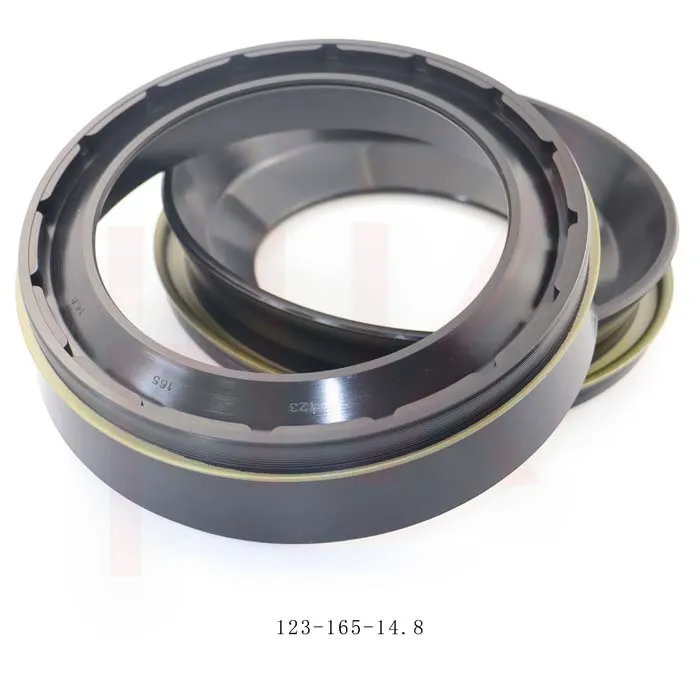
123*165*14.8 concrete mixer truck reducer oil seal
-
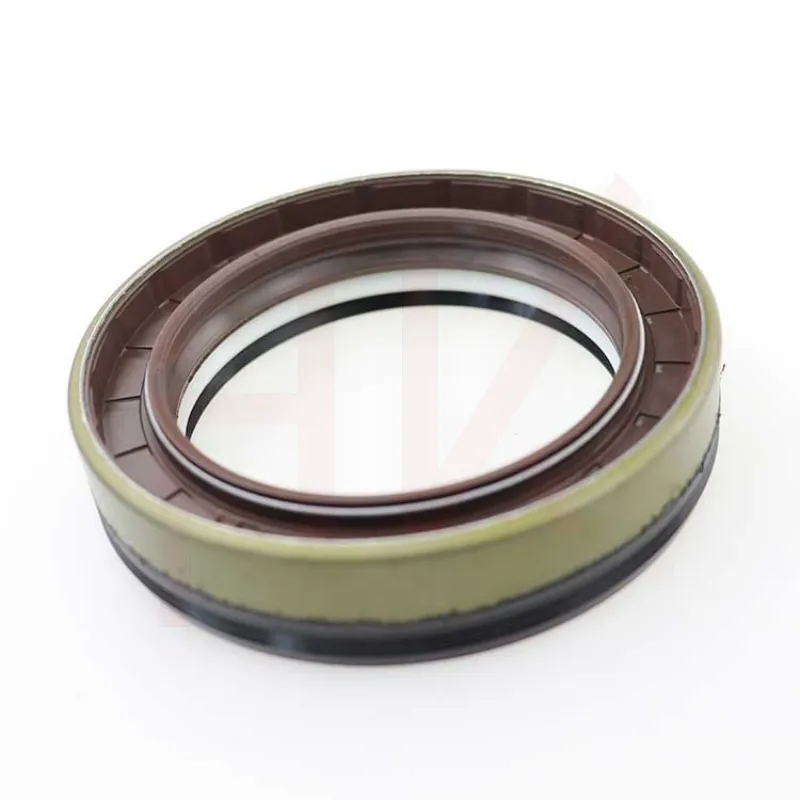
Tractor shaft oil seal 65-90-20 COMBI SF19 hub oil seal
-
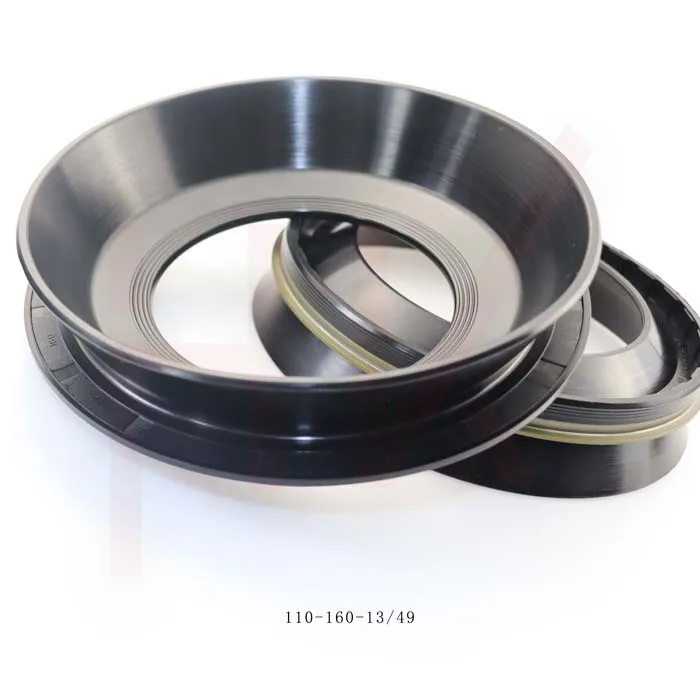
110*160*13/49 NBR reducerConcrete mixer truck oil seal
-
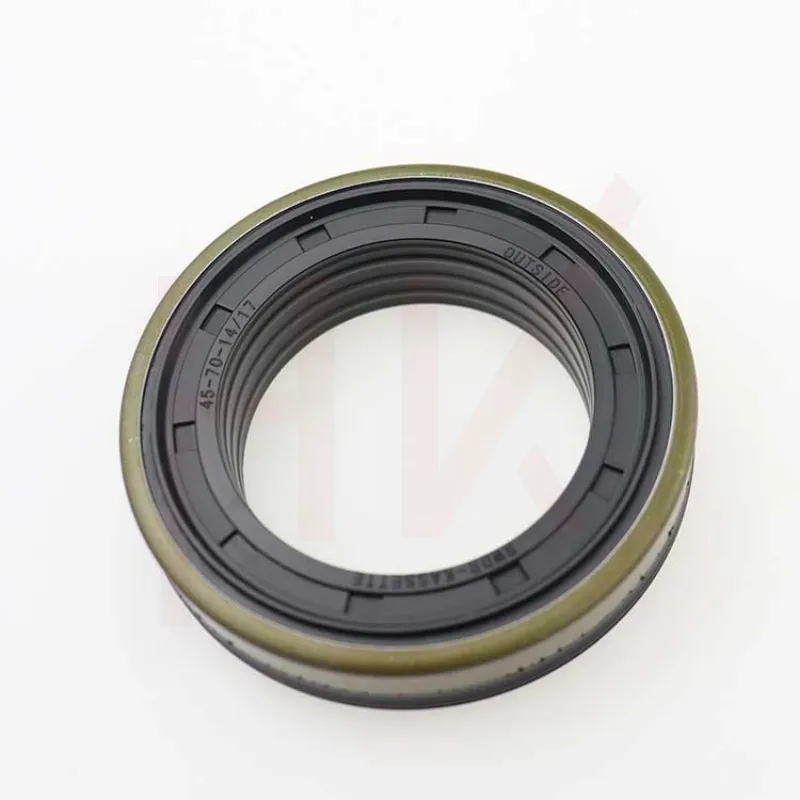
Hub oil seal 40*65*13/14.5 suitable for tractor Cat 12018035b
-
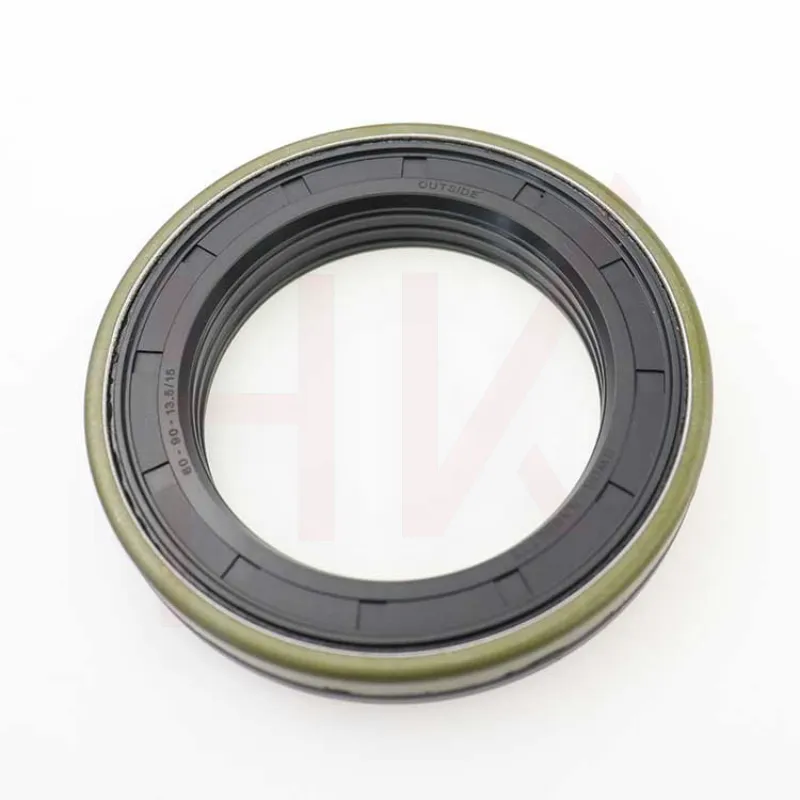
Tractor accessories cassette oil seal hub oil seal 60-90-13.5/15
-
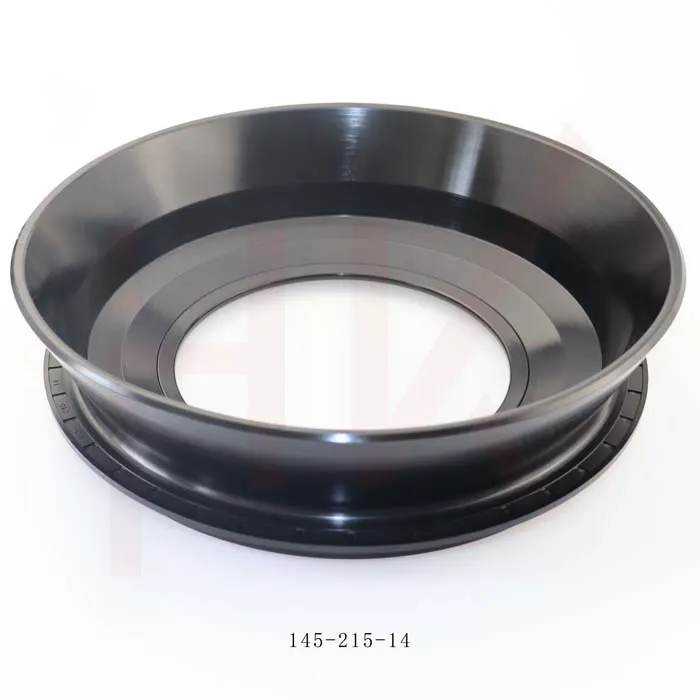
Factory concrete mixer truck oil seal 145*215*14 reducer gearbox oil seal
-
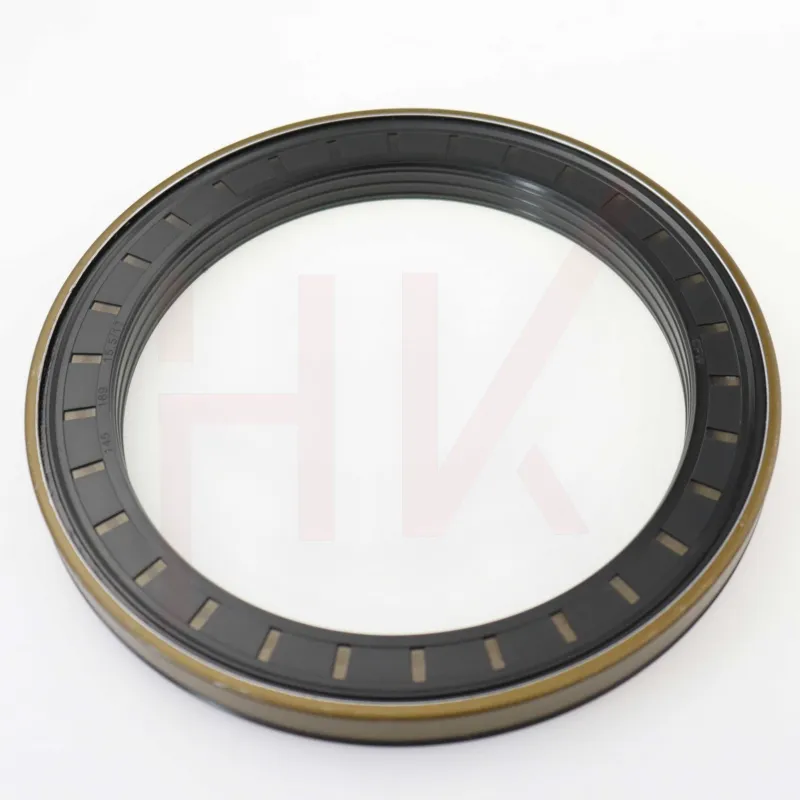
145*189*15.5/17 Cassette Seal NBR Hub Oil Seal 1508044
-
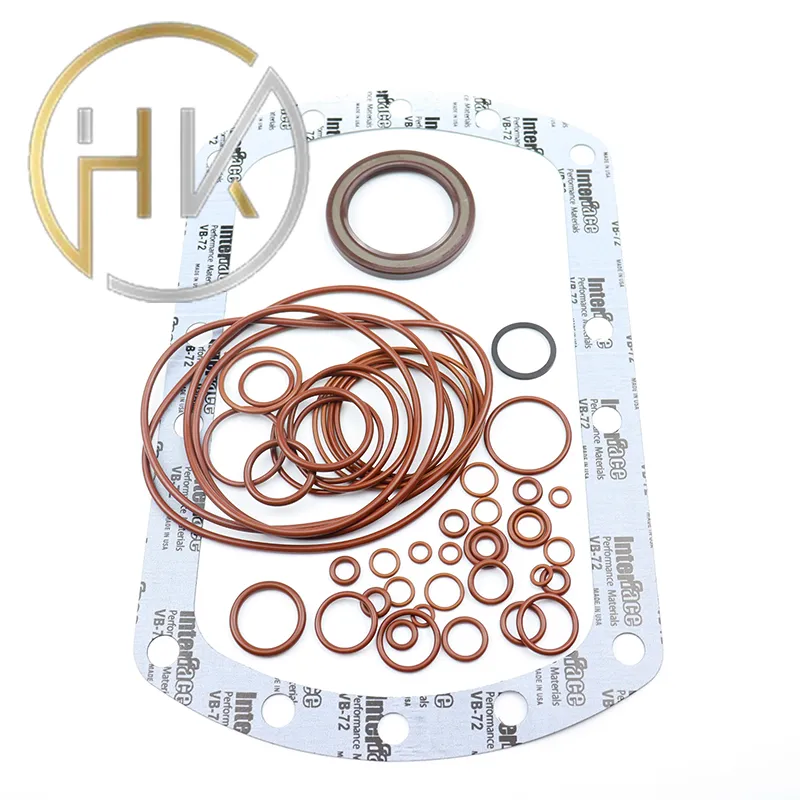
Factory direct sales hydraulic pump motor seal kit A8VO140
-
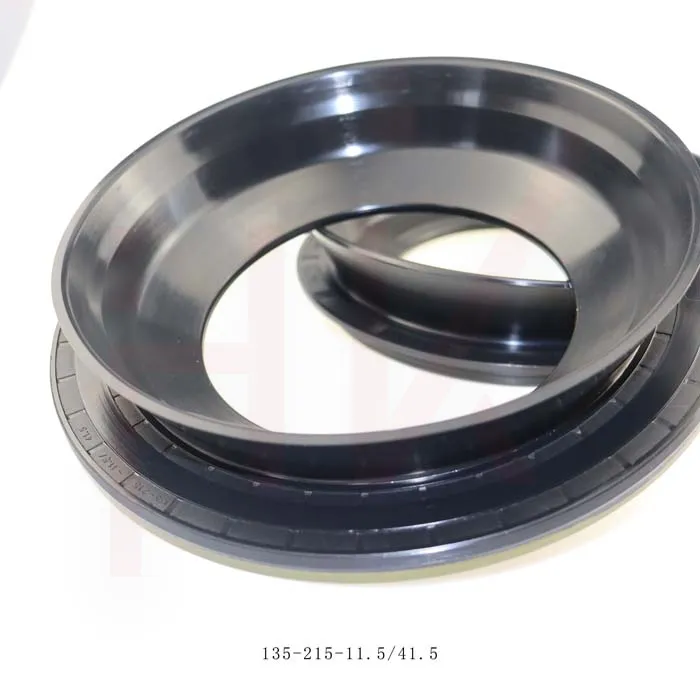
Brand new cement tanker oil seal 135*215*11.5/41.5 concrete mixer oil seal
-
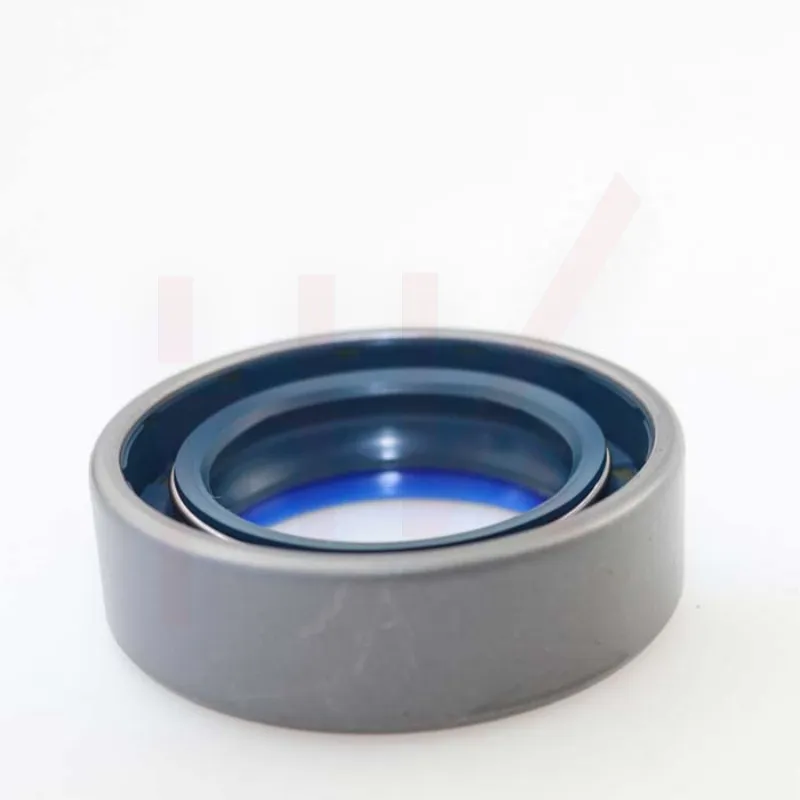
45*65*15 Combi oil seal JCB 90450009 COMBI SF1 SEAL
-
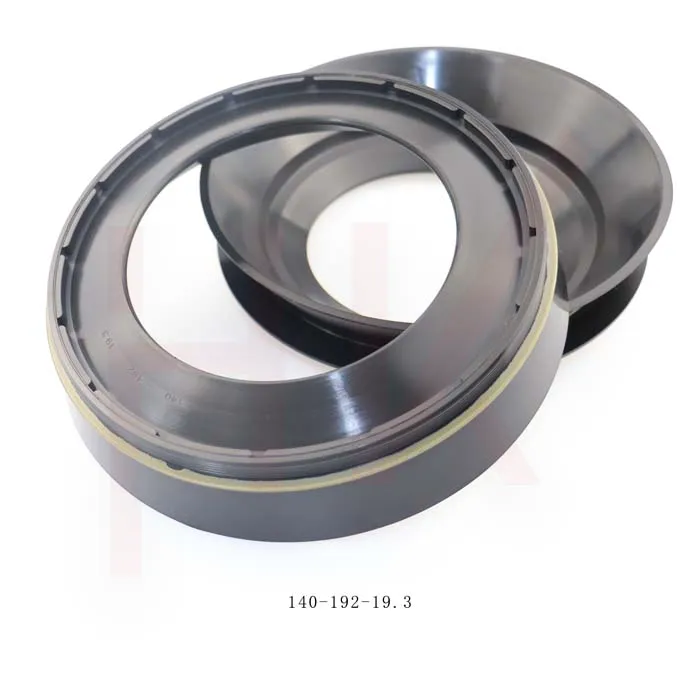
Gear box concrete mixer oil seal 140*192*19.3 nbr reducer oil seal
-
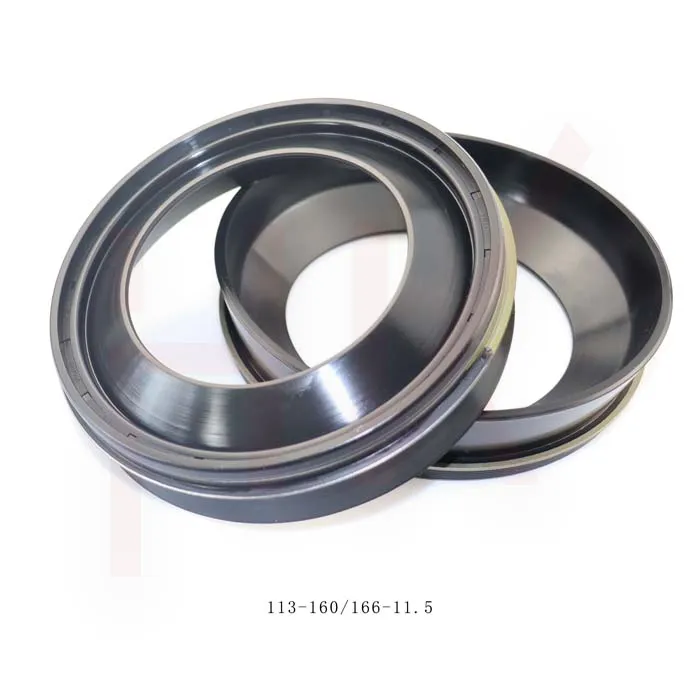
Seals factory direct sales 113*160/166*11.5/38 excavator truck reducer oil seal