
Dec . 01, 2025 21:45 Back to list
Skeleton Oil Seal: Durable, Efficient Sealing Solutions for Global Industry
What Exactly Is a Skeleton Oil Seal and Why Should You Care?
If you've ever peeked under a car hood or into an industrial gearbox, you might have encountered something called a skeleton oil seal—a small but mighty hero in machinery maintenance. At first blush, it might sound like some spooky gadget, but these seals are pivotal in preventing oil leaks, ensuring machine reliability, and reducing downtime across countless industries worldwide. Understanding these seals isn’t just for engineers; it’s for anyone invested in sustainable, efficient industrial operation.
Global Context: Why Skeleton Oil Seals Matter Today
In an age where machinery drives around 70% of global manufacturing output (according to the International Organization for Standardization, ISO), keeping machines running efficiently is no joke. Oil leaks don’t just cause messy maintenance frights; they can lead to hazardous spills, environmental damage, and costly repairs. The skeleton oil seal enters this scene as a critical barrier, especially in sectors like automotive, agriculture, and heavy machinery. Oddly enough, the Environmental Protection Agency highlights that oil leaks from machinery contribute to soil and water contamination — so better sealing means greener operations.
Frankly, the need for reliable sealing solutions is rising alongside industrial growth in Asia, the Americas, and Europe. As industries push for leaner operations and increased uptime, skeleton oil seals play a quiet, steady role behind the scenes.
Defining the Skeleton Oil Seal: A Simple Explanation
So, what’s a skeleton oil seal? In simple terms, it’s a type of rotary shaft seal characterized by a flexible metal (often steel) skeleton framework that supports the sealing lip made of elastomeric compounds like nitrile or silicone. This metal backbone provides structural integrity while allowing the seal to flex and maintain pressure against rotating parts.
This design allows skeleton seals to maintain a tight fit even under varying temperatures, speeds, or shaft misalignments, which is why they're a prevalent choice in automotive engines, gearboxes, and hydraulic machinery. They quite literally keep the oil where it belongs—inside the system—ensuring smooth operation and longevity.
Interestingly, their simple yet elegant design ties back to modern manufacturing’s push for modular, maintainable components that balance durability with cost-effectiveness.
Key Factors Behind the Skeleton Oil Seal's Performance
Durability: Tough Enough for the Long Haul
The integrated metal skeleton offers strength against wear and deformation — key in environments where mechanical stress is relentless. The elastomer lip endures heat and chemical exposure, but it’s the skeleton that truly preserves shape under pressure.
Material Compatibility
Depending on the application, seals can be made with various elastomers resistant to oils, greases, or solvents. This material adaptability makes skeleton seals versatile for industrial gearboxes, automotive engines, and even some agricultural machinery facing harsh conditions.
Scalability and Size Ranges
Skeleton oil seals come in a broad array of sizes, from tiny seals fitted in small pumps to oversized ones in heavy turbines. This scalability makes them relevant from consumer vehicles all the way to industrial equipment that powers cities.
Cost Efficiency
While not the cheapest seals out there, skeleton oil seals strike a good balance between upfront price and long-term reliability, reducing costly maintenance and avoiding unexpected shutdowns.
Ease of Installation and Customization
Manufacturers can tweak skeleton seal designs to suit unique requirements — different metal alloys, spring tensions, or lip shapes — letting industries fine-tune performance for specific conditions.
Skeleton Oil Seal Specifications Table
| Specification | Typical Value/Range | Notes |
|---|---|---|
| Shaft Diameter | 5 mm – 300 mm | Highly customizable per application |
| Elastomer Material | Nitrile (NBR), Silicone (VMQ), Fluoroelastomer (FKM) | Material selected based on fluid compatibility |
| Operating Temperature | -40°C to 150°C (standard) | Higher with specialty materials |
| Max Speed | Up to 15 m/s shaft surface speed | Dependent on seal design |
| Pressure Resistance | Up to 0.3 MPa (typical) | Not for high-pressure hydraulic sealing |
How Industries Worldwide Use Skeleton Oil Seals
From the bustling automotive plants of Germany to remote oil fields in the Middle East, skeleton oil seals feature prominently. In automotive manufacturing, these seals maintain lubrication integrity in engines and transmissions, helping cars run smoother and last longer. In heavy machinery—think construction excavators or mining trucks—they prevent leaks that could cause dangerous breakdowns or environmental hazards.
Oddly enough, even the renewable energy sector is catching on. Wind turbines require reliable seals to protect bearings from dust and moisture—a perfect use case for robust skeleton oil seals. In post-natural disaster relief efforts, portable generators equipped with dependable seals keep vital equipment running day and night.
Vendor Comparison: Leading Skeleton Oil Seal Suppliers
| Vendor | Product Range | Customization Options | Lead Times | Price Range |
|---|---|---|---|---|
| SealTech Corp | Broad – from mini pumps to industrial gearboxes | High – metal alloys, lip profiles, elastomer types | 4–6 weeks | Mid-range |
| H.K. AI Seal | Focused on automotive and industrial sectors | Moderate – standard elastomers, some custom sizes | 2–4 weeks | Competitive |
| Global Seal Inc. | Extensive, including seals for extreme environments | Very High – advanced materials, proprietary designs | 6–8 weeks | Premium |
Advantages and Long-Term Value of Skeleton Oil Seals
Many engineers say that while it’s easy to overlook the humble seal, its impact on system uptime and safety is profound. The skeleton oil seal helps limit wear on shafts, reduces oil contamination risk, and prevents costly fluid leaks. Over time, this equates to savings not just in money, but in downtime, regulatory compliance headaches, and brand reputation.
On a more emotional level, reliable sealing inspires trust. Operators feel safer knowing their machinery won’t dump toxic fluids unexpectedly. Maintenance teams can breathe easier. This trust extends to downstream effects—clean environments, stable supply chains, and even human dignity in industries where safety is paramount.
Emerging Trends and Innovations
Looking ahead, the future for skeleton oil seals is as exciting as it is technical. Materials science continues evolving — with high-temp composites, self-lubricating elastomers, and nanocoatings that repel contaminants becoming mainstream.
We’re also seeing digital transformation affect sealing components: sensors integrated into seals can monitor wear and temperature in real time, helping predict failure before it happens. Sustainability initiatives push manufacturers to develop seals requiring less maintenance and with recyclable components.
Challenges and Possible Solutions in Seal Technology
Despite their strengths, skeleton oil seals face challenges such as limited performance under extreme pressure or highly corrosive fluids. Misalignment and shaft runout can cause premature wear. Manufacturers respond by enhancing design tolerances, offering multi-lip seals, or combining seals with protective shields.
While no seal is perfect for every scenario, ongoing research and customization help push past these limits — making these seemingly modest parts surprisingly advanced.
FAQ: Common Questions About Skeleton Oil Seals
- Q1: How do I know if my application needs a skeleton oil seal over a standard lip seal?
- A1: Skeleton oil seals are preferred when you need enhanced structural support for the sealing lip—particularly under shaft misalignment or higher speeds. If your environment exposes the seal to heat fluctuations or mechanical stresses, skeleton designs generally offer better durability.
- Q2: What kinds of fluids can skeleton oil seals handle?
- A2: Depending on the elastomer chosen, these seals handle engine oils, hydraulic fluids, greases, and some solvents. It’s important to match the seal material with your fluid chemistry to avoid premature degradation.
- Q3: Can skeleton oil seals be used in extreme temperature environments?
- A3: Yes, with specialty materials like fluoroelastomers, skeleton seals can operate in temperature ranges from -40°C up to around 200°C. For even harsher environments, consult manufacturers for custom solutions.
- Q4: Are skeleton oil seals easy to replace in field conditions?
- A4: Generally, yes. Their design allows for relatively straightforward installation and removal without specialized tools, making them maintenance-friendly in real-world industrial settings.
- Q5: How does using a skeleton oil seal contribute to sustainability?
- A5: By minimizing leakages and extending machinery life, they reduce resource waste and environmental contamination — supporting greener manufacturing processes overall.
Wrapping Up: Why Skeleton Oil Seals Are Unsung Heroes
In real terms, a machine’s reliability often hinges on components as unassuming as the skeleton oil seal. Their smart design, resilience, and adaptability mean less downtime, fewer spills, and smoother industrial operations worldwide. As industries face increasing demands for efficiency and sustainability, understanding and investing in quality sealing solutions is a no-brainer.
If you’re ready to learn more or source high-quality skeleton oil seals tailored to your needs, be sure to visit H.K. AI Seal’s official site. Sometimes it’s the smallest details that keep the whole engine running.
References:
1. ISO, International Organization for Standardization. "Manufacturing Statistics," iso.org.
2. EPA, Environmental Protection Agency. "Oil Spill Impacts," epa.gov.
3. Wikipedia. "Oil Seal," https://en.wikipedia.org/wiki/Oil_seal
-
Guide to Choosing the Right High Quality hydraulic ram kit
NewsApr.16,2026
-
Premium Hydraulic Cylinder Packing Kits for Peak Performance
NewsApr.09,2026
-
Comprehensive Guide to Hydraulic Cylinder Oil Seal Kits for Optimal Performance
NewsApr.07,2026
-
Comprehensive Guide to Choosing the Right Cylinder Seal Kits for Peak Performance
NewsApr.04,2026
-
Comprehensive Guide to Seal Kits for Cylinders Ensuring Optimal Performance
NewsMar.31,2026
-
Comprehensive Guide to Hyd Cylinder Seals for Optimal Hydraulic System Performance
NewsMar.28,2026
-
Comprehensive Guide to Hyd Cylinder Seal Kit Selection and Installation
NewsMar.26,2026
Products categories
-
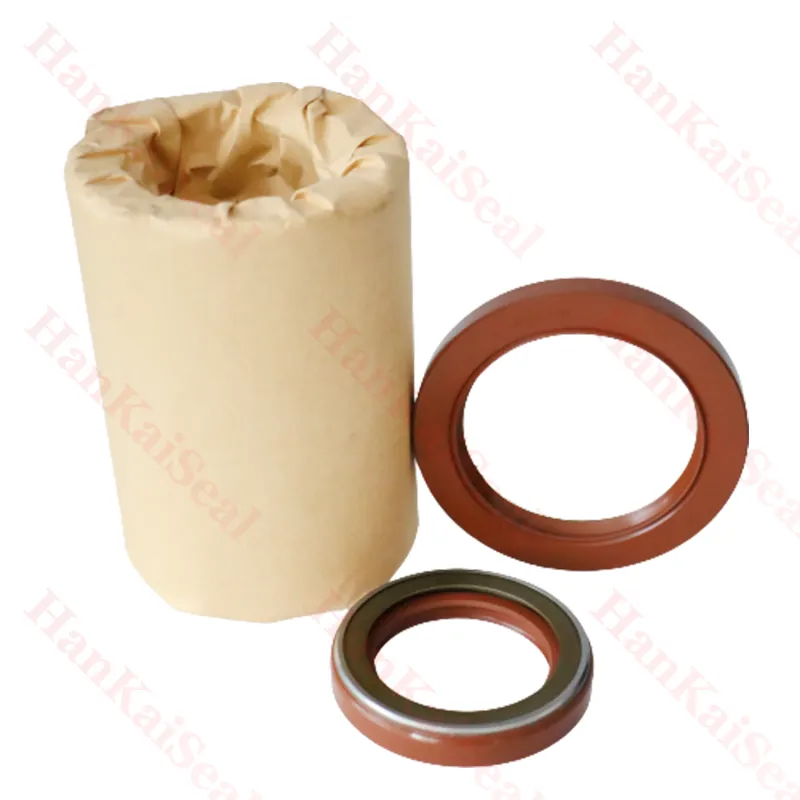
Standard oil seal BP0494 High pressure TCN oil seal
-
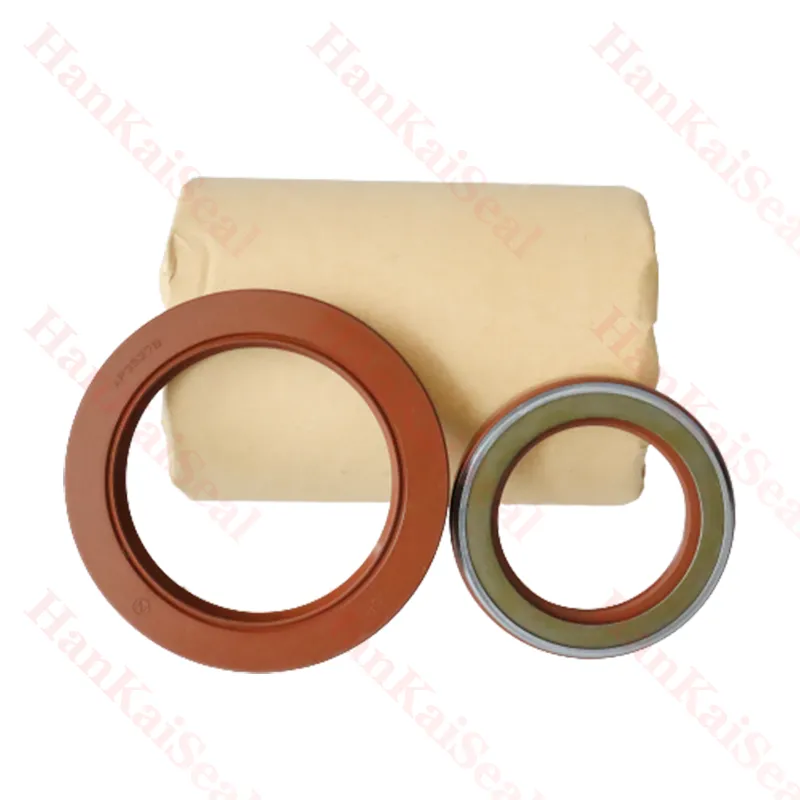
Hydraulic pump seal AP4624G high pressure TCN oil seal
-
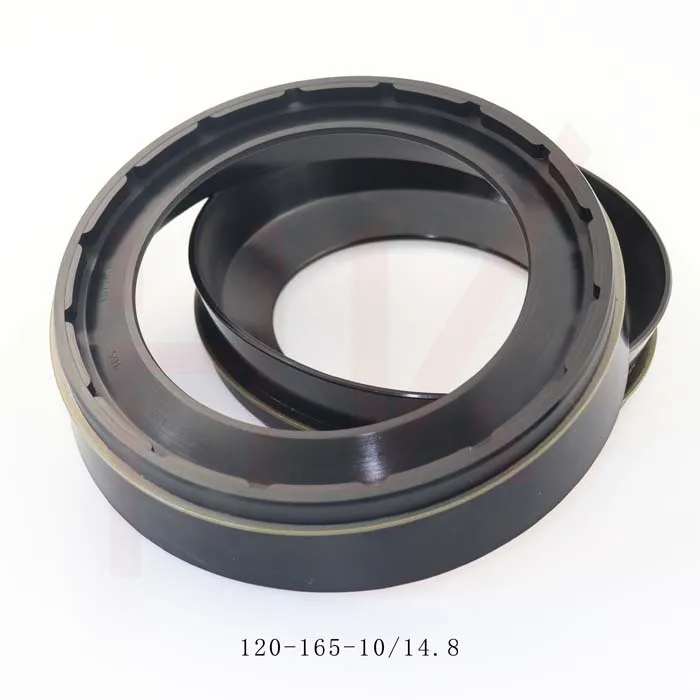
0734307418 0750112169 120*165*10/14.8 concrete mixer reducer oil seal
-
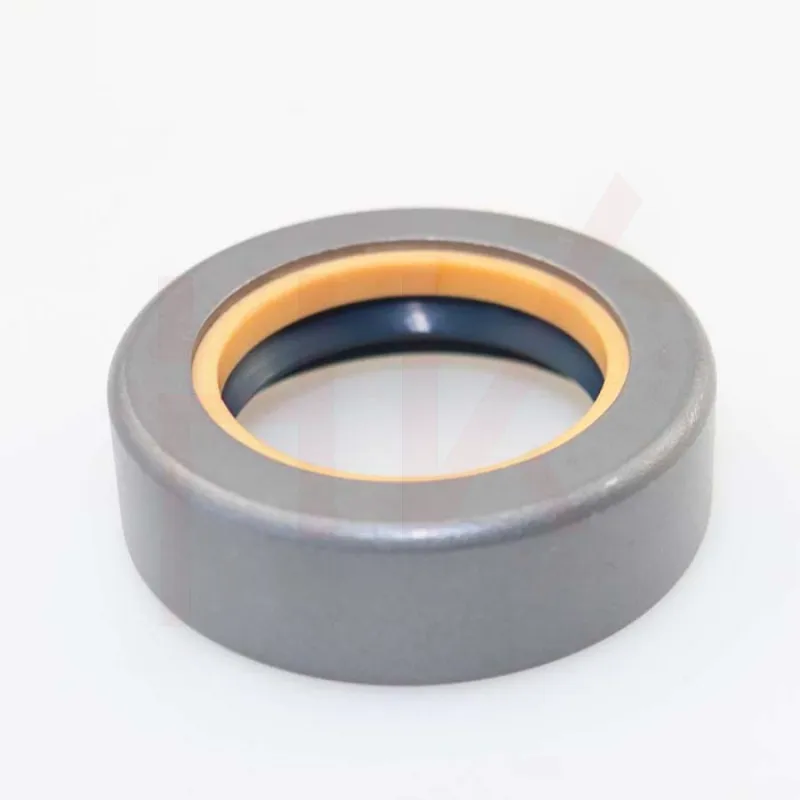
35*52*16 Standard Wheel Hub Oil Seal For Agricultural Machinery
-
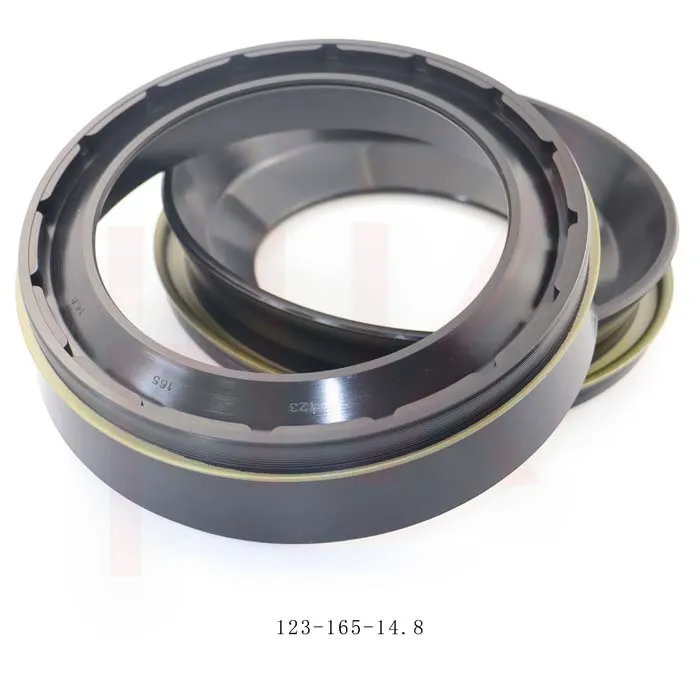
123*165*14.8 concrete mixer truck reducer oil seal
-
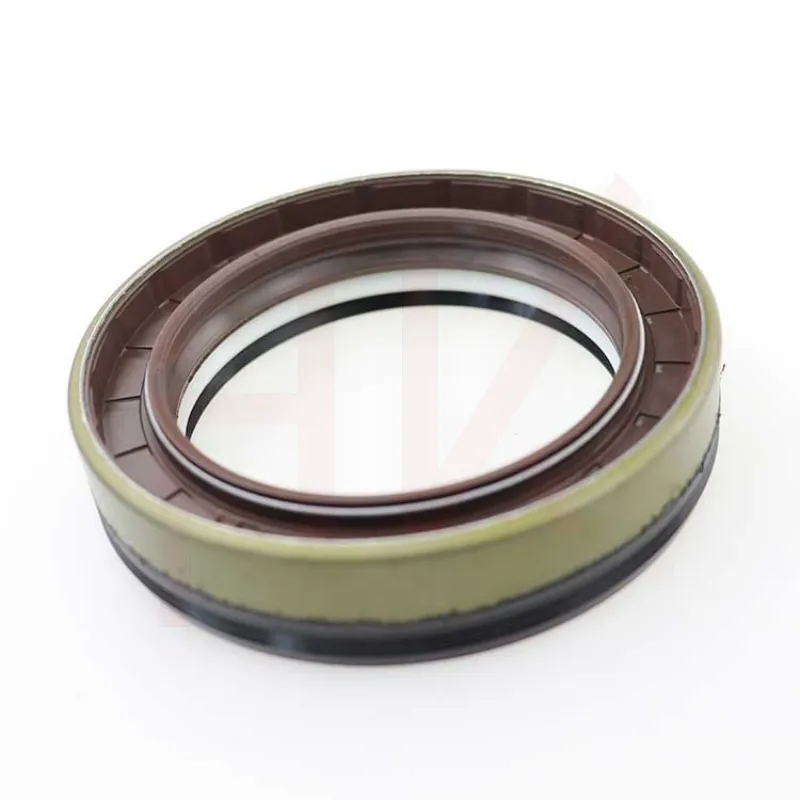
Tractor shaft oil seal 65-90-20 COMBI SF19 hub oil seal
-
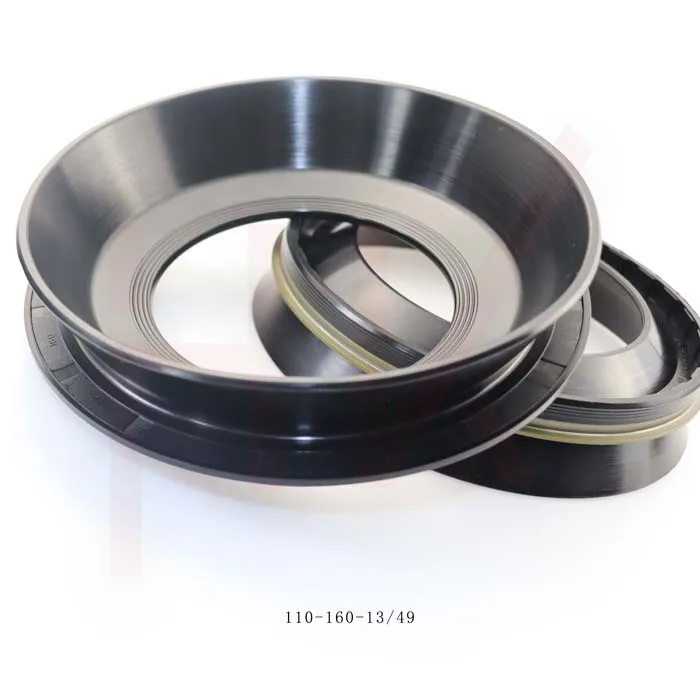
110*160*13/49 NBR reducerConcrete mixer truck oil seal
-
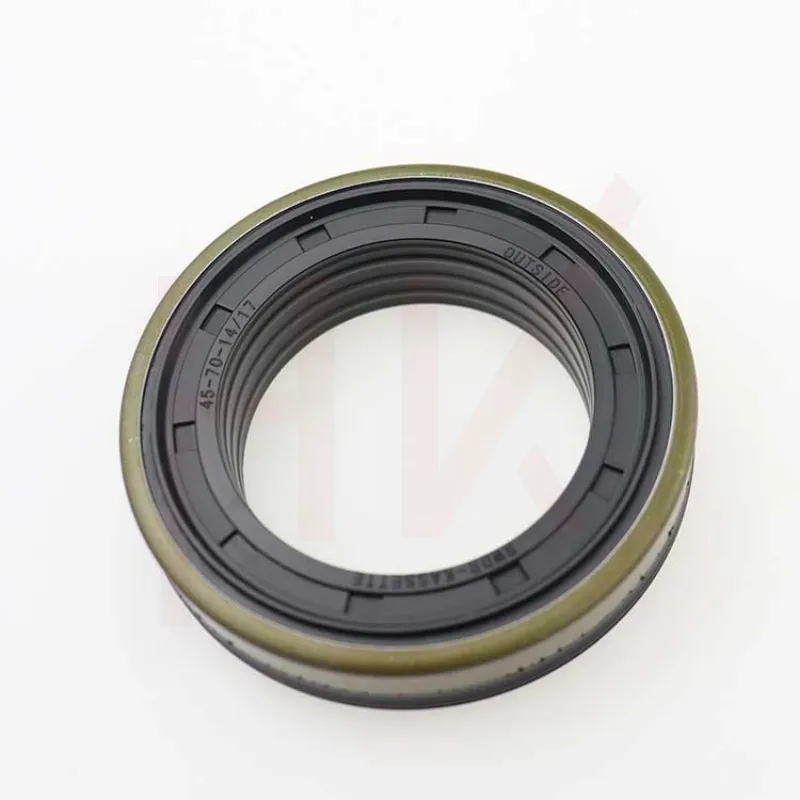
Hub oil seal 40*65*13/14.5 suitable for tractor Cat 12018035b
-
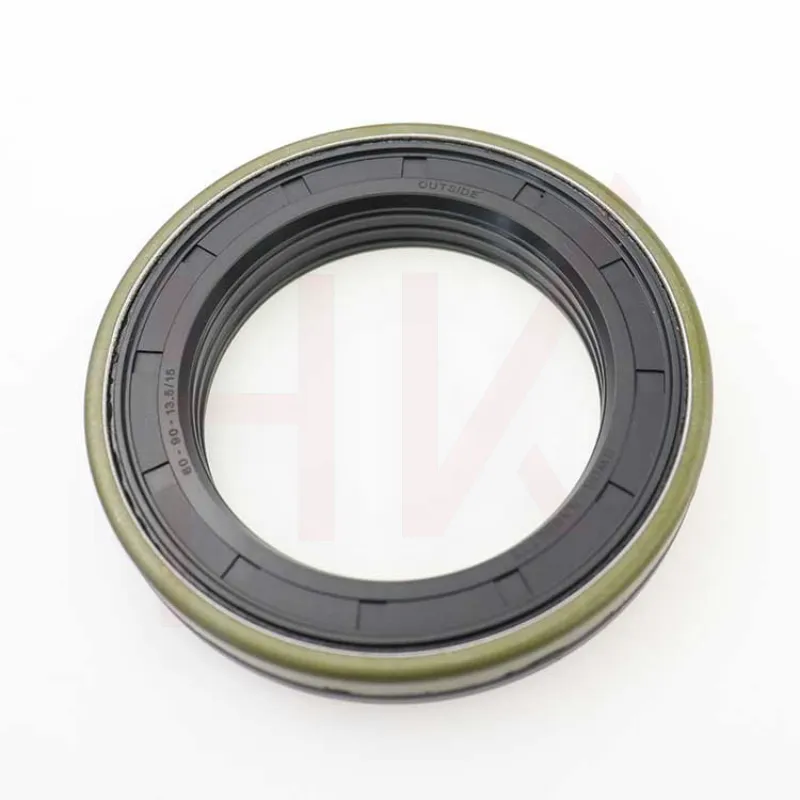
Tractor accessories cassette oil seal hub oil seal 60-90-13.5/15
-
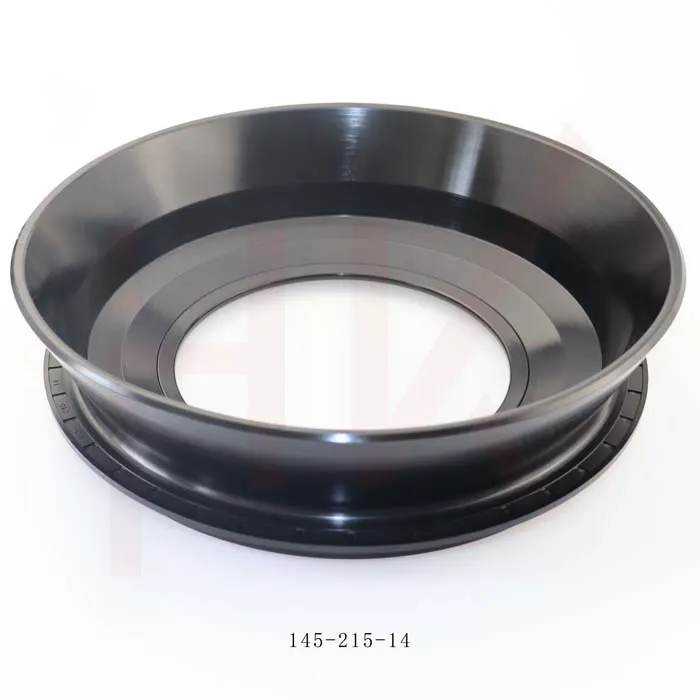
Factory concrete mixer truck oil seal 145*215*14 reducer gearbox oil seal
-
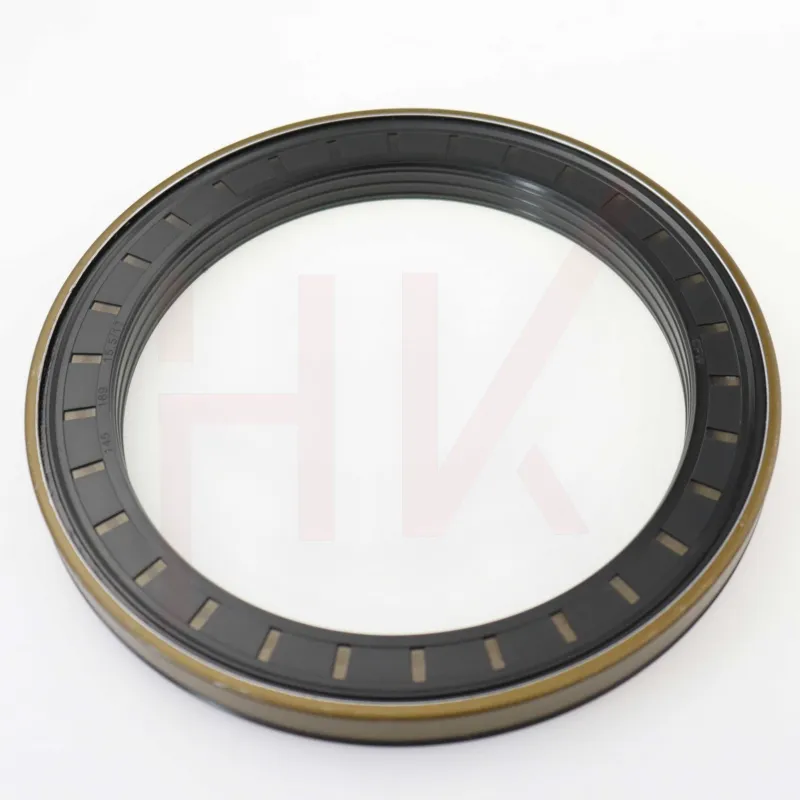
145*189*15.5/17 Cassette Seal NBR Hub Oil Seal 1508044
-
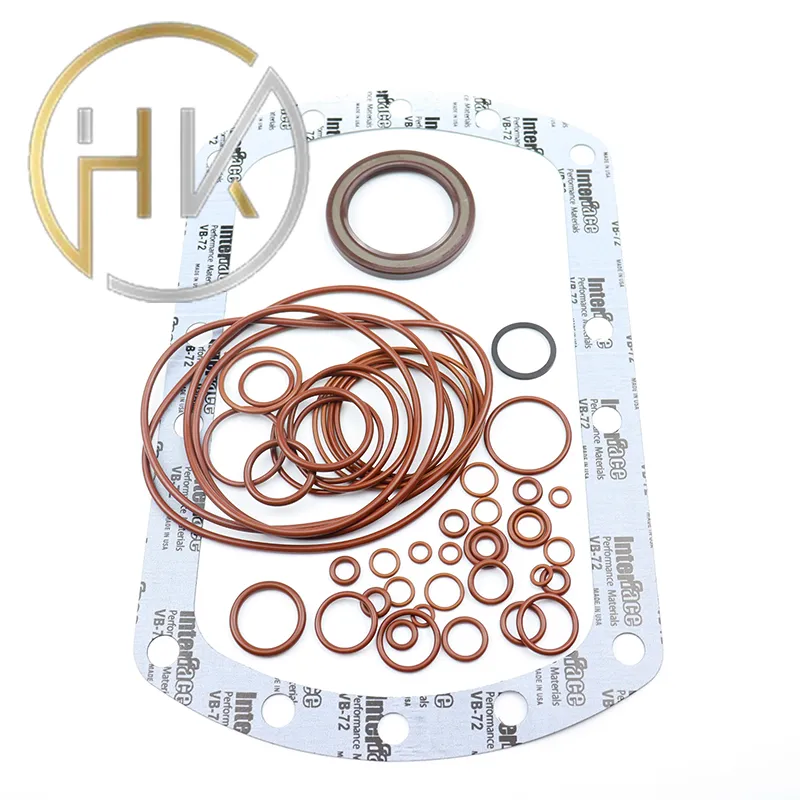
Factory direct sales hydraulic pump motor seal kit A8VO140
-
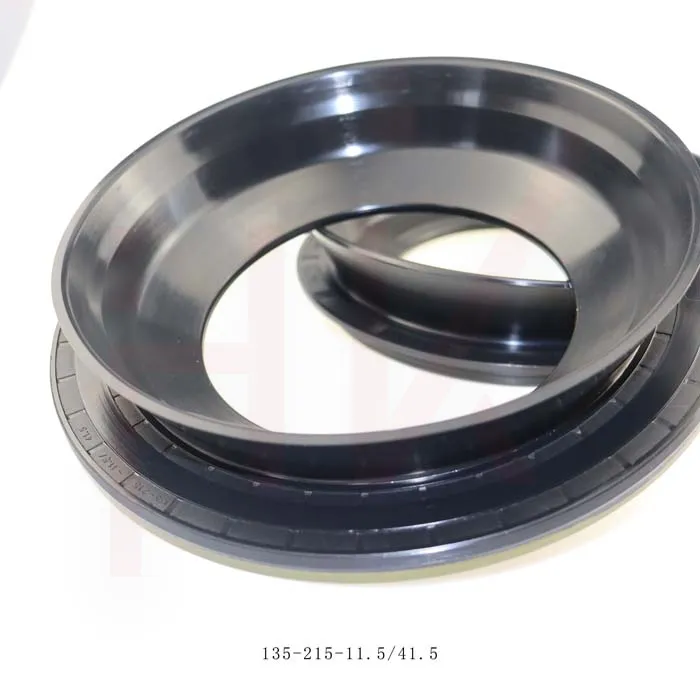
Brand new cement tanker oil seal 135*215*11.5/41.5 concrete mixer oil seal
-
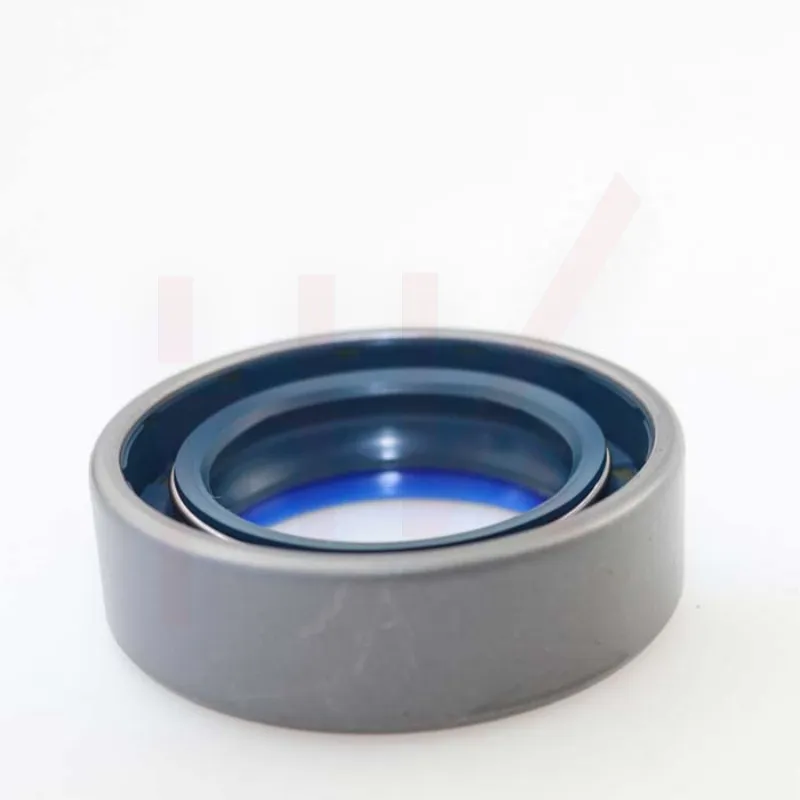
45*65*15 Combi oil seal JCB 90450009 COMBI SF1 SEAL
-
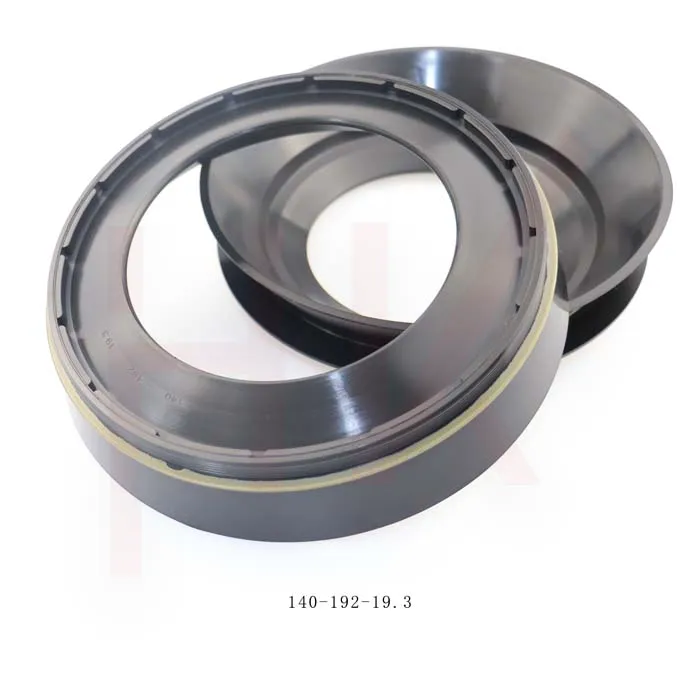
Gear box concrete mixer oil seal 140*192*19.3 nbr reducer oil seal
-
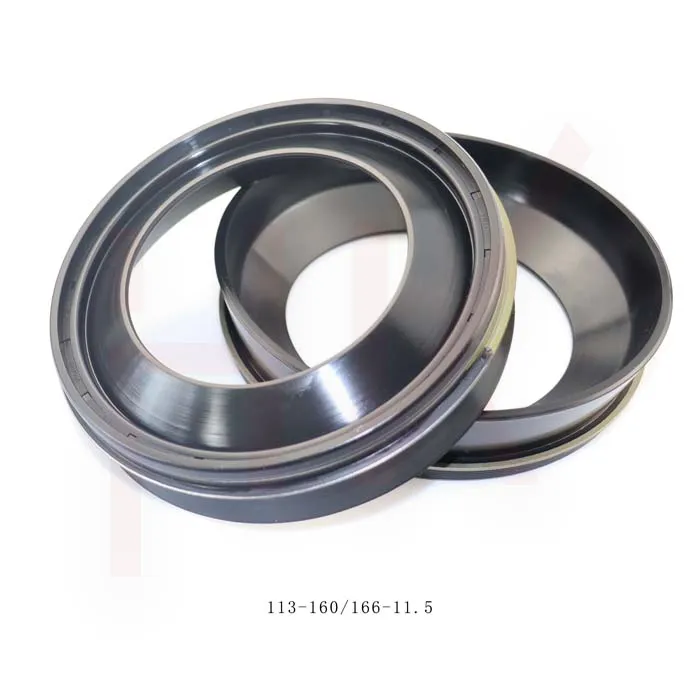
Seals factory direct sales 113*160/166*11.5/38 excavator truck reducer oil seal