
Dec . 01, 2025 21:05 Back to list
Motor Seal Solutions for Industrial Reliability and Efficiency | HKA ISeal
Understanding Motor Seals: The Unsung Heroes of Industrial Efficiency
Motor seals — sounds pretty niche, right? But these small components play pivotal roles across countless industries worldwide. Whether keeping machinery leak-proof, protecting sensitive motors from dust and moisture, or ensuring operational reliability, motor seals quietly underpin much of modern manufacturing and infrastructure. Grasping their significance isn’t just geeky technical fodder; it’s a powerful way to improve equipment longevity, cut costs, and improve sustainability outcomes. If you’ve ever wondered what keeps motors humming along without a hiccup, you’re in the right place.
Why Motor Seals Matter on a Global Scale
Take a step back: global industrial output grows steadily year on year. The ISO estimates that improved motor efficiency alone could reduce energy consumption by up to 10% in manufacturing sectors worldwide. The tiny motor seal, while overshadowed in discussions, is critical here — without an effective seal, motors consume more energy or risk damaging failures.
Industries from automotive to food processing rely on motors that operate reliably in harsh environments — dust, water, chemicals. Worldwide, the annual cost of machinery downtime is in the billions. Seals that fail lead to leaks, contamination, and costly repairs. Frankly, it’s the kind of problem engineers wish they could solve once and for all — but it’s a moving target as conditions vary and motors become more specialized.
So, a better appreciation of motor seals is no small matter — it helps industries become more efficient, sustainable, and safer.
What Exactly Is a Motor Seal?
In simple terms: a motor seal is a component that prevents fluids (oil, coolant, water) or contaminants (dust, debris) from entering or exiting a motor housing. Picture it as a gatekeeper for the motor internals. Without it, the delicate parts inside would quickly degrade.
It’s especially important in electric motors and industrial gearboxes where lubrication is key and exposure to the environment can be harsh. In fields like renewable energy, or humanitarian infrastructure, the seal ensures equipment is resilient and dependable — sometimes in remote or extreme environments where a quick fix is impossible.
Key Aspects of Motor Seals That Engineers Rely On
Durability
Motor seals must consistently withstand friction, temperature swings, and chemical exposure. Materials have evolved from rubber to advanced elastomers, PTFE, and even ceramics, giving engineers a toolkit for extreme conditions.
Precision Fit
The effectiveness of a seal depends heavily on proper dimensioning and compatibility with shafts and housing. Even minor imperfections can lead to leakages — a frustrating reality many maintenance teams grapple with.
Cost Efficiency
Replacing a faulty motor seal is pennies compared to machinery downtime or motor rebuilds. Investing in a reliable seal often saves companies tens of thousands annually.
Environmental Resistance
Depending on the application, seals must resist corrosive fluids, dust ingress, or intense vibration. In industrial zones near coasts or in deserts, this resilience is non-negotiable.
Ease of Installation & Maintenance
Simplified designs and modular seals reduce downtime. Innovations like pre-lubricated seals or standardized sizes mean technicians spend less time fiddling and more time running operations.
Mini takeaway:
Ultimately, the best motor seals marry robust materials with precise engineering to ensure seamless motor function, often unseen but critical.
Where Are Motor Seals Really Making a Difference?
If we peek across global industries, motor seals find homes everywhere:
- Manufacturing hubs in Asia and Europe: High-volume electric motors in conveyor belts, pumps, and compressors rely on seals to avoid costly downtime.
- Renewable energy farms: Wind turbine motors endure weather extremes; seals keep out dust and moisture, boosting reliability.
- Mining operations in Africa and Australia: Harsh environment demands robust seals to protect motors against abrasive dust and heavy vibration.
- Disaster relief logistics: Portable generator motors and pumps require fail-proof sealing to operate on-site without maintenance for extended periods.
For example, a wind farm in Denmark upgraded seals on their turbine motors and cut annual maintenance by 35%. In industrial zones near the Ganges Delta, innovative seal materials ward off saline corrosion — a real game-changer for local energy providers.
Mini takeaway:
From deserts to shores, motor seals are quietly safeguarding equipment and enabling uninterrupted power and production.
The Real Perks: Why Investing in Quality Motor Seals Pays Off
Good motor seals bring more than just leak prevention:
- Lower operational costs: Longer seal life = fewer replacements.
- Energy savings: Reduced friction and contamination keep motors running efficiently.
- Safety improvements: Prevent leakage of hazardous fluids in chemical plants — protecting workers and environment.
- Environmental benefits: Less waste, reduced downtime, and extended equipment life align with sustainability goals.
- Trust & reliability: Clients rely on systems that won’t fail suddenly, which means stronger business relationships.
It’s interesting how a small component can influence both logical outcomes like cost and the soft factors like reputation and worker safety.
Looking Ahead: Motor Seal Innovations on the Horizon
The future is bright and, oddly enough, pretty high-tech for such humble parts. Here’s what’s coming:
- Smart seals: Embedded sensors to monitor wear and temperature in real-time — predictive maintenance is becoming real.
- Bio-based materials: Development of eco-friendly elastomers reduces environmental footprint without sacrificing durability.
- 3D printing of seals: Custom-designed seals on demand mean faster prototypes and tailored fits.
- Advanced coatings: Nano-coatings or surface treatments that reduce friction and increase lifespan.
- Compliance with stricter regulations: New ISO and enterprise standards push manufacturers towards green and sustainable sealing solutions.
Such trends align well with global pushes for digital transformation and green manufacturing.
Common Challenges & How to Overcome Them
Still, motor seals aren’t foolproof. Common hiccups include:
- Incorrect sizing or poor installation — causing premature wear or leaks.
- Material incompatibility in aggressive chemical environments.
- Unexpected temperature spikes leading to material breakdown.
Experts suggest routine inspections, specifying seals based on detailed environmental data, and training maintenance staff thoroughly. Also, leveraging suppliers who offer engineering support can save headaches later.
Product Specification Table: Typical Motor Seal Model
| Specification | Value |
|---|---|
| Outer Diameter | 45 mm |
| Inner Diameter | 30 mm |
| Material | Nitrile Rubber (NBR) |
| Temperature Range | -30 °C to +120 °C |
| Pressure Resistance | Up to 3 bar |
| Shaft Speed Max | 6000 RPM |
Vendor Comparison: Choosing the Right Motor Seal Supplier
| Supplier | Material Options | Customization | Lead Time | Technical Support |
|---|---|---|---|---|
| HKA ISeal | NBR, Viton, PTFE | High (CAD drawings accepted) | 2-3 weeks | 24/7 Engineering Guidance |
| SealTech International | NBR, EPDM | Medium (standard sizes) | 1-2 weeks | Business Hours Only |
| Global Seal Corp. | Viton, Silicone | Low (catalog range only) | 3-4 weeks | Limited |
Frequently Asked Questions About Motor Seals
1. How do I know if a motor seal is failing?
Signs include unusual motor noises, visible leaks of lubricants, overheating, or reduced motor efficiency. Regular inspections focusing on the seal area help detect early wear or cracks before catastrophic failure.
2. Can motor seals be reused after removal?
Generally, it’s not recommended. Even slight deformation or material fatigue can lead to leaks. Replacement with a new seal ensures integrity and longer motor life.
3. Are there motor seals suitable for food processing industries?
Yes. These seals use FDA-approved materials like silicone or PTFE to prevent contamination. They also resist cleaning chemicals often used in such environments.
4. How does temperature affect motor seal performance?
Each seal material has a temperature range. Operating outside this range can cause hardening, cracking, or melting, leading to failure. Selecting seals with appropriate specs is crucial.
5. Is it possible to order custom motor seals?
Absolutely. Many suppliers, including HKA ISeal, offer tailor-made solutions based on your motor’s dimensions and operating conditions.
Wrapping It Up: Why Motor Seals Deserve More Attention
In real terms, motor seals are humble champions of manufacturing uptime, safety, and sustainability. Understanding what they do and how to select or maintain them can turn a costly headache into smooth operations. If your facility depends on motors, it’s worth diving deeper into the options and innovations available.
So next time you hear “motor seal,” remember — it’s not just a piece of rubber or plastic stuck in machinery. It’s a carefully engineered barrier that helps keep the world moving.
Curious to explore premium motor seal solutions that fit your specific needs? Visit our website and contact the experts ready to help.
References
-
Guide to Choosing the Right High Quality hydraulic ram kit
NewsApr.16,2026
-
Premium Hydraulic Cylinder Packing Kits for Peak Performance
NewsApr.09,2026
-
Comprehensive Guide to Hydraulic Cylinder Oil Seal Kits for Optimal Performance
NewsApr.07,2026
-
Comprehensive Guide to Choosing the Right Cylinder Seal Kits for Peak Performance
NewsApr.04,2026
-
Comprehensive Guide to Seal Kits for Cylinders Ensuring Optimal Performance
NewsMar.31,2026
-
Comprehensive Guide to Hyd Cylinder Seals for Optimal Hydraulic System Performance
NewsMar.28,2026
-
Comprehensive Guide to Hyd Cylinder Seal Kit Selection and Installation
NewsMar.26,2026
Products categories
-
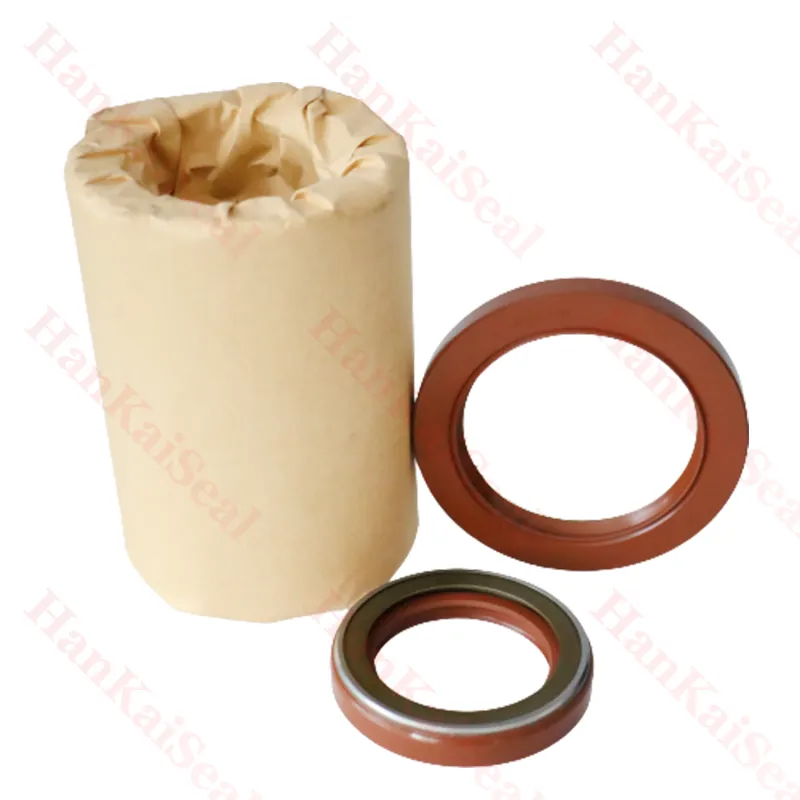
Standard oil seal BP0494 High pressure TCN oil seal
-
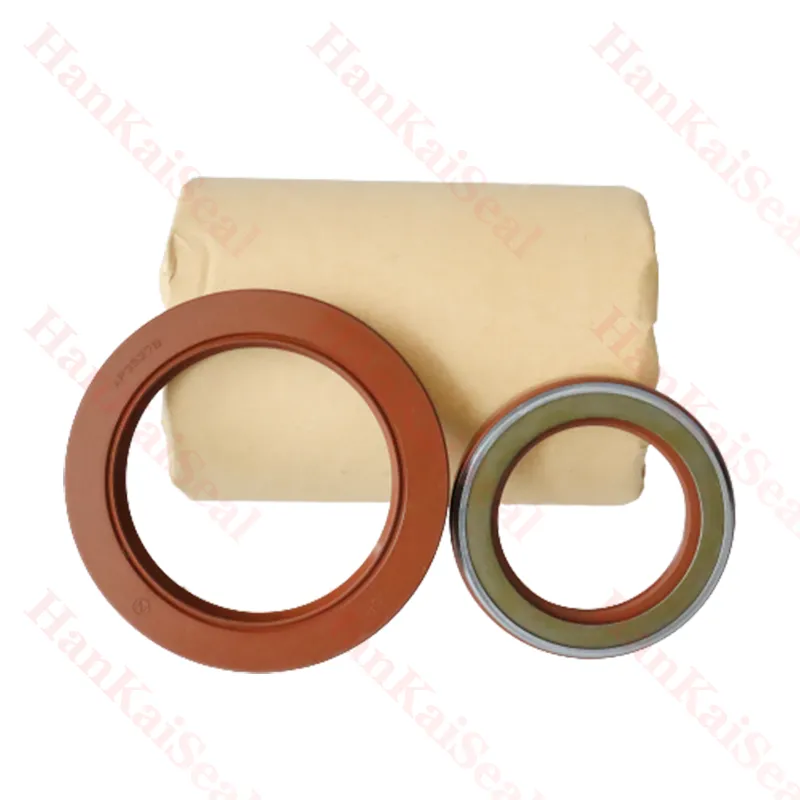
Hydraulic pump seal AP4624G high pressure TCN oil seal
-
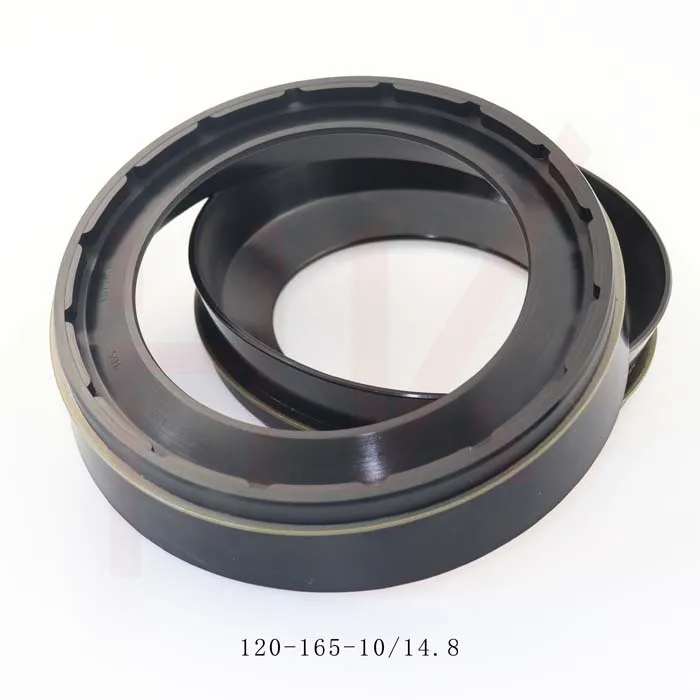
0734307418 0750112169 120*165*10/14.8 concrete mixer reducer oil seal
-
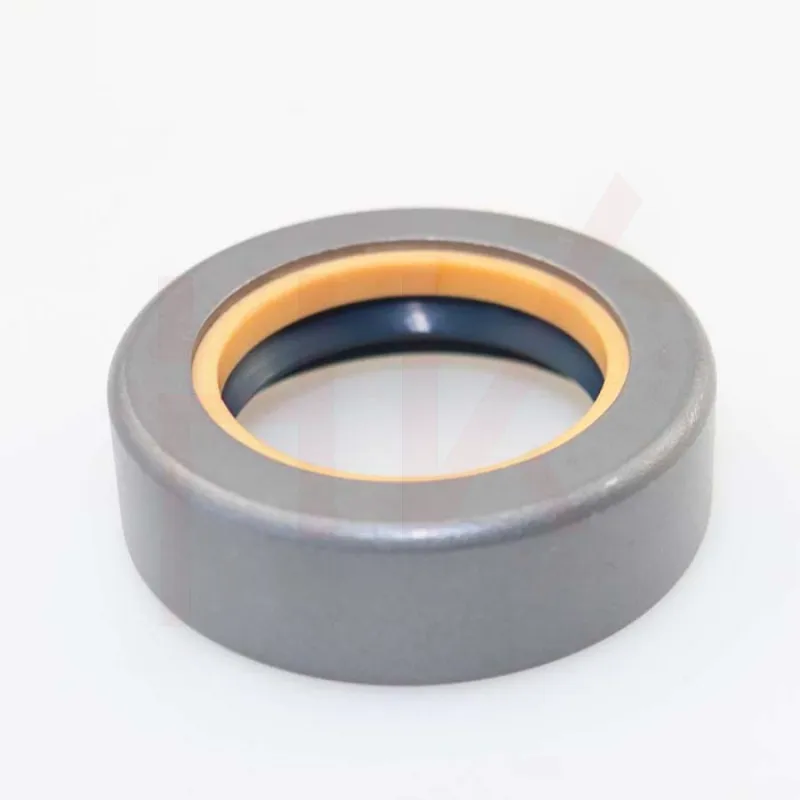
35*52*16 Standard Wheel Hub Oil Seal For Agricultural Machinery
-
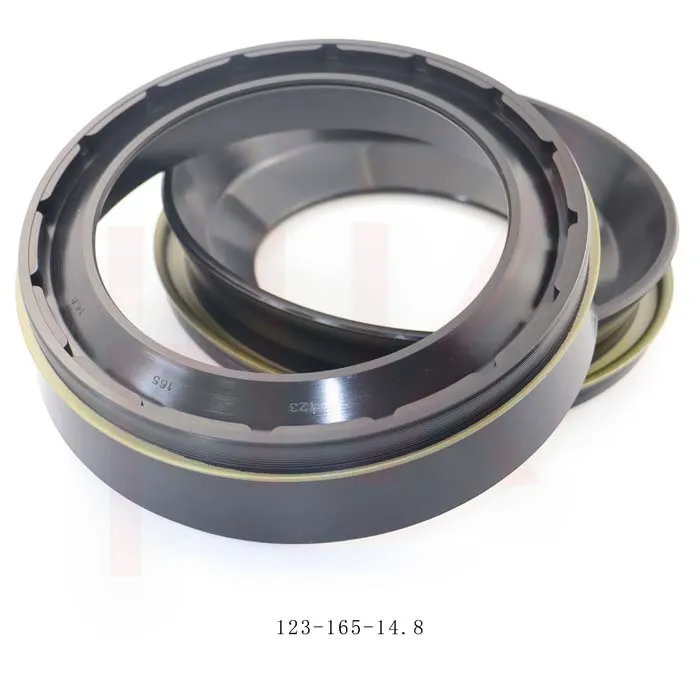
123*165*14.8 concrete mixer truck reducer oil seal
-
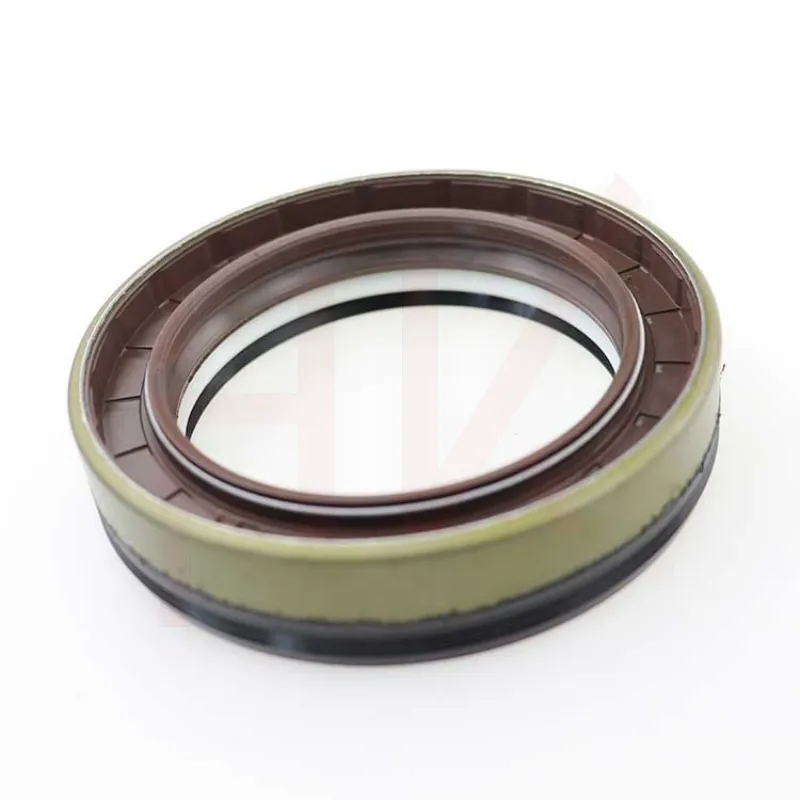
Tractor shaft oil seal 65-90-20 COMBI SF19 hub oil seal
-
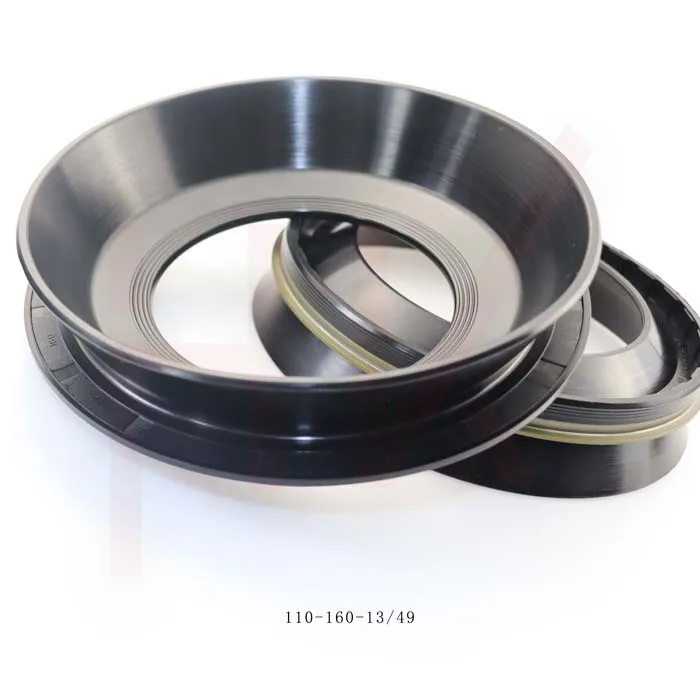
110*160*13/49 NBR reducerConcrete mixer truck oil seal
-
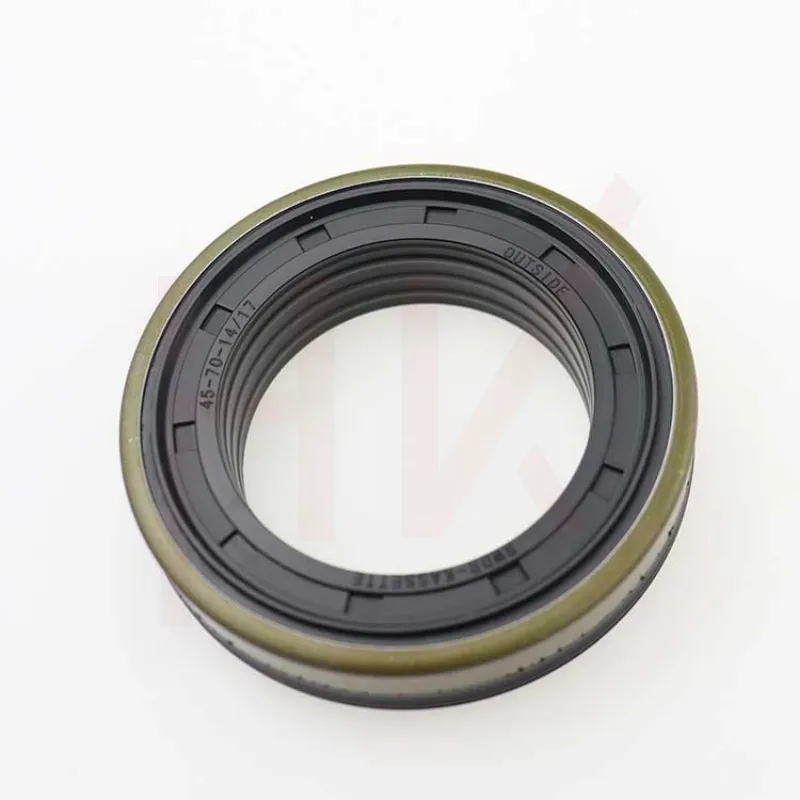
Hub oil seal 40*65*13/14.5 suitable for tractor Cat 12018035b
-
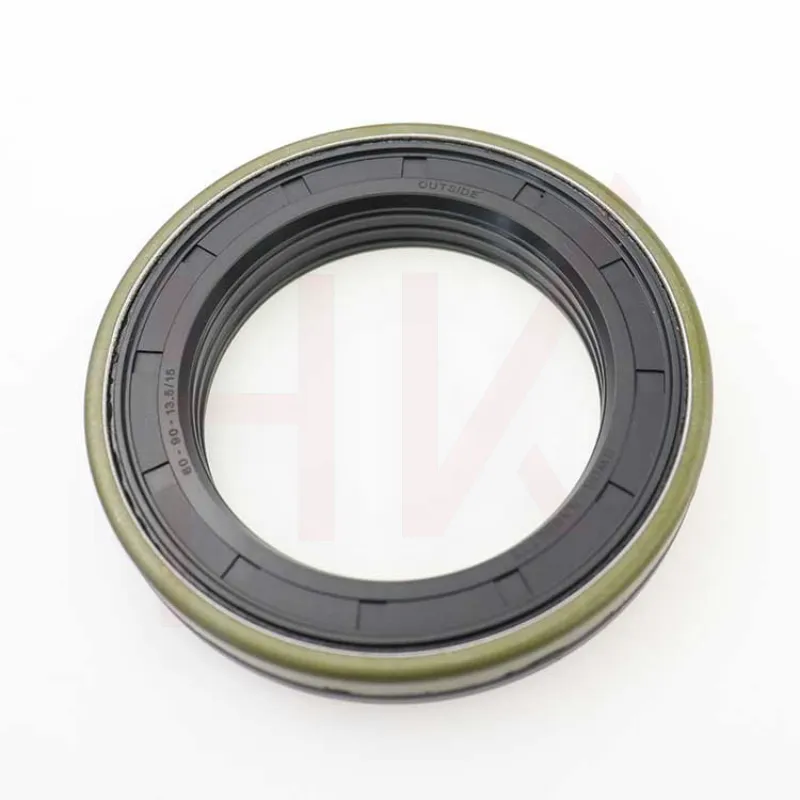
Tractor accessories cassette oil seal hub oil seal 60-90-13.5/15
-
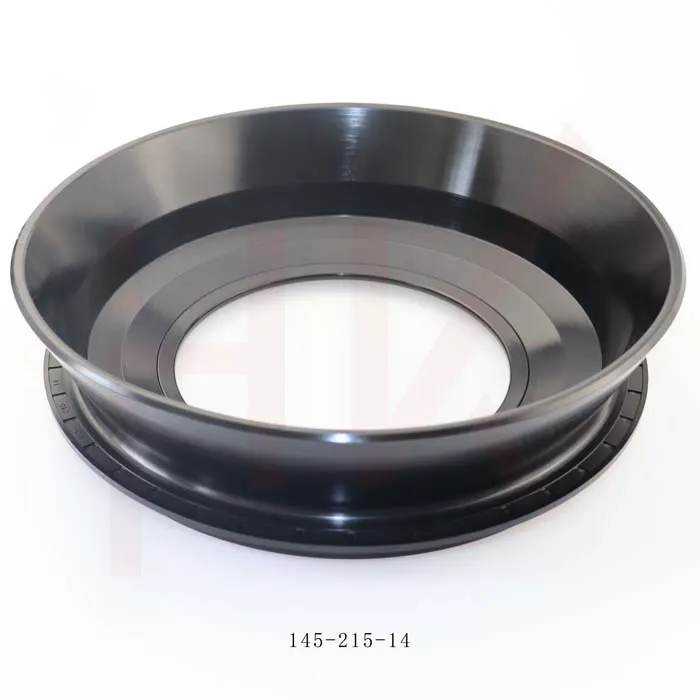
Factory concrete mixer truck oil seal 145*215*14 reducer gearbox oil seal
-
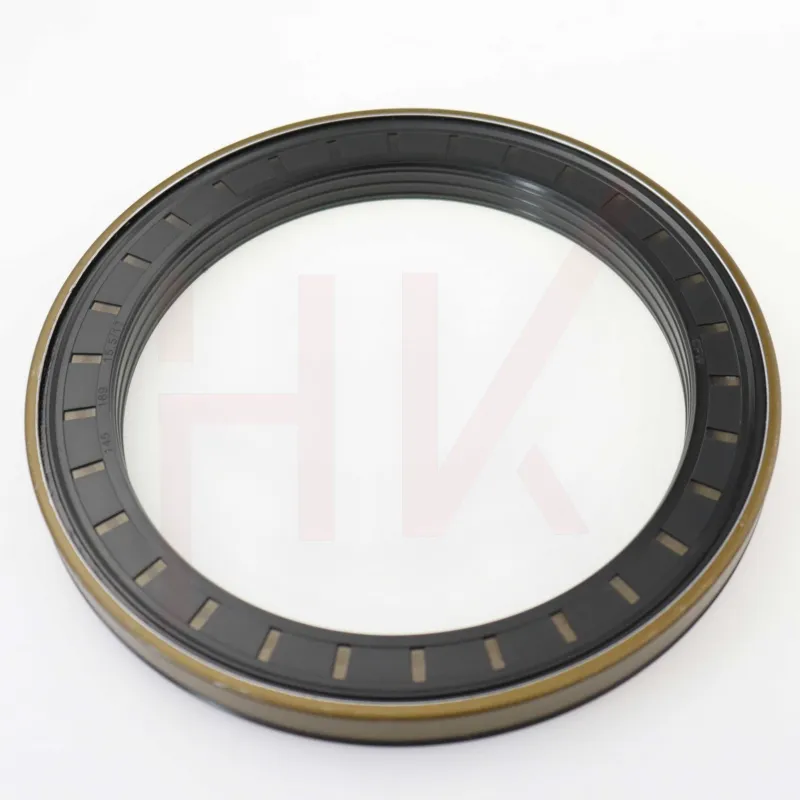
145*189*15.5/17 Cassette Seal NBR Hub Oil Seal 1508044
-
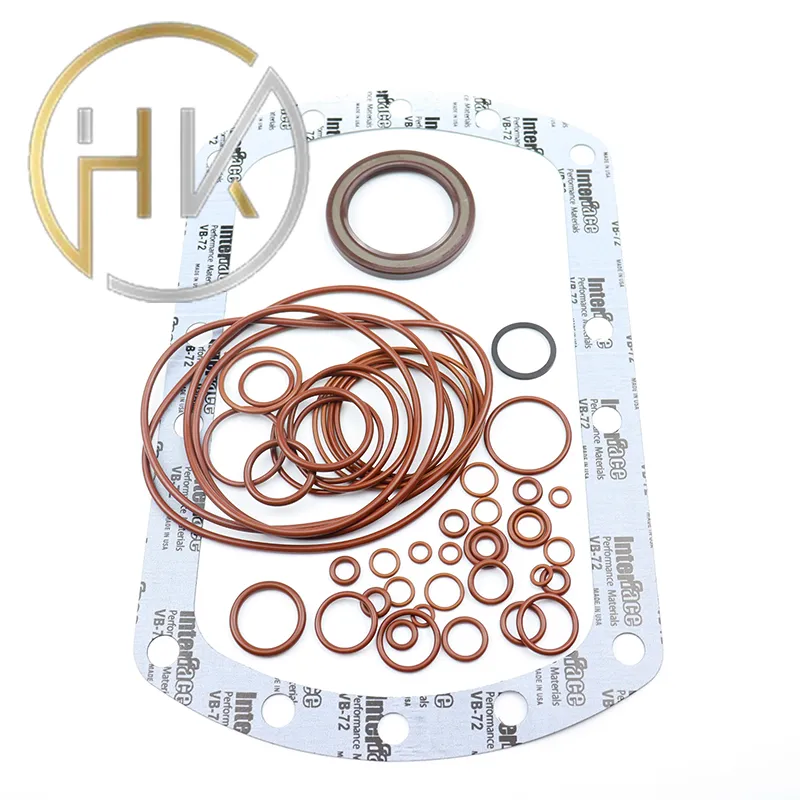
Factory direct sales hydraulic pump motor seal kit A8VO140
-
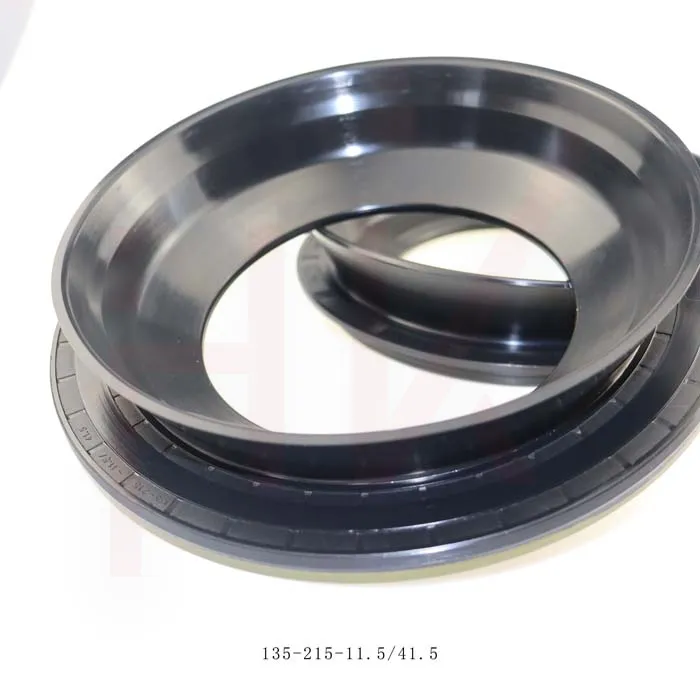
Brand new cement tanker oil seal 135*215*11.5/41.5 concrete mixer oil seal
-
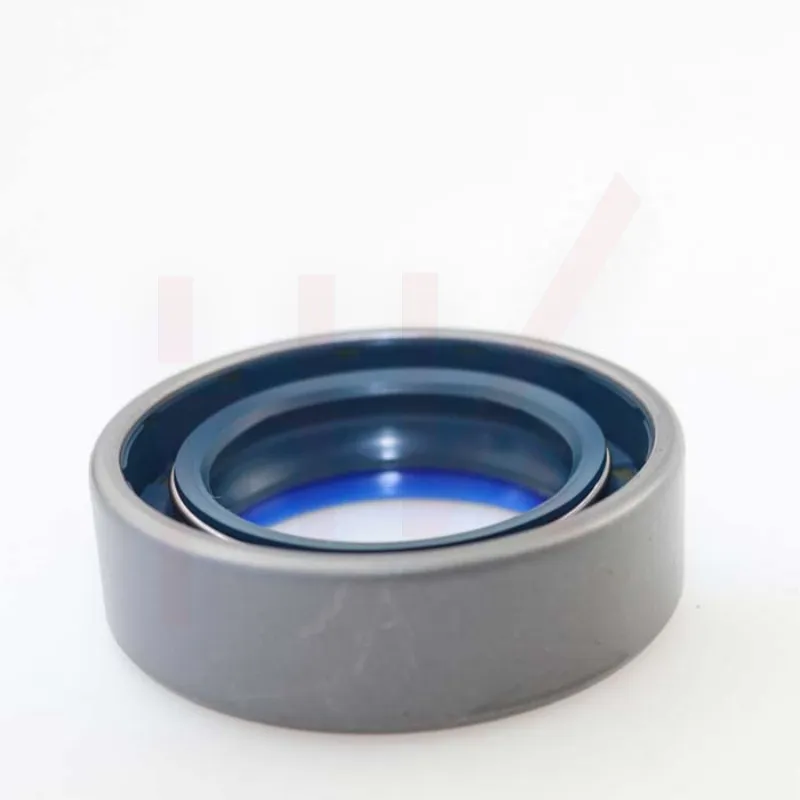
45*65*15 Combi oil seal JCB 90450009 COMBI SF1 SEAL
-
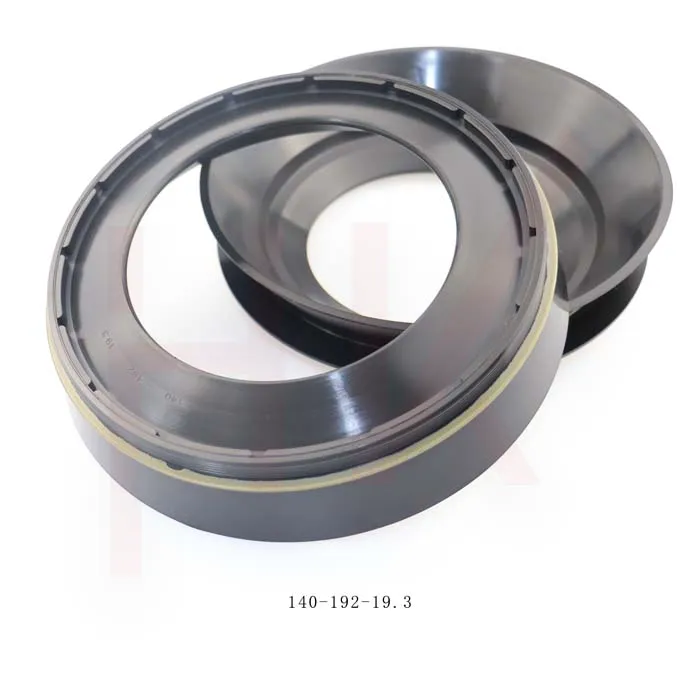
Gear box concrete mixer oil seal 140*192*19.3 nbr reducer oil seal
-
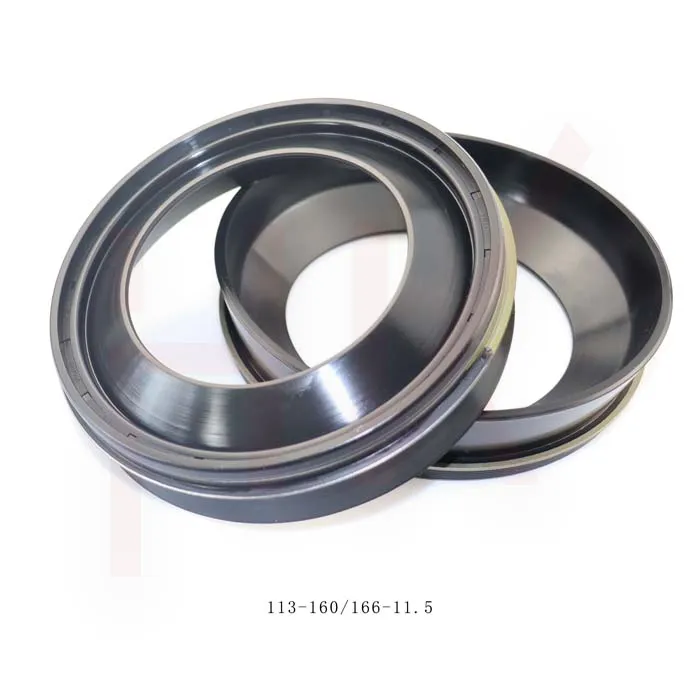
Seals factory direct sales 113*160/166*11.5/38 excavator truck reducer oil seal