
Dec . 01, 2025 20:30 Back to list
Comprehensive Guide to Seal Kit Pump: Benefits, Applications & Innovations
Seal Kit Pump: Why It Matters and What You Need to Know
If you’re involved in industries that rely on pumps—think water treatment, oil and gas, or chemical processing—you’ve probably encountered or will soon deal with a seal kit pump. These kits might sound like mundane spare parts, but understanding their role could save downtime, cut maintenance costs, or even prevent environmental hazards. Globally, with over 60% of industrial pumps requiring regular seal maintenance (ISO 13709 guidelines hint at this), knowing what makes a great seal kit isn’t just niche knowledge—it’s practical survival.
So, why should you care? If you manage operations across remote zones, where replacing pumps isn’t as simple as ordering from a local store, having the right seal kit pump on hand can be a game-changer. Plus, as industries push for sustainability and reliability, the seal kit plays a surprisingly pivotal role.
Mini takeaway: Seal kit pumps are essential yet often underrated parts that extend pump life, enhance efficiency, and support global industrial reliability.
The Global Context: Sealing Pump Challenges Worldwide
Industries worldwide depend on pumps—an estimated 15 million pumps operate globally, according to recent World Bank infrastructure reports. But here’s the rub: pumps fail an average of every 2 to 5 years, most often at the shaft seal, causing leaks, downtime, and safety issues. ISO standards emphasize that seal kits are crucial in reducing such failures.
In places like Southeast Asia’s flood-prone zones or the Middle East’s oilfields, an effective seal kit pump drastically impacts operational uptime. Supply chains and harsh environmental factors stressed those seals, making pump maintenance tricky but essential. The challenge? Ensuring the seal kit fits precisely, resists wear, and works under high temperature or corrosive conditions.
Mini takeaway: Seal kits face global demands from environmental pressures and operational complexity, making their design and material choice critical.
What Exactly Is a Seal Kit Pump?
At its core, a seal kit pump is a package of specific sealing components—usually including O-rings, gaskets, mechanical seals, and other parts—to refurbish or maintain a pump’s sealing mechanism. Think of it as a pump's “heartbeat guard” that prevents fluid leaks while letting the shaft spin freely.
Why important? Pumps today help deliver clean water to millions or handle hazardous chemicals safely. The seal kit is the quiet hero ensuring the pump doesn’t spill harmful fluids into the environment or lose performance over time.
Mini takeaway: A seal kit pump is more than parts—it’s a precise, engineered solution crucial to modern infrastructure and safety.
Core Components of a Seal Kit Pump
1. Durability: Materials Matter
Seal kits use materials like Viton, PTFE, and ceramics to resist corrosion, heat, and abrasion. Durability isn’t just a buzzword—it’s about maintaining structural integrity under constant stress.
2. Compatibility and Precision Fit
Each pump model has its unique sealing geometry. An ill-fitting kit might cause premature failure or leaks. Precision engineering and strict quality control avoid these pitfalls.
3. Cost Efficiency Over Time
While some seal kits command a higher upfront price, their longer service life means less downtime, fewer repairs, and overall savings.
4. Ease of Installation
Sealing is often a finicky job. Kits that simplify installation—clear instructions or modular designs—reduce human error and maintenance time.
5. Environmental Resistance
Seals must endure harsh chemicals or extreme temperatures. Advanced materials meet these challenges, supporting sustainability by reducing leaks and spills.
Mini takeaway: The devil’s in the details. A quality seal kit’s components must be tough, exact, affordable, user-friendly, and eco-aware.
Seal Kit Pump in Action: Global Applications & Real-World Use Cases
- Water Treatment Plants: In cities like Mumbai or Jakarta, pumps with reliable seals ensure continuous water supply by minimizing downtime during rainy or dry seasons.
- Oil & Gas Industry: Middle Eastern fields rely heavily on seal kits that tolerate corrosive hydrocarbon fluids, enabling safe extraction and transport.
- Disaster Relief Operations: Portable pumping systems, refurbished quickly with seal kits, support emergency water removal or fuel delivery after floods or hurricanes.
- Manufacturing Plants: Factories in Germany and South Korea depend on efficient seals to uphold productivity without costly halts.
Mini takeaway: Seal kit pumps quietly underpin critical infrastructure and emergency responses worldwide.
Advantages & Long-Term Value of Choosing the Right Seal Kit Pump
Choosing a reliable seal kit pump isn’t just technical; it resonates with safety and sustainability. Reduced leaks mean fewer spills, protecting workers and the environment. Longer service life promotes resource efficiency—fewer replacements, less waste. From a financial standpoint, reduced downtime means higher operational reliability.
Emotionally, workers take comfort knowing their pumps won’t suddenly fail, risking safety. Trust builds between operators, suppliers, and communities when equipment performs day in, day out.
Mini takeaway: The best seal kits offer more than compatibility — they deliver safety, sustainability, reliability, and peace of mind.
Future Trends & Innovations Shaping Seal Kit Pumps
Frankly, the pace of innovation is pretty exciting. There’s growing use of composite materials that adapt to wear patterns, and smart sensors embedded in seals to monitor leakage or pressure changes in real-time.
Additionally, sustainability drives changes—biodegradable sealing materials or kits designed for recycling are gaining traction. In digital terms, 3D printing of custom seal components is emerging, providing faster turnaround times.
Mini takeaway: Seal kit pumps are evolving with smart tech, greener materials, and customization—making them future-ready.
Challenges & Solutions in Seal Kit Pump Maintenance
Common challenges include misalignment during installation, degradation due to unexpected chemical exposure, and supply delays—especially in remote locations. However, expert training programs and modular seal kits with step-by-step guides reduce errors.
Supplier partnerships focusing on logistics reliability and regional warehousing cut delays, while novel materials reduce breakdown frequency.
Mini takeaway: While challenges remain, practical solutions in training, materials, and supply chains are bridging gaps.
Seal Kit Pump Specification Table
| Characteristic | Typical Range / Choice | Notes |
|---|---|---|
| Material | Viton, EPDM, PTFE, Carbon | Dependent on chemical compatibility |
| Temperature Range | -40°C to 220°C | High-temp resistance crucial for oil/gas |
| Pressure Rating | Up to 250 psi | Varies by design and application |
| Type | Mechanical seal, packing, lip seal | Depends on pump specs |
| Installation | Modular kits with instructions | Ease of use reduces downtime |
Vendor Comparison for Seal Kit Pumps
| Vendor | Material Quality | Global Availability | Customization | Price Range |
|---|---|---|---|---|
| H.K. AiSeal | Premium Viton & PTFE composites | Excellent (worldwide shipping) | Custom kits for over 200 pump models | $$ |
| SealMax Corp. | High-grade EPDM & Carbon | Good (regional warehouses) | Standard kits, limited custom | $ |
| GlobalPump Seals | Mixed quality, focus on bulk | Excellent in Europe, Asia | Bulk custom only | $$$ |
Frequently Asked Questions About Seal Kit Pump
Q1: How do I know which seal kit pump fits my machinery?
Check your pump model and manufacturer specifications first. Most reliable vendors provide cross-reference guides or part lookup tools. Also, referring to the pump’s datasheet or contacting technical support can help ensure you order the exact kit for your pump.
Q2: How often should a seal kit pump be replaced?
It depends on operating conditions. Typically, seals last 1-3 years but harsh chemicals, high temperatures, or abrasive fluids may shorten that. Regular inspections and predictive maintenance practices are the best approach to avoid unexpected breakdowns.
Q3: Can I install a seal kit pump myself?
Yes, but with caution. Many kits come with instruction manuals; however, mechanical seal installation can be tricky. If unsure, getting a professional technician involved reduces risk of leaks or damage.
Q4: Are seal kit pumps environmentally friendly?
Modern seal kits use advanced materials reducing leaks and fluid waste, contributing to environmental safety. Plus, some vendors now offer recyclable or biodegradable materials, aligning with sustainability trends.
Q5: Where can I purchase high-quality seal kit pumps?
Trusted suppliers like seal kit pump vendors with certifications and strong customer feedback are your best bet. Regional distributors and direct manufacturer websites often have the best selection and support.
Wrapping Up: The Long-Term Value of Seal Kit Pumps
In the grand scheme, a seal kit pump is a small but mighty cog in maintaining industrial resilience and environmental friendliness. Its value goes beyond just parts replacement—it’s about safeguarding operations, protecting ecosystems, and empowering maintenance teams worldwide. So next time you open that kit, think of the global ripple effect it supports.
Ready to upgrade your pump maintenance strategy? Visit our website: https://www.hkaiseal.com
References:
1. ISO 13709 - Pumps and compressors in the process industry
2. World Bank Industrial Pump Data (2023)
3. Mechanical Seal - Wikipedia
-
Guide to Choosing the Right High Quality hydraulic ram kit
NewsApr.16,2026
-
Premium Hydraulic Cylinder Packing Kits for Peak Performance
NewsApr.09,2026
-
Comprehensive Guide to Hydraulic Cylinder Oil Seal Kits for Optimal Performance
NewsApr.07,2026
-
Comprehensive Guide to Choosing the Right Cylinder Seal Kits for Peak Performance
NewsApr.04,2026
-
Comprehensive Guide to Seal Kits for Cylinders Ensuring Optimal Performance
NewsMar.31,2026
-
Comprehensive Guide to Hyd Cylinder Seals for Optimal Hydraulic System Performance
NewsMar.28,2026
-
Comprehensive Guide to Hyd Cylinder Seal Kit Selection and Installation
NewsMar.26,2026
Products categories
-
Standard oil seal BP0494 High pressure TCN oil seal
-
Hydraulic pump seal AP4624G high pressure TCN oil seal
-
0734307418 0750112169 120*165*10/14.8 concrete mixer reducer oil seal
-
35*52*16 Standard Wheel Hub Oil Seal For Agricultural Machinery
-
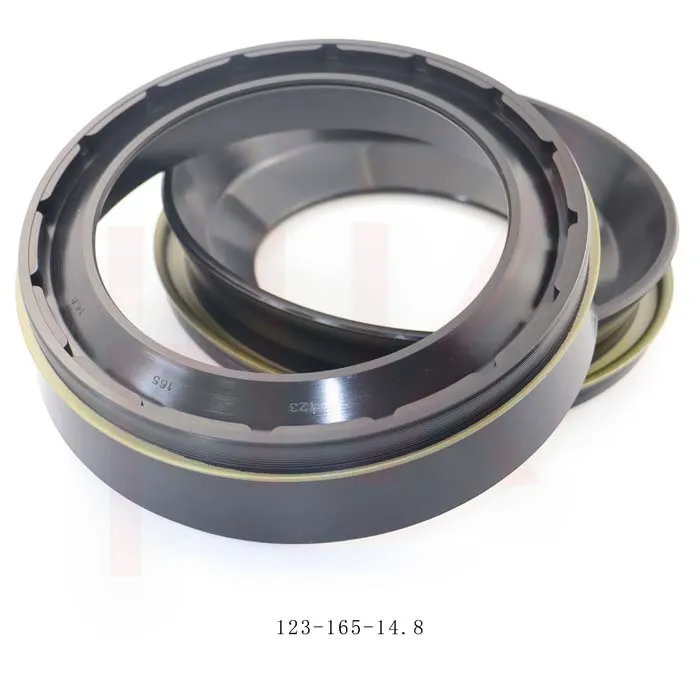
123*165*14.8 concrete mixer truck reducer oil seal
-
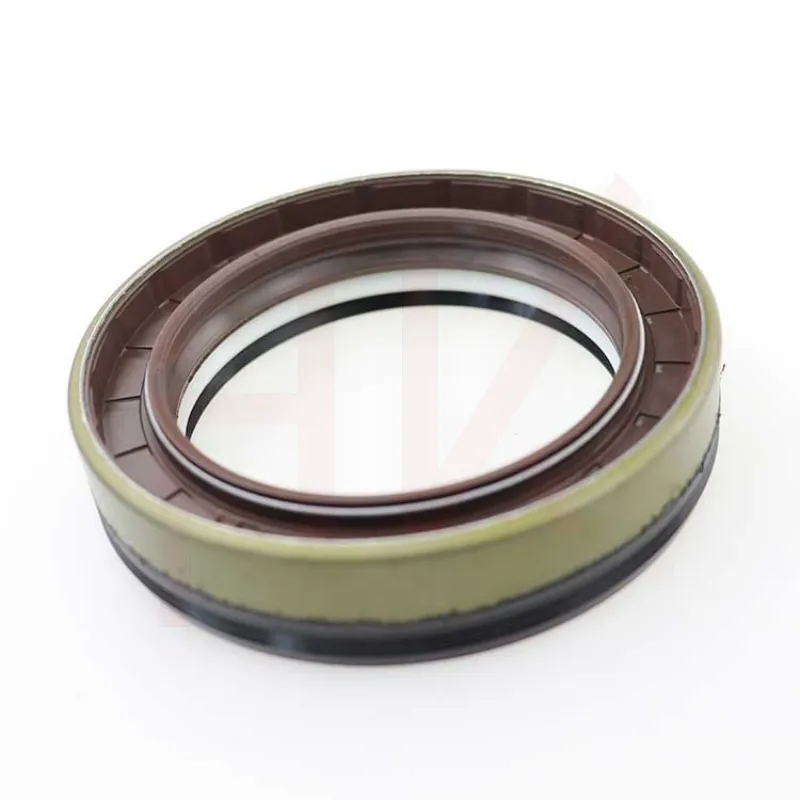
Tractor shaft oil seal 65-90-20 COMBI SF19 hub oil seal
-
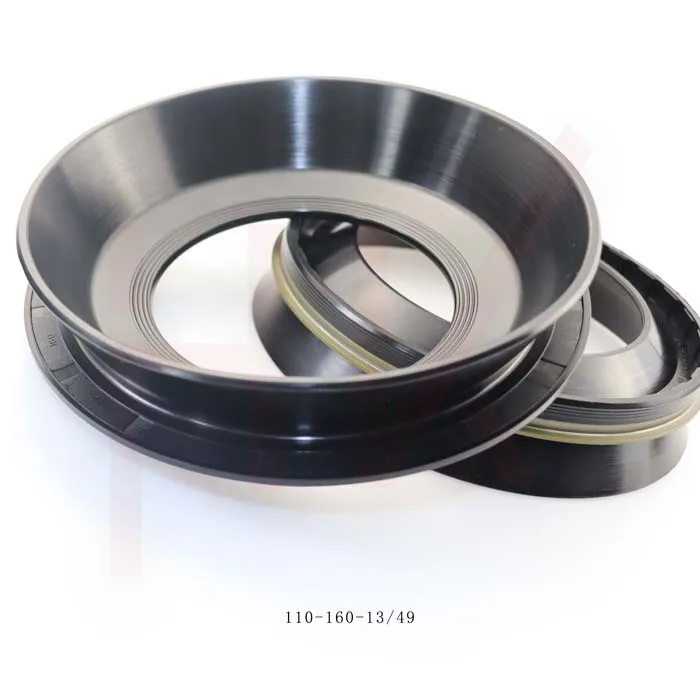
110*160*13/49 NBR reducerConcrete mixer truck oil seal
-
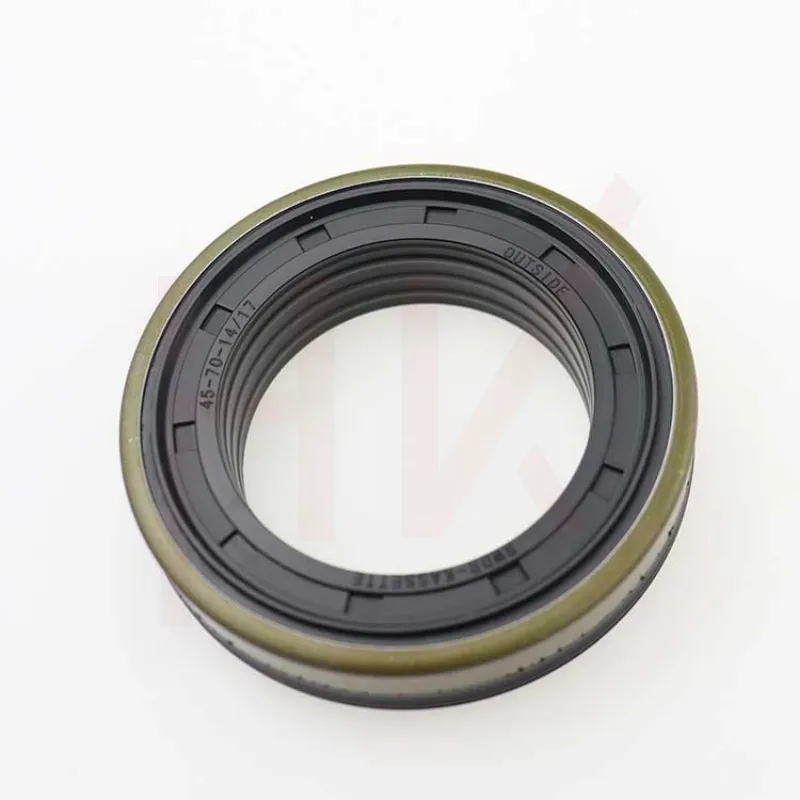
Hub oil seal 40*65*13/14.5 suitable for tractor Cat 12018035b
-
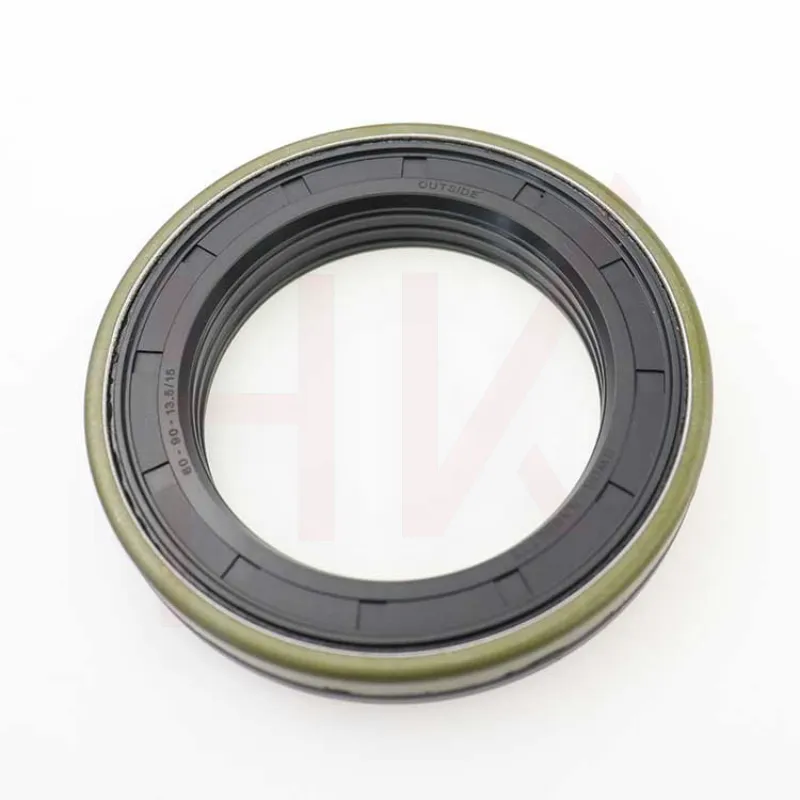
Tractor accessories cassette oil seal hub oil seal 60-90-13.5/15
-
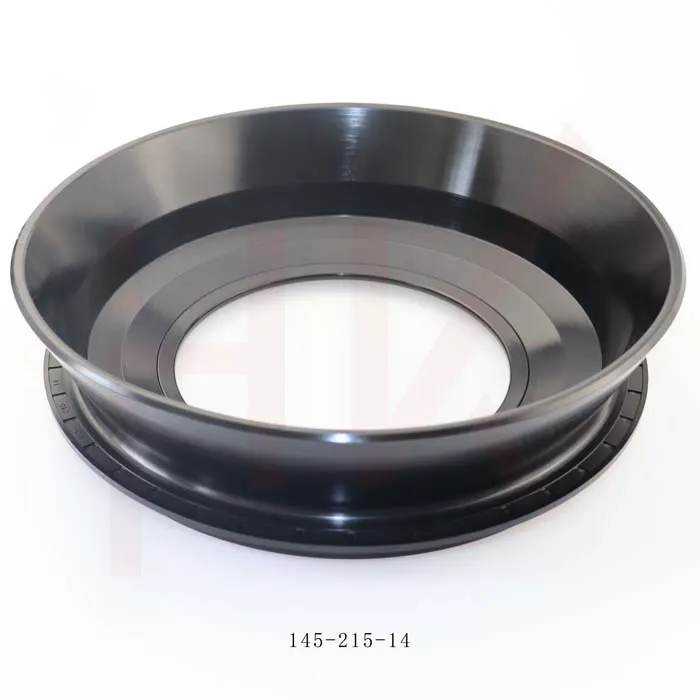
Factory concrete mixer truck oil seal 145*215*14 reducer gearbox oil seal
-
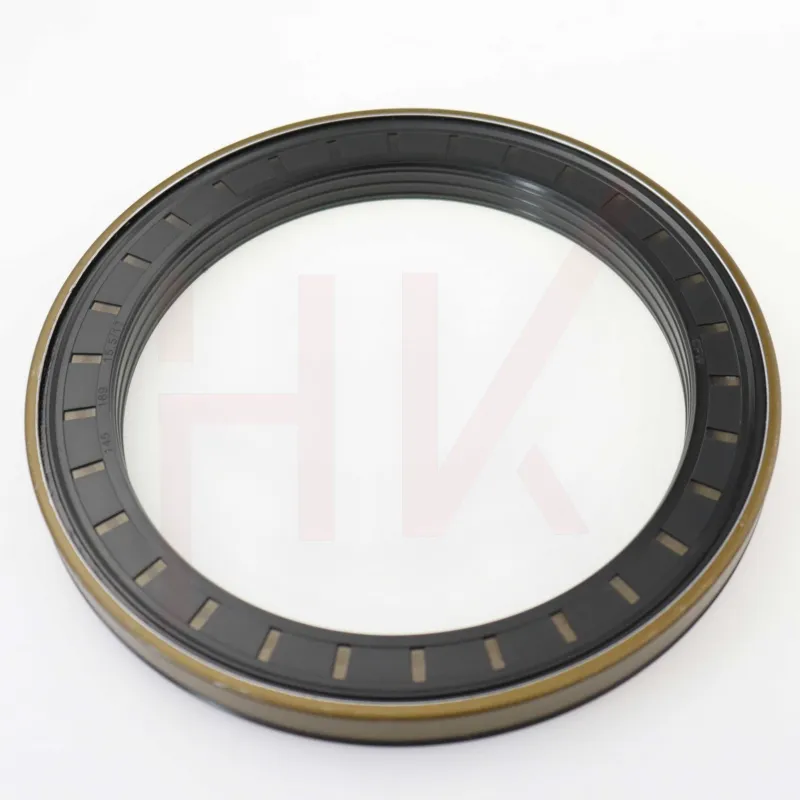
145*189*15.5/17 Cassette Seal NBR Hub Oil Seal 1508044
-
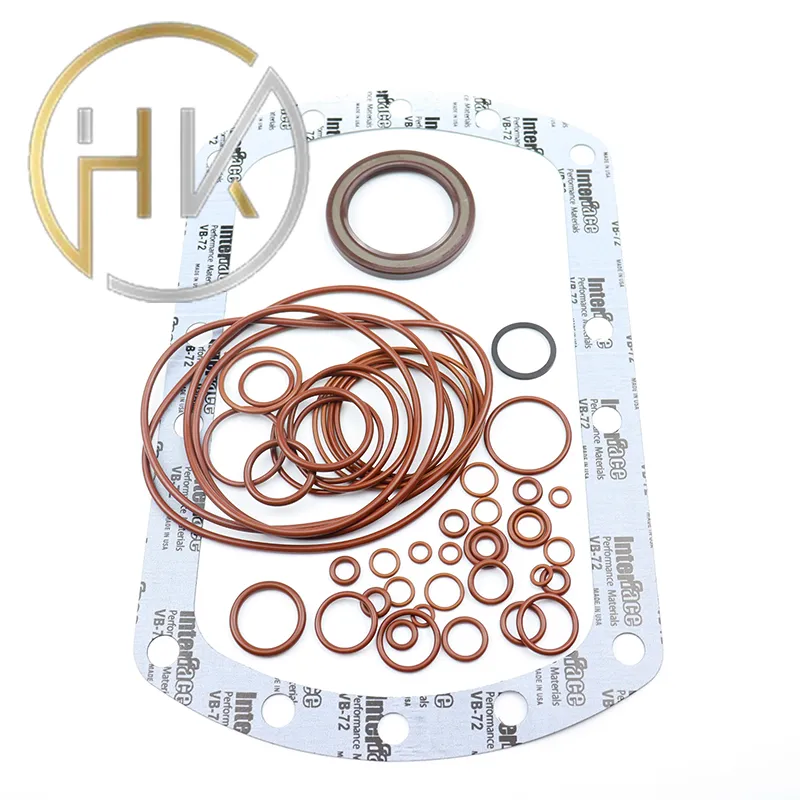
Factory direct sales hydraulic pump motor seal kit A8VO140
-
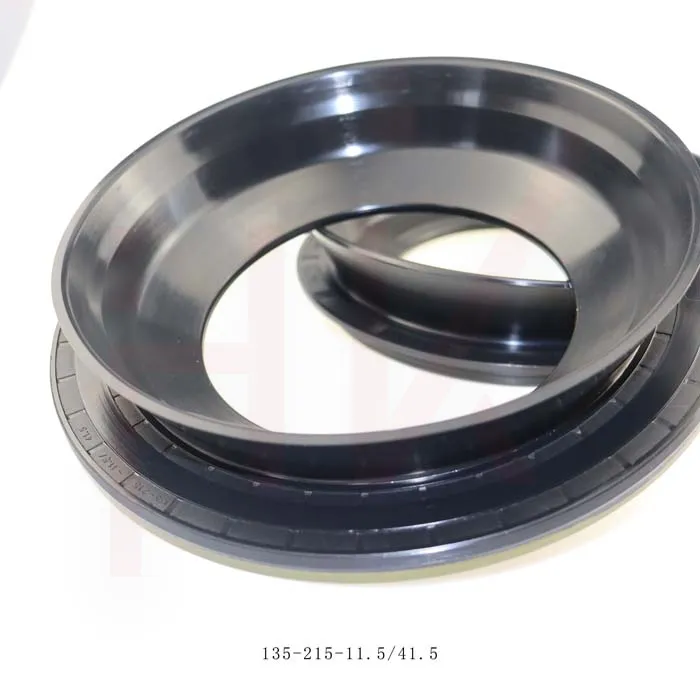
Brand new cement tanker oil seal 135*215*11.5/41.5 concrete mixer oil seal
-
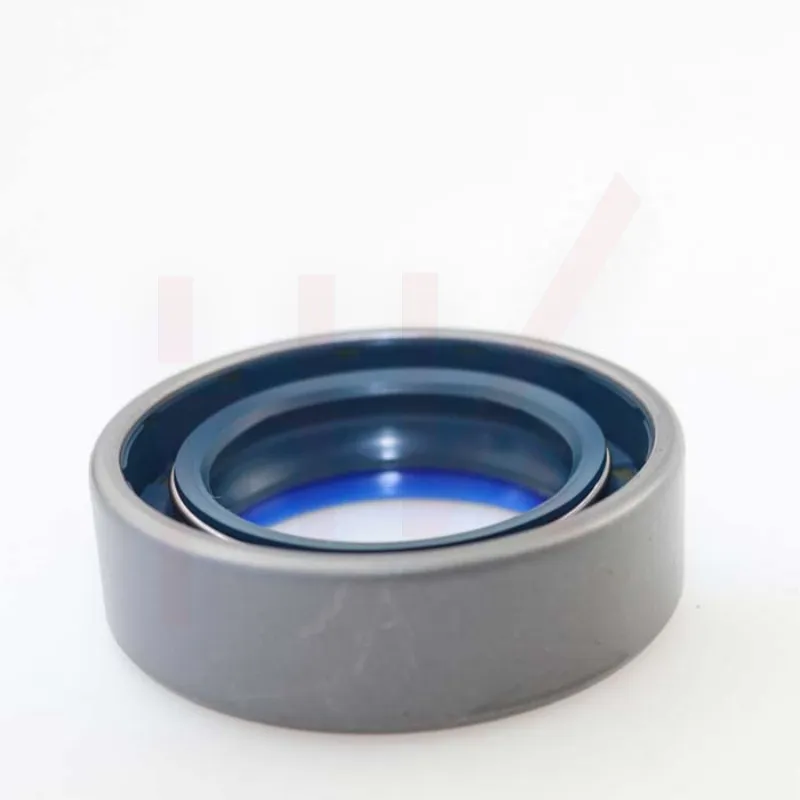
45*65*15 Combi oil seal JCB 90450009 COMBI SF1 SEAL
-
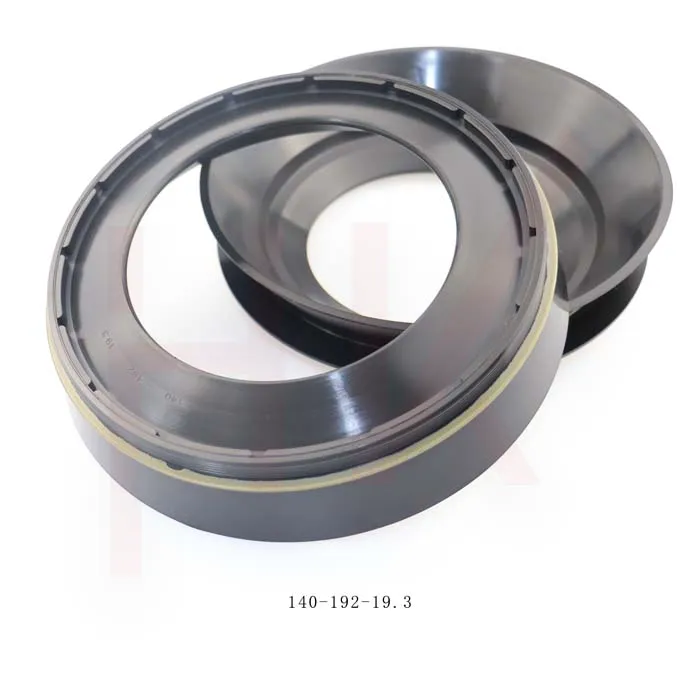
Gear box concrete mixer oil seal 140*192*19.3 nbr reducer oil seal
-
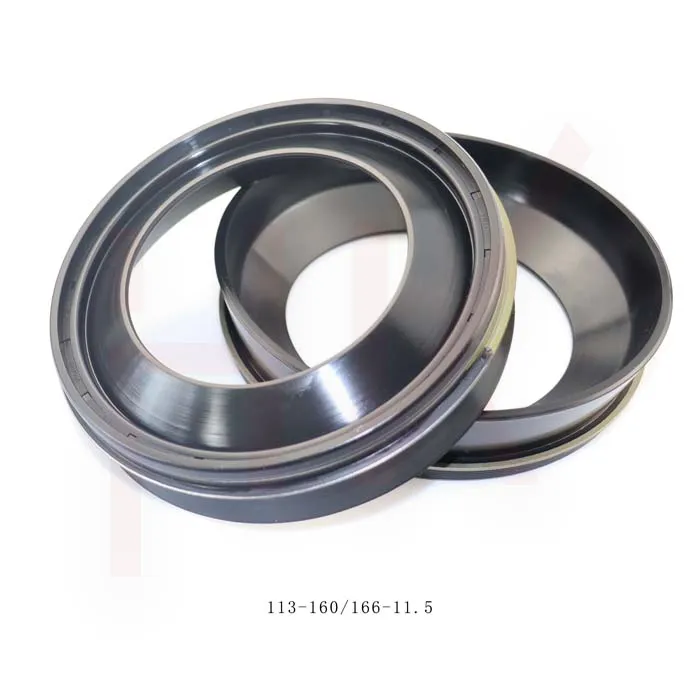
Seals factory direct sales 113*160/166*11.5/38 excavator truck reducer oil seal