
Dec . 01, 2025 22:55 Back to list
Trusted Oil Seal Manufacturer - Quality Seals for Global Industries | HKAI Seal
Understanding the Role of an Oil Seal Manufacturer in Today’s Global Industry
At first glance, “oil seal manufacturer” might sound like a niche phrase tossed around in engineering circles. But these manufacturers play an unsung yet vital role in countless industries worldwide. From automotive to heavy machinery, their products keep machinery running smoothly, prevent costly leaks, and support safety standards everywhere. Understanding their work shines a light on an essential link in the chain of global supply and industrial reliability.
Why Oil Seal Manufacturing Matters Globally
According to the International Organization for Standardization (ISO), efficiency and safety in machinery are paramount to modern industry’s sustainability (ISO 3601-3:2011). Oil seals, sometimes called rotary shaft seals, prevent lubricant leakage and block contaminants, keeping engines and gearboxes humming. With World Bank reports emphasizing industrial growth in developing regions, the demand for reliable sealing solutions is rising faster than ever. Yet, manufacturers face challenges like raw material costs and evolving technologies.
Mini Takeaway: Oil seal manufacturers may be behind the scenes, but their products have global ripple effects on machinery longevity, environmental safety, and operational costs.
What Exactly Does an Oil Seal Manufacturer Do?
Simply put, an oil seal manufacturer designs, produces, and tests seals that fit around rotating shafts to prevent oil leakage and keep dirt and water out. These seals are small but mighty components found in everything from car engines to industrial pumps. Their work enables machines to function efficiently, reduce wear, and extend equipment lifespans.
On a broader scale, these manufacturers support sectors that are tailwinds for global development—agriculture, transportation, and even humanitarian aid where durable machinery is mission-critical. It’s not just about stopping oil drips but safeguarding industrial progress.
Core Components & Factors Behind Great Oil Seals
1. Material Quality
The choice of material—whether nitrile rubber (NBR), fluoroelastomer (FKM), silicone, or polyurethane—is critical. Each varies in temperature tolerance, resistance to chemicals, and lifespan. For example, FKM seals fare better in high-temperature automotive environments while nitrile is popular for its cost-effectiveness.
2. Durability & Wear Resistance
Seals must resist abrasion and degradation. Manufacturers test seals under simulated operating conditions to measure wear life. It’s not just a matter of lasting longer; durability means fewer machine failures and less downtime.
3. Precision Engineering
The dimensions, lip design, and surface finish need to be very precise. Even microscopic imperfections cause oil leaks or increased friction. Many manufacturers invest in automated machining and quality control to meet tight tolerances.
4. Customization and Scalability
One size rarely fits all. Many clients demand seals custom-designed to their machine’s unique specs. A reputable oil seal manufacturer offers scalable production methods—from prototypes to mass production—without compromising quality.
5. Cost Efficiency
This is often the tightrope walk. Raw materials have fluctuating prices, but manufacturers must remain competitive globally while maintaining product reliability.
Mini Takeaway:
An oil seal manufacturer succeeds by balancing raw materials, precision, durability, and cost—all woven into scalable solutions for complex machinery needs.
Real-World Applications of Oil Seals Made by Manufacturers
Oil seals are everywhere—from automotive giants in Germany to wind turbines across Europe, from agricultural equipment used in India to factory assembly lines in the US Midwest. In remote mining sites in Africa, durable seals are crucial to handling harsh conditions and preventing equipment failure that could halt operations.
Consider disaster relief: when emergency power generators or water pumps need to work flawlessly, oil seals ensure their engines don’t falter. Even humanitarian organizations rely on gear with reliable seals to operate sustainably in the field.
Examples by Region and Industry
- Automobile industry (Japan, Germany): High-volume precision seals for engines and transmissions.
- Renewable energy (Northern Europe): Seals for wind turbine gearboxes requiring extreme durability against weather.
- Agriculture (South America, India): Seals for tractors, combines dealing with dirt, moisture.
- Construction and Mining (Australia, Africa): Heavy-duty seals for hydraulic equipment.
Mini Takeaway:
From fields to factories, oil seal manufacturers support machinery that powers economies and aids humanitarian efforts.
The Tangible Benefits of Choosing Quality Oil Seal Manufacturers
Choosing seals from a reputable, experienced manufacturer yields benefits way beyond leak prevention.
- Cost savings: Less frequent replacements mean lower maintenance expenses.
- Sustainability: Durable seals reduce waste and environmental leakage.
- Reliability: Minimizing downtime builds trust in machinery performance.
- Safety and dignity: Less mechanical failure can prevent accidents, supporting safer work environments.
- Innovation: Manufacturers investing in R&D provide advanced materials that push industry standards.
Frankly, it feels good knowing there’s a small but vital component quietly protecting big investments—machines that might carry hundreds of workers’ livelihoods.
Looking Ahead: Trends in Oil Seal Manufacturing
Technological advances are shaping the future of the oil seal industry. Oddly enough, the push towards green energy is directly influencing materials research. Biodegradable elastomers and environmentally friendly manufacturing methods are in development to reduce the carbon footprint.
Automation in production lines and digital quality control systems enable faster turnaround with zero sacrifice in precision. Some manufacturers are exploring AI-powered design software that optimizes seal lips and materials according to specific machine operating environments.
Moreover, global supply chain shifts encourage local sourcing and more sustainable raw materials—hot topics among industry leaders today.
Facing Challenges: What Holds Back Oil Seal Manufacturing?
- Raw material price volatility: Rubber and polymers can fluctuate wildly.
- Customization demand: Small batches can be costly and time-consuming.
- Technological barriers: High precision machines come at a steep upfront price.
Experts suggest collaboration between R&D centers and manufacturers to innovate cost-effective solutions. For example, modular seal designs that adapt to multiple applications without complete redesign could cut costs significantly.
Product Specification Table
| Specification | Nitrile Rubber (NBR) | Fluoroelastomer (FKM) | Polyurethane |
|---|---|---|---|
| Temperature Range | -30°C to 100°C | -20°C to 200°C | -40°C to 80°C |
| Chemical Resistance | Good (oils & greases) | Excellent (fuels & acids) | Moderate (hydraulic fluids) |
| Abrasion Resistance | Moderate | High | Excellent |
| Common Uses | Automotive, Pumps | Aerospace, Engines | Hydraulics, Construction |
Vendor Comparison: Leading Oil Seal Manufacturers
| Vendor | Material Range | Customization Options | Global Reach | Sustainability Initiatives |
|---|---|---|---|---|
| SealTech Corp | NBR, FKM, Silicone | High - OEM customization | North America, Europe | Recycled packaging efforts |
| GlobalSeal Industries | NBR, Polyurethane | Moderate - standard adaptations | Asia-Pacific, South America | Energy-efficient production lines |
| EcoSeal Solutions | Bio-based elastomers | Custom projects only | Europe, North America | Zero-waste manufacturing |
Frequently Asked Questions About Oil Seal Manufacturing
- What makes one oil seal manufacturer better than another?
- Key factors include the quality of materials used, precision in manufacturing, ISO certifications, customization ability, and after-sales support. A better manufacturer also invests in R&D and sustainability initiatives.
- How do oil seals impact machine maintenance costs?
- High-quality oil seals prevent leaks and contamination, reducing equipment wear and breakdowns. This results in fewer repairs and replacements, saving costs long-term.
- Can oil seals be customized for different industry needs?
- Absolutely. Many oil seal manufacturers offer bespoke designs tailored to specific shaft sizes, temperature ranges, and chemical resistances, depending on client requirements.
- What environmental considerations are there in oil seal manufacturing?
- Manufacturers are moving towards eco-friendly materials, reducing chemical waste, and implementing energy-efficient production methods to minimize environmental impact.
- How quickly can manufacturers scale production for large orders?
- Scalability varies by vendor, but many can ramp up from prototype to full production within weeks by using modular tooling and lean manufacturing practices.
In Conclusion: Why Partner with a Reliable Oil Seal Manufacturer?
Whether you’re developing high-performance automotive engines or setting up industrial pumps in harsh environments, the choice of an oil seal manufacturer affects everything from operational uptime to safety standards. Their products combine subtle engineering finesse with raw material science to create components that quietly protect major machinery investments worldwide. The future looks exciting, too, with shifts toward greener, smarter solutions.
For those eager to explore reliable suppliers and innovative sealing technology, visiting our site is a good start. After all, behind every smooth-running machine, there’s a seal doing the tough work.
References
-
Guide to Choosing the Right High Quality hydraulic ram kit
NewsApr.16,2026
-
Premium Hydraulic Cylinder Packing Kits for Peak Performance
NewsApr.09,2026
-
Comprehensive Guide to Hydraulic Cylinder Oil Seal Kits for Optimal Performance
NewsApr.07,2026
-
Comprehensive Guide to Choosing the Right Cylinder Seal Kits for Peak Performance
NewsApr.04,2026
-
Comprehensive Guide to Seal Kits for Cylinders Ensuring Optimal Performance
NewsMar.31,2026
-
Comprehensive Guide to Hyd Cylinder Seals for Optimal Hydraulic System Performance
NewsMar.28,2026
-
Comprehensive Guide to Hyd Cylinder Seal Kit Selection and Installation
NewsMar.26,2026
Products categories
-
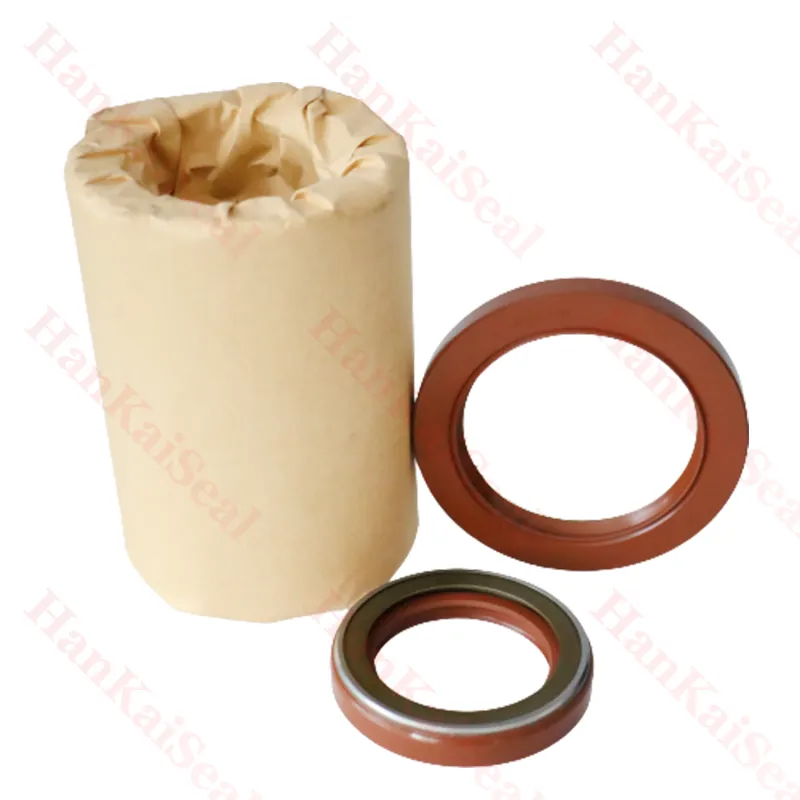
Standard oil seal BP0494 High pressure TCN oil seal
-
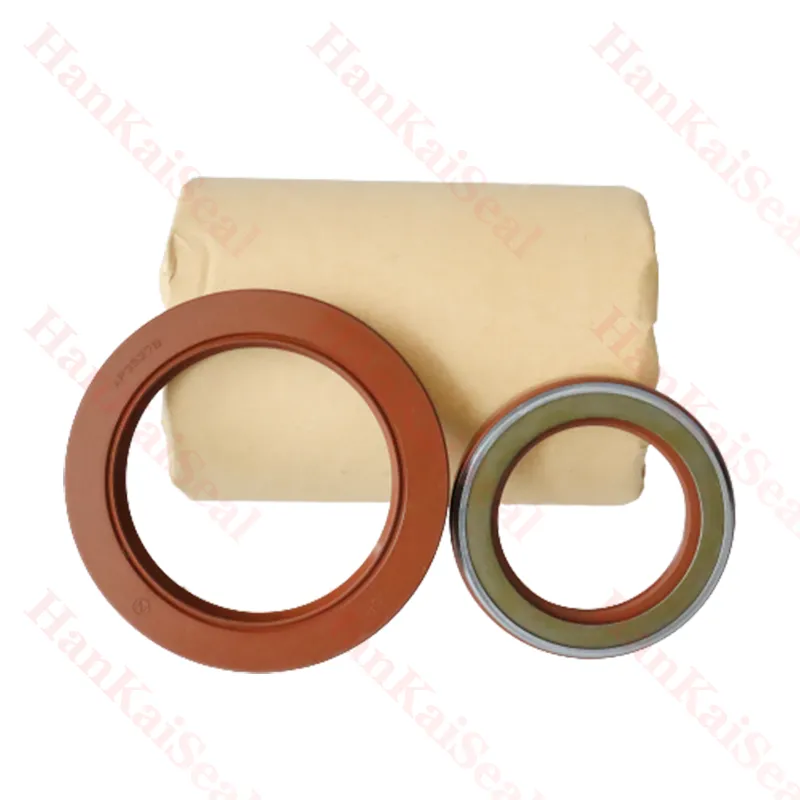
Hydraulic pump seal AP4624G high pressure TCN oil seal
-
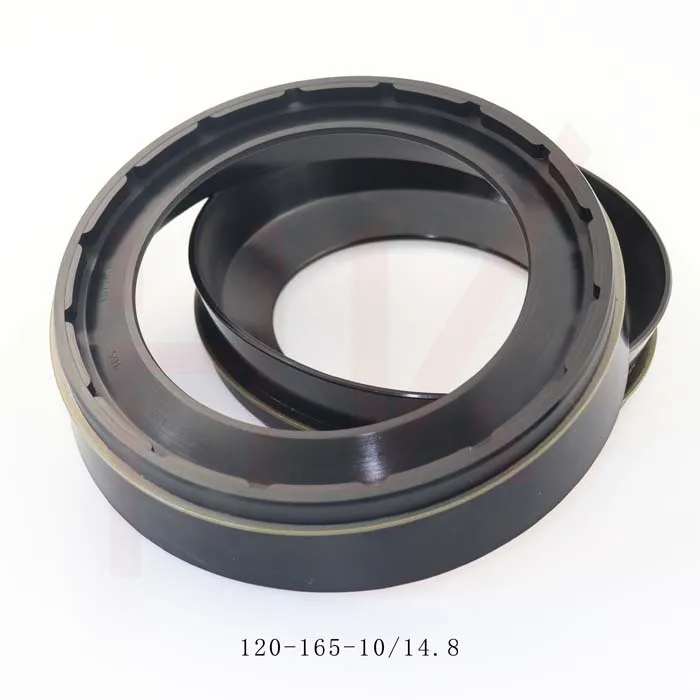
0734307418 0750112169 120*165*10/14.8 concrete mixer reducer oil seal
-
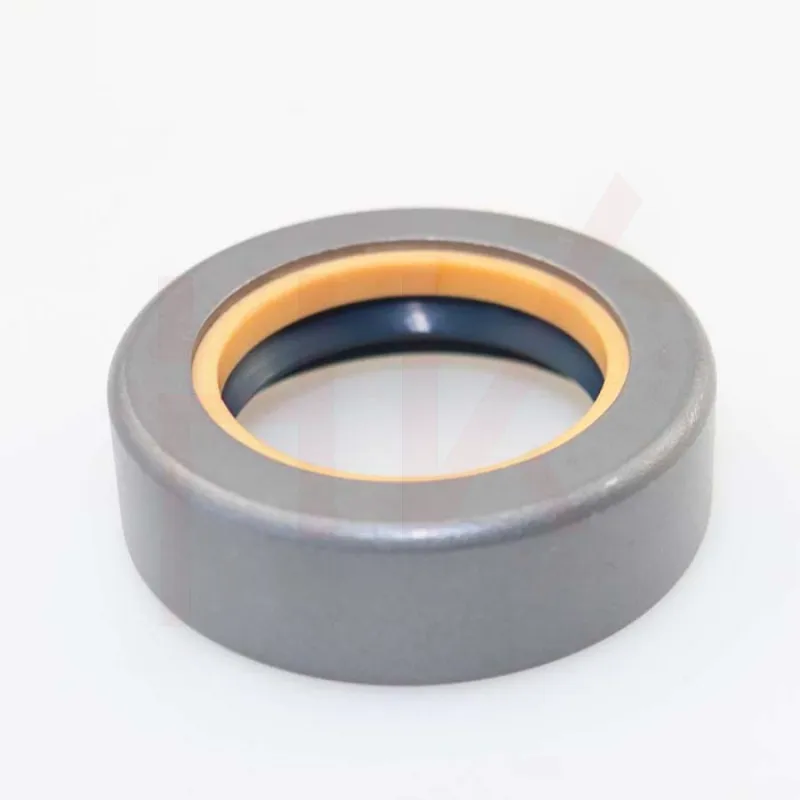
35*52*16 Standard Wheel Hub Oil Seal For Agricultural Machinery
-
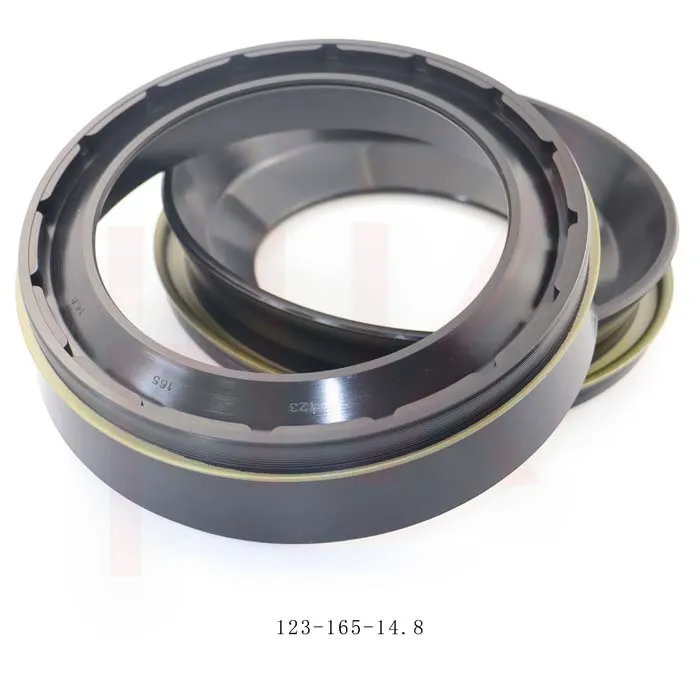
123*165*14.8 concrete mixer truck reducer oil seal
-
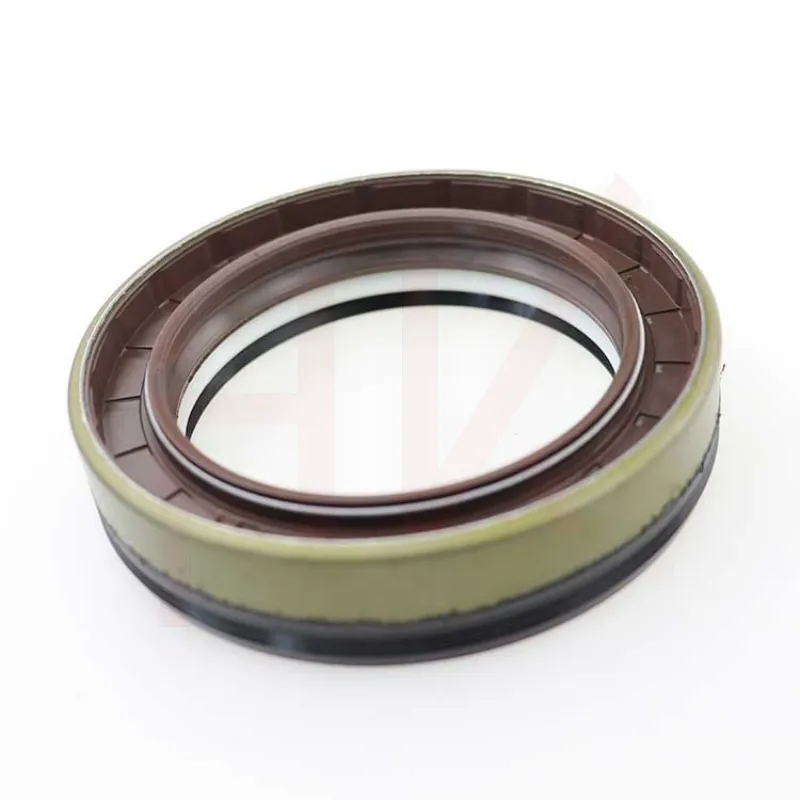
Tractor shaft oil seal 65-90-20 COMBI SF19 hub oil seal
-
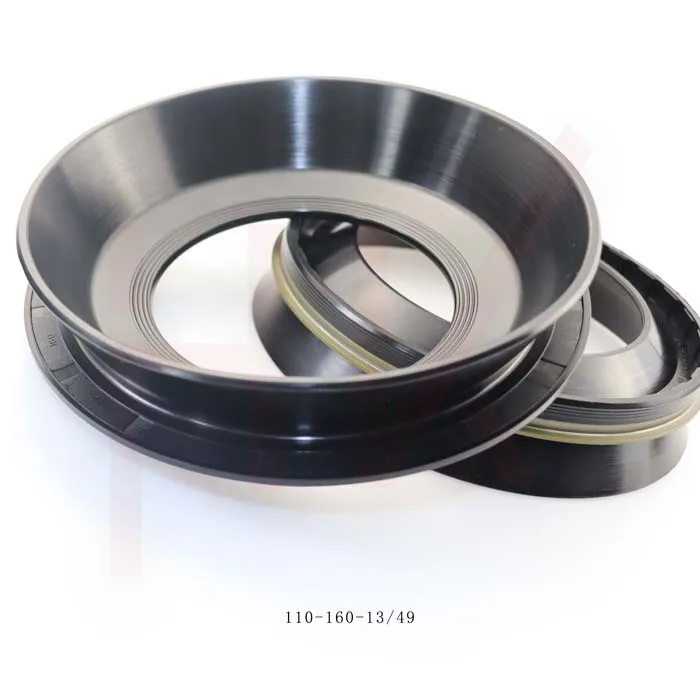
110*160*13/49 NBR reducerConcrete mixer truck oil seal
-
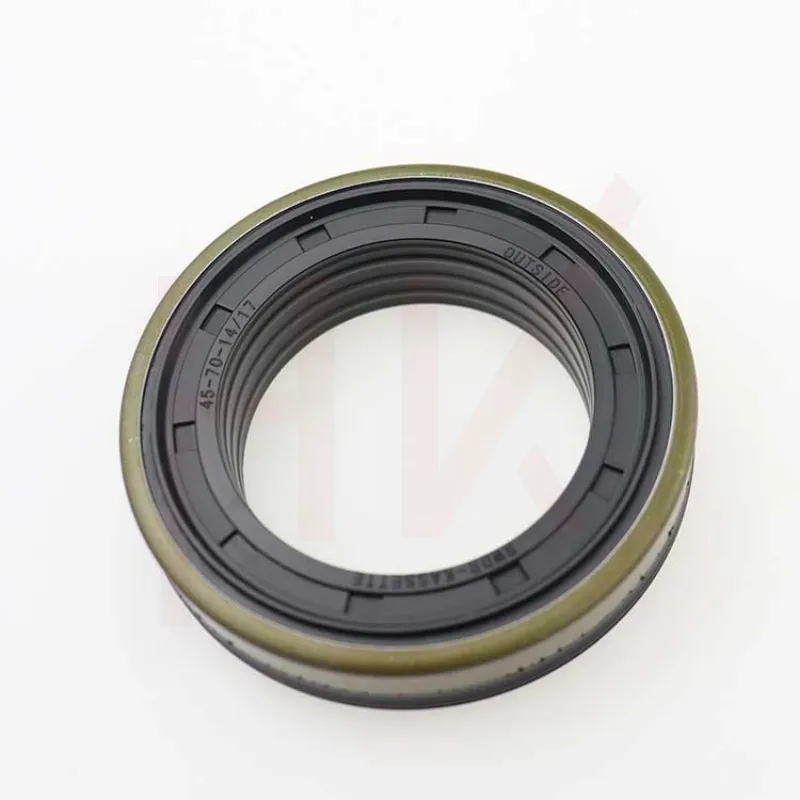
Hub oil seal 40*65*13/14.5 suitable for tractor Cat 12018035b
-
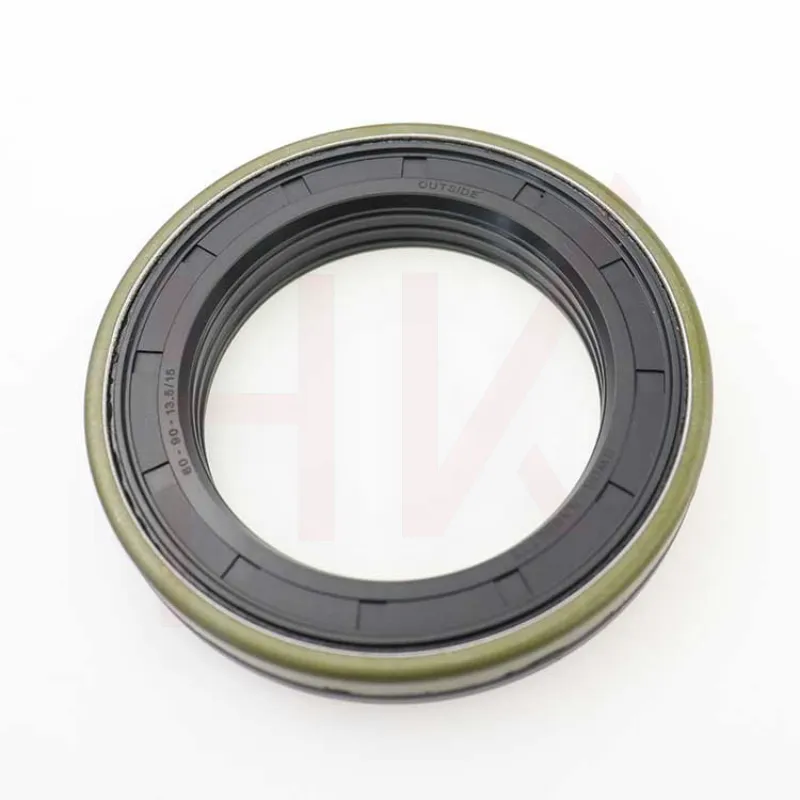
Tractor accessories cassette oil seal hub oil seal 60-90-13.5/15
-
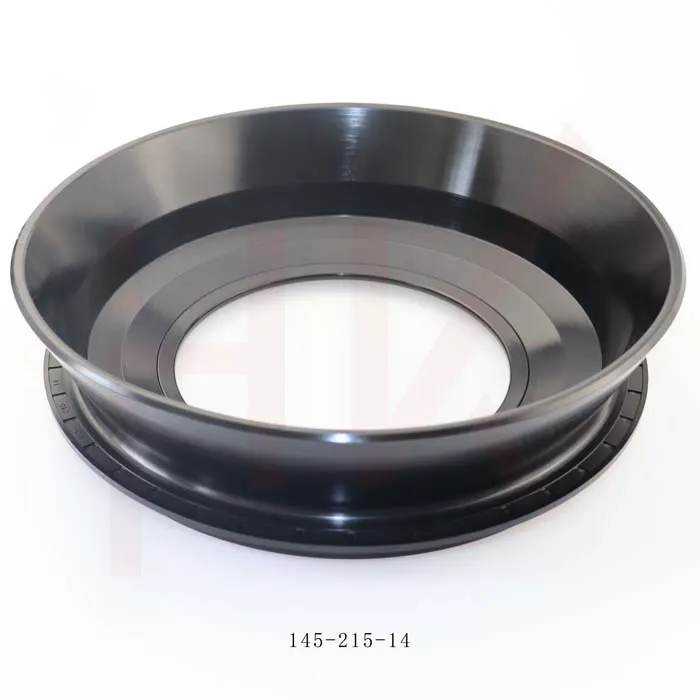
Factory concrete mixer truck oil seal 145*215*14 reducer gearbox oil seal
-
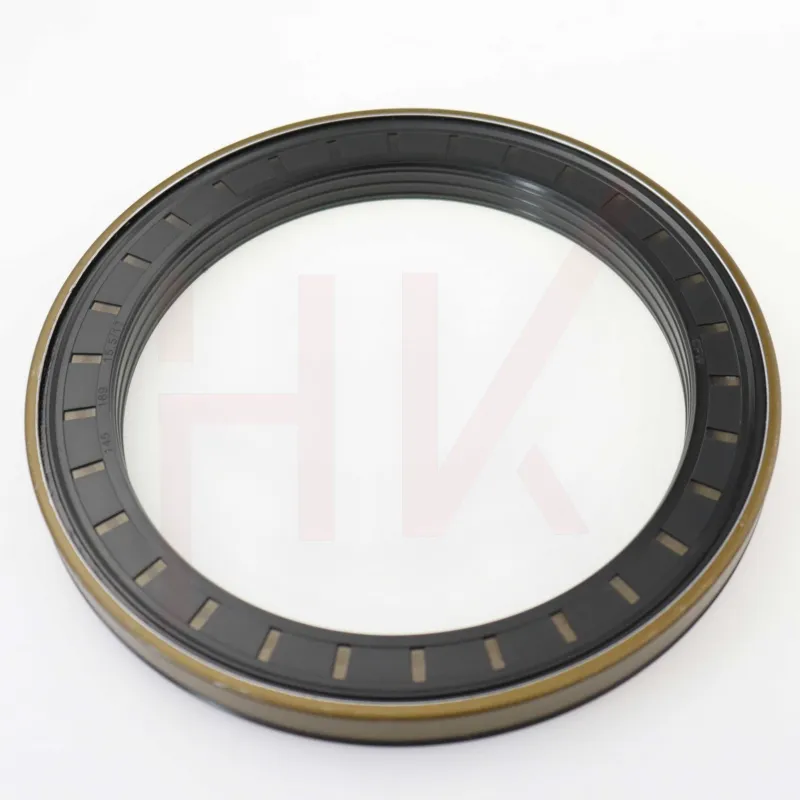
145*189*15.5/17 Cassette Seal NBR Hub Oil Seal 1508044
-
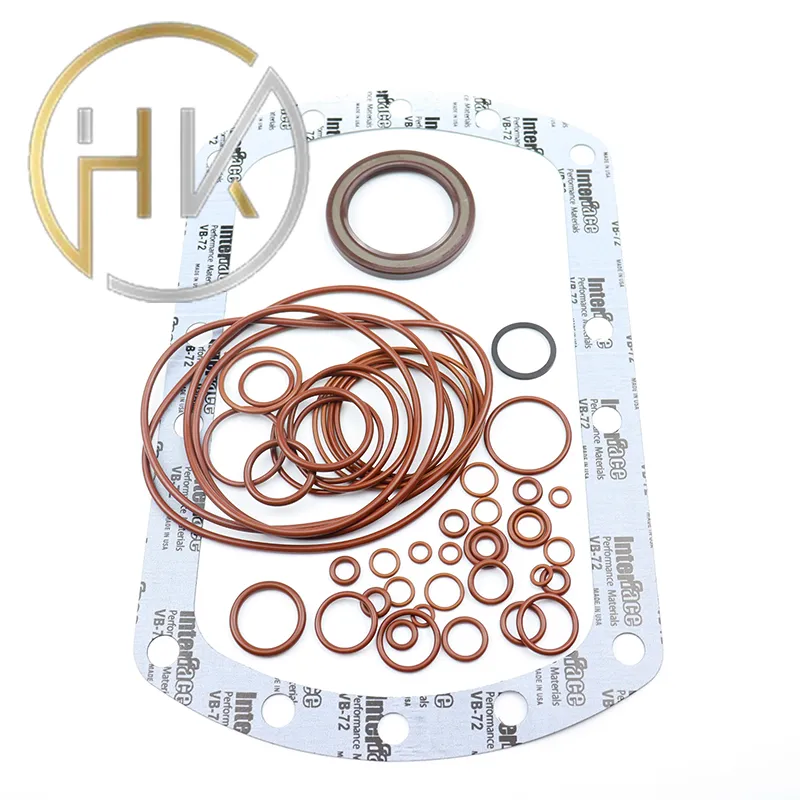
Factory direct sales hydraulic pump motor seal kit A8VO140
-
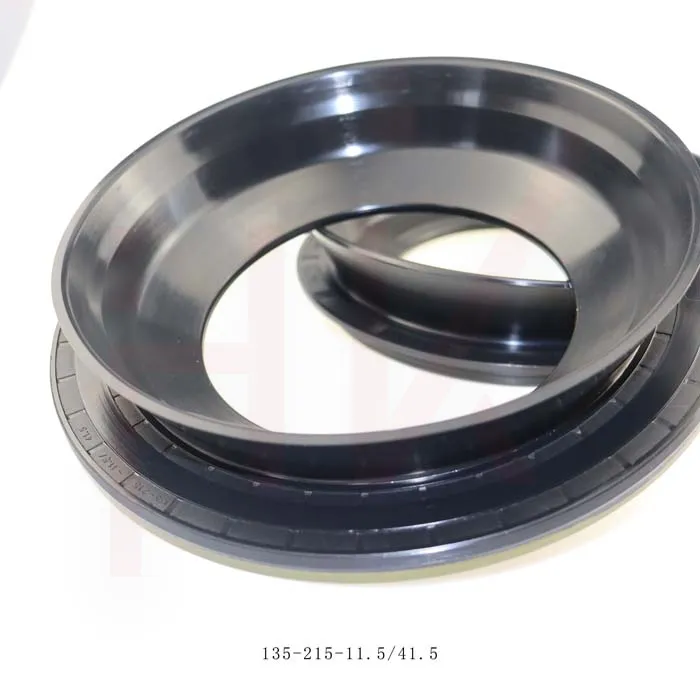
Brand new cement tanker oil seal 135*215*11.5/41.5 concrete mixer oil seal
-
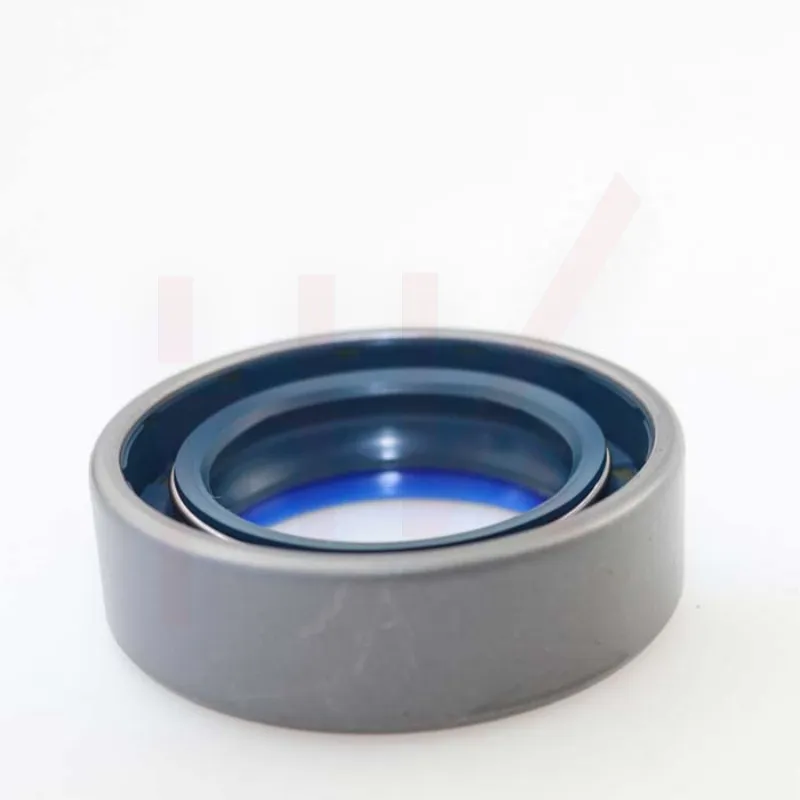
45*65*15 Combi oil seal JCB 90450009 COMBI SF1 SEAL
-
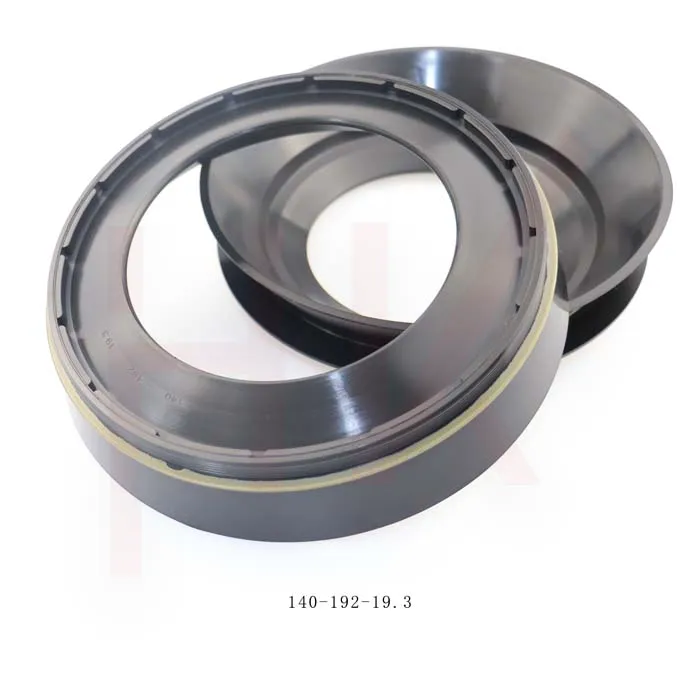
Gear box concrete mixer oil seal 140*192*19.3 nbr reducer oil seal
-
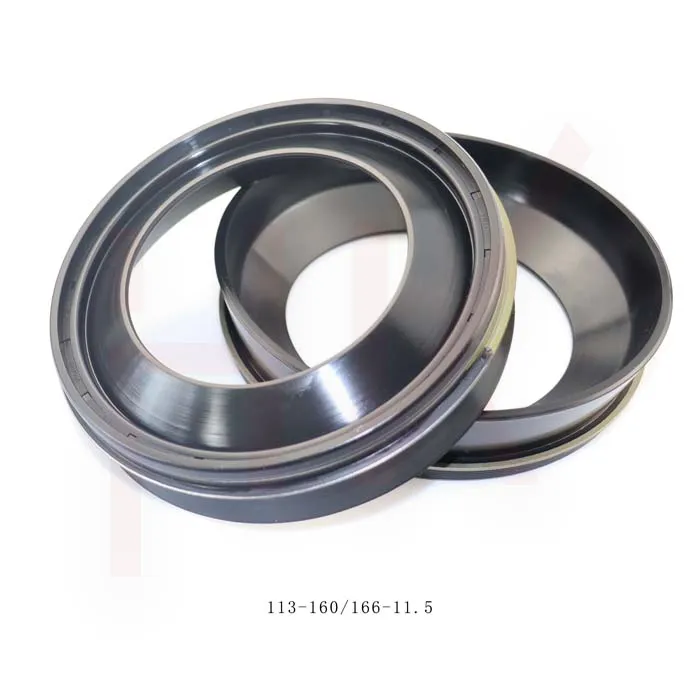
Seals factory direct sales 113*160/166*11.5/38 excavator truck reducer oil seal