
Dec . 01, 2025 23:35 Back to list
Leading Oil Seal Supplier Solutions for Reliable Industrial Performance
Why Choosing the Right Oil Seal Supplier Really Matters Today
At first glance, an oil seal supplier might sound incredibly niche, maybe even a bit dull. But if you think about it, these suppliers play a surprisingly vital role in keeping industries worldwide running smoothly. From automotive manufacturing plants to remote mining operations, oil seals are the unsung heroes that prevent leaks, reduce downtime, and maintain equipment longevity. Grasping who the best oil seal supplier is, and why, can mean the difference between costly production halts and seamless operations — a notion that resonates globally.
Especially now, when industries face increasing pressure to boost efficiency while cutting waste and emissions, reliable oil seal technology isn’t just a small piece of the puzzle; it’s foundational.
Mini takeaway: Understanding the role of an oil seal supplier is key to appreciating the backbone of modern machinery — every drop of oil saved means less environmental impact and more business uptime.
The Global Importance of Oil Seal Suppliers: A Growing Industrial Necessity
Globally, the industrial landscape is expanding — the World Bank reports steady growth in manufacturing sectors, especially in Asia and parts of Africa. That means more machines running longer hours, and oil seals must keep up. But here’s the catch: not every seal supplier can handle the demand or maintain quality standards consistently.
Consider that roughly 30% of industrial machine failures trace back to ineffective sealing solutions. That statistic alone highlights a costly problem. Oil seal suppliers act as a vital bridge, supplying technically advanced sealing components to industries vital for infrastructure, transport, and energy. The stakes, frankly, are worldwide.
Mini takeaway: Oil seal suppliers aren’t just vendors — they’re critical links in global supply chains and industrial productivity.
What Exactly Is an Oil Seal Supplier?
Put simply, an oil seal supplier is a company or distributor that provides oil seals—those flexible rings or gaskets designed to prevent leakage of lubricants in machines. These seals help contain oils and fluids within rotating shafts or static assemblies.
They’re crucial to many sectors: automotive, aerospace, manufacturing plants, even humanitarian engineering projects where robust machinery must perform without fail. And here’s where I find it really cool — the humble oil seal supplier’s impact extends beyond industry profits to supporting global projects that improve infrastructure, like water pumps in rural communities or emergency generators after natural disasters.
Core Factors to Consider When Choosing an Oil Seal Supplier
Durability: Materials and Build Quality
Seals face constant friction, heat, and chemical exposure. Quality suppliers offer a range of materials — rubber, PTFE, polyurethane — ensuring each seal fits exact operational demands.
Customization & Scalability
Not all machines are cookie-cutter. The best suppliers work closely with clients to customize seals by diameter, lip design, or compound — helping industries scale without compromise.
Reliability & Testing Standards
Leading suppliers adhere to ISO or ASTM testing protocols. This guarantees each batch meets durability, pressure, and temperature resistance standards — no room for guesswork.
Cost Efficiency
While cheaper options exist, cutting corners often means early failure. A reputable oil seal supplier balances cost with lifecycle savings — think fewer replacements and less downtime.
Supply Chain & Delivery
Speed matters — industries can’t afford delays. Reliable suppliers maintain agile logistics, sometimes with local warehouses or drop-shipping, ensuring components arrive just in time.
Technical Support & Expertise
Trustworthy suppliers don’t just deliver parts; they provide guidance, training, and support helping clients optimize seal performance in-the-field.
Mini takeaway: The choice of an oil seal supplier hinges on a delicate balance of quality, agility, cost, and expertise — not just price tags.
How Oil Seal Suppliers Power Global Industries
Across continents, oil seal suppliers undergird crucial sectors:
- Automotive Manufacturing (Europe, Asia): Keeping assembly lines running by supplying durable seals that withstand high-speed, high-heat environments.
- Oil & Gas Extraction (Middle East, North Sea): Providing seals resistant to extreme pressure and corrosive chemicals to protect drilling machinery.
- Renewable Energy (Germany, USA): Supporting wind turbines and solar panel trackers with maintenance-free sealing solutions.
- Humanitarian Engineering (South Asia, Africa): Enabling reliable operation of irrigation pumps and emergency generators, ultimately supporting livelihoods.
In post-disaster relief operations, for example, rapidly deployable machinery often depends on oil seals that resist wear under varied conditions. Without trustworthy oil seal suppliers, such equipment may fail prematurely — a risk no project leader can afford.
Advantages and Long-Term Benefits of Partnering with a Good Oil Seal Supplier
It’s not just about “getting parts.” The right supplier delivers peace of mind. Here’s how:
- Cost Savings: Less frequent maintenance and longer machinery life mean lower total ownership costs.
- Sustainability: Quality seals reduce leakage of lubricants that harm the environment.
- Operational Reliability: Machines run longer, safer, and with fewer unexpected curtailments.
- Safety & Trust: Remember that oil leaks aren’t just financial liabilities — they pose safety hazards.
- Innovation Access: Cutting-edge suppliers bring new materials or smart sealing tech, future-proofing equipment.
Mini takeaway: Choosing the right oil seal supplier is an investment in efficiency, safety, and environmental responsibility.
Looking Ahead: Innovations Shaping the Future of Oil Seal Suppliers
There’s quite a bit happening behind the scenes… Here are a few trends:
- Green Materials: Biodegradable, low-impact compounds are gaining traction to minimize environmental footprint.
- Digital Monitoring: ‘Smart’ seals with embedded sensors for real-time performance data and predictive maintenance.
- Automation Integration: Suppliers are adapting to streamlined manufacturing processes like robotics for consistent precision.
- Global Compliance: Strict environmental and safety regulations push suppliers toward higher standards and transparency.
Common Challenges in the Oil Seal Supply Chain and How Experts Address Them
No industry is flawless. The oil seal supply chain faces:
- Material Supply Volatility: Raw rubber or PTFE prices can fluctuate, impacting costs — suppliers manage this by diversifying sourcing.
- Counterfeit Products: Inferior seals flood markets—trustworthy suppliers fight back with certifications and traceability.
- Rapid Technological Changes: Keeping pace with new machinery demands continual R&D investments.
- Distribution to Remote Areas: Innovative logistics, including local hubs and digital order management, help bridge gaps.
Expert advice: Always vet your supplier’s certifications and ask how they handle inventory and quality control — it pays off.
FAQ: Your Oil Seal Supplier Questions Answered
Q1: What should I look for when selecting an oil seal supplier for industrial machinery?
A: Focus on quality certifications (ISO, ASTM), material options, customization capabilities, and delivery reliability. Also, ask about post-sale support and testing protocols.
Q2: How long can oil seals typically last before replacement?
A: Lifespan depends on operating conditions but generally ranges from 2 to 5 years. Higher-quality seals in optimal environments can last longer.
Q3: Are there eco-friendly oil seal options available?
A: Yes, many suppliers now offer seals made from biodegradable or recyclable materials designed to reduce environmental impact without compromising durability.
Q4: Can oil seal suppliers provide customized solutions for specialized industrial equipment?
A: Absolutely. Reputable suppliers work with clients to tailor design specifications, lip configurations, and materials based on unique machinery needs.
Q5: How can industries ensure timely delivery of oil seals in remote locations?
A: Choosing suppliers with localized inventory centers or flexible logistics arrangements helps prevent delays and keeps operations running smoothly.
Quick Product Specification Overview
| Specification | Details |
|---|---|
| Material Types | Nitrile Rubber (NBR), Fluoroelastomer (FKM), PTFE |
| Temperature Range | -40°C to +250°C |
| Pressure Resistance | Up to 0.7 MPa (Static), Up to 0.35 MPa (Dynamic) |
| Shaft Speed | Up to 30 m/s |
| Customization Options | Size, lip design, compound, hardness |
| Compliance Standards | ISO 3601, ASTM D2000 |
Comparison of Leading Oil Seal Suppliers
| Supplier | Material Range | Customization | Delivery Time | Technical Support |
|---|---|---|---|---|
| HKAi Seal | NBR, FKM, PTFE, Silicone | Full | 3-5 days | 24/7 Support & Training |
| SealTech Corp | NBR, EPDM | Limited | 7-10 days | Business hours |
| Global Seals Inc. | FKM, PTFE, Polyurethane | Moderate | 5-7 days | Extended support hours |
In Closing: Why Your Choice of Oil Seal Supplier Can’t Be an Afterthought
Honestly, I feel like oil seal suppliers get too little spotlight considering how much they influence machine health and operational stability worldwide. A dependable supplier saves you from annoying leaks, downtime, and hidden repair costs—and even helps meet sustainability targets. For industries hungry for both savings and reliability, picking the right partner early on is simply smart business. Next time you need seals for a project, take a moment to consider quality, expertise, and user-centric service.
Interested in exploring top-tier sealing solutions? Check out oil seal supplier options to experience firsthand the difference that trusted suppliers make.
References
-
Guide to Choosing the Right High Quality hydraulic ram kit
NewsApr.16,2026
-
Premium Hydraulic Cylinder Packing Kits for Peak Performance
NewsApr.09,2026
-
Comprehensive Guide to Hydraulic Cylinder Oil Seal Kits for Optimal Performance
NewsApr.07,2026
-
Comprehensive Guide to Choosing the Right Cylinder Seal Kits for Peak Performance
NewsApr.04,2026
-
Comprehensive Guide to Seal Kits for Cylinders Ensuring Optimal Performance
NewsMar.31,2026
-
Comprehensive Guide to Hyd Cylinder Seals for Optimal Hydraulic System Performance
NewsMar.28,2026
-
Comprehensive Guide to Hyd Cylinder Seal Kit Selection and Installation
NewsMar.26,2026
Products categories
-
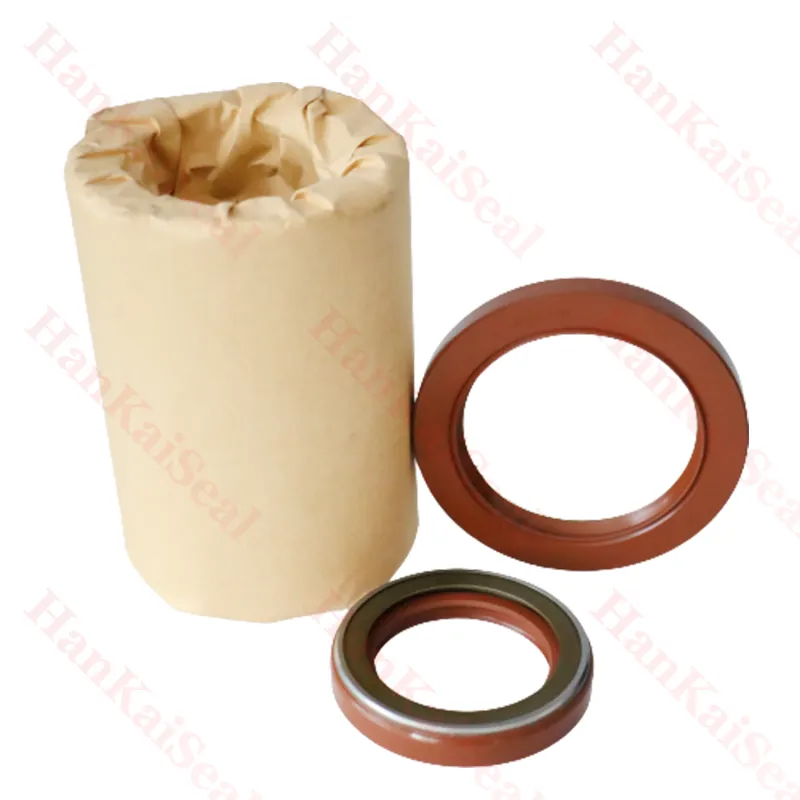
Standard oil seal BP0494 High pressure TCN oil seal
-
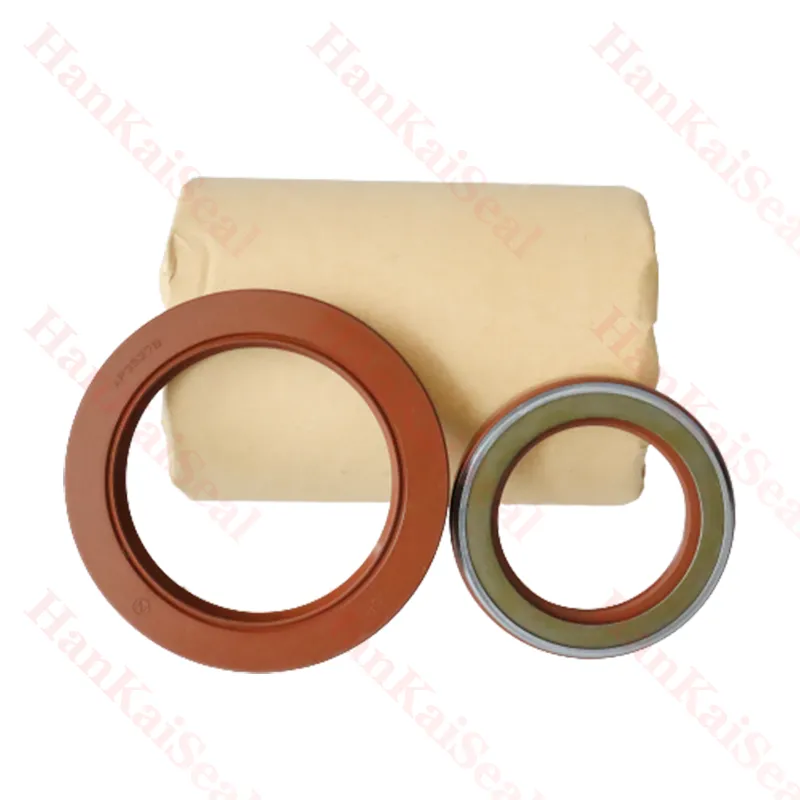
Hydraulic pump seal AP4624G high pressure TCN oil seal
-
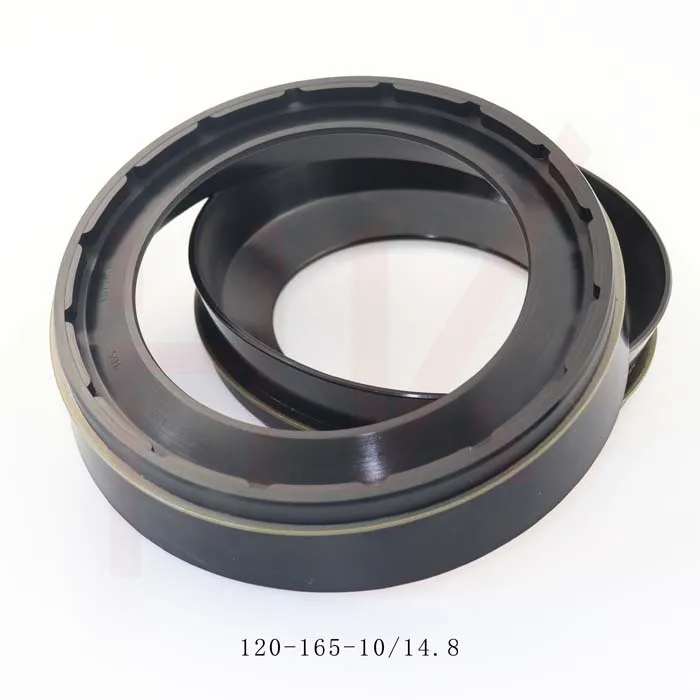
0734307418 0750112169 120*165*10/14.8 concrete mixer reducer oil seal
-
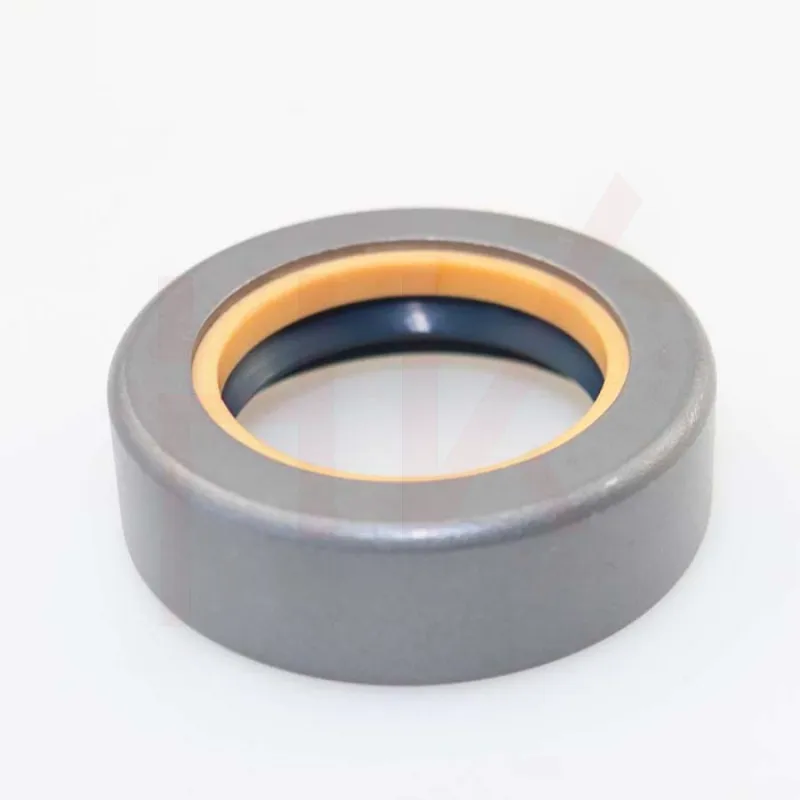
35*52*16 Standard Wheel Hub Oil Seal For Agricultural Machinery
-
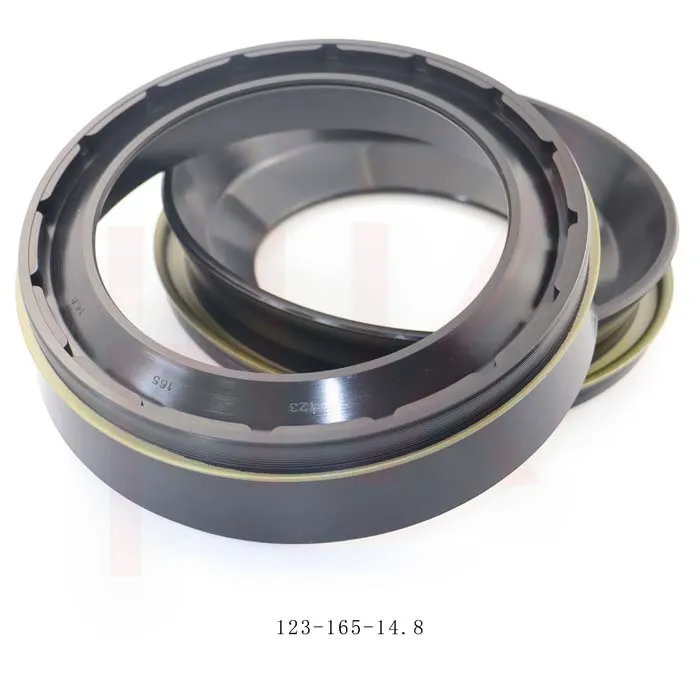
123*165*14.8 concrete mixer truck reducer oil seal
-
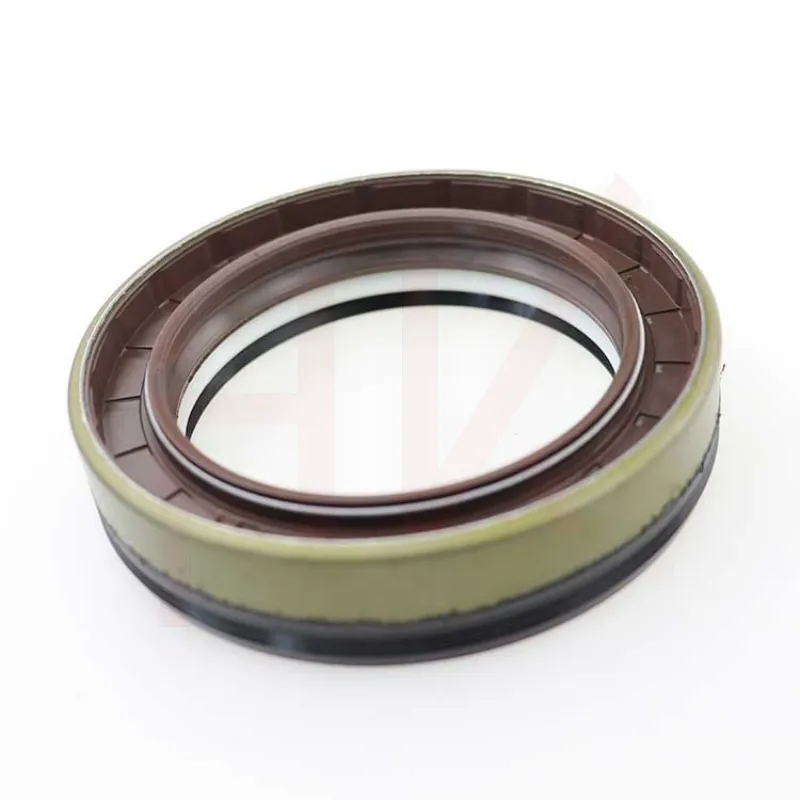
Tractor shaft oil seal 65-90-20 COMBI SF19 hub oil seal
-
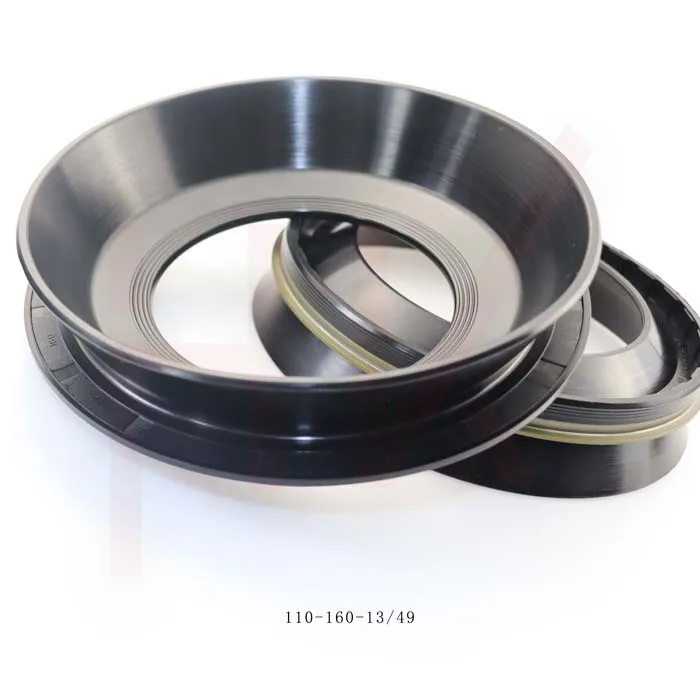
110*160*13/49 NBR reducerConcrete mixer truck oil seal
-
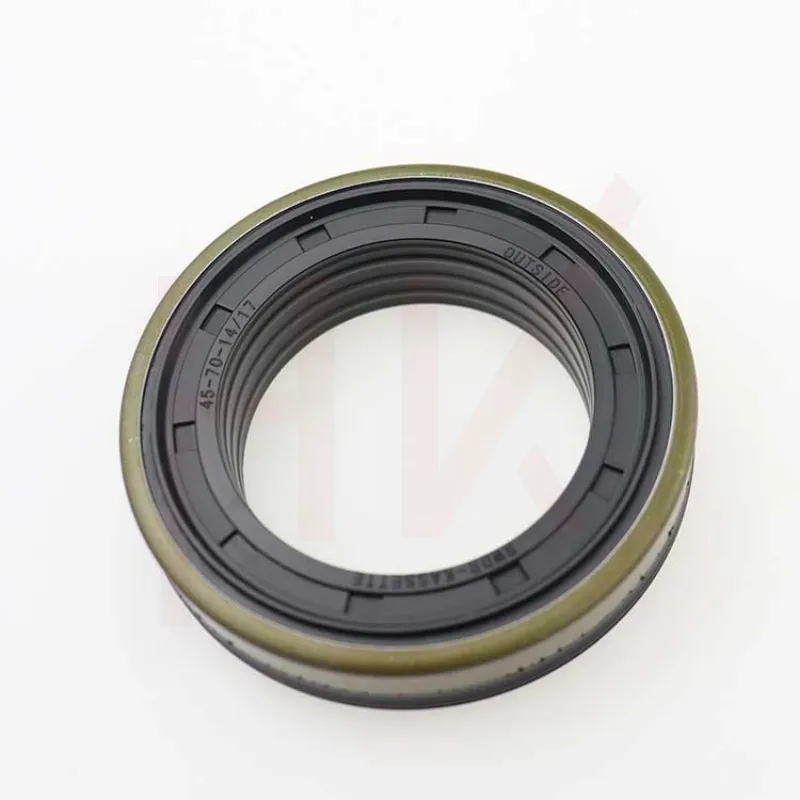
Hub oil seal 40*65*13/14.5 suitable for tractor Cat 12018035b
-
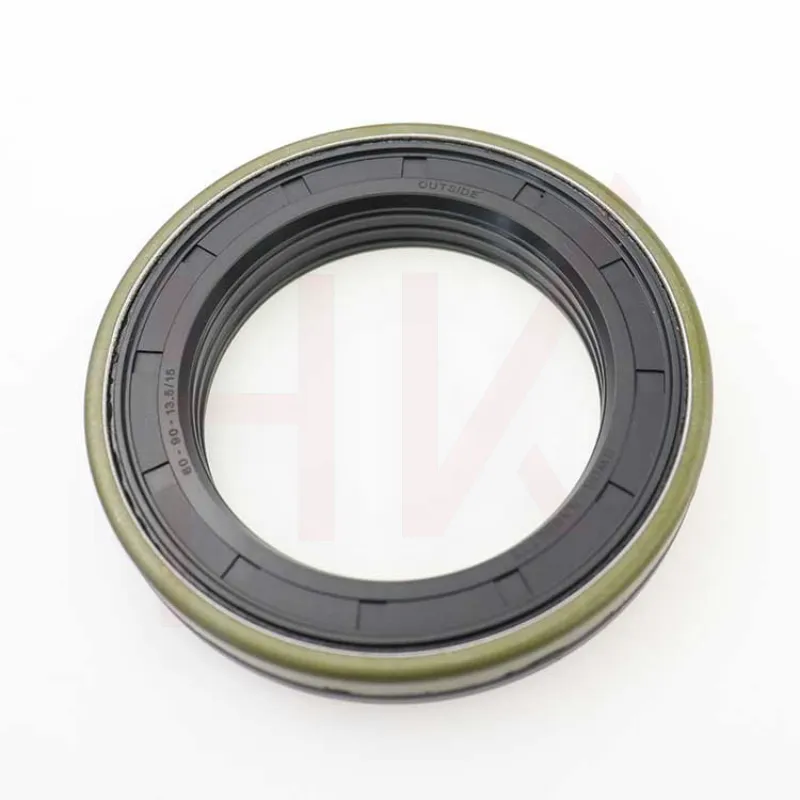
Tractor accessories cassette oil seal hub oil seal 60-90-13.5/15
-
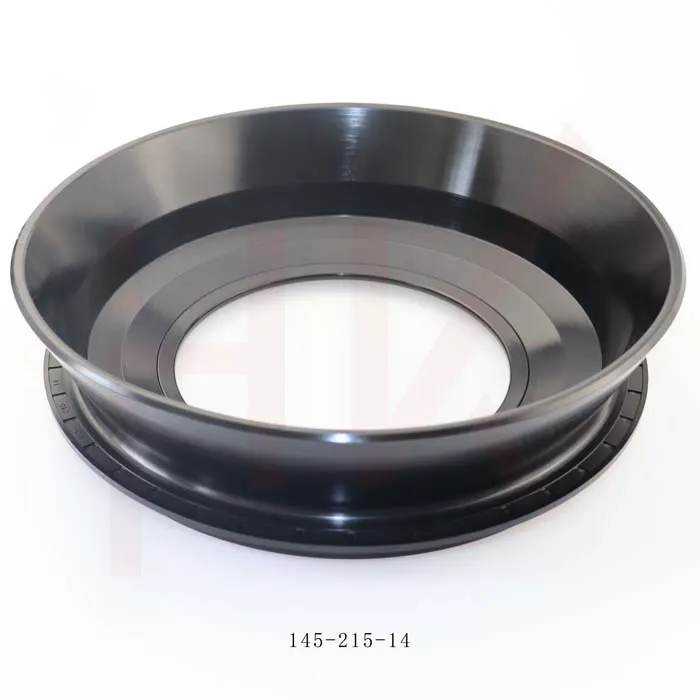
Factory concrete mixer truck oil seal 145*215*14 reducer gearbox oil seal
-
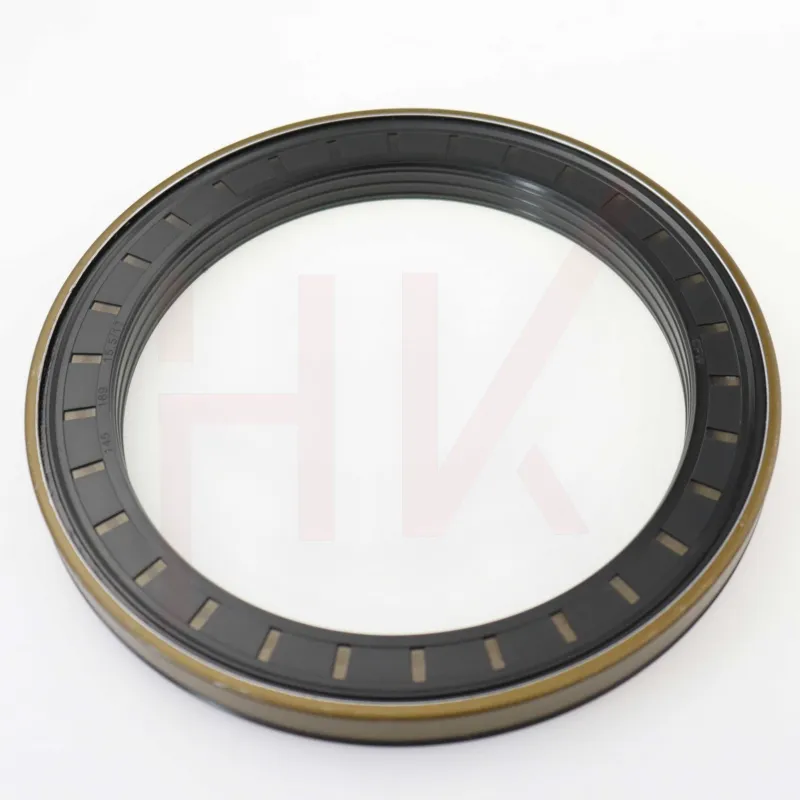
145*189*15.5/17 Cassette Seal NBR Hub Oil Seal 1508044
-
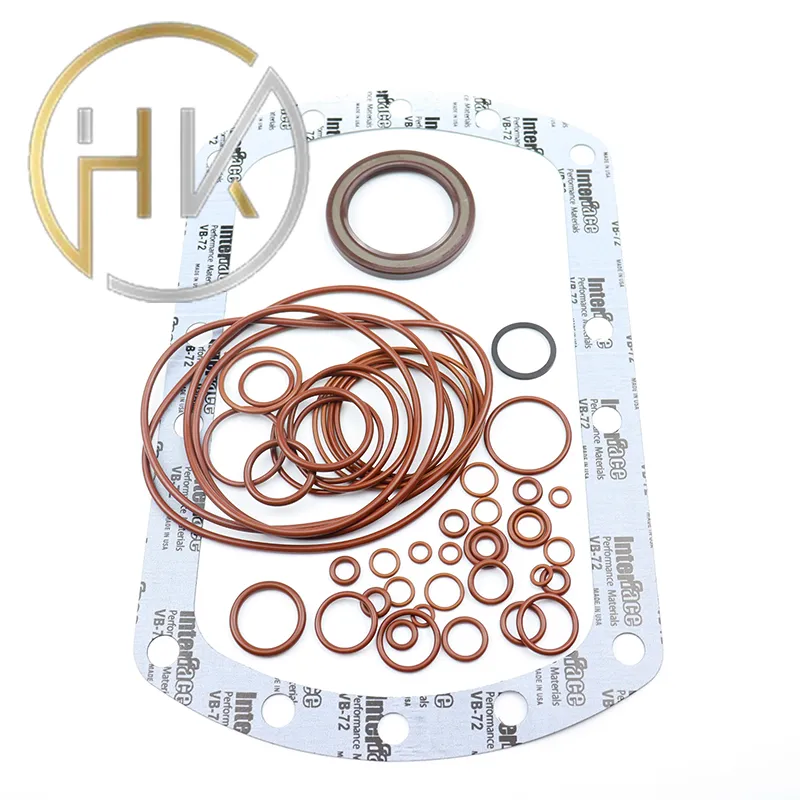
Factory direct sales hydraulic pump motor seal kit A8VO140
-
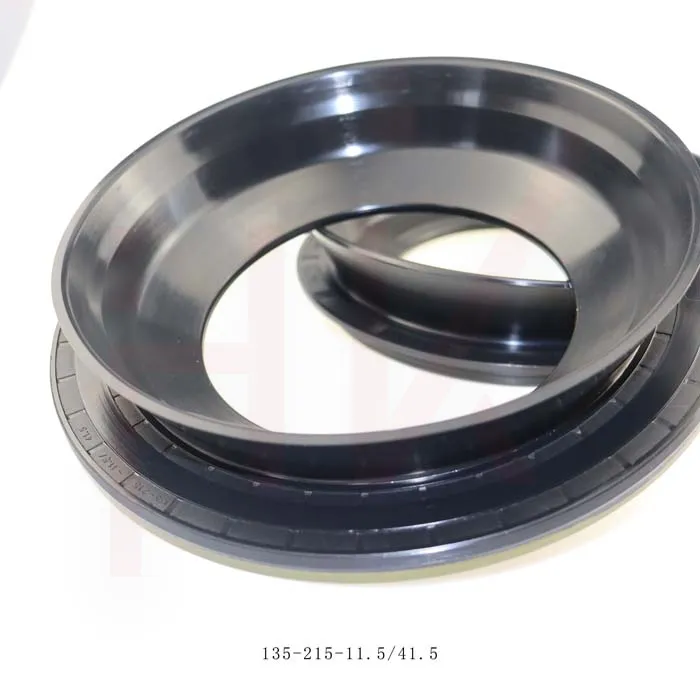
Brand new cement tanker oil seal 135*215*11.5/41.5 concrete mixer oil seal
-
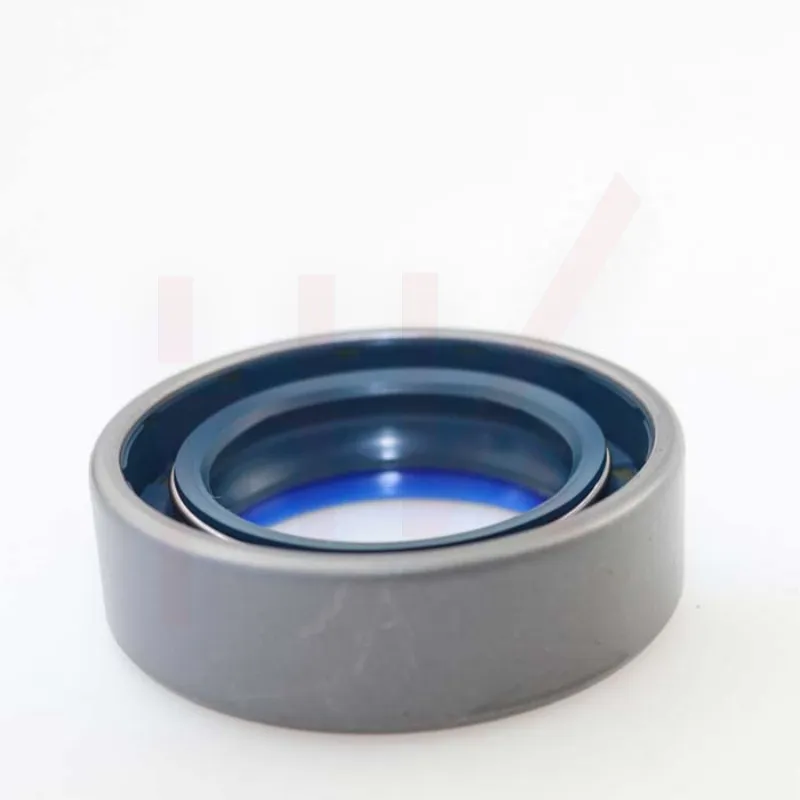
45*65*15 Combi oil seal JCB 90450009 COMBI SF1 SEAL
-
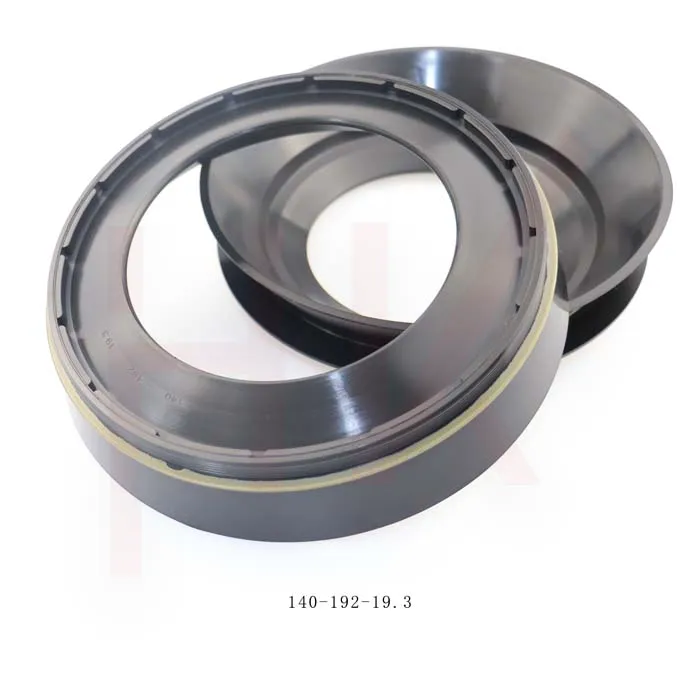
Gear box concrete mixer oil seal 140*192*19.3 nbr reducer oil seal
-
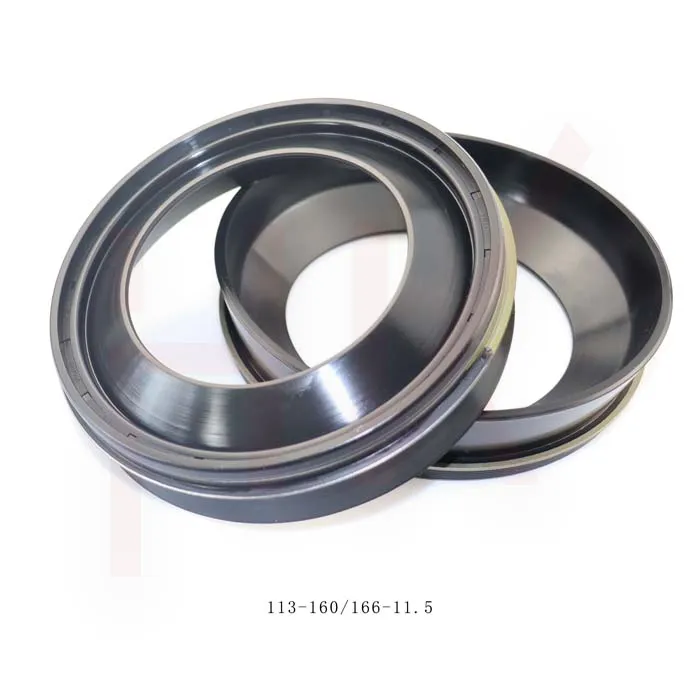
Seals factory direct sales 113*160/166*11.5/38 excavator truck reducer oil seal