
Dec . 02, 2025 01:05 Back to list
Hydraulic Seal: Key Component for Machinery Reliability and Innovation
Understanding Hydraulic Seal: Essential Component for Modern Machinery
Hydraulic seals may sound like a niche industrial topic, but frankly, they hold massive importance across the global engineering landscape. These small yet vital components play critical roles in energy efficiency, equipment reliability, and operational safety—and if you work with hydraulic seals, you already know how a failure can spell disaster. The world’s growing reliance on hydraulic systems—from aerospace to agriculture, manufacturing to humanitarian aid—makes understanding hydraulic seals key not just for engineers but for anyone interested in industrial innovation.
Introduction: Why Hydraulic Seals Matter Globally
Globally, hydraulic systems power roughly 35% of industrial automation and heavy machinery, according to the International Organization for Standardization (ISO) reports. This means hydraulic seals are quietly embedded in everything from construction cranes in emerging economies to irrigation equipment in drought-prone regions. The challenge? Seals must withstand extreme pressures, temperatures, and contamination without compromising machine performance—something that’s easier said than done. The importance of durable hydraulic seal designs cannot be overstated, especially as industries push for greater sustainability and minimize downtime.
What Is a Hydraulic Seal?
In simple terms, a hydraulic seal is a mechanical component designed to contain fluid within hydraulic cylinders and pumps, preventing leakage and maintaining pressure integrity. It's essentially the unsung hero that keeps machines running smoothly. When you think about modern manufacturing, transportation, or even disaster relief operations where heavy machinery is involved, hydraulic seals enable the reliability and safety these sectors depend on daily.
Core Components & Key Factors of Hydraulic Seals
Durability
The materials used—like polyurethane, nitrile rubber, or PTFE—need to resist wear from constant friction and exposure to harsh chemicals. Durability directly impacts maintenance frequency and operational costs.
Pressure Handling
Hydraulic seals must maintain high-pressure fluid containment, often up to 7000 psi in industrial settings. Poor pressure tolerance means leaks or failures that can cause costly breakdowns or safety hazards.
Temperature Range
From frigid arctic conditions to scorching engine compartments, hydraulic seals face wide temperature swings. Material choice affects their ability to perform reliably across these extremes.
Cost Efficiency
While premium seals can be pricier, their longer life cycles and reduced downtime often create significant cost savings. Engineers often weigh initial cost against long-term value.
Compatibility
Seals must be compatible with the specific hydraulic fluids used—synthetic oils, water-based fluids, or specialized chemicals—to avoid swelling or degradation.
Hydraulic Seal Product Specifications
| Specification | Typical Value | Remarks |
|---|---|---|
| Material | Polyurethane (PU), Nitrile (NBR), PTFE | Chosen based on pressure, temperature |
| Operating Pressure | Up to 7000 psi (≈ 480 bar) | Varies by application |
| Temperature Range | -40°C to 150°C | Ensures operability in harsh climates |
| Fluid Compatibility | Hydraulic oil, water-glycol, phosphate ester | Prevents swelling, degradation |
| Service Life | 1-5 years (depending on usage) | Based on maintenance, workload |
Global Applications & Use Cases
The utility of hydraulic seals spreads far and wide. In industrial manufacturing hubs across Europe and Asia, high-performance seals keep automated assembly lines humming. In agriculture, especially in Africa and South America, they enable reliable irrigation systems critical amidst climate uncertainty. Humanitarian organizations deploying heavy machinery for disaster relief in South Asia depend on rugged hydraulic seals to ensure safety and efficiency.
Oddly enough, even in remote mining operations, where replacing parts is a logistical challenge, seals engineered for longevity drastically reduce downtime and cost. As you might guess, the list is vast: aerospace, automotive, heavy construction, marine industry—all depend on these little rings of reliability.
Vendor Comparison: Top Hydraulic Seal Providers
| Company | Material Range | Custom Solutions | Global Reach | Sustainability Initiatives |
|---|---|---|---|---|
| SealTech Global | PU, NBR, FKM, PTFE | Yes, OEM-specific | 70+ countries | Recycled materials, low-VOC |
| HydroSeal Inc. | NBR, PU mainly | Limited customization | North America, EU | Energy-efficient manufacturing |
| GlobalSeal Solutions | Wide range including specialty polymers | Yes, rapid prototyping | 85+ countries | ISO 14001 certified facilities |
Advantages & Long-Term Value of Hydraulic Seals
The benefits of investing in high-quality hydraulic seals extend beyond just preventing leaks. Cost savings from reduced downtime are significant but so too is the social impact—reliable machinery increases worker safety, protects the environment by preventing fluid spills, and supports sustainable business practices. There's a certain peace of mind in knowing your heavy equipment is safeguarded by dependable seals engineered for years of rugged performance. Innovation and trust go hand in hand here.
Future Trends & Innovations
Looking ahead, the field is buzzing with new materials that promise even greater resilience under extreme pressures and environmentally friendly fluids. Polymers embedded with nano-particles aim to extend life cycles, while digital sensors integrated into hydraulic seals could soon enable real-time monitoring—helping predict wear before leaks happen. Automation and greener production methods align closely with global sustainability goals like those championed by the United Nations (UN SDGs).
Challenges & Solutions
That said, hydraulic seals face challenges—fluid contamination, unexpected pressure spikes, and premature wear cause failures. The industry is actively overcoming these issues by refining seal geometries, using innovative coatings, and improving quality control. Collaborations between manufacturers and end-users ensure tailored solutions better suited for specific environments.
FAQ: Frequently Asked Questions About Hydraulic Seal
-
Q: What factors should I consider when choosing a hydraulic seal?
A: You should evaluate pressure range, temperature extremes, fluid compatibility, and expected service life. Proper material selection and quality manufacturing are key to durability. -
Q: How often should hydraulic seals be replaced?
A: Typical service life varies from 1 to 5 years, depending on operating conditions and maintenance. Regular inspections help identify wear before failure. -
Q: Can hydraulic seals handle environmentally friendly fluids?
A: Yes, but seals must be compatible with the specific bio-based or water-glycol fluids used. Some elastomers swell or degrade with certain chemistries. -
Q: Are custom hydraulic seals expensive?
A: Customization can increase upfront costs but often leads to better performance and reduced downtime, which saves money long-term. -
Q: How do I find a reliable hydraulic seal vendor?
A: Look for companies offering certifications, comprehensive material options, customization services, and global support.
Conclusion
Hydraulic seals may not be glamorous, but they’re the cornerstone of modern hydraulic equipment reliability and sustainability. Investing time to understand their design, applications, and vendors pays off handsomely in operational uptime, safety, and environmental stewardship. If you want to explore cutting-edge hydraulic seal solutions or need expert advice, I highly recommend visiting our website. Sometimes it’s the little things—like a seal—that keep the world turning smoothly.
-
Guide to Choosing the Right High Quality hydraulic ram kit
NewsApr.16,2026
-
Premium Hydraulic Cylinder Packing Kits for Peak Performance
NewsApr.09,2026
-
Comprehensive Guide to Hydraulic Cylinder Oil Seal Kits for Optimal Performance
NewsApr.07,2026
-
Comprehensive Guide to Choosing the Right Cylinder Seal Kits for Peak Performance
NewsApr.04,2026
-
Comprehensive Guide to Seal Kits for Cylinders Ensuring Optimal Performance
NewsMar.31,2026
-
Comprehensive Guide to Hyd Cylinder Seals for Optimal Hydraulic System Performance
NewsMar.28,2026
-
Comprehensive Guide to Hyd Cylinder Seal Kit Selection and Installation
NewsMar.26,2026
Products categories
-
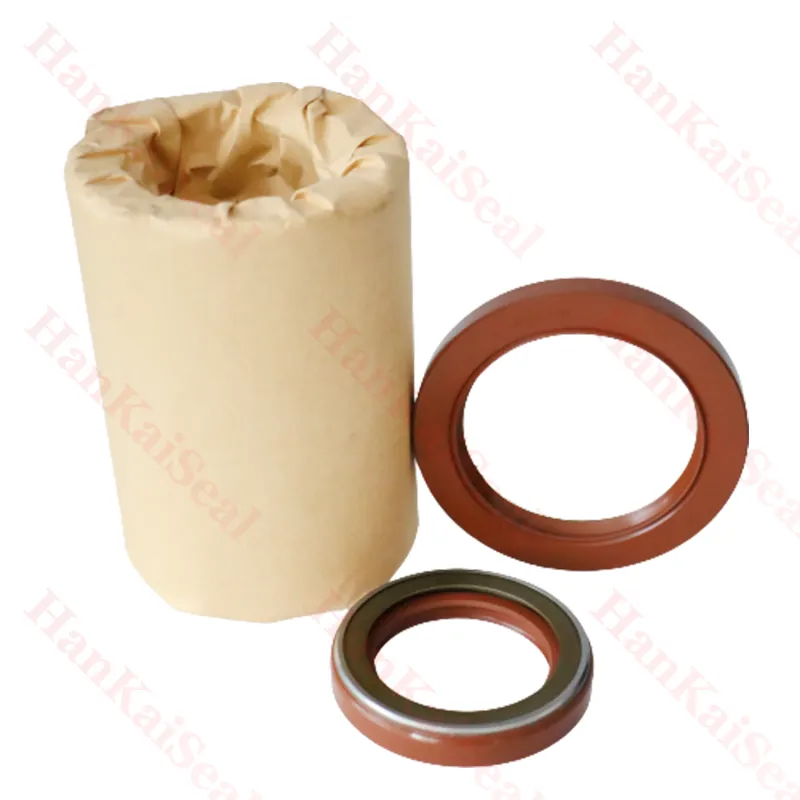
Standard oil seal BP0494 High pressure TCN oil seal
-
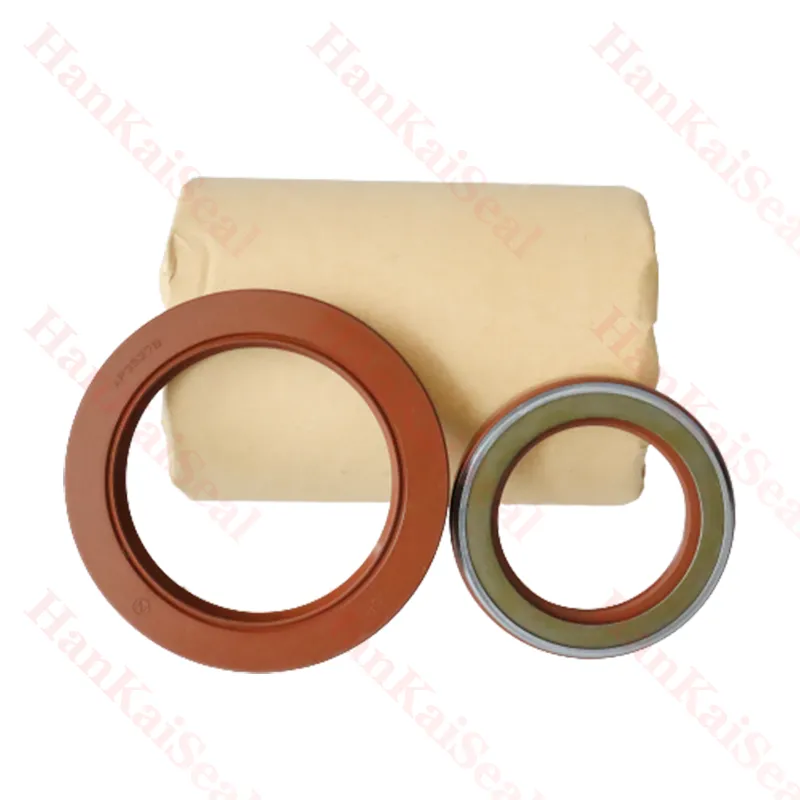
Hydraulic pump seal AP4624G high pressure TCN oil seal
-
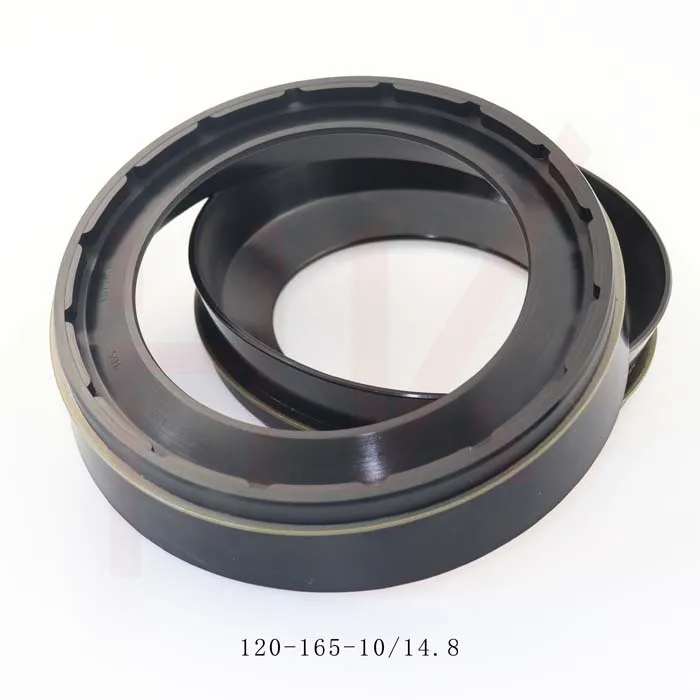
0734307418 0750112169 120*165*10/14.8 concrete mixer reducer oil seal
-
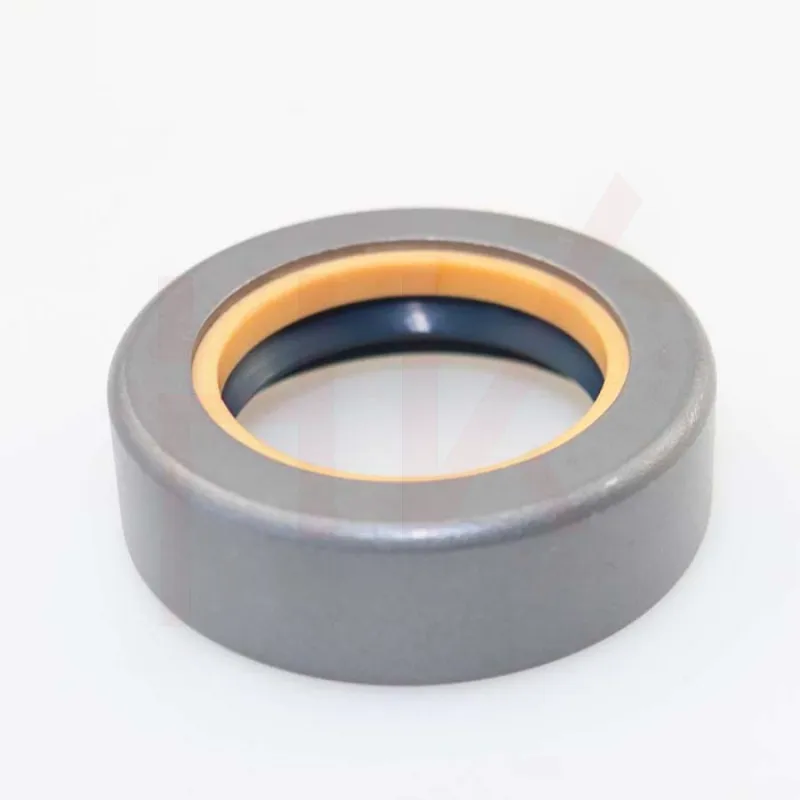
35*52*16 Standard Wheel Hub Oil Seal For Agricultural Machinery
-
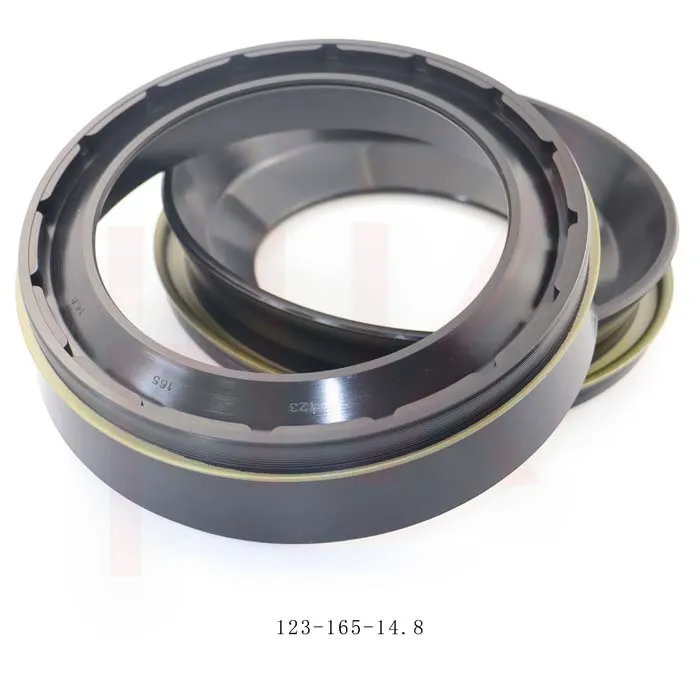
123*165*14.8 concrete mixer truck reducer oil seal
-
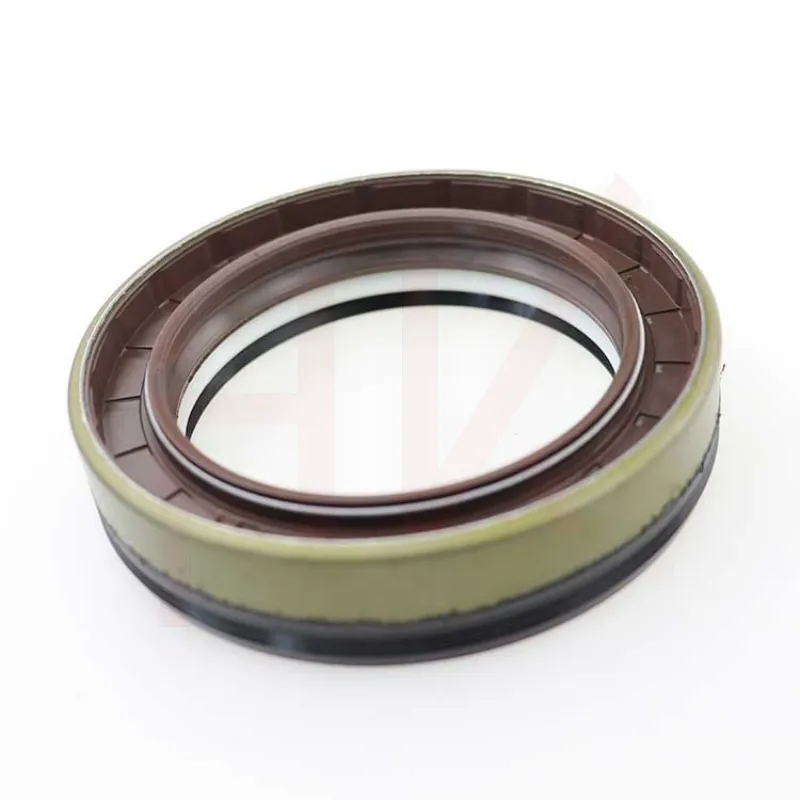
Tractor shaft oil seal 65-90-20 COMBI SF19 hub oil seal
-
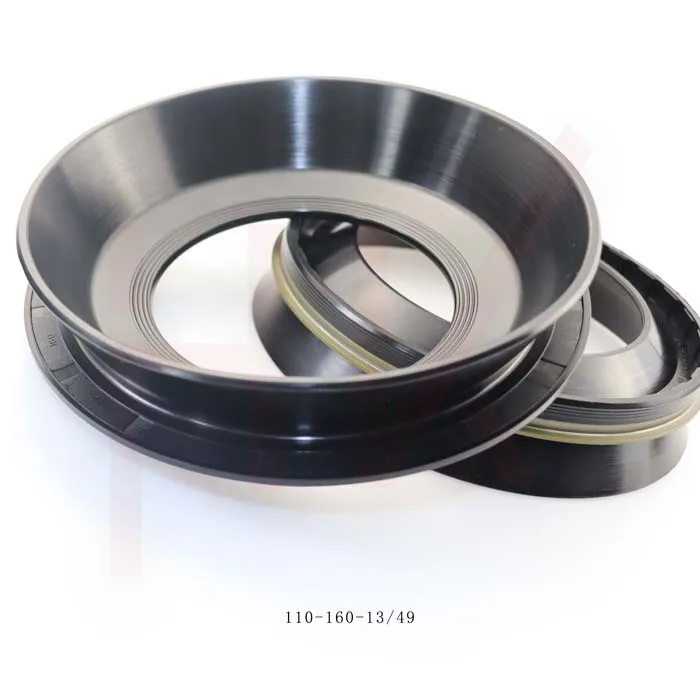
110*160*13/49 NBR reducerConcrete mixer truck oil seal
-
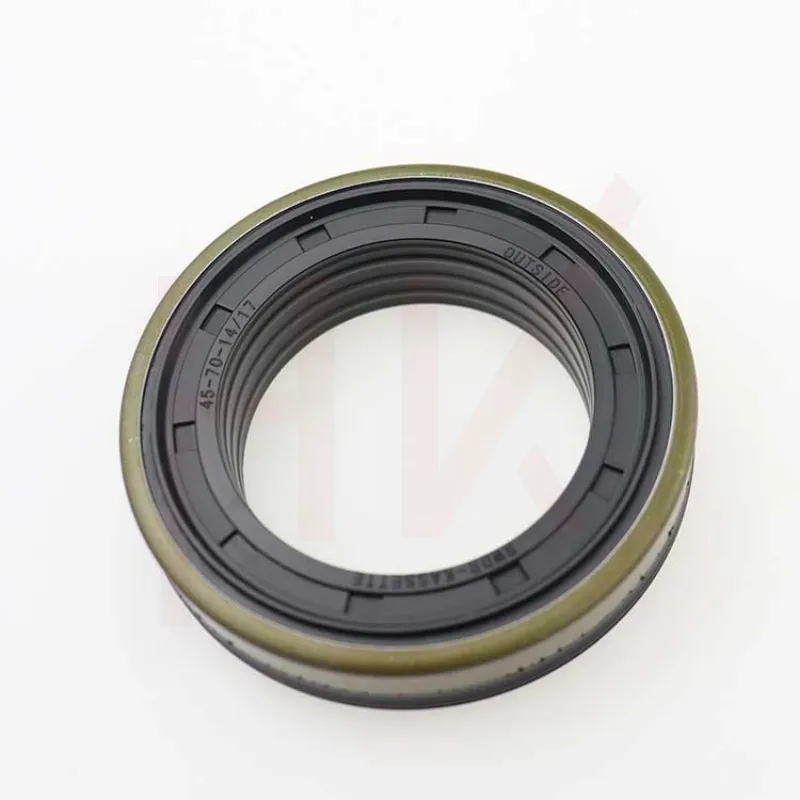
Hub oil seal 40*65*13/14.5 suitable for tractor Cat 12018035b
-
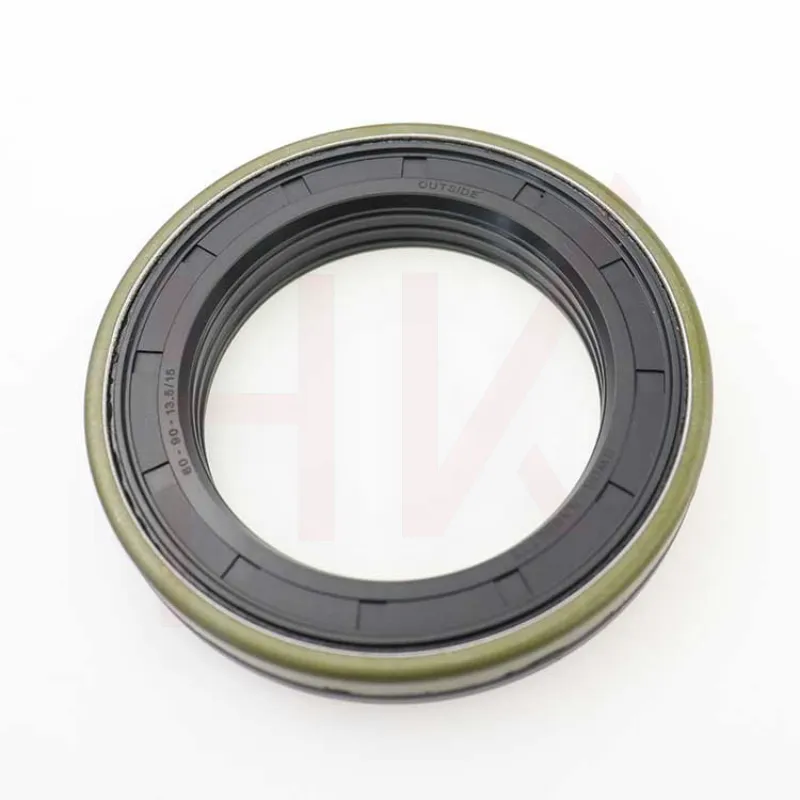
Tractor accessories cassette oil seal hub oil seal 60-90-13.5/15
-
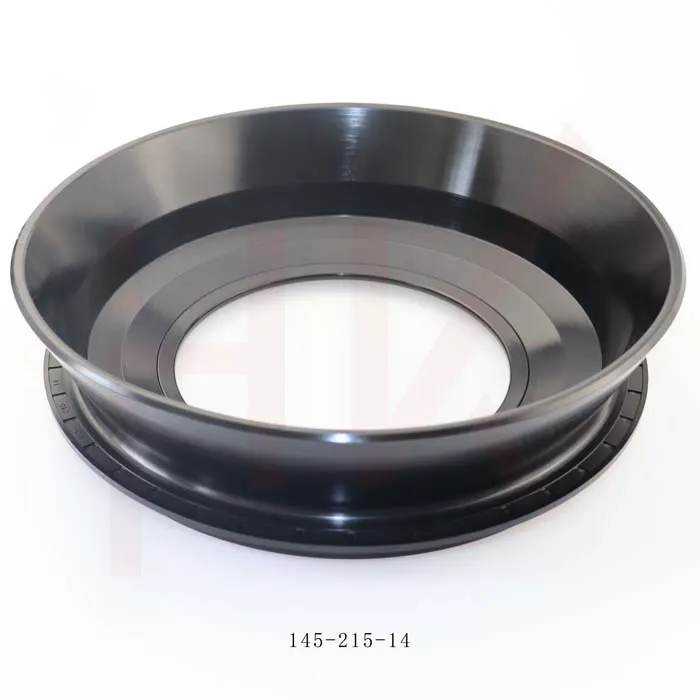
Factory concrete mixer truck oil seal 145*215*14 reducer gearbox oil seal
-
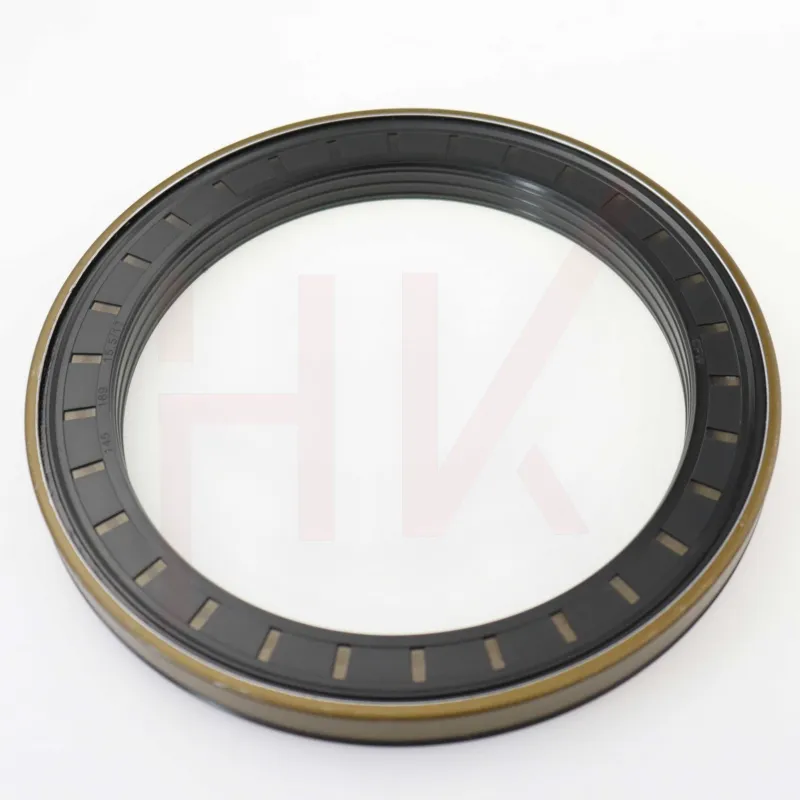
145*189*15.5/17 Cassette Seal NBR Hub Oil Seal 1508044
-
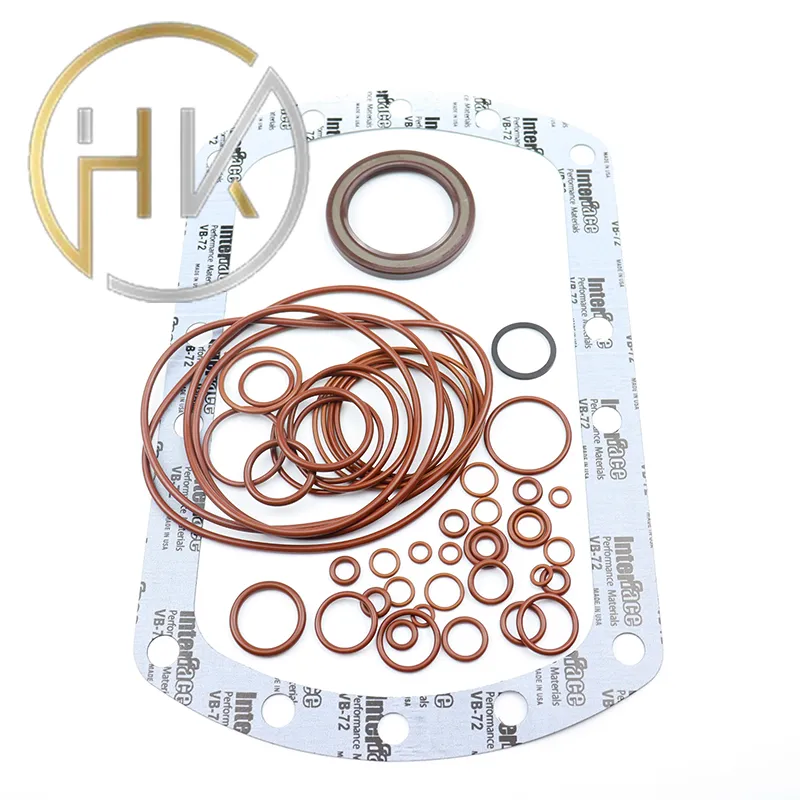
Factory direct sales hydraulic pump motor seal kit A8VO140
-
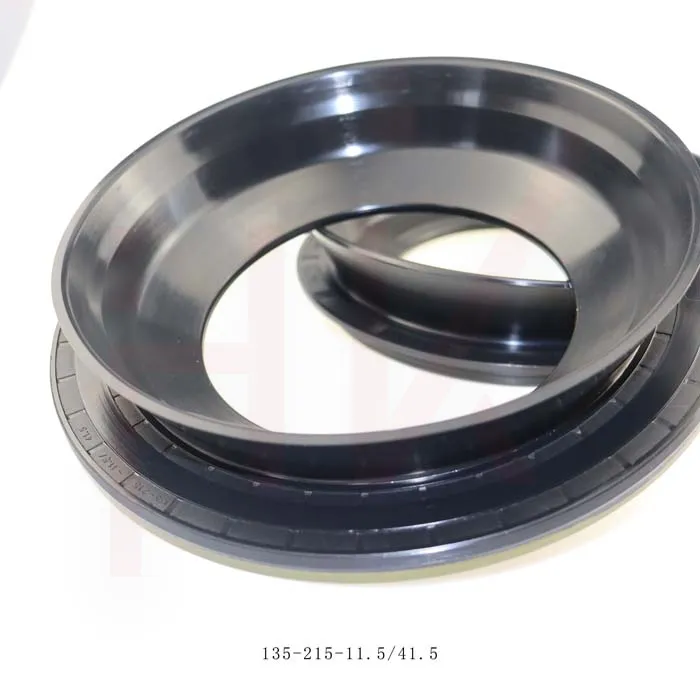
Brand new cement tanker oil seal 135*215*11.5/41.5 concrete mixer oil seal
-
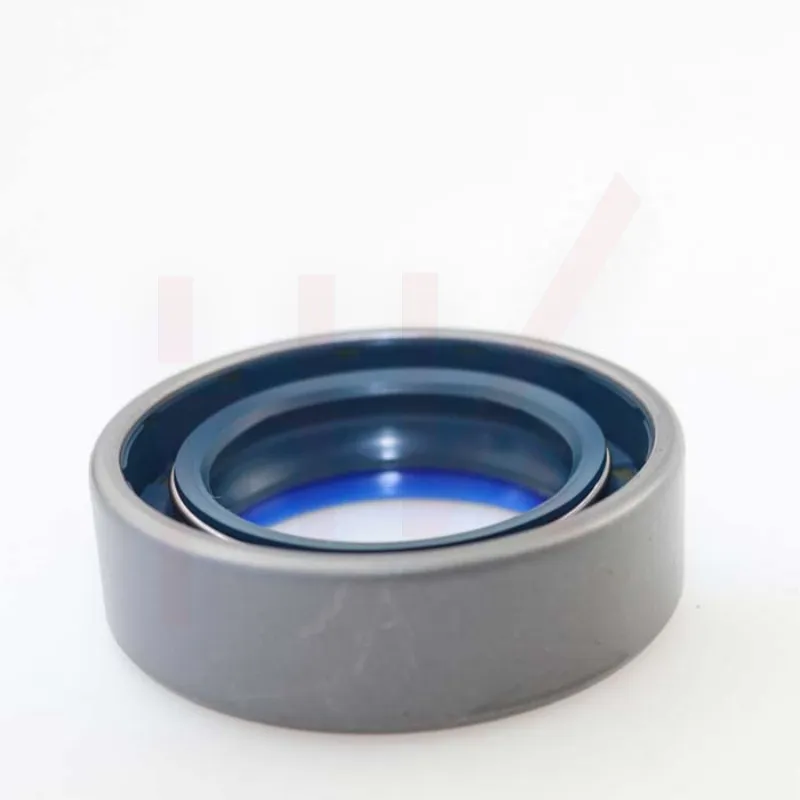
45*65*15 Combi oil seal JCB 90450009 COMBI SF1 SEAL
-
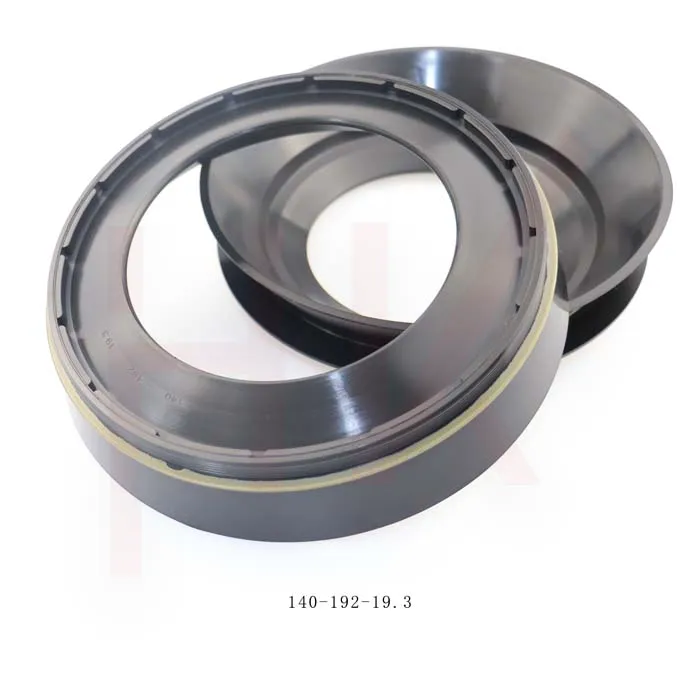
Gear box concrete mixer oil seal 140*192*19.3 nbr reducer oil seal
-
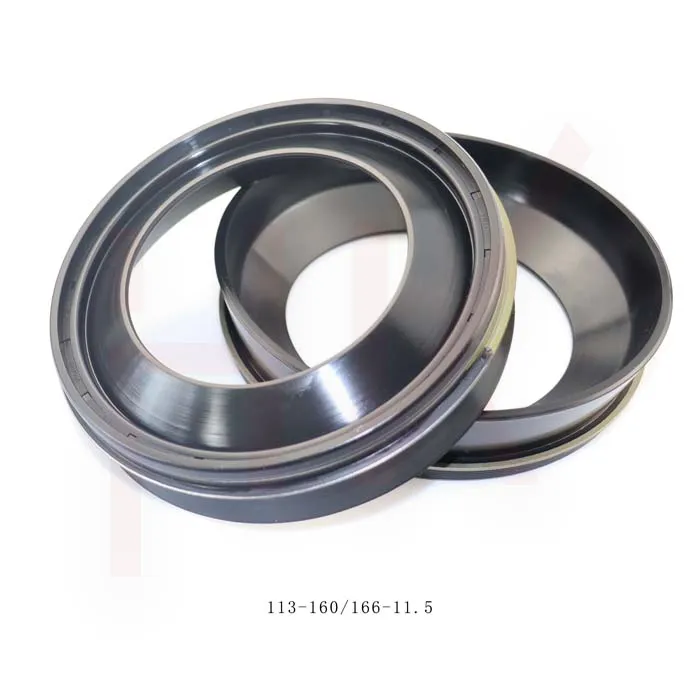
Seals factory direct sales 113*160/166*11.5/38 excavator truck reducer oil seal