
Dec . 02, 2025 01:40 Back to list
Hydraulic Oil Seal: Essential Components for Industrial Efficiency and Sustainability
Hydraulic Oil Seal: A Critical Component for Industrial Efficiency
Hydraulic oil seals might not be the first thing that comes to mind when we think about industrial machinery, but they are absolutely essential to ensuring those machines work smoothly and without leaks. Globally, as industries push towards higher efficiency and sustainability, understanding hydraulic oil seals becomes more than a niche technical topic—it’s integral to the reliability of hydraulic systems that power everything from construction equipment in emerging markets to aerospace technology. Simply put, getting to know the hydraulic oil seal means grasping an uncelebrated hero of industrial longevity and environmental safety.
Introduction: Global Context of Hydraulic Oil Seals
Oil seal technology is truly global in both application and impact. According to the International Organization for Standardization (ISO), proper sealing technology affects equipment uptime and safety worldwide. The hydraulic oil seal plays a pivotal role especially in sectors like manufacturing, agriculture, automotive, and energy — which, combined, contribute trillions to the world economy.
But it’s not just about money. Leaking hydraulic fluids can cause environmental damage, workplace hazards, and costly downtime. A World Bank report notes that inefficiencies and leaks in critical infrastructure equipment pose serious challenges, particularly in developing regions reliant on heavy machinery. Frankly, without effective hydraulic oil seals, much of modern industry would risk both operational failure and ecological harm.
Mini takeaway: Hydraulic oil seals serve as tiny security guards that prevent costly leaks and protect the environment on a worldwide scale.
What Exactly Is a Hydraulic Oil Seal?
In simple terms, a hydraulic oil seal is a mechanical component designed to retain lubricants and exclude contaminants within hydraulic equipment. It fits around shafts or inside housings to create a tight barrier between moving parts. This prevents the escape of hydraulic fluids while also stopping dust, dirt, and moisture from entering sensitive areas. Oddly enough, though small and often overlooked, their absence or failure can cripple the hydraulic system they protect.
Hydraulic oil seals intersect with humanitarian needs too — efficient construction, safe transportation, and agricultural machinery all depend on well-sealed hydraulics. In this way, these seals underpin not just machines but also safer, more sustainable communities worldwide.
Key Factors of Hydraulic Oil Seal Performance
1. Durability
The material composition (often nitrile rubber, polyurethane, or silicone) provides resistance against wear, heat, and chemical exposure. High durability means fewer breakdowns and less maintenance.
2. Pressure Handling
Hydraulic systems function under varying pressures, sometimes extreme. Seals have to maintain integrity under fluctuating and high pressure to prevent leaks and system failures.
3. Temperature Resistance
Machines run hot — fast. Oil seals are crafted to withstand temperature swings from freezing conditions to high operational heat, ensuring continuous performance.
4. Compatibility with Fluids
From mineral oils to synthetic lubricants, seals must be compatible to avoid degradation, swelling, or hardening, which can cause premature failure.
5. Cost Efficiency
Choosing the right seal balances upfront material cost with longevity, reducing downtime and replacement expenses in the long run.
Mini takeaway: Effective hydraulic oil seals combine durability, pressure resistance, temperature stability, fluid compatibility, and cost-efficiency to keep machines running.
Global Applications and Use Cases
Hydraulic oil seals are everywhere industrial machines turn up, but some regions and scenarios especially showcase their importance:
- Construction in Emerging Economies: Machines equipped with reliable oil seals operate longer and safer in dusty, rugged environments like sub-Saharan Africa and Southeast Asia.
- Agricultural Machinery: Farms in North America and Europe rely on hydraulic systems to maximize planting and harvesting efficiency, where seal failures would lead to costly downtime.
- Renewable Energy Sector: Wind turbines and hydroelectric plants demand seals that support hydraulic pitch control systems, critical for energy optimization.
- Post-Disaster Relief Efforts: Heavy equipment with robust seals enables infrastructure rebuilding quickly and safely.
Mini takeaway: From rural farms to high-tech renewable energy sectors, hydraulic oil seals ensure operational success worldwide.
Hydraulic Oil Seal Specification Table
| Specification | Typical Values | Notes |
|---|---|---|
| Material | Nitrile Rubber (NBR), Polyurethane (PU) | Common choices for durability and flexibility |
| Temperature Range | -30°C to 120°C | Depending on material grade |
| Pressure Capacity | Up to 30 MPa | Suitable for most hydraulic systems |
| Fluid Compatibility | Mineral oil, water-glycol | Must match hydraulic fluid type |
| Typical Lifespan | 3-7 years | Varies by usage conditions |
Comparing Top Hydraulic Oil Seal Vendors
| Vendor | Material Range | Customization | Global Reach | Price Level |
|---|---|---|---|---|
| HKAI Seal | NBR, PU, Silicone | High (tailored designs) | Worldwide | Competitive |
| Vendor B | NBR only | Moderate | Regional (Asia) | Budget |
| Vendor C | Wide polymer selection | Low | North America, Europe | Premium |
Advantages and Long-term Value of Hydraulic Oil Seals
Reliable hydraulic oil seals save money, time, and the environment. Leaks lead to fluid loss, increased machine wear, and pollution, all of which drive up operational costs. By keeping systems tight, these seals support sustainability goals and workplace safety.
There’s also a trust and peace-of-mind factor. Operators don’t constantly worry about sudden hydraulic failures, which means increased productivity. And frankly, knowing an eco-conscious seal is in place just feels like good engineering ethics at work.
Future Trends and Innovations
The future of hydraulic oil seals is leaning into greener materials and smarter manufacturing. Innovations such as bio-based polymers or self-lubricating surfaces are in development to reduce environmental footprints.
Digitization is also influencing quality control — sensors embedded in seals can soon monitor wear and temperature in real time, enabling predictive maintenance and reducing costly breakdowns.
Moreover, automation in assembly lines means seals can be produced with tighter tolerances, enhancing performance consistency. It’s a promising area where chemistry, engineering, and digital tech meet.
Challenges and Solutions
While hydraulic oil seals are incredibly robust, challenges remain. Extreme pressures, abrasive contaminants, and incompatible fluids still cause failures.
One solution engineers recommend is rigorous compatibility testing and material selection tailored to operating conditions. Also, regular inspection and predictive analytics minimize surprises.
Manufacturers like HKAI Seal lead with customization services, allowing clients to specify exact material blends and designs suited to unique environments. This approach genuinely reduces risk and extends service life.
FAQ: Frequently Asked Questions About Hydraulic Oil Seal
- What materials are best for hydraulic oil seals in high-temperature applications?
- For high temperatures, silicone or Viton seals are often preferred due to their thermal stability beyond 150°C, compared to standard nitrile seals which max out around 120°C.
- How do I know if a hydraulic oil seal is failing?
- Signs include visible oil leaks around shafts, unusual noises during operation, or reduced hydraulic pressure. Regular inspections can catch early wear before serious failure.
- Can hydraulic oil seals be reused once removed?
- Generally, it’s not recommended to reuse oil seals as they lose elasticity and sealing capability after initial use, risking leaks and equipment damage.
- Are all hydraulic oil seals compatible with synthetic fluids?
- No. Some seals degrade in synthetic fluids. It’s crucial to verify seal material compatibility with the specific hydraulic fluid used to ensure longevity.
Conclusion & Call to Action
Hydraulic oil seals are small but mighty components that keep industries running, equipment safe, and the environment cleaner. Their role in modern machinery across sectors can’t be overstated — efficiency, sustainability, and safety all depend on them to some extent.
Considering all this, if your operations rely on hydraulic equipment, investing in quality seals and expert customization like those offered at HKAI Seal is a no-brainer for long-term performance and peace of mind.
Takeaway: At the end of the day, a well-chosen, well-maintained hydraulic oil seal is a quiet champion of industry and sustainability alike.
References:
-
Guide to Choosing the Right High Quality hydraulic ram kit
NewsApr.16,2026
-
Premium Hydraulic Cylinder Packing Kits for Peak Performance
NewsApr.09,2026
-
Comprehensive Guide to Hydraulic Cylinder Oil Seal Kits for Optimal Performance
NewsApr.07,2026
-
Comprehensive Guide to Choosing the Right Cylinder Seal Kits for Peak Performance
NewsApr.04,2026
-
Comprehensive Guide to Seal Kits for Cylinders Ensuring Optimal Performance
NewsMar.31,2026
-
Comprehensive Guide to Hyd Cylinder Seals for Optimal Hydraulic System Performance
NewsMar.28,2026
-
Comprehensive Guide to Hyd Cylinder Seal Kit Selection and Installation
NewsMar.26,2026
Products categories
-
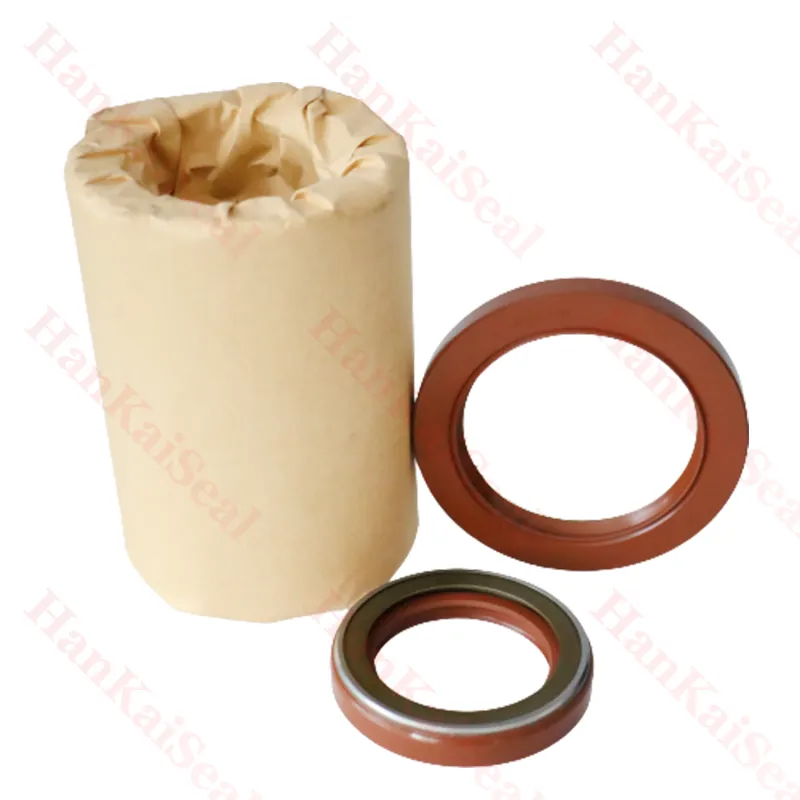
Standard oil seal BP0494 High pressure TCN oil seal
-
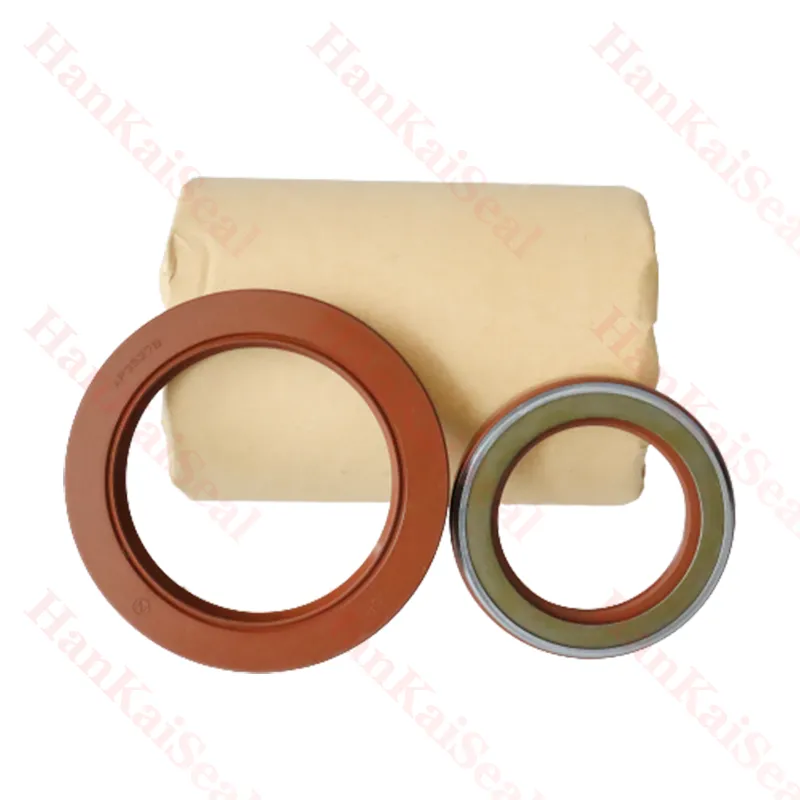
Hydraulic pump seal AP4624G high pressure TCN oil seal
-
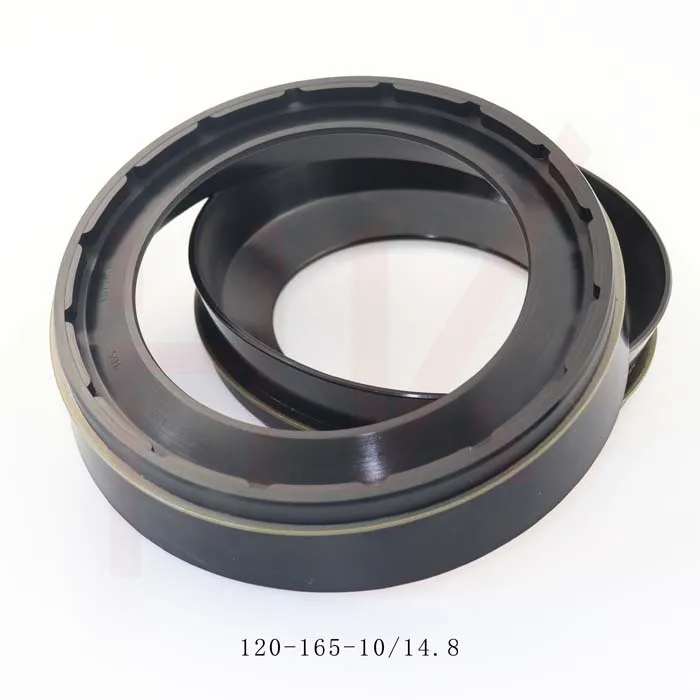
0734307418 0750112169 120*165*10/14.8 concrete mixer reducer oil seal
-
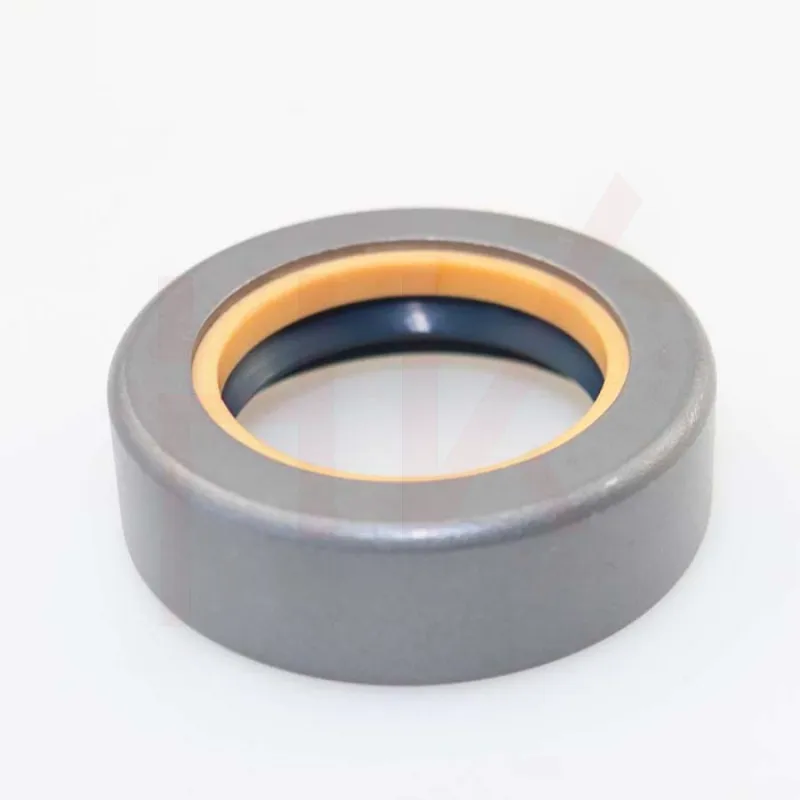
35*52*16 Standard Wheel Hub Oil Seal For Agricultural Machinery
-
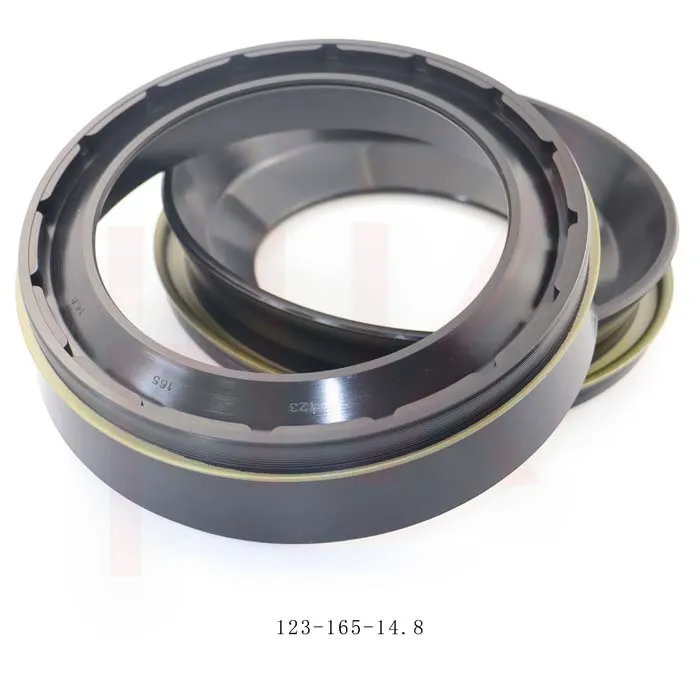
123*165*14.8 concrete mixer truck reducer oil seal
-
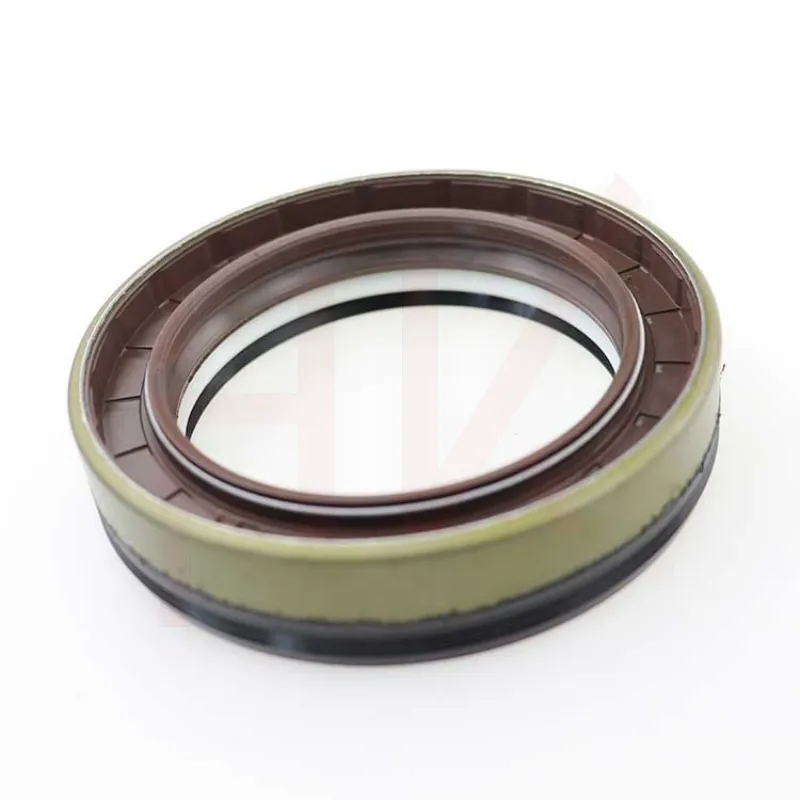
Tractor shaft oil seal 65-90-20 COMBI SF19 hub oil seal
-
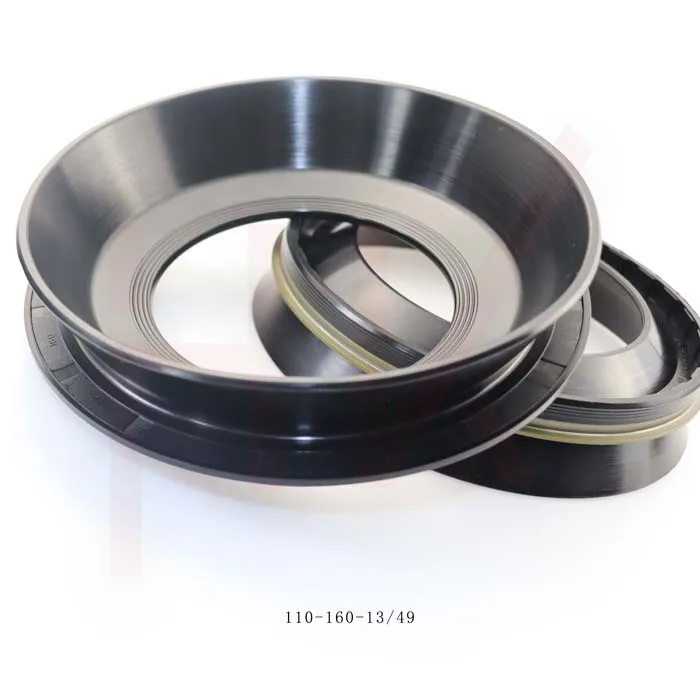
110*160*13/49 NBR reducerConcrete mixer truck oil seal
-
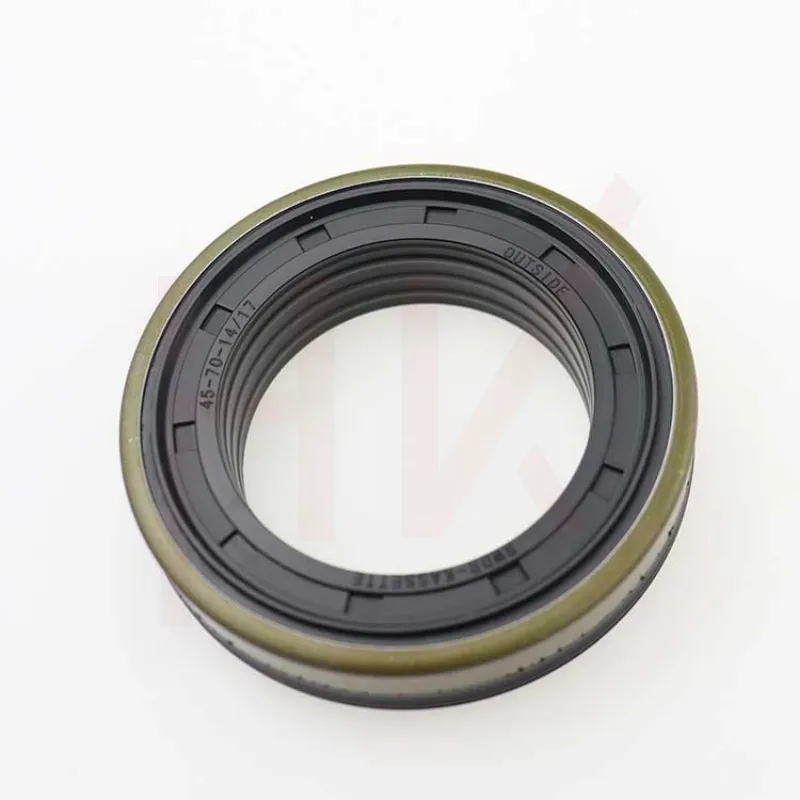
Hub oil seal 40*65*13/14.5 suitable for tractor Cat 12018035b
-
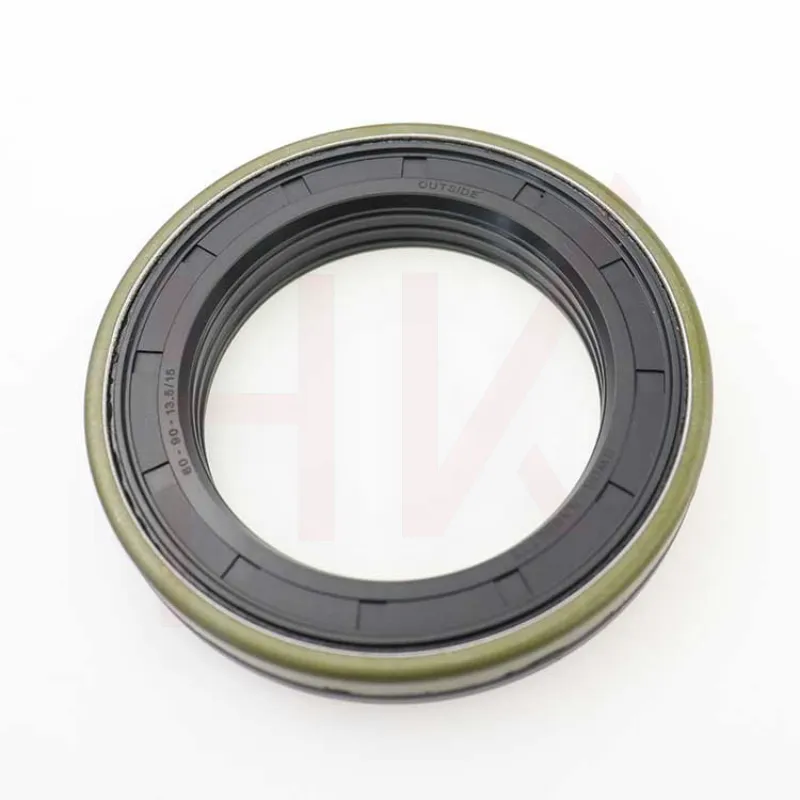
Tractor accessories cassette oil seal hub oil seal 60-90-13.5/15
-
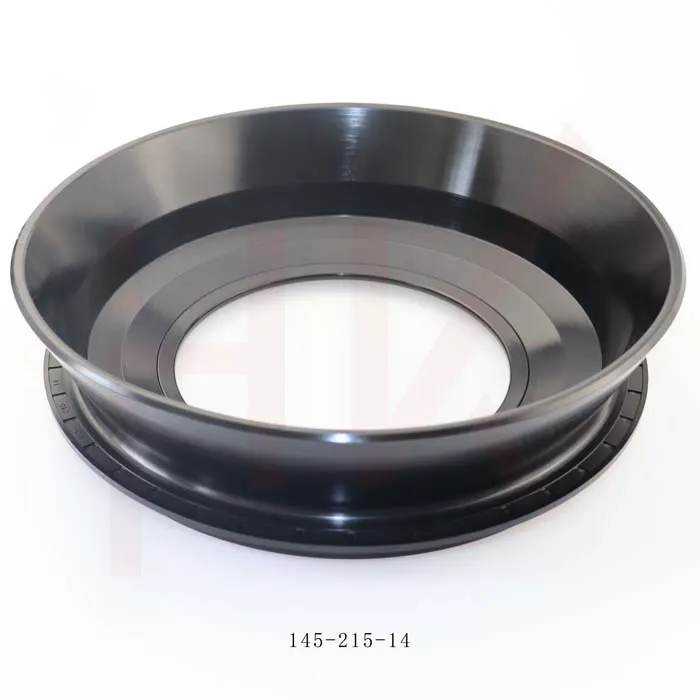
Factory concrete mixer truck oil seal 145*215*14 reducer gearbox oil seal
-
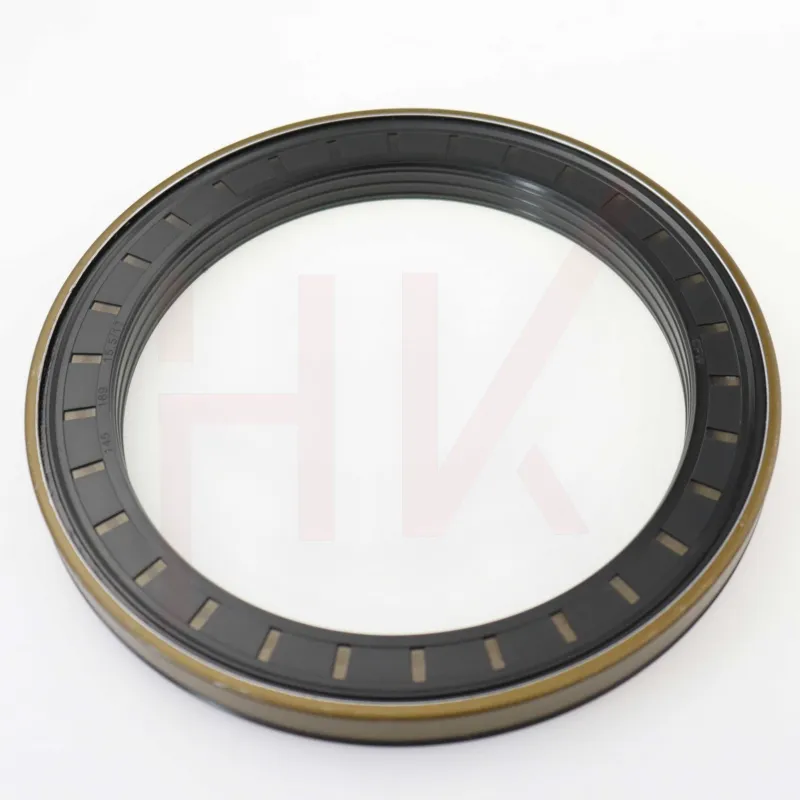
145*189*15.5/17 Cassette Seal NBR Hub Oil Seal 1508044
-
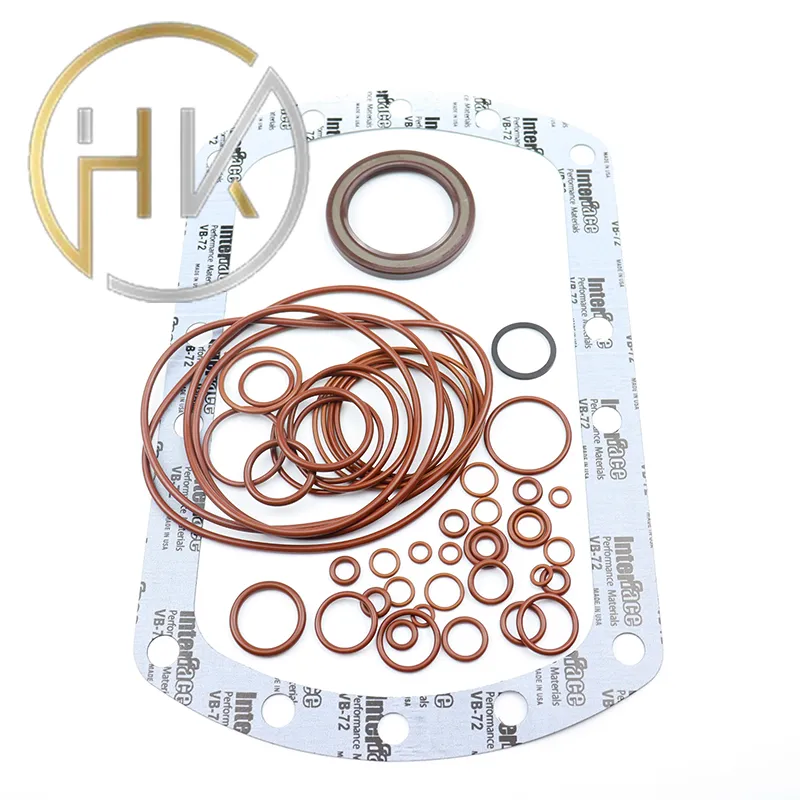
Factory direct sales hydraulic pump motor seal kit A8VO140
-
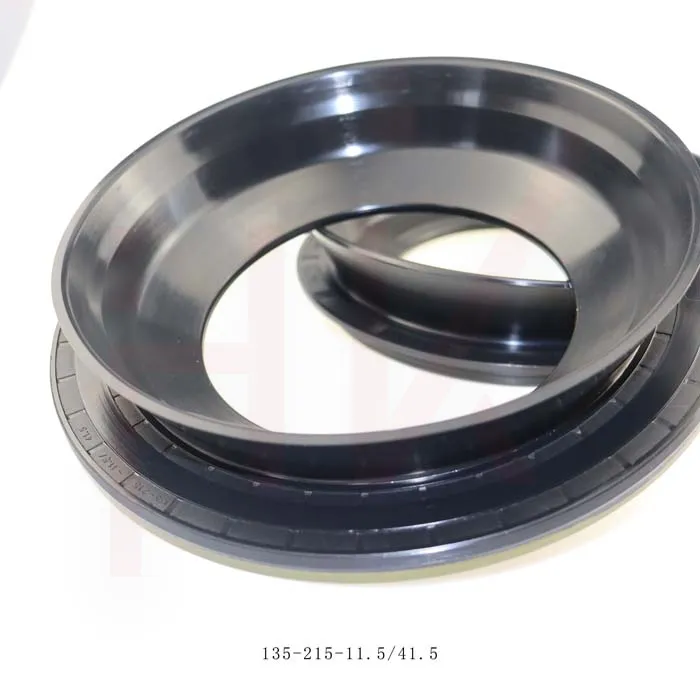
Brand new cement tanker oil seal 135*215*11.5/41.5 concrete mixer oil seal
-
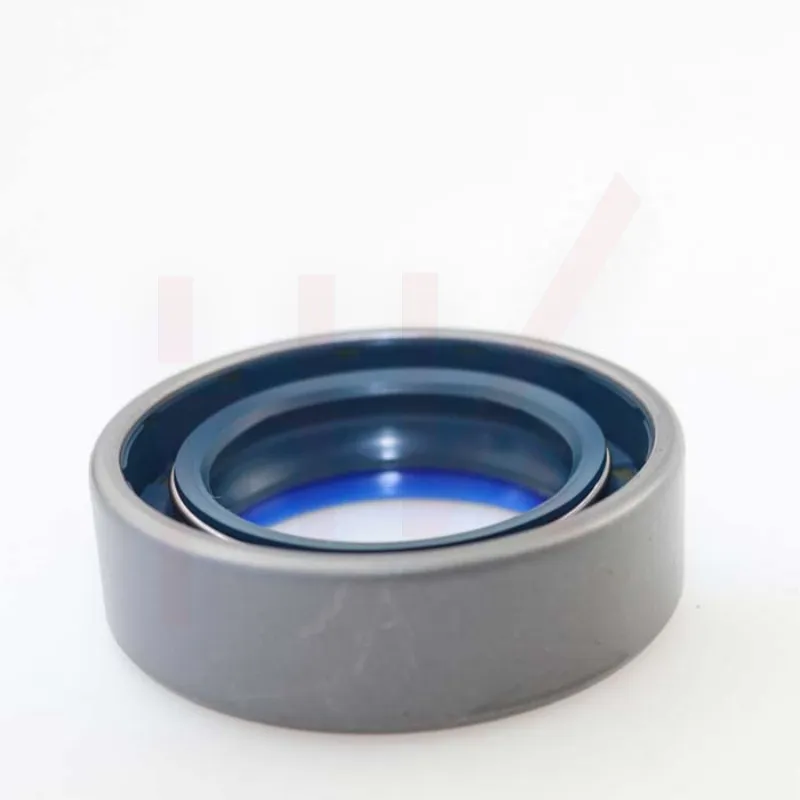
45*65*15 Combi oil seal JCB 90450009 COMBI SF1 SEAL
-
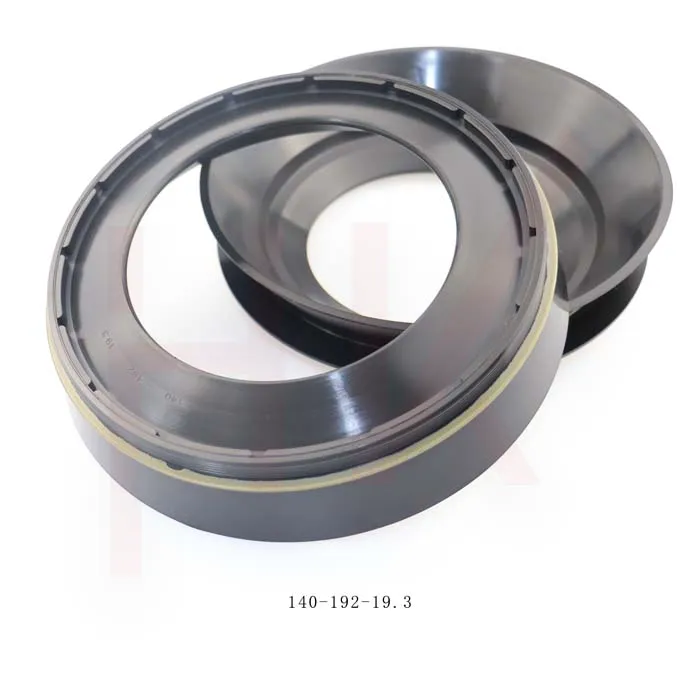
Gear box concrete mixer oil seal 140*192*19.3 nbr reducer oil seal
-
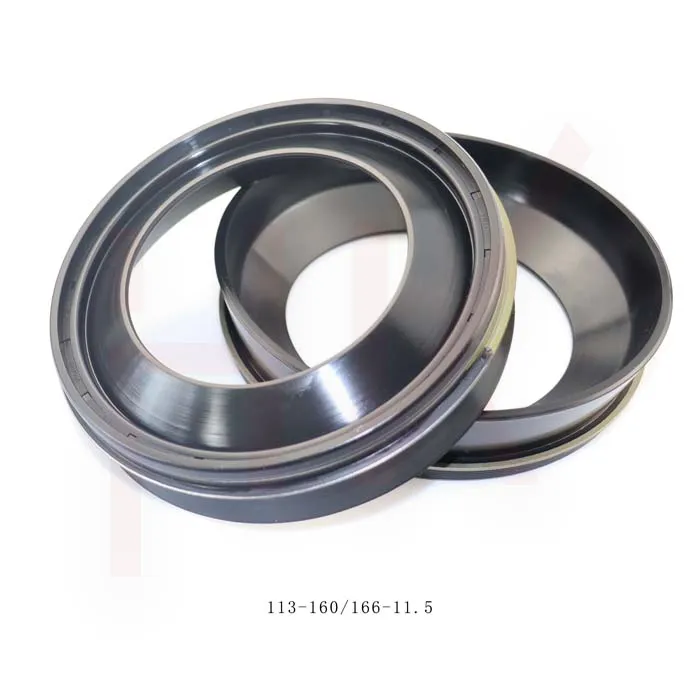
Seals factory direct sales 113*160/166*11.5/38 excavator truck reducer oil seal