
Dec . 02, 2025 14:30 Back to list
Understanding Metal Oil Seal: Definition, Global Applications & Future Trends
Metal Oil Seal: What It Is and Why It Matters Globally
When you hear the phrase metal oil seal, you might not immediately think of something that's quietly fundamental to machinery functioning smoothly worldwide. Frankly, these small yet sturdy components keep engines, pumps, and hydraulic systems running without leaks, contamination, or downtime. Their importance spans across industrial sectors—automotive, aerospace, manufacturing—and even humanitarian and environmental fields.
Understanding metal oil seals can unlock insights on how industries uphold reliability in equipment while reducing maintenance costs and environmental impact. So let’s dive in and explore what metal oil seal technology really involves, why it’s globally relevant, and what benefits a close look at this component might bring to your understanding of modern machinery.
Introduction: Metal Oil Seal in a Global and Industrial Context
Across the globe, heavy industry and transportation account for a significant chunk of human activity and economic throughput. According to the International Organization for Standardization (ISO), maintaining equipment to precise standards directly supports energy efficiency and sustainability targets worldwide. Metal oil seals play a nonspectacular but essential role in this—sealing lubricants, protecting equipment from dust and contaminants, and enabling machines to perform longer and cleaner.
Oddly enough, despite their integral role, the failure or poor quality of metal oil seals can be a silent contributor to costly downtime and environmental spills, especially in developing regions where equipment maintenance is less frequent. The World Bank data points to infrastructure inefficiencies that are compounded by component failure, and metal oil seal improvements can mitigate some of these losses.
Definition & Meaning: What Exactly Is a Metal Oil Seal?
In simple terms, a metal oil seal is a mechanical component usually featuring a metallic outer case and an inner elastomer or polymer lip that presses tightly onto a rotating shaft to keep lubricating oils in and contaminants out. This seemingly straightforward design is a marvel of material science and precision engineering.
These seals are critical for preventing leaks in rotating equipment—think engines, gearboxes, turbines—and beyond contributing to industry productivity, they also uphold the safety and environmental standards necessary in many sectors. In humanitarian fields, reliable machinery powered by proper sealing ensures relief delivery systems and water pumps operate in disaster zones effectively.
Key Components & Core Aspects of Metal Oil Seals
- Durability: Metal oil seals are engineered to withstand heat, pressure, and chemical exposure. Usually made from stainless steel or other corrosion-resistant alloys combined with resilient sealing lips, these seals maintain integrity over tens of thousands of operating hours.
- Scalability: From tiny seals for medical devices to large-scale seals used in mining machinery, their design scales impressively across industries and applications.
- Cost Efficiency: High-quality metal oil seals reduce the frequency of equipment breakdowns, which translates directly into lower maintenance costs and increased uptime.
- Customization: Seals can be tailored in shape, size, and materials to address specific operating conditions like temperature extremes, abrasive environments, or corrosive fluids.
- Environmental Impact: Proper sealing reduces lubricant leaks, which are a source of pollution; this ties into broader sustainability goals.
Mini takeaway: The metal oil seal isn’t just a static part; it’s a finely tuned solution balancing material science and mechanical design to keep industrial systems reliable and green.
Global Applications & Use Cases of Metal Oil Seal
The reach of metal oil seals is vast. In Asian manufacturing hubs like China and Japan, these components support automotive production lines where uptime and precision matter above all. In Europe, aerospace manufacturers rely on metal oil seals to cope with extreme pressures and temperatures.
In more challenging contexts, such as sub-Saharan Africa, reliable sealing solutions help maintain water pumps and generators critical to communities with unstable infrastructure. In disaster relief scenarios, equipment fitted with durable metal oil seals avoids failures that could hamper operations.
One small but telling example: a South American mining company reported a 40% decrease in unplanned shutdowns by switching to metal oil seals with enhanced abrasion resistance. That speaks to the global and cross-industry impact of what might otherwise seem a humble component.
Product Specification Table
| Specification | Typical Value | Description |
|---|---|---|
| Outer Case Material | Stainless Steel 304/316 | Resistant to corrosion and mechanical wear |
| Lip Material | Nitrile Rubber (NBR) or Viton | Sealing component, resistant to oil and temperature |
| Operating Temperature | -40°C to +150°C | Typical range for automotive and industrial use |
| Max RPM | Up to 10,000 rpm | Suits medium to high-speed rotating shafts |
| Pressure Range | Up to 0.5 MPa (5 bar) | Suitable for most hydraulic applications |
Advantages & Long-Term Value of Metal Oil Seals
Metal oil seals offer a range of advantages that go beyond the obvious mechanical protections. Cost-wise, investing in high-grade seals reduces downtime and expensive repairs—a value that’s tangible in every industry using heavy equipment. From a sustainability view, minimizing lubricant loss also reduces waste and contamination, supporting environmental compliance.
Socially, these seals help maintain the machinery that supports livelihoods, infrastructure, and safety worldwide. You can think of it as tiny technology supporting big human outcomes. Trust in machinery longevity? That starts with dependable seals.
Vendor Comparison Table
| Vendor | Material Quality | Customization | Price Range | Lead Time |
|---|---|---|---|---|
| SealMasters Inc. | High-grade stainless steel & premium rubber | Extensive shape & size options | $$$ | 4-6 weeks |
| Global Seal Corp. | Standard quality alloys | Limited | $ | 2-3 weeks |
| HKAiseal | Premium stainless & advanced polymers | Highly customizable | $$ | 3-4 weeks |
Future Trends & Innovations in Metal Oil Seals
Looking ahead, the metal oil seal industry is edging into quite a few exciting innovations. Sustainable materials like bio-based polymers and recycled metals are gaining attention, aiming to reduce environmental footprints. Digital transformation also plays a role, with embedded sensors now being researched to detect wear and leakage early—a kind of “smart seal.” Imagine predictive maintenance powered by real-time data.
Plus, the rise of electric vehicles (EVs) and renewable energy equipment is shifting seal design towards lower friction and higher temperatures. As industries couple green energy with automation, metal oil seals will need to keep pace, blending old durability with new tech integrations.
Challenges & Solutions Around Metal Oil Seal Deployment
Despite obvious advantages, metal oil seals face challenges like wear under extreme pressure, chemical degradation, or installation errors. Sometimes improper selection leads to premature failure. Many engineers emphasize the importance of thorough application analysis and choosing seals certified by standards like the ISO 6194-1 to minimize risk.
Innovative approaches include multi-lip seals that provide extra barriers or composite materials that better resist harsh chemicals. Additionally, training maintenance staff and leveraging advanced diagnostics help catch issues early.
FAQ: Frequently Asked Questions About Metal Oil Seals
- What factors determine the lifespan of a metal oil seal?
Lifespan depends on operating conditions such as temperature, pressure, chemical exposure, and shaft speed. Proper selection, installation, and maintenance play crucial roles. Typically, high-quality seals last between 3 to 5 years under standard conditions. - Are metal oil seals reusable after disassembly?
Usually not recommended. Seal lips deform during use, and reinstallation often leads to leaks. It’s best practice to replace the seal whenever equipment is disassembled. - How can I choose the right metal oil seal for harsh environments?
Look for seals with corrosion-resistant materials like stainless steel 316 and lip compounds such as Fluoroelastomer (Viton) designed to handle extreme chemicals and temperatures. - Can metal oil seals help reduce lubricant contamination?
Yes, their primary role is to keep lubricants sealed inside and prevent ingress of dust or moisture, thereby extending lubricant life and protecting components. - Where can I source high-quality metal oil seals?
Vendors like HKAiseal supply customizable, industrial-grade metal oil seals meeting ISO and ASTM certifications.
Conclusion & Call to Action
At the end of the day, metal oil seals are crucial unsung heroes keeping machines healthy, costs low, and the environment clearer. From industrial behemoths in factories to vital humanitarian machinery in remote places, these components serve an essential global role.
If you want to improve your equipment reliability or explore customized sealing options, visit our website for detailed product information and expert guidance. Well-maintained seals truly make all the difference over the long haul.
By the way, the small details in a metal oil seal’s design often mark the difference between routine operation and costly failure. Just something to think about next time you notice a well-oiled machine humming along…
References
-
Guide to Choosing the Right High Quality hydraulic ram kit
NewsApr.16,2026
-
Premium Hydraulic Cylinder Packing Kits for Peak Performance
NewsApr.09,2026
-
Comprehensive Guide to Hydraulic Cylinder Oil Seal Kits for Optimal Performance
NewsApr.07,2026
-
Comprehensive Guide to Choosing the Right Cylinder Seal Kits for Peak Performance
NewsApr.04,2026
-
Comprehensive Guide to Seal Kits for Cylinders Ensuring Optimal Performance
NewsMar.31,2026
-
Comprehensive Guide to Hyd Cylinder Seals for Optimal Hydraulic System Performance
NewsMar.28,2026
-
Comprehensive Guide to Hyd Cylinder Seal Kit Selection and Installation
NewsMar.26,2026
Products categories
-
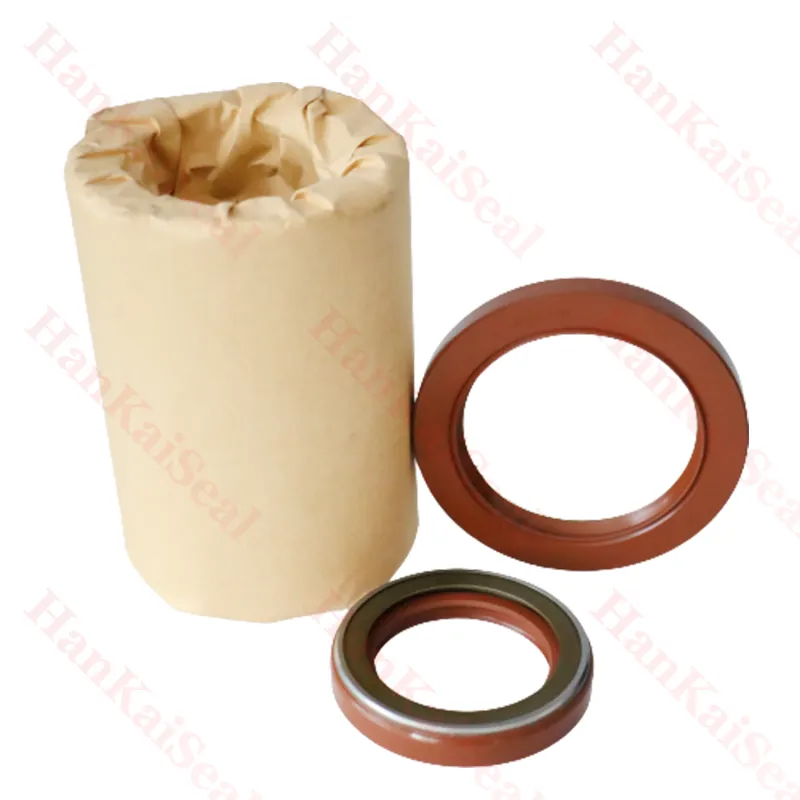
Standard oil seal BP0494 High pressure TCN oil seal
-
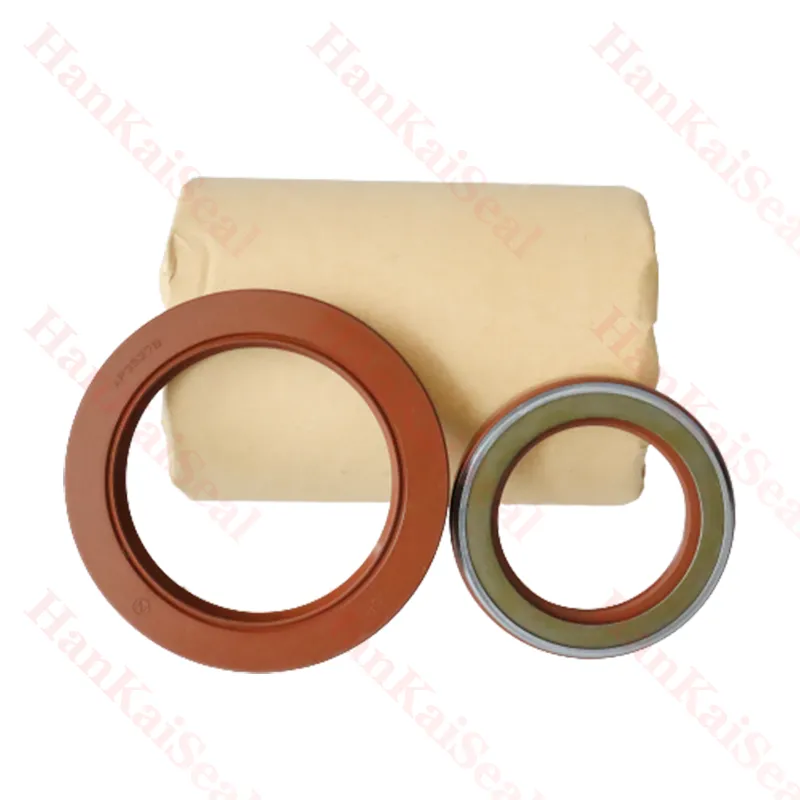
Hydraulic pump seal AP4624G high pressure TCN oil seal
-
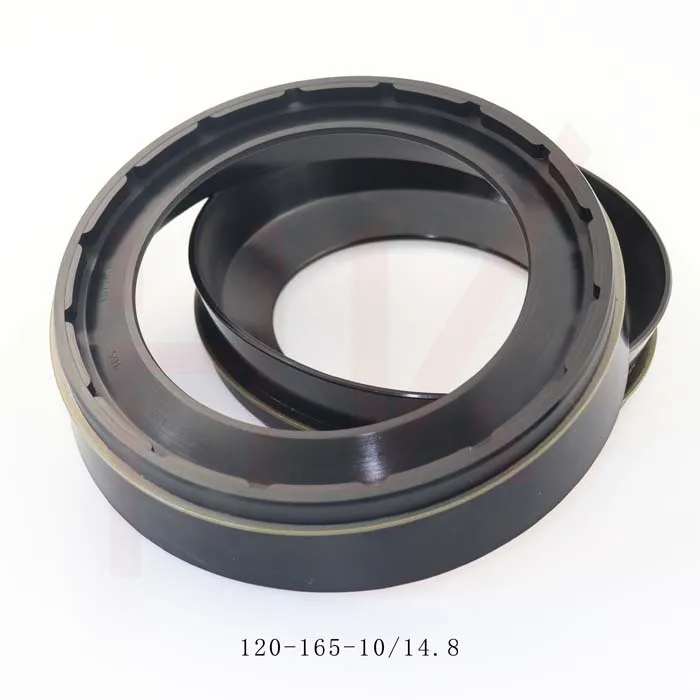
0734307418 0750112169 120*165*10/14.8 concrete mixer reducer oil seal
-
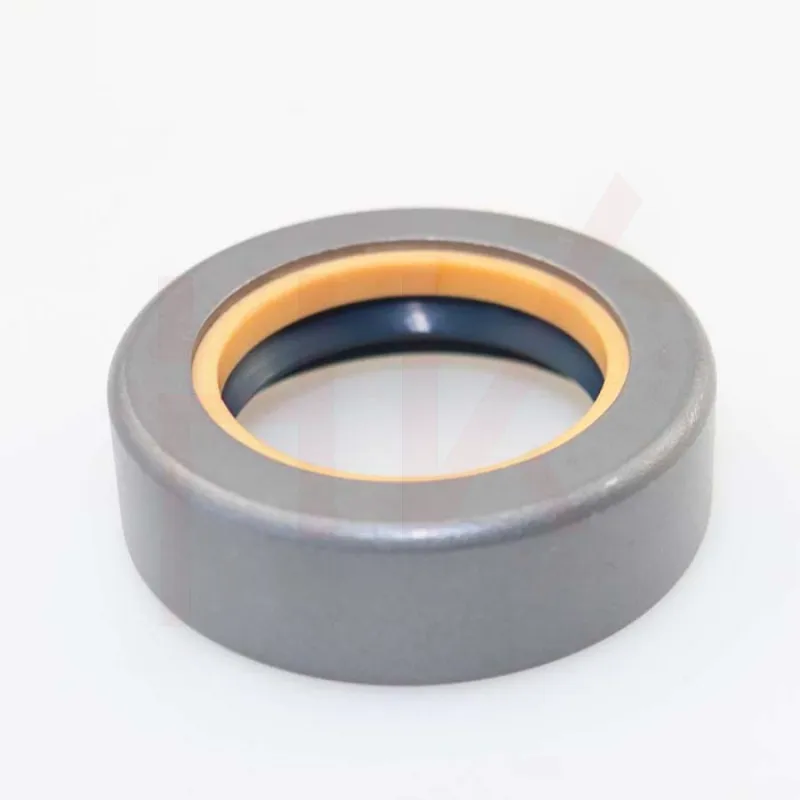
35*52*16 Standard Wheel Hub Oil Seal For Agricultural Machinery
-
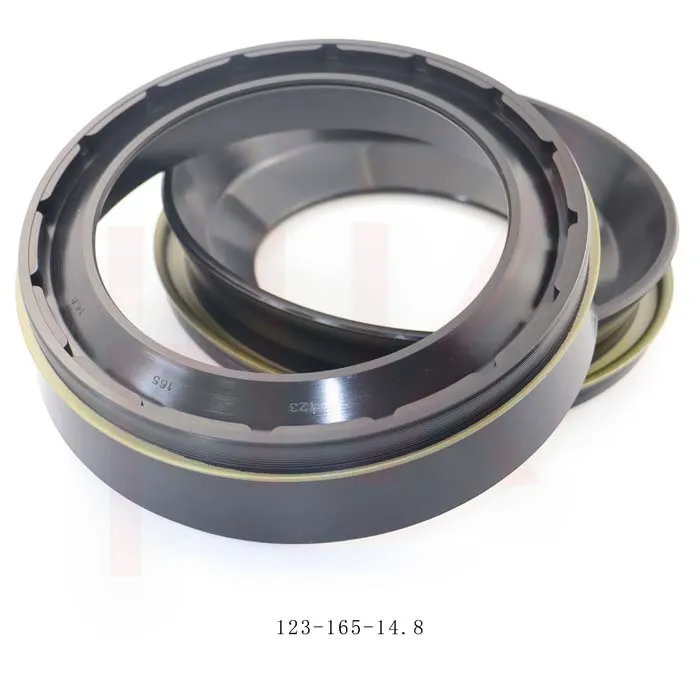
123*165*14.8 concrete mixer truck reducer oil seal
-
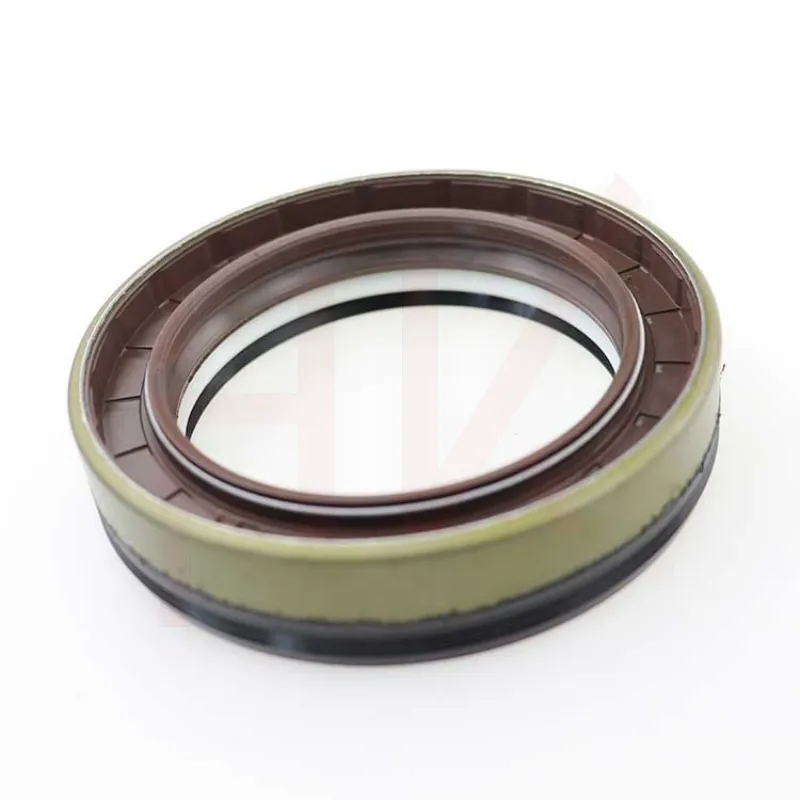
Tractor shaft oil seal 65-90-20 COMBI SF19 hub oil seal
-
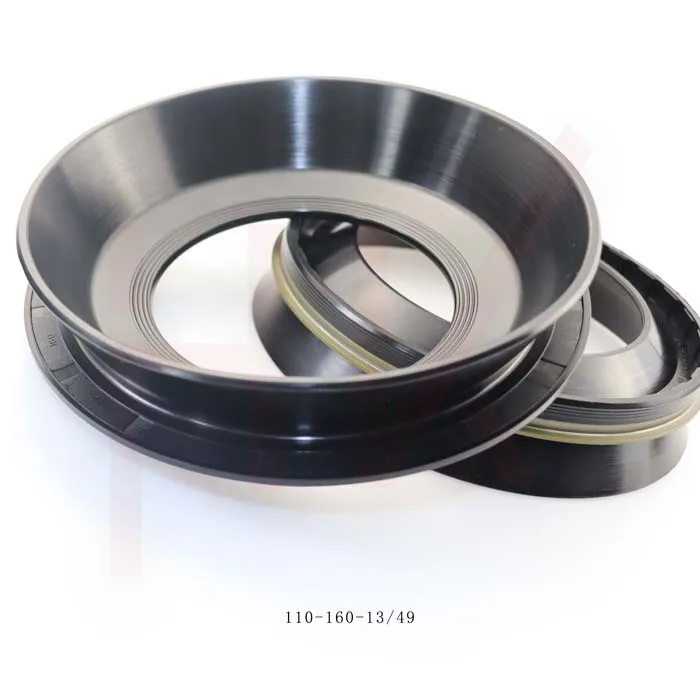
110*160*13/49 NBR reducerConcrete mixer truck oil seal
-
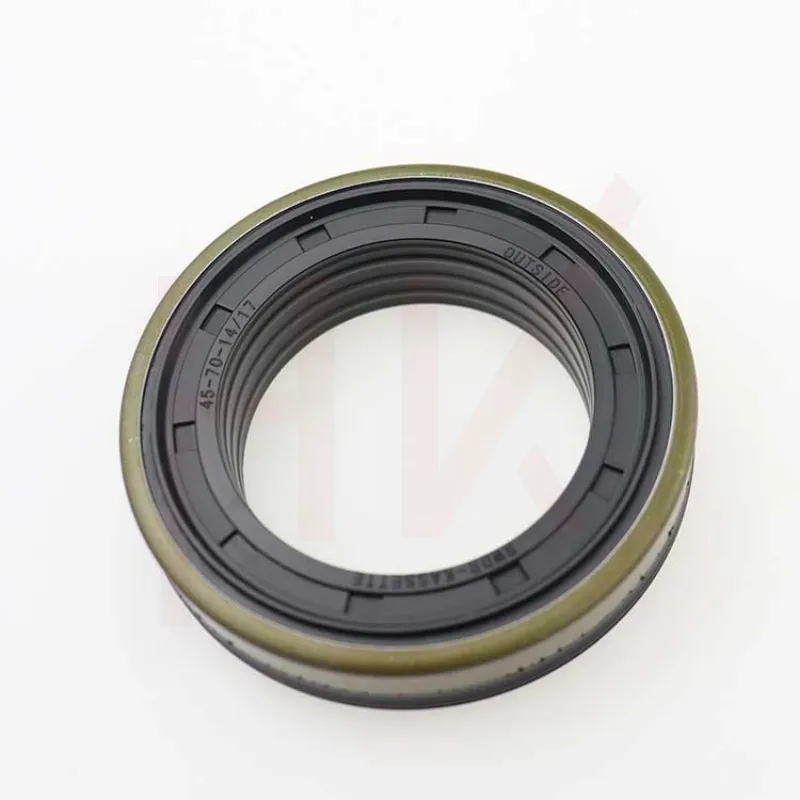
Hub oil seal 40*65*13/14.5 suitable for tractor Cat 12018035b
-
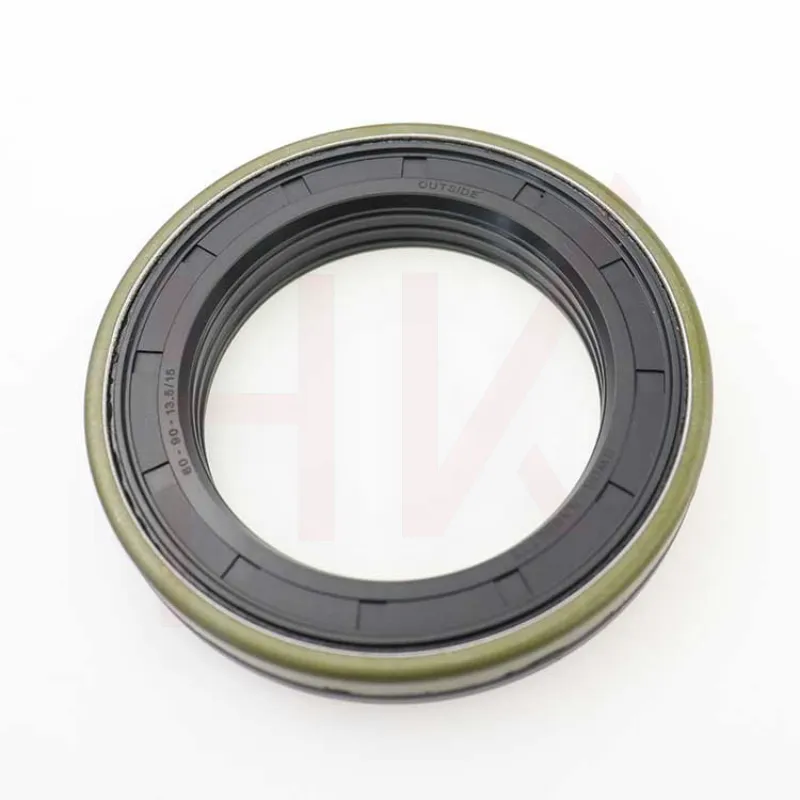
Tractor accessories cassette oil seal hub oil seal 60-90-13.5/15
-
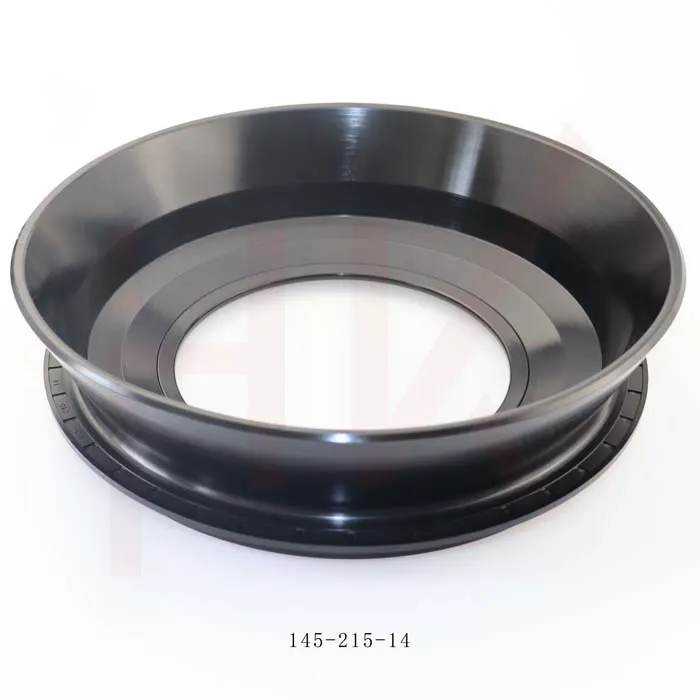
Factory concrete mixer truck oil seal 145*215*14 reducer gearbox oil seal
-
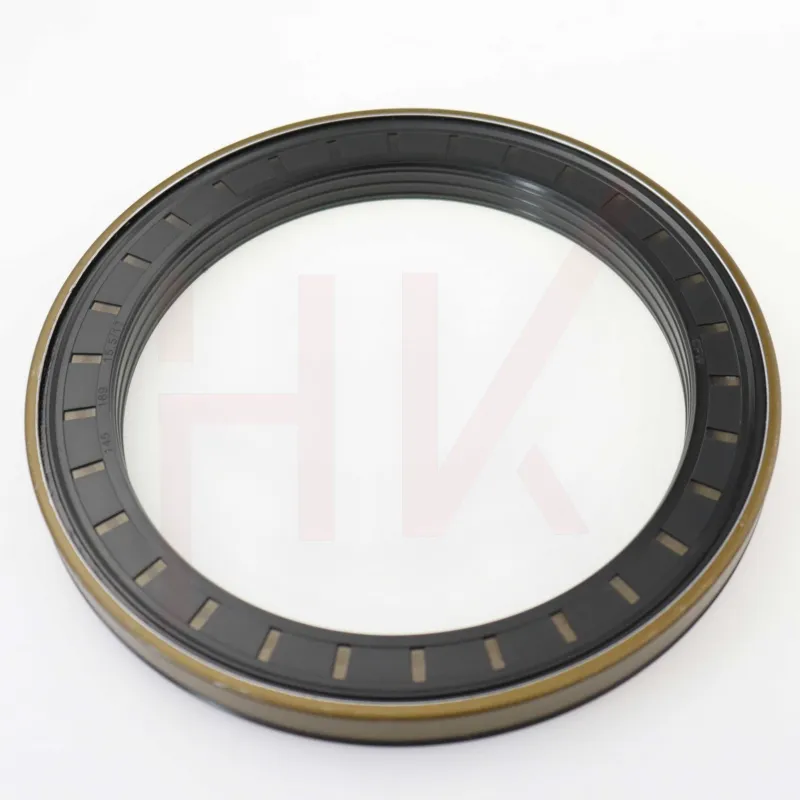
145*189*15.5/17 Cassette Seal NBR Hub Oil Seal 1508044
-
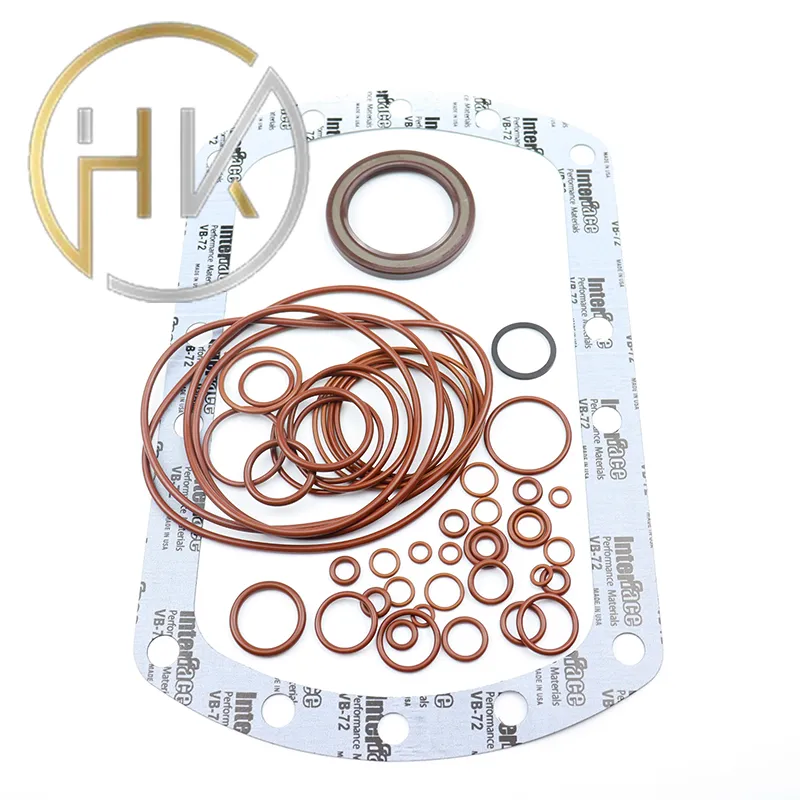
Factory direct sales hydraulic pump motor seal kit A8VO140
-
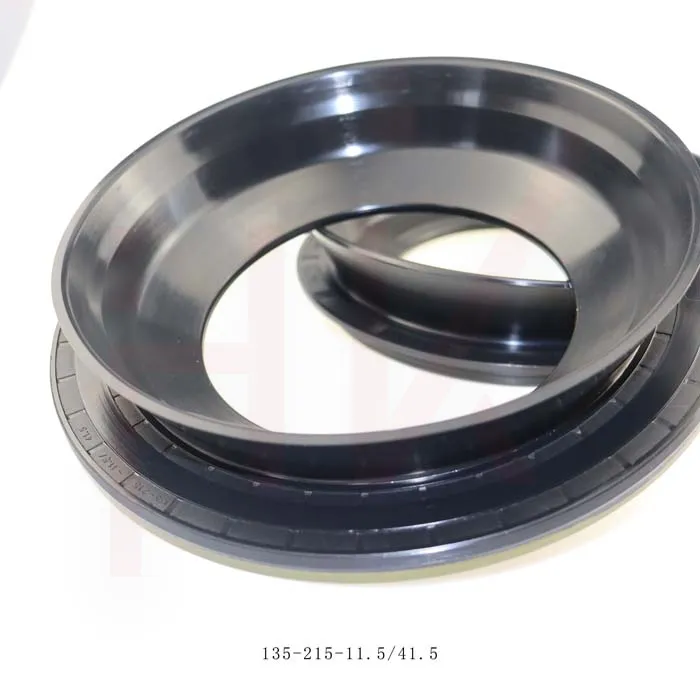
Brand new cement tanker oil seal 135*215*11.5/41.5 concrete mixer oil seal
-
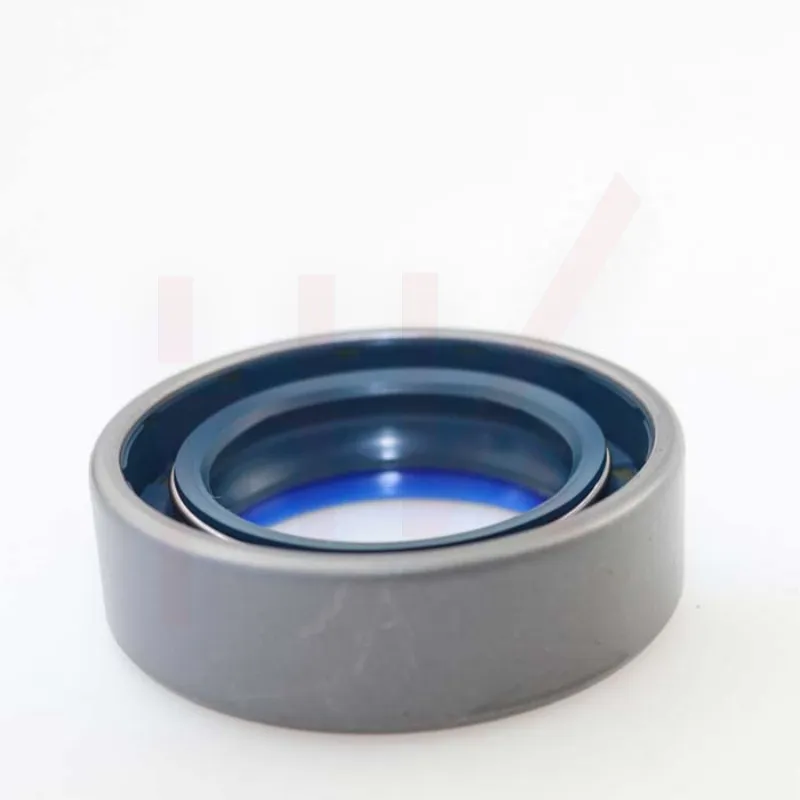
45*65*15 Combi oil seal JCB 90450009 COMBI SF1 SEAL
-
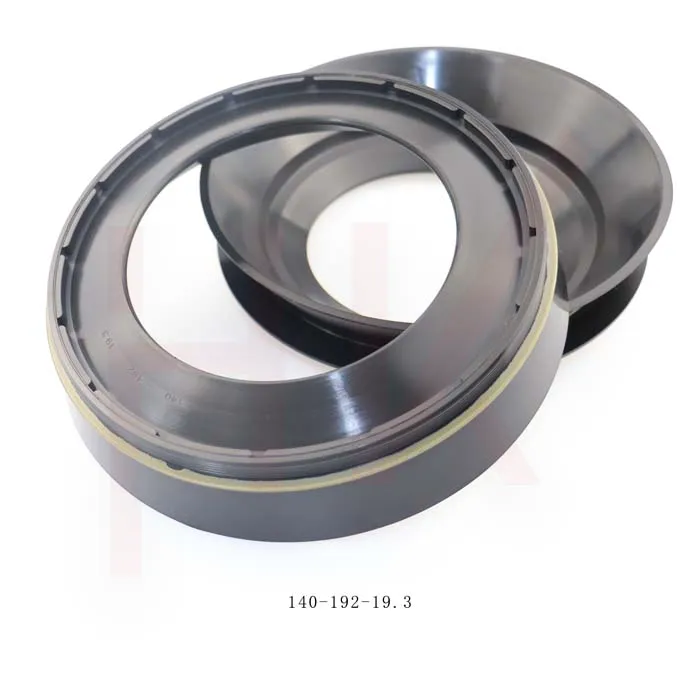
Gear box concrete mixer oil seal 140*192*19.3 nbr reducer oil seal
-
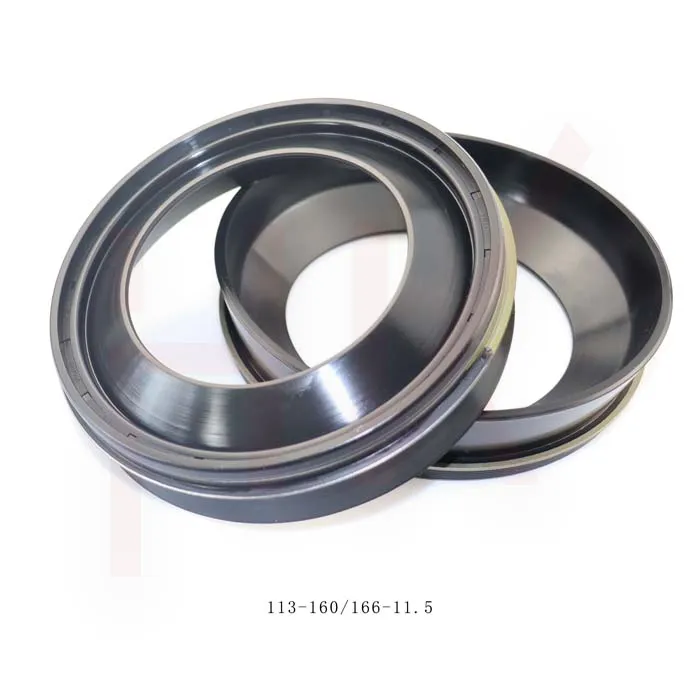
Seals factory direct sales 113*160/166*11.5/38 excavator truck reducer oil seal