
Dec . 02, 2025 13:55 Back to list
What is a Radial Oil Seal? Definition, Applications & Benefits Explained
Understanding Radial Oil Seal: The Unsung Guardian of Machinery
In the world of mechanical systems, the radial oil seal often goes unnoticed, yet its importance can hardly be overstated. Whether it’s safeguarding an automotive engine, a heavy-duty industrial pump, or renewable energy gearboxes, this small but mighty component prevents lubricant leaks and blocks dirt ingress, extending machinery life and boosting efficiency. Globally, industries rely on these seals to maintain smooth operations, reduce environmental hazards, and save billions annually in maintenance costs. Frankly, understanding radial oil seals is essential for engineers, manufacturers, and anyone curious about mechanical reliability in a connected world.
Global Context: Why Radial Oil Seals Matter Worldwide
Globally, machine failure due to lubricant leaks costs industries billions — the International Organization for Standardization (ISO) highlights that seal failures account for nearly 25% of industrial downtime. This isn’t just an economic burden; in harsh environments like offshore rigs or remote mining operations, seal failures can trigger significant safety risks and environmental damage. As industries embrace digital transformation and sustainability goals, radial oil seals play a crucial role in enabling longer machine life and reducing waste.
From automotive hubs in Germany and Japan to manufacturing centers in China and the US, radial oil seals form the backbone of machine reliability. In fact, according to recent ISO 3601 standards on sealing systems, innovations are rapidly evolving to meet these global challenges.
What is a Radial Oil Seal?
Simply put, a radial oil seal is a flexible component typically made of rubber or elastomer, reinforced with metal, that fits tightly around a rotating shaft. Its job is to keep lubricant (usually oil) inside the housing while preventing external contaminants like dirt, dust, and water from entering. Without this seal, machinery would suffer rapid wear, overheating, and eventual failure.
Interestingly, radial oil seals are not just industrial necessities but also have humanitarian applications — consider water pumps and generators in post-disaster relief that require reliable moving parts to function effectively in challenging conditions.
Core Components & Key Factors of Radial Oil Seals
1. Durability
A radial oil seal must withstand friction, temperature variations, and chemical exposure. Modern materials such as fluoroelastomers enhance lifespan and resistance to harsh oils or fuels. Durability directly translates to less downtime and fewer replacements.
2. Precision Fit
The seal’s lip and metal case must precisely match shaft dimensions for effective sealing. Even tiny gaps can cause leaks, so manufacturing tolerances matter greatly.
3. Temperature Resistance
Depending on application, seals may face anywhere from subzero temps to extremes over 200°C. Material selection here is critical — for example, silicone seals excel in high heat.
4. Cost Efficiency
Choosing the right balance between upfront cost and seal longevity is key. Overinvesting in exotic materials isn’t always justified unless the operating environment demands it.
5. Environmental Compatibility
With growing environmental regulations, seals that resist oil leakage help minimize soil and water contamination. Some suppliers now offer “green” seal materials with lower environmental footprints.
Product Specifications Snapshot
| Specification | Typical Value | Notes |
|---|---|---|
| Material | Nitrile rubber (NBR), Fluoroelastomer (FKM) | Depends on temperature and chemical resistance |
| Temperature Range | -40°C to +200°C | Varies with material choice |
| Max Shaft Speed | Up to 30 m/s | Exceeding causes overheating |
| Pressure | Up to 0.1 MPa (1 bar) | Mostly non-pressurized applications |
| Applications | Automotive, heavy machinery, pumps | Widespread industry usage |
Global Use Cases & Industries
Radial oil seals are ubiquitous — from the automotive engines humming in Asian factories to the wind turbines spinning in European plains, and even hydraulic systems powering mining equipment in South America.
- Automotive Industry: Cars depend on radial oil seals to prevent engine oil from leaking, which is crucial for maintaining fuel efficiency and reducing emissions.
- Renewable Energy: Wind turbines use specialized seals to protect drivetrain components from moisture and dirt, ensuring operational longevity in offshore farm installations.
- Construction and Mining: Heavy equipment exposed to dust and mud rely on robust radial seals for reliability under extreme conditions.
- Humanitarian Equipment: Water pumps and generators used in disaster relief need durable seals that can run under challenging circumstances without rapid failure.
For anyone interested in exploring more about sealing solutions, check our detailed resource on radial oil seal.
Vendor Comparison: Choosing the Right Partner
| Vendor | Material Variety | Customization Options | Environmental Certifications | Typical Lead Time |
|---|---|---|---|---|
| HKAiSeal | NBR, FKM, Silicone, PTFE | High - custom dimensions & lip designs | ISO 14001 certified | 2-4 weeks |
| SealTech Inc. | Mostly NBR and FKM | Medium - standard sizes mostly | None publicly listed | 3-5 weeks |
| GlobalSeal Co. | Wide, includes advanced polymers | High customization with prototype support | ISO 9001 and ISO 14001 | 4-6 weeks |
Advantages & Long-Term Value of Radial Oil Seals
There’s a delicate art to choosing the right radial oil seal because the benefits don’t just stop at preventing leaks. Savings on maintenance and downtime flow directly into improved productivity and safer workplaces. Plus, effective sealing means less lubricant wastage, which is a win for the environment as well as company budgets.
Emotionally, engineers often express a sense of trust and satisfaction when machines “just keep running” — it’s a quiet but essential peace of mind. Socially, better machine performance helps industries provide stable jobs and innovate sustainably.
Emerging Trends & Innovations
Looking forward, several exciting developments are reshaping radial oil seal technology:
- Advanced Materials: Integration of polymer blends and nanomaterials to boost durability and reduce friction.
- Smart Seals: Embedded sensors in seals are emerging, capable of real-time monitoring of seal integrity and lubrication status.
- Environmental Focus: Bio-based elastomers and recyclable seal components are gaining traction for greener manufacturing.
- Customization & 3D Printing: Rapid prototyping via additive manufacturing to meet bespoke industrial needs fast.
Challenges & Expert Solutions
Of course, no technology is without hurdles. Common issues include premature wear from abrasive contaminants, incorrect installation, and difficulty in seal selection for extreme environments. Fortunately, best practices now emphasize:
- Comprehensive seal testing under real-world conditions.
- Improved training of assembly personnel to prevent installation damages.
- Close collaboration between seal manufacturers and end-users for tailored solutions.
Many industry experts advise investing in quality over price alone to avoid costly failures. It’s a classic example of “you get what you pay for.”
FAQ: Common Questions About Radial Oil Seals
- Q: How often should radial oil seals be replaced?
- A: Replacement intervals depend on operating conditions, but typically every 3-5 years or during major machine overhauls. Signs like oil leaks or unusual noises suggest immediate replacement.
- Q: Can radial oil seals be used in food industry machines?
- A: Yes, but they require FDA-compliant elastomers and grease to ensure safety and hygiene standards are met.
- Q: What causes a radial oil seal to fail prematurely?
- A: Common causes include improper installation, exposure to harsh chemicals beyond material specs, excessive shaft runout, or abrasive contaminants.
- Q: Are there standard sizes for radial oil seals or is customization necessary?
- A: Standard sizes cover many applications, but customization is often necessary for specialized machinery or extreme environments.
Conclusion: The Quiet Power of the Radial Oil Seal
All told, the radial oil seal is much more than a humble machine part. It’s a vital contributor to global industrial efficiency, safety, and sustainability. For businesses and engineers alike, investing time to understand and select the right seal reaps rewards in reliability and cost savings. If you want to dive deeper or explore solutions, feel free to visit our website and browse our extensive range of high-quality radial oil seals tailored to your needs.
Oddly enough, the better the seal, the less you notice it — and frankly, that’s exactly how it should be.
Mini takeaway: Radial oil seals are small but mighty enablers of machine success worldwide — from saving costs, preventing pollution, to powering innovation.
References
-
Guide to Choosing the Right High Quality hydraulic ram kit
NewsApr.16,2026
-
Premium Hydraulic Cylinder Packing Kits for Peak Performance
NewsApr.09,2026
-
Comprehensive Guide to Hydraulic Cylinder Oil Seal Kits for Optimal Performance
NewsApr.07,2026
-
Comprehensive Guide to Choosing the Right Cylinder Seal Kits for Peak Performance
NewsApr.04,2026
-
Comprehensive Guide to Seal Kits for Cylinders Ensuring Optimal Performance
NewsMar.31,2026
-
Comprehensive Guide to Hyd Cylinder Seals for Optimal Hydraulic System Performance
NewsMar.28,2026
-
Comprehensive Guide to Hyd Cylinder Seal Kit Selection and Installation
NewsMar.26,2026
Products categories
-
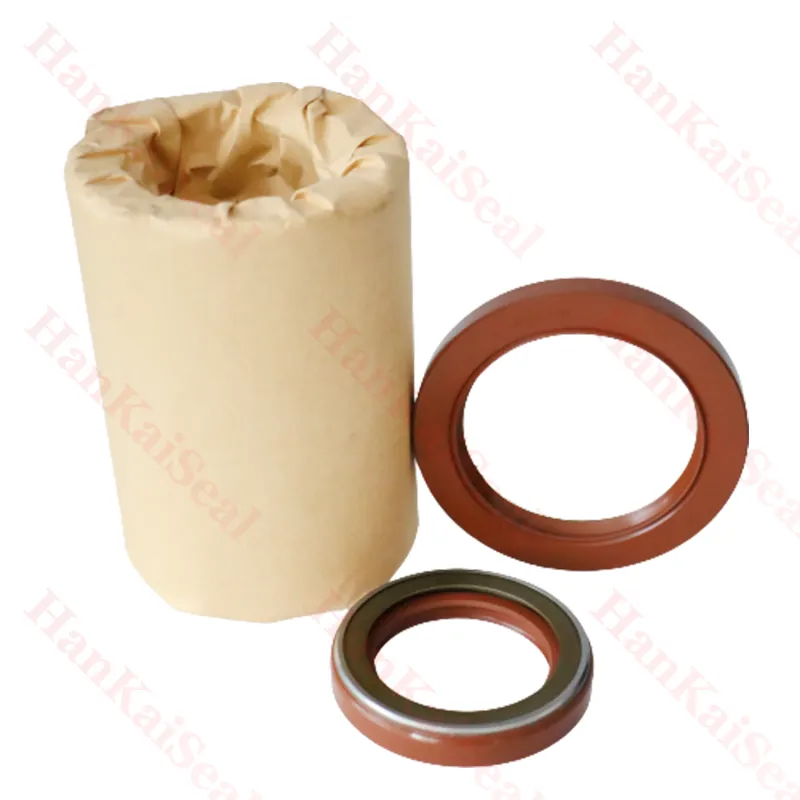
Standard oil seal BP0494 High pressure TCN oil seal
-
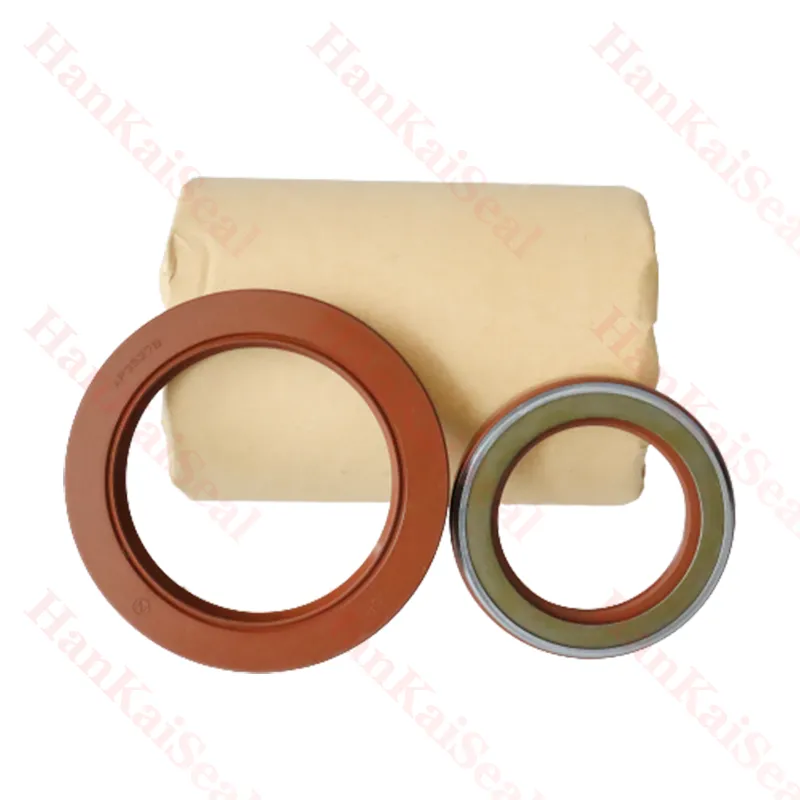
Hydraulic pump seal AP4624G high pressure TCN oil seal
-
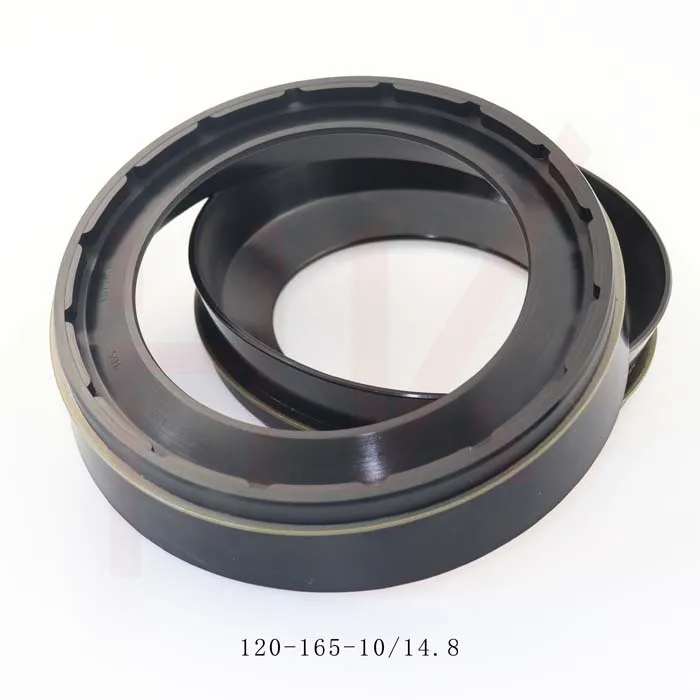
0734307418 0750112169 120*165*10/14.8 concrete mixer reducer oil seal
-
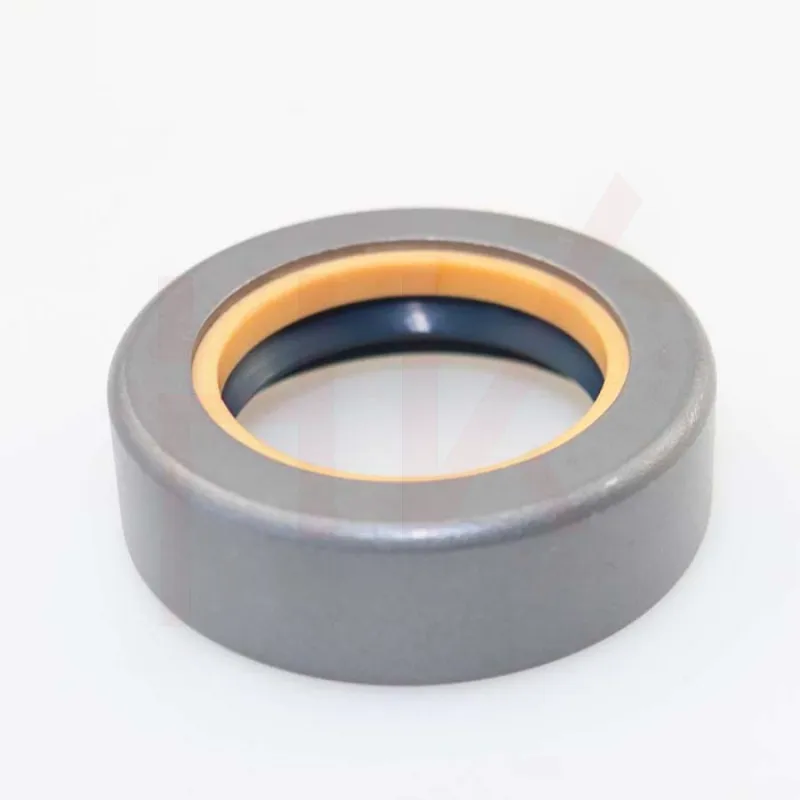
35*52*16 Standard Wheel Hub Oil Seal For Agricultural Machinery
-
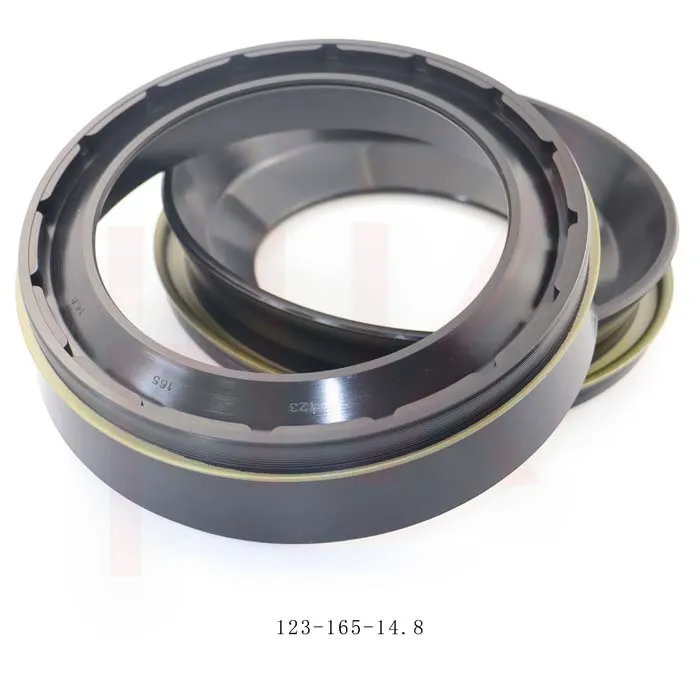
123*165*14.8 concrete mixer truck reducer oil seal
-
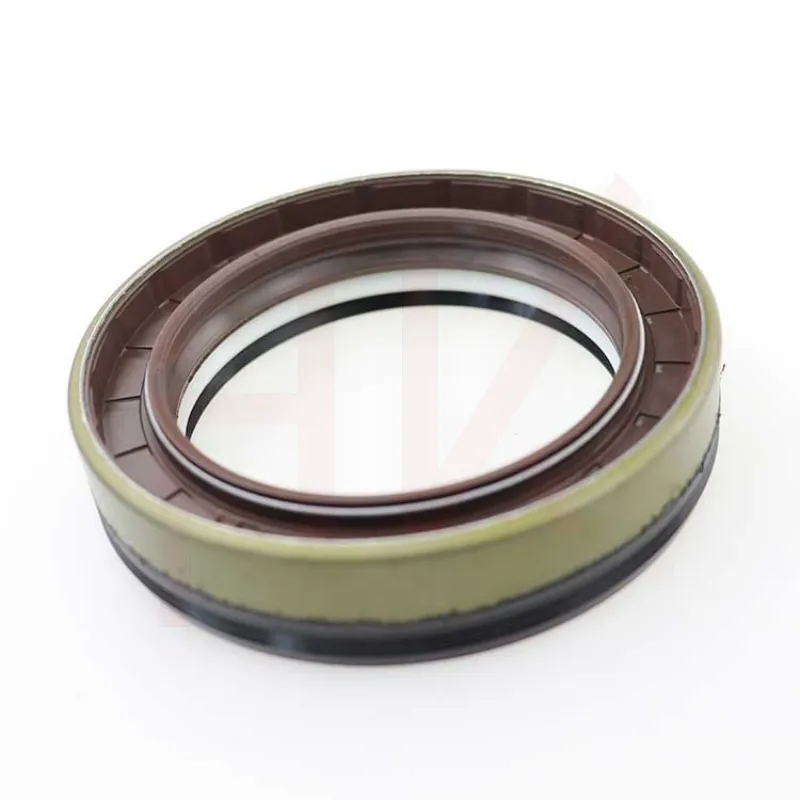
Tractor shaft oil seal 65-90-20 COMBI SF19 hub oil seal
-
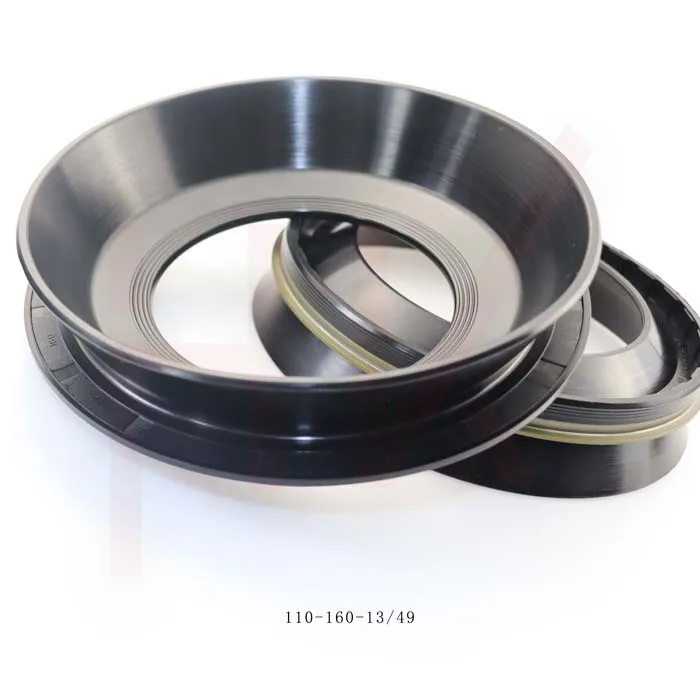
110*160*13/49 NBR reducerConcrete mixer truck oil seal
-
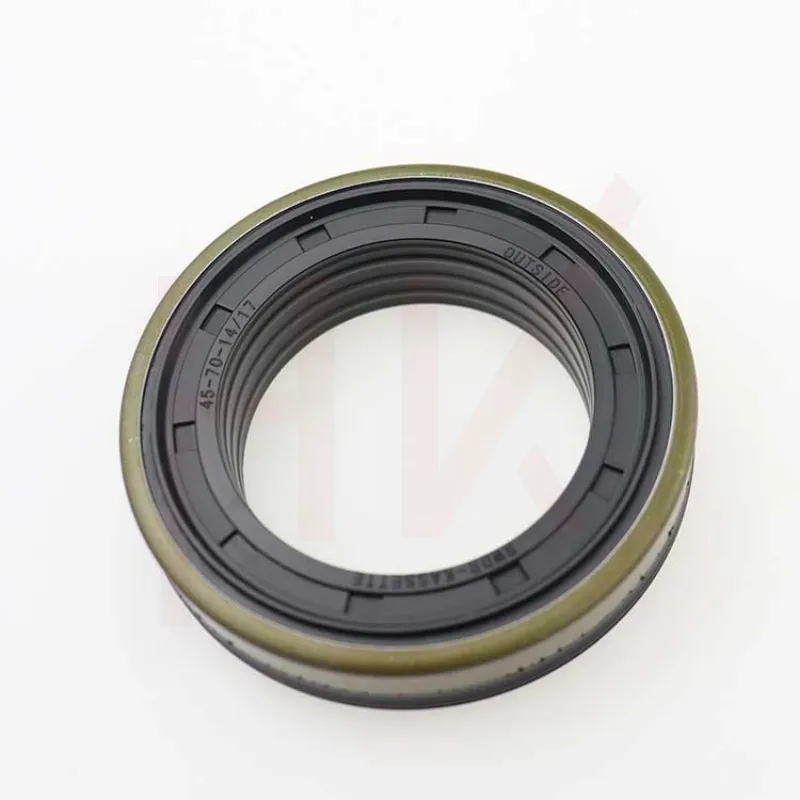
Hub oil seal 40*65*13/14.5 suitable for tractor Cat 12018035b
-
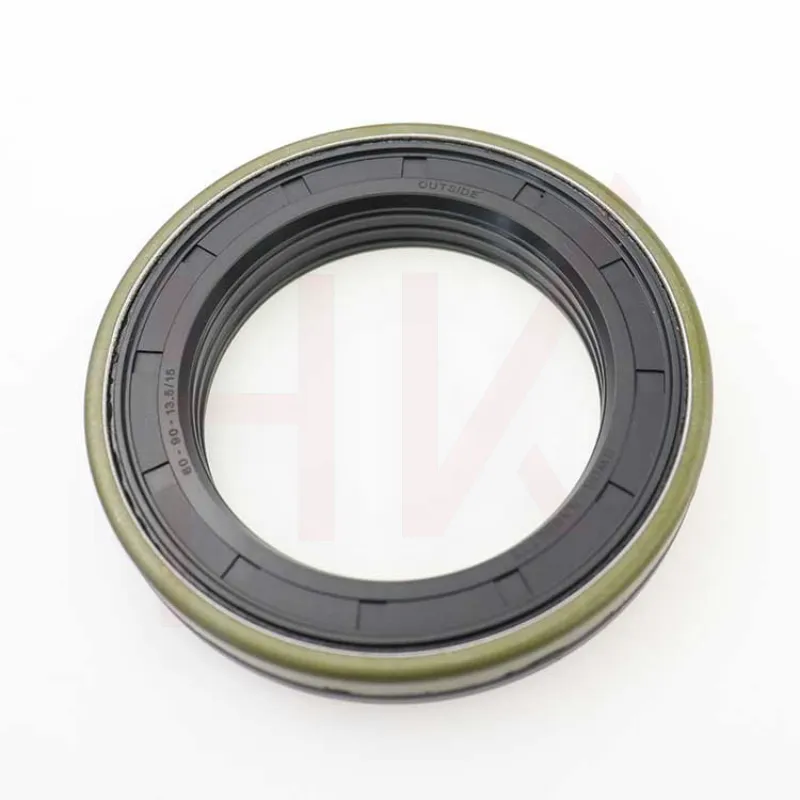
Tractor accessories cassette oil seal hub oil seal 60-90-13.5/15
-
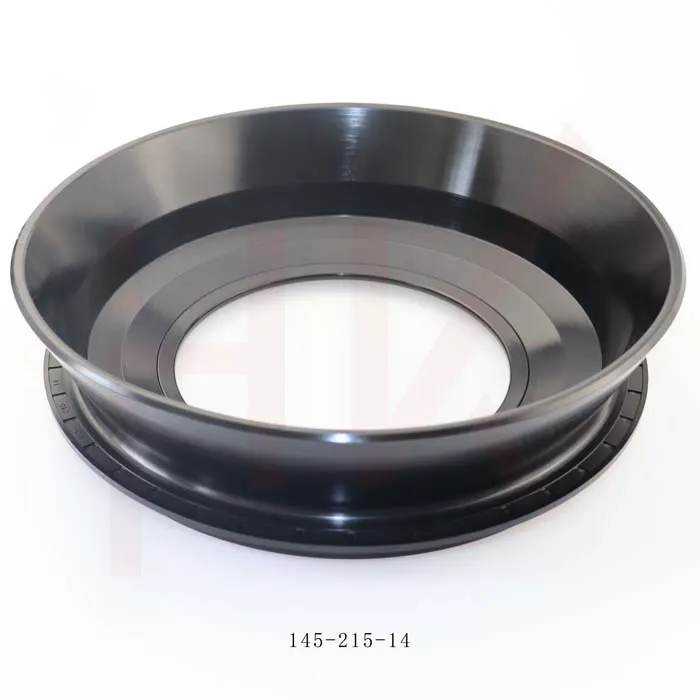
Factory concrete mixer truck oil seal 145*215*14 reducer gearbox oil seal
-
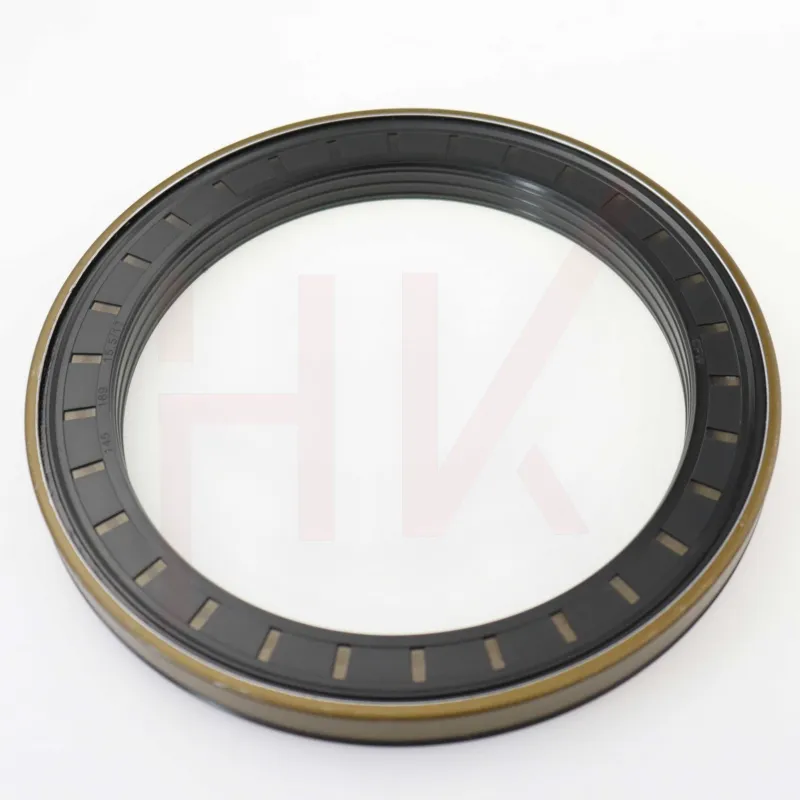
145*189*15.5/17 Cassette Seal NBR Hub Oil Seal 1508044
-
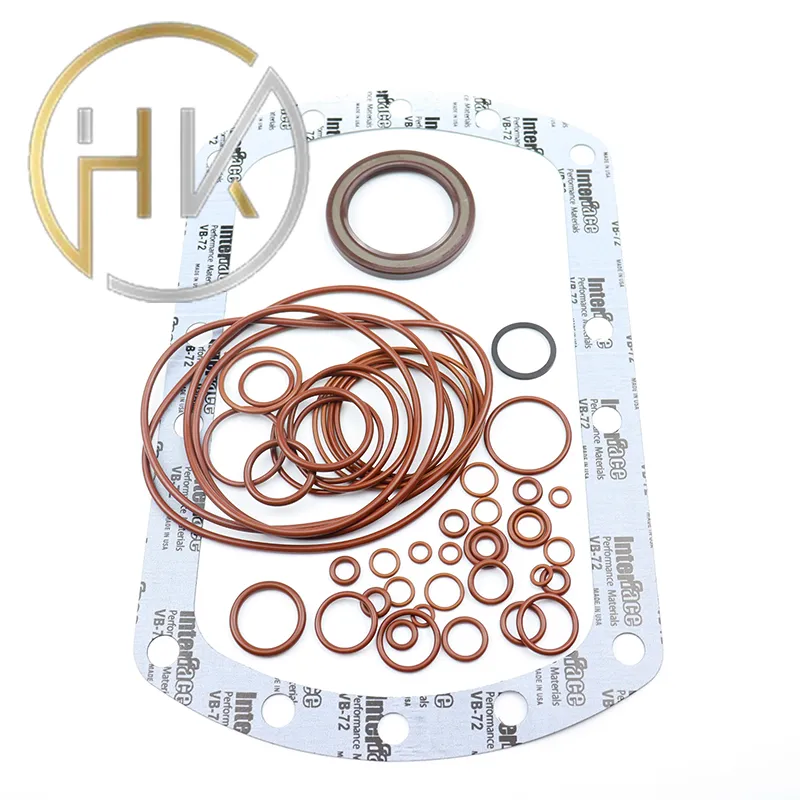
Factory direct sales hydraulic pump motor seal kit A8VO140
-
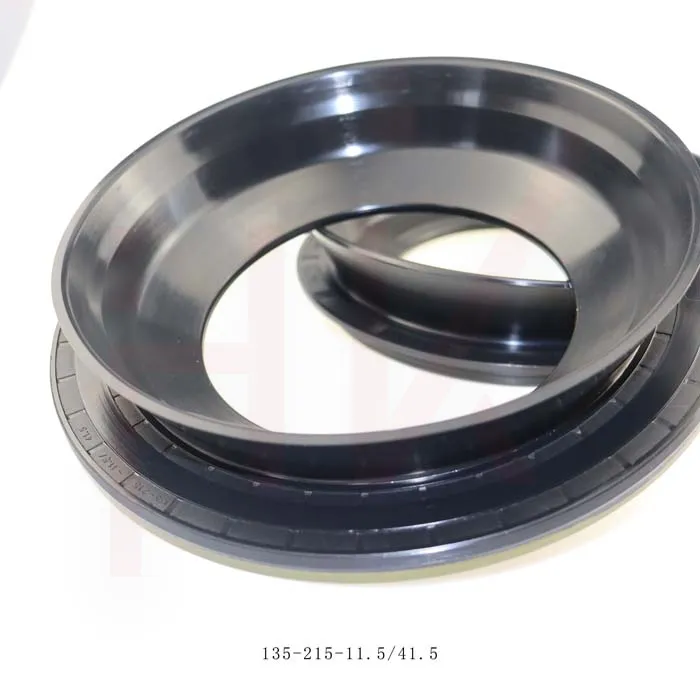
Brand new cement tanker oil seal 135*215*11.5/41.5 concrete mixer oil seal
-
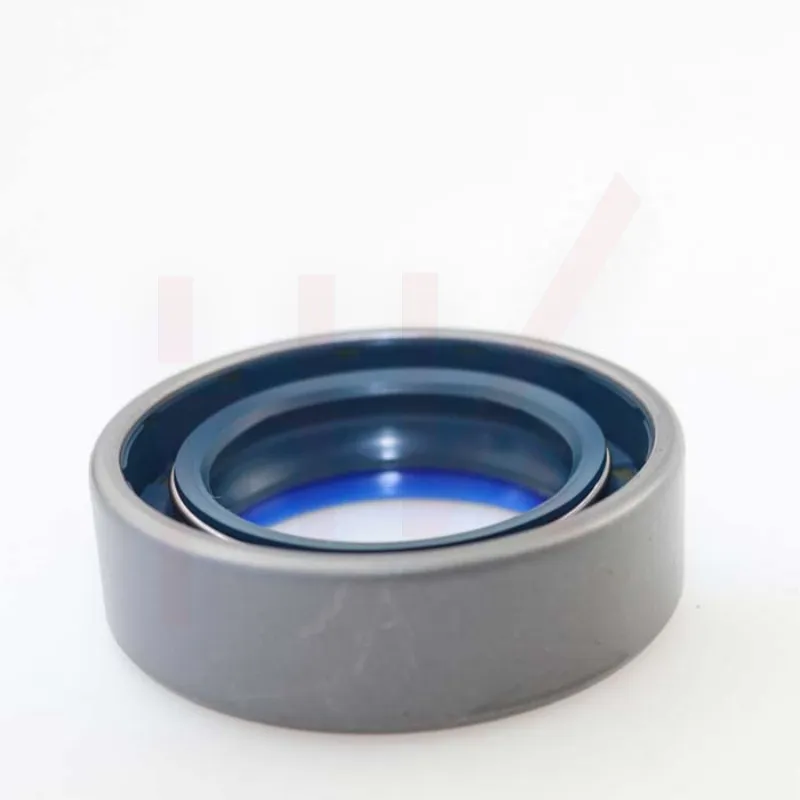
45*65*15 Combi oil seal JCB 90450009 COMBI SF1 SEAL
-
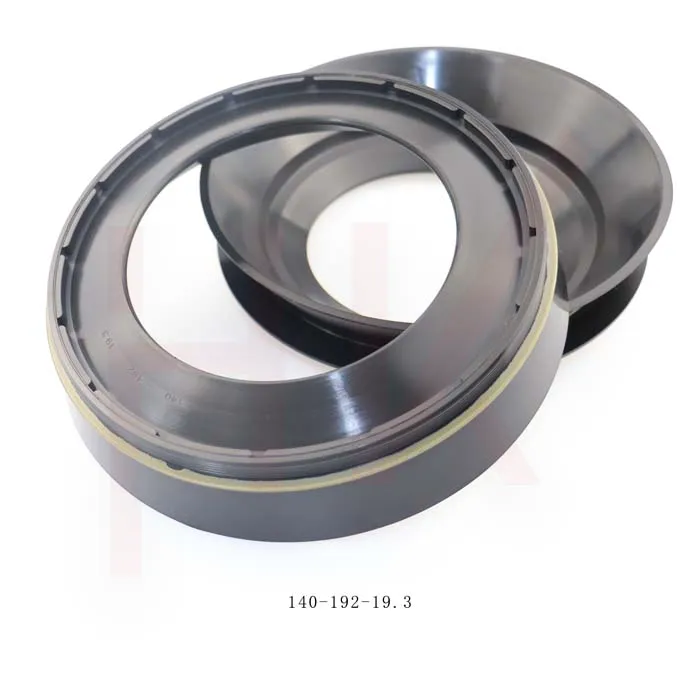
Gear box concrete mixer oil seal 140*192*19.3 nbr reducer oil seal
-
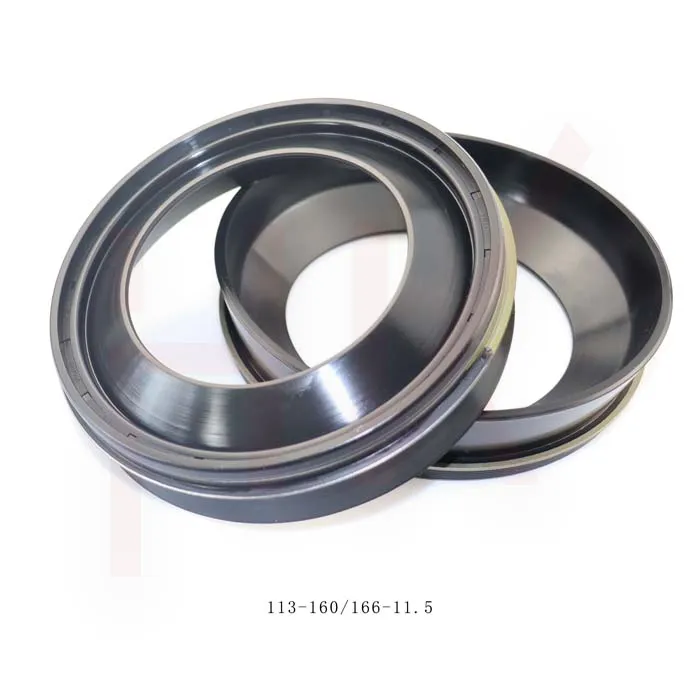
Seals factory direct sales 113*160/166*11.5/38 excavator truck reducer oil seal