
Dec . 02, 2025 14:46 Back to list
What Is a Single Lip Oil Seal? Industrial Uses, Benefits & Future Trends
Understanding Single Lip Oil Seal: Why It Matters in Industry Today
If you've ever peeked inside an engine or a gearbox, chances are you’ve seen something that sounds a bit mysterious but is actually quite essential: the single lip oil seal. This cleverly designed component may seem small, but it plays a big role in keeping machinery running smoothly by preventing oil leaks and contamination. Globally, industries from automotive to manufacturing rely on these seals with tens of millions shipped yearly to keep equipment reliable and safe. Understanding what single lip oil seals do and why they matter can save companies time and money while enhancing the longevity of vital machinery.
Introduction: The Global Significance of Single Lip Oil Seal
Oil seals are somewhat unsung heroes in industrial settings. According to the International Organization for Standardization (ISO), the global industrial sealing market grew steadily by 4–5% annually, reflecting how crucial seals like single lip oil seals have become worldwide. The single lip variation is especially valued in applications where oil containment must be balanced with cost-effectiveness and ease of installation.
Industries face constant challenges with equipment downtime due to seal failures – which can lead to costly leaks and environmental hazards. Rough statistics from the World Bank show that industrial downtime costs companies billions annually. This is where reliable sealing technology, like the single lip oil seal, comes into play. Oddly enough, while they seem simple, these seals often prevent complex and expensive engineering disasters.
What Is a Single Lip Oil Seal?
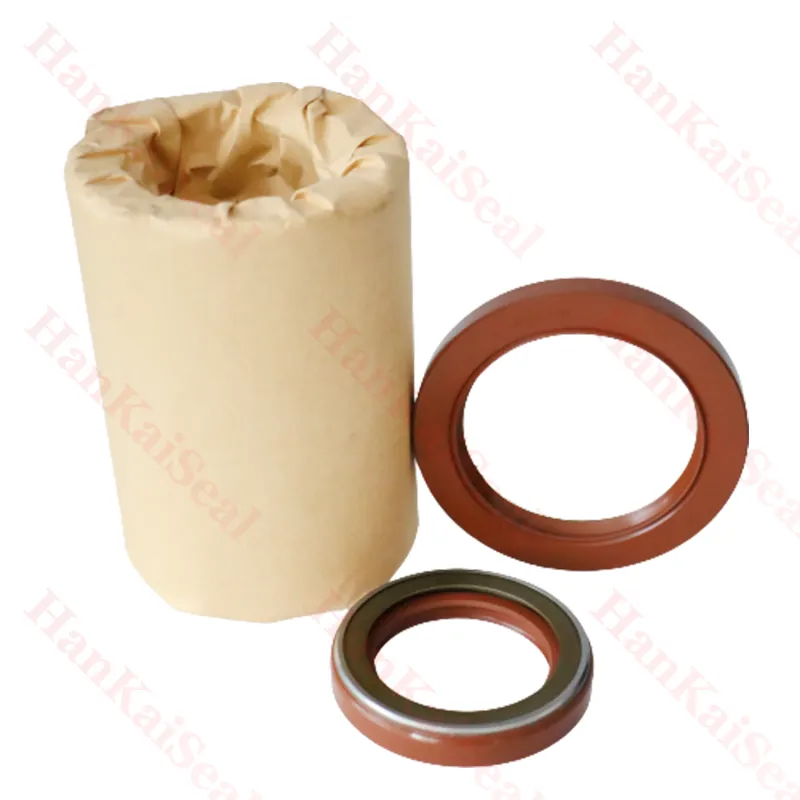
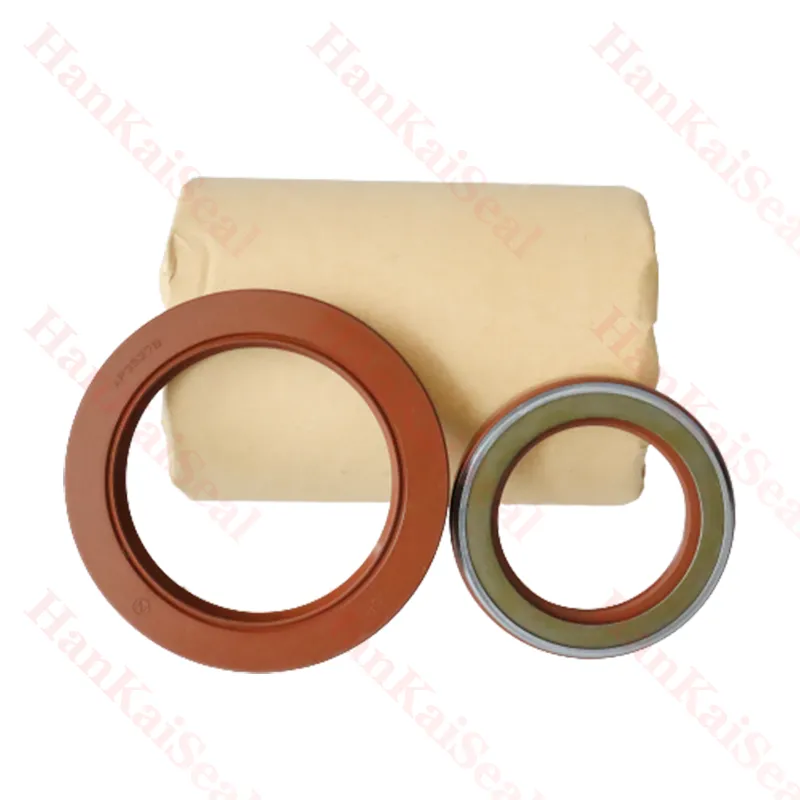
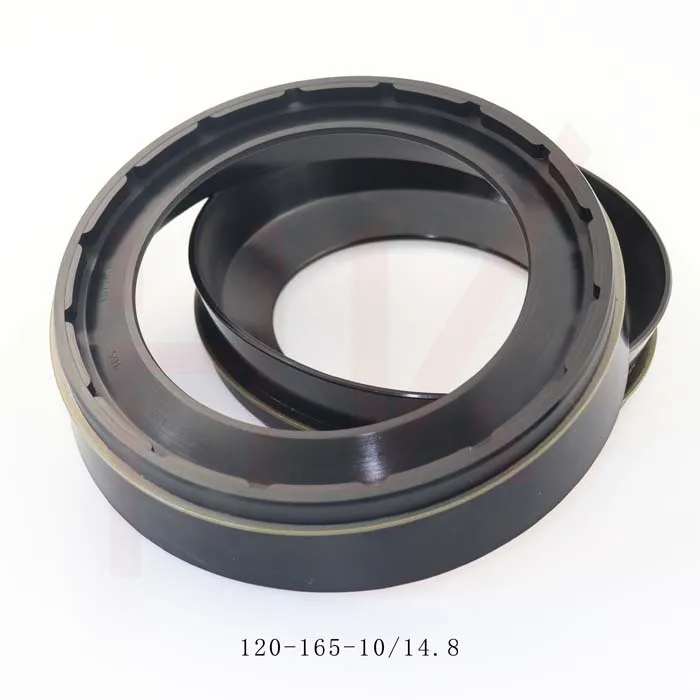
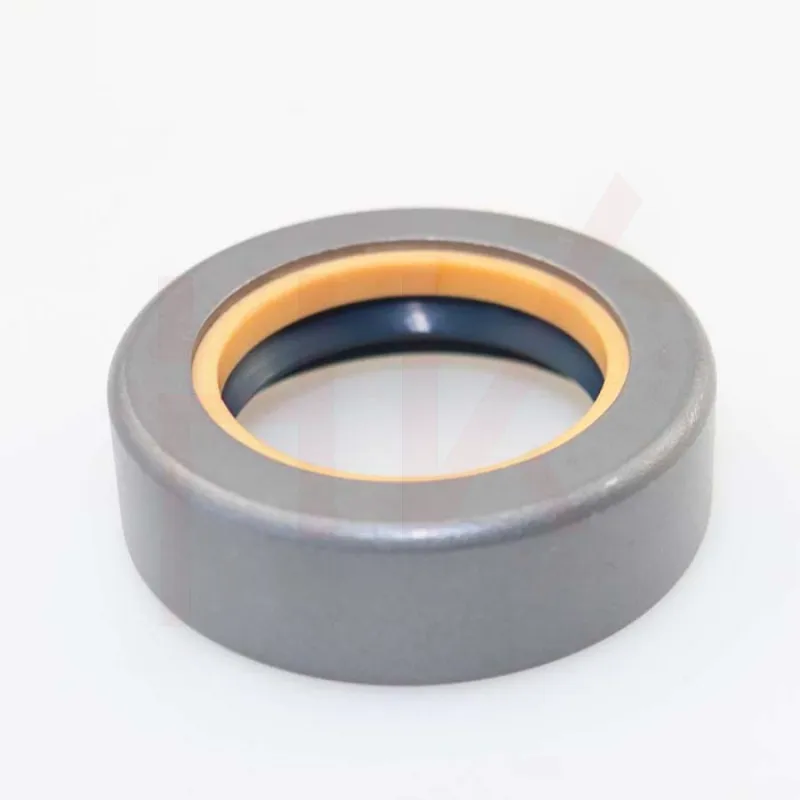
In the simplest terms, a single lip oil seal is a circular component designed to fit tightly around a rotating shaft. Its main job? To prevent lubricant (usually oil) inside the machinery from seeping out while keeping dust, dirt, and moisture from getting in. The “single lip” part means the seal has one sealing surface, which presses against the rotating shaft to create a barrier.
These seals are critical in modern manufacturing, automotive engines, pumps, and heavy machinery. But interestingly, beyond just machines, maintaining proper lubrication and contamination control ensures safety and efficiency — essential for everything from agricultural equipment in Africa to offshore rigs in the North Sea.
Key Features of Single Lip Oil Seals
1. Durability
Single lip oil seals are typically made from high-performance elastomers like nitrile rubber (NBR) or fluoroelastomer (FKM). These materials resist heat, oil, and wear, which means they can last for thousands of operating hours without failure. Durability is crucial because replacing a seal during an unplanned shutdown can be costly and time-consuming.
2. Cost Efficiency
Compared to double lip or multi-lip seals, the single lip design is simpler and cheaper to manufacture. It strikes the right balance for many standard applications, especially where protection against heavy dust or dirt is less critical. This makes single lip seals a favorite across several industries where budgets are tight, but reliability is non-negotiable.
3. Ease of Installation
Because they have a straightforward design, technicians find single lip oil seals relatively easy to install or replace. Often, they come with a metal outer casing to help press-fit the seal into housing without deformation.
4. Versatility
Single lip oil seals work in various industries such as automotive, agricultural machinery, and manufacturing plants. Whether used in low-speed pumps or moderate-speed transmissions, their adaptability is a key factor in their widespread use.
5. Environmental Resistance
Materials used in these seals can withstand exposure to common contaminants and temperature fluctuations, making them suitable for outdoor or harsh industrial environments.
Product Specifications: A Typical Single Lip Oil Seal
| Specification | Detail |
|---|---|
| Material | Nitrile Rubber (NBR) / Fluoroelastomer (FKM) |
| Operating Temperature | -40°C to 120°C (NBR), up to 200°C (FKM) |
| Shaft Speed | Up to 10 m/s |
| Housing Fit | Press-fit with metal case |
| Lip Design | Single sealing lip with spring energizer |
Global Applications & Use Cases
Single lip oil seals find themselves deep inside all sorts of machinery globally. For example:
- Automotive Industry: Used extensively in engines and transmissions to keep lubricants inside and contaminants out.
- Agricultural Machinery: In challenging soil conditions and extreme weather, these seals prevent dirt and moisture from compromising performance.
- Manufacturing Plants: Conveyor gearboxes rely on reliable seals to minimize downtime.
- Energy Sector: Pumps and turbines in oil fields utilize these seals for efficient operation.
In post-disaster relief operations, well-maintained equipment using reliable oil seals means vital machinery can work longer under stress—supporting rebuilding efforts or clean water supply systems.
Advantages & Long-Term Value
The benefits here are both obvious and subtle. Frankly, single lip oil seals help companies save on repair costs, reduce downtime, and extend machine lifespan, which in turn boosts productivity. There's also an environmental angle: by preventing leaks, they reduce pollution and waste.
From a human perspective, reliable machinery supported by durable oil seals improves safety for operators who can trust their equipment to perform without sudden failure. There's an underlying dignity in that—being confident your tools won’t betray you mid-shift. Innovation-wise, manufacturers are constantly fine-tuning these seals’ materials to meet evolving demands.
Vendor Comparison Table
| Vendor | Material Options | Temperature Range | Price Range (per unit) | Typical Applications |
|---|---|---|---|---|
| HKA ISeal | NBR, FKM | -40°C to 200°C | $1.20 - $3.50 | Automotive, Industrial |
| SealTech Co. | NBR, Silicone | -30°C to 150°C | $0.90 - $2.80 | Agricultural, General Purpose |
| Global Sealworks | FKM, EPDM | -50°C to 220°C | $1.50 - $4.00 | Energy, Heavy Industry |
Exploring Future Trends & Innovations
Technology marches on, and so do oil seals. Green energy sectors like wind turbines push seals to perform under more intense conditions, higher speeds, and greater environmental demands. There's a growing trend toward composite materials that reduce friction and improve seal life, while digital sensors embedded near sealing surfaces promise predictive maintenance capabilities in the near future.
Moreover, the global push for sustainability nudges manufacturers towards biodegradable or low-environmental-impact elastomers. This could soon reshape how single lip oil seals are designed and used, especially in regions with strict environmental regulations.
Challenges & Expert Solutions
Despite their robust design, single lip oil seals aren’t perfect. They can struggle with heavy dirt contamination or extreme axial movement. If installed incorrectly, sealing can fail prematurely—so quality control and precision during installation remain key.
Experts often recommend enhancements such as dust lips, or upgrading to multi-lip designs for harsher conditions. Also, new polymer blends and molding technologies minimize common issues like lip distortion or premature wear.
Frequently Asked Questions About Single Lip Oil Seal
- Q: What is the main advantage of a single lip oil seal over multi-lip seals?
A: Single lip oil seals are simpler, more cost-effective, and easier to install, making them ideal for many moderate-duty applications where heavy contamination control isn’t critical. - Q: How can I tell when a single lip oil seal needs replacing?
A: Signs include visible oil leaks, noise from the bearing area, or unexpected temperature rises. Routine inspections are important to catch failures early. - Q: Can single lip oil seals be used in high-speed applications?
A: They are typically suitable for shaft speeds up to around 10 meters per second. For higher speeds, specialized seals are recommended. - Q: Are single lip oil seals compatible with synthetic oils?
A: Yes, but it depends on the elastomer material. For synthetic oils, FKM seals are often preferred due to their superior chemical resistance. - Q: How do environmental factors affect single lip oil seal performance?
A: Extreme temperatures, dust, and corrosive environments can reduce seal lifespan. Selecting appropriate materials and incorporating dust protection features can mitigate this.
Conclusion: The Long-Term Benefits of Single Lip Oil Seal
Single lip oil seals may not be the flashiest components in industrial equipment, but their role is undeniably vital. They combine durability, cost efficiency, and versatility to keep machinery running longer and cleaner, reducing downtime and environmental impact. Whether you operate a sprawling manufacturing plant or maintain agricultural machinery, investing in quality single lip oil seals pays dividends over time.
If you’d like to learn more or find the right seal for your needs, visit our website and explore our range of reliable sealing solutions designed for various industry challenges.
Mini takeaway: The single lip oil seal may be small, but it safeguards vast operations by preventing leaks and contamination — a quiet guardian of industrial reliability.
References
-
Guide to Choosing the Right High Quality hydraulic ram kit
NewsApr.16,2026
-
Premium Hydraulic Cylinder Packing Kits for Peak Performance
NewsApr.09,2026
-
Comprehensive Guide to Hydraulic Cylinder Oil Seal Kits for Optimal Performance
NewsApr.07,2026
-
Comprehensive Guide to Choosing the Right Cylinder Seal Kits for Peak Performance
NewsApr.04,2026
-
Comprehensive Guide to Seal Kits for Cylinders Ensuring Optimal Performance
NewsMar.31,2026
-
Comprehensive Guide to Hyd Cylinder Seals for Optimal Hydraulic System Performance
NewsMar.28,2026
-
Comprehensive Guide to Hyd Cylinder Seal Kit Selection and Installation
NewsMar.26,2026
Products categories
-
Standard oil seal BP0494 High pressure TCN oil seal
-
Hydraulic pump seal AP4624G high pressure TCN oil seal
-
0734307418 0750112169 120*165*10/14.8 concrete mixer reducer oil seal
-
35*52*16 Standard Wheel Hub Oil Seal For Agricultural Machinery
-
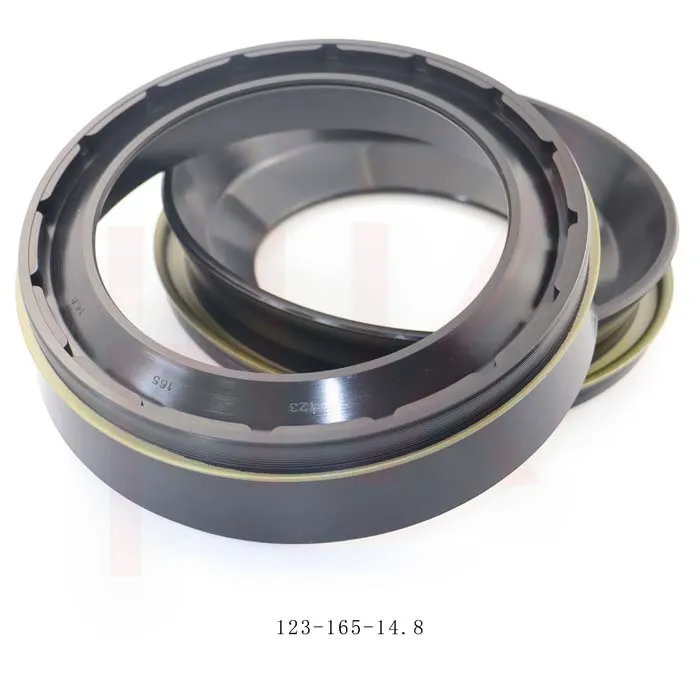
123*165*14.8 concrete mixer truck reducer oil seal
-
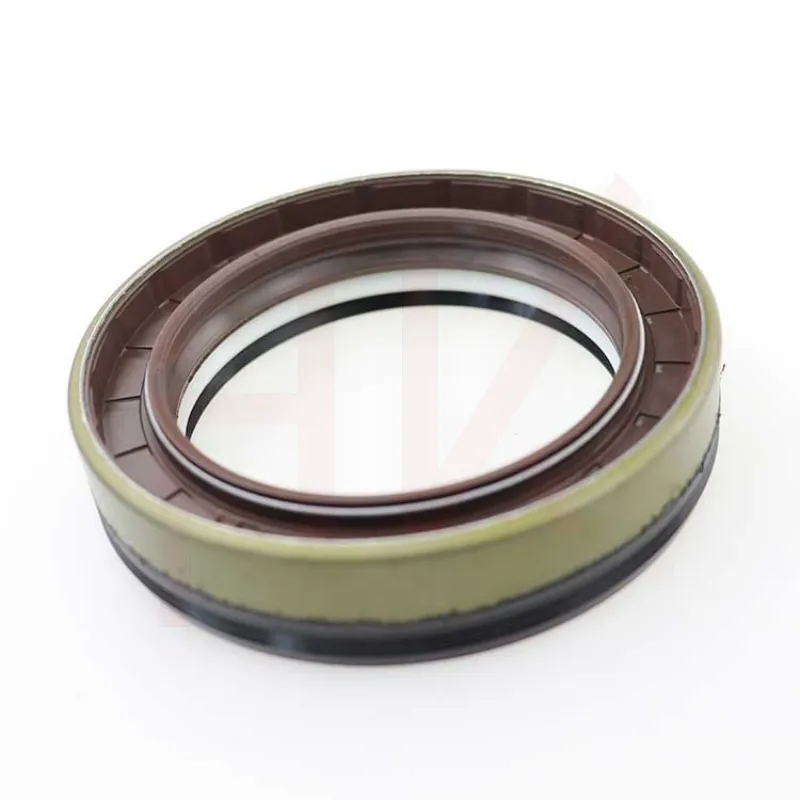
Tractor shaft oil seal 65-90-20 COMBI SF19 hub oil seal
-
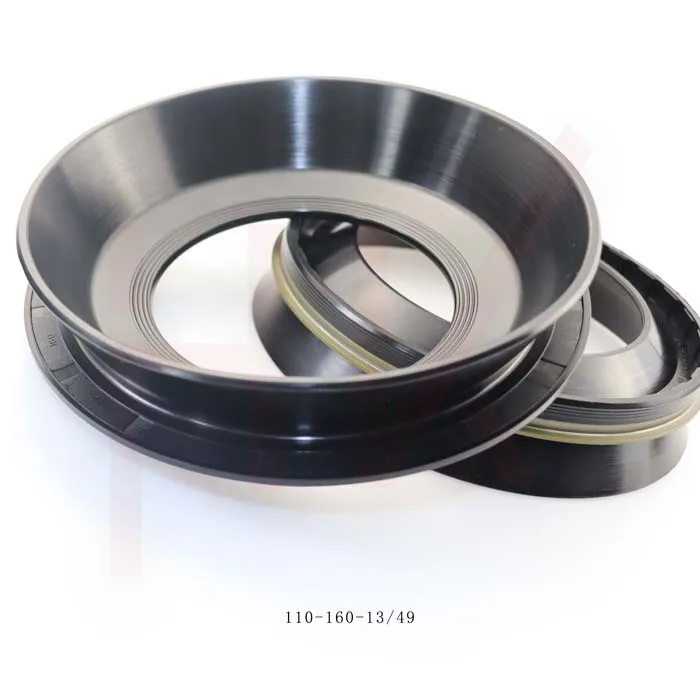
110*160*13/49 NBR reducerConcrete mixer truck oil seal
-
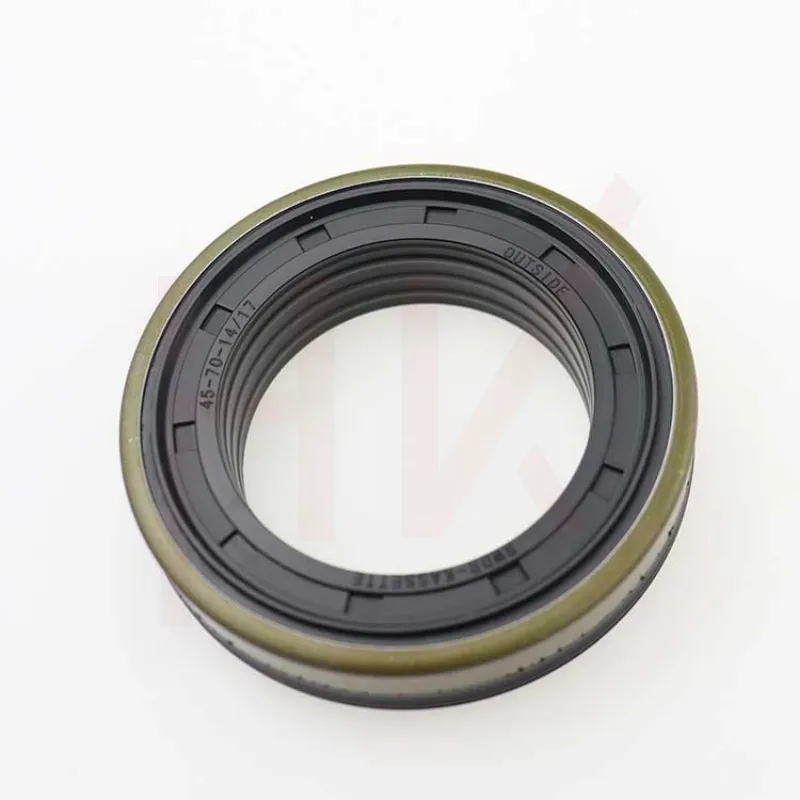
Hub oil seal 40*65*13/14.5 suitable for tractor Cat 12018035b
-
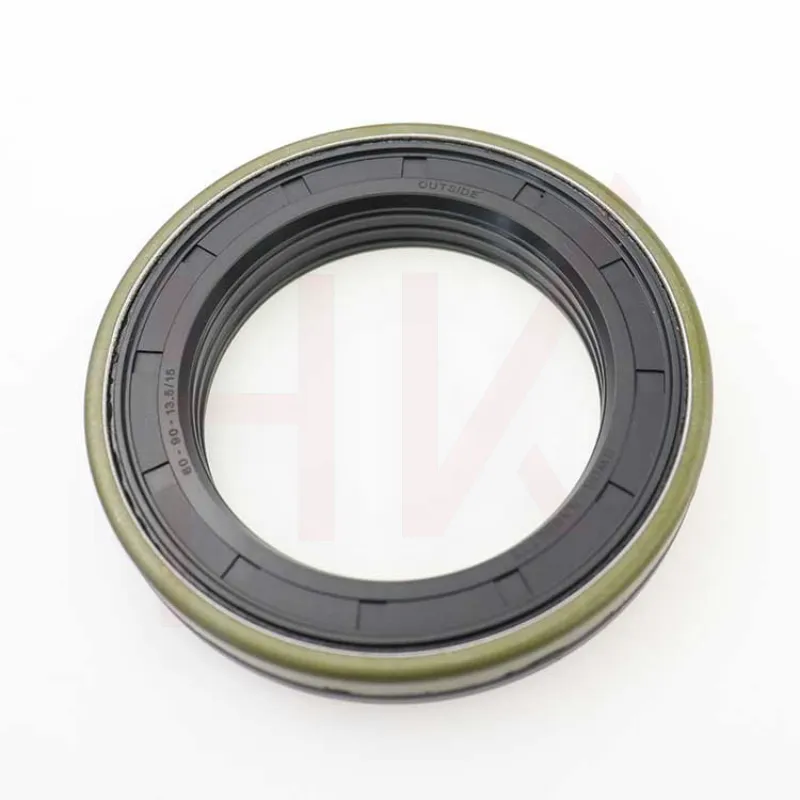
Tractor accessories cassette oil seal hub oil seal 60-90-13.5/15
-
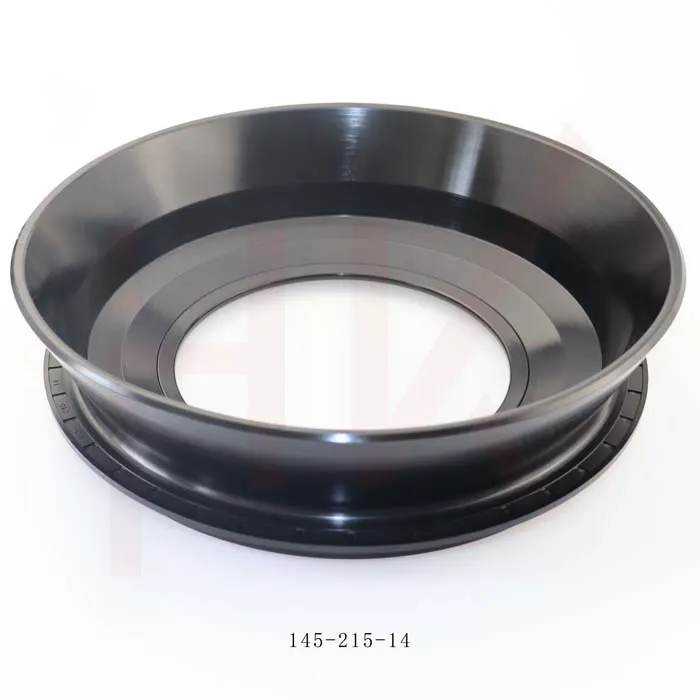
Factory concrete mixer truck oil seal 145*215*14 reducer gearbox oil seal
-
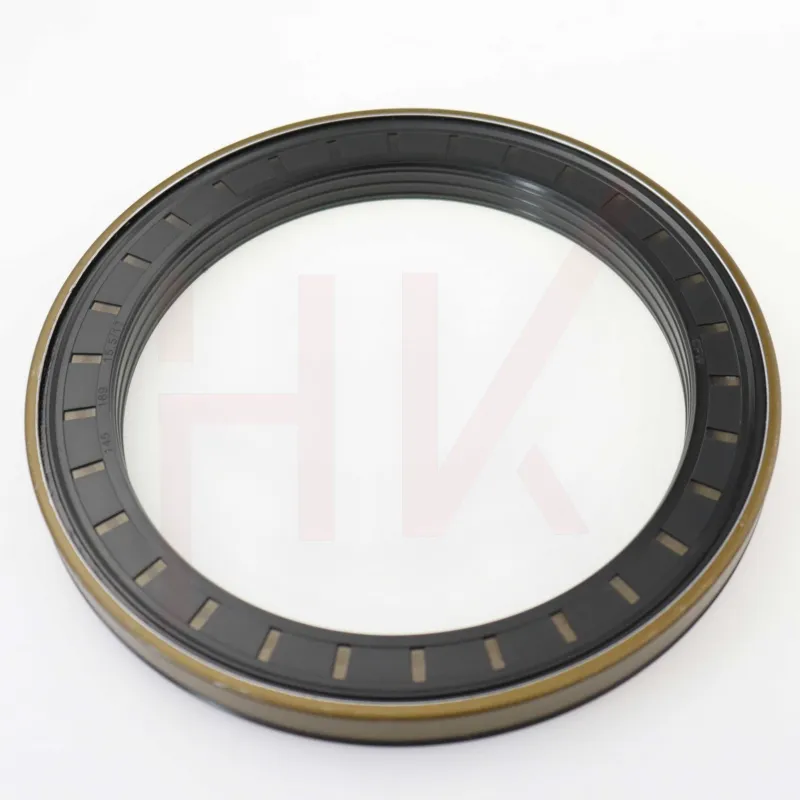
145*189*15.5/17 Cassette Seal NBR Hub Oil Seal 1508044
-
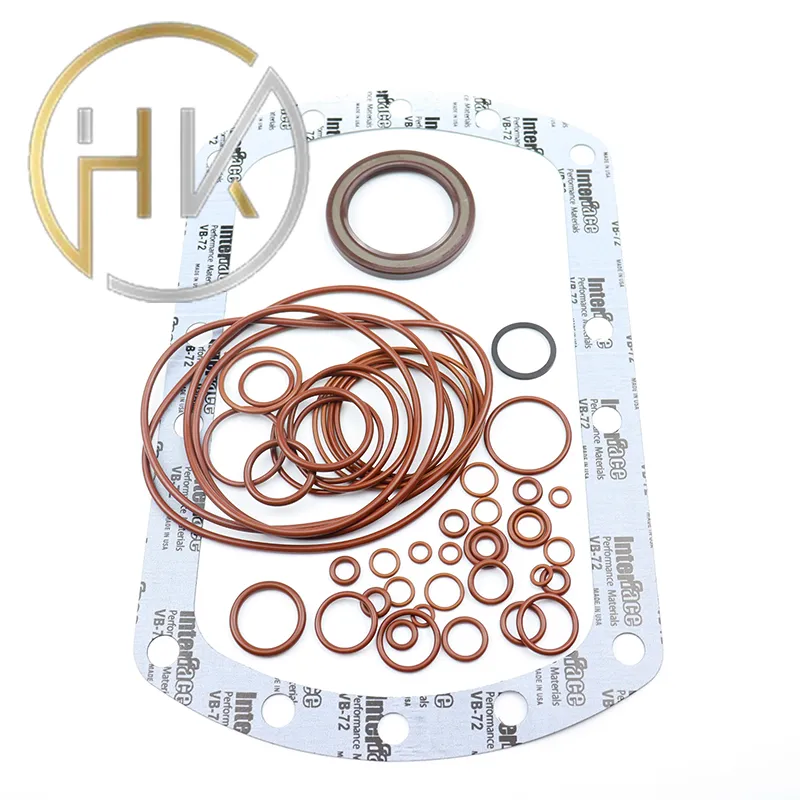
Factory direct sales hydraulic pump motor seal kit A8VO140
-
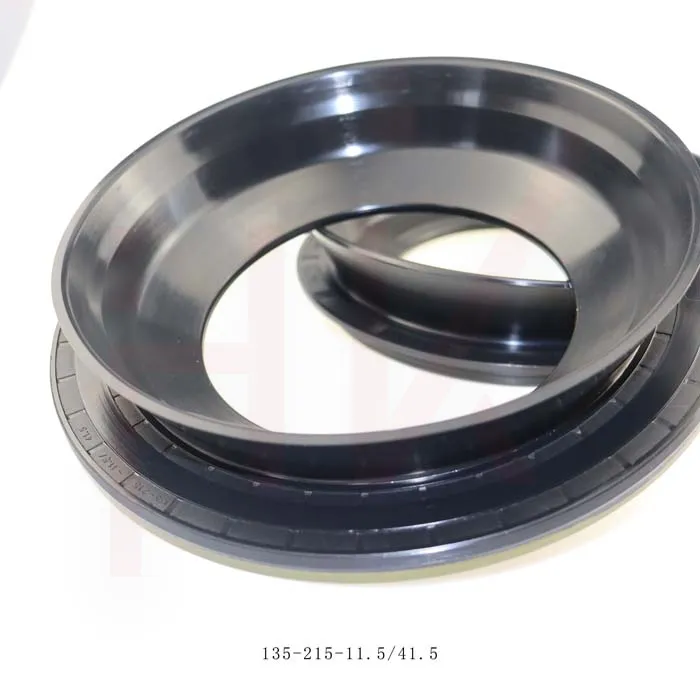
Brand new cement tanker oil seal 135*215*11.5/41.5 concrete mixer oil seal
-
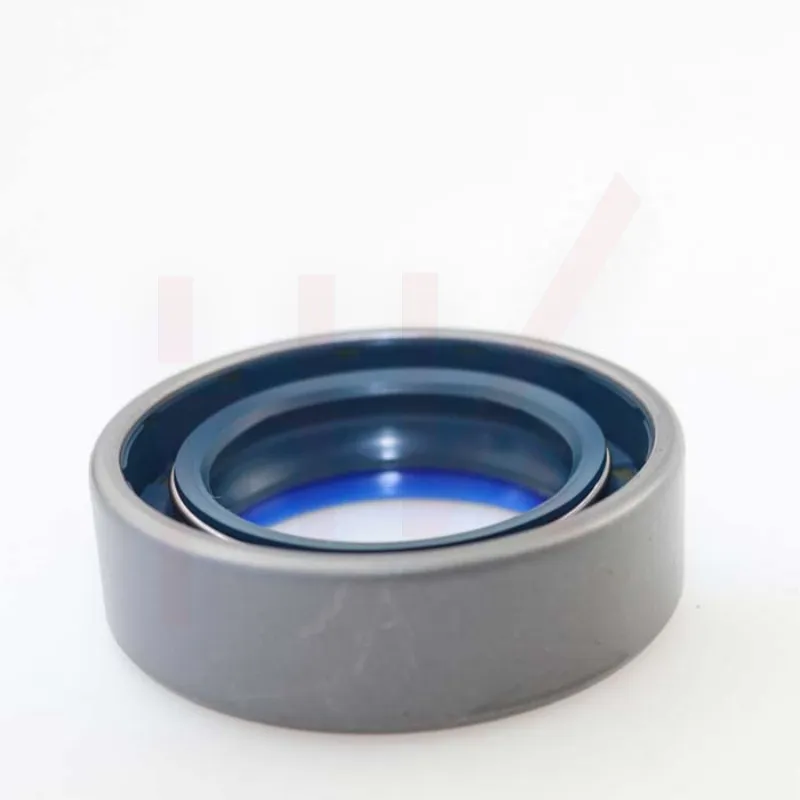
45*65*15 Combi oil seal JCB 90450009 COMBI SF1 SEAL
-
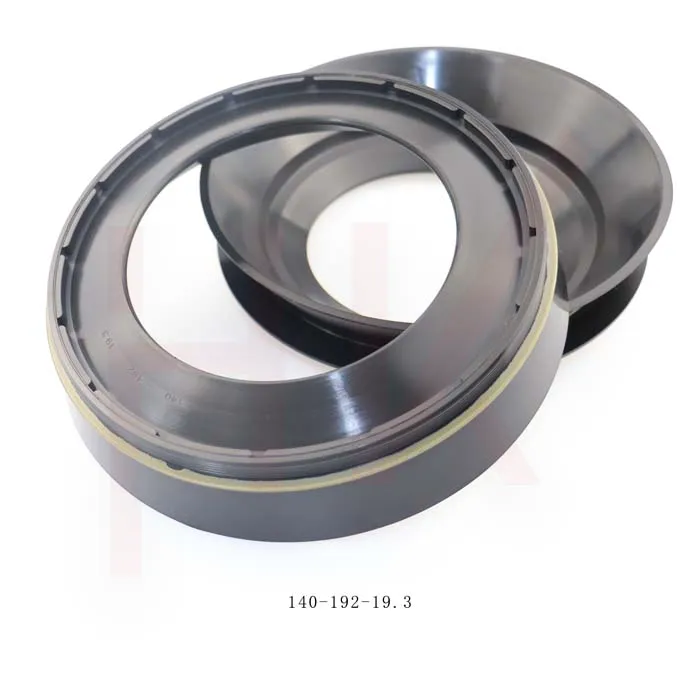
Gear box concrete mixer oil seal 140*192*19.3 nbr reducer oil seal
-
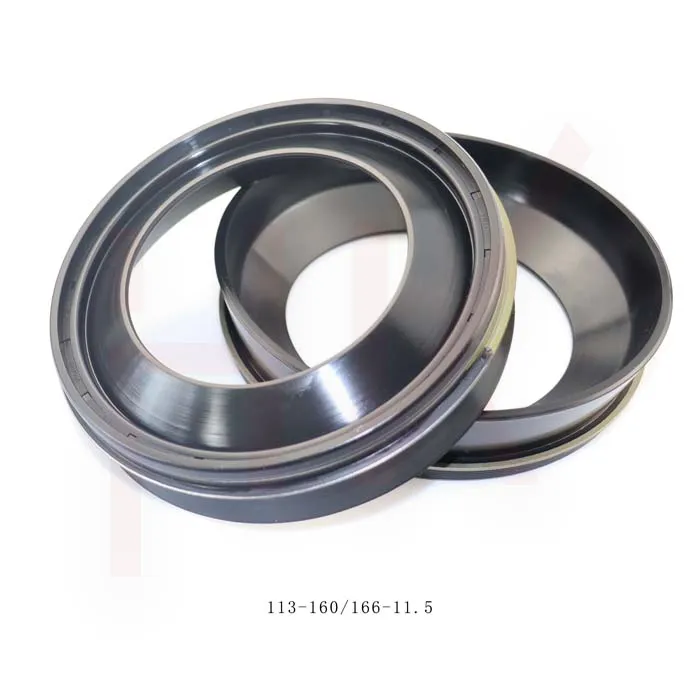
Seals factory direct sales 113*160/166*11.5/38 excavator truck reducer oil seal