Dec . 01, 2025 10:10 Back to list
High-Quality Rubber Seal Kits for Durable Industrial Solutions | HKA Iseal
Why the Rubber Seal Kit Matters in a Connected World
Before we dive into the nuts and bolts, let's talk about what a rubber seal kit really is and why it feels like it's quietly holding together so many critical systems worldwide. In a nutshell, it’s a collection of sealing components made predominantly from rubber or elastomeric materials – designed to keep moisture, dust, and contaminants out, while locking in essential liquids or gases. You find them in everything from automotive engines sealing fluid chambers, to industrial machinery, pipelines, and even in humanitarian aid kits for equipment maintenance under tough conditions.
Now, why does it matter globally? For starters, leakage or contamination in industrial equipment can cause billions in losses annually. The World Bank estimates that industrial inefficiency and waste due to poor maintenance and inferior seals cost developing economies significantly in lost productivity. Meanwhile, high-quality rubber seal kits can noticeably increase equipment lifespan, reduce maintenance costs, and improve safety standards.
Understanding these humble yet critical parts offers industries—from manufacturing hubs in Germany to oil platforms off the coasts of Angola—a chance to leapfrog inefficiencies and push forward more sustainable, reliable operations.
Mini takeaway: A rubber seal kit isn't just a random set of gaskets or O-rings. It’s a cornerstone for machinery reliability, global industrial efficiency, and even emergency preparedness around the world.
Putting It Simply: What Exactly Is a Rubber Seal Kit?
Simply put, a rubber seal kit is a package of pre-selected sealing components made from flexible elastomers — often natural or synthetic rubber. These kits are designed to fit particular machinery or systems, making sure tight seals are in place to prevent leaks of oil, air, water, or other fluids. Think of them as a surgeon’s kit for machines, providing everything needed to restore or maintain a system’s integrity.
These kits have come a long way in recent decades, keeping pace with advancements in materials science and environmental regulations. They intersect with modern industrial needs, where machines must remain operational in varied climates, pressures, and chemical exposures. Humanitarian and disaster relief efforts, for example, rely on these kits to keep critical pumps and generators running—even in remote areas where failure simply isn’t an option.
What Makes a Rubber Seal Kit Tick? Key Components & Factors
Durability
The rubber compounds chosen need to resist not only physical wear and tear but temperature extremes (from Arctic cold to desert heat), and chemical degradation from oils, fuels, and solvents. For engineers, that means carefully selecting materials—like Nitrile, Viton, or Silicone—each suited to a specific environment.
Precision & Scalability
Kits must match the specifications of machines with tight tolerances. In manufacturing, even tiny variances in seal size can cause inefficiencies or failures. The beauty here is scalability: a rubber seal kit can be customized for small automotive repairs or large-scale industrial applications alike.
Cost Efficiency
Seals reduce downtime and avoid costly replacements. While some premium materials might seem expensive upfront, the longevity and performance they offer often translate to lower overall operating costs. It’s a classic case of spending smart to save more.
Environmental Compatibility
With tightening environmental regulations worldwide (ISO standards included), seals must avoid contaminating ecosystems if they fail. Biodegradable compounds or lower-emission manufacturing methods are trending strongly.
Ease of Installation & Maintenance
Field engineers appreciate kits that are straightforward to install without specialized tools. Many manufacturers now design kits with easy-to-follow guides, which cuts the time machines spend offline.
Mini takeaway: The magic in a rubber seal kit lies in balancing material science, precise engineering, and practical installation—all to keep machines humming reliably across the globe.
Rubber Seal Kit in Action: Real-World Applications Around the Globe
Cases like post-tsunami infrastructure recovery in Southeast Asia highlight how essential these kits are. When temporary water pumps or power generators need quick service, ready-to-use rubber seal kits speed up repairs—critical in reducing downtime for affected communities.
In heavy industry regions like the Ruhr Valley in Germany or the Gulf Coast of the U.S., seal kits are routine maintenance staples, ensuring petrochemical plants, conveyor systems, or HVAC units run efficiently.
Even in remote mining operations in Australia or South Africa, where replacement parts are a logistical challenge, on-site rubber seal kits prevent costly machinery stalls.
| Specification | Value | Notes |
|---|---|---|
| Material Types | Nitrile, Viton, Silicone, EPDM | Chosen per environment |
| Temperature Range | -40°C to +250°C | Depends on seal material |
| Typical Sizes | O-rings: 5mm–100mm, Gaskets vary | Custom kits available |
| Pressure Resistance | Up to 500 bar | Industry dependent |
| Shelf Life | Up to 5 years | Storage conditions apply |
Mini takeaway: The versatility of the rubber seal kit makes it indispensable, whether you operate a billion-dollar refinery or a small field generator in harsh conditions.
The Lasting Value of Using Quality Rubber Seal Kits
Here’s the thing: using a well-designed seal kit isn’t just about the right fit. It’s the peace of mind—you know machines won’t fail mid-shift, no surprise leaks, or hazardous spills. That reliability translates directly into cost savings, safety improvements, and sometimes even environmental preservation.
The social impact is often overlooked. Reliable equipment means fewer service interruptions in hospitals, water treatment plants, and emergency response scenarios. You’re supporting dignity and safety for communities indirectly, which, honestly, feels like a nice weight to carry for such a small product.
What’s Next? Innovations Shaping Future Rubber Seal Kits
Since sustainability is a buzzword that’s more than just noise, many makers of rubber seal kits are experimenting with bio-based elastomers and lower-energy manufacturing processes. Some suppliers are integrating IoT sensors within seals to monitor wear in real time—oddly futuristic but pretty neat if you ask me.
Automation and digital processes are also streamlining customization—machines might print or mold seals on-demand, customized to each user’s precise requirements. That not only cuts waste but fast-tracks repairs tremendously.
Common Hurdles and Their Fixes in Rubber Seal Kit Usage
Sure, no product is perfect. Some users complain about compatibility issues when kits include generic parts rather than matching OEM specs. Then there’s the challenge of proper storage—rubber degrades if stored poorly (think: sunlight, ozone).
Suppliers recommend keeping kits in climate-controlled environments and sticking to manufacturer instructions. For tricky usage, expert consultations or on-site training can avoid botched installations.
Frequently Asked Questions About Rubber Seal Kits
- Q: How do I choose the right rubber seal kit for my industrial machine?
- A: Start by identifying your machine model and the operating environment – temperature, pressure, and chemical exposures. Consult datasheets for recommended materials like Nitrile for oils or EPDM for weather resistance. Vendor support can guide you to a compatible kit.
- Q: Can rubber seal kits be reused after one maintenance cycle?
- A: Generally, it’s best practice to replace seals after removal because exposure can compromise elasticity and sealing ability. Reusing seals risks leaks or failures, especially in critical systems.
- Q: Are there environmentally friendly rubber seal kits available?
- A: Yes! Many manufacturers now produce kits with biodegradable elastomers and phasing out harmful additives, aligning with ISO 14000 environmental management standards.
- Q: How long do rubber seal kits remain effective in storage?
- A: Most kits have a shelf life of up to 5 years when stored in cool, dry, and dark conditions. Avoid exposure to UV light and ozone which accelerate material degradation.
- Q: Is it possible to get custom rubber seal kits for specialized applications?
- A: Absolutely. Many suppliers offer bespoke kits tailored to unique machines or environments, combining different materials and sizes to fit specific design requirements.
Vendor Comparison: Choosing the Right Partner Matters
| Vendor | Material Range | Customization | Global Shipping | Typical Lead Time |
|---|---|---|---|---|
| HKA Iseal Co. | Nitrile, Viton, EPDM, Silicone, Fluorosilicone | High, with on-demand custom kits | Yes, worldwide | 5-7 business days |
| SealTech Labs | Standard elastomers only | Limited, stock kits only | Regional (Europe, Asia) | 10-14 days |
| Global Seal Co. | Wide range including eco-friendly options | Moderate, project-based | Worldwide | 7-10 days |
Wrapping Up: Why Investing in a Rubber Seal Kit Is Smart
At the end of the day, nothing comes between a well-oiled machine and the uptime it desperately needs like a quality rubber seal kit. Whether you’re running a container ship engine or maintaining hospital generators, the right seal kit is a minor investment with major returns — safety, reliability, and peace of mind.
Ready to upgrade your maintenance toolkit or evaluate custom solutions? Visit our website: https://www.hkaiseal.com and discover a reliable partner in sealing innovation.
Thanks for sticking with me through this journey — who knew rubber seals could be so... pivotal?
References
-
Guide to Choosing the Right High Quality hydraulic ram kit
NewsApr.16,2026
-
Premium Hydraulic Cylinder Packing Kits for Peak Performance
NewsApr.09,2026
-
Comprehensive Guide to Hydraulic Cylinder Oil Seal Kits for Optimal Performance
NewsApr.07,2026
-
Comprehensive Guide to Choosing the Right Cylinder Seal Kits for Peak Performance
NewsApr.04,2026
-
Comprehensive Guide to Seal Kits for Cylinders Ensuring Optimal Performance
NewsMar.31,2026
-
Comprehensive Guide to Hyd Cylinder Seals for Optimal Hydraulic System Performance
NewsMar.28,2026
-
Comprehensive Guide to Hyd Cylinder Seal Kit Selection and Installation
NewsMar.26,2026
Products categories
-
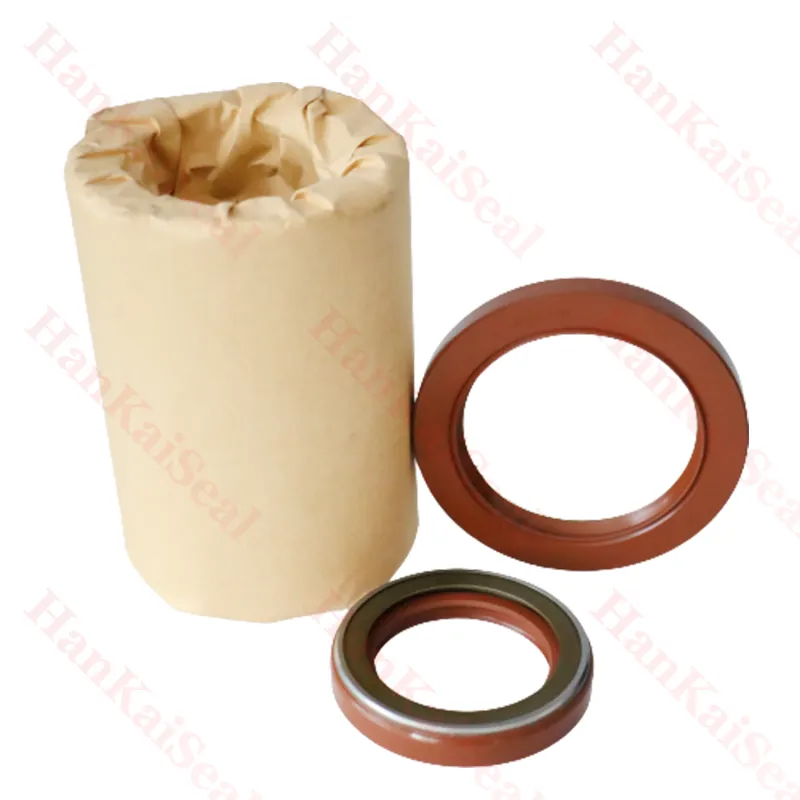
Standard oil seal BP0494 High pressure TCN oil seal
-
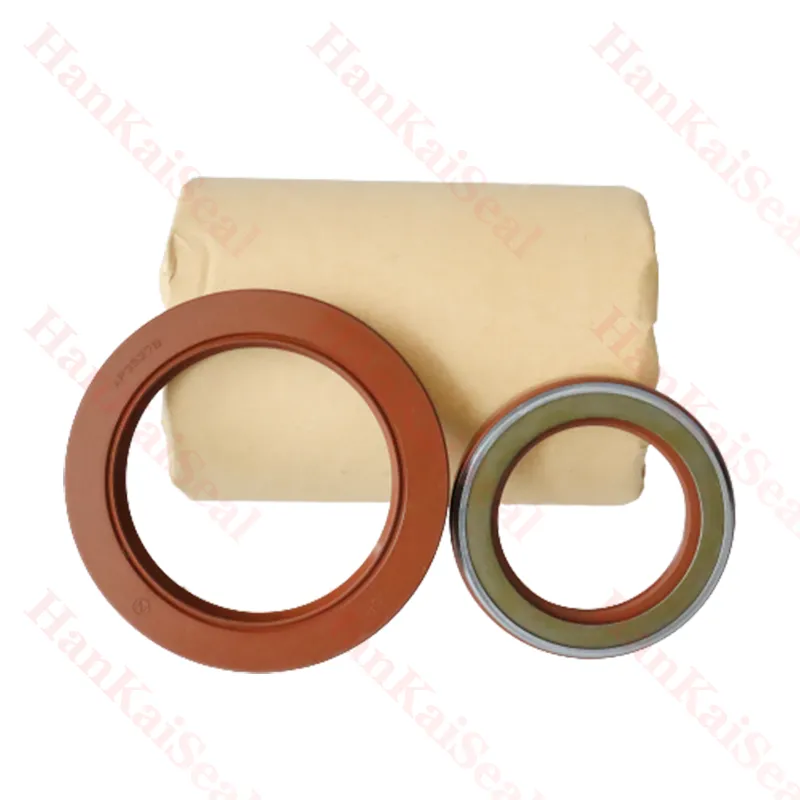
Hydraulic pump seal AP4624G high pressure TCN oil seal
-
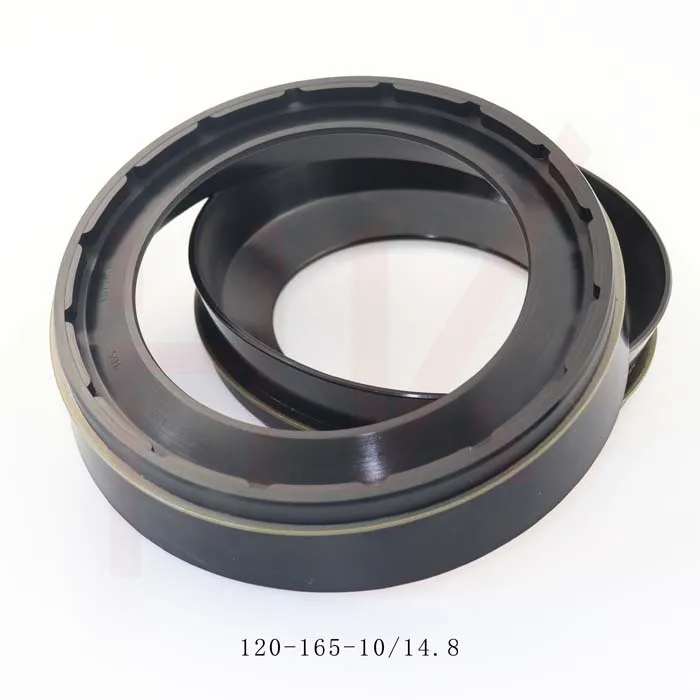
0734307418 0750112169 120*165*10/14.8 concrete mixer reducer oil seal
-
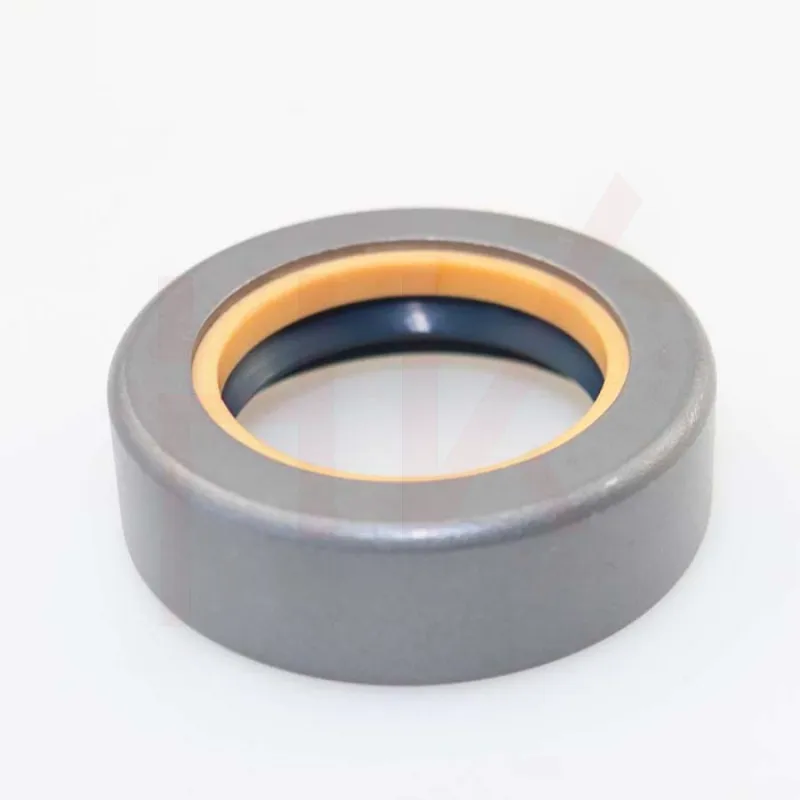
35*52*16 Standard Wheel Hub Oil Seal For Agricultural Machinery
-
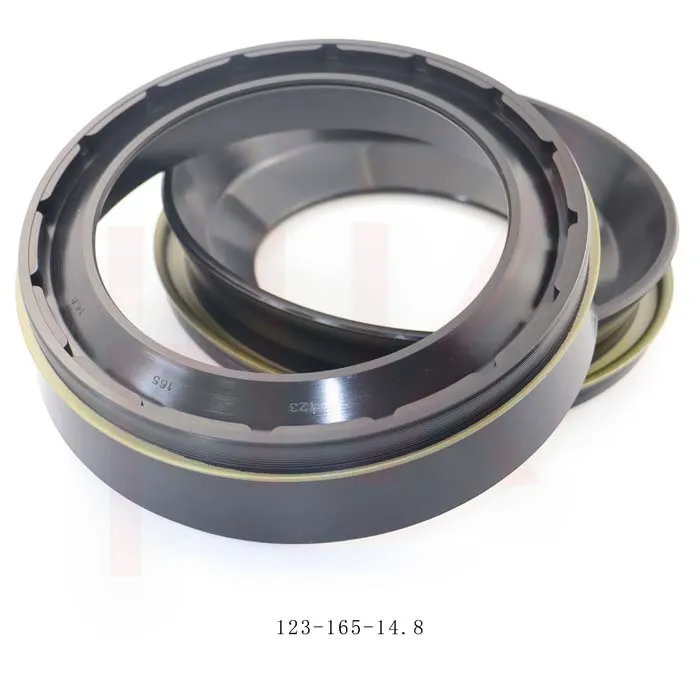
123*165*14.8 concrete mixer truck reducer oil seal
-
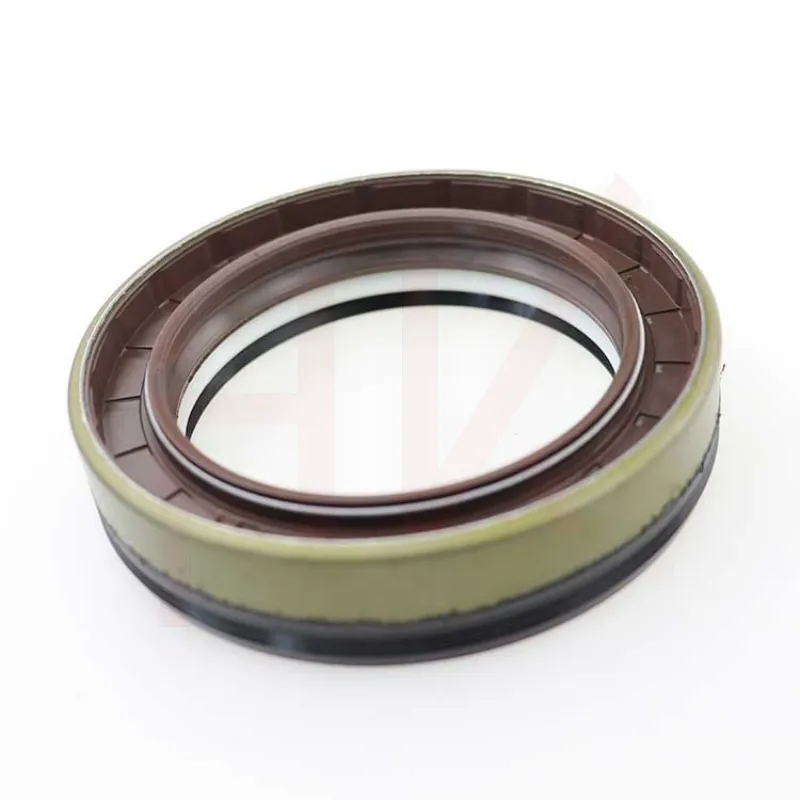
Tractor shaft oil seal 65-90-20 COMBI SF19 hub oil seal
-
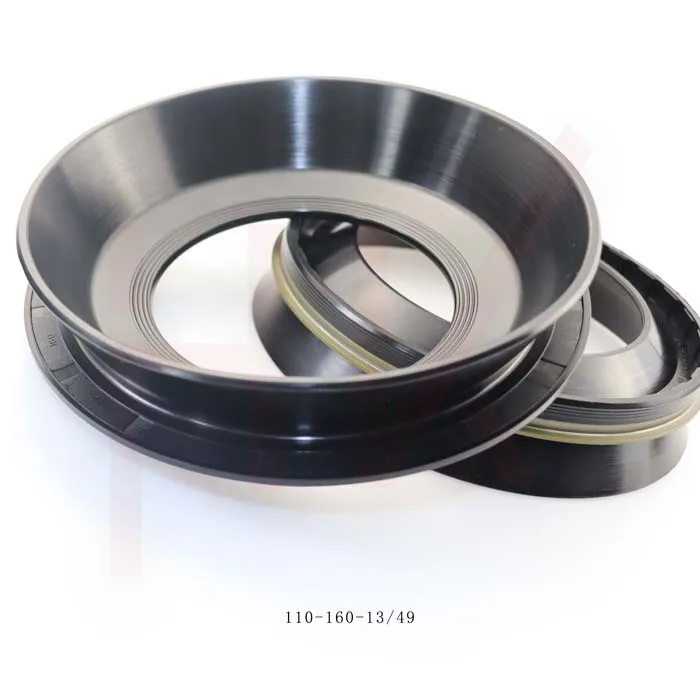
110*160*13/49 NBR reducerConcrete mixer truck oil seal
-
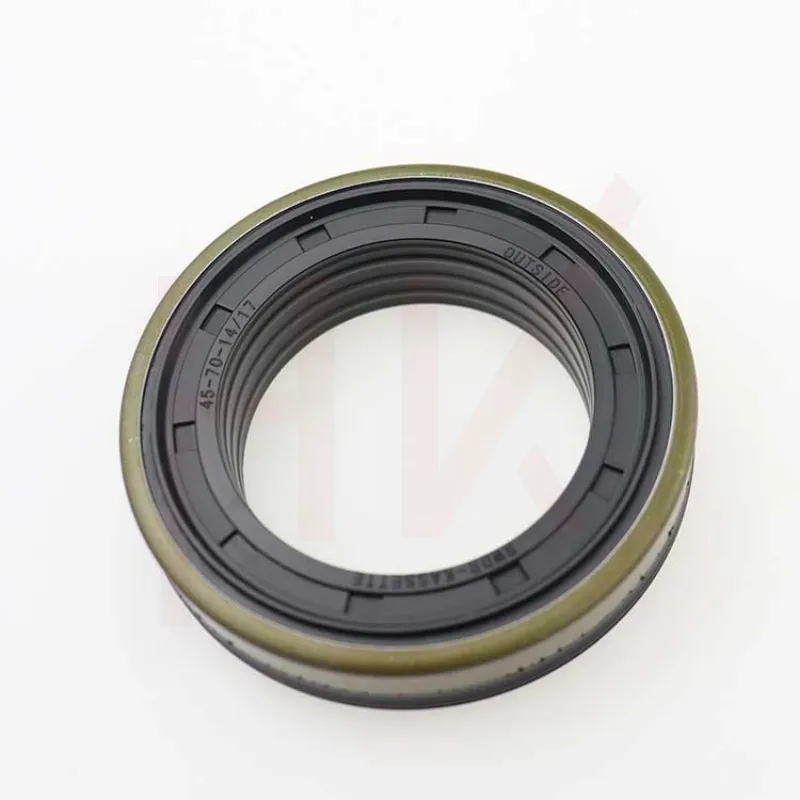
Hub oil seal 40*65*13/14.5 suitable for tractor Cat 12018035b
-
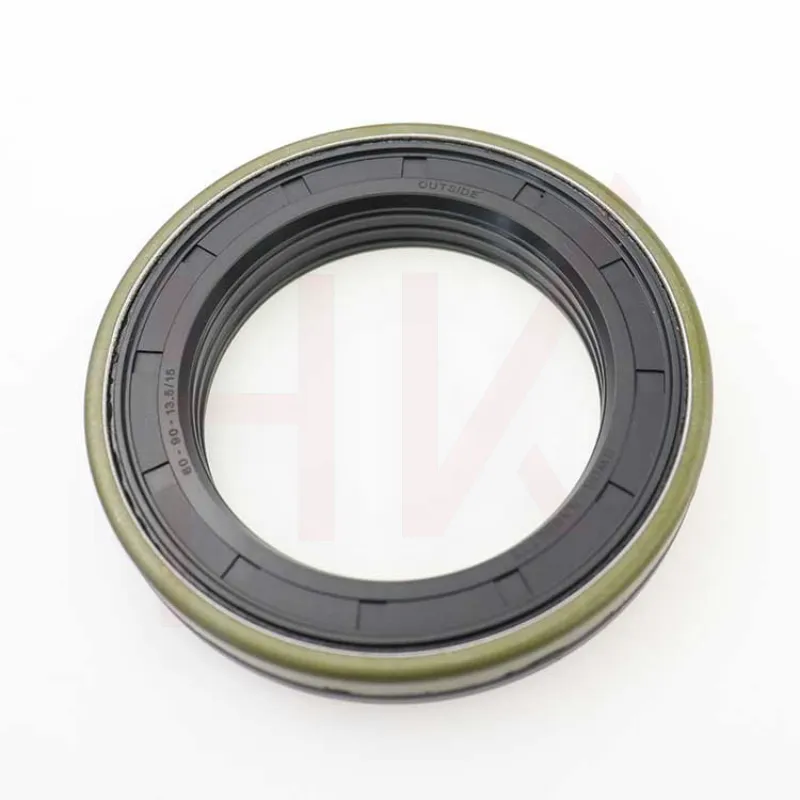
Tractor accessories cassette oil seal hub oil seal 60-90-13.5/15
-
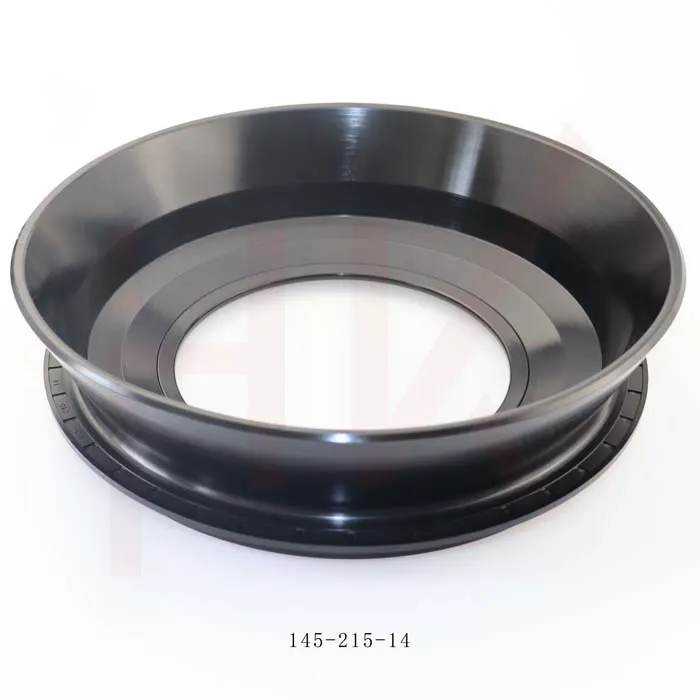
Factory concrete mixer truck oil seal 145*215*14 reducer gearbox oil seal
-
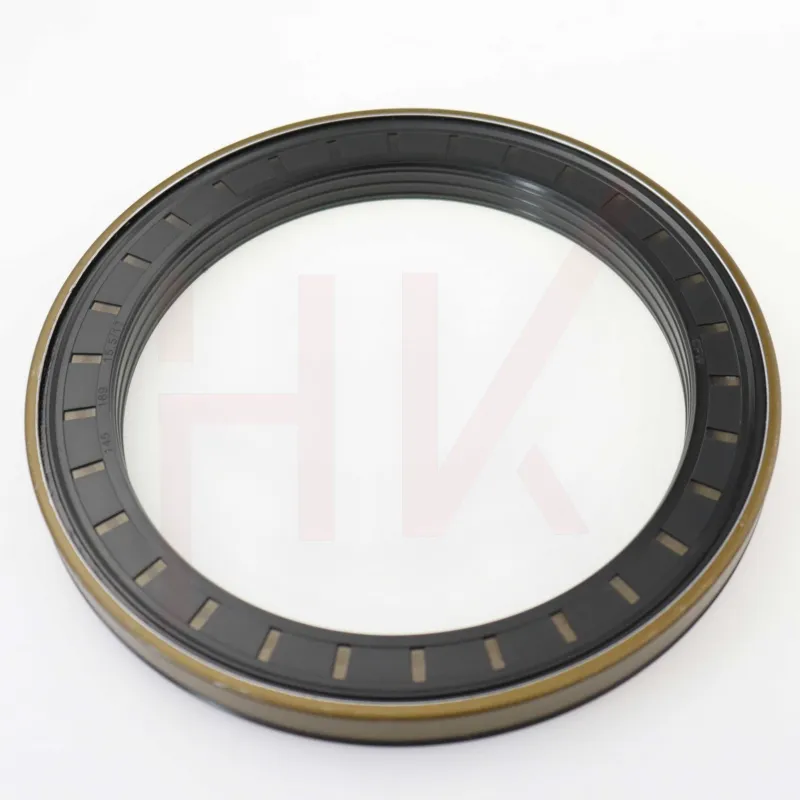
145*189*15.5/17 Cassette Seal NBR Hub Oil Seal 1508044
-
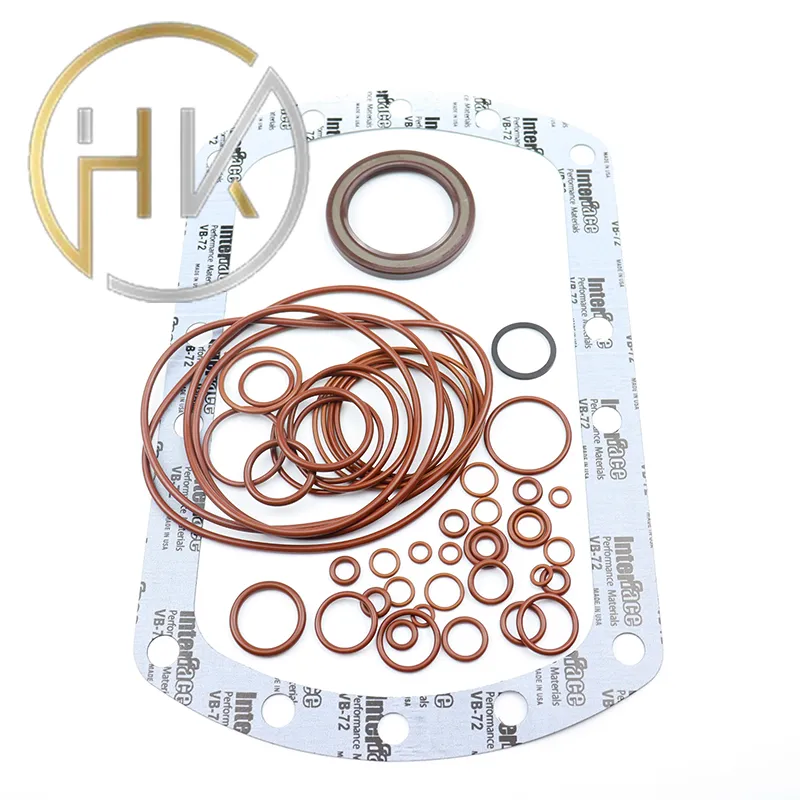
Factory direct sales hydraulic pump motor seal kit A8VO140
-
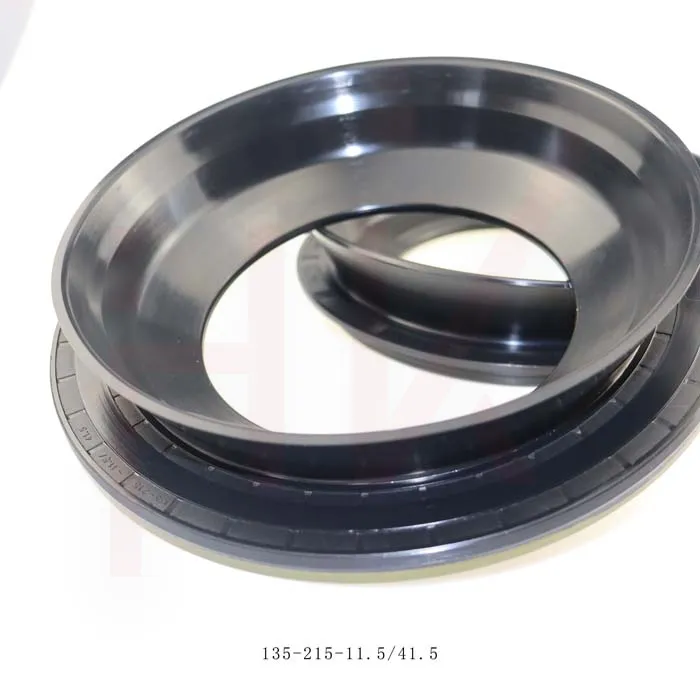
Brand new cement tanker oil seal 135*215*11.5/41.5 concrete mixer oil seal
-
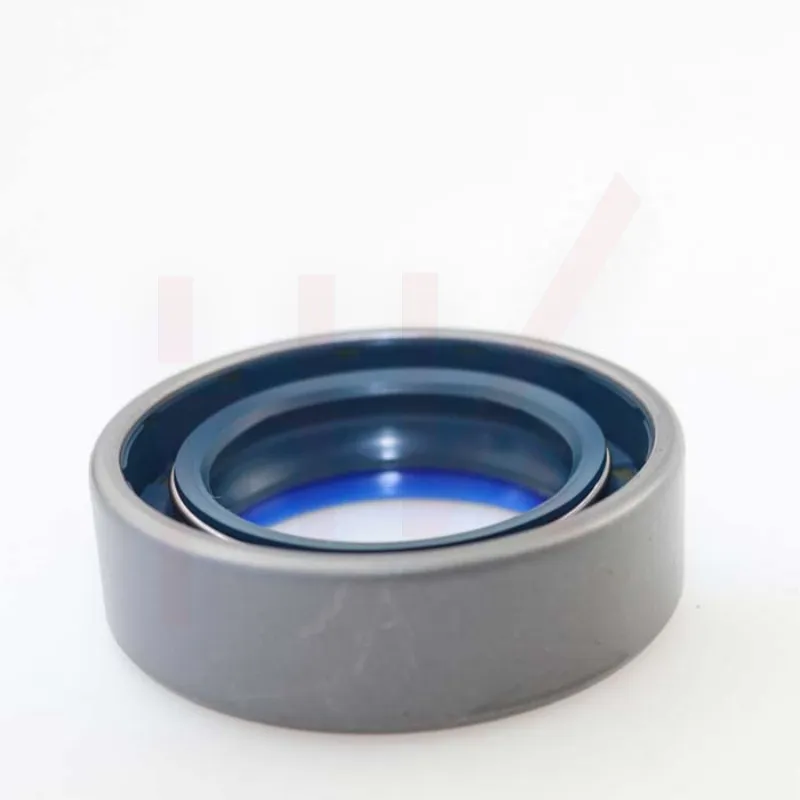
45*65*15 Combi oil seal JCB 90450009 COMBI SF1 SEAL
-
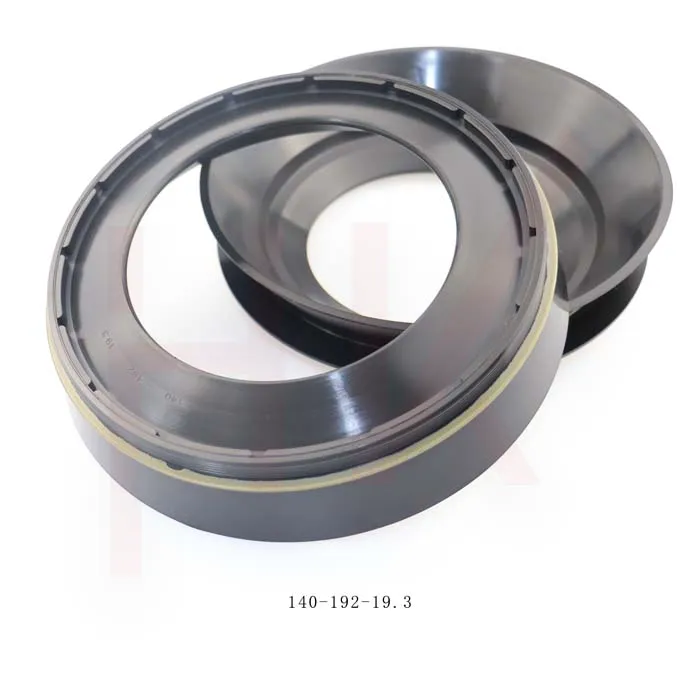
Gear box concrete mixer oil seal 140*192*19.3 nbr reducer oil seal
-
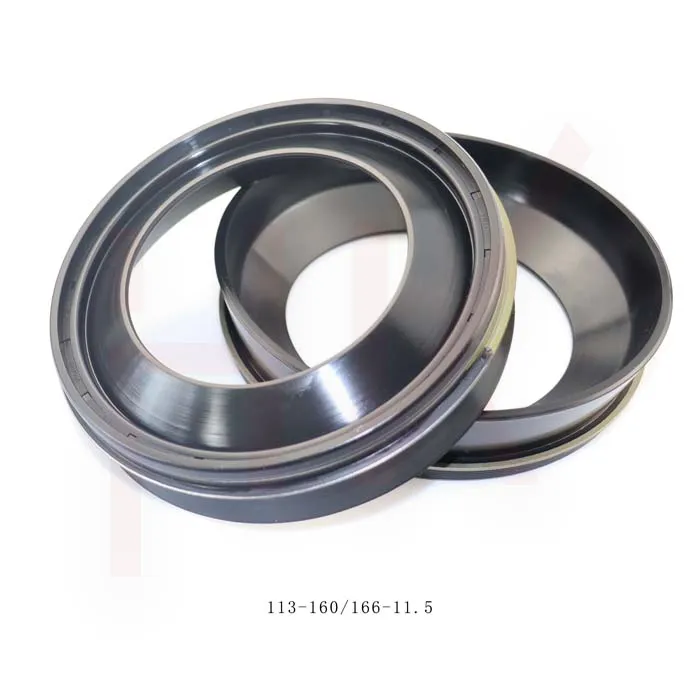
Seals factory direct sales 113*160/166*11.5/38 excavator truck reducer oil seal