Dec . 01, 2025 08:35 Back to list
Understanding Piston Seal Kits: Components, Applications & Benefits
The Essential Guide to Understanding Piston Seal Kits: Why They Matter Worldwide
At first glance, a piston seal kit might sound like a small, almost mundane component in the massive machinery that runs industries worldwide. But its impact? Oh, it’s profound. A piston seal kit is fundamental to the reliability and efficiency of hydraulic and pneumatic systems — found in everything from construction equipment to aerospace tech. Understanding this simple yet complex part helps industries reduce costly downtime, improve safety, and push machinery performance to new heights.
Globally, as industries strive to innovate while cutting emissions and waste, the materials and design improvements in piston seals are quietly assisting this shift. Sometimes innovation lies not in grand inventions but in better seals that prevent leaks and failures. So, why does this matter? Because a tiny problem in sealing can ripple out to huge environmental and economic consequences. Let’s peel back the layers of what piston seal kits truly bring to the table.
Global Context: Why the Piston Seal Kit Is an Industry Backbone
The world’s industrial output is massive — by 2023, the global hydraulics industry was estimated at over $50 billion (ISO). It’s hard to imagine this machinery running smoothly without quality piston seal kits. A single failing seal can ground entire fleets of machinery or delay critical operations. This challenge is even more vivid in emerging economies where infrastructure projects hinge on heavy equipment reliability, and in humanitarian aid zones where machines support life-saving work.
One striking fact: up to 30% of hydraulic system failures are traced back to seal degradation (source: Wikipedia). That’s enormous considering how many industries depend on these seals daily. Leaks mean lost productivity, environmental contamination, and increased maintenance costs.
So, effectively engineered piston seal kits don’t just save money — they save time, reduce environmental risks, and even save lives in critical sectors like mining or agricultural support.
What Is a Piston Seal Kit?
Simply put, a piston seal kit is a collection of sealing components designed to fit around a piston inside a hydraulic or pneumatic cylinder. Their job is to keep fluids or gases from leaking across the piston while it moves back and forth. This is key for maintaining the pressure balance, ensuring smooth motion and consistent system performance.
Think of them as the unsung gatekeepers—the ones ensuring hydraulic fluid stays put and doesn’t turn your finely tuned machinery into a dripping hazard. Without these kits, the engine of industry would slip into chaos — equipment losing power, precision, and reliability.
More broadly, piston seal kits connect with humanitarian and industrial needs globally. For instance, in remote regions where heavy-duty equipment supports agriculture or disaster relief, a full seal kit ensures that expensive machines stay running without constant repairs. This reliability translates to increased productivity and less waste.
Core Components and Key Factors of a Piston Seal Kit
1. Material Durability
Most kits use advanced polymers like polyurethane, PTFE, or nitrile rubber. I noticed materials have to strike a balance: wear resistance versus flexibility. A wrong choice means faster seal wear or brittleness — and that’s the last thing anyone wants when the machine’s deep in a dusty quarry.
2. Precision Design
Each seal must complement exact piston dimensions and operating conditions. Poorly designed kits cause friction, heat, and premature failure. It’s no surprise many manufacturers invest heavily in CNC machining and simulation tools to optimize seal shape and fit.
3. Resistance to Fluids and Temperature
Depending on the application — from cold climates to superheated environments — seals face aggressive fluids or temperature variations. The right piston seal kit offers stability under extremes, safeguarding against shrinkage or chemical breakdown.
4. Ease of Installation and Replacement
Field technicians often praise kits that are easy to install without specialized tools, reducing downtime. Modular kits with clear instructions are preferred, especially in remote or time-critical situations.
Mini Takeaway:
- Durable, flexible materials combined with precision design ensure piston seal kits deliver reliable performance.
- Installation ease affects long-term operational costs dramatically.
Global Applications and Real-World Use Cases
Piston seal kits feature prominently across numerous industries and regions:
- Heavy Machinery in Mining: In countries like Australia and South Africa, mining relies on heavy hydraulic equipment to break and move rock. Seals need to hold up under intense pressure and abrasive conditions.
- Agricultural Equipment in South America: Tractors and harvesters must function reliably through dusty fields and wet seasons — piston seal kits here ensure fewer breakdowns.
- Humanitarian Relief Operations: Post-disaster scenarios in Southeast Asia often require rapidly deployed machinery for debris removal and infrastructure repair. Quality seal kits minimize failure risks amidst tough operating environments.
- Manufacturing and Automation: In Europe’s advanced automation sectors, piston seal matters for small robotic arms and precision hydraulic presses.
In remote industrial zones, often power outages hamper machine use, so a durable piston seal kit ensures that when machines are back online, they work without a glitch.
Advantages and Long-Term Value of Quality Piston Seal Kits
Functionality aside, these kits affect the bigger picture:
- Cost Efficiency: Reducing leaks extends equipment life, cuts repair frequency, and lowers operational costs.
- Sustainability: Preventing fluid leaks protects surrounding environments, an increasingly critical concern with global eco-regulations.
- Social Impact: In developing regions, better machine uptime supports agriculture and infrastructure projects that raise living standards.
- Reliability and Trust: Engineers feel confident deploying machines equipped with trusted piston seal kits, creating a culture of safety.
I often think about how much trust operators place in these small components — it’s sort of like relying on a bridge cable; nobody notices until it fails.
Product Specification Table
| Specification | Typical Value | Notes |
|---|---|---|
| Material | Polyurethane / Nitrile Rubber | Balance of durability and flexibility |
| Temperature Range | -40°C to 120°C | Suitable for most hydraulic systems |
| Operating Pressure | Up to 5000 psi (350 bar) | Heavy industrial use |
| Coefficient of Friction | 0.04 - 0.10 | Low friction for smooth operation |
| Service Life | Up to 10,000 operating hours | Variable by usage and maintenance |
Comparing Top Piston Seal Kit Vendors
| Vendor | Material Innovation | Customization Options | Global Reach | Price Range |
|---|---|---|---|---|
| SealTech Solutions | Advanced PTFE composites | Extensive | Worldwide | High |
| HydroSeal Corp. | Durable polyurethane blends | Moderate | Asia-Pacific Focus | Mid-range |
| KAI Seal Kits | Standard nitrile rubber | Basic | Global | Affordable |
Emerging Trends and Innovations in the Piston Seal Industry
Like any long-standing industrial component, piston seal kits are seeing changes fueled by new tech and rising sustainability demands. Today, I notice innovations such as:
- Green Materials: Biodegradable and low-emission materials are beginning to replace traditional rubbers, responding to stricter environmental legislation.
- Smart Seals: Embedded sensors that monitor seal wear and system pressure are gaining ground in advanced manufacturing and aerospace.
- 3D Printing: Customized seal kits tailored via rapid prototyping to unusual piston shapes accelerate replacement and minimize downtime.
- Automation-Friendly Designs: As industries automate, piston seals must complement faster cycling machinery without sacrificing reliability.
Challenges and How Industry Leaders Are Overcoming Them
Challenges exist. Common issues include accelerated wear in dusty or corrosive environments, difficulty in sourcing the right kit in remote areas, and balancing cost with performance. I’ve seen vendors focus on the following to address these:
- Material Coatings: Applying advanced coating techniques to repel dust and reduce abrasion.
- Global Distribution Networks: Expanding warehouses and partnerships to ensure spare parts are near customers.
- Modular Kits: Designing kits that fit multiple piston sizes or machine types, reducing inventory needs.
Frankly, working closely with end users to understand failure modes and conditions remains key — no one can innovate in isolation.
FAQ: Frequently Asked Questions About Piston Seal Kits
Q1: How do I know if my piston seal kit needs replacement?
A1: Signs include hydraulic fluid leaks, reduced system pressure, or unusual noise during piston movement. Regular inspections and following maintenance schedules help detect wear early, avoiding costly breakdowns.
Q2: Can I install a piston seal kit myself, or do I need a professional?
A2: While some kits come with instructions and are designed for easy installation, complex machinery often requires trained technicians to ensure correct fitment and avoid damage to seals.
Q3: Are all piston seal kits interchangeable across machines?
A3: No, seals are usually designed for specific piston diameters, pressures, and fluid types. Using the wrong kit can lead to premature failure or reduced performance.
Q4: What materials are best for pistons exposed to extreme temperatures?
A4: Materials like PTFE and specialized rubbers with temperature-resistant additives perform better in either extreme heat or cold, maintaining seal integrity.
Q5: Why choose a complete piston seal kit instead of individual seals?
A5: Kits ensure that all related seals and components are compatible and replaced together, reducing the risk of leaks and extending system life.
In Conclusion: Why Investing in Quality Piston Seal Kits Pays Off
Wrapping it up, the humble piston seal kit might not be what first pops into your head when thinking about industrial innovation. Yet, it quietly drives machine reliability, efficiency, and safety across diverse sectors worldwide. Whether enhancing sprawling agriculture in South America or powering essential earthmoving in mining, these kits are foundational. They save resources, protect environments, and empower engineers to push machinery limits.
For anyone looking to upgrade or maintain their hydraulic systems, understanding the value of a solid piston seal kit is a game changer. Visit our website to explore premium kits that combine advanced material science with practical design, ready to support your toughest applications.
References
-
Guide to Choosing the Right High Quality hydraulic ram kit
NewsApr.16,2026
-
Premium Hydraulic Cylinder Packing Kits for Peak Performance
NewsApr.09,2026
-
Comprehensive Guide to Hydraulic Cylinder Oil Seal Kits for Optimal Performance
NewsApr.07,2026
-
Comprehensive Guide to Choosing the Right Cylinder Seal Kits for Peak Performance
NewsApr.04,2026
-
Comprehensive Guide to Seal Kits for Cylinders Ensuring Optimal Performance
NewsMar.31,2026
-
Comprehensive Guide to Hyd Cylinder Seals for Optimal Hydraulic System Performance
NewsMar.28,2026
-
Comprehensive Guide to Hyd Cylinder Seal Kit Selection and Installation
NewsMar.26,2026
Products categories
-
Standard oil seal BP0494 High pressure TCN oil seal
-
Hydraulic pump seal AP4624G high pressure TCN oil seal
-
0734307418 0750112169 120*165*10/14.8 concrete mixer reducer oil seal
-
35*52*16 Standard Wheel Hub Oil Seal For Agricultural Machinery
-
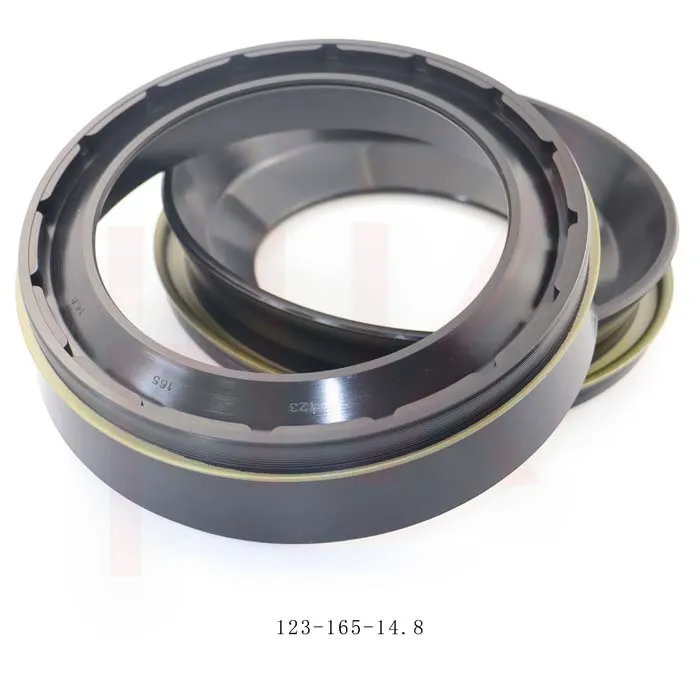
123*165*14.8 concrete mixer truck reducer oil seal
-
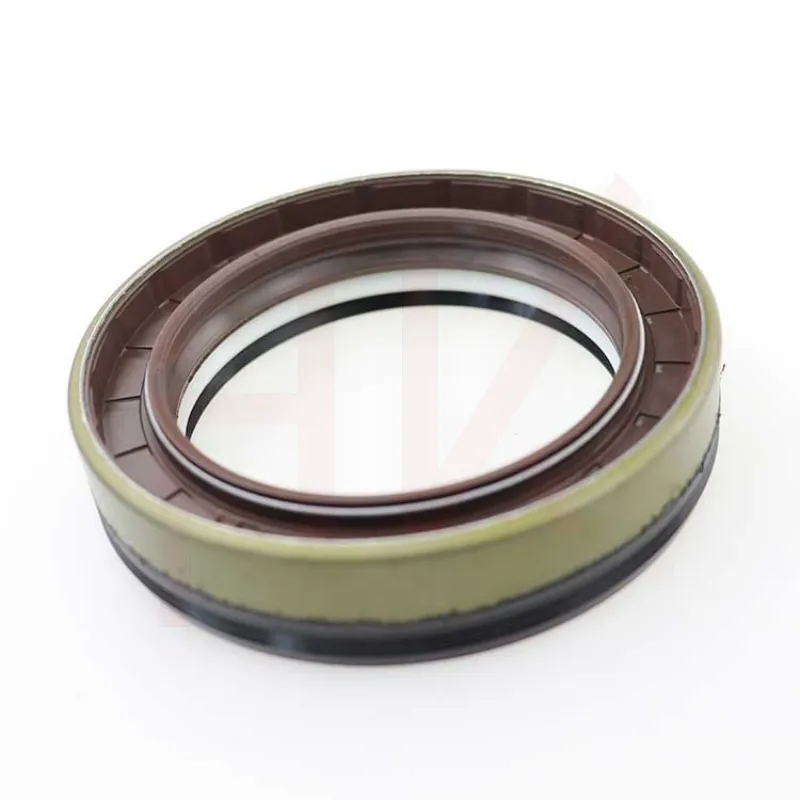
Tractor shaft oil seal 65-90-20 COMBI SF19 hub oil seal
-
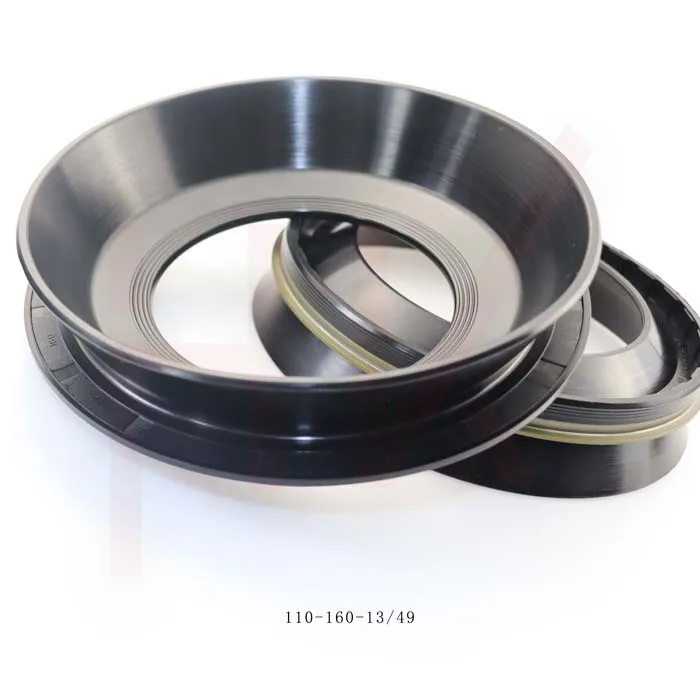
110*160*13/49 NBR reducerConcrete mixer truck oil seal
-
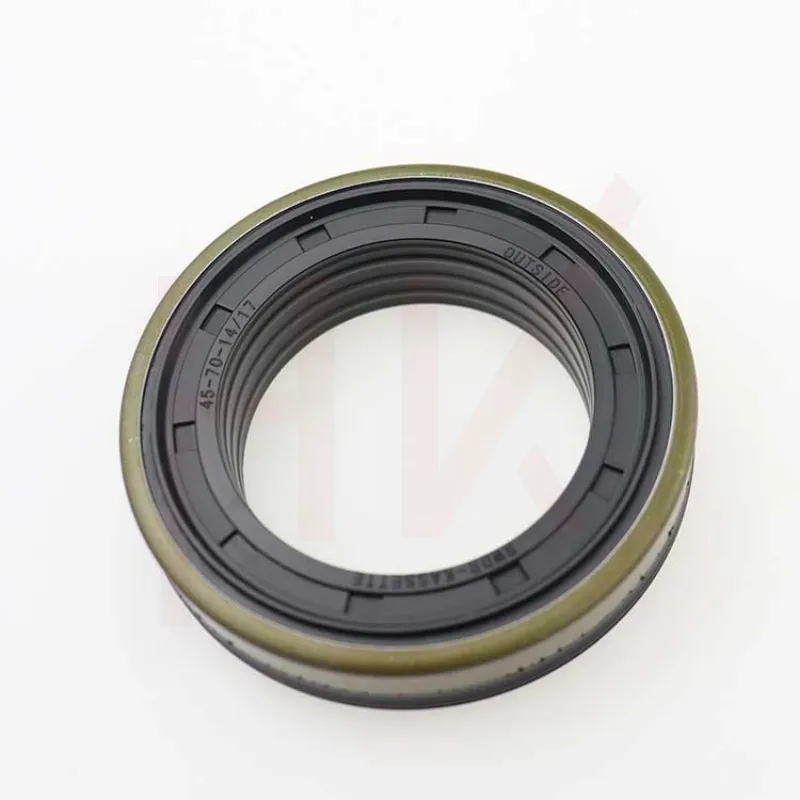
Hub oil seal 40*65*13/14.5 suitable for tractor Cat 12018035b
-
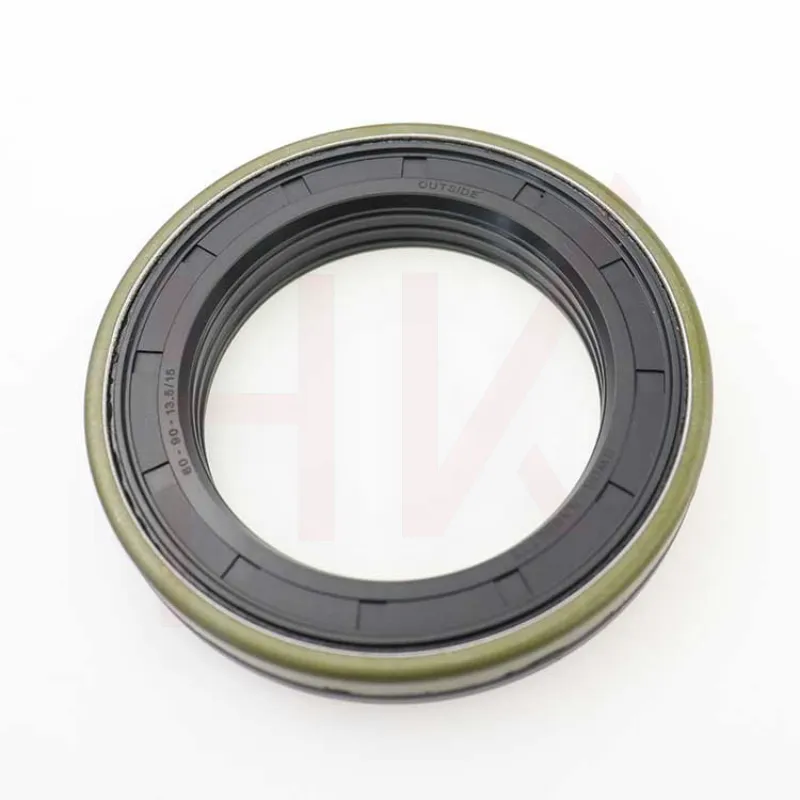
Tractor accessories cassette oil seal hub oil seal 60-90-13.5/15
-
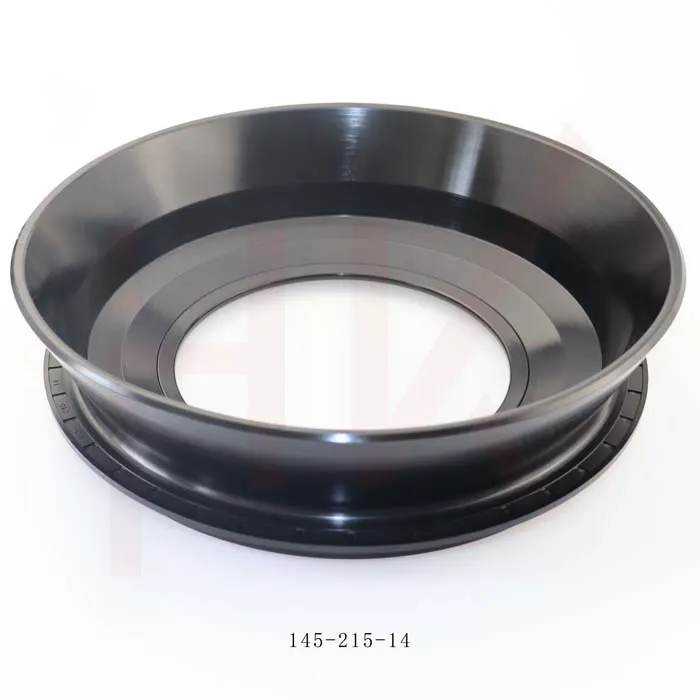
Factory concrete mixer truck oil seal 145*215*14 reducer gearbox oil seal
-
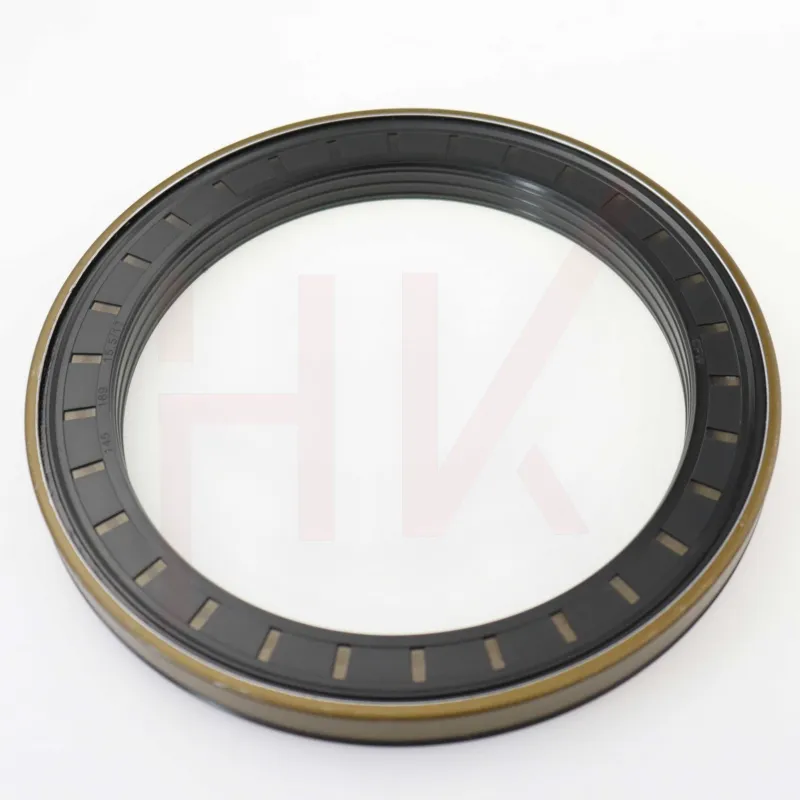
145*189*15.5/17 Cassette Seal NBR Hub Oil Seal 1508044
-
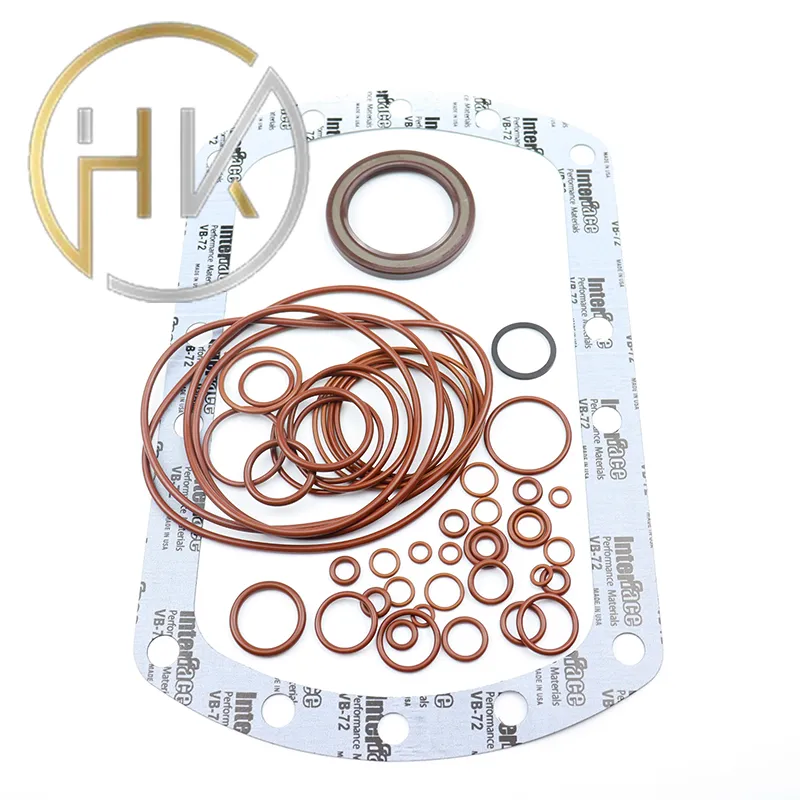
Factory direct sales hydraulic pump motor seal kit A8VO140
-
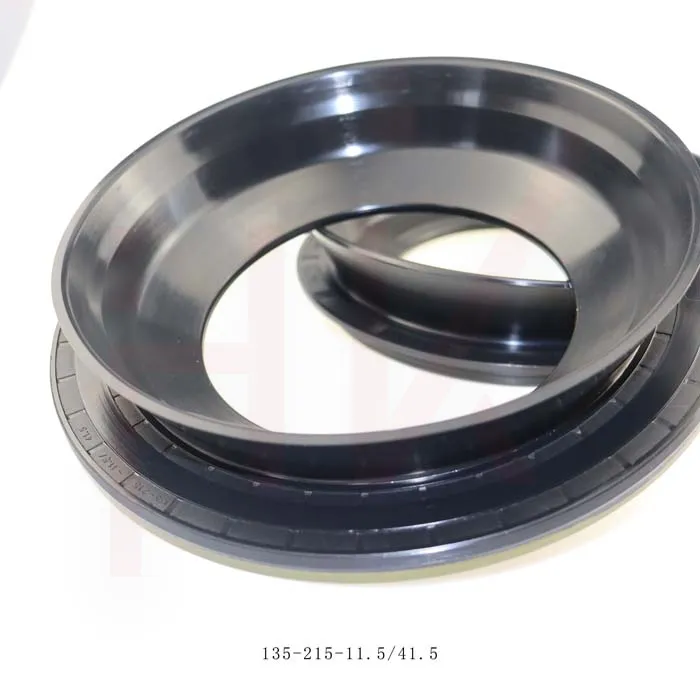
Brand new cement tanker oil seal 135*215*11.5/41.5 concrete mixer oil seal
-
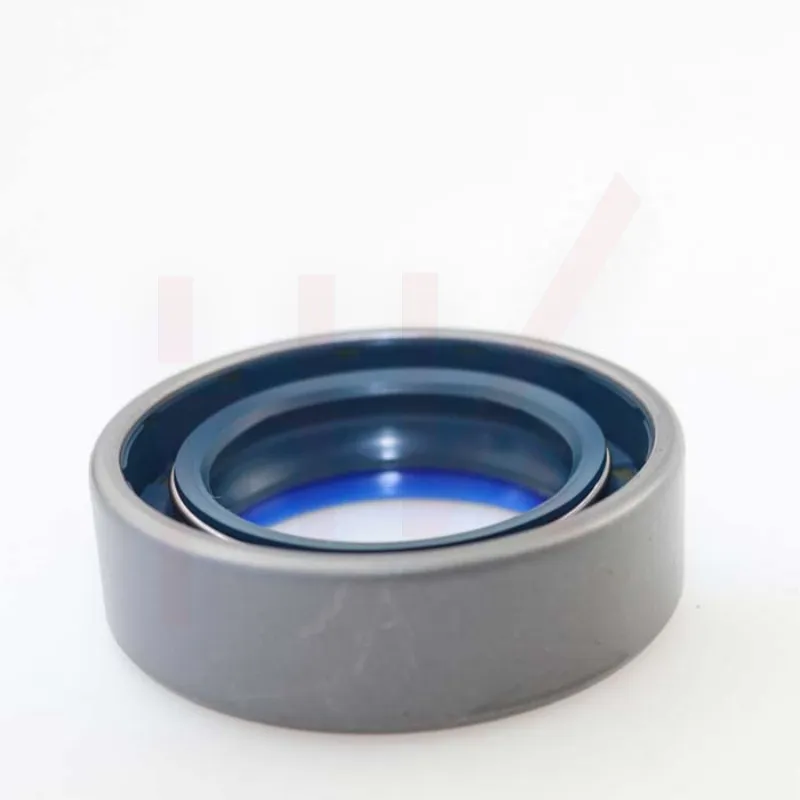
45*65*15 Combi oil seal JCB 90450009 COMBI SF1 SEAL
-
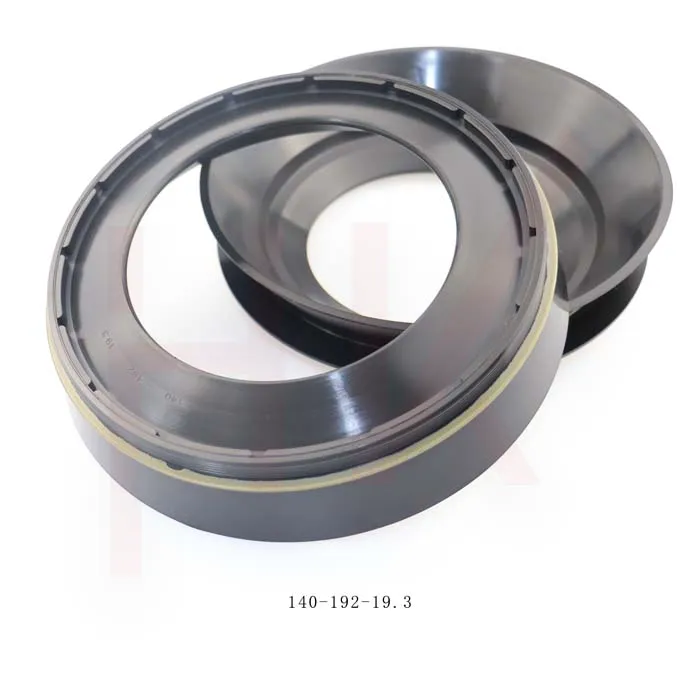
Gear box concrete mixer oil seal 140*192*19.3 nbr reducer oil seal
-
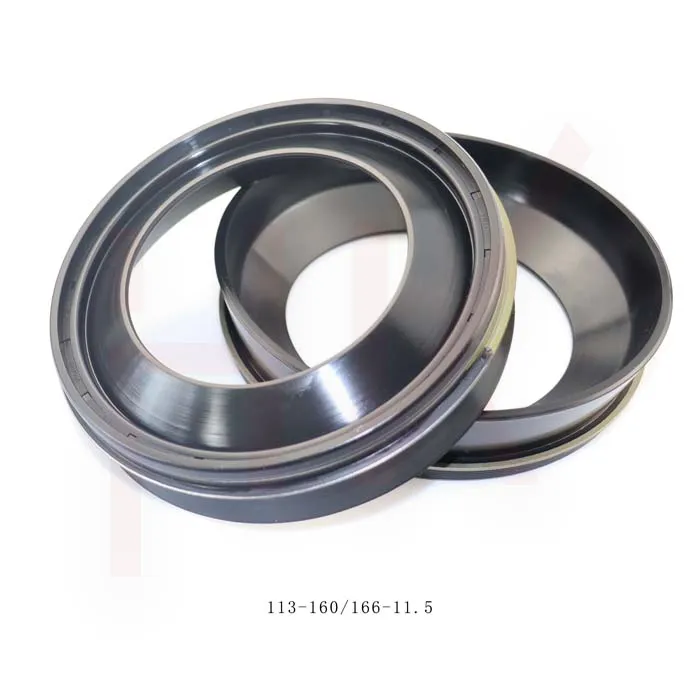
Seals factory direct sales 113*160/166*11.5/38 excavator truck reducer oil seal