Dec . 01, 2025 11:45 Back to list
Reliable Water Pump Seal Kits – Essential for Global Water Systems | HKA ISeal
Water Pump Seal Kit: What It Is and Why It Matters Worldwide
If you've ever wondered what keeps those industrial water pumps humming along without leaking or breaking down, the answer often lies in a small but vital component called a water pump seal kit. It might sound mundane, but in reality, these kits play a pivotal role in countless industries — from agriculture to humanitarian relief — keeping water flowing and machines running smoothly. Understanding these kits isn’t just technical trivia; it reflects on global water management, sustainability, and industrial efficiency.
The Global Context: Why Water Pump Seal Kits Are More Important Than Ever
Globally, billions rely on water infrastructure that depends on pumps for irrigation, municipal supply, and sanitation. According to the UN's Water Facts, over 2 billion people globally live without safely managed drinking water services. Pumps are a frontline part of fixing that gap.
But pumps only work if they’re well maintained. And that’s where the water pump seal kit comes in: preventing leaks that waste water and cause damage. The World Bank noted that hydraulic equipment failures can increase costs by 20–30%, which is no small loss for developing regions.
The challenge? Pumps often operate in tough environments — dusty, corrosive, or remote locations where mechanical failures can cause months of downtime. A reliable seal kit helps avert those headaches, ensuring better uptime and fewer interruptions. So these little kits punch way above their weight in the global water puzzle.
What Exactly Is a Water Pump Seal Kit?
Simply put, a water pump seal kit is a collection of parts used to replace or maintain the sealing components inside a water pump. Think of it as a “life-support set” for your pump’s critical moving parts. These kits usually include mechanical seals, O-rings, gaskets, and sometimes shafts or bearings tailored to specific pump models.
Why is sealing so crucial? Because pumps move water by spinning parts that create friction gaps between the fluid and the motor components. Without proper seals, water escapes, contaminants enter, and machines fail prematurely. In industries ranging from agriculture to potable water treatment, that reliability means everything.
On a humanitarian scale, organizations repairing water systems after natural disasters or conflicts depend on quick access to seal kits to restore clean water quickly. It’s not just maintenance — it’s about health, dignity, and sometimes life itself.
Key Aspects of Quality Water Pump Seal Kits
Durability
High-quality seal kits use materials like carbon, ceramic, or stainless steel that withstand abrasive media and harsh chemicals. The durability factor translates into longer service intervals and fewer emergency repairs — a blessing in remote or developing regions.
Compatibility
Seal kits must perfectly fit varied pump designs — centrifugal, submersible, or diaphragm pumps, among others. Vendors often manufacture kits tailored for popular brands and models, reducing installation errors and boosting success rates.
Cost Efficiency
Many engineers I’ve spoken with say that investing in a premium seal kit pays off over cheap alternatives that fail quickly. The upfront cost might be higher, but the long-term savings through reduced downtime and water loss outbalance it significantly.
Ease of Installation
Well-designed seal kits come with clear instructions and often include all the necessary components. That helps technicians save time, especially in challenging field conditions. Quick, correct installation means less downtime and less frustration.
Environmental Resistance
Seal kits designed for chemical resistance and temperature fluctuations perform better under extreme conditions, like desert irrigation systems or cold climates, ensuring pumps don’t become liabilities.
Global Applications: Where and How Seal Kits Make a Difference
You’ll find water pump seal kits quietly hard at work everywhere — from sprawling farms in California to remote African villages, and even major municipal water treatment plants in Europe.
- Agriculture: Irrigation pumps use seal kits that help maintain water flow during peak growing seasons, minimizing crop loss risks.
- Disaster Relief: In post-flood or hurricane relief, NGOs replace worn-out seals fast to restore clean water access, crucial for preventing disease outbreaks.
- Industrial: Factories rely on sealed pumps to handle waste water and coolants without leaks, staying compliant with environmental regulations.
- Municipal Water Systems: Urban water systems employ these kits in treatment plants, ensuring continuous supply and preventing contamination.
Advantages & Long-Term Benefits of Using Quality Seal Kits
Beyond just mechanics, there’s an emotional edge here: reliability inspires trust. Operators feel confident that systems won’t suddenly fail, risking community water supply or costly repairs. The social impact is huge — fewer breakdowns mean cleaner water, fewer illnesses, and often better livelihoods.
From a practical side, these kits:
- Reduce costly downtime and emergency repairs
- Extend pump life, delaying expensive replacements
- Prevent water waste and environmental damage
- Lower operational costs through efficiency
Product Specification Table
| Specification | Typical Value / Feature |
|---|---|
| Seal Type | Mechanical seal (single/double) |
| Materials | Carbon, ceramic, stainless steel, NBR, Viton |
| Temperature Range | -20°C to +110°C (typical) |
| Pressure Range | Up to 16 bar |
| Compatible Pumps | Centrifugal, submersible, diaphragm |
| Service Life | Typically 12-24 months under standard conditions |
Comparing Leading Water Pump Seal Kit Vendors
| Vendor | Material Quality | Compatibility Range | Price Range | Customer Support |
|---|---|---|---|---|
| HKA ISeal | Premium carbon and ceramic | Wide (fits 500+ models) | $$$ | 24/7 tech support |
| GlobalSeal Corp | Good quality composites | Moderate | $$ | Business hours only |
| PumpSeal Solutions | Standard industrial grade | Limited | $ | Email support only |
Looking Ahead: Future Trends in Water Pump Seal Kits
Innovation in this area might sound niche, but it’s quite dynamic. Advanced materials — think graphene-enhanced seals or bio-based polymers — are being tested to boost life spans and reduce environmental footprints.
Digitization also creeps in, with smart monitoring sensors integrated into pump systems that alert users when seals wear down, enabling predictive maintenance and avoiding ugly surprises.
Plus, the sustainability push means manufacturers increasingly focus on recyclable components and low-impact production methods, aligning seal kits with circular economy goals. For instance, ISO standards for mechanical seals (like ISO 21049) are tightening quality control, so users get reliable, standardized parts.
Challenges and Ingenious Solutions
One big headache is environmental variation. Seal kits designed for temperate zones may fail in tropical climates due to heat and humidity. Similarly, highly abrasive water—laden with silt or chemicals—wears seals faster. Engineers increasingly customize materials and coatings based on local water properties.
Another issue is supply chain delays, especially for remote regions. To tackle this, some relief organizations stock up on standardized universal kits that fit many pump models, speeding up repairs in crisis zones.
Frequently Asked Questions About Water Pump Seal Kits
1. How do I know when my water pump seal kit needs replacing?
Signs include water leakage around the pump shaft, unusual noises, and reduced pump efficiency. Regular inspection every 6 months helps detect wear early. If you spot dampness near the mechanical seal or hear grinding noises, it's time to review your seal kit.
2. Can I install a water pump seal kit myself, or do I need a professional?
Installation complexity varies by pump type. While many kits come with clear instructions and may be installed by capable DIYers, complex or high-pressure systems typically require trained technicians to ensure proper sealing and avoid damage.
3. What materials should I look for in a seal kit if my pump handles corrosive water?
Look for seals made from corrosion-resistant materials like stainless steel, ceramic, and Viton rubber. These withstand exposure to chemicals and saline environments better than standard materials.
4. Are water pump seal kits universally compatible?
No, most kits are model-specific or tailored to particular pump types. However, some manufacturers offer universal kits designed to fit a range of pumps. Always check compatibility charts before purchasing.
5. How long does a typical water pump seal kit last?
Under normal operating conditions, a seal kit lasts roughly 1 to 2 years. Factors like water quality, operating temperature, and maintenance frequency can shorten or extend this lifespan.
Wrapping Up: Why Invest in Quality Water Pump Seal Kits?
Ultimately, investing in the right seal kit is about much more than maintaining machinery — it’s about safeguarding water resources, improving community health, and supporting global sustainability efforts. When your water pumps work right, the benefits ripple outwards, often in ways we barely notice but truly depend on.
Check out trusted suppliers like water pump seal kits for reliability and support that keep your critical water systems flowing strong. Because after all, water is life — and good seals keep it that way.
References:
-
Guide to Choosing the Right High Quality hydraulic ram kit
NewsApr.16,2026
-
Premium Hydraulic Cylinder Packing Kits for Peak Performance
NewsApr.09,2026
-
Comprehensive Guide to Hydraulic Cylinder Oil Seal Kits for Optimal Performance
NewsApr.07,2026
-
Comprehensive Guide to Choosing the Right Cylinder Seal Kits for Peak Performance
NewsApr.04,2026
-
Comprehensive Guide to Seal Kits for Cylinders Ensuring Optimal Performance
NewsMar.31,2026
-
Comprehensive Guide to Hyd Cylinder Seals for Optimal Hydraulic System Performance
NewsMar.28,2026
-
Comprehensive Guide to Hyd Cylinder Seal Kit Selection and Installation
NewsMar.26,2026
Products categories
-
Standard oil seal BP0494 High pressure TCN oil seal
-
Hydraulic pump seal AP4624G high pressure TCN oil seal
-
0734307418 0750112169 120*165*10/14.8 concrete mixer reducer oil seal
-
35*52*16 Standard Wheel Hub Oil Seal For Agricultural Machinery
-
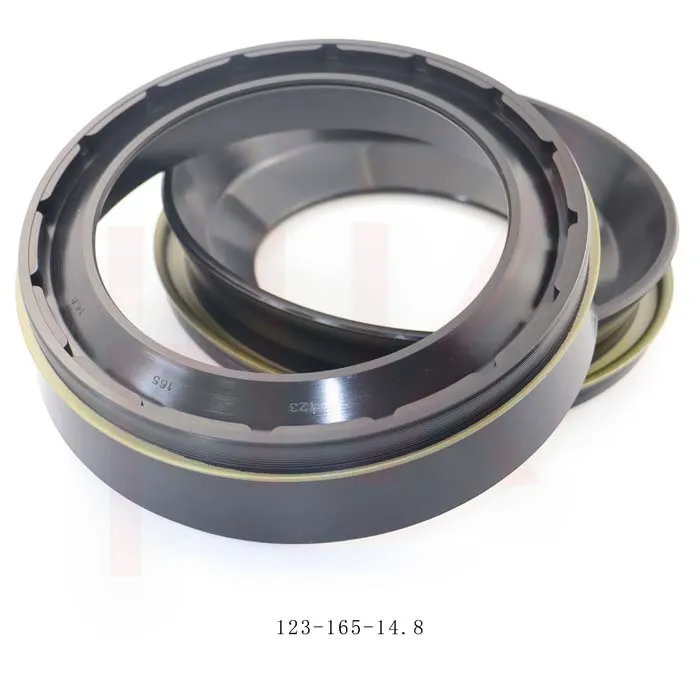
123*165*14.8 concrete mixer truck reducer oil seal
-
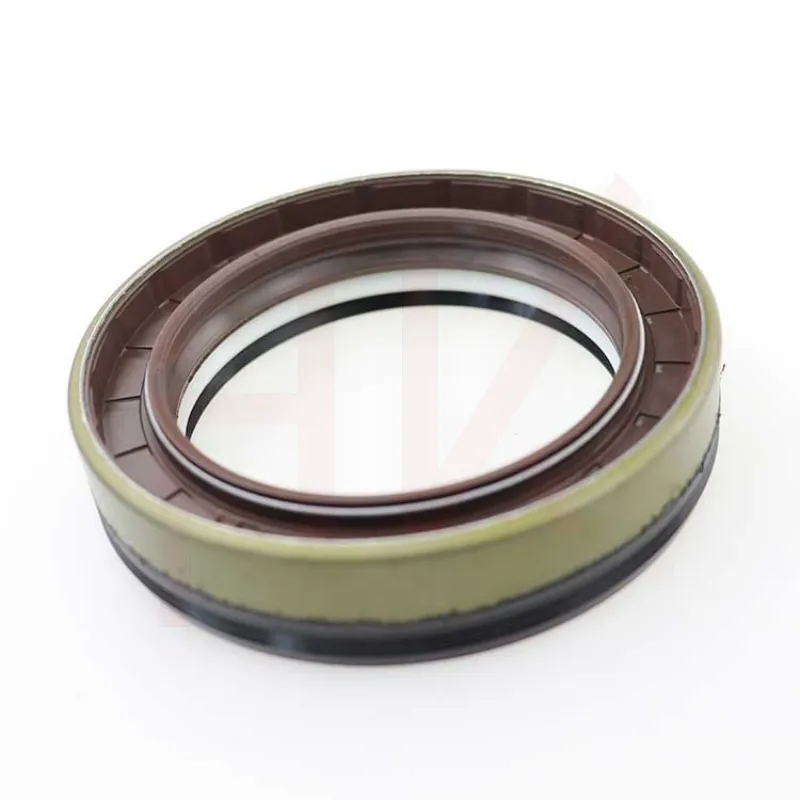
Tractor shaft oil seal 65-90-20 COMBI SF19 hub oil seal
-
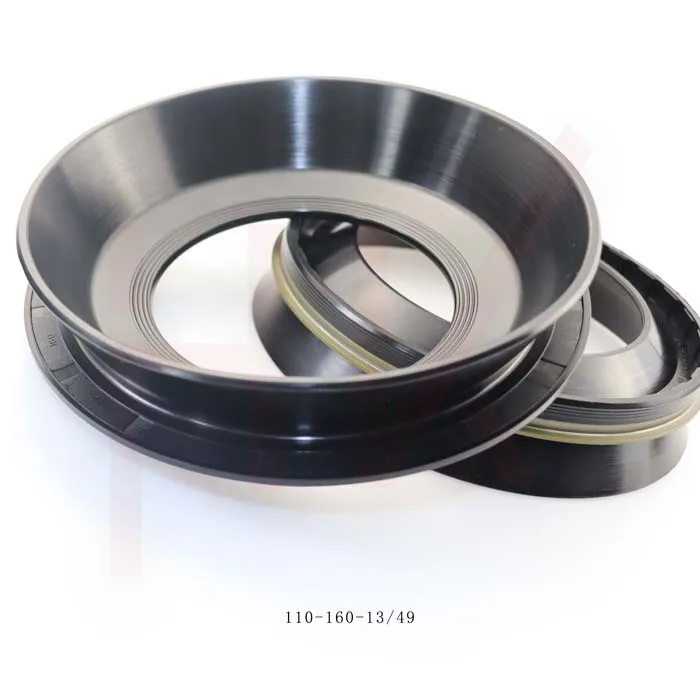
110*160*13/49 NBR reducerConcrete mixer truck oil seal
-
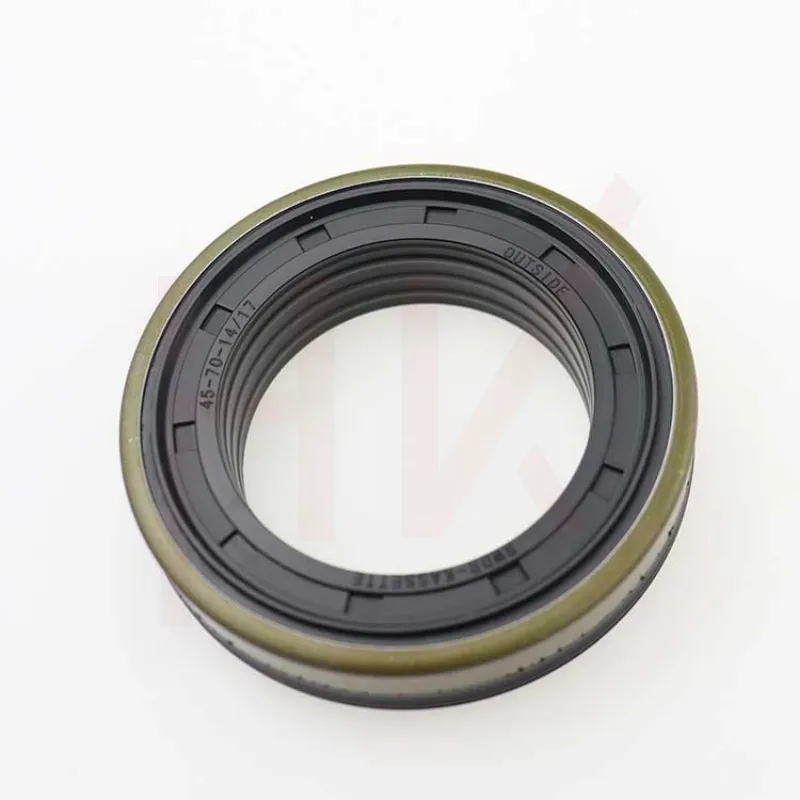
Hub oil seal 40*65*13/14.5 suitable for tractor Cat 12018035b
-
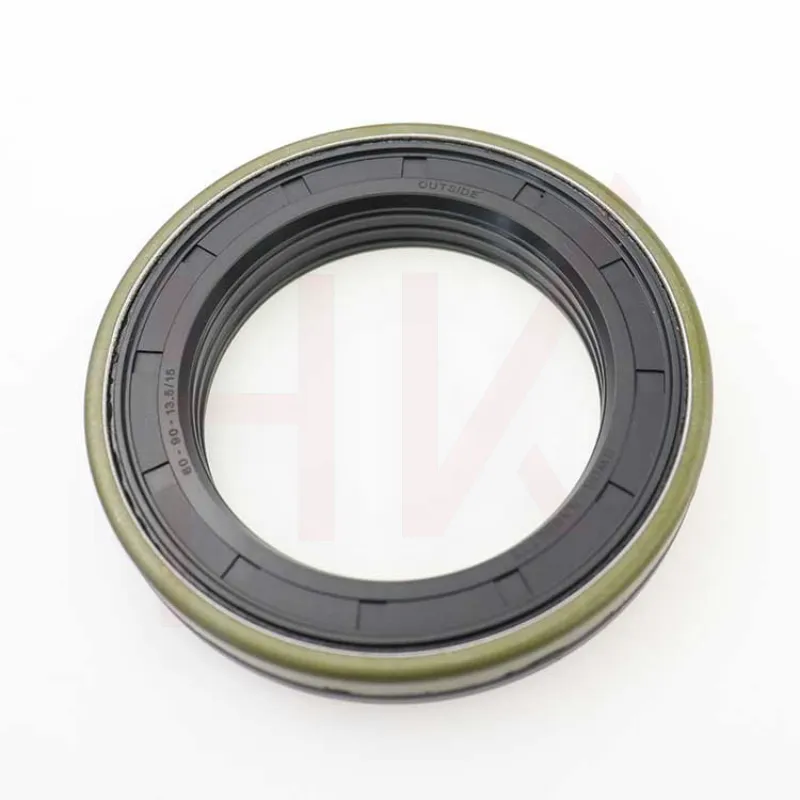
Tractor accessories cassette oil seal hub oil seal 60-90-13.5/15
-
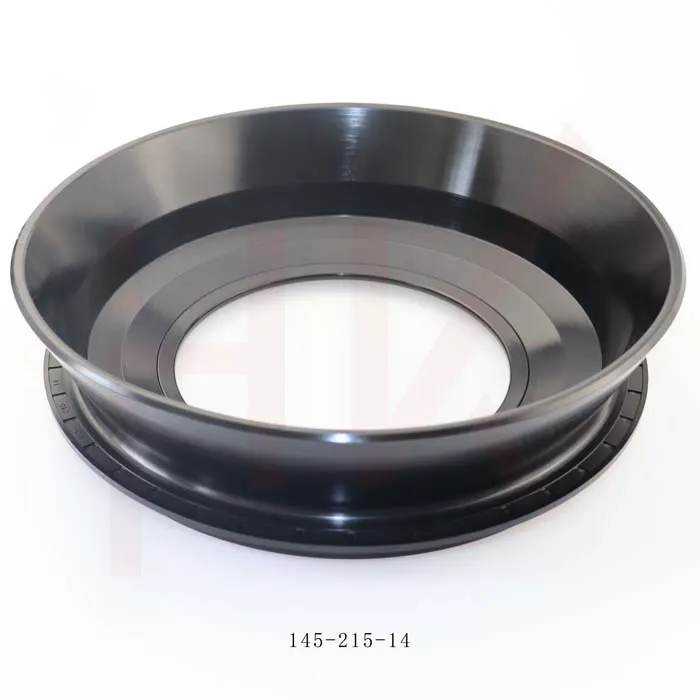
Factory concrete mixer truck oil seal 145*215*14 reducer gearbox oil seal
-
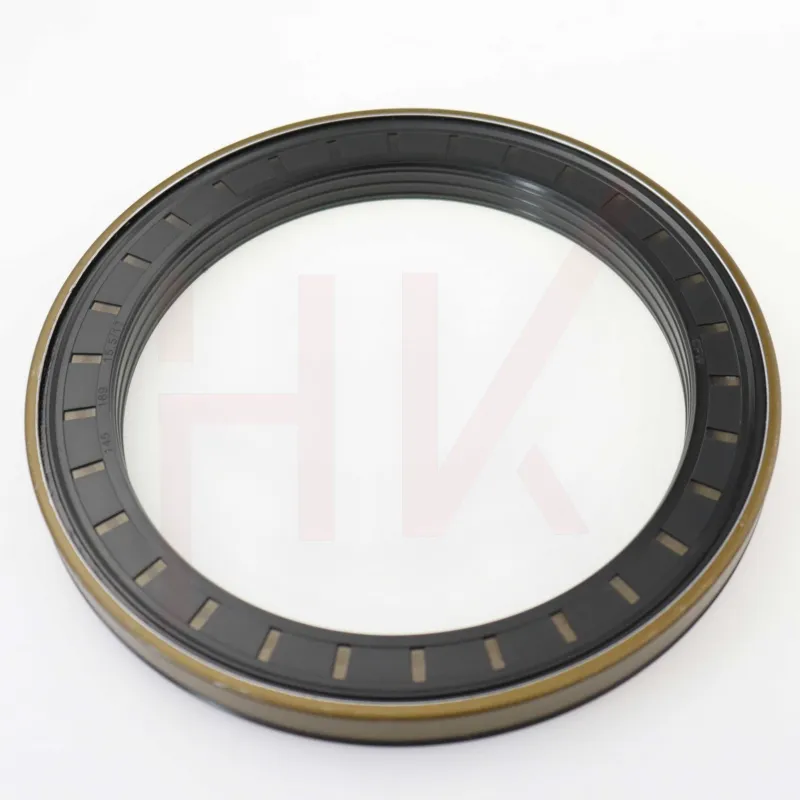
145*189*15.5/17 Cassette Seal NBR Hub Oil Seal 1508044
-
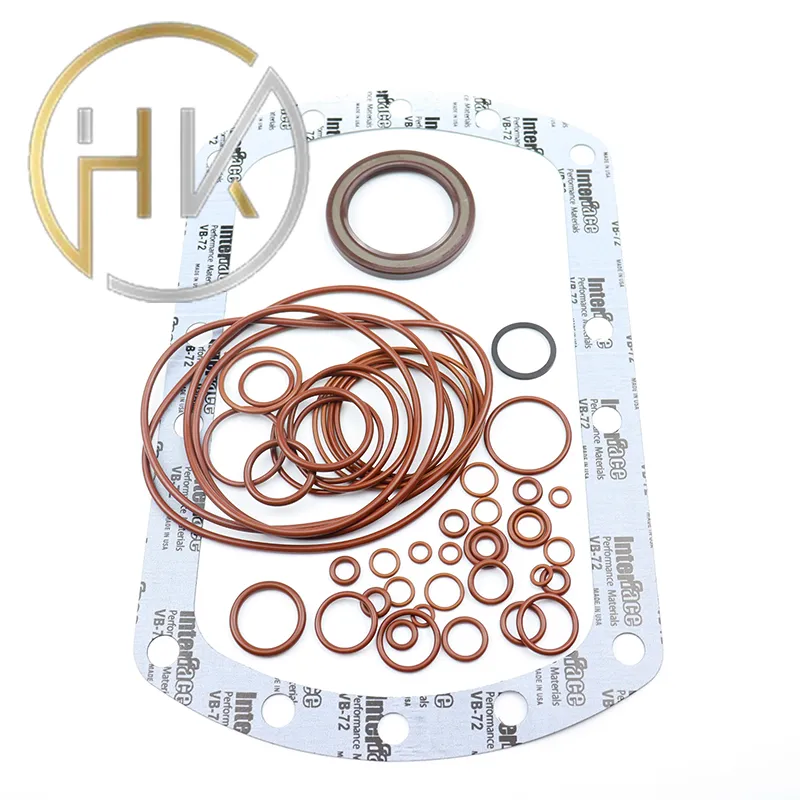
Factory direct sales hydraulic pump motor seal kit A8VO140
-
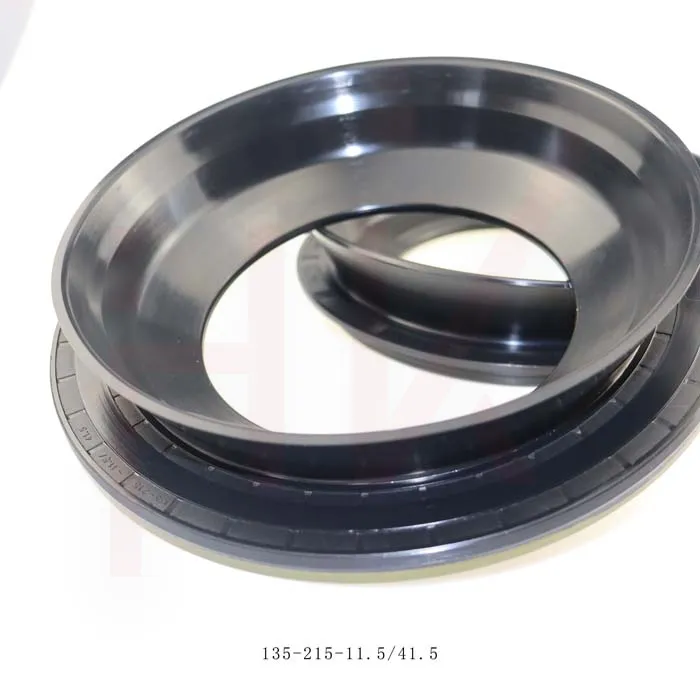
Brand new cement tanker oil seal 135*215*11.5/41.5 concrete mixer oil seal
-
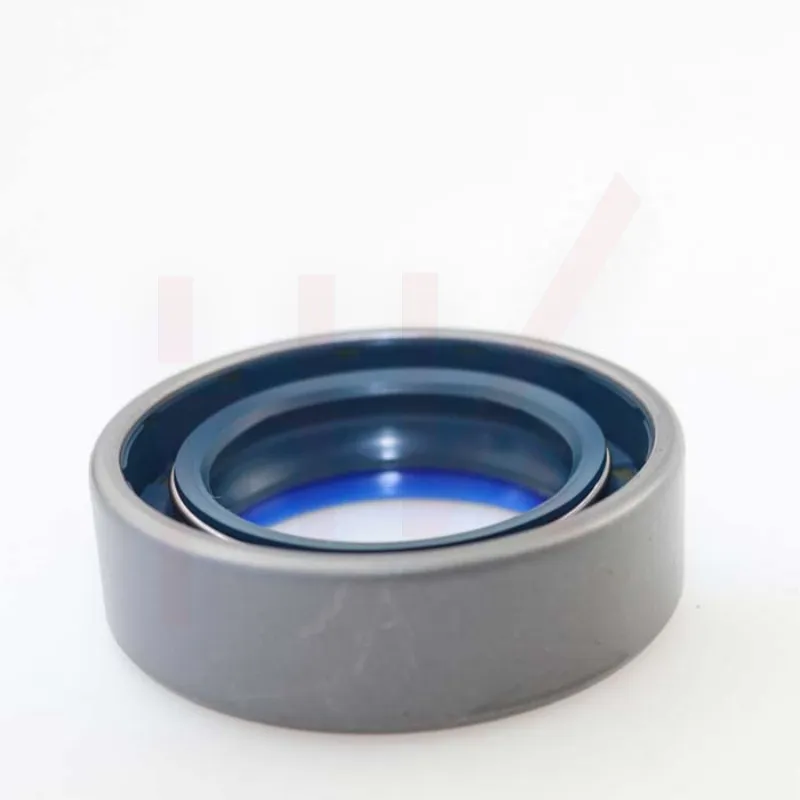
45*65*15 Combi oil seal JCB 90450009 COMBI SF1 SEAL
-
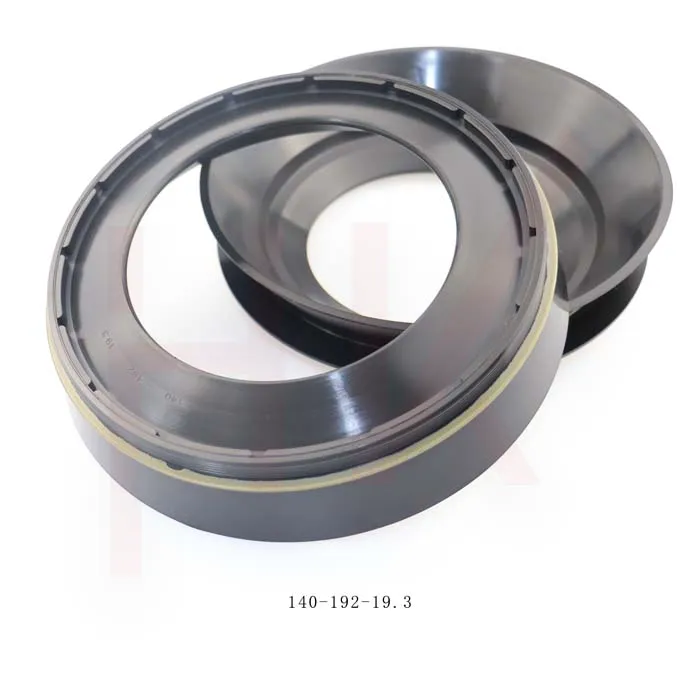
Gear box concrete mixer oil seal 140*192*19.3 nbr reducer oil seal
-
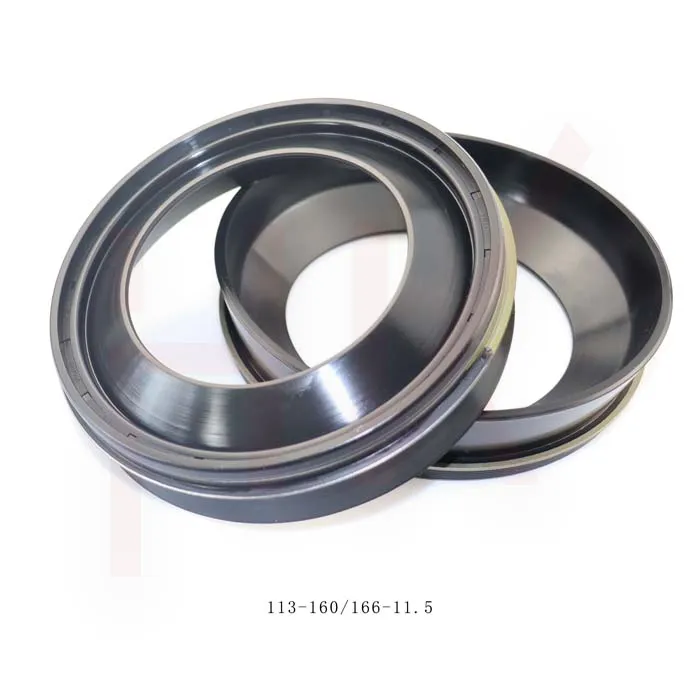
Seals factory direct sales 113*160/166*11.5/38 excavator truck reducer oil seal