Nov . 30, 2025 22:45 Back to list
High Pressure Pump Seal: Essential Guide to Durability, Applications & Vendors
Why High Pressure Pump Seals Are Quietly Powering the Modern World
If you've ever wondered what keeps industrial pumps running smoothly when pushing liquid through miles of pipeline or powering crucial processes in factories, the humble high pressure pump seal is your unsung hero. It’s a tiny component with a huge role—without it, systems leak, efficiency drops, even safety becomes a concern. Globally, as industries push for greater efficiency and resilience, understanding what makes these seals tick is more than just technical trivia. High pressure pump seals not only prevent costly downtime in manufacturing plants or water treatment facilities, but they also underpin vital humanitarian efforts, say, in delivering clean water during emergencies. And with industries everywhere demanding tougher, more reliable solutions, grasping the core benefits of these seals is key to sustainable progress.Setting the Stage: Why These Seals Matter Worldwide
The global pump market was estimated to top $60 billion in 2023, with a significant chunk devoted to high pressure applications (source: industry analysis, 2023). Pumps are critical in oil and gas, chemical processing, power generation, and water infrastructure. But pushing liquids under high pressure isn’t easy — leakage, wear, and seal failure rank as top causes of downtime worldwide. According to ISO standards on sealing technology (ISO 21049, 2018), poorly designed or maintained seals contribute to roughly 30% of pump operational failures. That’s not just a statistic; it represents lost productivity, added costs, environmental risks, and sometimes hazardous spills. For industries and communities alike, a robust high pressure pump seal can mean the difference between smooth operation and major disruption. Take water treatment plants in drought-prone areas or offshore drilling rigs battling corrosive seawater — both rely heavily on specialized pump seals to maintain integrity under extreme conditions. It’s a real challenge to balance pressure containment with durability and efficiency.What Exactly Is a High Pressure Pump Seal?
Put simply: a high pressure pump seal is a mechanical component designed to prevent fluid from leaking out of a pump where the rotating shaft meets the stationary housing, especially when liquids are moved under elevated pressure levels. Imagine the seal as a microscopic gatekeeper that closes off paths pump fluid might otherwise sneak out of, all while handling abrasive materials or corrosive chemicals. In modern industry, from refining petrochemicals to supplying clean water in refugee camps, these seals help maintain trust — that systems won’t fail and leak ineffably dangerous substances. In essence, they connect industrial reliability with broader humanitarian and environmental goals.Key Factors Behind Effective High Pressure Pump Seals
1. Durability
Longevity is crucial. Pumps often run 24/7 and harsh environments—corrosive chemicals, temperature swings, abrasive particles—test seal materials continuously. High pressure pump seals made from carbon composites, tungsten carbide, or silicon carbide tend to last longer, reducing maintenance intervals.2. Pressure Resistance
“High pressure” is relative, but seals in this niche often need to withstand thousands of psi. The seal’s design (lip seals, mechanical seals, or gland packing) ensures fluid containment without sacrificing shaft rotation or causing friction-induced heat.3. Chemical Compatibility
From aggressive acids to hydrocarbons, the seal material must resist degradation. Elastomeric components, coatings, or composite materials are selected according to the process fluid — a misstep here, and failure is almost guaranteed.4. Cost Efficiency
Initially, I thought higher-end seals meant sky-high prices. But many engineers told me the real expense lies in unplanned downtime caused by cheap seals. Investing upfront saves money downstream.5. Ease of Installation and Maintenance
Well-designed seals can be swapped or serviced quickly in tight spaces, minimizing downtime—a real bonus in remote or hazardous locations.6. Environmental and Safety Compliance
Leakage risks environmental harm, regulatory penalties, and safety hazards. Seals meeting or exceeding ISO and API standards exemplify responsible engineering.Mini takeaway:
The best seal balances tough materials, smart design, and economical lifecycle costs — sort of like the unsung Swiss Army knife in a pump’s workflow.Where in the World Do High Pressure Pump Seals Make a Difference?
Around the globe, the stakes are high. Let’s look at a few real-world settings:- Oil & Gas Fields: Offshore platforms in the North Sea or Gulf of Mexico use high pressure pump seals to safely handle crude oil and process fluids, enduring saltwater corrosion and extreme pressure fluctuations.
- Water Treatment Plants: Municipal facilities in arid zones (like parts of the US Southwest or Australia) rely on seals to maintain water purification pumps under high pressure — critical for safe drinking water.
- Emergency Relief: Post-disaster, clean water delivery depends on mobile pumps protected by durable seals that can resist debris and rapid deployment stress.
- Chemical Manufacturing: In Asia’s booming chemical hubs, specialized seals ensure toxic or flammable liquids never escape containment, protecting workers and ecosystems.
Mini takeaway:
High pressure pump seals operate on nearly every continent, quietly safeguarding infrastructures essential for safety, health, and industry.Advantages of Quality Seals: Why They’re Worth the Investment
A great seal isn’t just about tech specs. Consider:- Reliability: Trustworthy seals mean fewer shutdowns, smoother operations.
- Cost Savings: Reduced maintenance and longer pump life reduce capital and labor expenses.
- Environmental Protection: Preventing leaks safeguards waterways and soils.
- Safety & Reputation: Avoiding accidents protects workers and company credibility.
- Innovation: Advanced seals signal a future-ready approach, often spurring process improvements downstream.
Looking Ahead: The Future of High Pressure Pump Seals
Innovation continues at a brisk pace here. Nanocoatings that reduce friction and wear; smart seals embedded with sensors that monitor temperature, vibration, and leakage — enabling predictive maintenance; and novel bio-based elastomers that offer sustainability benefits without compromising durability. Automation in pump systems increasingly relies on seal reliability — a failing seal can be considered a critical alarm condition. Plus, with the shift toward green energy, high pressure seals must work in cooler, more corrosive environments, like geothermal plants, or biofuel production. Regulatory agencies worldwide are pushing for reduced emissions, tighter safety standards, and greater circularity in materials — so expect seals designed for recyclability or longer life cycles.Challenges and Clever Solutions in Today's Seal Landscape
Seal designers wrestle with conflicting goals: higher pressure resistance often means stiffer materials that might wear the shaft faster. Maintenance in remote or hazardous locations can be tough. And unexpected process upsets — like sudden pressure spikes or contamination — still cause failures. But solutions are on the horizon:- Hybrid Designs: Combining soft and hard materials for adaptive sealing under variable conditions.
- Advanced Monitoring: IoT-enabled seals that signal impending failure before catastrophe.
- Training & Service: Enhanced technician skillsets improve installation and troubleshooting.
High Pressure Pump Seal Product Specification Table
| Specification | Typical Value | Notes |
|---|---|---|
| Max Pressure | Up to 3000 psi (≈210 bar) | Varies by application |
| Temperature Range | -40°C to 250°C | Depends on seal material |
| Materials | Carbon, Tungsten Carbide, Silicon Carbide, PTFE | Composite constructions common |
| Shaft Speed | Up to 3600 RPM | Higher with custom designs |
| Seal Type | Mechanical Seal, Lip Seal, Cartridge Seal | Selected per pump model |
Comparing Vendors of High Pressure Pump Seals
| Vendor | Material Technology | Customization | Pricing | Digital Integration |
|---|---|---|---|---|
| SealMaster Co. | Premium carbides & composites | High; on-demand R&D | Premium | IoT sensors on request |
| FlowSeal Inc. | Standard carbon & PTFE | Moderate | Competitive | No |
| AquaSeal Technologies | Eco-friendly elastomers | Custom formulations | Mid-range | Limited |
Common Questions About High Pressure Pump Seals
- How often should I replace a high pressure pump seal?
- Seal replacement depends on operating conditions, but typically every 12-24 months for continuous industrial use. Regular inspections can extend lifespans by catching wear early.
- Can seals handle corrosive fluids like acids or solvents?
- Yes, but seals must be made of compatible materials such as silicon carbide or PTFE-lined components. Material selection is critical to avoid premature failure.
- Are high pressure pump seals suitable for high-speed pumps?
- Many are designed to handle shaft speeds up to 3600 RPM or higher, though specific models vary. Always verify manufacturer specifications for your pump's operational range.
- What maintenance do these seals require?
- Generally, clean installation, periodic lubrication (if applicable), and monitoring for leaks or unusual noise. Some modern seals come with sensor options that alert you before failure.
- Can I order custom seals for unique industrial pumps?
- Absolutely. Many vendors offer bespoke design and material options to meet niche pressure, temperature, or chemical requirements.
Wrapping Up: Why Investing in the Right Seal Pays Off
When you think about all the moving parts in industrial machinery, high pressure pump seals might seem like just another tiny detail. But time and again, the experts agree: neglecting seal quality is betting on leaks and loss. Investing in seals that meet your exact pressures, temperatures, and fluids can save money, headaches, and sometimes even lives. If you’re curious about how to pick the right high pressure pump seal for your application, or want to learn about the latest innovations, there's a whole world of solutions waiting. Because, honestly, the devil is in the details — or in this case, in that perfect seal.-
Guide to Choosing the Right High Quality hydraulic ram kit
NewsApr.16,2026
-
Premium Hydraulic Cylinder Packing Kits for Peak Performance
NewsApr.09,2026
-
Comprehensive Guide to Hydraulic Cylinder Oil Seal Kits for Optimal Performance
NewsApr.07,2026
-
Comprehensive Guide to Choosing the Right Cylinder Seal Kits for Peak Performance
NewsApr.04,2026
-
Comprehensive Guide to Seal Kits for Cylinders Ensuring Optimal Performance
NewsMar.31,2026
-
Comprehensive Guide to Hyd Cylinder Seals for Optimal Hydraulic System Performance
NewsMar.28,2026
-
Comprehensive Guide to Hyd Cylinder Seal Kit Selection and Installation
NewsMar.26,2026
Products categories
-
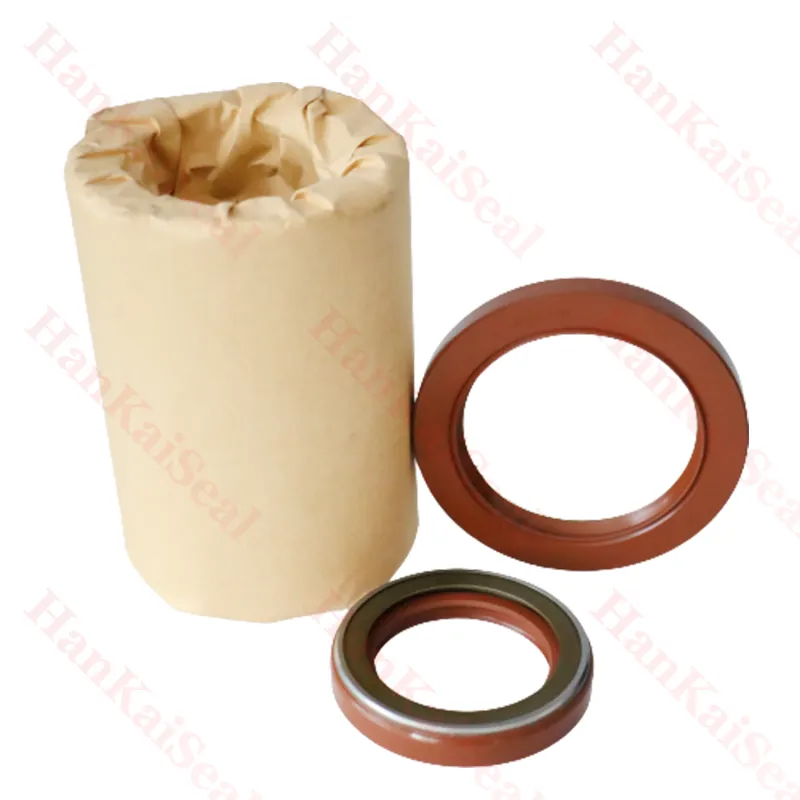
Standard oil seal BP0494 High pressure TCN oil seal
-
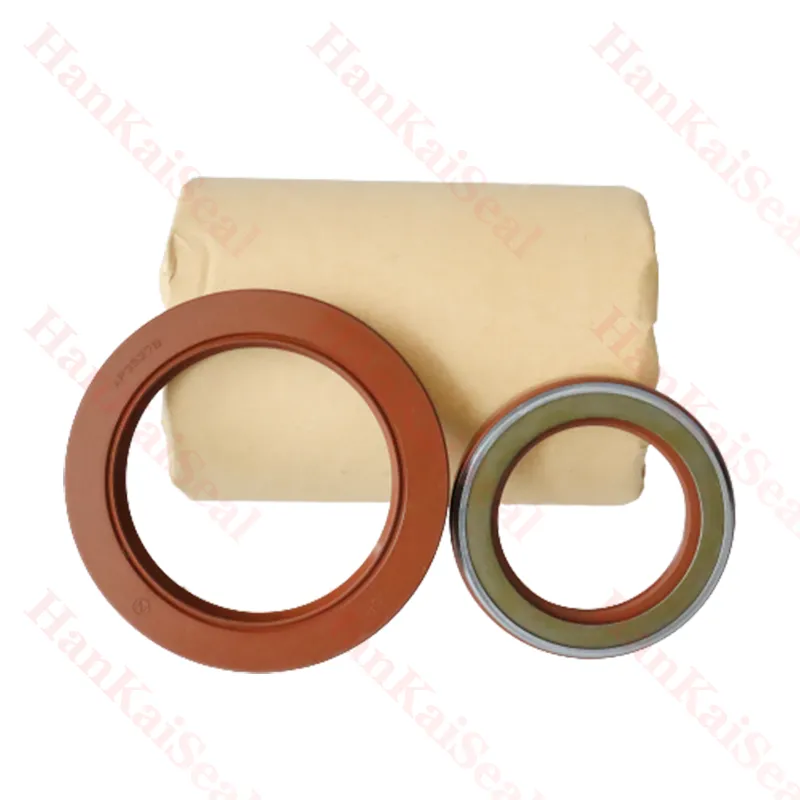
Hydraulic pump seal AP4624G high pressure TCN oil seal
-
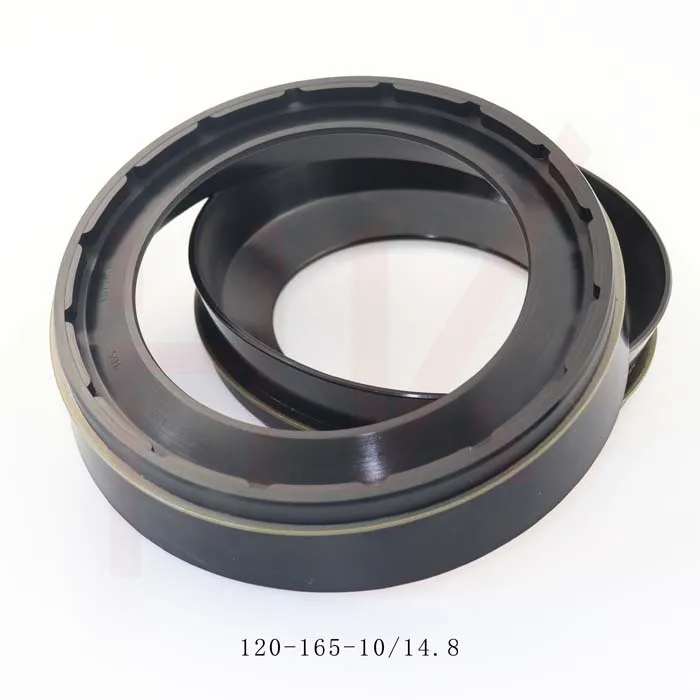
0734307418 0750112169 120*165*10/14.8 concrete mixer reducer oil seal
-
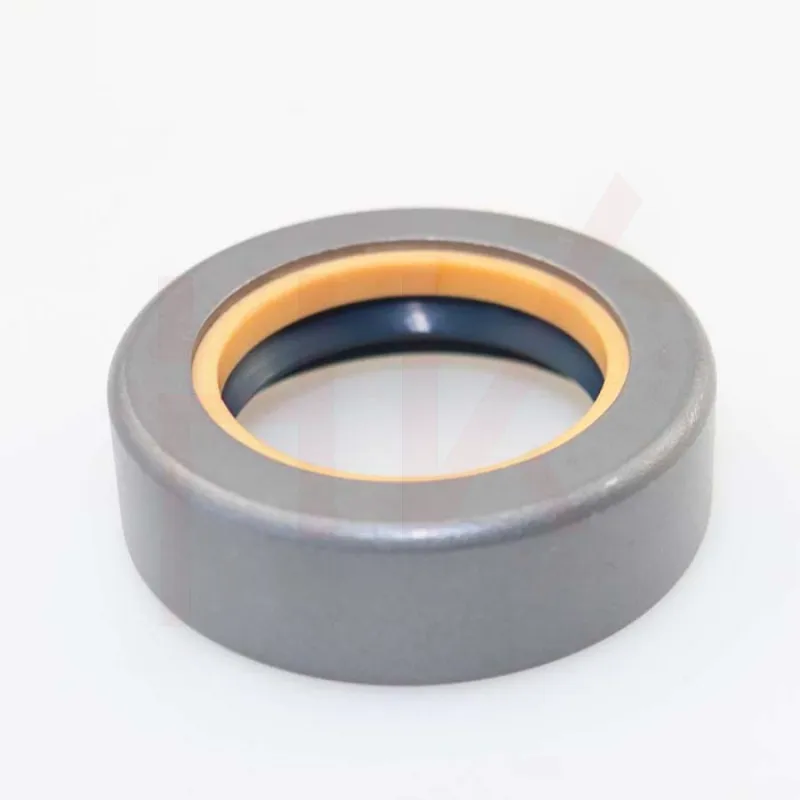
35*52*16 Standard Wheel Hub Oil Seal For Agricultural Machinery
-
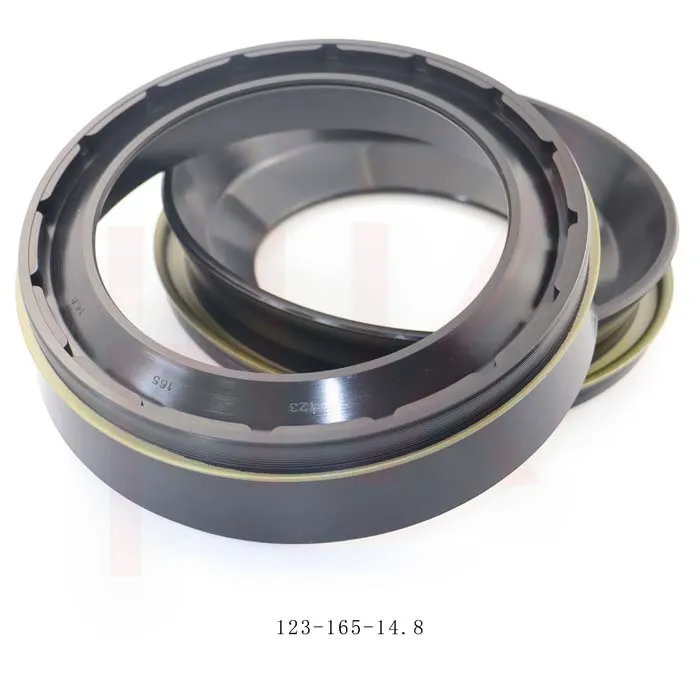
123*165*14.8 concrete mixer truck reducer oil seal
-
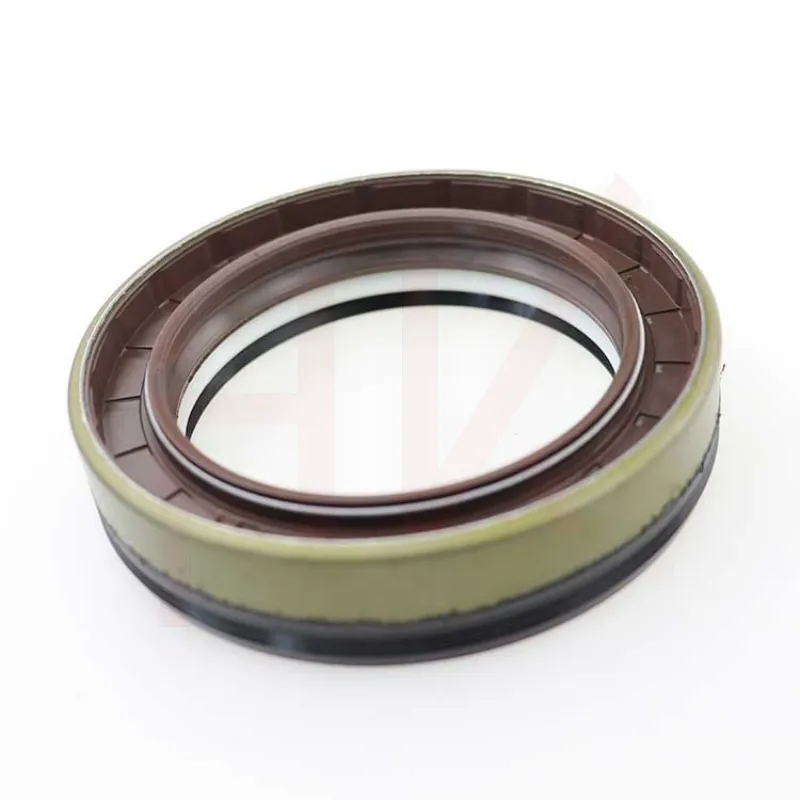
Tractor shaft oil seal 65-90-20 COMBI SF19 hub oil seal
-
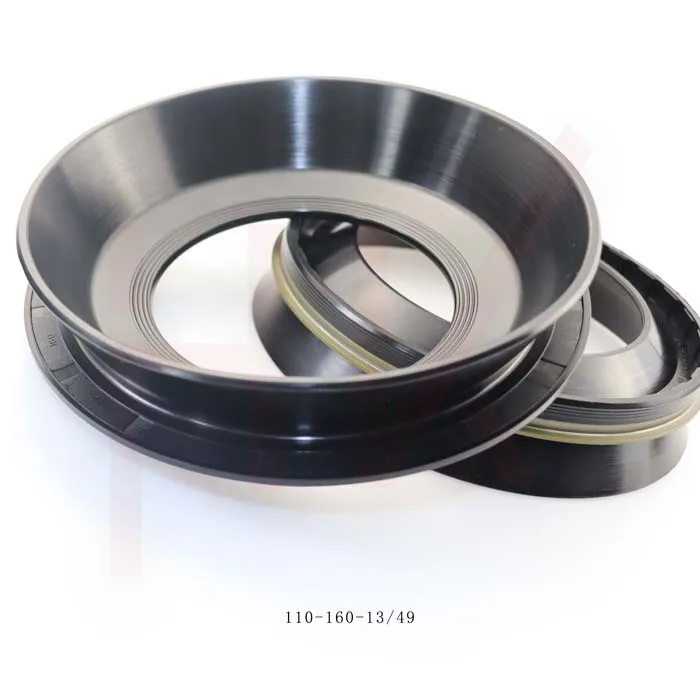
110*160*13/49 NBR reducerConcrete mixer truck oil seal
-
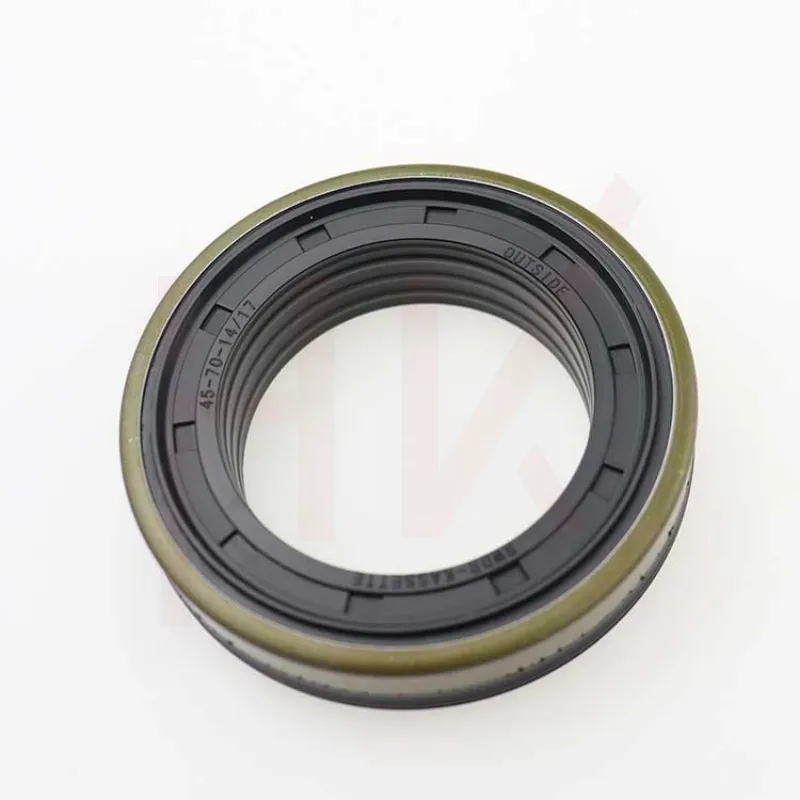
Hub oil seal 40*65*13/14.5 suitable for tractor Cat 12018035b
-
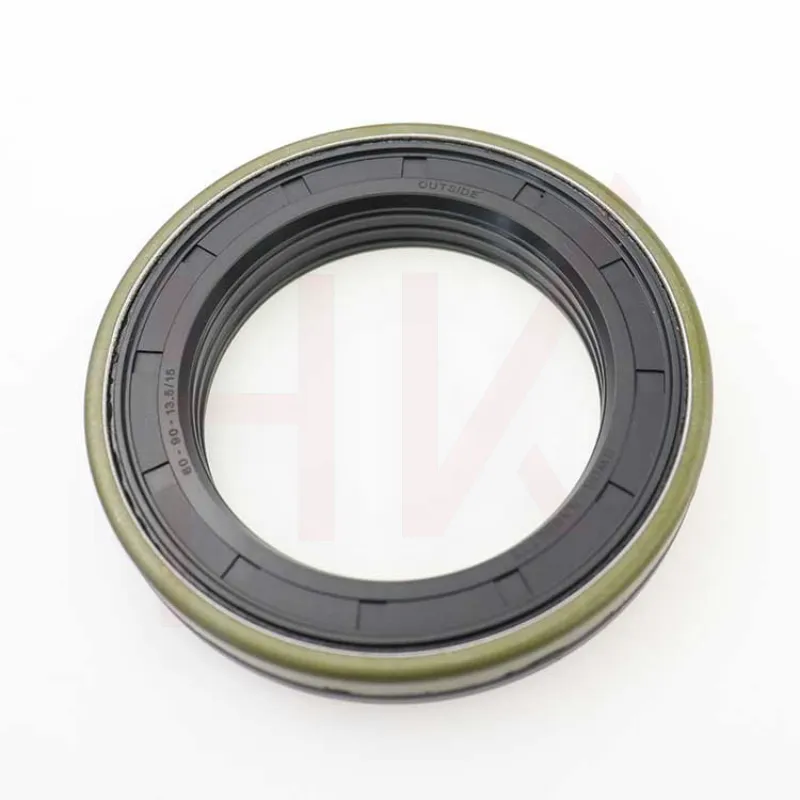
Tractor accessories cassette oil seal hub oil seal 60-90-13.5/15
-
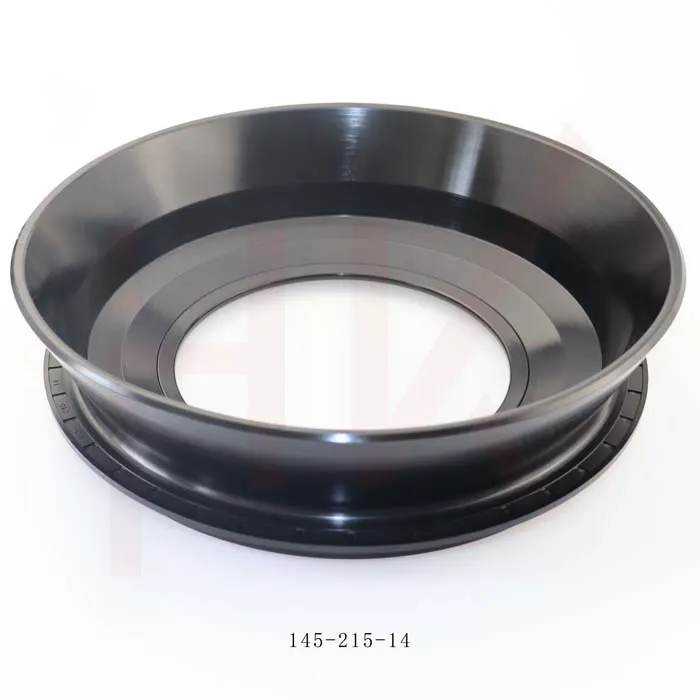
Factory concrete mixer truck oil seal 145*215*14 reducer gearbox oil seal
-
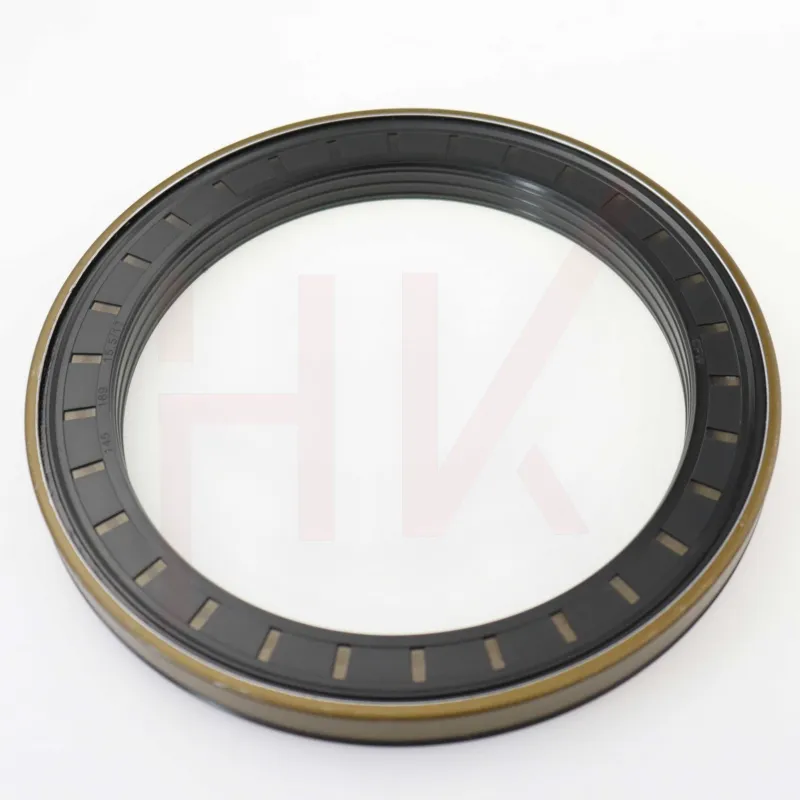
145*189*15.5/17 Cassette Seal NBR Hub Oil Seal 1508044
-
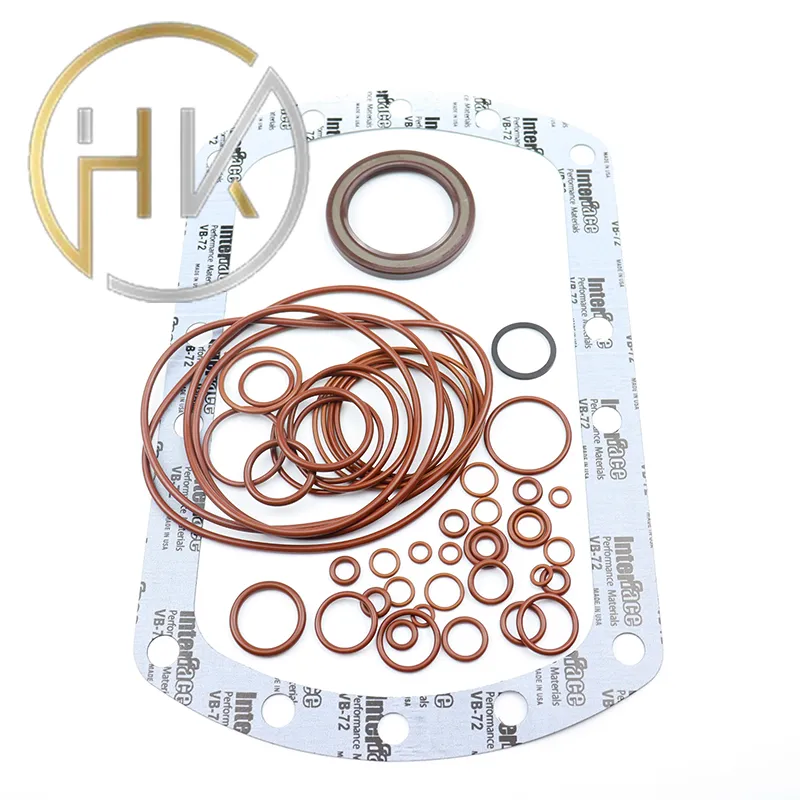
Factory direct sales hydraulic pump motor seal kit A8VO140
-
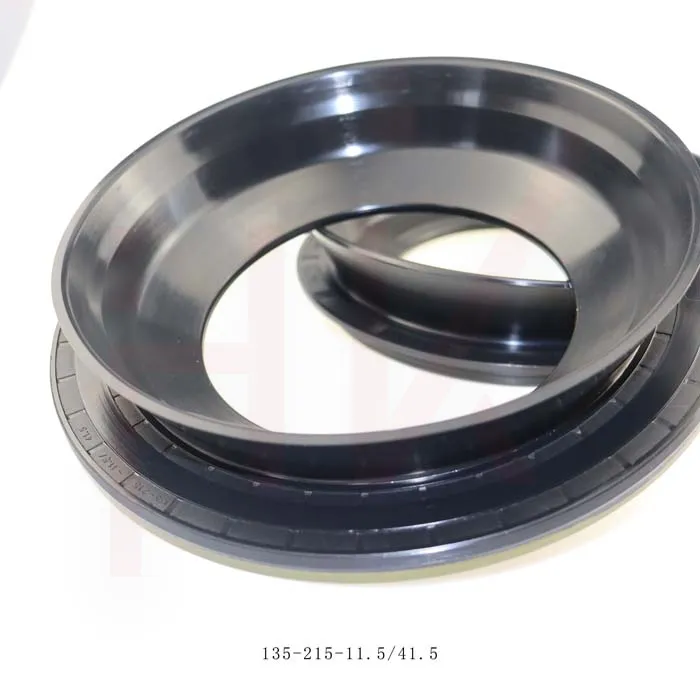
Brand new cement tanker oil seal 135*215*11.5/41.5 concrete mixer oil seal
-
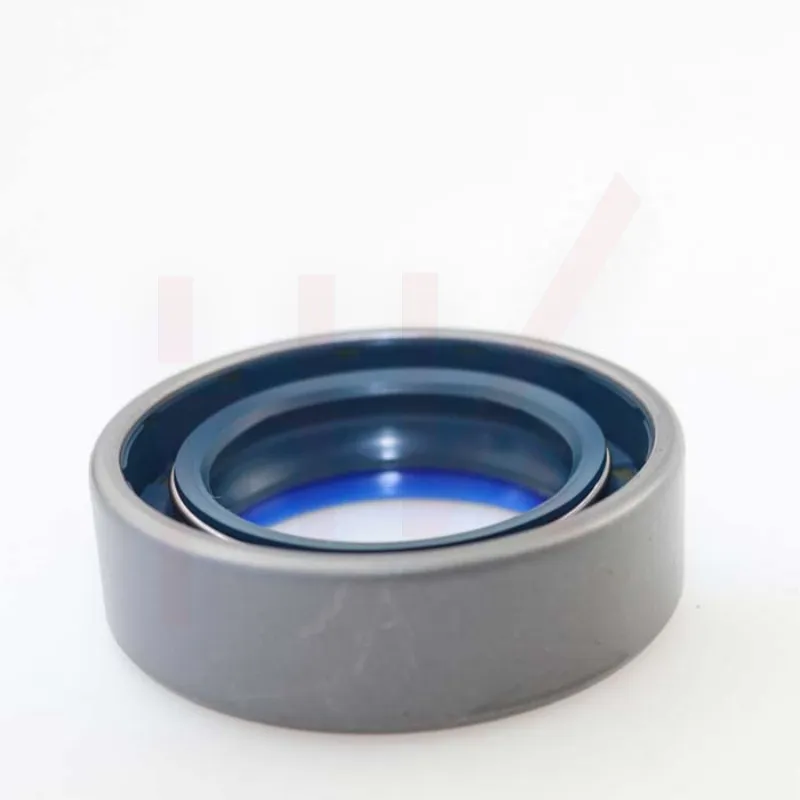
45*65*15 Combi oil seal JCB 90450009 COMBI SF1 SEAL
-
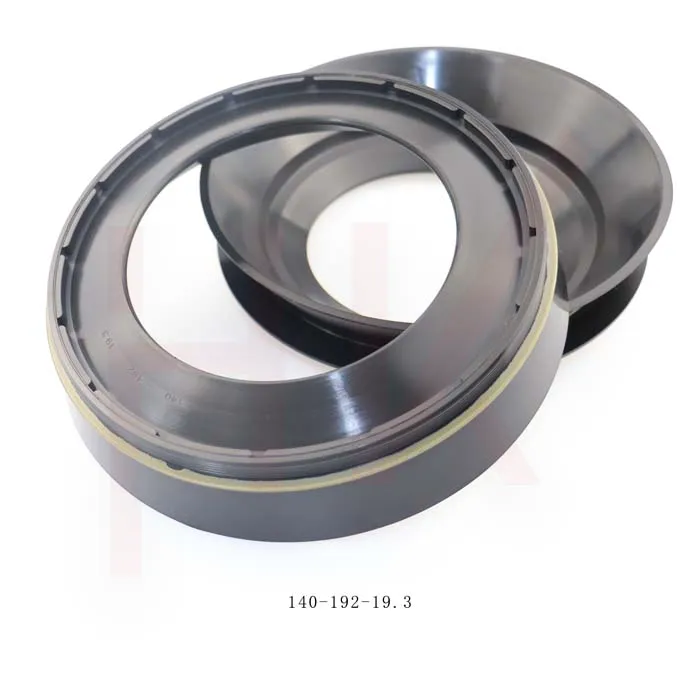
Gear box concrete mixer oil seal 140*192*19.3 nbr reducer oil seal
-
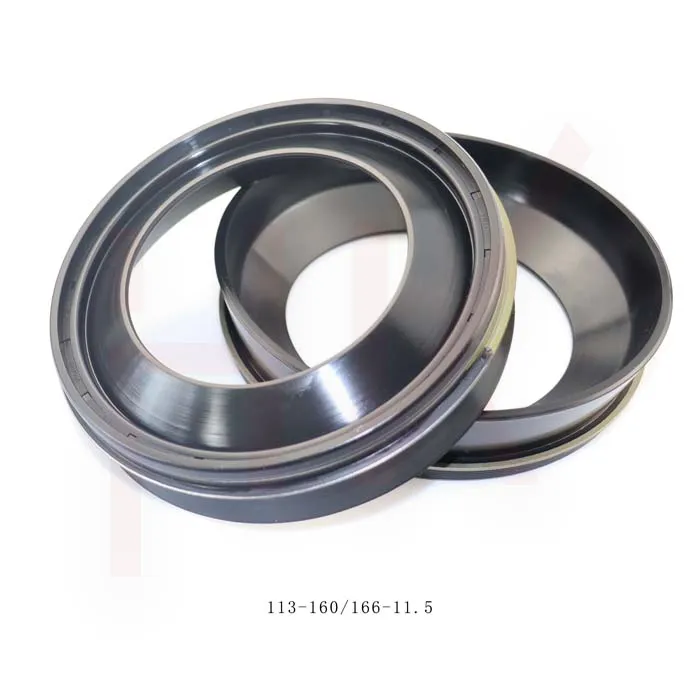
Seals factory direct sales 113*160/166*11.5/38 excavator truck reducer oil seal