Dec . 01, 2025 02:10 Back to list
Mechanical Seal Kit – Essential Solutions for Leak Prevention & Industrial Efficiency
Mechanical Seal Kit: Why It Matters in Today’s Industrial Landscape
If you’ve ever wondered what keeps pumps and rotating equipment from leaking fluids — be it in a power plant, water treatment facility, or chemical plant — then you’ve brushed up against the magic of the mechanical seal kit. Globally, these kits are tiny but mighty parts that protect machinery, reduce waste, and cut costly downtime. Understanding them isn’t just a niche interest for engineers; it’s a key to unlocking longer equipment lifespans, safer workplaces, and more efficient processes worldwide.
The Global Pulse: Mechanical Seal Kits in Industry Today
Across industries such as oil & gas, pharmaceuticals, and water management, mechanical seal kits are vital in ensuring reliability. According to the International Pump Users Association, seal failures account for roughly 30% of pump downtime worldwide, which translates to billions lost in maintenance and production delays annually. Frankly, as global industrial output grows, the demand for durable, high-quality sealing solutions grows with it. Especially in emerging markets like Southeast Asia and Africa, where infrastructure is rapidly expanding, these kits are the unsung heroes preserving the flow—literally.
But the challenge is more than just availability. The environmental regulations posted by institutions like the United Nations and ISO stress leak prevention, so mechanical seal kits play a big role in compliance too. When you think about it, stopping leaks before they happen saves not only money but also reduces environmental damage.
What Exactly Is a Mechanical Seal Kit?
At its heart, a mechanical seal kit is a collection of components designed to prevent fluid leakage where a rotating shaft passes through a stationary housing. Think of it as a guardian that keeps oils, water, chemicals, or gases locked inside the pump or mixer, while stopping dirt and contaminants getting in. Typically, this kit includes seal rings, gaskets, O-rings, springs, and other hardware. Together, they create a tight, wear-resistant barrier that outperforms simple packing materials.
Without these seals, modern machinery—whether in manufacturing plants or humanitarian water treatment units—would be more prone to failure and hazardous leaks. It’s a small part with outsized importance in maintaining operational excellence and safety standards globally.
Mini Takeaway:
Mechanical seal kits are essential for sealing critical equipment shafts, preventing leaks, and ensuring industry standards for safety and efficiency.
Core Components and What Makes Them Tick
1. Durability
Seal materials like carbon, ceramic, and silicon carbide—often included in mechanical seal kits—are chosen because they resist wear and corrosion. Why does that matter? Because good durability means fewer replacements and less downtime.
2. Compatibility
The seal’s compatibility with the pumped fluid—be it acidic, oily, or abrasive—is crucial. This is why there are specialized kits tuned for different chemicals or temperatures. Many engineers swear by silicone elastomers for hot water applications and Viton for petroleum products.
3. Ease of Installation
Quality kits provide all necessary parts for a quick swap-out, reducing labor time. This is a big deal when downtime costs thousands per hour. Emerging kit designs even come pre-assembled or with detailed guides, ideal for field engineers.
4. Cost Efficiency
While premium kits can be pricier upfront, they reduce long-term costs by minimizing failures. It’s a bit like investing in good shoes—you may pay more at first, but the comfort and longevity pay off.
5. Environmental Compliance
Modern kits often meet ISO and EPA standards, key for industries that want to avoid penalties on fluid leakage or emissions. The right seal kit keeps companies in the clear, socially responsible, and positioned for sustainable operation.
Mini Takeaway:
The best mechanical seal kits blend durable materials, fluid compatibility, easy installation, cost-effectiveness, and environmental compliance.
How Mechanical Seal Kits Work Around the World
This bit always fascinates me: these kits are quietly powering sectors from hydroelectric dams in Scandinavia to remote oil rigs in the Middle East. In post-disaster water treatment setups in Southeast Asia, quick-replacement seal kits keep pumps running to provide clean water when it’s needed most.
In industrial Europe and North America, thousands of plants swap these kits as part of scheduled maintenance, trusting brands that support rapid delivery and technical support. Meanwhile, in remote industrial zones of Latin America or Africa, having the correct mechanical seal kit on hand can be the difference between days or weeks of downtime because getting parts shipped is tricky.
It might seem mundane, but each successful seal replacement often means uninterrupted production, safer operations, and fewer environmental spills.
Advantages & Long-Term Value: Why Invest in Quality?
- Cost savings: Reduced emergency repairs and longer equipment life cut expenses.
- Safety: Preventing leaks of toxic or flammable fluids saves lives.
- Environmental benefits: Less leakage means less pollution, aligning with global sustainability goals.
- Trust & reliability: Leaders in manufacturing and utilities value dependable sealing for their brand reputation.
Thinking emotionally, I suppose it’s reassuring to operate with robust seals, knowing that something as small as a gasket can avoid headaches, injuries, or reputational damage. Pragmatically, the efficiency gains translate to profitability.
Future Trends and Innovations Shaping the Mechanical Seal Kit Market
Looking ahead, automation and digitalization are already touching seal maintenance. Smart sensors now detect seal wear or leaks early, triggering predictive maintenance alerts. Oddly enough, what used to be a purely mechanical domain is merging with IoT technologies.
Materials science is another exciting field: newer composites and nano-coatings promise seals with less friction and better heat resistance. This fits with the push towards green energy and cleaner manufacturing, where energy efficiency and reduced emissions are paramount.
Some companies even experiment with renewable or biodegradable seal materials, anticipating stricter environmental policies ahead. So, staying on top of these trends is key for anyone in maintenance or procurement roles.
Challenges and How Experts Are Addressing Them
Despite improvements, challenges remain. For instance, some mechanical seal kits still struggle with extreme temperatures or highly abrasive fluids. Lead times for replacement kits can be long in remote locations. Also, improper installation remains a stubborn problem causing premature failures.
Innovative solutions include modular seal kits tailored to specific industries, intensive field technician training, and global distribution hubs ensuring parts are closer to critical sites. Customization is another growing trend, with kits designed specifically for unique machinery configurations.
Essentially, the best approach is a blend of smart design, well-trained staff, and robust supply chains.
Product Specification Table
| Specification | Typical Feature | Comments |
|---|---|---|
| Seal Type | Single & Double Cartridge | Best for various pressures & applications |
| Materials | Carbon, Ceramic, Silicon Carbide | Wear and corrosion resistant |
| Temperature Range | -40°C to 250°C | Covers most industrial needs |
| Pressure Rating | Up to 25 bar | Suitable for high-pressure pumps |
| Installation | Modular & Pre-assembled Options | Speeds up maintenance tasks |
Vendor Comparison: Leading Mechanical Seal Kit Providers
| Vendor | Material Quality | Global Reach | Customization | Technical Support |
|---|---|---|---|---|
| SealTech Inc. | High-grade composites | Global, with warehouses in 10+ countries | Moderate, via catalog options | 24/7 hotline, field engineers |
| RotorSeal | Ceramic and Silicon Carbide focus | Strong in Asia-Pacific | High, with client-specific builds | Online resources, technical reps |
| GlobalSeal Co. | Standard and eco-friendly materials | Widely distributed in Europe & Americas | Standard kits, some customization | Comprehensive manuals & training |
FAQs About Mechanical Seal Kits
1. How often should a mechanical seal kit be replaced?
Generally, seal kits need replacement every 1–3 years depending on operating conditions such as temperature, pressure, and fluid type. Preventive maintenance schedules and monitoring for leaks or unusual vibrations can extend seal life.
2. Can I install a mechanical seal kit myself or should I hire a technician?
While some kits are designed for easy installation by trained maintenance staff, many recommend professional installation to ensure proper alignment and prevent premature failure. Incorrect fitting is a common cause of seal leaks.
3. What types of fluids are mechanical seal kits compatible with?
Seal kits can be designed for water, chemicals (acidic/basic), petroleum products, and even gases. The key is selecting materials compatible with the fluid to prevent corrosion or swelling.
4. How do mechanical seal kits help with environmental compliance?
By effectively preventing leaks of hazardous fluids, these kits help companies meet environmental regulations such as ISO 14000 and EPA standards, reducing pollutant release and potential fines.
5. Are mechanical seal kits customizable for specific industries?
Yes, many suppliers offer customization options for sizes, materials, and configurations to fit specialized equipment used in industries like pharmaceuticals or oil refining.
Wrapping It Up: Long-Term Benefits and Next Steps
In real terms, investing in high-quality mechanical seal kits is an investment in your equipment’s health, environmental stewardship, and operational efficiency. From cutting unexpected downtime to improving safety, these kits punch above their weight class every day. If you’re seeking reliability made simple, stepping up your sealing game is essential.
Ready to explore tailored mechanical seal kit solutions? Visit our website: mechanical seal kit and find out how we can help seal the deal for your operations.
References
-
Guide to Choosing the Right High Quality hydraulic ram kit
NewsApr.16,2026
-
Premium Hydraulic Cylinder Packing Kits for Peak Performance
NewsApr.09,2026
-
Comprehensive Guide to Hydraulic Cylinder Oil Seal Kits for Optimal Performance
NewsApr.07,2026
-
Comprehensive Guide to Choosing the Right Cylinder Seal Kits for Peak Performance
NewsApr.04,2026
-
Comprehensive Guide to Seal Kits for Cylinders Ensuring Optimal Performance
NewsMar.31,2026
-
Comprehensive Guide to Hyd Cylinder Seals for Optimal Hydraulic System Performance
NewsMar.28,2026
-
Comprehensive Guide to Hyd Cylinder Seal Kit Selection and Installation
NewsMar.26,2026
Products categories
-
Standard oil seal BP0494 High pressure TCN oil seal
-
Hydraulic pump seal AP4624G high pressure TCN oil seal
-
0734307418 0750112169 120*165*10/14.8 concrete mixer reducer oil seal
-
35*52*16 Standard Wheel Hub Oil Seal For Agricultural Machinery
-
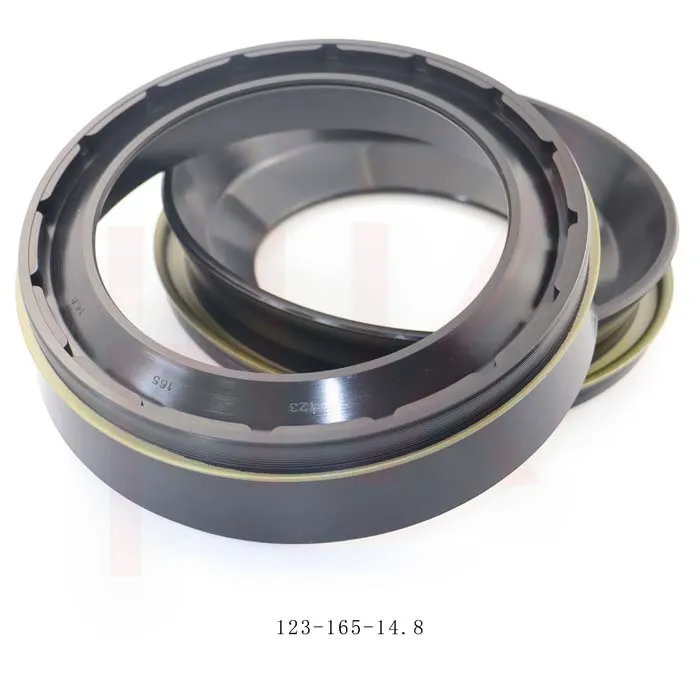
123*165*14.8 concrete mixer truck reducer oil seal
-
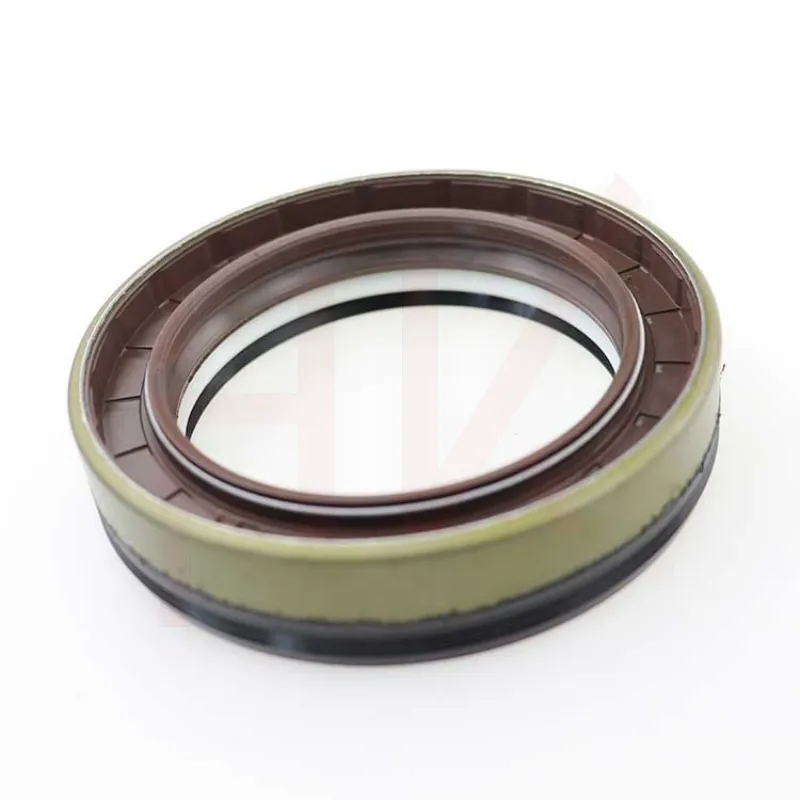
Tractor shaft oil seal 65-90-20 COMBI SF19 hub oil seal
-
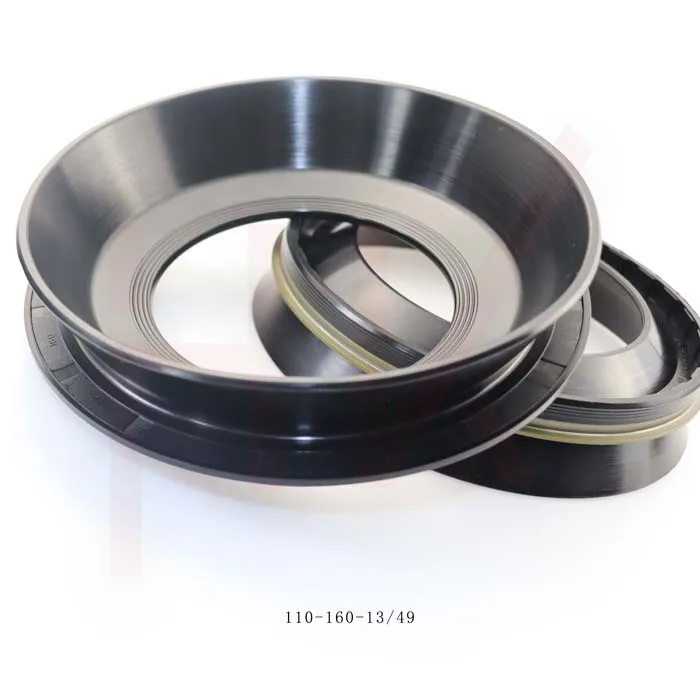
110*160*13/49 NBR reducerConcrete mixer truck oil seal
-
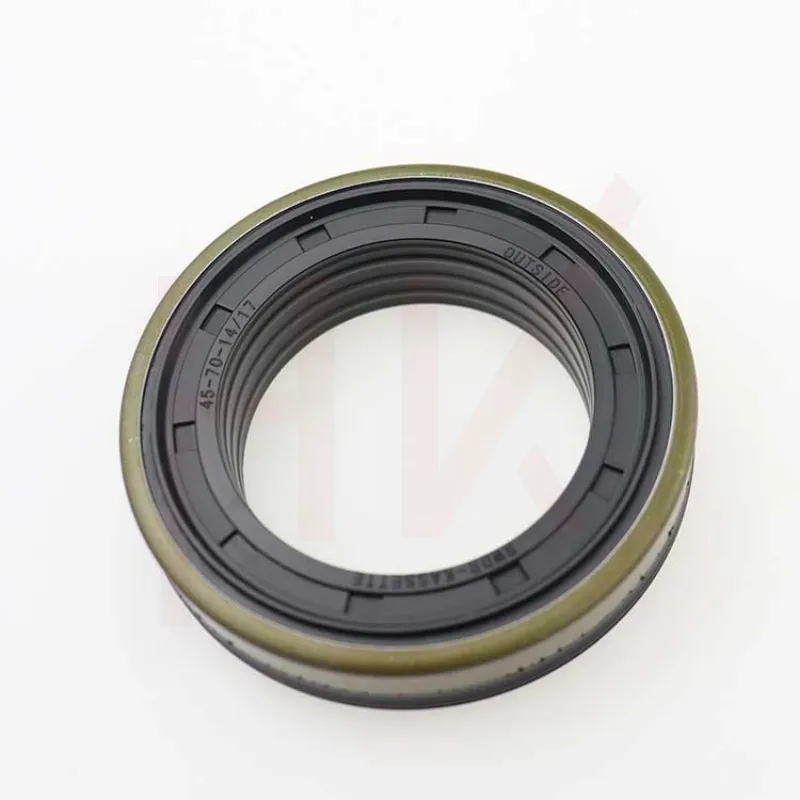
Hub oil seal 40*65*13/14.5 suitable for tractor Cat 12018035b
-
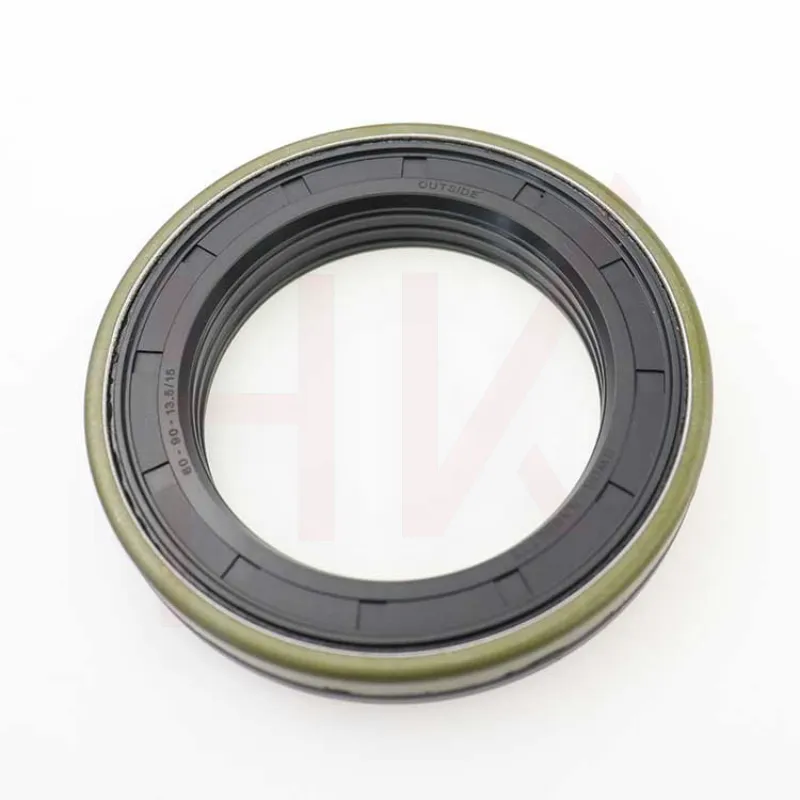
Tractor accessories cassette oil seal hub oil seal 60-90-13.5/15
-
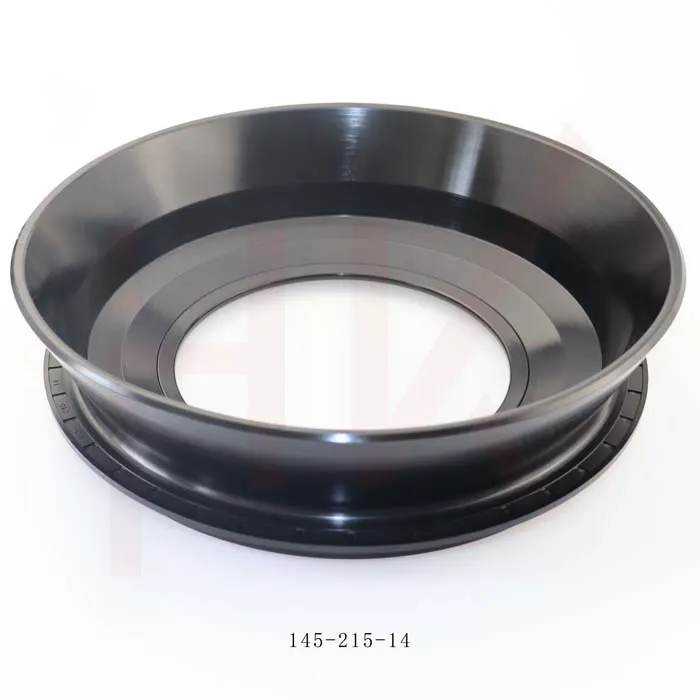
Factory concrete mixer truck oil seal 145*215*14 reducer gearbox oil seal
-
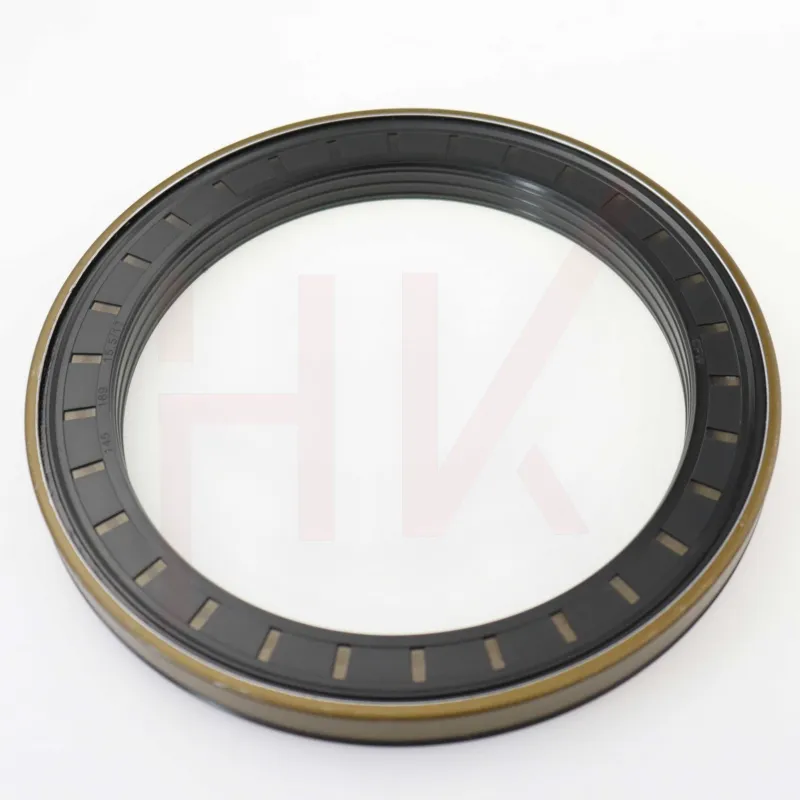
145*189*15.5/17 Cassette Seal NBR Hub Oil Seal 1508044
-
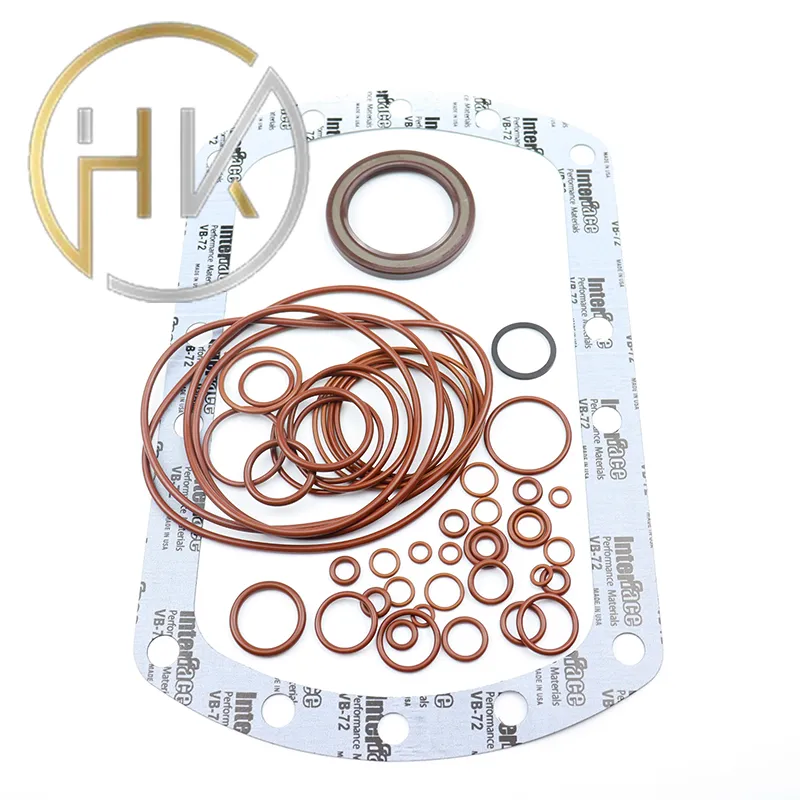
Factory direct sales hydraulic pump motor seal kit A8VO140
-
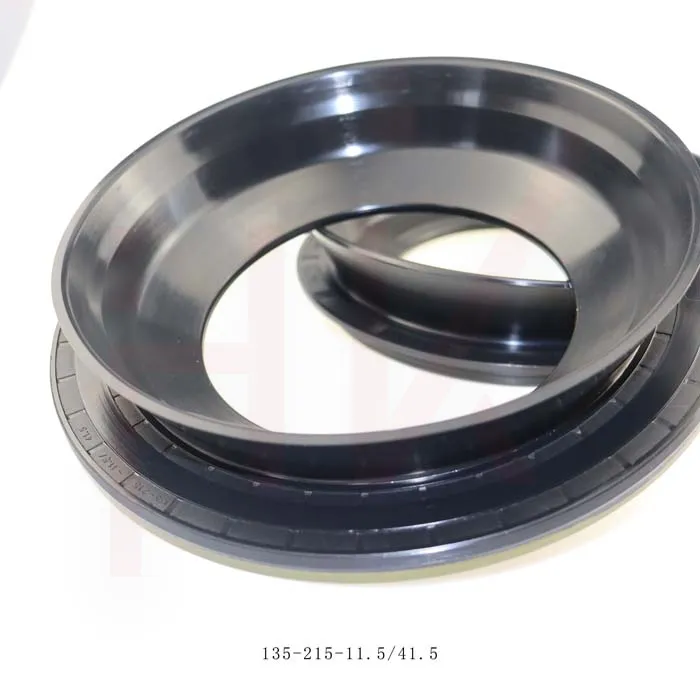
Brand new cement tanker oil seal 135*215*11.5/41.5 concrete mixer oil seal
-
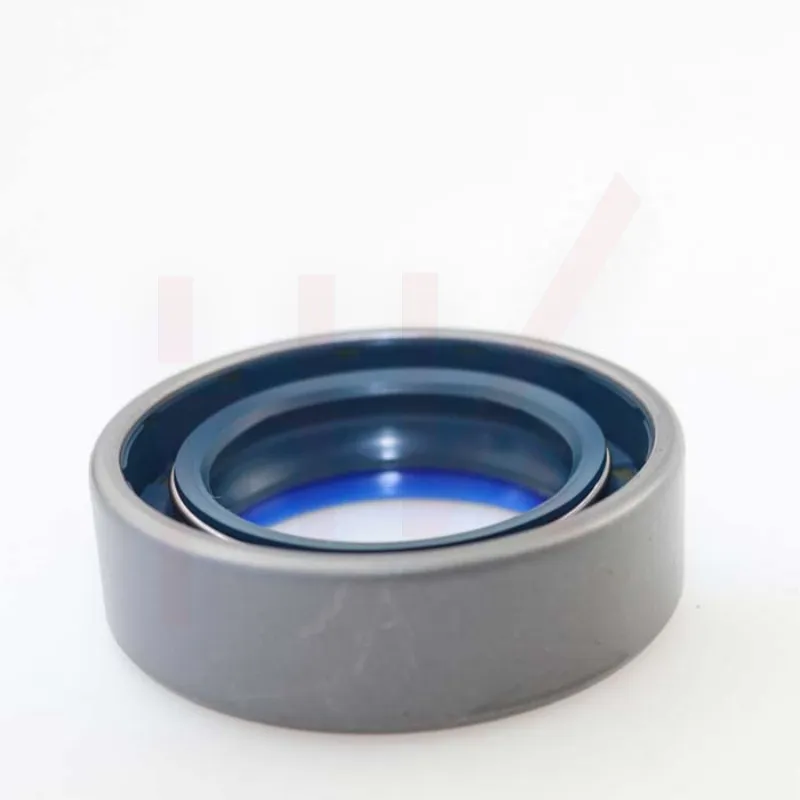
45*65*15 Combi oil seal JCB 90450009 COMBI SF1 SEAL
-
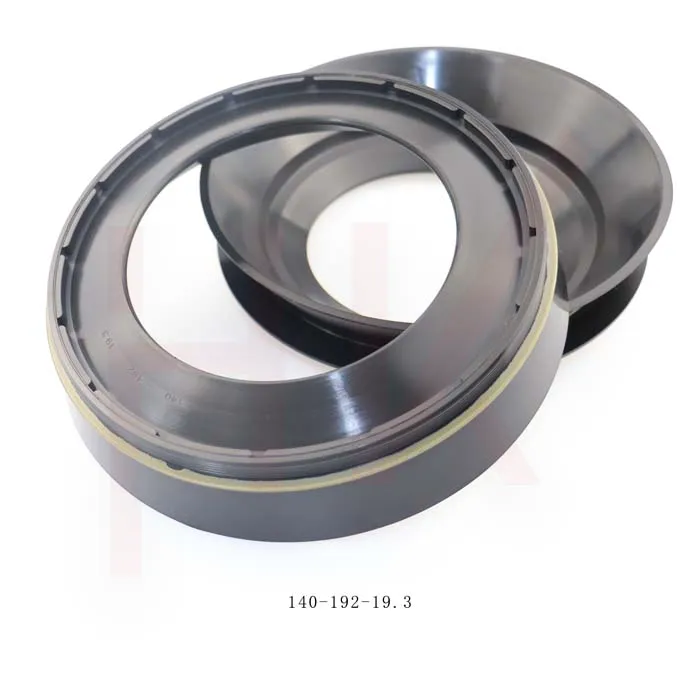
Gear box concrete mixer oil seal 140*192*19.3 nbr reducer oil seal
-
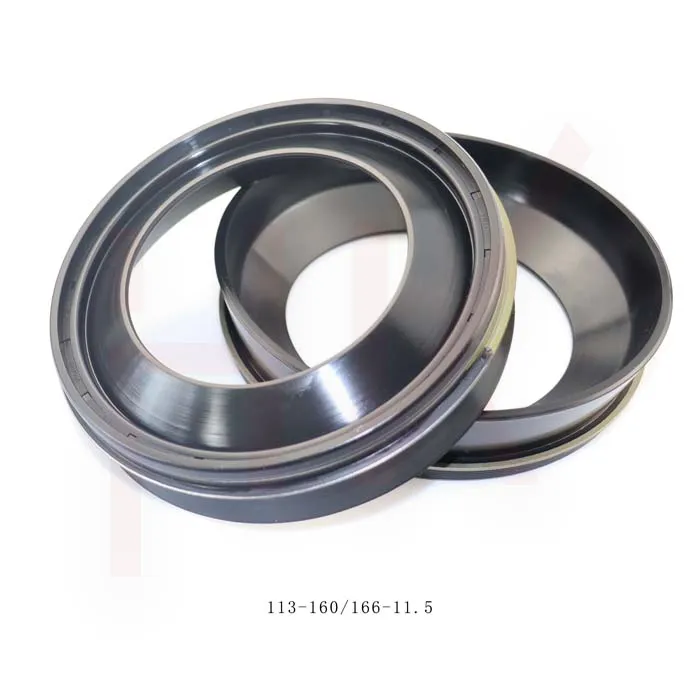
Seals factory direct sales 113*160/166*11.5/38 excavator truck reducer oil seal