Nov . 30, 2025 21:05 Back to list
High-Quality Sealing Ring Kits for Reliable Industrial & Humanitarian Applications
Understanding the Sealing Ring Kit: Why It’s a Game-Changer Globally
At first glance, a sealing ring kit might sound like just another industrial part, but its humble presence plays a pivotal role across countless industries worldwide. From oil and gas pipelines to humanitarian relief water systems, this kit ensures tight, leak-free junctions amid the toughest conditions. Given the surge in infrastructure projects globally and increasing environmental regulations, the sealing ring’s importance has only skyrocketed. So why should anyone outside of maintenance crews or factory floors care? Because understanding how these kits work promises smarter, safer, and more cost-effective systems wherever fluids or gases flow—helping to prevent costly failures, environmental disasters, or service interruptions.
Global Context: Why Sealing Ring Kits Matter More Than Ever
The global sealing technologies market, according to an ISO report, is expected to grow annually by about 6% between 2023 and 2030, driven largely by infrastructure redevelopment and stricter emissions standards. Around 40% of industrial leakages globally, estimated by the UN Environmental Programme, stem from inadequate sealing mechanisms. In sectors like water management, energy production, and even space exploration, a reliable sealing ring sets the safety margin. Just imagine the cost of failure in a deep-sea oil pipeline or in a water supply line in remote, disaster-prone areas. Seal failure means downtime, pollution, safety hazards—and that’s where sealing ring kits step in.
But global relevance isn’t just about industry growth; it’s also about sustainability and resilience. In humanitarian aid, for example, sealed water systems need to maintain integrity to prevent contamination in post-disaster zones—where clean water means life.
Mini takeaway: Sealing ring kits aren't just industrial "plumbing"; they're vital for safety, environmental protection, and global infrastructure reliability.
The Basics: What Is a Sealing Ring Kit, Really?
So what exactly goes into a sealing ring kit? In plain terms, it’s a package of components designed to form a tight seal between two mating surfaces—usually pipes or flanges—preventing leaks of liquids or gases. The kit typically contains a resilient sealing ring (also called a gasket or O-ring), backup rings, and sometimes installation tools or lubricant.
It’s a small but essential part of the modern industrial jigsaw. Whether for chemical reactors, HVAC systems, or drinking water distribution, the sealing ring kit guarantees that the interface won’t leak under pressure, temperature changes, or mechanical vibration.
Interestingly, its humble design speaks volumes about its functionality: combining elasticity and chemical resistance so it can adapt to different environments without failing. It’s no surprise that well-chosen sealing rings reduce maintenance costs and extend system lifespans.
Core Components and Key Factors in a Sealing Ring Kit
1. Material Durability
Sealing rings are usually made from elastomers like Nitrile (NBR), Viton, or Silicone — each material tailored for different working temperatures, chemical exposure, and mechanical stresses. Durability here isn’t just about ‘lasting longer’, but about maintaining integrity under extremes without cracking or swelling.
2. Compatibility & Chemical Resistance
Matching the ring’s material with the fluid it’s sealing is crucial. For example, a Viton ring fares excellently against oils and aggressive chemicals, while EPDM suits hot water and steam applications. Wrong material choice? Say hello to leakage.
3. Precision & Fit
The sealing ring’s shape, size, and compression requirements determine how snug the seal will be. Kits often include backup rings to prevent extrusion under pressure — especially important in high-pressure pipelines.
4. Installation Simplicity
The kit often contains installation aids, like lubricants or spacers, to ensure the sealing ring seats properly without damage. Easy installation reduces errors and downtime.
5. Cost Efficiency
While initial costs vary, the right sealing ring kit can save large sums in avoided leaks, maintenance, and downtime—a detail many engineers stress when selecting components.
6. Environmental Compliance
In industries driven by environmental safety, sealing rings must meet ISO and ASTM standards for pollution prevention. That’s part of what keeps the world a little cleaner.
Mini takeaway: A good sealing ring kit balances material science, design precision, ease of installation, and compliance to deliver reliability in real-world conditions.
Real-World Applications: Where the Sealing Ring Kit Makes a Difference
From the sprawling oil fields of the Middle East to remote water treatment plants in Sub-Saharan Africa and complex robotics in Europe, sealing ring kits pop up everywhere, holding critical systems together.
- Post-disaster Relief: Aid organizations deploy portable water purification units sealed with these kits to guarantee safe storage and transport without contamination.
- Renewable Energy: Wind turbines and solar thermal plants require specialized sealing kits to prevent leaks in harsh outdoor environments.
- Manufacturing Plants: Robotics and pneumatic systems depend on the exact compression and resilience of sealing rings to operate smoothly.
- Oil & Gas Pipelines: High pressures and varying temperatures demand sealing kits customized to withstand extreme conditions and reduce leak risks.
These examples show the universal nature of sealing ring kits—from humanitarian projects to heavy industry, their role is foundational.
Advantages and Long-Term Value
Why do companies and organizations keep returning to these kits? First, the tangible savings: less down-time, fewer accidents, and longer equipment life. Then, the emotional impact—you feel confident in systems that don’t leak toxic substances or compromise worker safety.
Beyond dollars and cents, using high-quality sealing ring kits fosters environmental stewardship. Preventing leaks helps reduce pollution and resource waste. It’s a small tech investment that contributes to cleaner air and water.
Plus, a well-selected kit supports innovation. As industries advance toward smarter and more automated plants, having a dependable sealing component is critical for integrating sensors and control systems without unexpected failures.
Product Specification Table: Typical Sealing Ring Kit
| Specification | Details |
|---|---|
| Ring Material | Nitrile Rubber (NBR), Viton, EPDM options |
| Temperature Range | -40°C to +200°C (depending on material) |
| Pressure Rating | Up to 150 bar |
| Includes | Sealing ring(s), backup rings, lubricant |
| Compliance Standards | ISO 9001, ASTM F-37 |
| Typical Applications | Pipelines, pumps, valves, water systems |
Comparing Leading Sealing Ring Kit Vendors
| Vendor | Material Options | Price Range | Industry Focus | Lead Time |
|---|---|---|---|---|
| SealiTech Ltd. | NBR, Viton, Silicone | $$$ | Oil & Gas, Chemical | 2–4 weeks |
| Global Seal Solutions | EPDM, NBR | $$ | Water Treatment, General Industry | 1–3 weeks |
| HkaiSeal Co. | Viton, Silicone, PTFE composite | $$$ | Food, Pharma, Renewable Energy | 1–2 weeks |
Emerging Trends & Innovations in Sealing Ring Kits
The future for sealing ring technology is surprisingly dynamic. For starters, advanced composite materials integrating PTFE and graphene are making seals longer-lasting and more resistant to extreme temperatures and chemicals. Digital sensors embedded around sealing rings foreshadow “smart seals” capable of predicting leaks before they happen—a kind of early warning system for critical infrastructure.
Another interesting trend is eco-friendliness. Biodegradable and recyclable sealing materials are gaining traction, aligning with global sustainability goals. Automation also plays a role, with robotic installation tools reducing human error and speeding up complex assembly processes.
As green energy projects expand—think hydrogen pipelines or solar plants—they demand seals that can handle new chemical compositions and fluctuating pressures. So the sealing ring kits of tomorrow might be quite different under the hood than today’s workhorses.
Common Challenges and How to Overcome Them
Not everything’s perfect, of course. One persistent challenge is material mismatch—selecting the wrong ring for the job leads to premature failure. Many engineers have had to learn this the hard way, resulting in costly downtime.
Another issue is sometimes the lack of standardization. Different vendors might specify sizes or pressure ratings inconsistently, making global projects tricky. That’s why adhering to international standards (like ISO 7743 for rubber seals) is key.
Expert tips? Always verify chemical compatibility thoroughly, conduct pressure testing in situ, and consider working with trusted suppliers who offer customization or pre-assembled sealing ring kits tailored to your application.
FAQ: Clearing Up Common Questions About Sealing Ring Kits
- What material is best for high-temperature sealing rings?
- Viton and Silicone are typically preferred for high-temperature applications, withstanding up to 200°C or slightly more. The choice depends on chemical exposure as well as temperature.
- How often should sealing rings be replaced in industrial systems?
- Replacement intervals vary, but many industries aim for inspection or replacement every 1–3 years, depending on pressure, temperature cycles, and chemical environment.
- Can sealing ring kits be customized for unusual pipe sizes?
- Yes. Many suppliers, including HkaiSeal, offer custom-sized kits especially for non-standard or legacy equipment, ensuring tight seals regardless of complexity.
- Are sealing ring kits compatible with potable water systems?
- Absolutely. Materials like EPDM are commonly used in drinking water applications, complying with national health regulations to ensure safety and no contamination.
- How to import sealing ring kits for international projects?
- Check supplier export capabilities and compliance certificates. Clearing customs typically requires documentation on materials and conformity to standards like ISO, which reputable vendors provide.
Conclusion: Why Investing in Quality Sealing Ring Kits Pays Off
Looking at the big picture, the humble sealing ring kit emerges as a linchpin in infrastructure reliability, safety, and sustainability. The cost of missteps here can be staggering, while the right kit delivers peace of mind, operational efficiency, and long-term savings. It’s a blend of engineering, material science, and practical know-how that quietly shapes what works and what fails in the real world.
Feeling ready to seal the deal with your next project? Explore trusted kits and tailored solutions at HkaiSeal’s website—where quality and expertise meet.
References
-
Guide to Choosing the Right High Quality hydraulic ram kit
NewsApr.16,2026
-
Premium Hydraulic Cylinder Packing Kits for Peak Performance
NewsApr.09,2026
-
Comprehensive Guide to Hydraulic Cylinder Oil Seal Kits for Optimal Performance
NewsApr.07,2026
-
Comprehensive Guide to Choosing the Right Cylinder Seal Kits for Peak Performance
NewsApr.04,2026
-
Comprehensive Guide to Seal Kits for Cylinders Ensuring Optimal Performance
NewsMar.31,2026
-
Comprehensive Guide to Hyd Cylinder Seals for Optimal Hydraulic System Performance
NewsMar.28,2026
-
Comprehensive Guide to Hyd Cylinder Seal Kit Selection and Installation
NewsMar.26,2026
Products categories
-
Standard oil seal BP0494 High pressure TCN oil seal
-
Hydraulic pump seal AP4624G high pressure TCN oil seal
-
0734307418 0750112169 120*165*10/14.8 concrete mixer reducer oil seal
-
35*52*16 Standard Wheel Hub Oil Seal For Agricultural Machinery
-
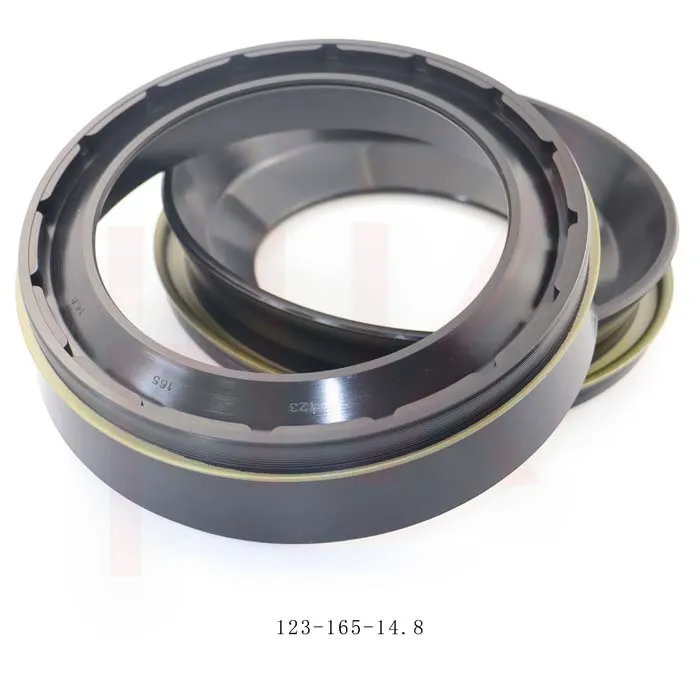
123*165*14.8 concrete mixer truck reducer oil seal
-
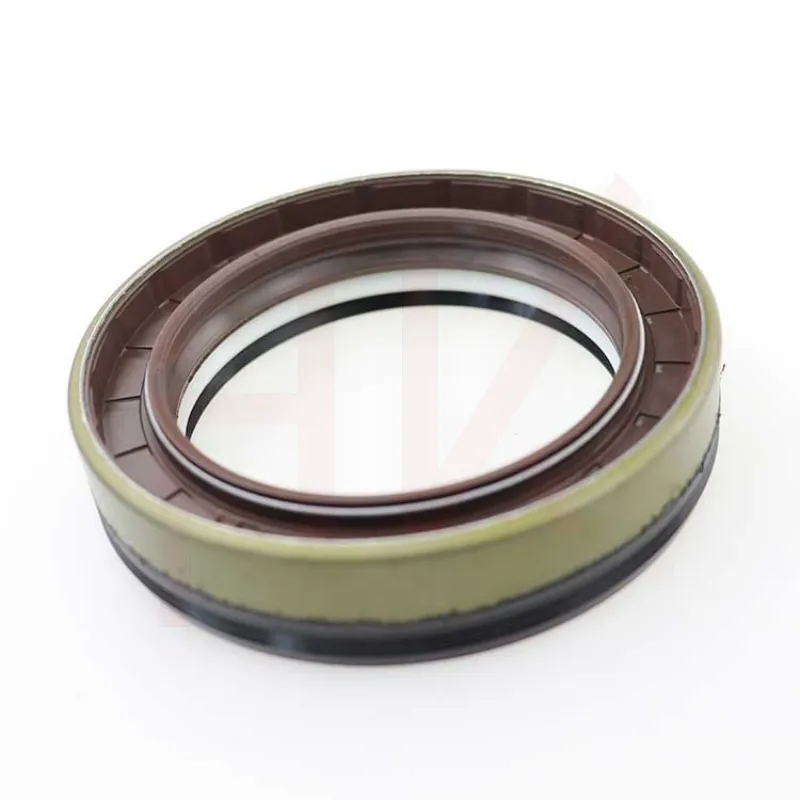
Tractor shaft oil seal 65-90-20 COMBI SF19 hub oil seal
-
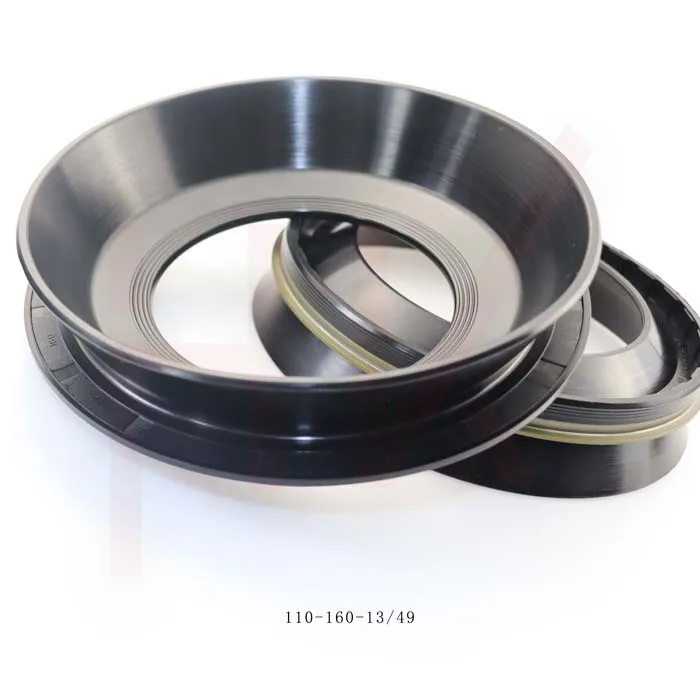
110*160*13/49 NBR reducerConcrete mixer truck oil seal
-
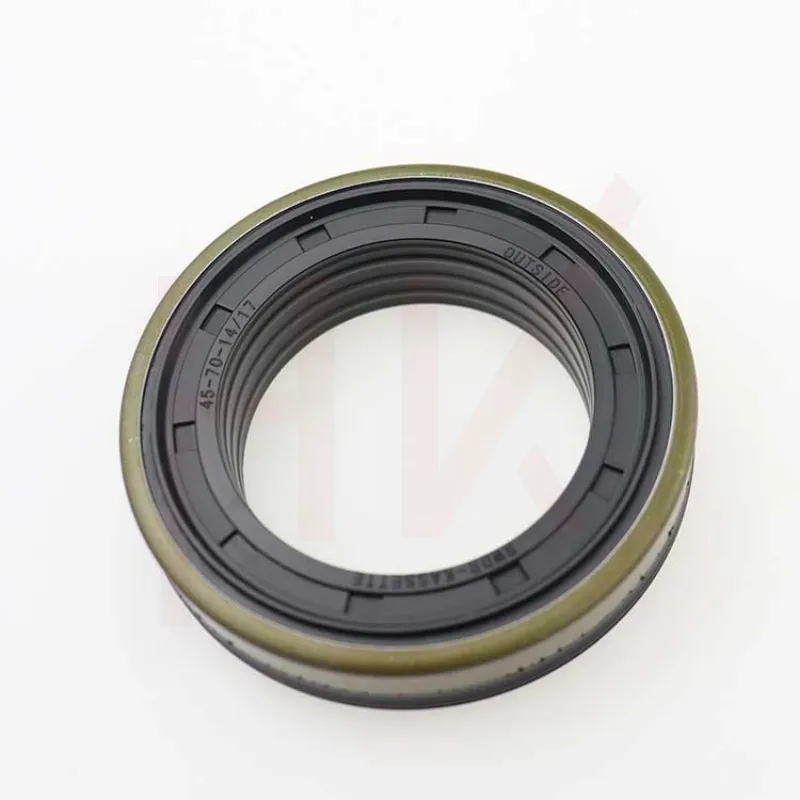
Hub oil seal 40*65*13/14.5 suitable for tractor Cat 12018035b
-
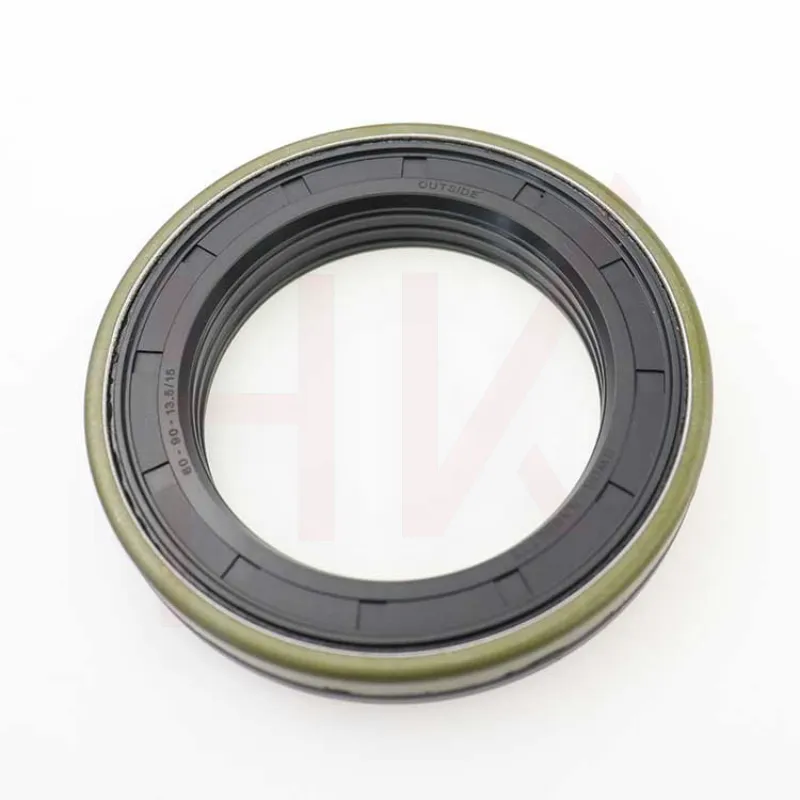
Tractor accessories cassette oil seal hub oil seal 60-90-13.5/15
-
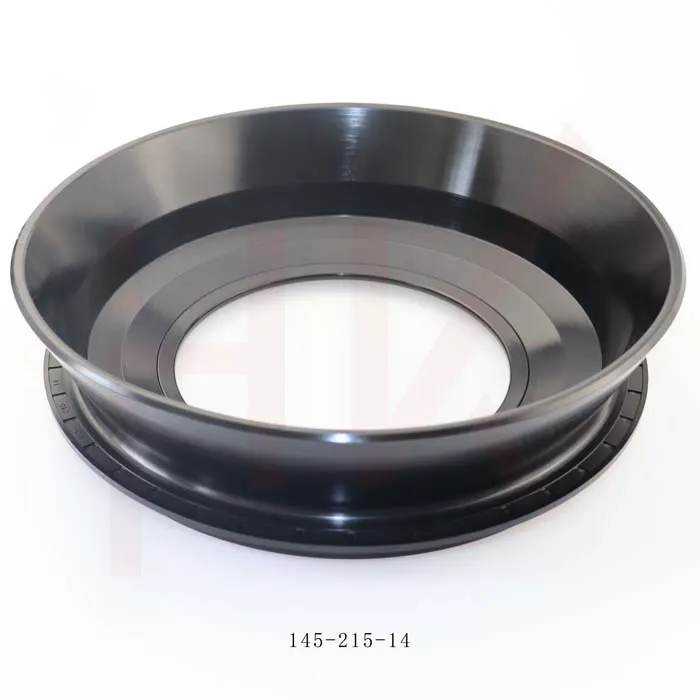
Factory concrete mixer truck oil seal 145*215*14 reducer gearbox oil seal
-
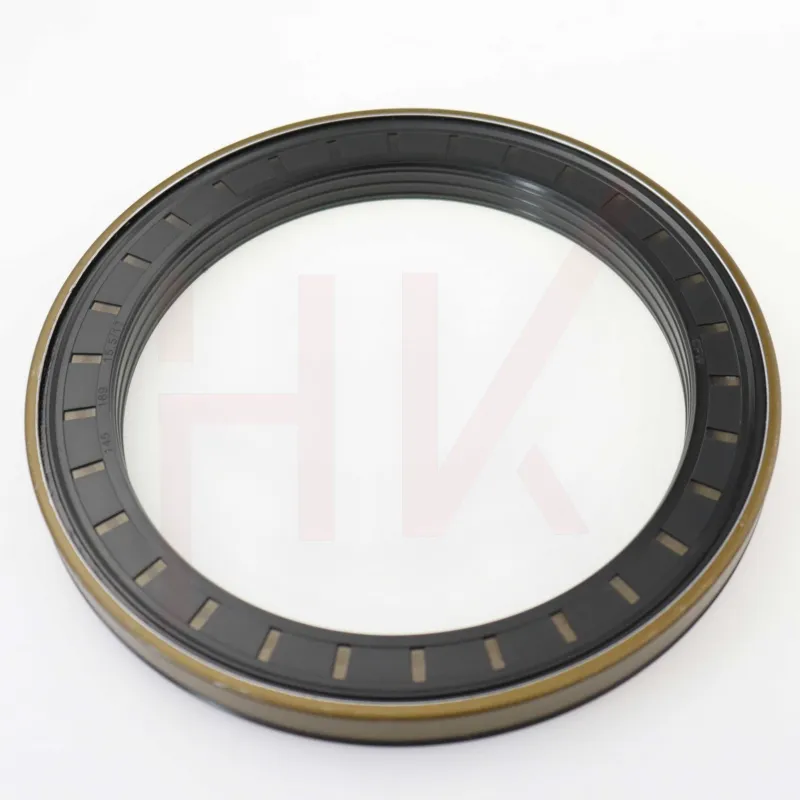
145*189*15.5/17 Cassette Seal NBR Hub Oil Seal 1508044
-
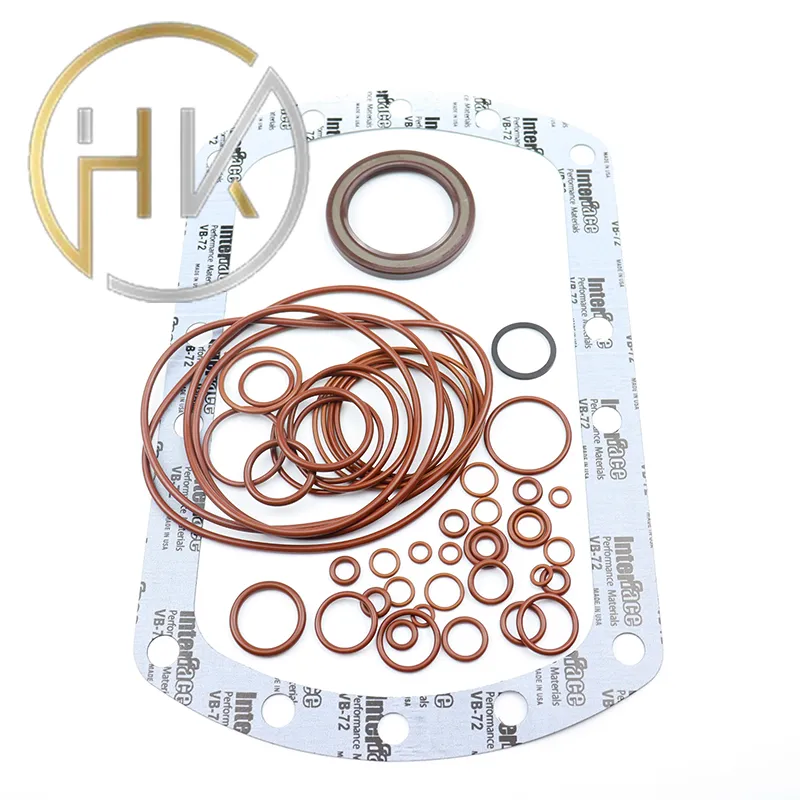
Factory direct sales hydraulic pump motor seal kit A8VO140
-
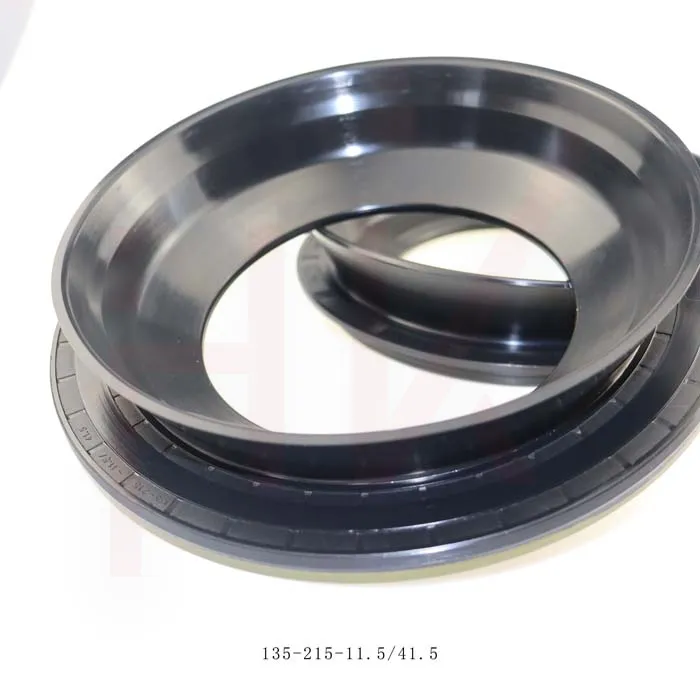
Brand new cement tanker oil seal 135*215*11.5/41.5 concrete mixer oil seal
-
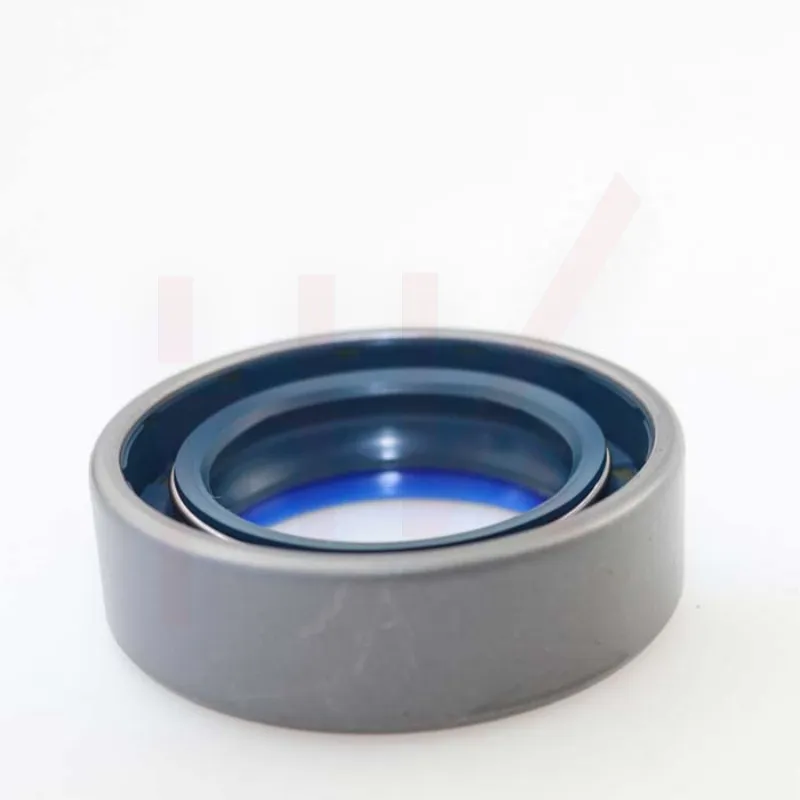
45*65*15 Combi oil seal JCB 90450009 COMBI SF1 SEAL
-
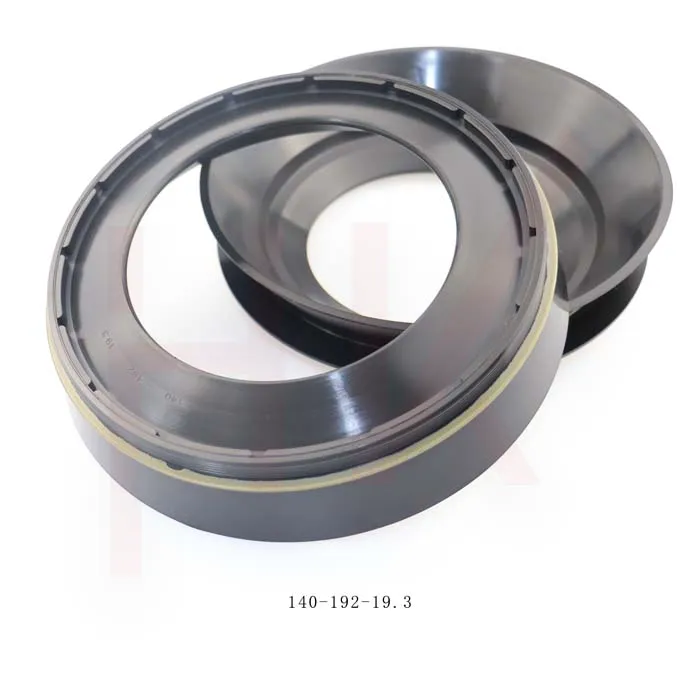
Gear box concrete mixer oil seal 140*192*19.3 nbr reducer oil seal
-
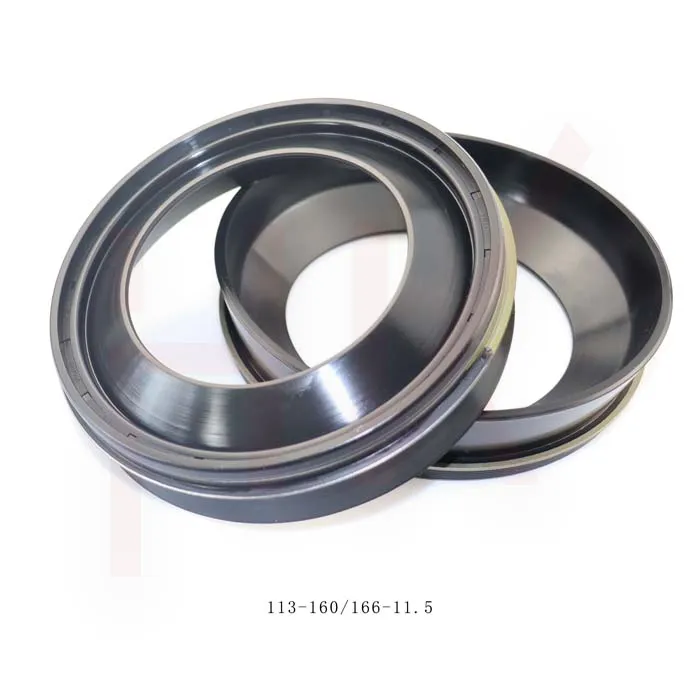
Seals factory direct sales 113*160/166*11.5/38 excavator truck reducer oil seal