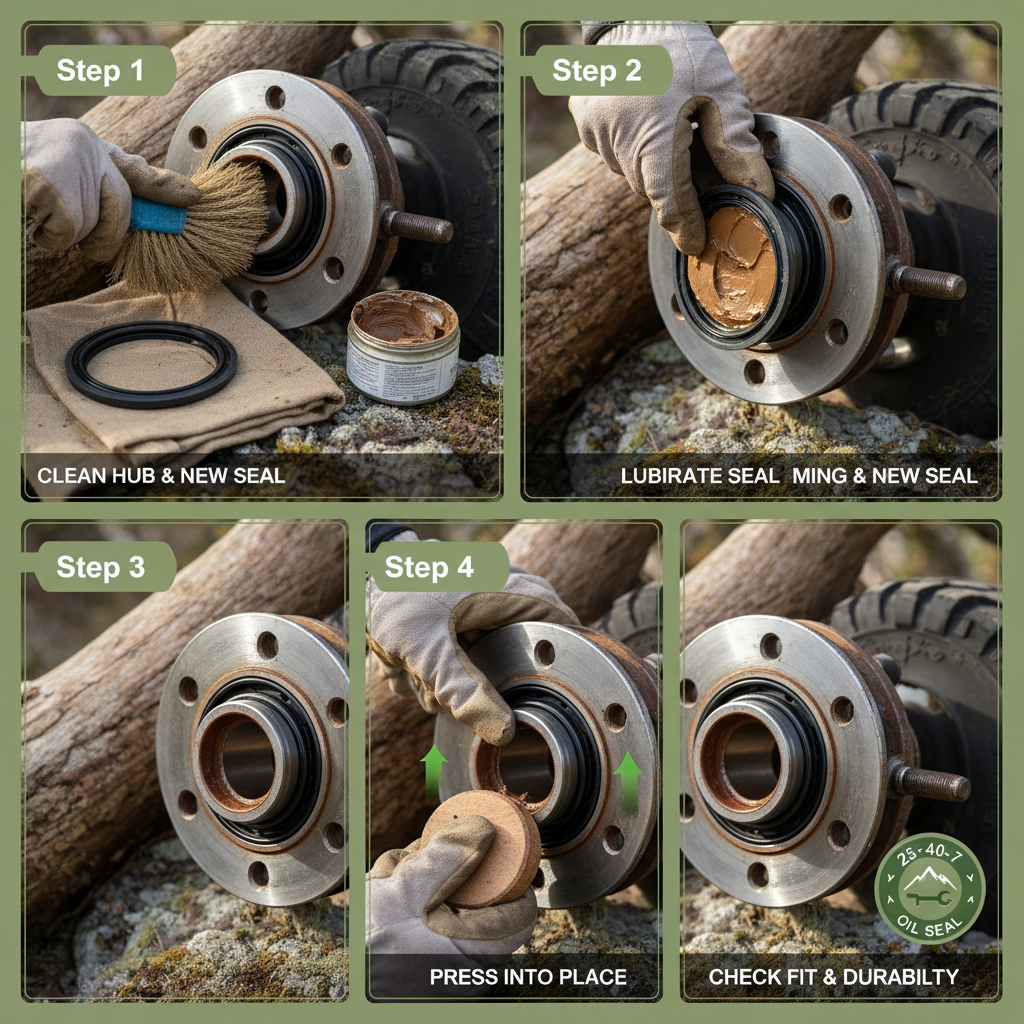
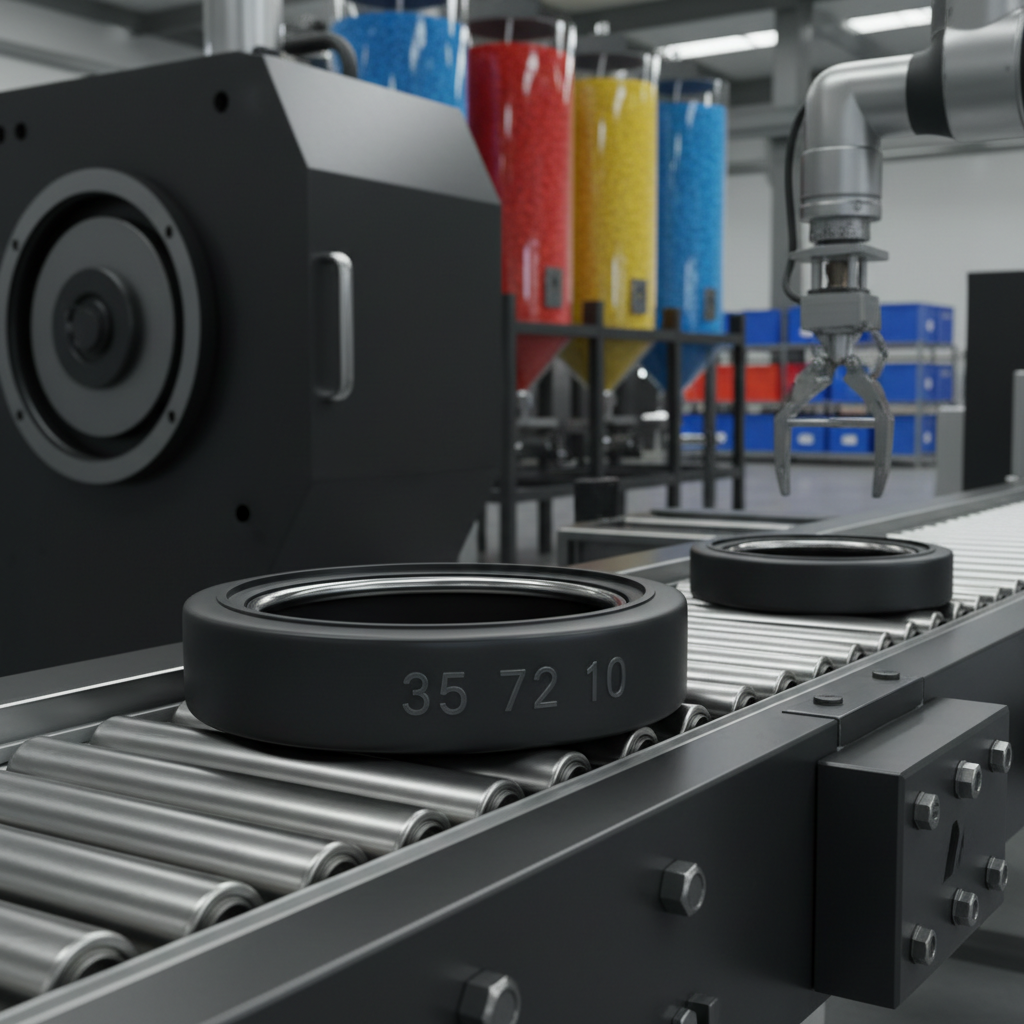
In the demanding world of heavy machinery and automotive engineering, the integrity of fluid containment is paramount to operational safety. The axle hub seal serves as a critical barrier, preventing lubricant leakage and blocking the ingress of contaminants that could lead to premature component failure. Ensuring these seals operate at peak performance is not just a maintenance requirement but a fundamental necessity for reducing downtime across global transport and construction fleets.
From a global perspective, the reliance on high-performance sealing technology has surged as industries push for higher load capacities and longer service intervals. The failure of a single seal in a hub assembly can lead to catastrophic axle failure, resulting in significant economic losses and potential safety hazards on public roads or industrial sites. Consequently, the engineering focus has shifted toward materials that can withstand extreme pressure and temperature fluctuations.
Understanding the nuances of the axle hub seal is essential for engineers and procurement specialists who aim to optimize vehicle longevity. By utilizing advanced materials like NBR and FKM, these components ensure that high-pressure environments are managed effectively, maintaining the structural integrity of the wheel assembly under the most grueling conditions.
Material Composition and Pressure Resistance
The effectiveness of an axle hub seal is primarily determined by its material composition. High-grade Nitrile Butadiene Rubber (NBR) and Fluorocarbon (FKM/FPM) are the industry standards, offering a balance between chemical resistance and mechanical strength. These materials are often reinforced with a metal ring to provide the necessary rigidity to maintain a tight seal against the rotating shaft, even when subjected to intense vibrations.
Pressure resistance is the defining feature of these high-pressure oil seals, with capabilities reaching up to 0.98MPa. This ensures that lubricants are kept within the hub assembly during sudden pressure spikes, which are common in hydraulic and heavy-duty axle systems. The ability to withstand such pressure prevents the seal from extruding or blowing out, thereby ensuring a continuous and leak-proof operation.
Technical Specifications and Customization
Standardization allows for quick replacement in most fleet maintenance scenarios, but the diversity of machinery often requires customized dimensions. The current catalog offers an extensive range of sizes, from small 13x26x7 seals to massive 185x205x10/8.5 variants, ensuring that every specific axle hub requirement can be met with precision.
Customization extends beyond just the diameter and width. The choice between Blue and Brown color coding often denotes specific material properties or pressure ratings, aiding technicians in rapid identification during assembly. Furthermore, the ability to order nonstandard sizes means that legacy equipment can be kept operational without the need for expensive housing modifications.
With a minimum order quantity (MOQ) of just 20 pieces, manufacturers provide an accessible entry point for smaller workshops and specialized repair centers. This flexibility ensures that high-pressure sealing solutions are available not only to large-scale OEMs but also to local maintenance providers who require exact specifications for their clients.
The Role of High Pressure TCV Seals
The High Pressure TCV Oil Seal is specifically engineered to bridge the gap between standard sealing and extreme environment requirements. In the context of an axle hub seal, the TCV design focuses on enhancing the lip contact and reinforcing the internal structure to prevent fluid migration under heavy loads.
One of the most significant advantages of utilizing this specific axle hub seal configuration is the inclusion of the metal ring. This structural element ensures that the seal remains seated firmly within the bore, resisting the radial forces that typically cause lower-quality seals to shift or fail prematurely.
When comparing various options, the 0.98MPa resistance of the TCV series makes it an ideal candidate for hydraulic systems and high-torque axles. By maintaining a consistent seal, it protects the internal bearings from dust and water, which are the primary causes of axle hub wear in construction and mining environments.
Performance Metrics in Industrial Environments
Evaluating the performance of sealing components requires a look at their reliability across different stress factors. In industrial settings, the primary metrics include leak-rate over time, wear resistance against rotating shafts, and the ability to maintain elasticity across a wide temperature range.
High-pressure seals are often rated based on their ability to maintain a vacuum or hold back pressure without deformation. For an axle hub seal, the synergy between the rubber compound and the metal reinforcement determines the ultimate lifespan of the part, directly impacting the total cost of ownership for the vehicle.
Comparative Performance of Hub Sealing Methods
Global Applications across Heavy Industries
The application of the axle hub seal spans various sectors, most notably in the construction of concrete mixers and heavy-duty trucks. In these environments, equipment is often exposed to abrasive cement dust and water, making the dust-proof and oil-proof properties of FKM and NBR seals indispensable.
Beyond construction, these seals are vital in remote industrial zones, such as mining sites in Australia or oil fields in the Middle East. In such locations, the cost of a breakdown is magnified by the logistical difficulty of repair, placing a premium on the reliability and high-pressure resistance of the sealing components used in axle assemblies.
Long-Term Value and Reliability Benefits
Investing in high-quality sealing solutions provides tangible long-term financial benefits. By preventing lubricant leakage, the axle hub seal reduces the frequency of oil top-ups and extends the life of the bearings, which are far more expensive to replace than the seal itself.
From a safety perspective, a reliable seal prevents oil from leaking onto brake components, a critical failure that could lead to brake fade or total loss of stopping power. This logical link between a small rubber component and vehicle safety underscores the importance of choosing seals with proven pressure resistance.
Moreover, the use of sustainable, high-durability materials reduces the environmental impact by minimizing oil spills into the ecosystem. Reliability creates trust between the fleet operator and the end customer, ensuring that deliveries and project milestones are met without unexpected mechanical interruptions.
Future Trends in Sealing Technology
The future of the axle hub seal is leaning toward "smart materials" and enhanced sustainability. Research into nanocomposite rubbers aims to further increase the wear resistance and thermal stability of seals, allowing them to operate in even more extreme temperatures without losing their elasticity.
Digital transformation is also influencing the industry through the implementation of predictive maintenance. While the seal itself remains a mechanical part, the integration of sensors in the hub assembly can now detect early signs of pressure loss, prompting the replacement of the seal before a total failure occurs.
As the industry moves toward green energy and electric heavy-duty vehicles, the requirements for seals are evolving. Electric axles often have different lubrication needs and rotational speeds, leading to the development of low-friction seals that contribute to overall vehicle efficiency and energy conservation.
Analysis of Sealing Material Performance in Diverse Environments
| Material Type |
Pressure Rating |
Temp Resistance |
Industrial Suitability |
| Standard NBR |
Medium (0.5MPa) |
Up to 120°C |
General Transport |
| FKM / FPM |
High (0.8MPa) |
Up to 200°C |
Chemical / Mining |
| TCV High Pressure |
Extreme (0.98MPa) |
Up to 150°C |
Hydraulic / Concrete |
| Rubber + Metal Ring |
High (0.9MPa) |
Up to 130°C |
Heavy-Duty Axles |
| Customized Polymer |
Variable |
Variable |
Specialized OEM |
| Standard Rubber |
Low (0.3MPa) |
Up to 100°C |
Light Duty |
FAQS
NBR (Nitrile) is excellent for general oil resistance and is cost-effective for standard applications. FKM (Fluorocarbon) offers superior resistance to high temperatures and aggressive chemicals, making it more suitable for extreme industrial environments where thermal degradation is a risk.
A higher pressure rating ensures that the seal can withstand the internal hydraulic pressure spikes common in heavy-duty axle systems. This prevents the seal from leaking or blowing out under load, which significantly reduces the risk of lubricant loss and component failure.
Yes, we offer standard and customized options. If your specific dimensions are not listed in our size catalog, our engineering team can manufacture a seal to your exact specifications to ensure a perfect fit for your machinery.
The metal ring provides structural reinforcement, ensuring the seal remains perfectly circular and securely seated in the housing. This prevents radial displacement during high-speed rotation and improves the seal's overall stability and lifespan.
Common signs include visible oil leaks around the wheel hub, a decrease in lubricant levels during routine checks, and an increase in noise or heat from the axle bearings due to inadequate lubrication or contamination ingress.
Replacement intervals vary based on the operating environment. However, it is recommended to inspect seals during every major service. In high-abrasion environments like construction, replacing seals proactively every 2,000 to 5,000 hours can prevent costly bearing failures.
Conclusion
In summary, the axle hub seal is a small but indispensable component that ensures the operational viability of heavy-duty machinery. By leveraging advanced materials like FKM and NBR and employing high-pressure designs capable of resisting 0.98MPa, these seals protect critical bearings and maintain system efficiency. From the precise dimensions found in a comprehensive size catalog to the structural support of metal rings, every detail contributes to the overall reliability and safety of the vehicle.
Looking forward, the integration of smarter materials and predictive maintenance will further refine the role of sealing technology. For operators and engineers, prioritizing high-quality, pressure-resistant seals is the most effective way to minimize downtime and maximize the lifespan of their fleet. We invite you to explore our full range of professional sealing solutions to ensure your equipment remains in peak condition. Visit our website: www.hkaiseal.com