
Jan . 30, 2026 14:35 Back to list
Comprehensive Guide to Rear Hub Seal Selection and Vehicle Performance
Understanding and Selecting the Right Rear Hub Seal
The rear hub seal is a critical component in vehicle wheel assemblies, preventing lubricant leakage and protecting against contamination. Choosing the correct seal is essential for maintaining vehicle performance, safety, and longevity. This article will provide a comprehensive overview of rear hub seals, covering their function, types, materials, common failure points, and selection criteria. We'll also explore how HKAiseal provides high-quality, reliable rear hub seals for a variety of applications.
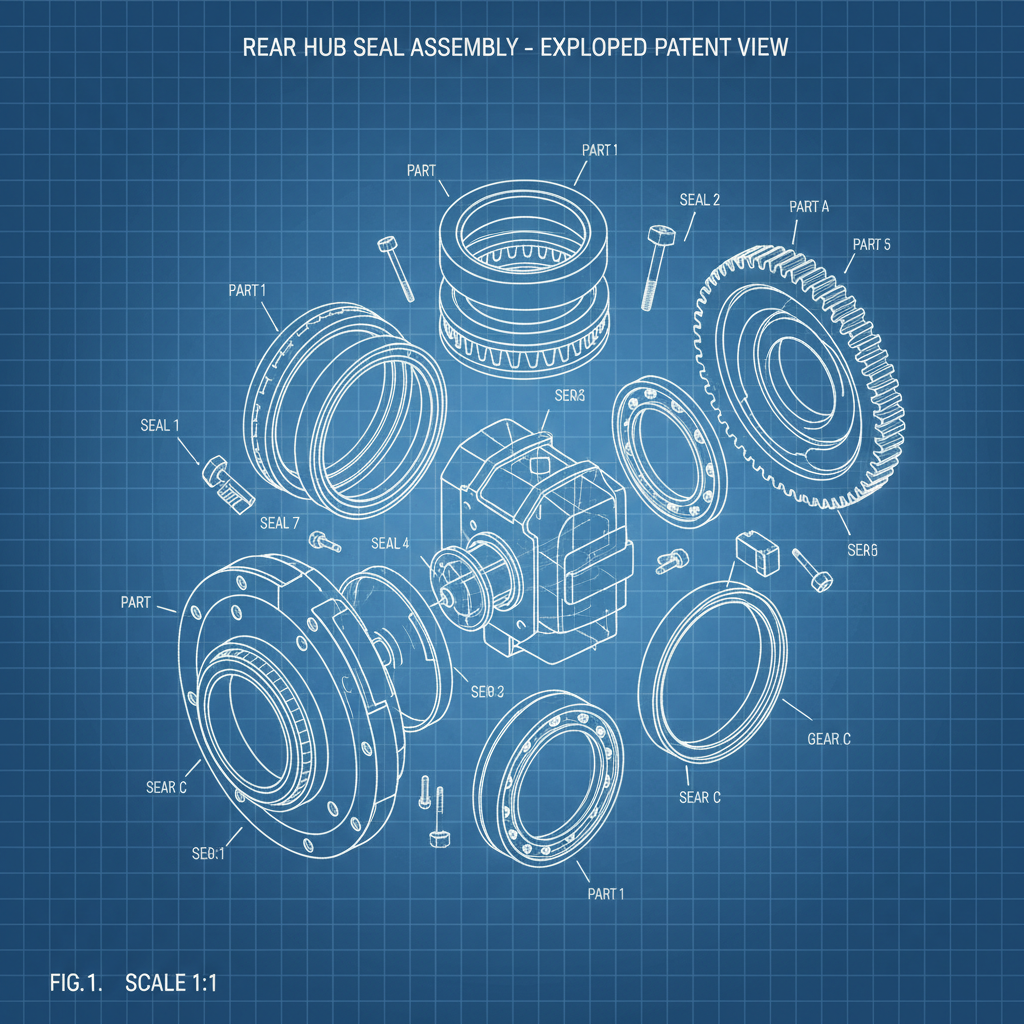
The Crucial Function of a Rear Hub Seal
A rear hub seal's primary function is to create a barrier between the wheel hub and the axle housing. This prevents the escape of lubricating grease, which is vital for reducing friction and wear on the wheel bearings. Without a properly functioning seal, grease can be flung off, leading to bearing failure. Conversely, the seal also prevents the ingress of dirt, water, and other contaminants that can damage the bearings and cause premature wear. A compromised rear hub seal can result in costly repairs and potential safety hazards.
Key Benefits of a Functional Rear Hub Seal: Prevents grease leakage, protects against contamination, extends bearing life, ensures smooth wheel rotation, enhances vehicle safety.
Types of Rear Hub Seals
Rear hub seals come in several different designs to accommodate various vehicle applications and axle configurations. Common types include:
- Lip Seals: The most common type, featuring a flexible lip that presses against the axle shaft to create a seal.
- O-Ring Seals: Used in some applications, relying on compression to form a seal. Often used in conjunction with other seal designs.
- Cassette Seals: Consist of a housing and an internal sealing element. These are often found in more modern vehicles.
- Double Lip Seals: Provide an extra layer of protection against contamination and leakage, used in more demanding applications.
The selection of the appropriate type depends on factors such as axle speed, operating temperature, and the presence of contaminants.
Seal Type Comparison:
• Lip Seals: Cost-effective, suitable for many applications.
• O-Ring Seals: Simple, used as secondary seals.
• Cassette Seals: Improved sealing performance, modern vehicles.
• Double Lip Seals: Enhanced protection, demanding applications.
Materials Used in Rear Hub Seal Construction
The materials used in a rear hub seal are crucial for its performance and durability. Common materials include:
- Nitrile Rubber (NBR): Excellent resistance to oil and grease, widely used in standard applications.
- Viton (FKM): Superior resistance to high temperatures, aggressive chemicals, and fuels, ideal for demanding environments.
- Silicone Rubber (VMQ): Good temperature resistance and flexibility, suitable for lower-stress applications.
- Polyacrylate Rubber (ACM): Provides good resistance to hot oil and oxidation.
The choice of material depends on the operating conditions and the type of lubricant used in the hub. HKAiseal offers seals constructed from a variety of materials to meet specific application requirements.
Common Causes of Rear Hub Seal Failure
Rear hub seals can fail for a number of reasons, including:
- Wear and Tear: Over time, the sealing lip can wear down, reducing its effectiveness.
- Contamination: Abrasive particles can damage the sealing surface.
- Overheating: High temperatures can degrade the seal material.
- Improper Installation: Incorrect installation can cause premature failure.
- Damaged Axle Shaft: Scratches or grooves on the axle shaft can compromise the seal.
Regular inspection and timely replacement of worn or damaged seals are essential for preventing more serious problems.
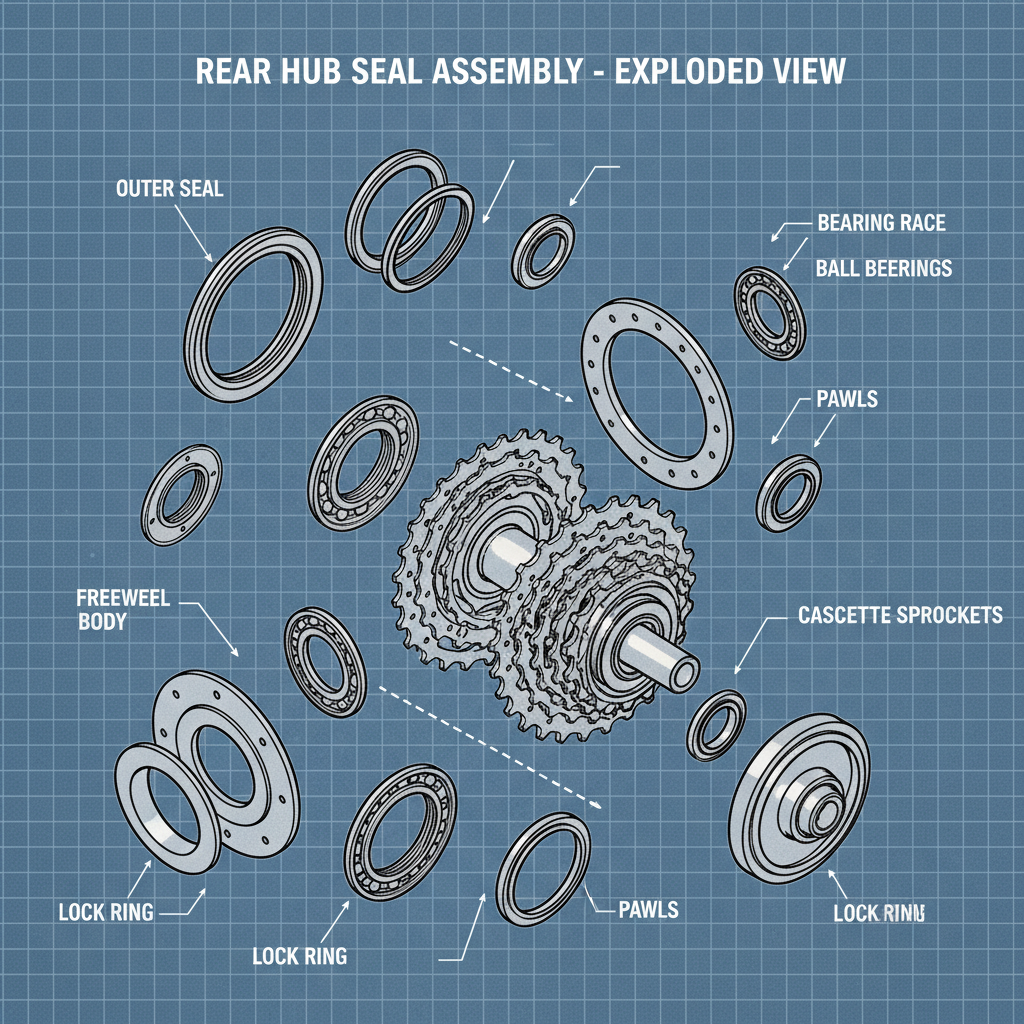
Choosing the Right Rear Hub Seal: A Comprehensive Guide
Selecting the correct rear hub seal requires careful consideration of several factors. Here's a checklist:
- Vehicle Make and Model: Ensure the seal is designed for your specific vehicle.
- Axle Type: Identify the type of axle (e.g., full-floating, semi-floating).
- Seal Type: Choose the appropriate seal type (lip, O-ring, cassette, double lip).
- Material Compatibility: Select a material that is compatible with the lubricant and operating conditions.
- Dimensions: Verify the seal's dimensions (inner diameter, outer diameter, width) match the hub and axle specifications.
HKAiseal provides detailed product information and technical support to help you select the right seal for your needs.
Conclusion: Ensuring Reliability with Quality Rear Hub Seals
The rear hub seal is a small but vital component of vehicle wheel systems. Selecting a high-quality seal from a reputable supplier like HKAiseal ensures reliable performance, protects against costly repairs, and enhances vehicle safety. Invest in quality seals for peace of mind and long-lasting vehicle operation.
Frequently Asked Questions (FAQs)
What are the signs of a failing rear hub seal?
Common signs include grease leaking from the wheel hub, a low humming or grinding noise from the wheel area (indicating bearing damage due to contamination), and uneven wheel bearing wear. If you notice any of these symptoms, it's crucial to inspect the rear hub seal and replace it if necessary. Ignoring these signs can lead to more significant and expensive repairs, such as complete wheel bearing replacement or even axle damage. Regularly checking the hub seals during routine vehicle maintenance can help identify potential problems early on.
How often should rear hub seals be replaced?
There isn’t a fixed timeframe for replacing rear hub seals. It depends heavily on driving conditions and vehicle usage. As a general guideline, it’s recommended to inspect them every 50,000-100,000 miles, or during wheel bearing replacement. If you frequently drive in harsh conditions (e.g., dusty environments, off-road), more frequent inspections are advisable. Preventive replacement can be a cost-effective measure to avoid more serious and expensive repairs down the line.
Can a rear hub seal be replaced without replacing the wheel bearing?
In some cases, yes. If the wheel bearing is still in good condition, a qualified mechanic can often replace the rear hub seal without disturbing the bearing. However, it's generally recommended to replace the bearing and seal together, as they work as a system. If the seal has failed and allowed contamination to enter the bearing, the bearing may already be damaged and require replacement. Replacing both components simultaneously ensures optimal performance and reliability.
Where can I find high-quality rear hub seals?
HKAiseal offers a comprehensive range of high-quality rear hub seals for various vehicle makes and models. We use premium materials and rigorous quality control processes to ensure our seals deliver reliable performance and long-lasting durability. You can browse our selection and find the perfect seal for your vehicle on our website.
-
Premium Hydraulic Cylinder Packing Kits for Peak Performance
NewsApr.09,2026
-
Comprehensive Guide to Hydraulic Cylinder Oil Seal Kits for Optimal Performance
NewsApr.07,2026
-
Comprehensive Guide to Choosing the Right Cylinder Seal Kits for Peak Performance
NewsApr.04,2026
-
Comprehensive Guide to Seal Kits for Cylinders Ensuring Optimal Performance
NewsMar.31,2026
-
Comprehensive Guide to Hyd Cylinder Seals for Optimal Hydraulic System Performance
NewsMar.28,2026
-
Comprehensive Guide to Hyd Cylinder Seal Kit Selection and Installation
NewsMar.26,2026
-
Comprehensive Guide to Hydraulic Cylinder Seal Kits for Optimal Performance
NewsMar.24,2026
Products categories
-
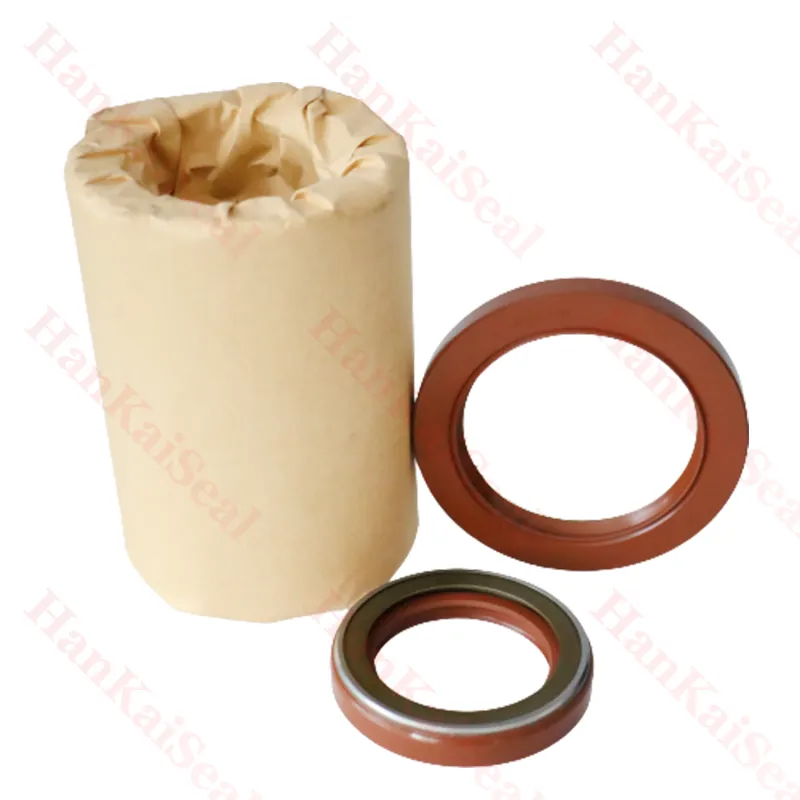
Standard oil seal BP0494 High pressure TCN oil seal
-
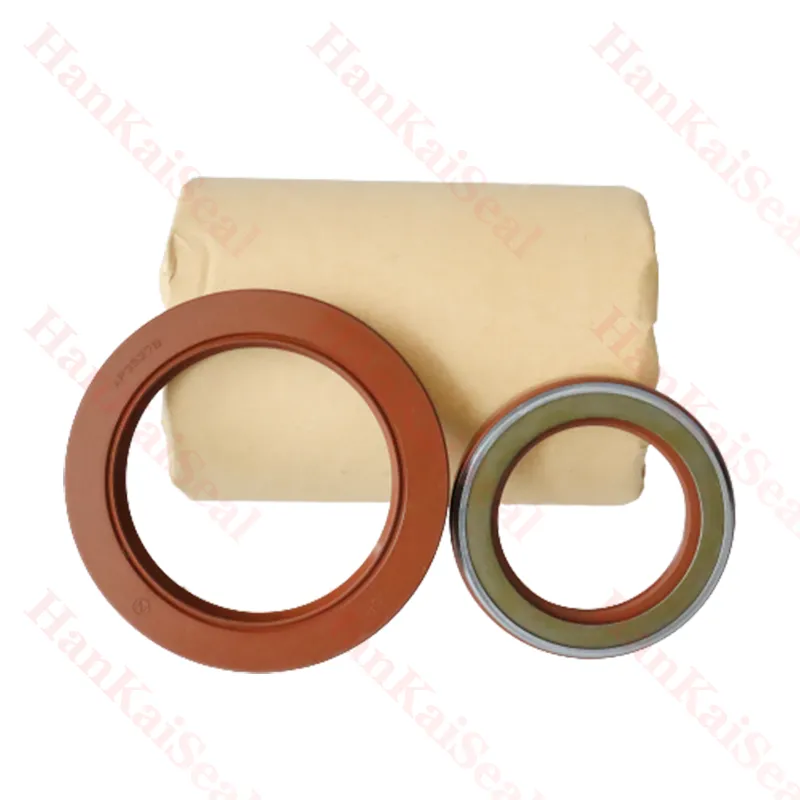
Hydraulic pump seal AP4624G high pressure TCN oil seal
-
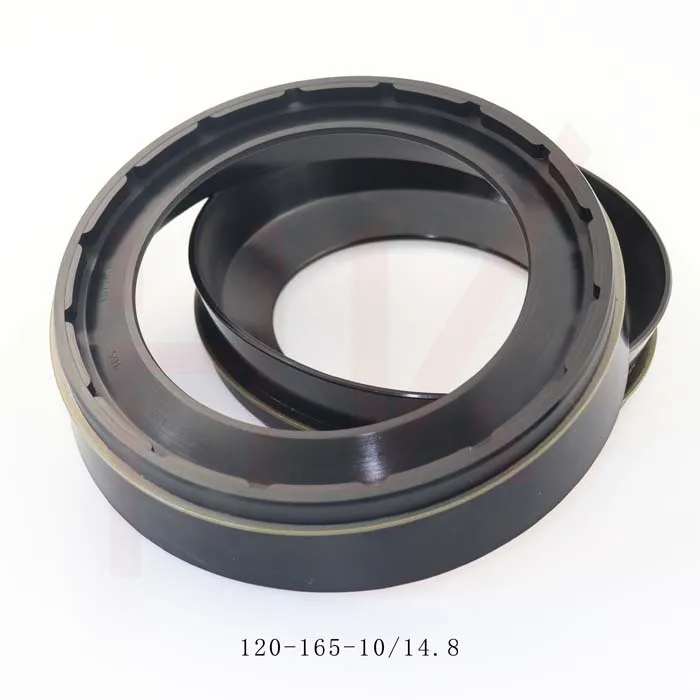
0734307418 0750112169 120*165*10/14.8 concrete mixer reducer oil seal
-
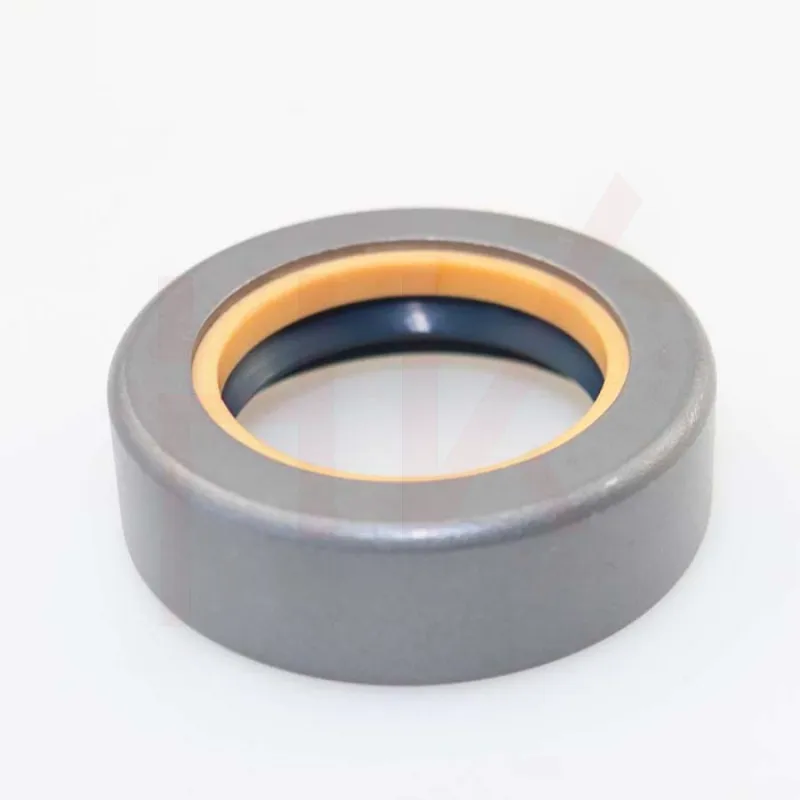
35*52*16 Standard Wheel Hub Oil Seal For Agricultural Machinery
-
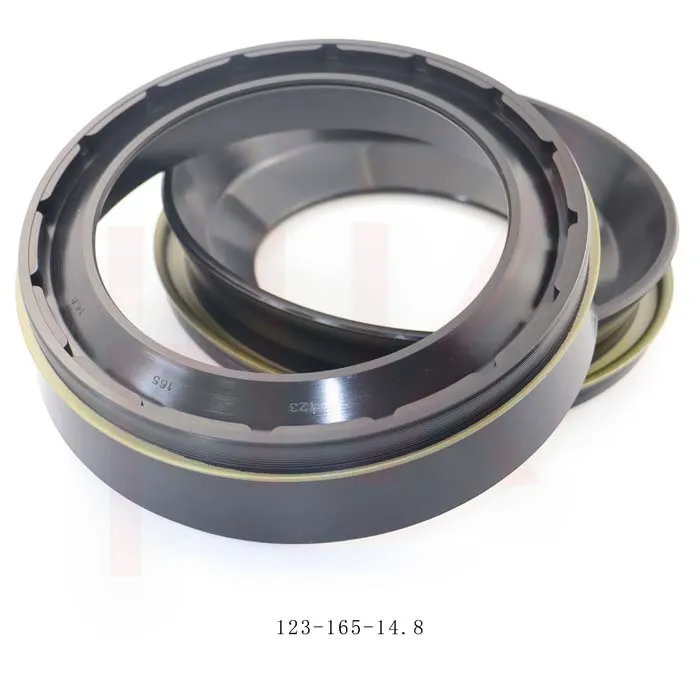
123*165*14.8 concrete mixer truck reducer oil seal
-
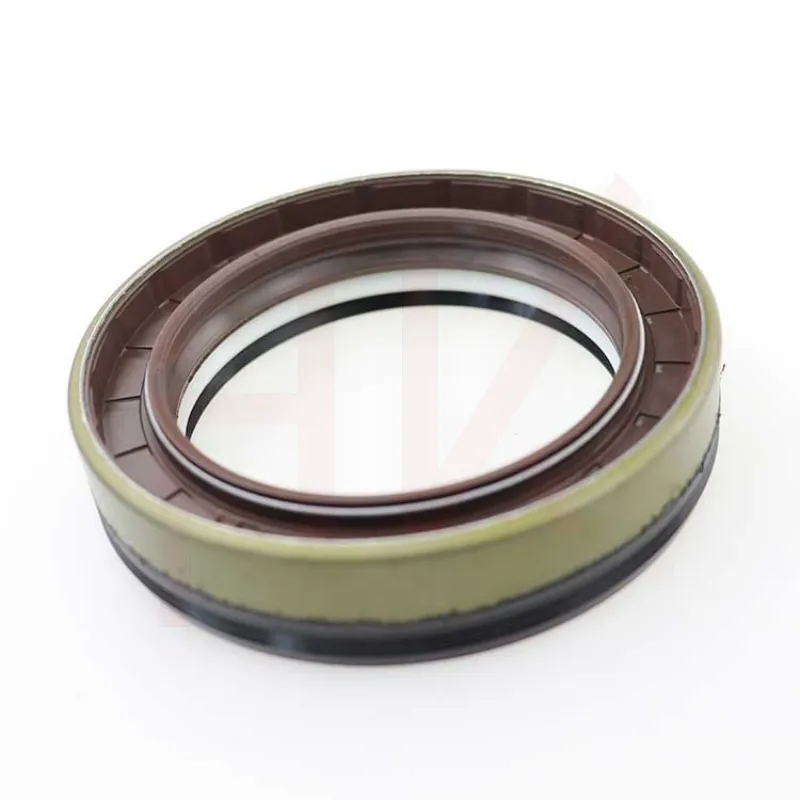
Tractor shaft oil seal 65-90-20 COMBI SF19 hub oil seal
-
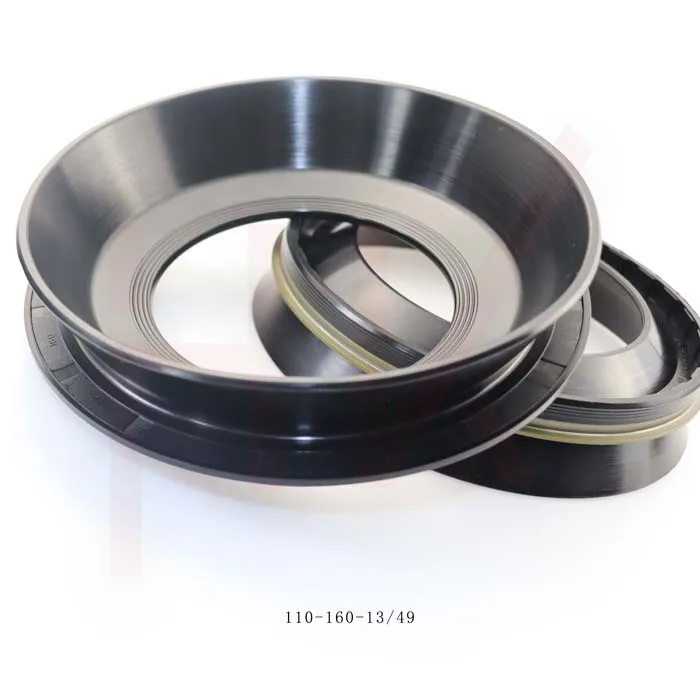
110*160*13/49 NBR reducerConcrete mixer truck oil seal
-
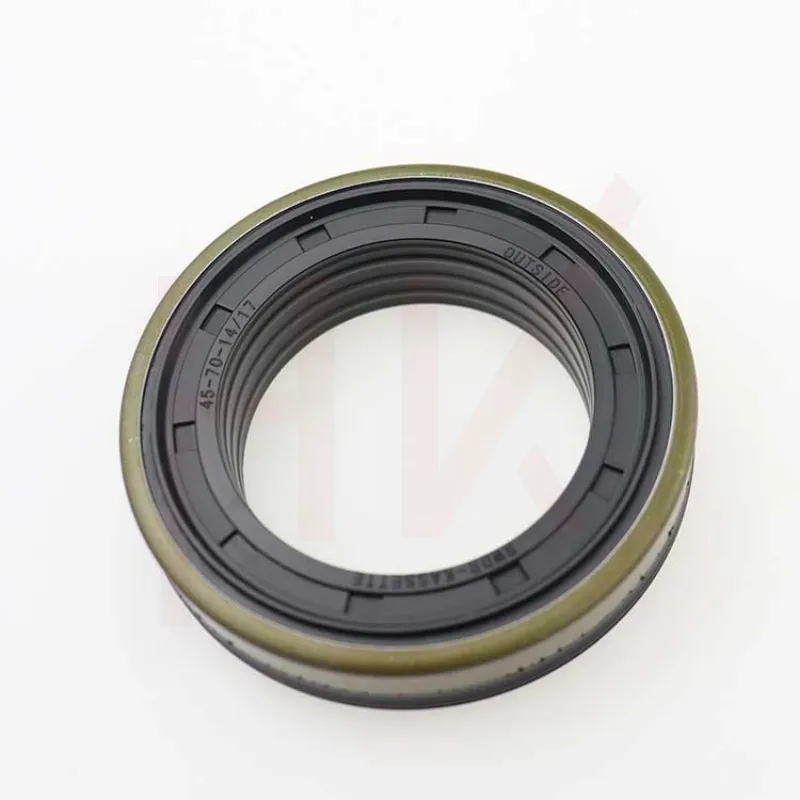
Hub oil seal 40*65*13/14.5 suitable for tractor Cat 12018035b
-
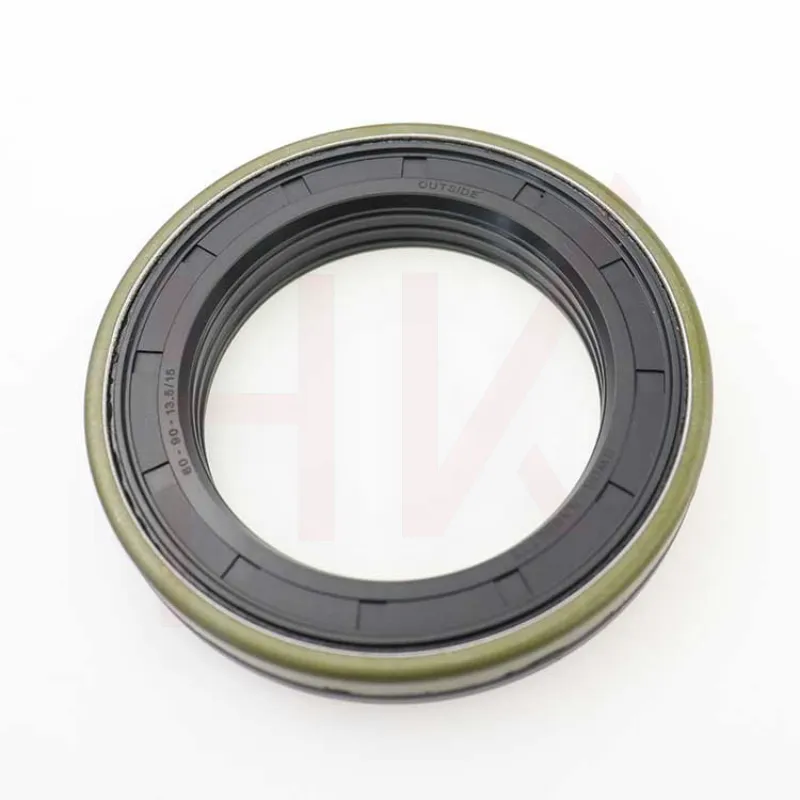
Tractor accessories cassette oil seal hub oil seal 60-90-13.5/15
-
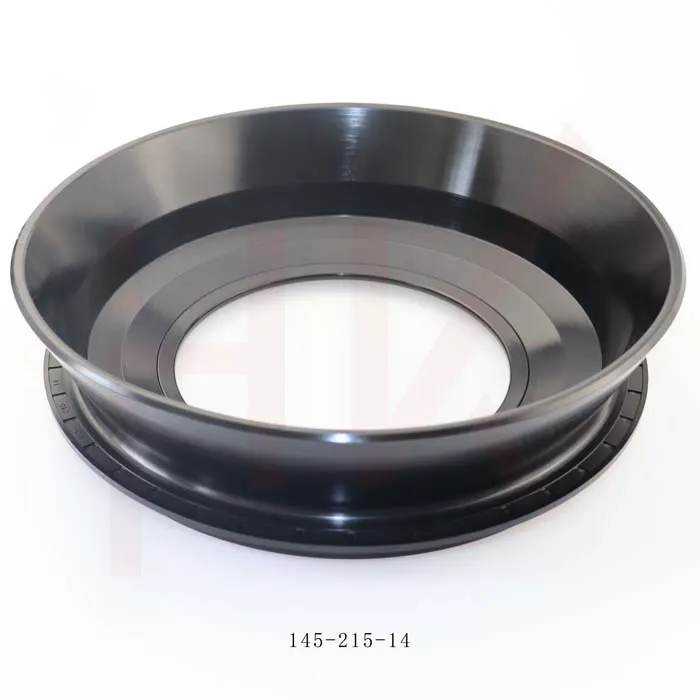
Factory concrete mixer truck oil seal 145*215*14 reducer gearbox oil seal
-
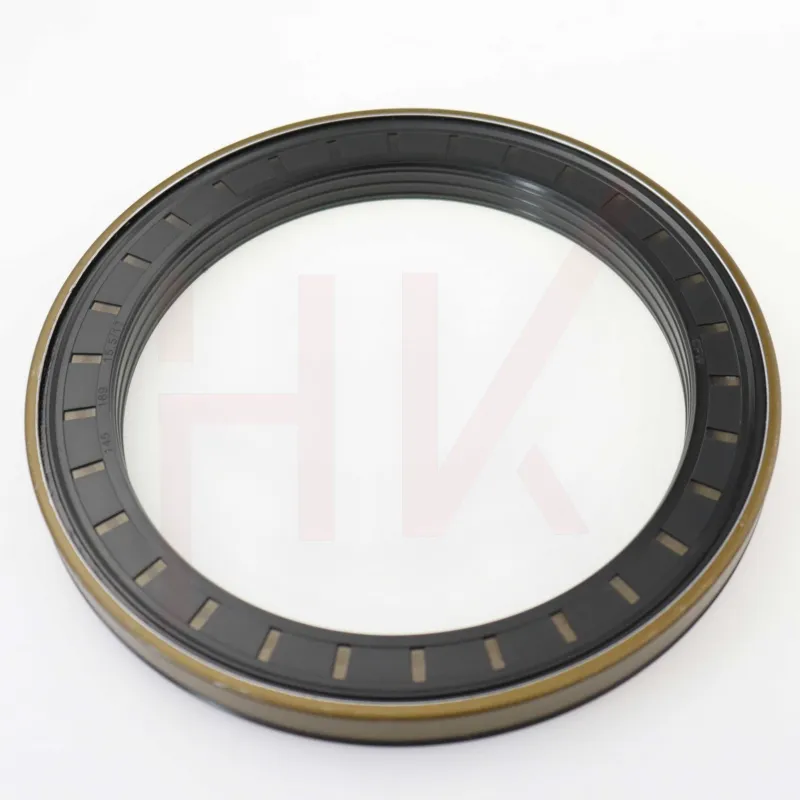
145*189*15.5/17 Cassette Seal NBR Hub Oil Seal 1508044
-
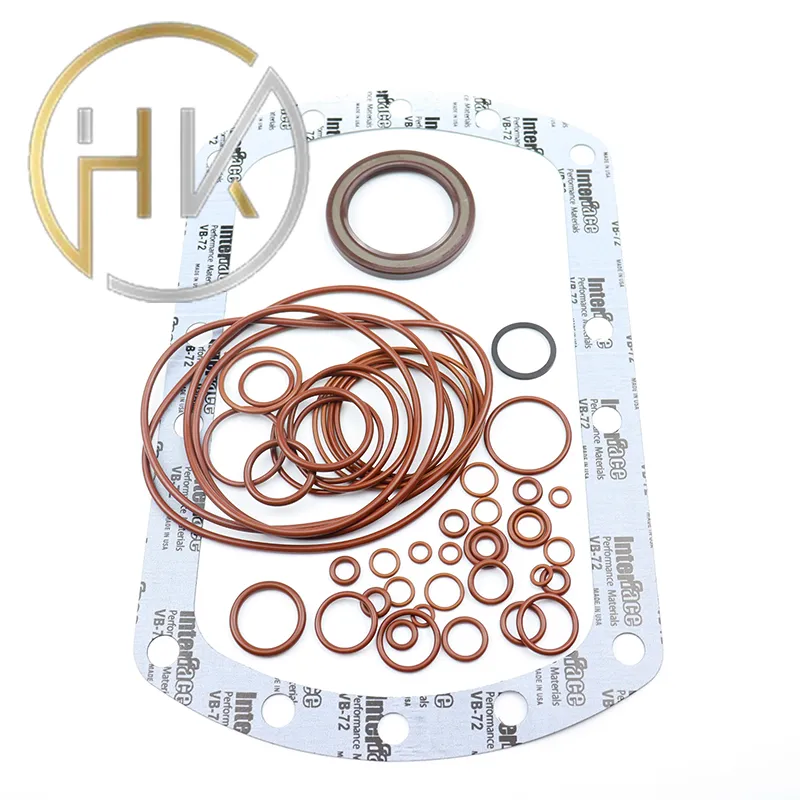
Factory direct sales hydraulic pump motor seal kit A8VO140
-
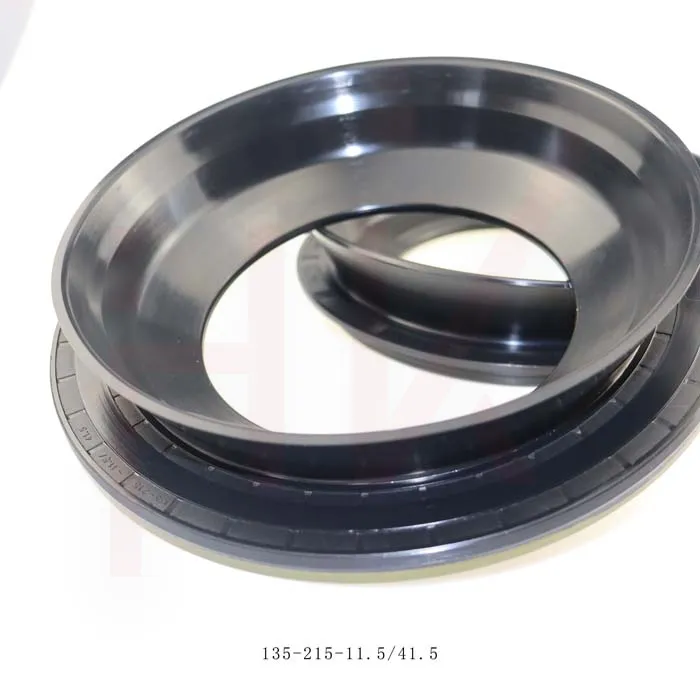
Brand new cement tanker oil seal 135*215*11.5/41.5 concrete mixer oil seal
-
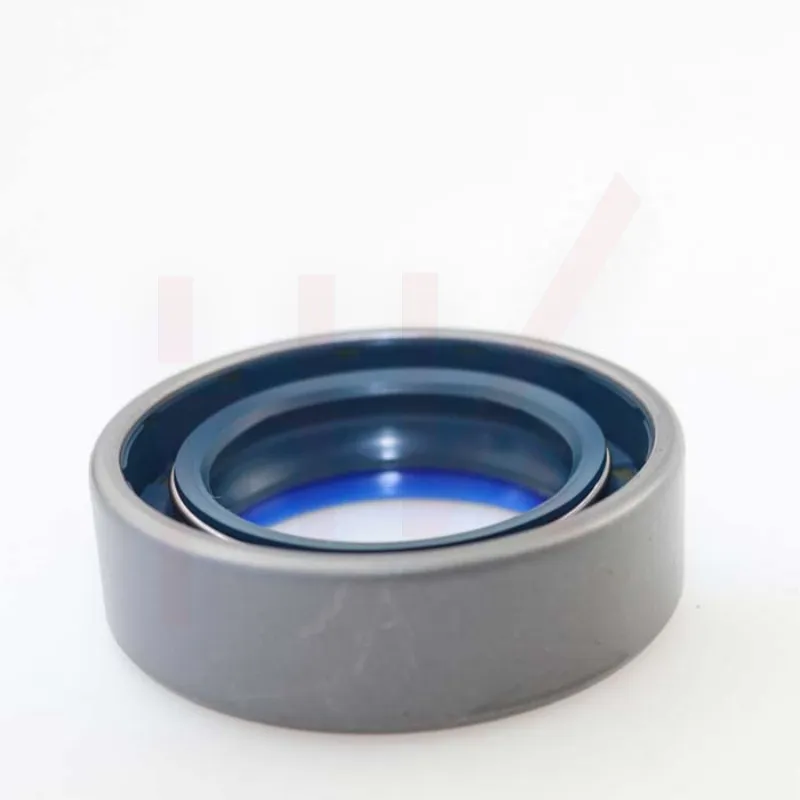
45*65*15 Combi oil seal JCB 90450009 COMBI SF1 SEAL
-
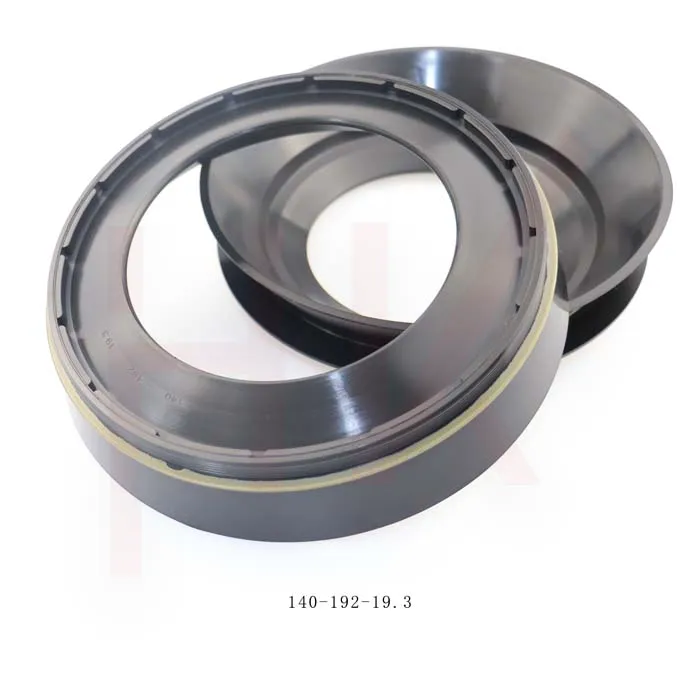
Gear box concrete mixer oil seal 140*192*19.3 nbr reducer oil seal
-
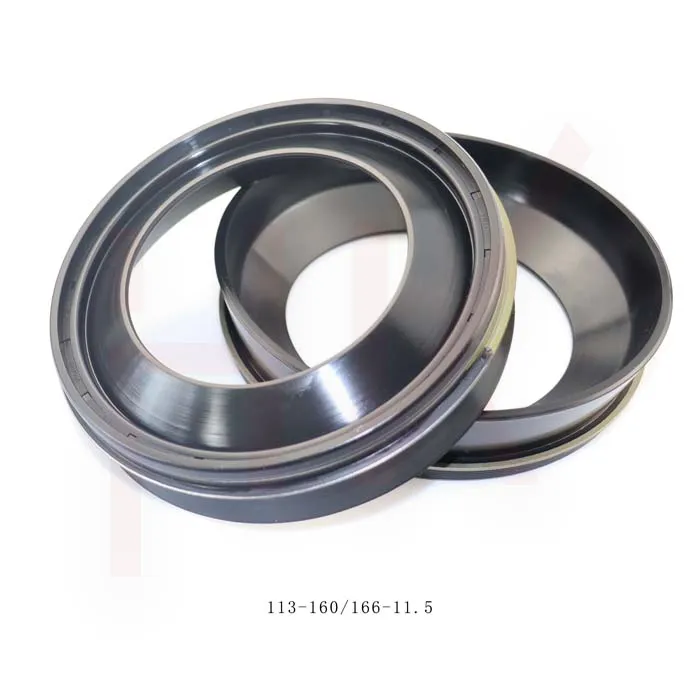
Seals factory direct sales 113*160/166*11.5/38 excavator truck reducer oil seal