
Apr . 04, 2026 02:05 Back to list
Comprehensive Guide to Choosing the Right Cylinder Seal Kits for Peak Performance
Choosing the Right Cylinder Seal Kits for Optimal Performance
Maintaining the efficiency and longevity of hydraulic and pneumatic cylinders relies heavily on the quality of their seal kits. Cylinder seal kits are essential for preventing leaks, maintaining pressure, and ensuring smooth operation. This article will provide a comprehensive guide to understanding, selecting, and utilizing cylinder seal kits, with a focus on quality and application. Properly chosen and installed seal kits can significantly reduce downtime and maintenance costs. We'll explore the different types of seals, materials, and key considerations for selecting the right kit for your specific needs.
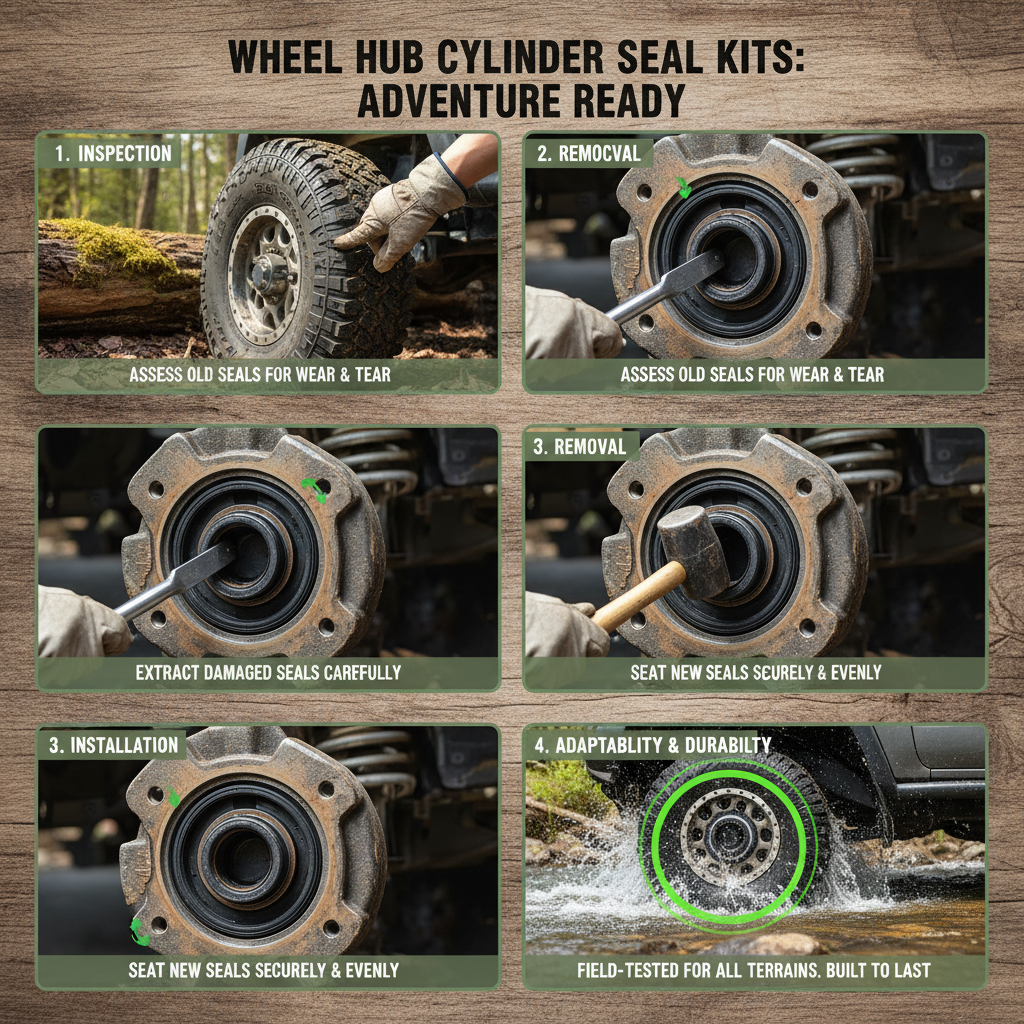
Understanding Cylinder Seal Kit Components
A typical cylinder seal kit isn’t just one piece; it’s a collection of carefully engineered components designed to work together. These typically include wiper seals, rod seals, piston seals, buffer seals, and O-rings. Wiper seals prevent contaminants from entering the cylinder. Rod seals contain fluid pressure, while piston seals divide the cylinder into chambers. Buffer seals absorb shock and reduce noise, and O-rings provide static sealing. Understanding the function of each component is crucial for proper installation and maintenance. Kits are often tailored to specific cylinder models and applications, offering convenience and ensuring compatibility. The quality of each component directly impacts the overall performance and reliability of the cylinder.
Key Takeaway: A complete cylinder seal kit provides all the necessary components for a thorough cylinder overhaul, extending its lifespan and improving its performance.
Common Seal Materials and Their Applications
The material used for cylinder seals is critical, as it must withstand pressure, temperature fluctuations, and the type of fluid being used. Common materials include Nitrile (NBR), Polyurethane (PU), Viton (FKM), and PTFE (Teflon). NBR is a cost-effective general-purpose material suitable for hydraulic fluids. PU offers superior abrasion resistance and is ideal for high-pressure applications. Viton is known for its excellent resistance to chemicals and high temperatures. PTFE provides the lowest friction and is used in demanding environments. Selecting the right material ensures the seal’s longevity and prevents premature failure. HKAISEAL offers kits with a range of materials to suit diverse applications.
Material Comparison:
• NBR: General purpose, cost-effective.
• PU: High pressure, abrasion resistance.
• Viton: Chemical resistance, high temperature.
• PTFE: Low friction, demanding environments.
Selecting the Right Cylinder Seal Kit: A Step-by-Step Guide
Choosing the appropriate cylinder seal kit requires careful consideration of several factors. First, identify the cylinder’s make and model. Second, determine the type of fluid being used (hydraulic oil, pneumatic air, etc.). Third, assess the operating temperature and pressure. Finally, consider the application and any potential exposure to harsh chemicals or abrasive materials. Using these parameters will help narrow down the available options and ensure compatibility. Consulting with a sealing specialist can also provide valuable insights. HKAISEAL’s team can assist you in selecting the optimal kit for your specific needs.
The Benefits of Choosing a High-Quality Supplier Like HKAISEAL
Selecting a reputable supplier, such as HKAISEAL, is paramount. High-quality suppliers offer a wider range of kits, superior materials, and expert technical support. They also adhere to stringent quality control standards, ensuring consistent performance and reliability. Investing in a premium cylinder seal kit can prevent costly downtime, reduce maintenance expenses, and extend the life of your hydraulic and pneumatic systems.
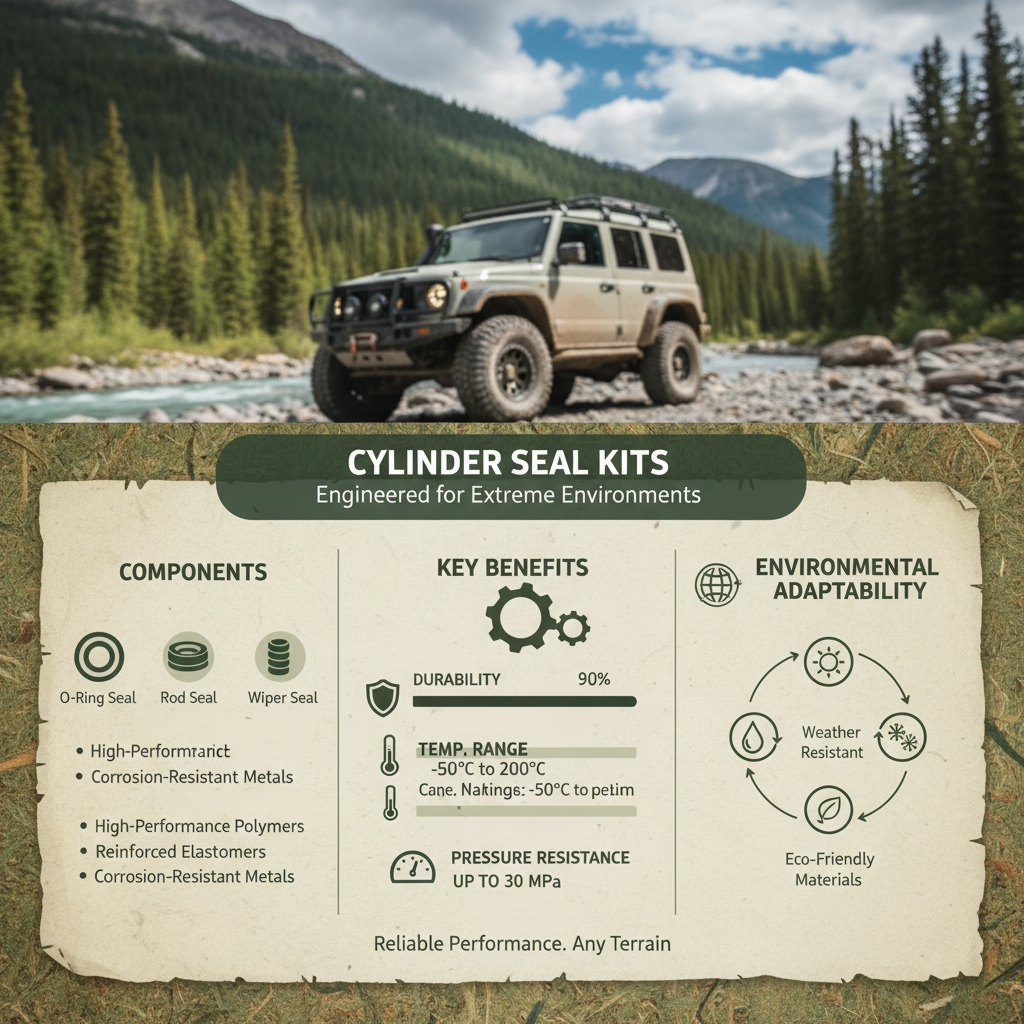
Installation Best Practices for Cylinder Seal Kits
Proper installation is as important as selecting the right cylinder seal kit. Always clean the cylinder bore thoroughly before installing new seals. Use a suitable lubricant specifically designed for the seal material. Carefully inspect each seal for damage before installation. Avoid using sharp tools that could scratch or damage the sealing surfaces. Follow the manufacturer’s instructions meticulously and ensure all seals are properly seated. A poorly installed seal kit will negate the benefits of even the highest-quality components.
Conclusion: Invest in Reliability with Quality Cylinder Seal Kits
Choosing the right cylinder seal kit and ensuring proper installation are critical for maximizing the performance and longevity of your hydraulic and pneumatic systems. By considering factors like fluid type, operating conditions, and material compatibility, and by partnering with a trusted supplier like HKAISEAL, you can minimize downtime, reduce maintenance costs, and ensure the reliable operation of your equipment.
Frequently Asked Questions (FAQs)
What is the typical lifespan of a cylinder seal kit?
The lifespan of a cylinder seal kit varies significantly depending on operating conditions, fluid type, temperature, and pressure. Generally, a well-maintained kit can last between 1 to 3 years. However, in harsh environments or with abrasive fluids, the lifespan may be shorter. Regular inspection and preventative maintenance can extend the life of the seals. Signs of wear, such as leakage or decreased performance, indicate the need for replacement. It's crucial to replace the entire kit rather than individual seals to ensure consistent performance and prevent future issues.
Can I use different materials for seals within the same kit?
No, it's generally not recommended to mix different seal materials within the same kit. Each material has unique properties and compatibility with specific fluids and temperatures. Mixing materials can lead to incompatibility issues, accelerated wear, and potential failure. It's best to use a complete kit with seals made from the same compatible material to ensure optimal performance and longevity. HKAISEAL kits are designed with consistent material compatibility.
How often should I inspect my cylinder seals?
Regular inspection is crucial for preventative maintenance. We recommend inspecting cylinder seals at least every six months, or more frequently in demanding applications. Look for signs of wear, such as cracks, swelling, or deformation. Check for leaks around the seals. Also, monitor the cylinder's performance for any decrease in pressure or speed. Early detection of seal wear can prevent costly downtime and repairs.
What tools do I need to install a cylinder seal kit?
You'll typically need a seal installation tool kit, which includes various picks, hooks, and sleeves designed to safely and efficiently install seals without damage. Other essential tools include cleaning supplies (solvent and lint-free cloths), a grease gun with compatible lubricant, and potentially a cylinder hone for smoothing the cylinder bore. It’s also beneficial to have a shop manual for your specific cylinder model for detailed instructions.
-
Guide to Choosing the Right High Quality hydraulic ram kit
NewsApr.16,2026
-
Premium Hydraulic Cylinder Packing Kits for Peak Performance
NewsApr.09,2026
-
Comprehensive Guide to Hydraulic Cylinder Oil Seal Kits for Optimal Performance
NewsApr.07,2026
-
Comprehensive Guide to Seal Kits for Cylinders Ensuring Optimal Performance
NewsMar.31,2026
-
Comprehensive Guide to Hyd Cylinder Seals for Optimal Hydraulic System Performance
NewsMar.28,2026
-
Comprehensive Guide to Hyd Cylinder Seal Kit Selection and Installation
NewsMar.26,2026
-
Comprehensive Guide to Hydraulic Cylinder Seal Kits for Optimal Performance
NewsMar.24,2026
Products categories
-
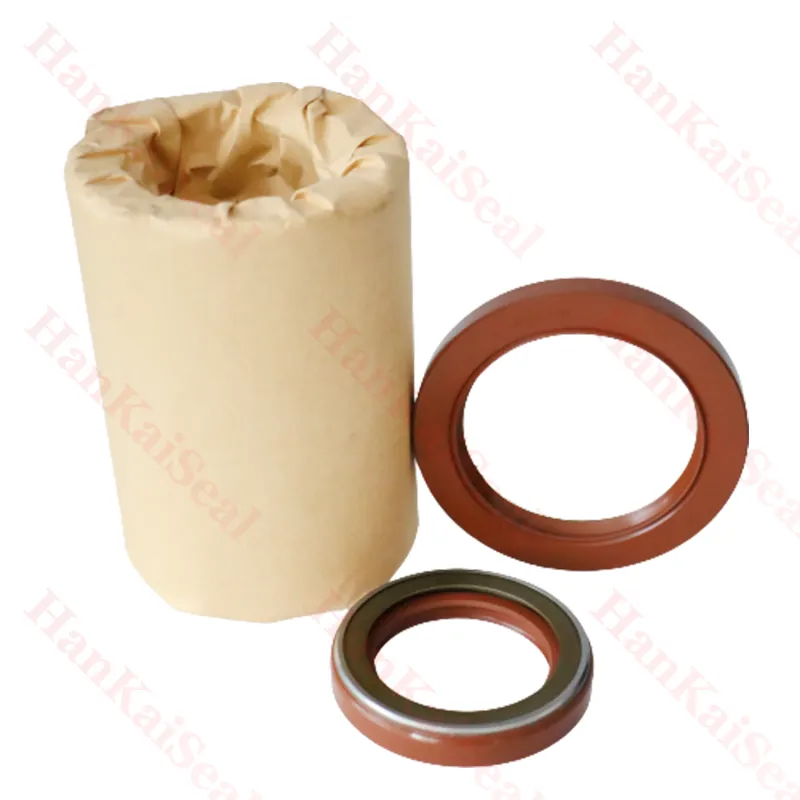
Standard oil seal BP0494 High pressure TCN oil seal
-
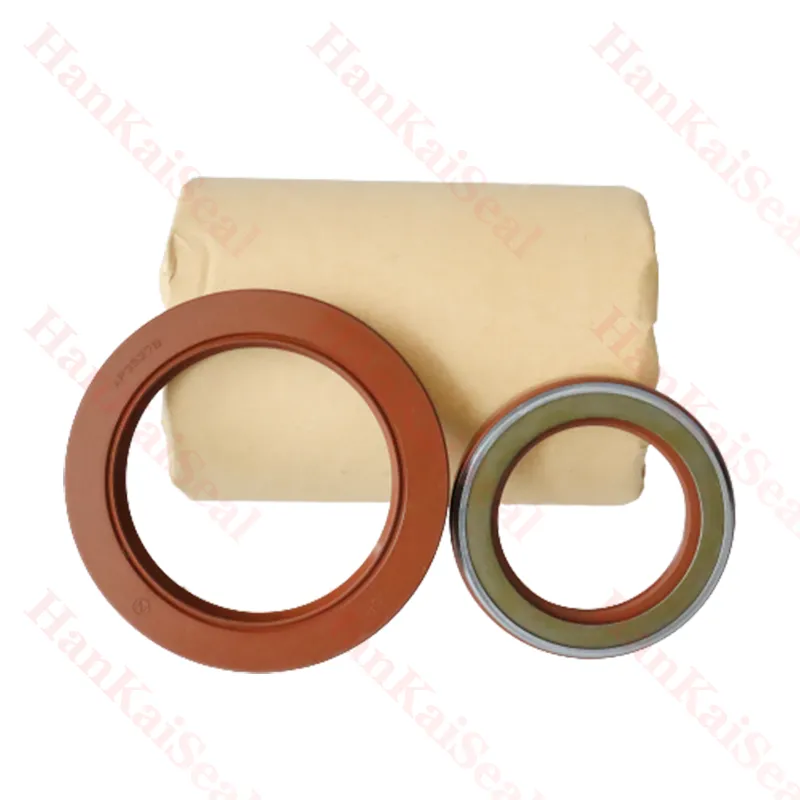
Hydraulic pump seal AP4624G high pressure TCN oil seal
-
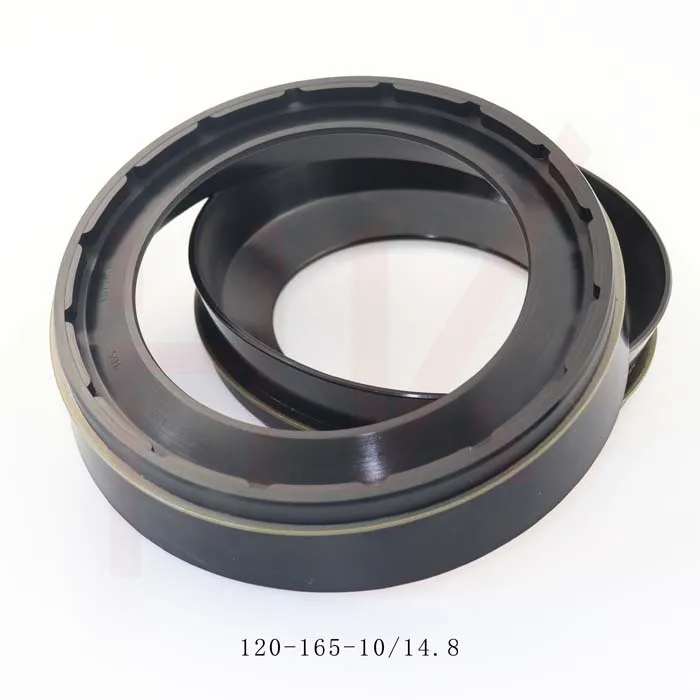
0734307418 0750112169 120*165*10/14.8 concrete mixer reducer oil seal
-
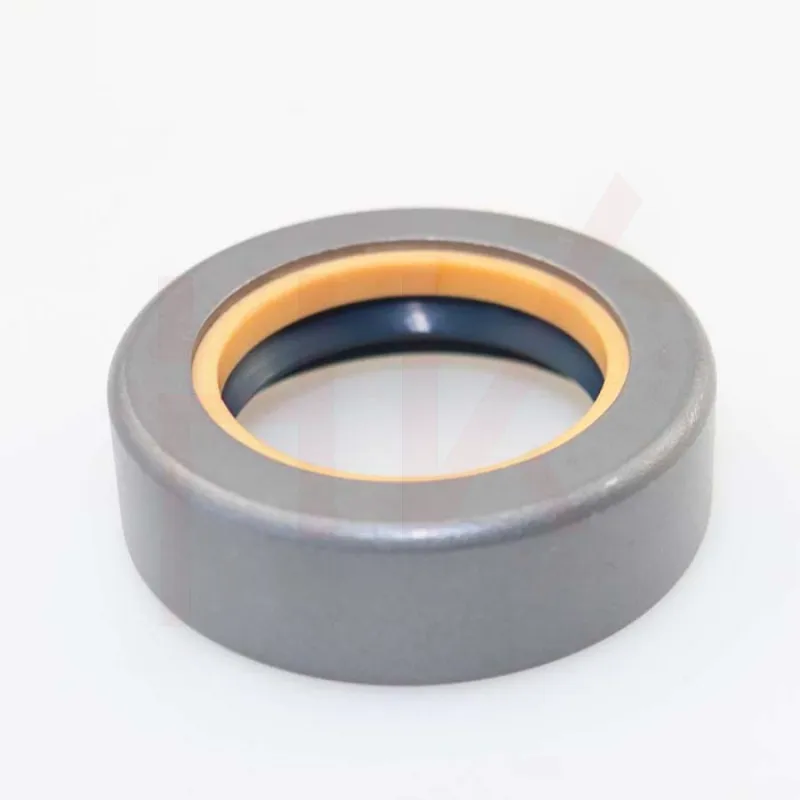
35*52*16 Standard Wheel Hub Oil Seal For Agricultural Machinery
-
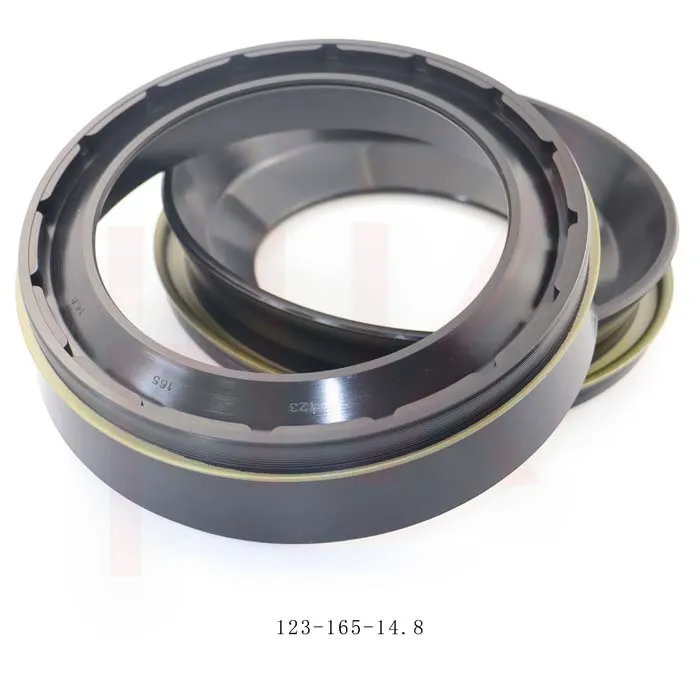
123*165*14.8 concrete mixer truck reducer oil seal
-
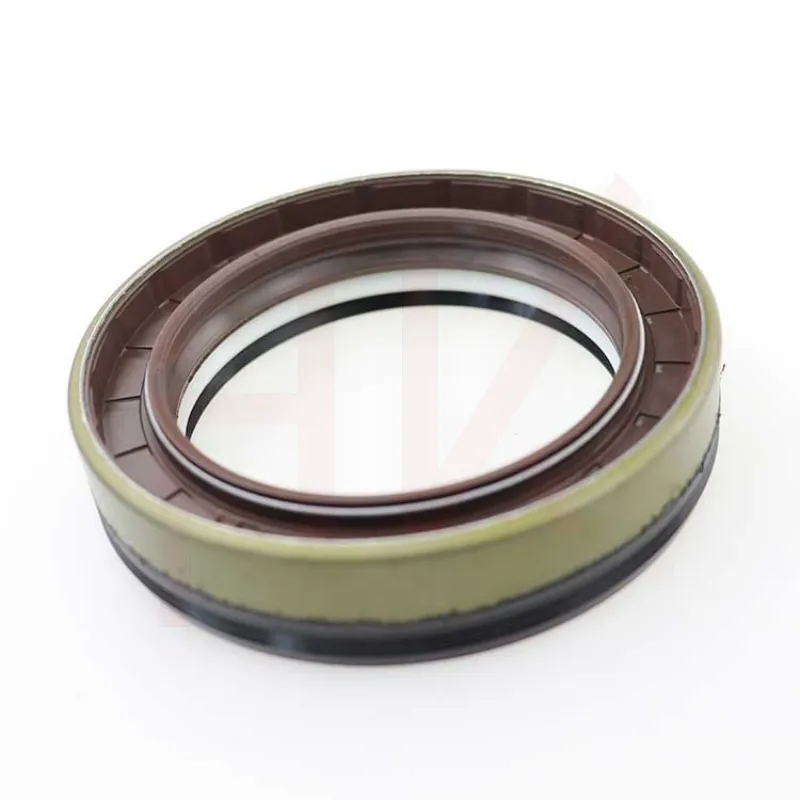
Tractor shaft oil seal 65-90-20 COMBI SF19 hub oil seal
-
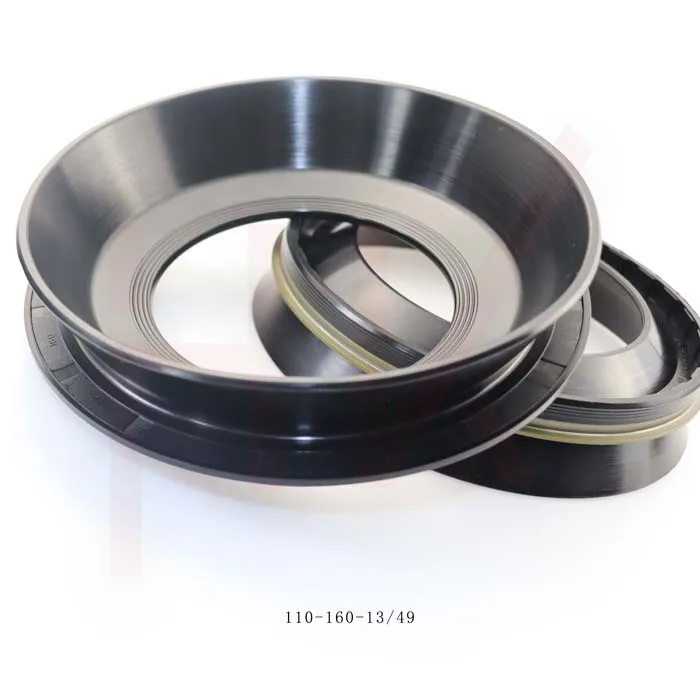
110*160*13/49 NBR reducerConcrete mixer truck oil seal
-
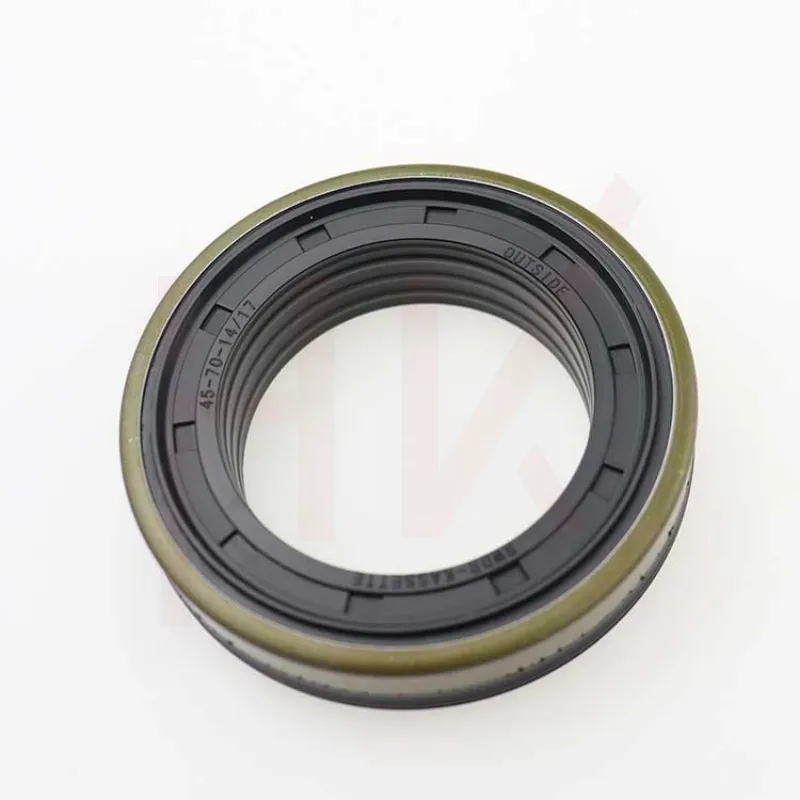
Hub oil seal 40*65*13/14.5 suitable for tractor Cat 12018035b
-
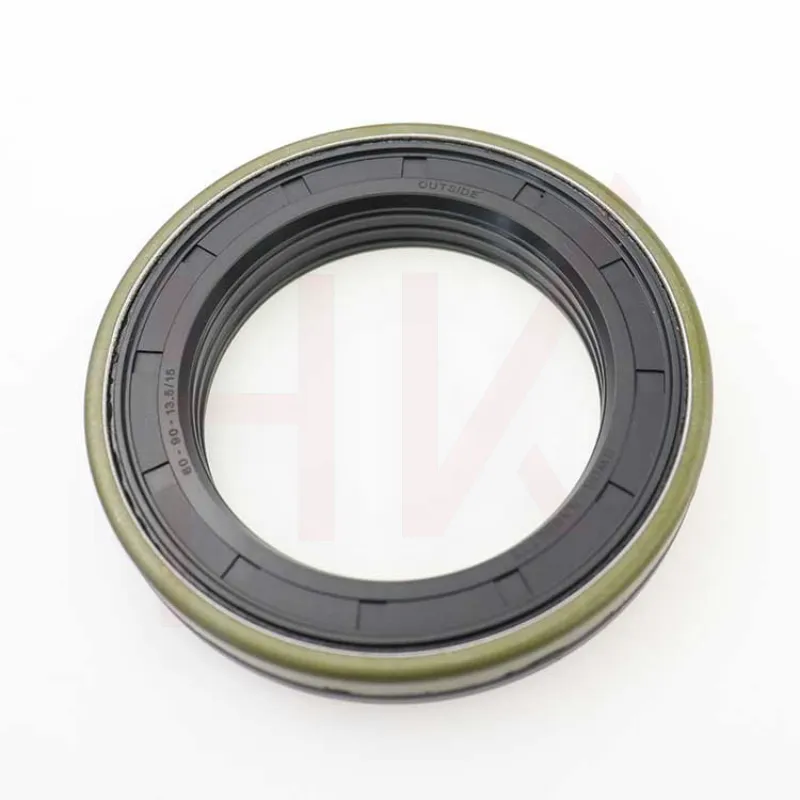
Tractor accessories cassette oil seal hub oil seal 60-90-13.5/15
-
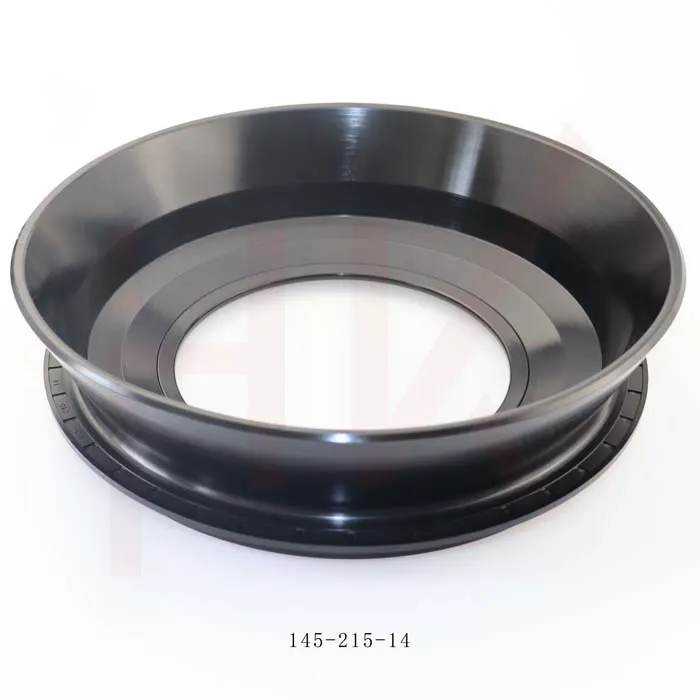
Factory concrete mixer truck oil seal 145*215*14 reducer gearbox oil seal
-
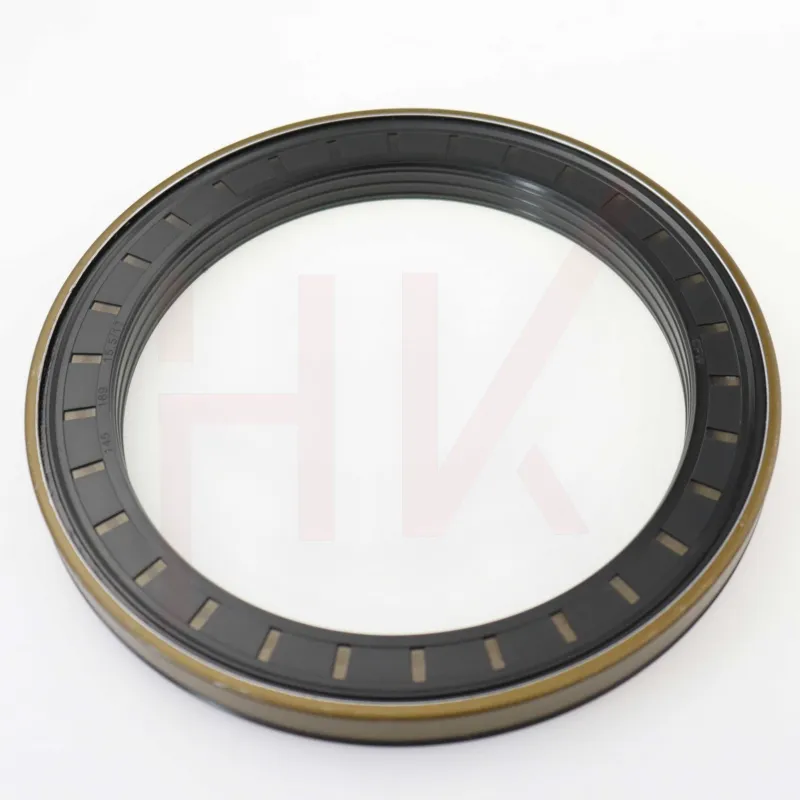
145*189*15.5/17 Cassette Seal NBR Hub Oil Seal 1508044
-
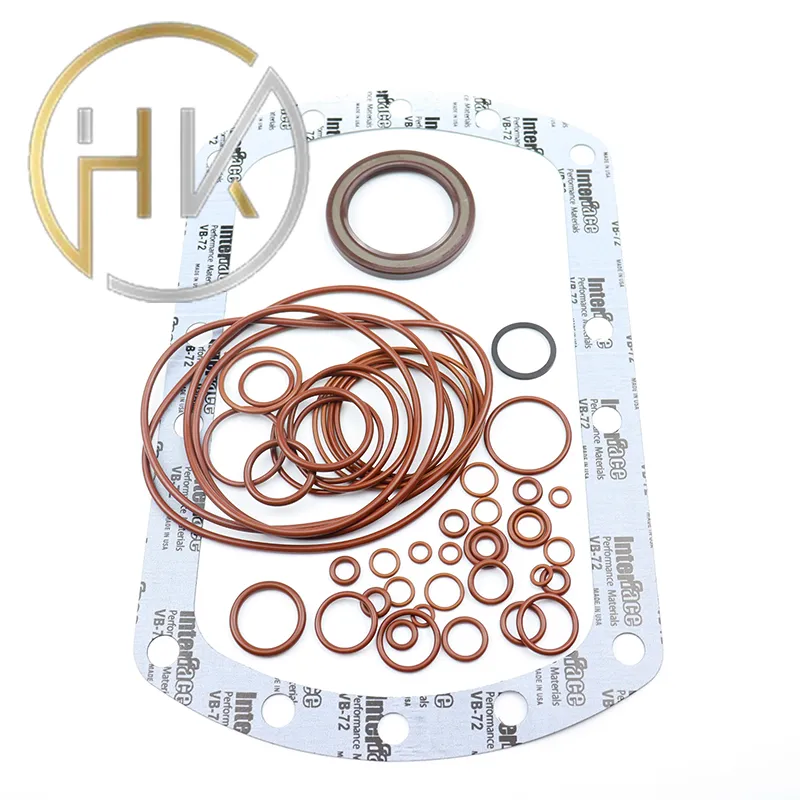
Factory direct sales hydraulic pump motor seal kit A8VO140
-
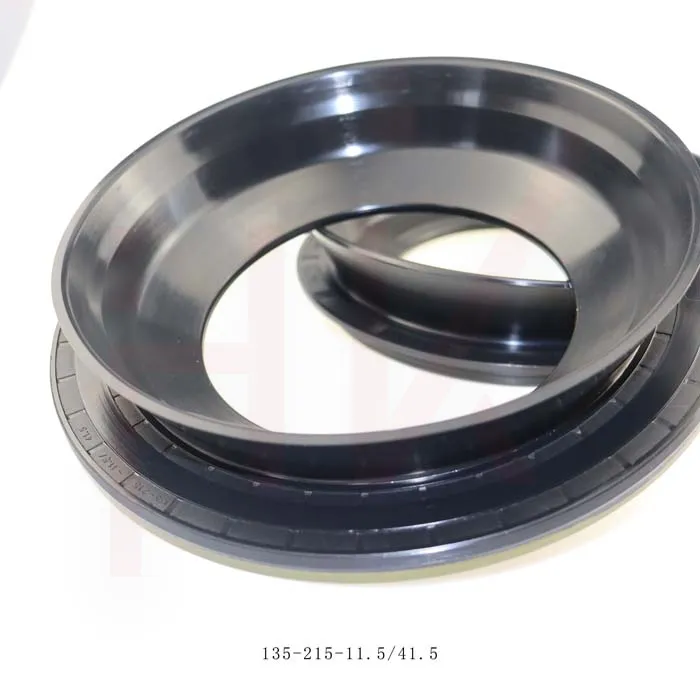
Brand new cement tanker oil seal 135*215*11.5/41.5 concrete mixer oil seal
-
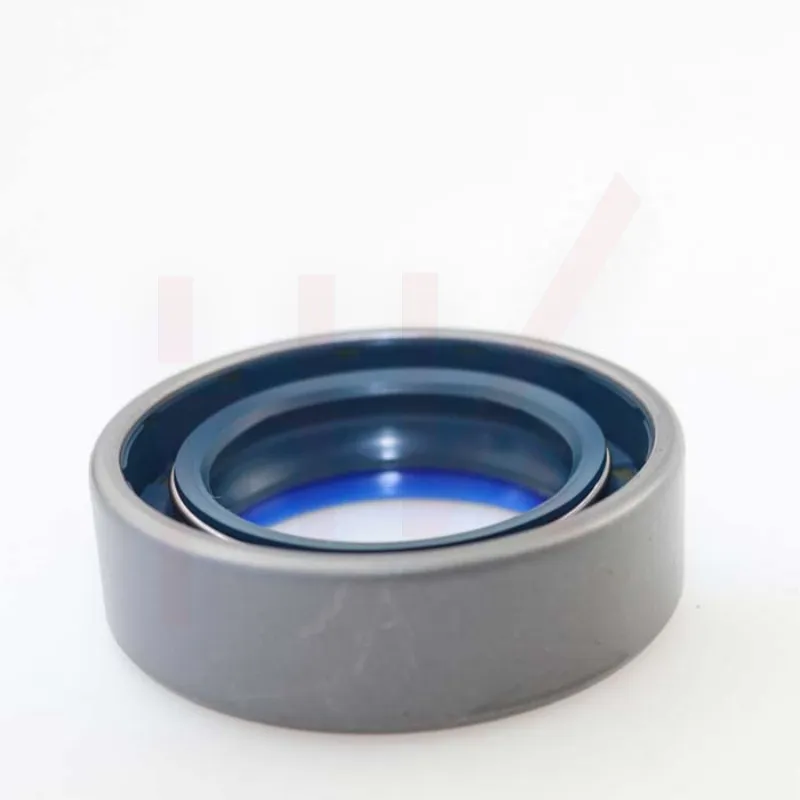
45*65*15 Combi oil seal JCB 90450009 COMBI SF1 SEAL
-
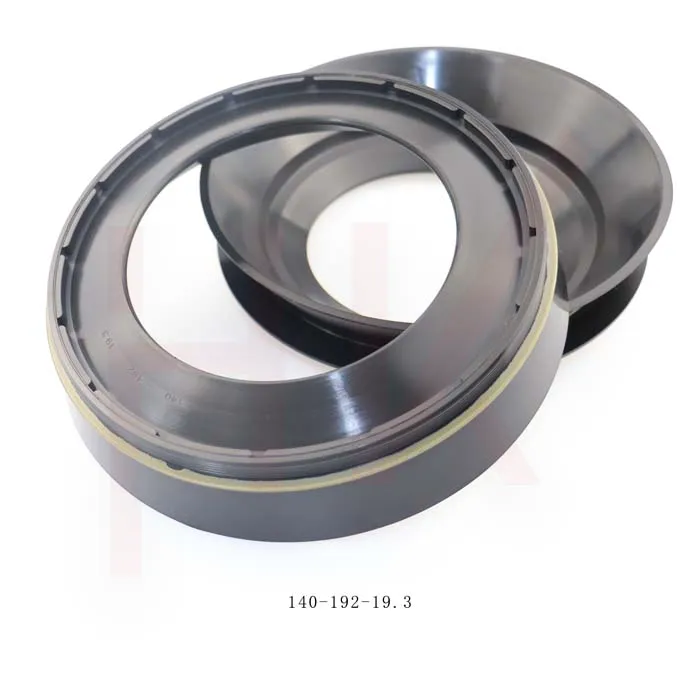
Gear box concrete mixer oil seal 140*192*19.3 nbr reducer oil seal
-
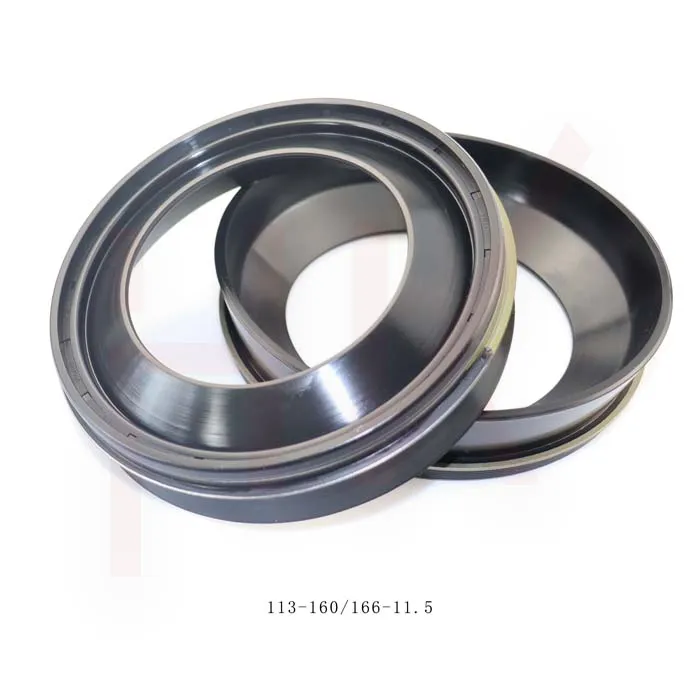
Seals factory direct sales 113*160/166*11.5/38 excavator truck reducer oil seal