
Feb . 11, 2026 02:05 Back to list
Comprehensive Guide to Rear Wheel Hub Seal Replacement and Maintenance
Understanding and Replacing Your Rear Wheel Hub Seal
The rear wheel hub seal is a critical component in your vehicle's drivetrain, preventing lubricant leakage and keeping contaminants out. A failing seal can lead to costly damage. This article provides a comprehensive guide to understanding this seal, recognizing failure signs, and finding the right replacement. Whether you're a DIY mechanic or simply want to be informed, we'll cover everything you need to know to maintain your vehicle's rear wheel hub. Ignoring a failing rear wheel hub seal can result in significant repairs, so proactive maintenance is key.
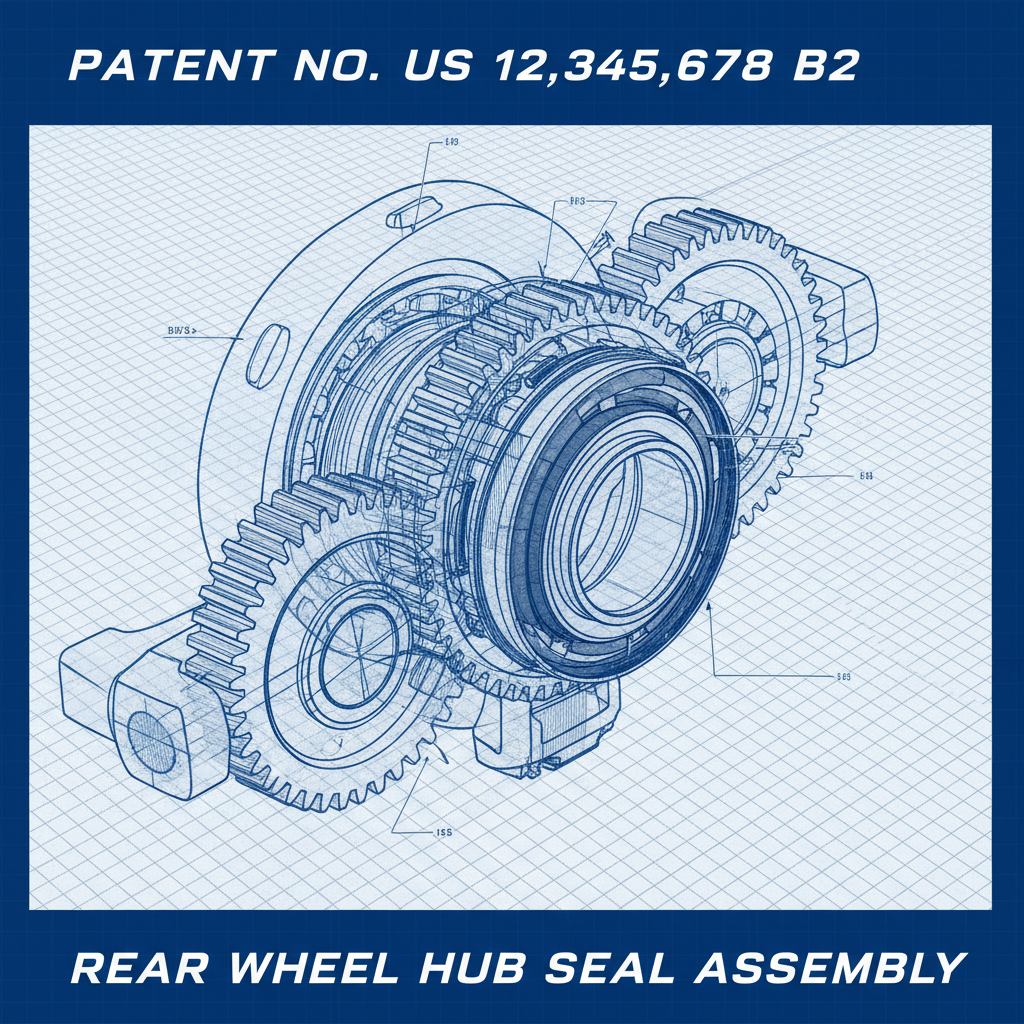
What Does a Rear Wheel Hub Seal Do?
The rear wheel hub seal’s primary function is to create a tight barrier between the rotating hub assembly and the stationary axle housing. This prevents wheel bearing grease from escaping and keeps water, dirt, and debris from entering. Maintaining this seal is essential for the longevity of your wheel bearings, as a lack of lubrication or contaminant intrusion can cause premature wear and failure. A properly functioning rear wheel hub seal contributes significantly to vehicle safety and performance.
Key Function: Prevents grease leakage and contaminant entry, ensuring proper wheel bearing lubrication and longevity.
Recognizing Signs of a Failing Rear Wheel Hub Seal
Identifying a failing rear wheel hub seal early can prevent more serious damage. Common signs include: grease leaking from the wheel hub area, a humming or growling noise emanating from the rear wheels (especially during turns), uneven tire wear, and wheel wobble or play. If you notice any of these symptoms, it's crucial to have the seal inspected and replaced promptly. Ignoring these signs can lead to complete wheel bearing failure, requiring a more expensive repair.
Symptoms of Failure:
• Grease leakage from the wheel hub
• Humming or growling noise from the rear wheels
• Uneven tire wear
• Wheel wobble or play
Comparing Seal Materials: Rubber vs. Silicone
Rear wheel hub seals are typically made from rubber or silicone. Rubber seals are more common and generally less expensive, suitable for standard driving conditions. Silicone seals, however, offer superior resistance to high temperatures, chemicals, and wear, making them ideal for heavy-duty applications like towing, off-roading, or vehicles exposed to harsh environments. Choosing the right material depends on your vehicle’s usage and operating conditions. HKAISEAL offers both materials to meet diverse needs.
Choosing the Right Rear Wheel Hub Seal for Your Vehicle
Selecting the correct rear wheel hub seal is crucial for proper fit and function. Always refer to your vehicle's repair manual or online parts catalog to determine the correct part number. Consider factors like vehicle make, model, and year. HKAISEAL provides detailed product specifications and compatibility information to help you make the right choice. Using the wrong seal can lead to premature failure and further damage.
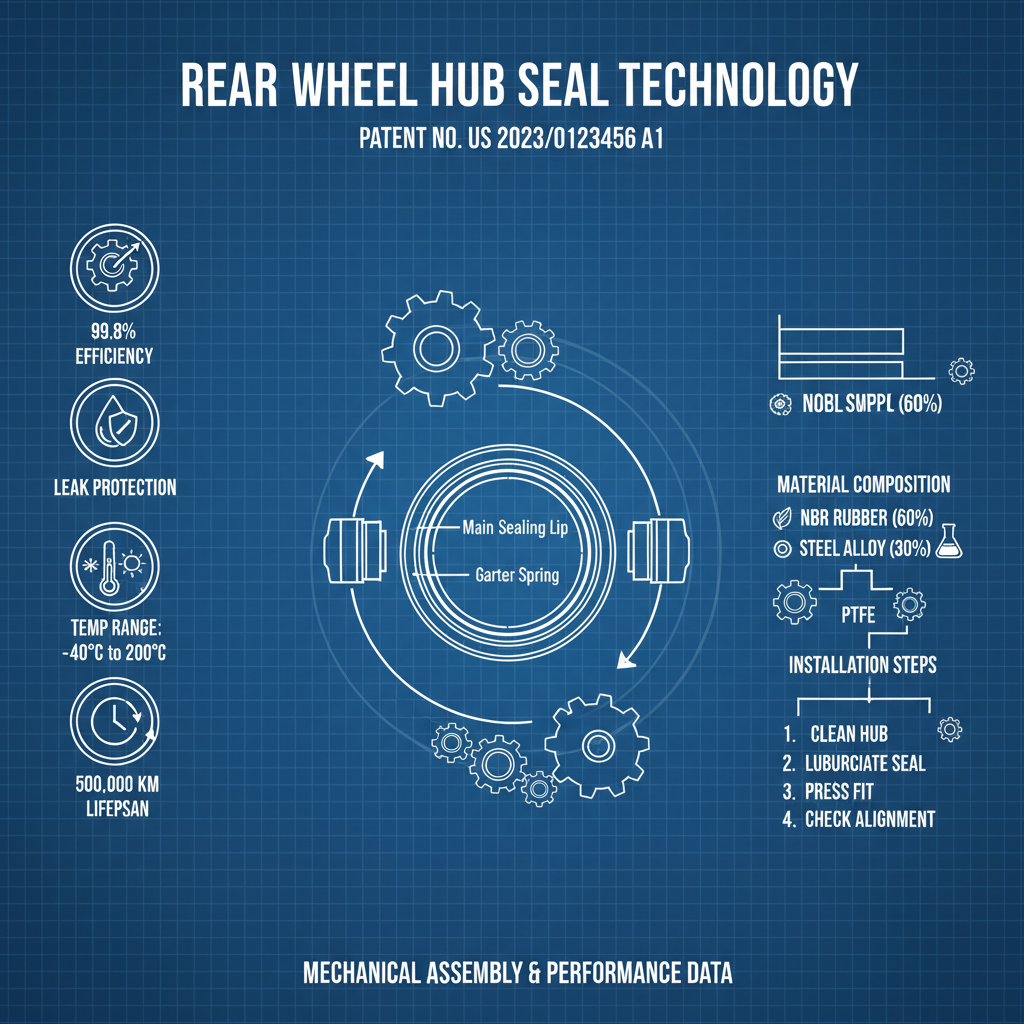
Where to Find High-Quality Rear Wheel Hub Seals
When sourcing a rear wheel hub seal, quality and reliability are paramount. HKAISEAL is a trusted supplier of high-performance seals, offering a wide selection for various vehicle applications. We use premium materials and rigorous quality control processes to ensure our seals meet or exceed industry standards. Choose HKAISEAL for long-lasting performance and peace of mind.
Conclusion: Protecting Your Investment with the Right Seal
Investing in a high-quality rear wheel hub seal from a reputable supplier like HKAISEAL is a proactive step towards maintaining your vehicle's drivetrain and preventing costly repairs. By understanding the seal’s function, recognizing the signs of failure, and choosing the correct replacement, you can ensure a safe and reliable driving experience.
Frequently Asked Questions (FAQs)
How long does a rear wheel hub seal typically last?
The lifespan of a rear wheel hub seal varies depending on driving conditions, vehicle usage, and seal quality. Generally, they can last between 50,000 to 100,000 miles. However, factors like frequent towing, off-road driving, or exposure to harsh chemicals can significantly shorten their lifespan. Regular inspections and preventative maintenance are crucial for maximizing seal longevity. Replacing them proactively during routine maintenance can prevent more extensive repairs down the road.
Can I replace a rear wheel hub seal myself?
Replacing a rear wheel hub seal can be a DIY project for experienced mechanics with the proper tools and knowledge. However, it often requires specialized tools like a seal driver and potentially bearing press. If you’re not comfortable performing this repair, it's best to consult a qualified mechanic. Improper installation can damage the hub assembly or lead to premature seal failure.
What tools are needed to replace a rear wheel hub seal?
Common tools needed for a rear wheel hub seal replacement include: a jack and jack stands, lug wrench, socket set, torque wrench, seal driver, bearing press (potentially), hammer, punch, brake cleaner, and grease. Always consult your vehicle’s repair manual for specific tool requirements. Having the correct tools will ensure a safe and efficient repair.
-
Guide to Choosing the Right High Quality hydraulic ram kit
NewsApr.16,2026
-
Premium Hydraulic Cylinder Packing Kits for Peak Performance
NewsApr.09,2026
-
Comprehensive Guide to Hydraulic Cylinder Oil Seal Kits for Optimal Performance
NewsApr.07,2026
-
Comprehensive Guide to Choosing the Right Cylinder Seal Kits for Peak Performance
NewsApr.04,2026
-
Comprehensive Guide to Seal Kits for Cylinders Ensuring Optimal Performance
NewsMar.31,2026
-
Comprehensive Guide to Hyd Cylinder Seals for Optimal Hydraulic System Performance
NewsMar.28,2026
-
Comprehensive Guide to Hyd Cylinder Seal Kit Selection and Installation
NewsMar.26,2026
Products categories
-
Standard oil seal BP0494 High pressure TCN oil seal
-
Hydraulic pump seal AP4624G high pressure TCN oil seal
-
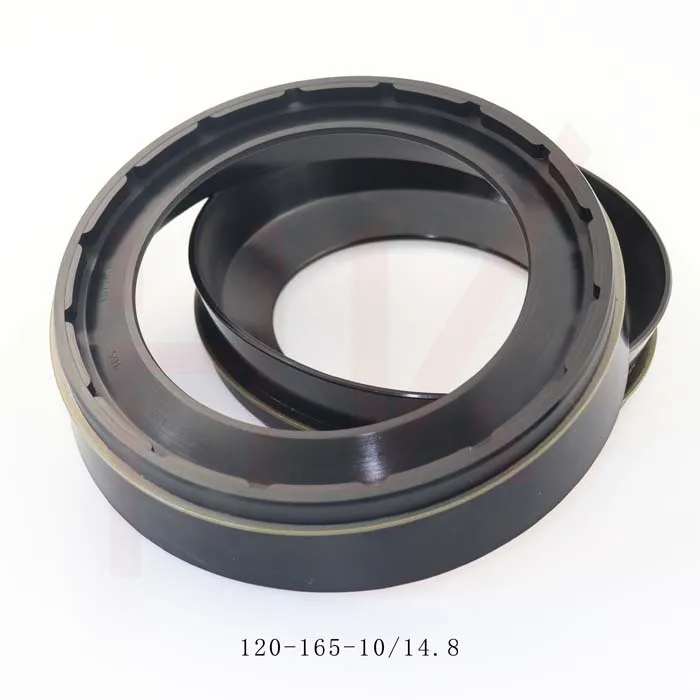
0734307418 0750112169 120*165*10/14.8 concrete mixer reducer oil seal
-
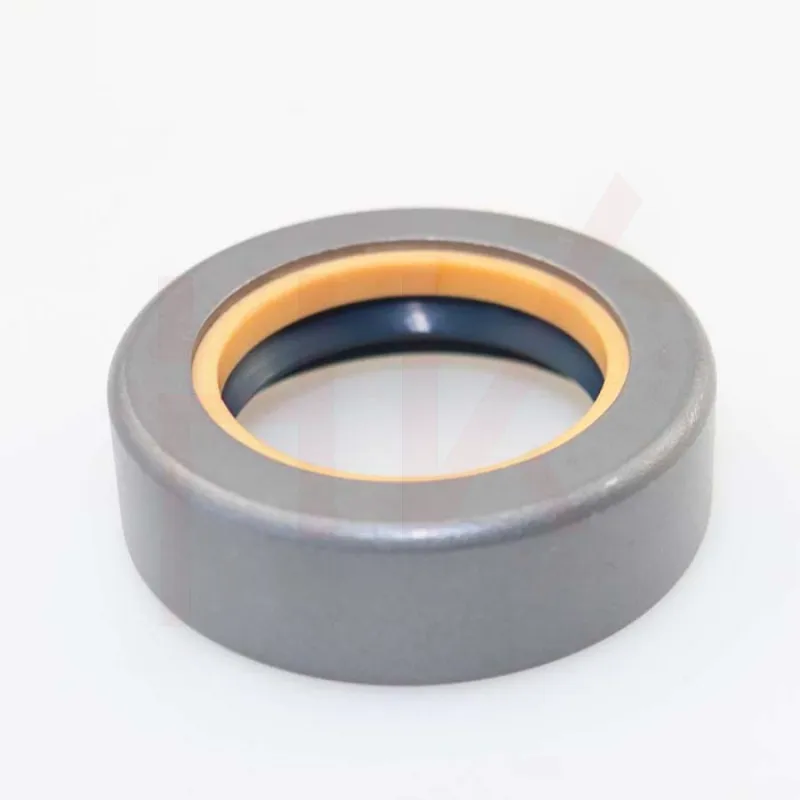
35*52*16 Standard Wheel Hub Oil Seal For Agricultural Machinery
-
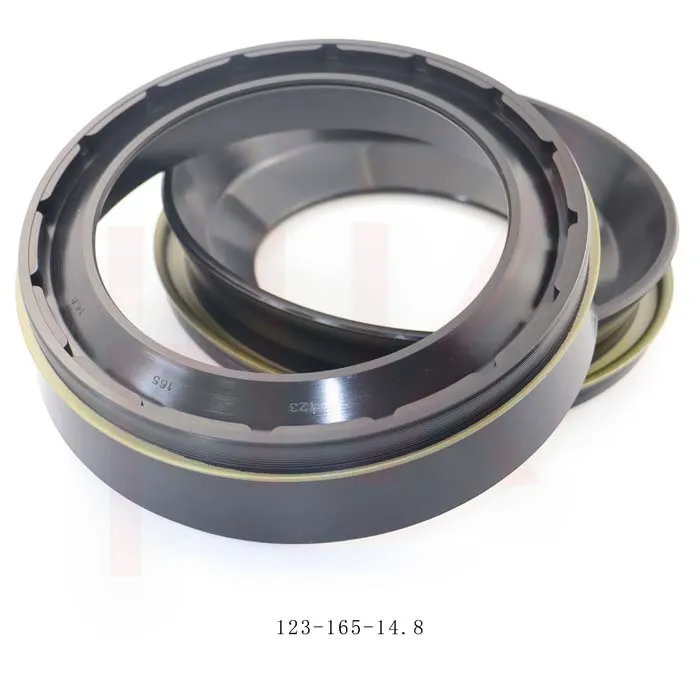
123*165*14.8 concrete mixer truck reducer oil seal
-
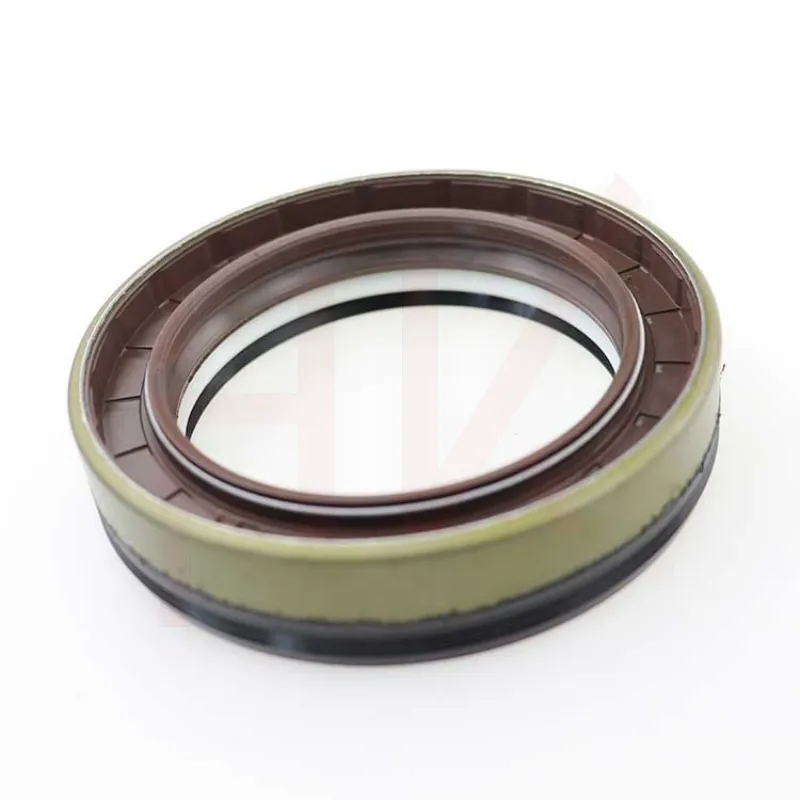
Tractor shaft oil seal 65-90-20 COMBI SF19 hub oil seal
-
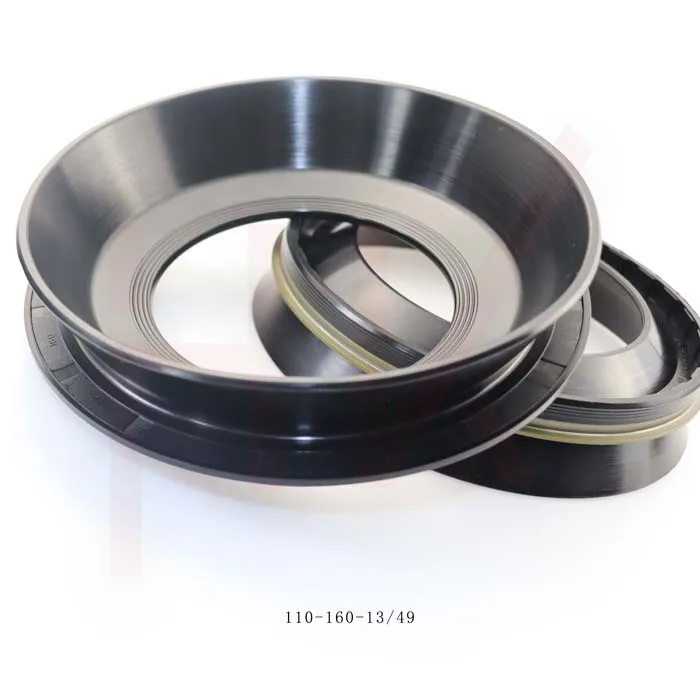
110*160*13/49 NBR reducerConcrete mixer truck oil seal
-
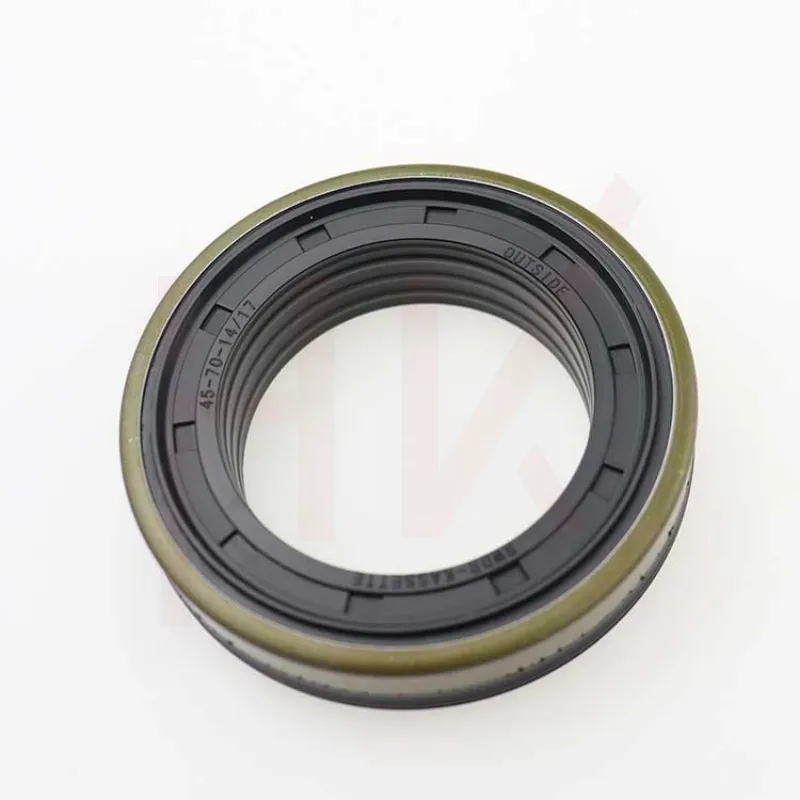
Hub oil seal 40*65*13/14.5 suitable for tractor Cat 12018035b
-
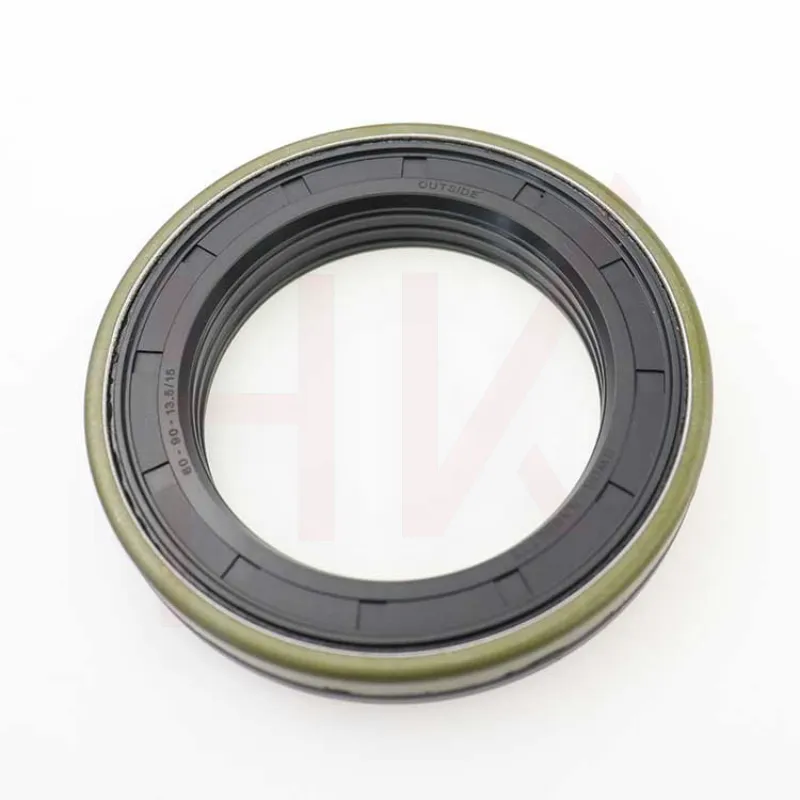
Tractor accessories cassette oil seal hub oil seal 60-90-13.5/15
-
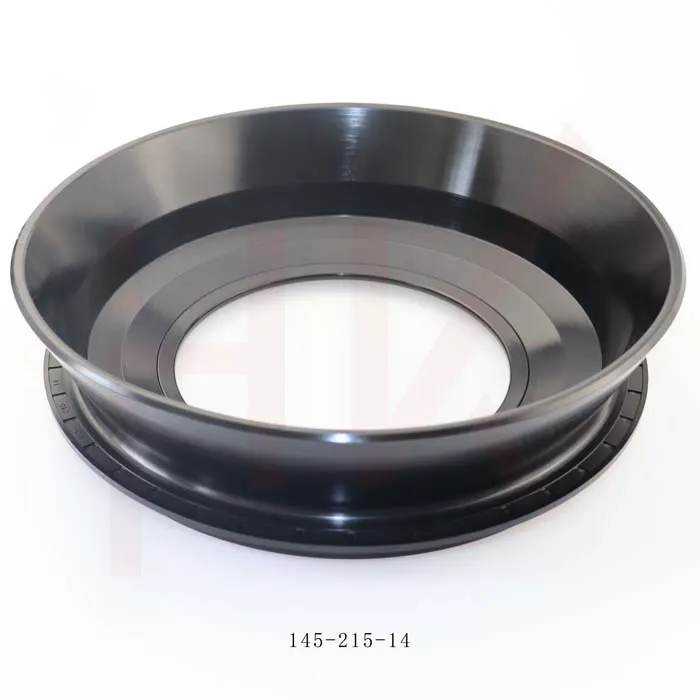
Factory concrete mixer truck oil seal 145*215*14 reducer gearbox oil seal
-
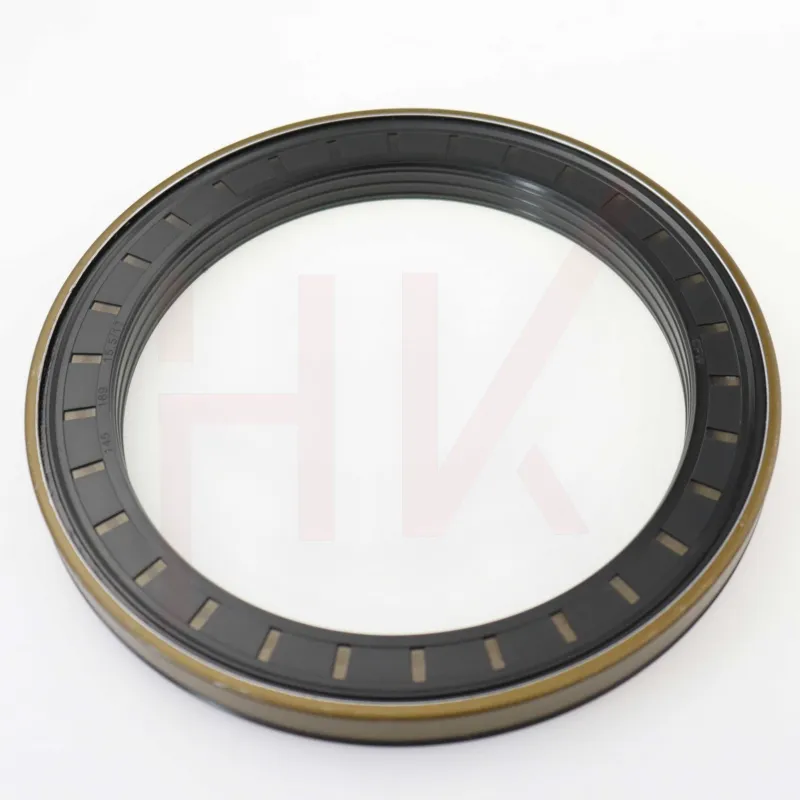
145*189*15.5/17 Cassette Seal NBR Hub Oil Seal 1508044
-
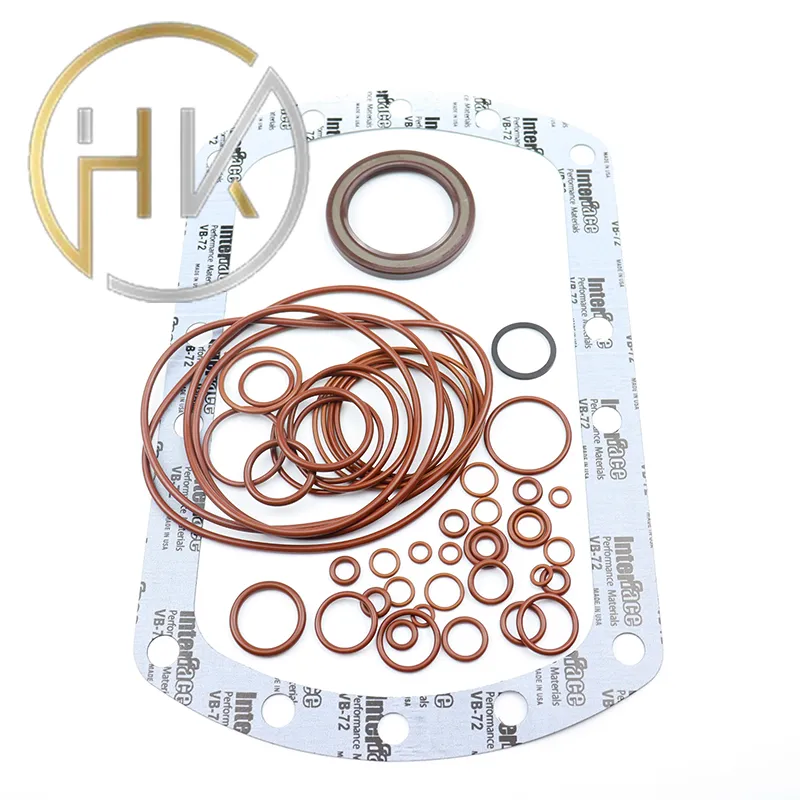
Factory direct sales hydraulic pump motor seal kit A8VO140
-
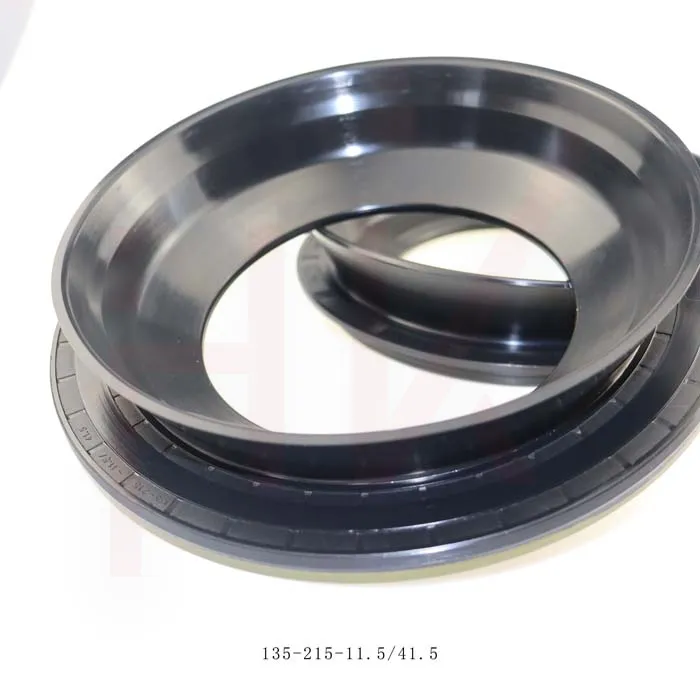
Brand new cement tanker oil seal 135*215*11.5/41.5 concrete mixer oil seal
-
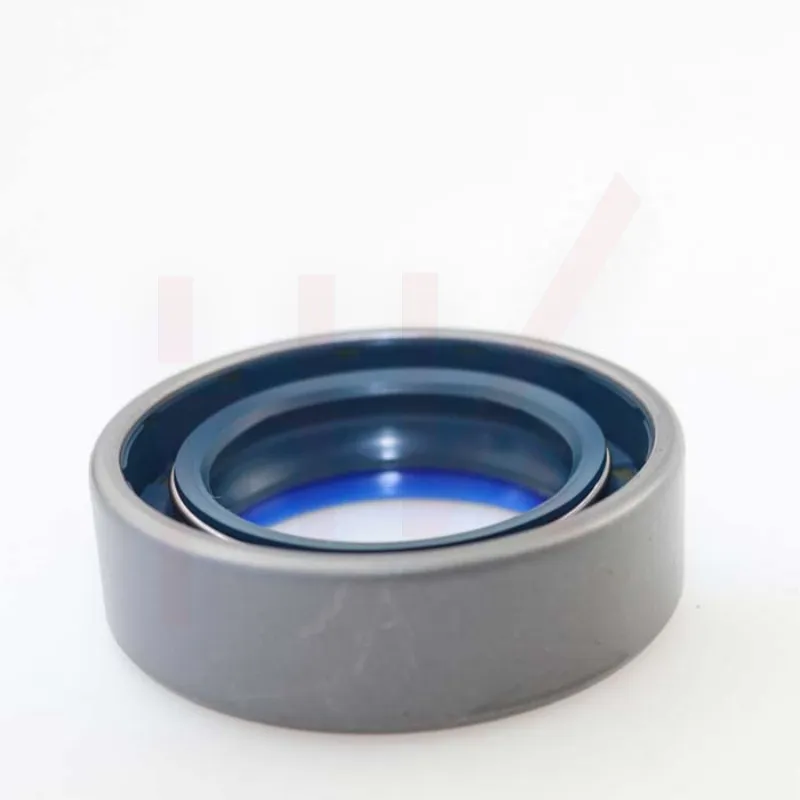
45*65*15 Combi oil seal JCB 90450009 COMBI SF1 SEAL
-
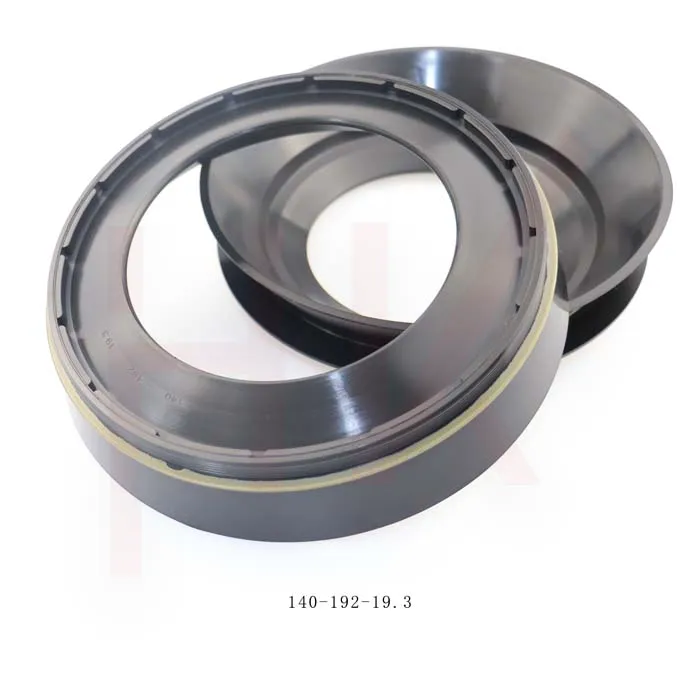
Gear box concrete mixer oil seal 140*192*19.3 nbr reducer oil seal
-
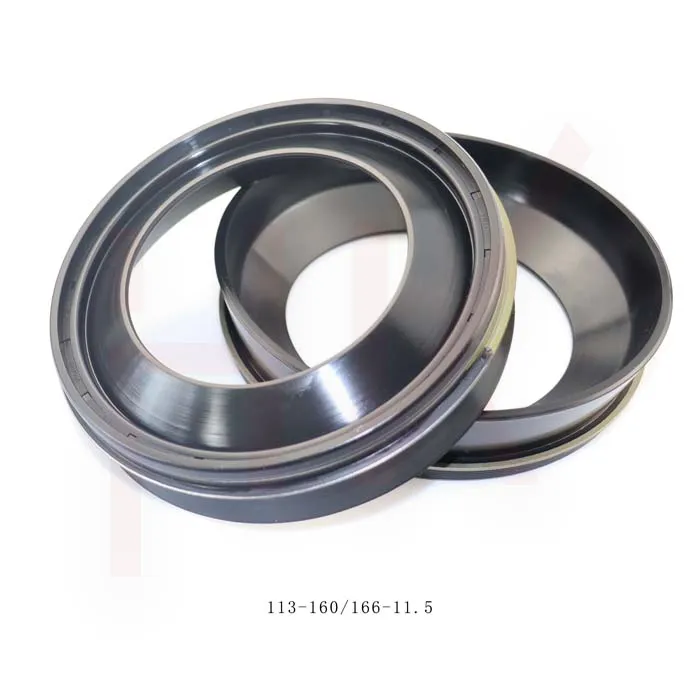
Seals factory direct sales 113*160/166*11.5/38 excavator truck reducer oil seal