Jan . 01, 2026 09:30 Back to list
Wheel Hub Oil Seal: Key Industrial Equipment Component | HKA Iseal
Wheel Hub Oil Seal: The Unsung Hero of Industrial Equipment
Having spent several years in the industrial equipment sector, I’ve come to appreciate components that most folks tend to overlook. The wheel hub oil seal is one such part. Maybe because it’s tucked away inside assemblies, it doesn’t get the limelight it deserves. But honestly, this little seal plays a critical role in keeping wheel hubs lubricated, preventing contamination, and ultimately extending the life of some of our toughest machinery.
Now, you might wonder why a simple seal matters so much. Well, imagine the dust, water, and grime these seals fend off day after day. Without a reliable seal, oil leaks out, contaminants sneak in, and suddenly you have damaged bearings or worse – expensive downtime. Frankly, it’s easy to take for granted until a failure stops the whole line or vehicle.
Over the years, I’ve noticed that industry trends are emphasizing better materials and smarter designs in seal manufacturing. For example, many modern wheel hub oil seals now incorporate advanced elastomers like fluorocarbon (FKM) or nitrile butadiene rubber (NBR), which resist heat and chemicals far better than older compounds. And some seals are reinforced with stainless steel cases or even have special lips that maintain better contact with the rotating shaft, reducing leakage risk.
Here’s a typical specification snapshot for a quality wheel hub oil seal I’ve encountered recently—it kind of sums up what engineers usually look for:
| Specification | Details |
|---|---|
| Inner Diameter Range | 30 - 120 mm |
| Outer Diameter Range | 50 - 150 mm |
| Material | NBR / FKM Elastomer with Stainless Steel Case |
| Operating Temperature | -40°C to +150°C |
| Pressure Rating | Up to 0.1 MPa |
| Sealing Lip Design | Single or Double with Dust Lip Option |
In practice, these specs translate into something both durable and adaptable—whether the wheel hub is on a heavy-duty truck, construction equipment, or even specialized industrial machines. I remember a project where a fleet of mining trucks kept facing oil leak issues. Switching seals to a design with better elastomer chemistry and reinforced steel cases cut failures by about 70%. It was a noticeable difference that saved the company both fuel and maintenance costs over time.
Of course, not every wheel hub oil seal is created equal. Here's a straightforward comparison of some notable vendors and what they typically offer. I think it’s useful because the choice often depends on specific applications, budget, or regional availability:
| Vendor | Seal Materials | Temperature Range | Special Features | Typical Application |
|---|---|---|---|---|
| HKA Iseal | NBR / FKM Elastomer | -40°C to 150°C | Custom sizes, High durability | Heavy trucks, industrial equipment |
| Vendor A | NBR, Silicone option | -30°C to 140°C | Quick lead times | Light-duty vehicles |
| Vendor B | FKM, PTFE coating | -20°C to 180°C | Low friction lips | Specialized vehicles |
When selecting a wheel hub oil seal, you’ve got to weigh several factors: what kinds of environmental stresses the seal will face, the speed and load of the wheel hub, and service intervals. Customization is increasingly in demand — many manufacturers, including HKA Iseal, offer tailored dimensions or compound tweaks for tricky conditions. This flexibility is especially handy in industrial applications that don't run 'standard', so to speak.
Oddly enough, despite improvements in seal design, I’ve seen some shops still use outdated replacements that can’t keep pace with modern machinery demands. That’s why partnerships with trusted vendors who understand the industry’s ups and downs matter. Plus, ongoing testing is crucial — common methods include dynamic run tests, temperature cycling, and abrasion resistance trials. These ensure seals not only fit, but perform under real-world stress.
Honestly, even after all these years, I find it fascinating how a compact piece of rubber and steel can have such a significant impact on the reliability of heavy machinery. If you’re looking to optimize equipment uptime or just want to understand how to protect your investment better, focusing on quality wheel hub oil seals is a great place to start.
So, next time you hear “wheel hub oil seal,” don’t shrug it off. Behind the scenes, it’s quietly doing its job—and honestly, it deserves a little respect.
— Written by someone who’s seen both the worn-out and the well-maintained, trust me on this.
References:
1. SKF Sealing Solutions Handbook
2. HKA Iseal Technical Data Sheets
3. Industrial Equipment Maintenance Journals (2019-2023)
Takeaway: Never underestimate the humble wheel hub oil seal — it’s small but mighty in protecting your machinery’s heart.
-
A8VO140 Hydraulic Piston Pump Repair Parts Kit Complete Overhaul Kit for Rexroth A8VO140 Excavator: Check Pump Fit Before Ordering
NewsNov.10,2026
-
A8VO140 Hydraulic Piston Pump Repair Parts Kit Complete Overhaul Kit for Rexroth A8VO140 Excavator: Buyer FAQs
NewsNov.05,2026
-
What Is the Function of Oil Seal? FAQ
NewsOct.30,2026
-
High Pressure TCN Seal Solutions for Industrial Machinery
NewsJul.01,2026
-
High Performance TCN Type Oil Seal for Industrial Machinery
NewsJun.29,2026
-
High Pressure Oil Seal TCN for Industrial Sealing Solutions
NewsJun.27,2026
-
Industrial High Speed Rotary Shaft Seals Performance Guide
NewsJun.26,2026
Products categories
-
Standard oil seal BP0494 High pressure TCN oil seal
-
Hydraulic pump seal AP4624G high pressure TCN oil seal
-
0734307418 0750112169 120*165*10/14.8 concrete mixer reducer oil seal
-
35*52*16 Standard Wheel Hub Oil Seal For Agricultural Machinery
-
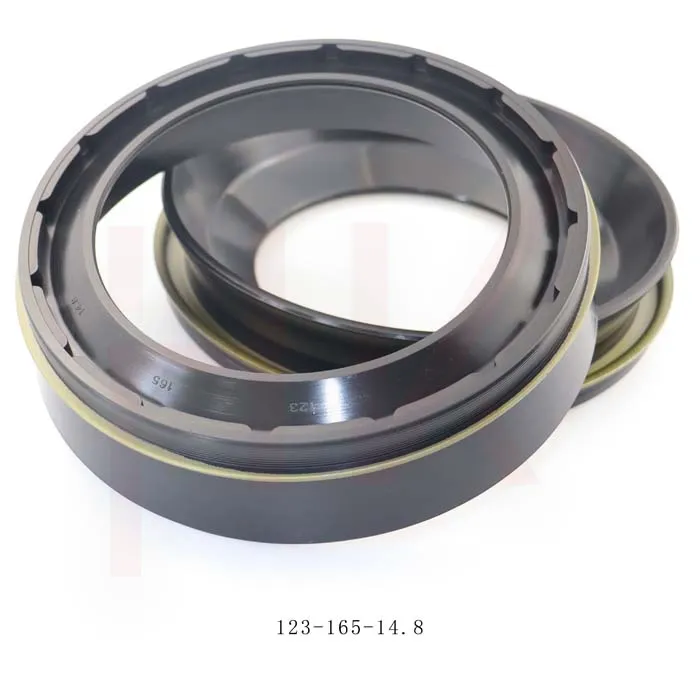
123*165*14.8 concrete mixer truck reducer oil seal
-
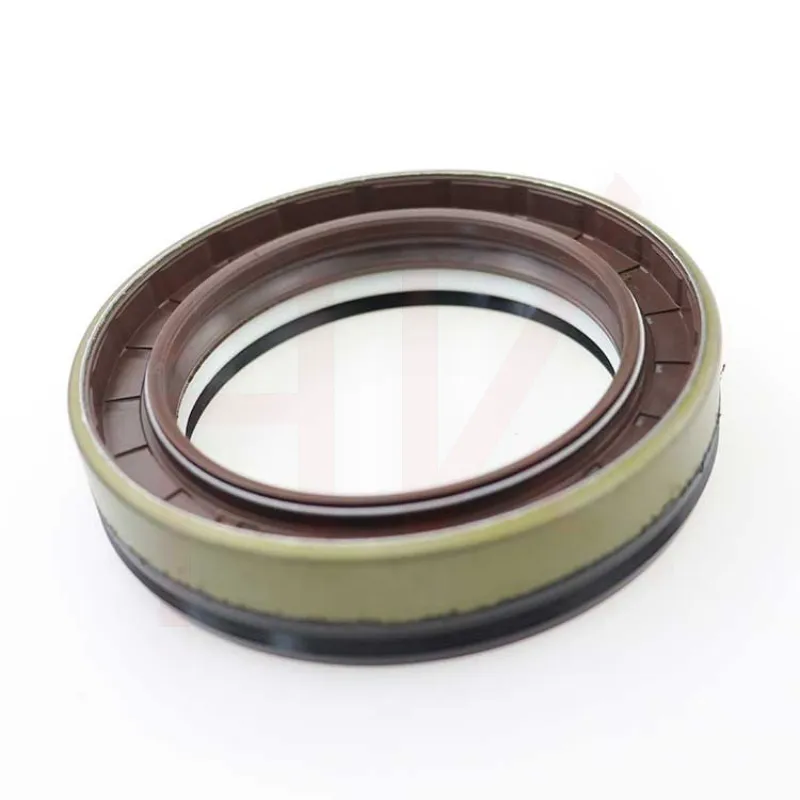
Tractor shaft oil seal 65-90-20 COMBI SF19 hub oil seal
-
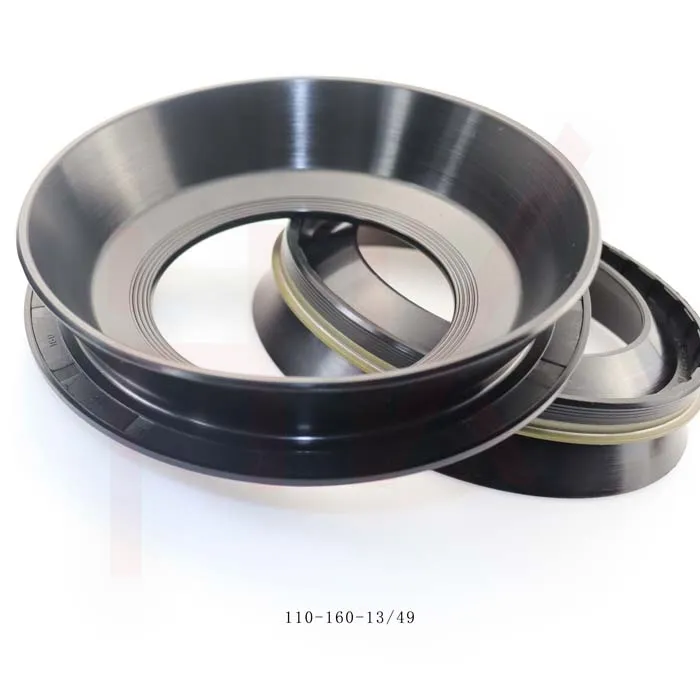
110*160*13/49 NBR reducerConcrete mixer truck oil seal
-
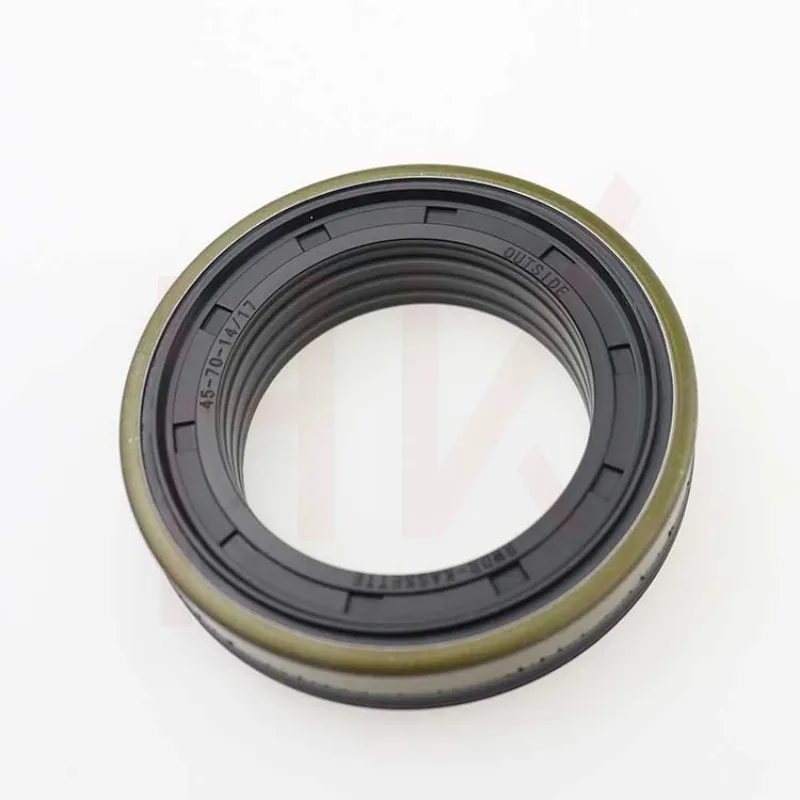
Hub oil seal 40*65*13/14.5 suitable for tractor Cat 12018035b
-
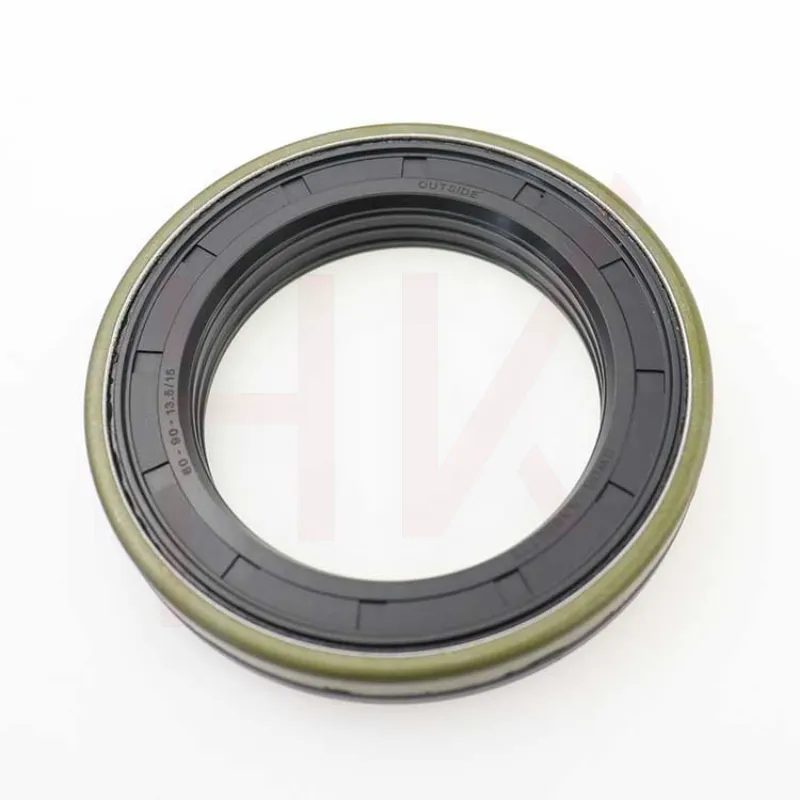
Tractor accessories cassette oil seal hub oil seal 60-90-13.5/15
-
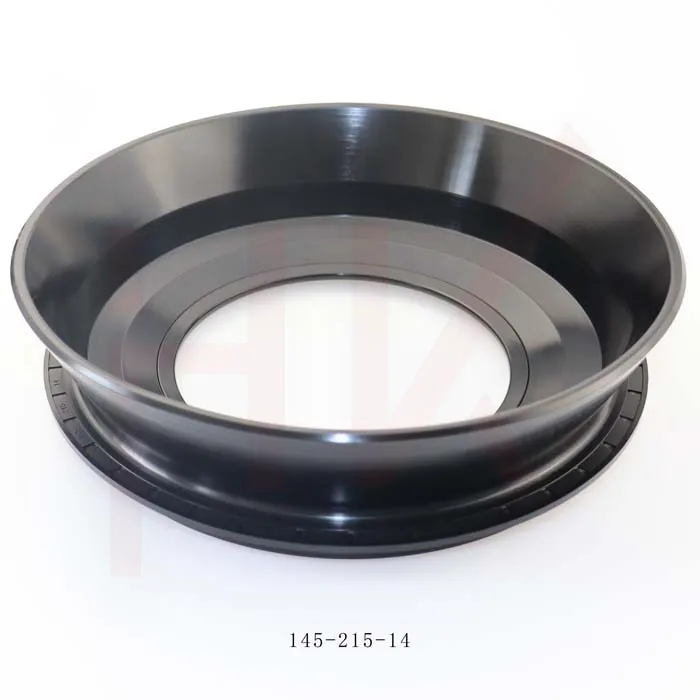
Factory concrete mixer truck oil seal 145*215*14 reducer gearbox oil seal
-
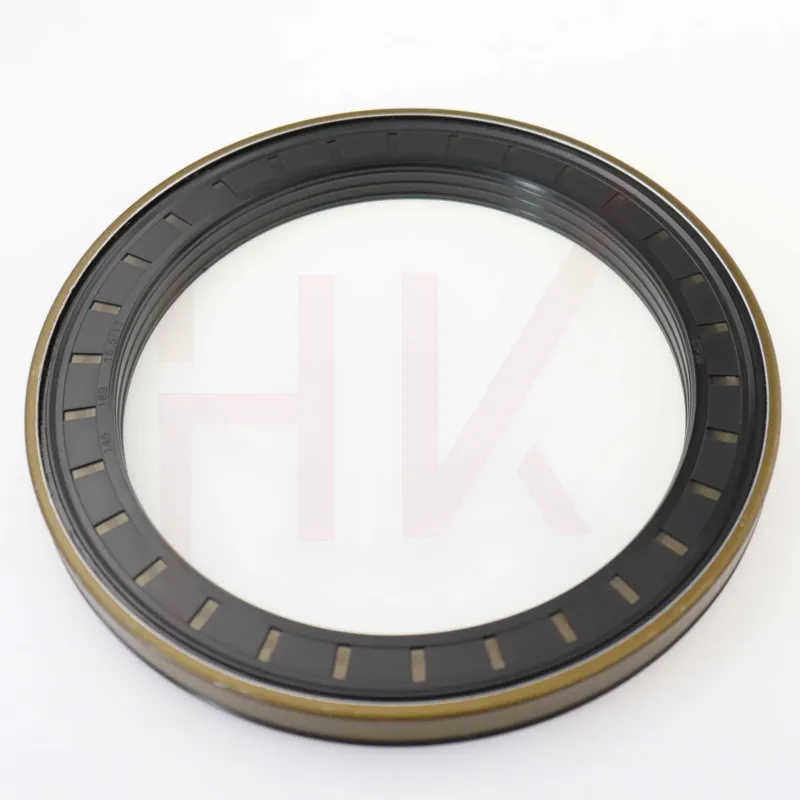
145*189*15.5/17 Cassette Seal NBR Hub Oil Seal 1508044
-
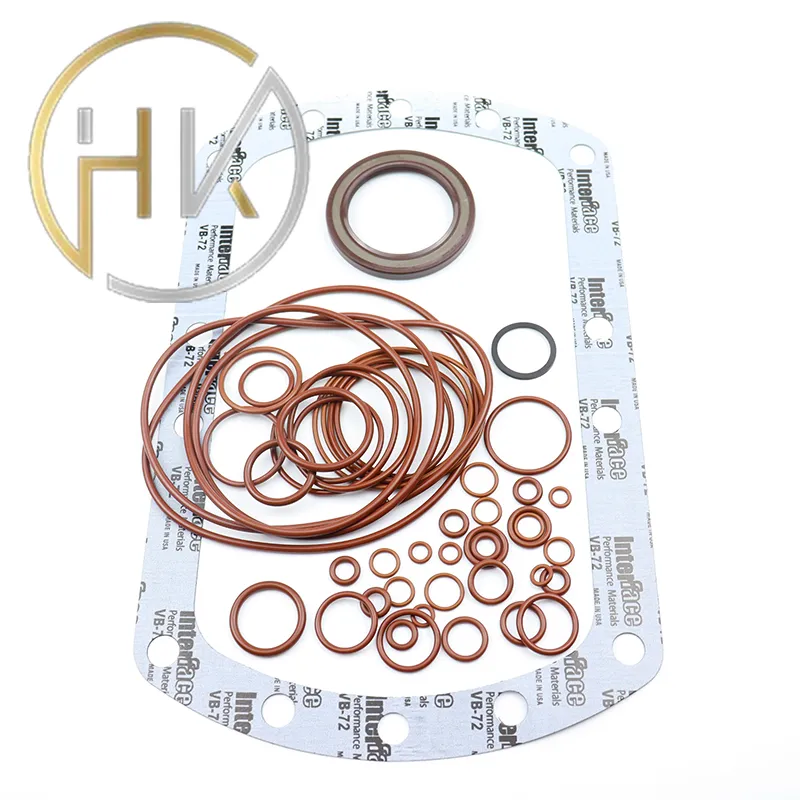
Factory direct sales hydraulic pump motor seal kit A8VO140
-
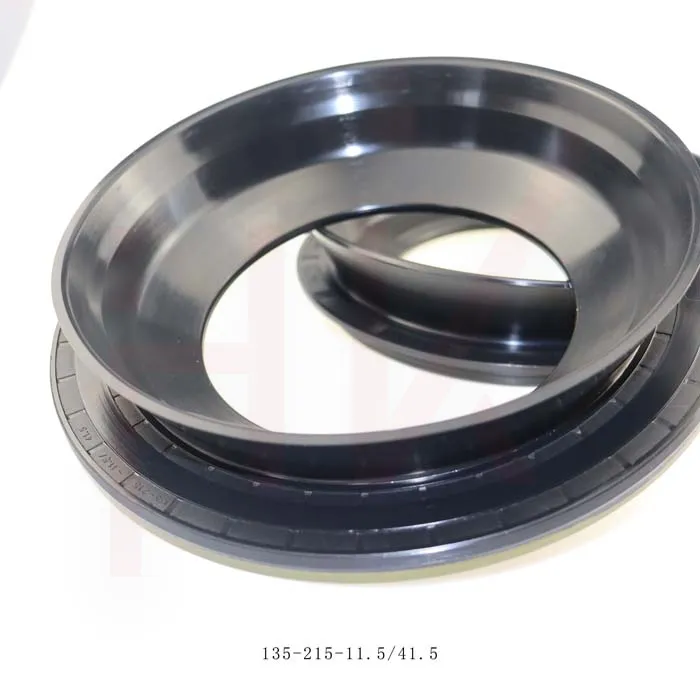
Brand new cement tanker oil seal 135*215*11.5/41.5 concrete mixer oil seal
-
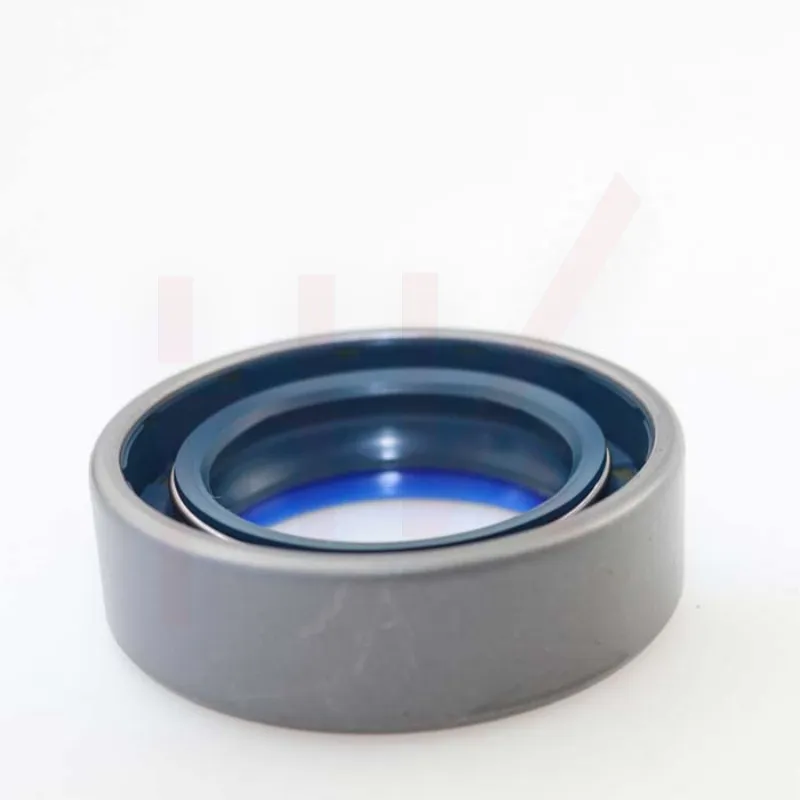
45*65*15 Combi oil seal JCB 90450009 COMBI SF1 SEAL
-

A4VG56 Seal Kit Hydraulic Piston Pump Repair Kit for Rexroth A4VG56 Pump Overhaul Service Kit Excavator Hydraulic Parts,40*67*7,R902002388/2593306F
-

12018740,2780603201,ZTAM-00716,148*170*14 Cassette Wheel Hub Oil Seal RWDR-Kombi NBR Oil Seal for Tractor Construction Machinery Axle Hub Seal