Jan . 02, 2026 03:25 Back to list
Cylinder Oil Seal: Expert Insights for Industrial Equipment
Understanding the Importance of a cylinder oil seal in Industrial Equipment
Having spent more than a decade working alongside engineers and technicians in the industrial equipment sphere, I can confidently say: the humble cylinder oil seal often gets overlooked — but it really shouldn’t. It’s one of those details that, when neglected, quietly causes headaches down the line. In real terms, this tiny component plays a huge role keeping hydraulic cylinders sealed, lubricated, and operating smoothly under tough conditions.
Oddly enough, many folks underestimate just how much engineering and testing go into designing these seals. Cylinder oil seals aren’t just about holding back oil; they’re about resisting wear, coping with temperature extremes, and preventing contamination. Over the years, I've seen brands push the envelope on materials and design, which honestly ups the game for maintenance teams.
Key Specs of a Typical Cylinder Oil Seal
| Specification | Details |
|---|---|
| Material | NBR (Nitrile), PTFE, Viton |
| Operating Temperature Range | -30°C to +120°C (varies by material) |
| Pressure Rating | Up to 25 MPa (depending on design) |
| Seal Lip Design | Single or double lip for oil retention |
| Surface Finish Compatibility | 0.2 - 0.4 µm Ra |
Many engineers I know swear by seals made from NBR for their balance of cost and performance, but when higher chemical resistance or temperature durability is required, Viton or PTFE options become obvious choices. I've noticed in my fieldwork that proper seal material selection often saves expensive downtime.
Choosing the Right Vendor: A Quick Comparison
| Vendor | Material Range | Customization | Typical Lead Time | Pricing |
|---|---|---|---|---|
| HKAI Seal | NBR, PTFE, Viton | High - tailored designs available | 2-3 weeks | Competitive |
| Vendor B | NBR only | Limited | 4-6 weeks | Moderate |
| Vendor C | Viton & others | Moderate | 3-5 weeks | Higher |
When I first started specifying cylinder oil seals, vendor reliability sometimes felt like a lottery. Over time, I learned that engaging with a supplier like HKAI Seal, who offers customization and quick lead times, can save a lot of headaches. I recall one instance where a client had repeated cylinder failures due to improper seal material — switching vendors and upgrading the seals turned the situation around swiftly.
Of course, it’s not just about material and delivery. You want a vendor who understands the nuances — environmental conditions, chemical exposure, and even how seals behave under cyclical loads. Cylinder oil seals from lesser-known sources often skimp on such experiential insight, which, frankly, costs more later.
One trend I’ve noticed lately, and I suppose it makes sense with demand for sustainable manufacturing, is the rise of seals made from eco-friendlier rubber compounds. That said, compatibility with oil and durability remains king — the seal has to do its core job first.
So, whether you’re on the engineering team, maintenance, or procurement side, don’t overlook the importance of picking the right cylinder oil seal. It’s a small part, yes, but one with significant influence on uptime and equipment longevity.
In the end, it feels like choosing a seal is a bit like picking the right boots for a hike — the right fit and quality make all the difference once you’re out in the field.
References:
1. Industry reports on seal materials and hydraulic cylinder maintenance.
2. Manufacturer material datasheets.
3. My personal experience working with cylinder equipment in heavy industries.
-
A8VO140 Hydraulic Piston Pump Repair Parts Kit Complete Overhaul Kit for Rexroth A8VO140 Excavator: Check Pump Fit Before Ordering
NewsNov.10,2026
-
A8VO140 Hydraulic Piston Pump Repair Parts Kit Complete Overhaul Kit for Rexroth A8VO140 Excavator: Buyer FAQs
NewsNov.05,2026
-
What Is the Function of Oil Seal? FAQ
NewsOct.30,2026
-
High Pressure TCN Seal Solutions for Industrial Machinery
NewsJul.01,2026
-
High Performance TCN Type Oil Seal for Industrial Machinery
NewsJun.29,2026
-
High Pressure Oil Seal TCN for Industrial Sealing Solutions
NewsJun.27,2026
-
Industrial High Speed Rotary Shaft Seals Performance Guide
NewsJun.26,2026
Products categories
-
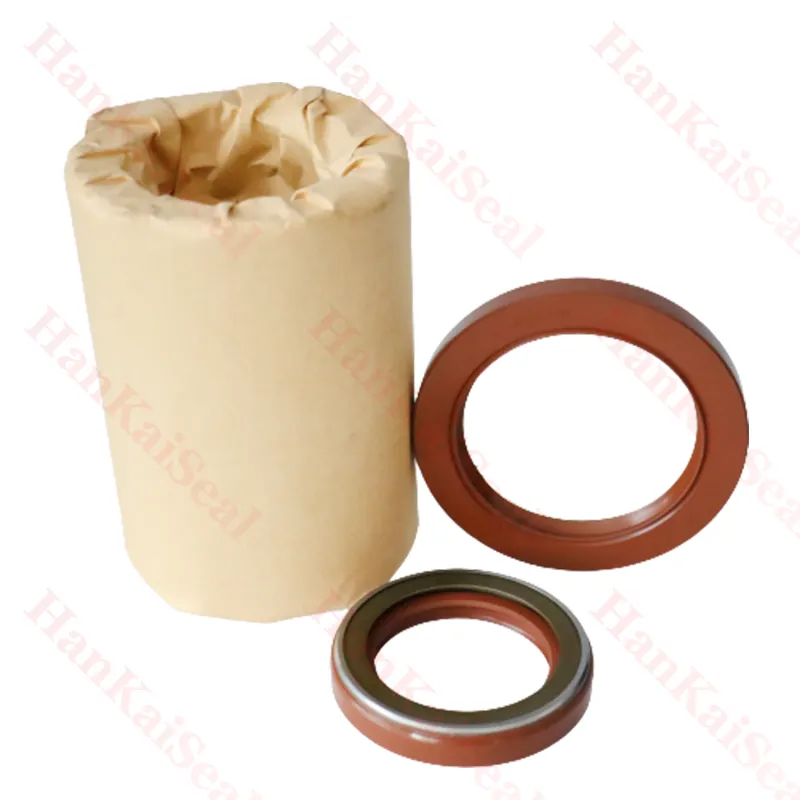
Standard oil seal BP0494 High pressure TCN oil seal
-
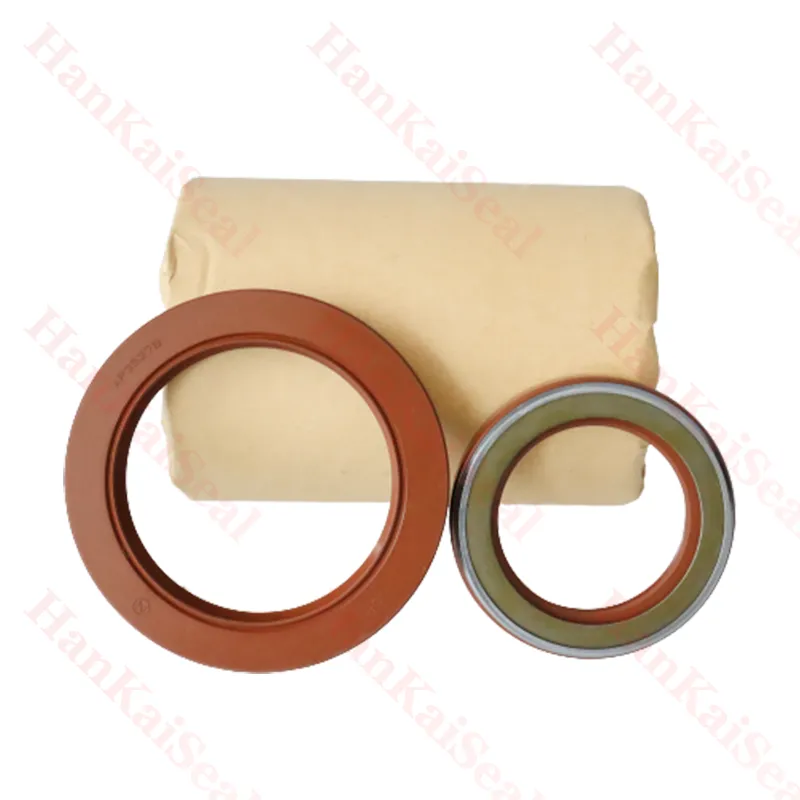
Hydraulic pump seal AP4624G high pressure TCN oil seal
-
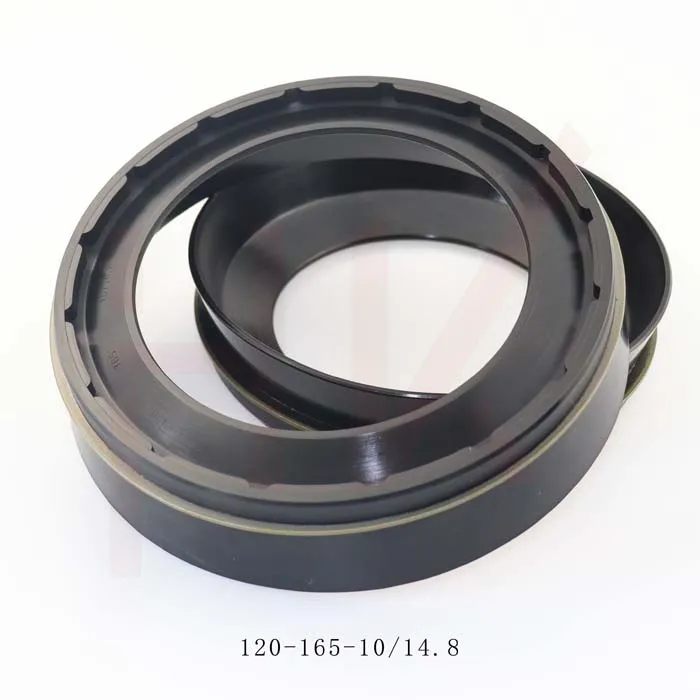
0734307418 0750112169 120*165*10/14.8 concrete mixer reducer oil seal
-
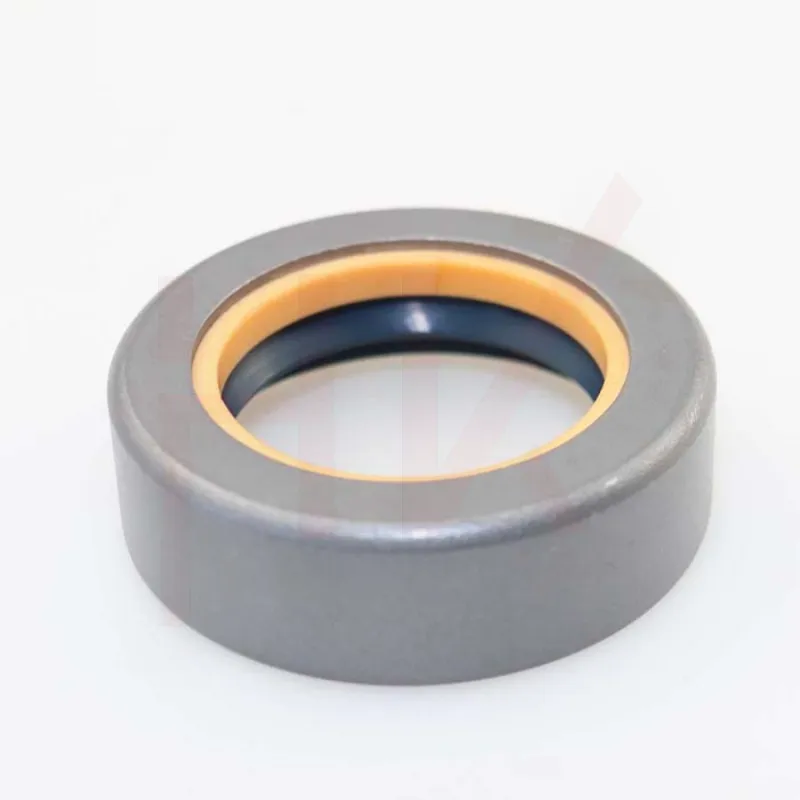
35*52*16 Standard Wheel Hub Oil Seal For Agricultural Machinery
-
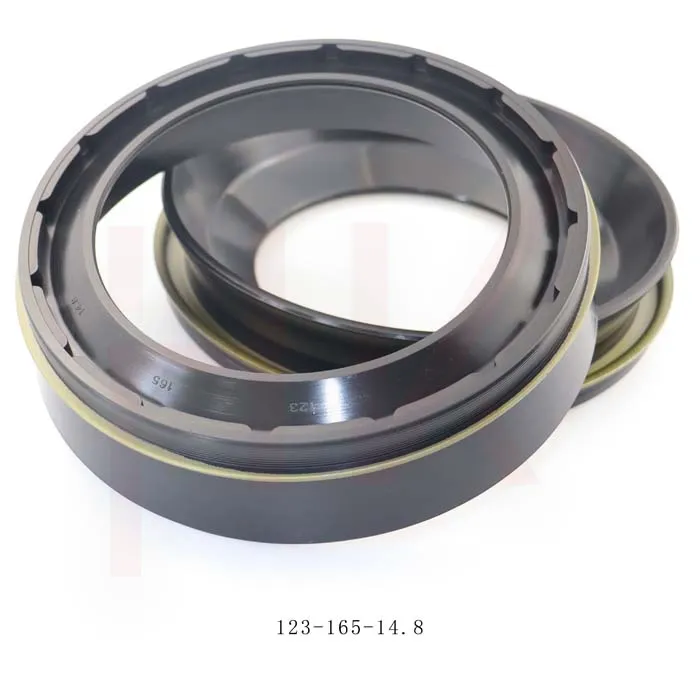
123*165*14.8 concrete mixer truck reducer oil seal
-
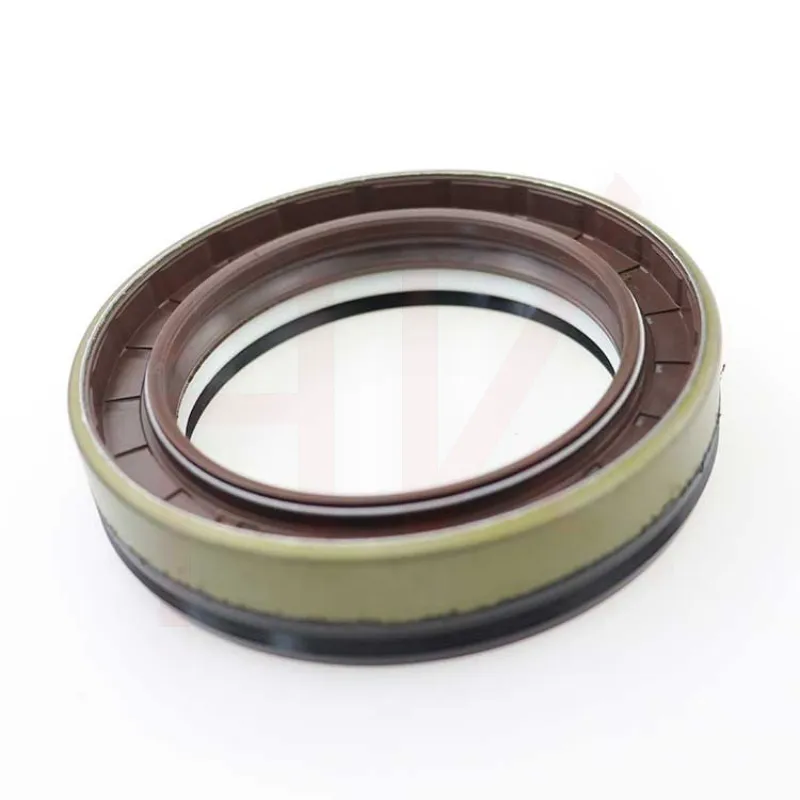
Tractor shaft oil seal 65-90-20 COMBI SF19 hub oil seal
-
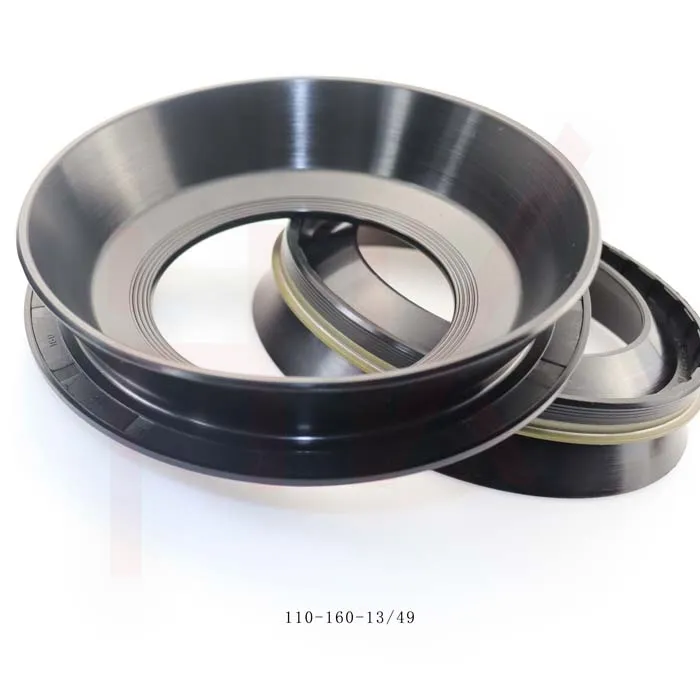
110*160*13/49 NBR reducerConcrete mixer truck oil seal
-
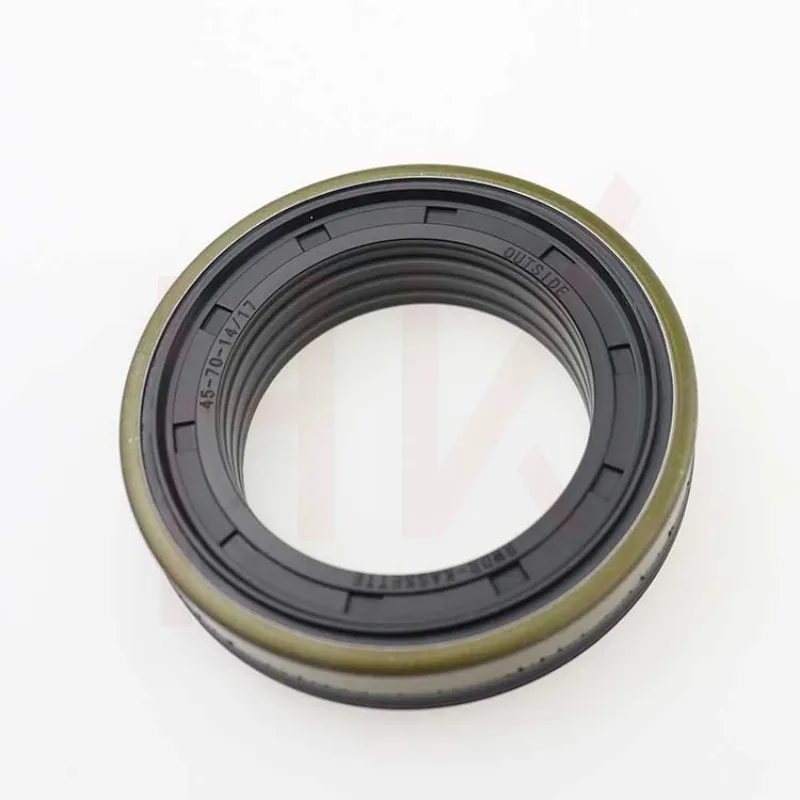
Hub oil seal 40*65*13/14.5 suitable for tractor Cat 12018035b
-
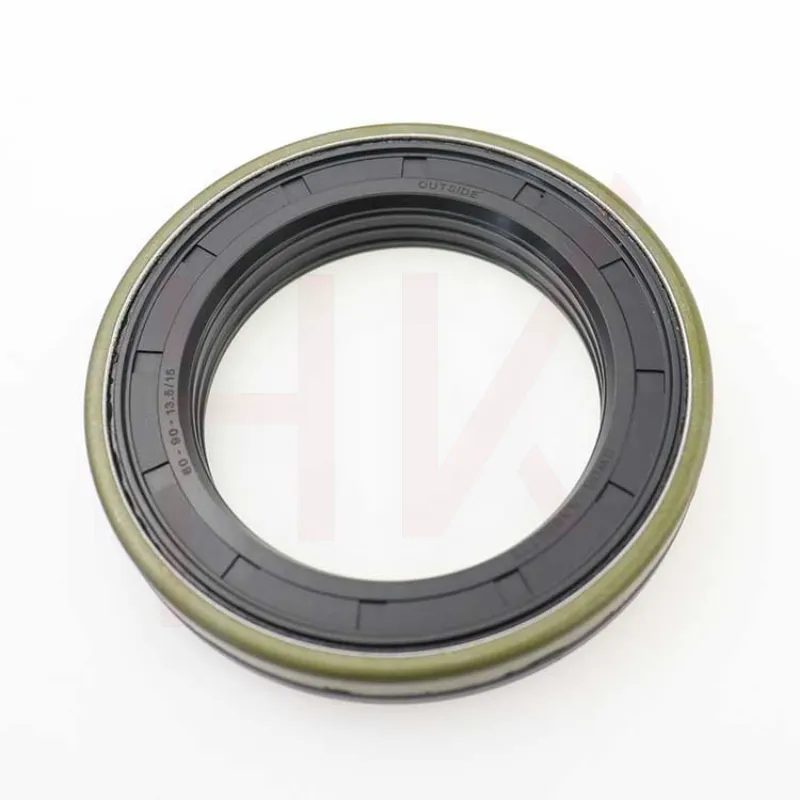
Tractor accessories cassette oil seal hub oil seal 60-90-13.5/15
-
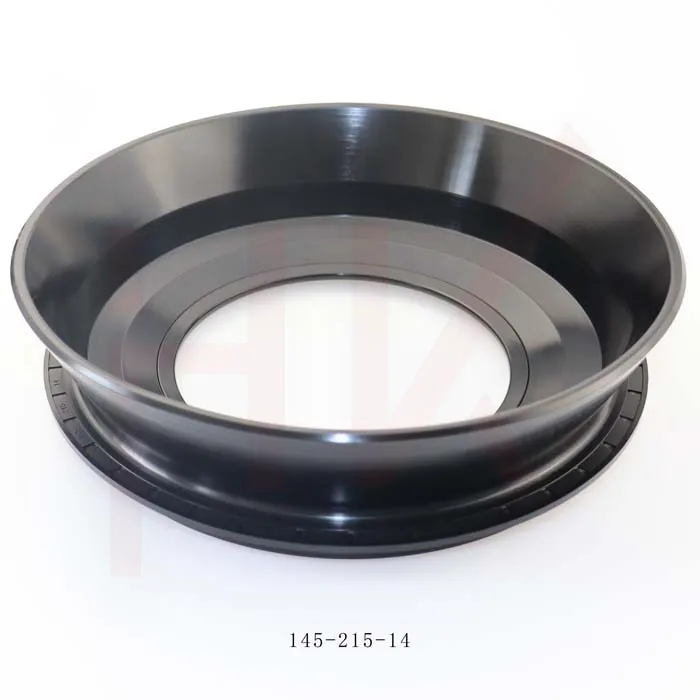
Factory concrete mixer truck oil seal 145*215*14 reducer gearbox oil seal
-
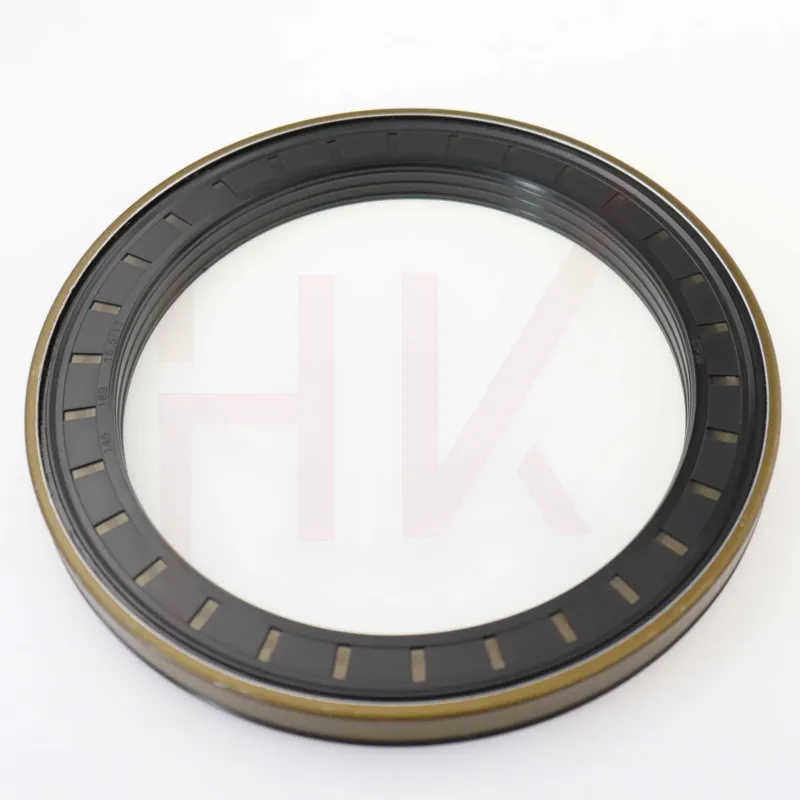
145*189*15.5/17 Cassette Seal NBR Hub Oil Seal 1508044
-
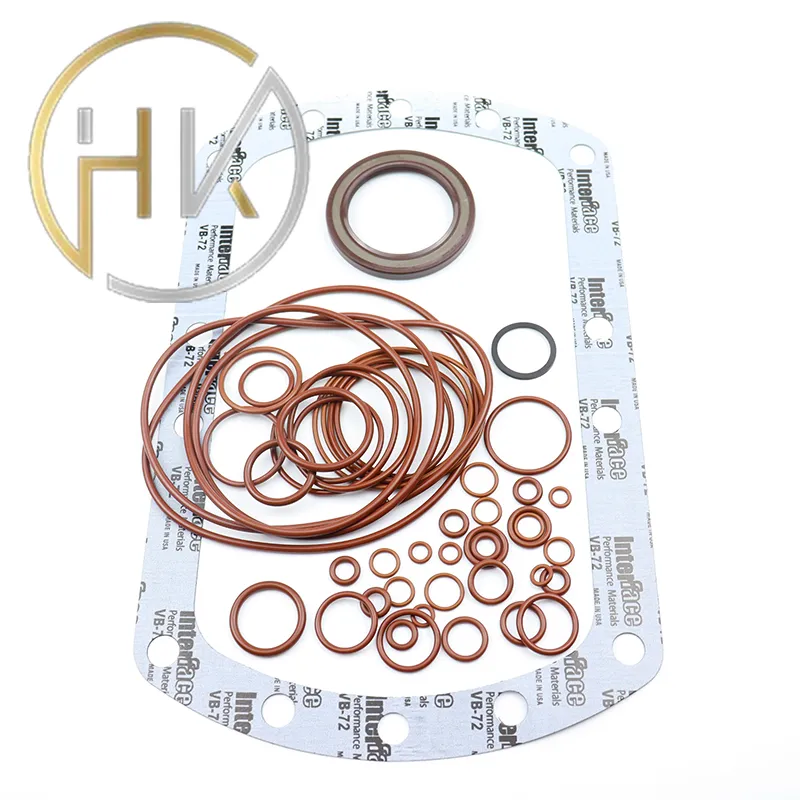
Factory direct sales hydraulic pump motor seal kit A8VO140
-
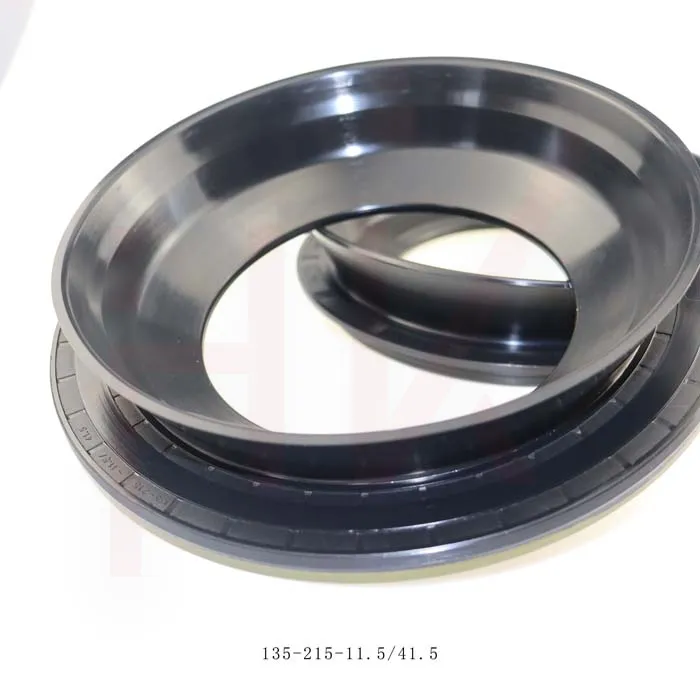
Brand new cement tanker oil seal 135*215*11.5/41.5 concrete mixer oil seal
-
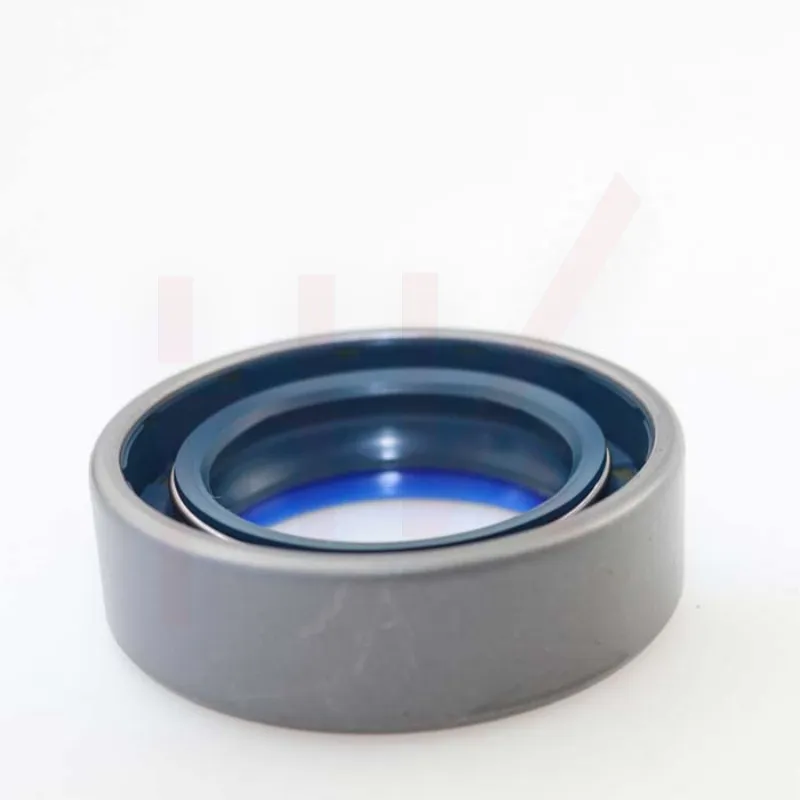
45*65*15 Combi oil seal JCB 90450009 COMBI SF1 SEAL
-

A4VG56 Seal Kit Hydraulic Piston Pump Repair Kit for Rexroth A4VG56 Pump Overhaul Service Kit Excavator Hydraulic Parts,40*67*7,R902002388/2593306F
-

12018740,2780603201,ZTAM-00716,148*170*14 Cassette Wheel Hub Oil Seal RWDR-Kombi NBR Oil Seal for Tractor Construction Machinery Axle Hub Seal