
Dec . 02, 2025 03:30 Back to list
Trusted Oil Seal Suppliers for Global Industrial and Humanitarian Needs
Oil Seal Suppliers: A Critical Link in Global Industry
Oil seals might not be something you think about every day, but if you peek behind the curtain of almost any machinery or vehicle, they’re quietly doing their job — preventing leaks, keeping dust out, and ensuring smooth mechanical operation. Globally, oil seal suppliers play a vital role in sustaining everything from automotive manufacturing to heavy industry and agriculture. Understanding who supplies these components, the challenges they face, and why their work matters is surprisingly important. It’s more than just a niche topic; it’s a backbone subject in maintenance, reliability, and even sustainability in modern economies.
Introduction: Why Oil Seal Suppliers Matter Worldwide
In today’s interconnected industrial world, the demand for precision-engineered components like oil seals is only growing. The International Organization for Standardization (ISO) defines standards for seals to ensure reliability worldwide, and according to the recent World Bank industrial output reports, regions like Asia-Pacific and Europe collectively represent over 60% of global machinery production — all of which rely heavily on quality sealing solutions.
However, the challenge for many industries is finding trustworthy oil seal suppliers that offer products meeting these stringent quality standards without breaking budgets. Equipment downtime caused by seal failure affects productivity and worker safety, which can ripple out to affect entire supply chains worldwide. So, globally, it’s not just about buying seals; it’s about sourcing reliability and long-term value.
What Exactly Are Oil Seal Suppliers?
Put simply, oil seal suppliers are companies or manufacturers that produce and distribute oil seals — the small but mighty components designed to prevent lubricant leakage and keep contaminants like dirt and water from entering machinery parts. They’re everywhere: in engines, pumps, gearboxes, and hydraulic systems.
Without these seals, machinery can suffer rapid wear and tear, failures, and costly downtime. From a humanitarian angle, think of humanitarian logistics vehicles operating in disaster zones — their reliable function depends on these seals working perfectly. In this sense, oil seal suppliers contribute not just to industry but indirectly to global health and safety.
Core Components That Define Oil Seal Quality
1. Durability
The ability of an oil seal to withstand high temperatures, pressure fluctuations, and chemical exposure is everything. Many suppliers now use advanced materials like fluorocarbon elastomers or PTFE to enhance lifespan.
2. Precision Fit
Oil seals must perfectly match shaft diameters and housing bores. Tight tolerances ensure no leakage, and reputable suppliers invest heavily in quality control.
3. Material Compatibility
Seals often contact oils, greases, solvents, or even acids, so selecting compatible materials (like nitrile rubber or silicone) is critical.
4. Cost Efficiency
While you don’t want to skimp on quality, costs do matter—especially for manufacturers buying in bulk. Leading suppliers balance quality with price without compromising performance.
5. Customization and Scalability
Industries vary widely; some need standard sizes while others require custom seal designs for specialized equipment. Flexibility is key for top suppliers.
Mini Takeaway:
- This set of core factors ensures that oil seals do their essential job reliably, contributing to uptime and maintenance cost savings.
Product Specifications at a Glance
| Specification | Common Value | Notes |
|---|---|---|
| Shaft Diameter Range | 5mm – 500mm | Varies by application |
| Material | Nitrile, Viton, PTFE | Selected per environment |
| Temperature Range | -40°C to 200°C | High-temp seals exist |
| Pressure Capability | Up to 10 bar | Specialized designs available |
| Typical Service Life | 3-7 years | Depends on conditions |
Global Applications & Use Cases
Think about industries like automotive manufacturing in Germany, oil and gas extraction in the Middle East, or wind turbine production in Scandinavia — all rely heavily on the consistent supply of quality oil seals. Quite frankly, wherever rotating shafts or hydraulic pistons exist, these seals are crucial. Even more interestingly, remote regions such as sub-Saharan Africa increasingly depend on reliable machinery for agriculture and mining, which means dependable oil seal suppliers have a growing humanitarian angle.
For example:
- Disaster Relief Vehicles: Vehicles operating in emergency zones need seals resistant to dust and water ingress to prevent breakdowns.
- Industrial Automation: Robotics and conveyor systems in factories require high precision seals to minimize maintenance.
- Renewable Energy: Wind turbines and hydroelectric plants invest in oil seals designed for extended durability under fluctuating loads.
Top Vendor Comparison
| Supplier | Materials Offered | Geographic Reach | Certifications | Typical Lead Time |
|---|---|---|---|---|
| KaiSeal Technologies | Nitrile, Viton, Silicone | Global | ISO 9001, IATF 16949 | 2 weeks |
| SealPro Industries | PTFE, Nitrile | Europe, Asia | ISO 14001 | 3-4 weeks |
| Global Seals Corp. | Silicone, Viton | North America, Europe | ISO 9001 | 1 week |
Advantages and Long-Term Value of Quality Oil Seals
Investing in high-quality oil seals from trusted suppliers ultimately pays off with lower maintenance costs, extended machinery life, and fewer unexpected failures. This reliability enhances workplace safety — which frankly can’t be overstated — and fosters trust between manufacturers and end-users.
On the environmental front, longer-lasting seals mean fewer replacements and less waste, contributing to sustainability goals increasingly important across industries. Dignity matters here too: avoiding equipment failure in humanitarian missions supports better outcomes for vulnerable communities dependent on functioning infrastructure.
Future Trends and Innovations to Watch
Innovation isn’t standing still. New materials like graphene-enhanced elastomers promise even greater durability, and digital transformation is paving the way for smart seals embedded with sensors to monitor wear in real-time. On the policy side, stricter environmental regulations push suppliers toward greener manufacturing processes and biodegradable materials.
The rise of automation and Industry 4.0 means oil seal suppliers that can integrate into connected supply chains and offer customization quickly will lead the pack. Also, renewable energy sectors demanding specialized seals for extreme conditions are driving new R&D directions.
Challenges Faced by Oil Seal Suppliers and Solutions
One major challenge is balancing cost pressure with quality — cheaper seals fail prematurely, but high-end products may price out smaller manufacturers. Some suppliers now utilize modular designs and scalable manufacturing to address this.
Another is material shortages, which can disrupt production. Experts suggest diversified sourcing and investing in alternate raw materials to mitigate risks. Finally, meeting ever-tightening global standards requires ongoing testing and certification investments.
Frequently Asked Questions About Oil Seal Suppliers
- Q: How do I choose the right oil seal material for my application?
- A: Material choice depends on exposure to temperature, pressure, chemicals, and mechanical stresses. For example, nitrile is common for general use, Viton for high temperatures and chemical resistance, and silicone for flexibility in cold conditions. Consulting with your oil seal supplier can ensure the best match.
- Q: What is the typical lifespan of an oil seal in industrial machinery?
- A: Lifespan varies widely, generally between 3 to 7 years under normal operating conditions. Factors like environment, load, and maintenance greatly influence durability.
- Q: Can custom oil seals be produced for unique equipment needs?
- A: Absolutely. Most reputable suppliers offer design and manufacturing to order, matching exact dimensions and material specifications to your equipment requirements.
- Q: Is it difficult to source oil seals internationally?
- A: Not typically. Many suppliers, including global ones like KaiSeal, have worldwide distribution capabilities, making international procurement straightforward.
Conclusion: Why Partnering With Established Oil Seal Suppliers Makes Sense
Looking beyond the obvious, oil seal suppliers are essential enablers of machinery performance globally — reducing downtime, improving safety, and even supporting humanitarian efforts indirectly. As industries evolve toward sustainability and smart manufacturing, working with experienced suppliers who embrace innovation will pay dividends.
For anyone needing reliable sealing solutions, connecting with professional oil seal suppliers is the logical first step.
Visit our website for detailed product info and expert consultation: https://www.hkaiseal.com
Oddly enough, these tiny components keep the wheels of industry turning — quite literally.
References
-
Guide to Choosing the Right High Quality hydraulic ram kit
NewsApr.16,2026
-
Premium Hydraulic Cylinder Packing Kits for Peak Performance
NewsApr.09,2026
-
Comprehensive Guide to Hydraulic Cylinder Oil Seal Kits for Optimal Performance
NewsApr.07,2026
-
Comprehensive Guide to Choosing the Right Cylinder Seal Kits for Peak Performance
NewsApr.04,2026
-
Comprehensive Guide to Seal Kits for Cylinders Ensuring Optimal Performance
NewsMar.31,2026
-
Comprehensive Guide to Hyd Cylinder Seals for Optimal Hydraulic System Performance
NewsMar.28,2026
-
Comprehensive Guide to Hyd Cylinder Seal Kit Selection and Installation
NewsMar.26,2026
Products categories
-
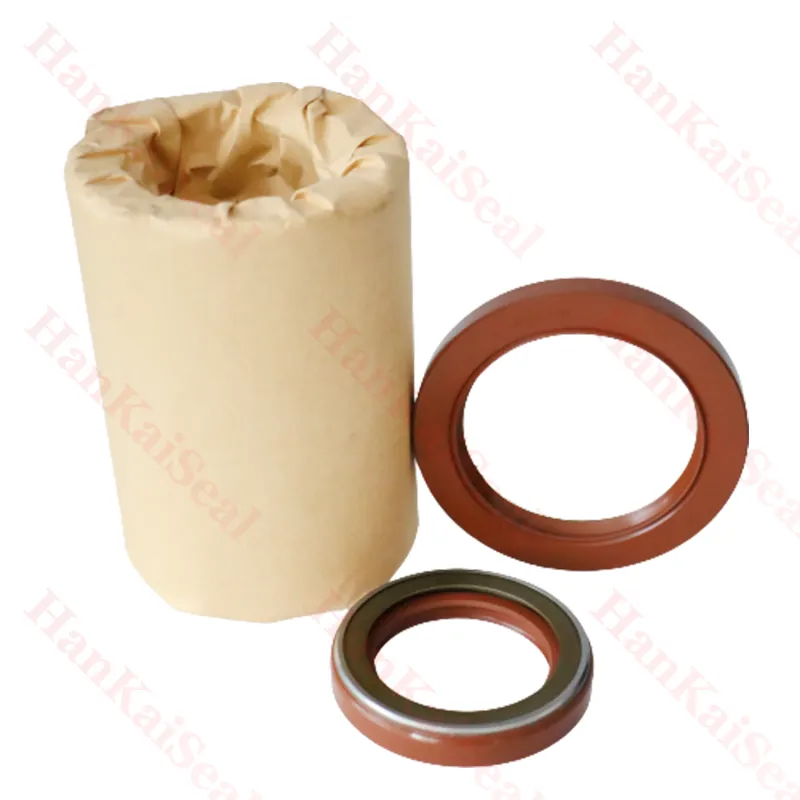
Standard oil seal BP0494 High pressure TCN oil seal
-
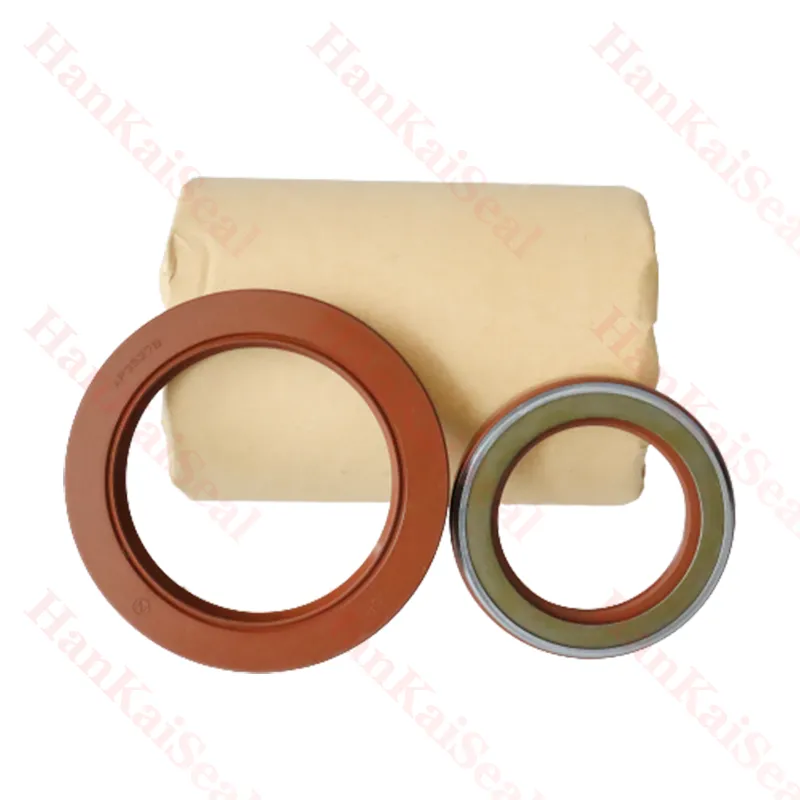
Hydraulic pump seal AP4624G high pressure TCN oil seal
-
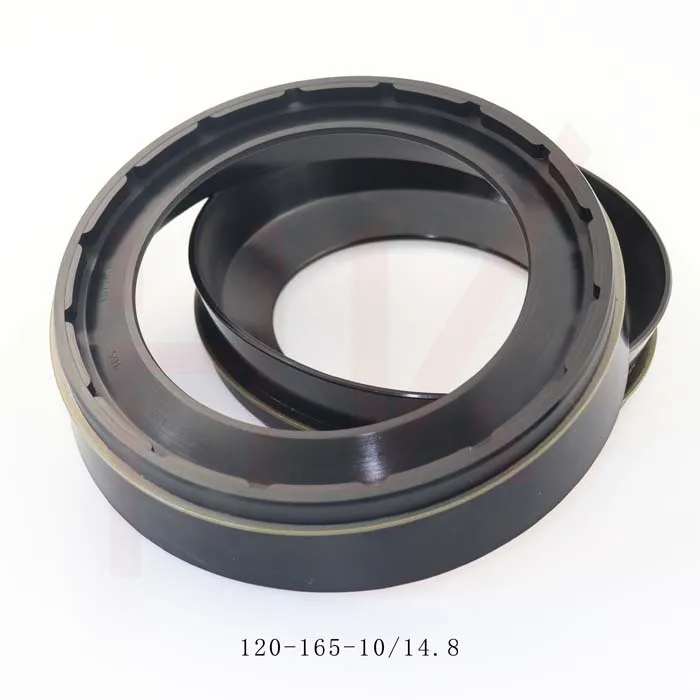
0734307418 0750112169 120*165*10/14.8 concrete mixer reducer oil seal
-
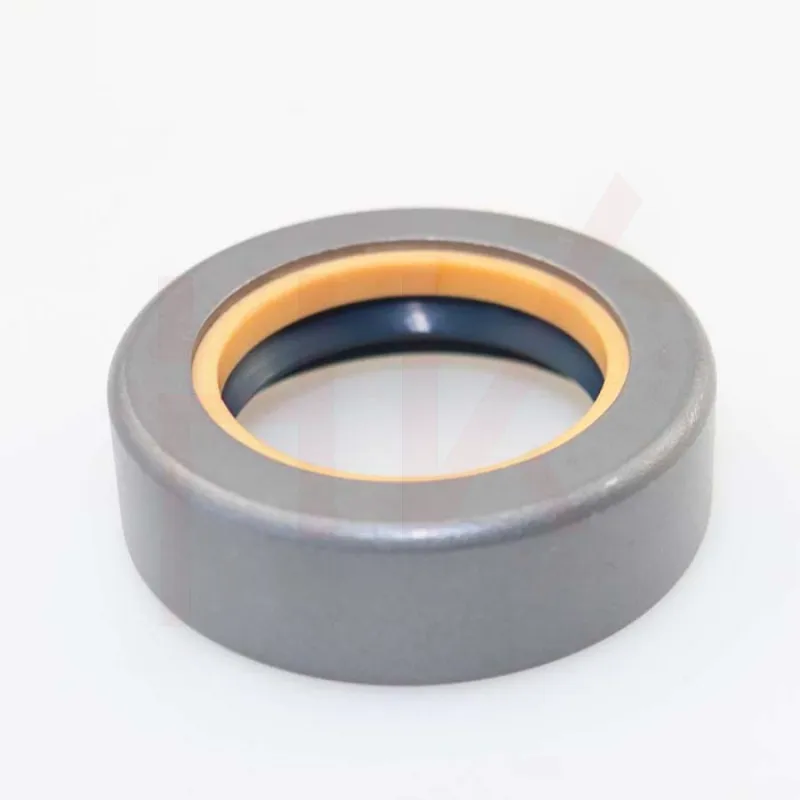
35*52*16 Standard Wheel Hub Oil Seal For Agricultural Machinery
-
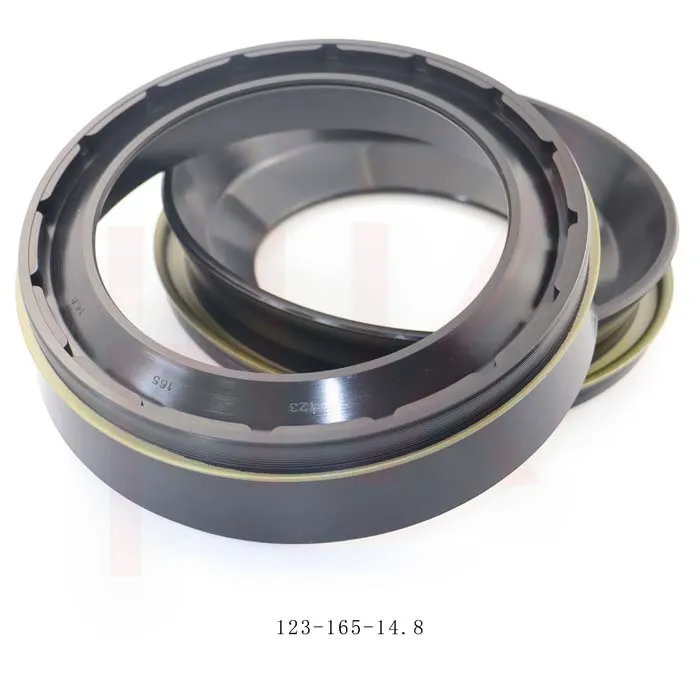
123*165*14.8 concrete mixer truck reducer oil seal
-
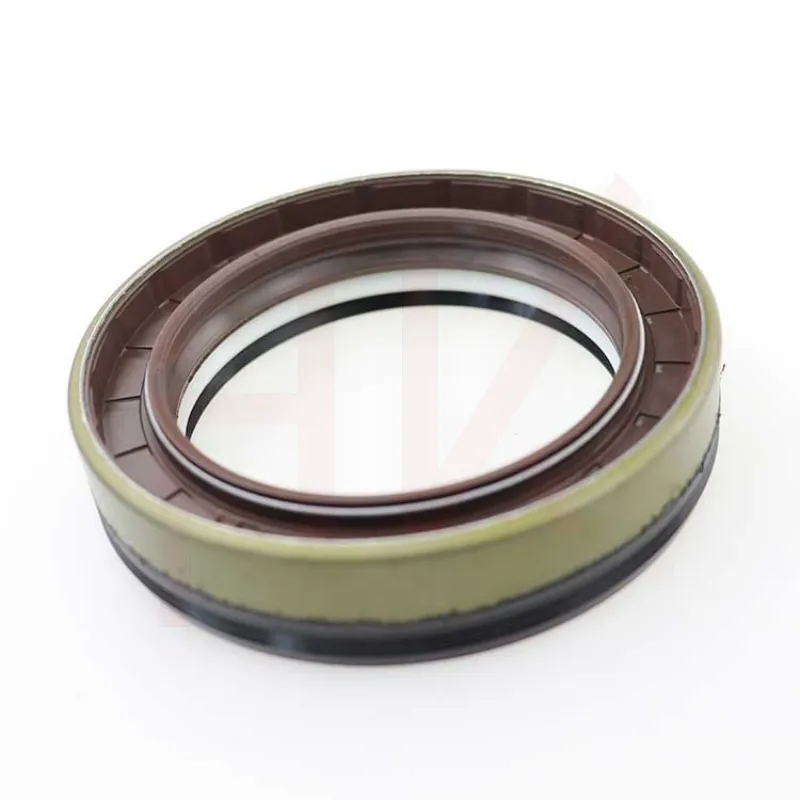
Tractor shaft oil seal 65-90-20 COMBI SF19 hub oil seal
-
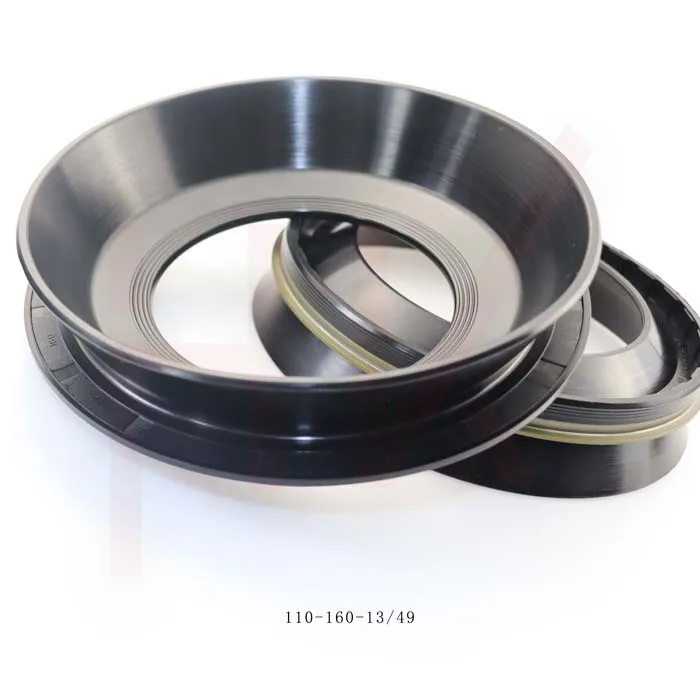
110*160*13/49 NBR reducerConcrete mixer truck oil seal
-
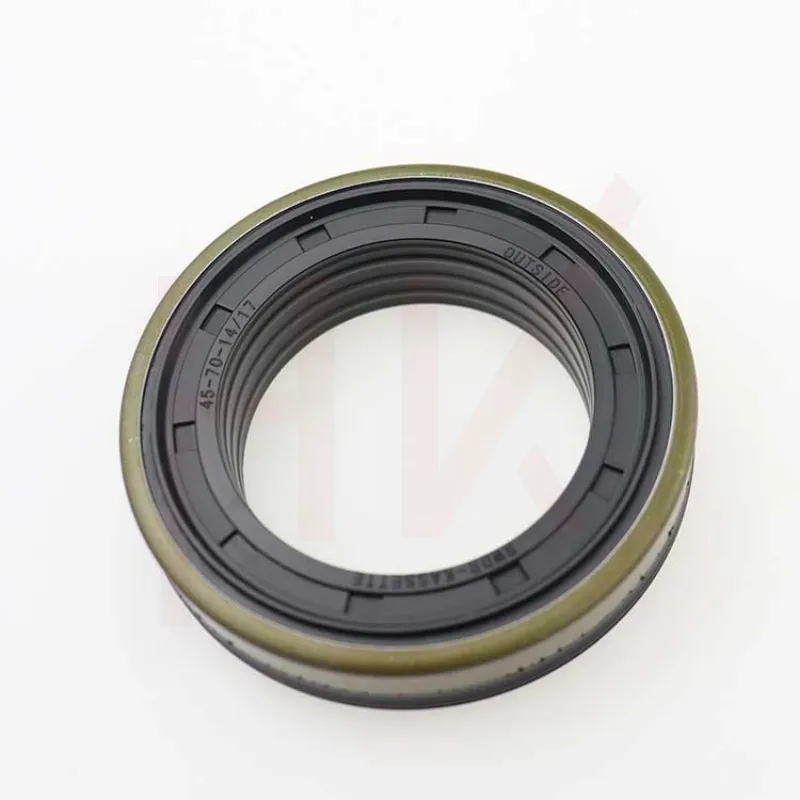
Hub oil seal 40*65*13/14.5 suitable for tractor Cat 12018035b
-
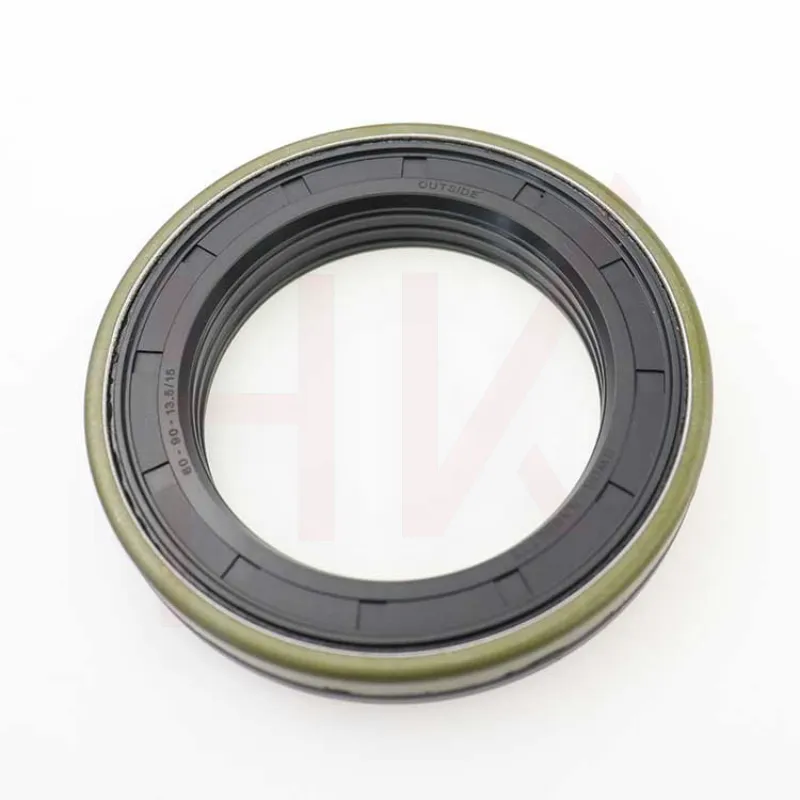
Tractor accessories cassette oil seal hub oil seal 60-90-13.5/15
-
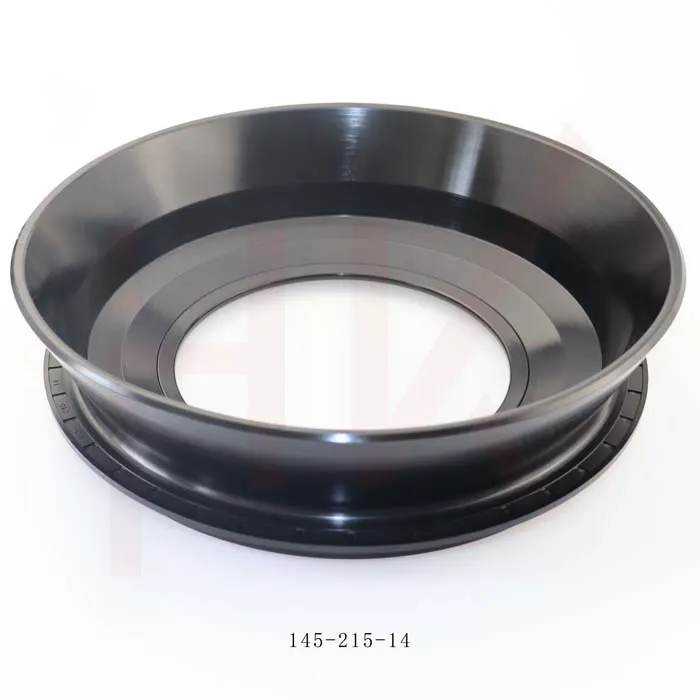
Factory concrete mixer truck oil seal 145*215*14 reducer gearbox oil seal
-
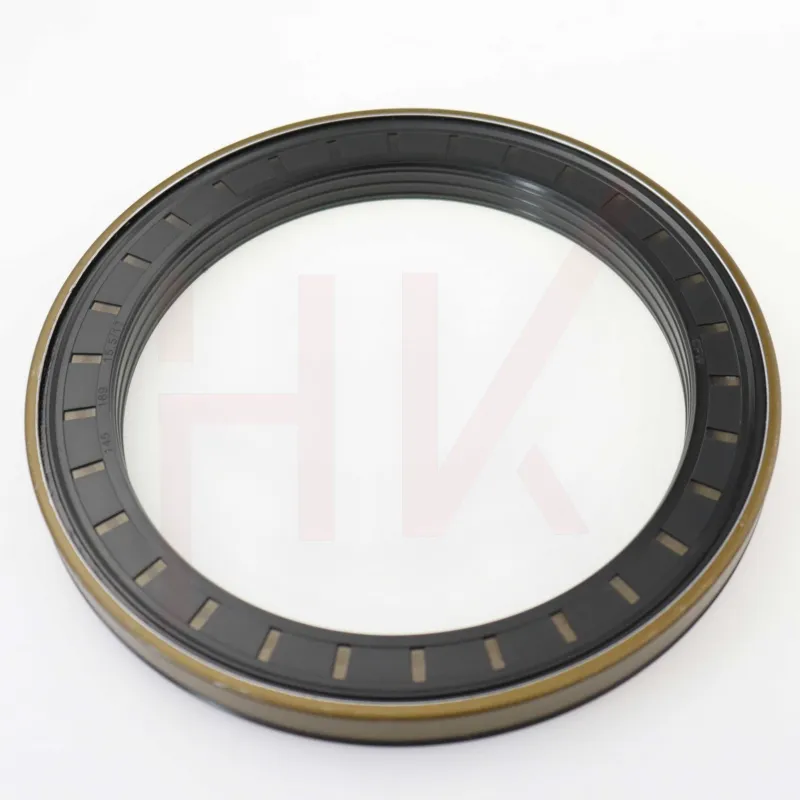
145*189*15.5/17 Cassette Seal NBR Hub Oil Seal 1508044
-
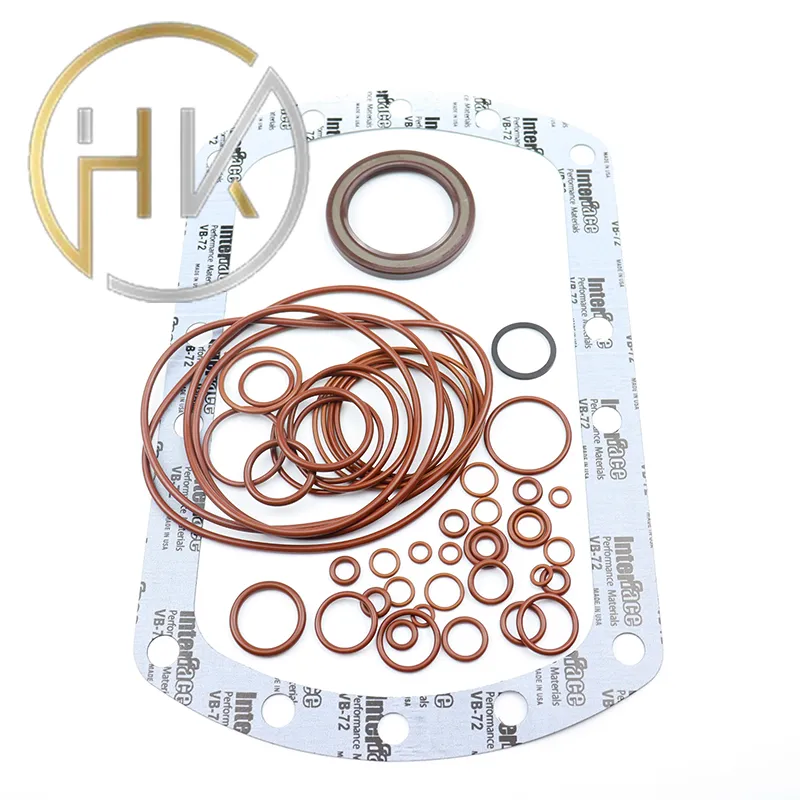
Factory direct sales hydraulic pump motor seal kit A8VO140
-
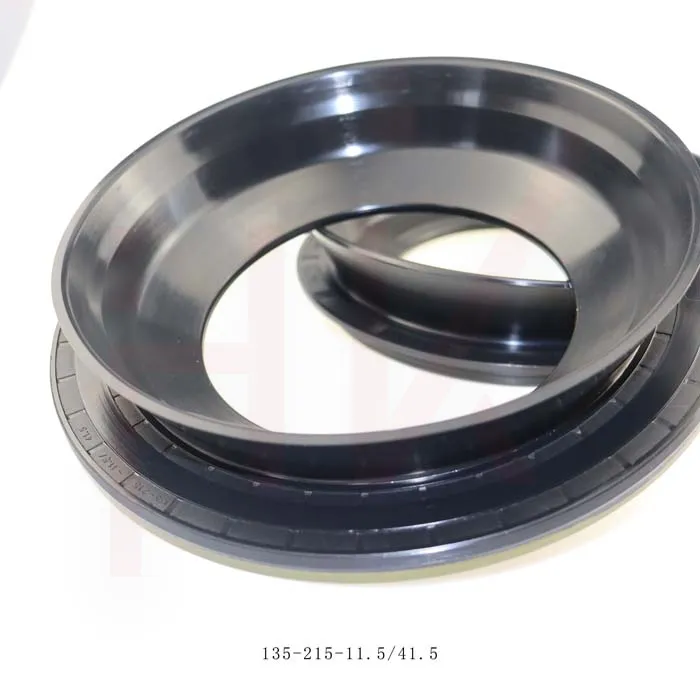
Brand new cement tanker oil seal 135*215*11.5/41.5 concrete mixer oil seal
-
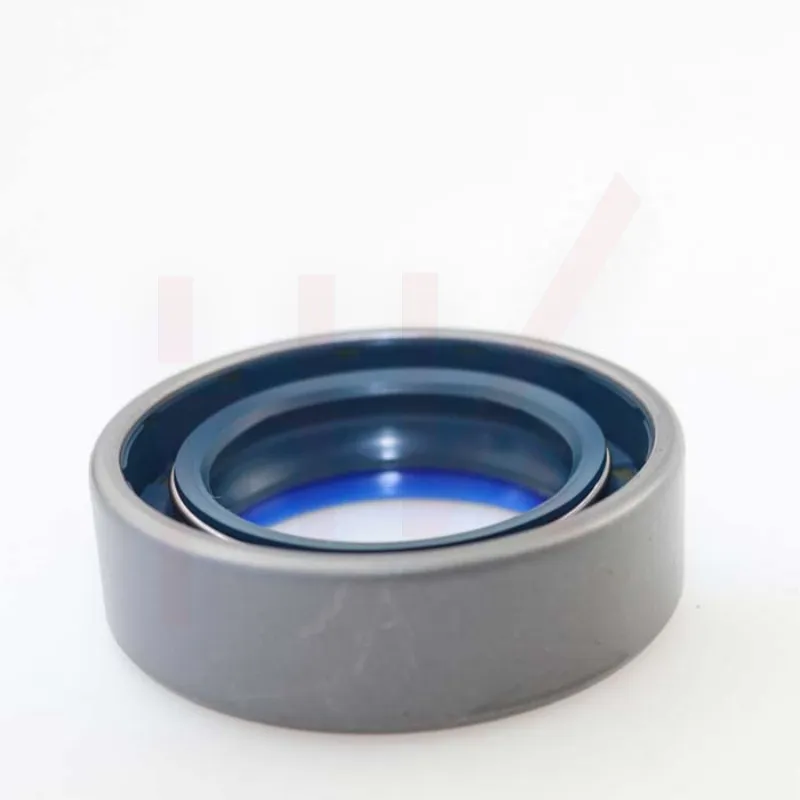
45*65*15 Combi oil seal JCB 90450009 COMBI SF1 SEAL
-
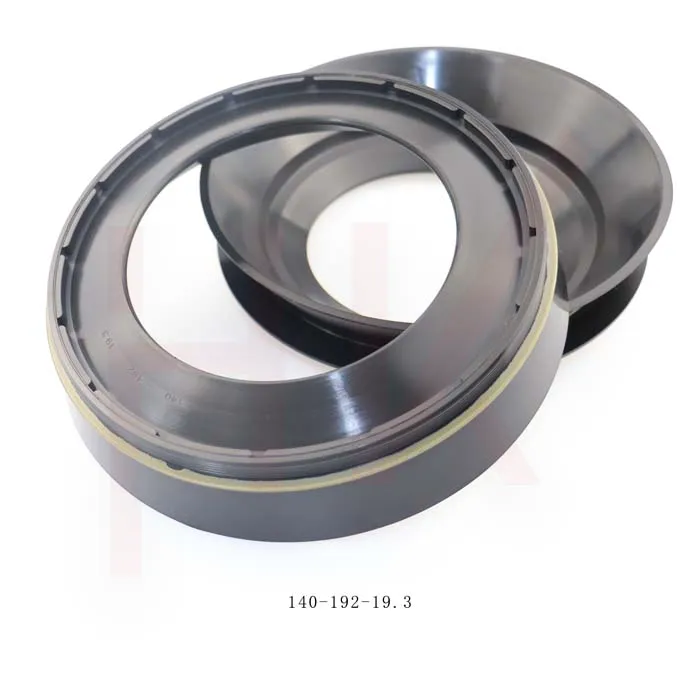
Gear box concrete mixer oil seal 140*192*19.3 nbr reducer oil seal
-
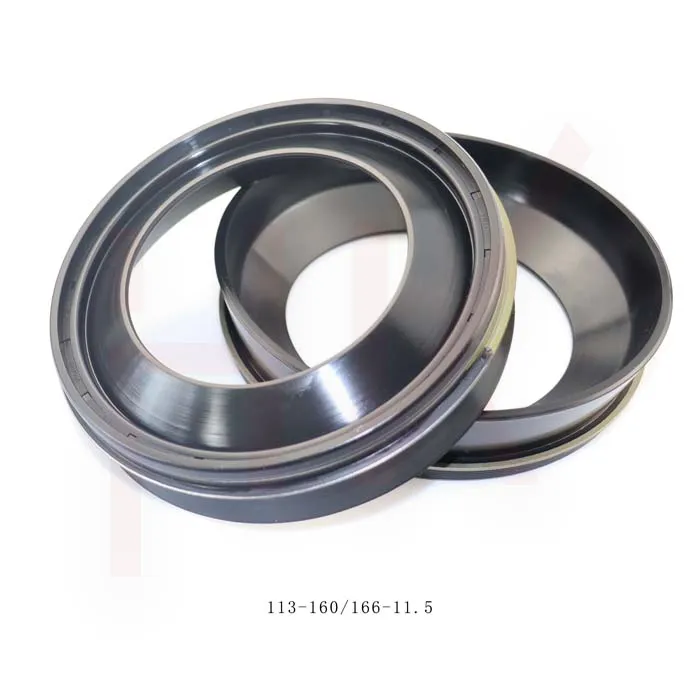
Seals factory direct sales 113*160/166*11.5/38 excavator truck reducer oil seal