
Dec . 02, 2025 02:55 Back to list
Everything You Need to Know About Shaft Oil Seal: Benefits, Applications & Future Trends
Understanding Shaft Oil Seal: The Unsung Hero of Industrial Machinery
In the world of machinery and industrial equipment, the shaft oil seal might not be the flashiest component, but it sure is one of the most critical. You see, it’s the quiet guardian that keeps lubricants in and contaminants out, ensuring smooth operation and extending equipment life. Given global industries’ increasing demand for efficiency and sustainability, understanding how shaft oil seals function and their benefits has never been more important.
Why Shaft Oil Seals Matter Globally
If you think about it, shaft oil seals are everywhere—from the engines in your car, huge factory turbines to farming equipment in rural areas. The United Nations Industrial Development Organization (UNIDO) notes that improving industrial efficiency through better maintenance and equipment longevity is key for economic growth in emerging markets.[1] That’s where shaft oil seals come in. Without them, lubricant leakage can lead to catastrophic failures, increased greenhouse gas emissions, and costly downtime.
Globally, industries lose billions annually due to machinery downtime—much of which could be mitigated thanks to reliable sealing solutions. So, this might sound like a small part, but its role has broad-reaching impacts on sustainability, safety, and operational costs.
What is a Shaft Oil Seal?
Put simply, a shaft oil seal is a mechanical device designed to retain lubricants within the rotating shafts of equipment while keeping dirt, dust, and water out. It’s typically a ring consisting of elastomers (rubber-like materials) and metal reinforcement, sometimes enhanced with springs or fabric for better sealing.
From a humanitarian point of view, think of waterways and energy generation in developing regions—the machines that pump water or generate power rely heavily on these seals. When they work flawlessly, they support uninterrupted services that people depend on every day.
Core Components and Key Factors of Shaft Oil Seals
Durability
The seal must endure harsh environments—extreme temperatures, chemicals, abrasion. For example, NBR rubber is often used for moderate conditions, while fluoroelastomer variants handle higher temps and oils. Longevity reduces replacements and maintenance downtime.
Compatibility
Seals must match the shaft diameter, speed, and type of lubricant to ensure optimal performance. A mismatch leads to leaks or premature wear.
Cost Efficiency
While advanced materials might seem pricier upfront, the total cost of ownership plummets when considering less downtime and fewer repairs.
Ease of Installation
Minimizing installation errors improves reliability. Many modern seals come with features designed for easy alignment and fitment.
Environmental Resistance
Industrial zones with dust and water exposure demand seals resistant to corrosion and debris ingress.
Specification Overview
| Parameter | Common Values | Impact on Performance |
|---|---|---|
| Shaft Diameter | 5mm – 500mm+ | Must fit tightly to prevent leaks |
| Operating Temp | -40°C to 250°C (depending on material) | Higher temps need special elastomers |
| Rotation Speed | Up to 30 m/s surface speed | Sealing lip design critical at high speeds |
| Material Types | NBR, FKM, Silicone, PTFE | Determines chemical & temperature resistance |
Mini takeaway: Understanding these core factors helps select the right seal tailored for your needs, ensuring durability and cost savings...
Global Applications & Use Cases
Shaft oil seals find essential use in numerous sectors:
- Automotive Industry: From passenger cars to heavy-duty trucks, seals maintain engine and transmission reliability.
- Agriculture: Farm machinery operates in dusty, wet conditions where seals prevent contamination and loss of lubricant.
- Energy Sector: Wind turbines, hydropower plants, and oil rigs rely on robust sealing to avoid downtime under extreme conditions.
- Disaster Relief Logistics: In post-disaster areas, reliable water pumps and generators equipped with high-quality shaft oil seals assure continuous service.
Asia-Pacific and Europe lead in the adoption of advanced sealing materials due to large manufacturing bases and demanding environmental standards. Meanwhile, emerging economies focus on affordable, easy-to-replace leaks solutions.
Vendor Comparison of Typical Shaft Oil Seals
| Vendor | Material Options | Price Range (USD) | Typical Applications | Warranty |
|---|---|---|---|---|
| SealTech Inc. | NBR, FKM | $5 - $30 per piece | Industrial Pumps, Gearboxes | 1 year |
| DynHeat Seals | FKM, PTFE | $10 - $50 | High-temp Engines, Automotive | 2 years |
| EcoSeal Solutions | Silicone, Recycled Elastomers | $7 - $35 | Agriculture, Renewable Energy | 1.5 years |
Advantages & Long-Term Value of Shaft Oil Seals
Reliability is the catchword here. A high-quality shaft oil seal ensures:
- Reduced Downtime: Less maintenance equals higher productivity.
- Cost Savings: Fewer replacements and lower oil consumption save money.
- Environmental Benefits: Minimizing leaks reduces contamination and waste.
- Safety: Preventing oil leaks reduces fire hazards in industrial settings and ensures worker safety.
- Dignity & Trust: In humanitarian or remote contexts, functioning machinery means reliable water, power, or transport—people count on it.
In real terms, investing in good seals builds trust between manufacturers, operators, and end-users. It’s a quiet form of innovation that prevents crises.
Future Trends & Innovations
There’s a lot happening in the sealing world. Green energy and digital monitoring are changing the game:
- Advanced Materials: Bio-based elastomers and nanocoatings promise longer life with less environmental impact.
- Smart Seals: Embedded sensors are popping up, allowing real-time detection of leaks or wear to pre-empt failures.
- Sustainability: Recyclable and low-emission manufacturing processes are getting adopted industry-wide.
- Automation Compatibility: As factories embrace Industry 4.0, seals designed for automated maintenance and monitoring will be invaluable.
Challenges & Practical Solutions
Of course, challenges persist. For example:
- Material Fatigue: Extreme conditions still wear out seals prematurely.
- Installation Errors: Improper fitting can quickly ruin a good seal.
- Cost Constraints: Budget limits in developing regions sometimes push for less durable options.
Innovative solutions include modular seal designs for easier replacement, better training for technicians, and tiered products suited for different environments and budgets. Research collaboration between manufacturers and users remains key.
FAQ: Frequently Asked Questions About Shaft Oil Seal
- How long do typical shaft oil seals last under normal conditions?
- Under average operating environments, shaft oil seals can last between 3 to 5 years. However, lifespan varies with conditions like temperature, speed, and contaminant exposure.
- Can I use one type of seal for different shaft sizes?
- It’s best to select seals specifically sized for your shafts. Using a generic seal often results in leaks or damage due to improper fit.
- Are shaft oil seals environmentally friendly?
- Modern seals increasingly use bio-based and recyclable materials. Plus, their role in preventing oil leaks contributes significantly to reducing environmental contamination.
- What maintenance is required for shaft oil seals?
- Periodic inspection for wear or leakage is advised. Proper lubrication and avoiding shaft misalignment can significantly lengthen seal life.
- How do I choose the right shaft oil seal supplier?
- Look for vendors offering quality certifications, a range of materials, good warranty terms, and responsive technical support. Consider feedback from current clients as well.
Final Thoughts
The humble shaft oil seal might not steal the spotlight, but it plays a vital role in keeping industries moving smoothly and sustainably. When you consider the long-term cost savings, environmental benefits, and safety it provides, the value becomes crystal clear. If you’re looking to optimize your machinery’s performance, understanding and investing in the right shaft sealing solutions is no longer optional—it’s essential.
Interested in learning more? Visit HKAiSeal’s website for a comprehensive product range and expert advice.
References
- United Nations Industrial Development Organization (UNIDO)
- Oil Seal - Wikipedia
- ISO Standards for Mechanical Seals
In short: shaft oil seals quietly safeguard our machinery and environment. It's the small things that keep big machines turning.
-
Guide to Choosing the Right High Quality hydraulic ram kit
NewsApr.16,2026
-
Premium Hydraulic Cylinder Packing Kits for Peak Performance
NewsApr.09,2026
-
Comprehensive Guide to Hydraulic Cylinder Oil Seal Kits for Optimal Performance
NewsApr.07,2026
-
Comprehensive Guide to Choosing the Right Cylinder Seal Kits for Peak Performance
NewsApr.04,2026
-
Comprehensive Guide to Seal Kits for Cylinders Ensuring Optimal Performance
NewsMar.31,2026
-
Comprehensive Guide to Hyd Cylinder Seals for Optimal Hydraulic System Performance
NewsMar.28,2026
-
Comprehensive Guide to Hyd Cylinder Seal Kit Selection and Installation
NewsMar.26,2026
Products categories
-
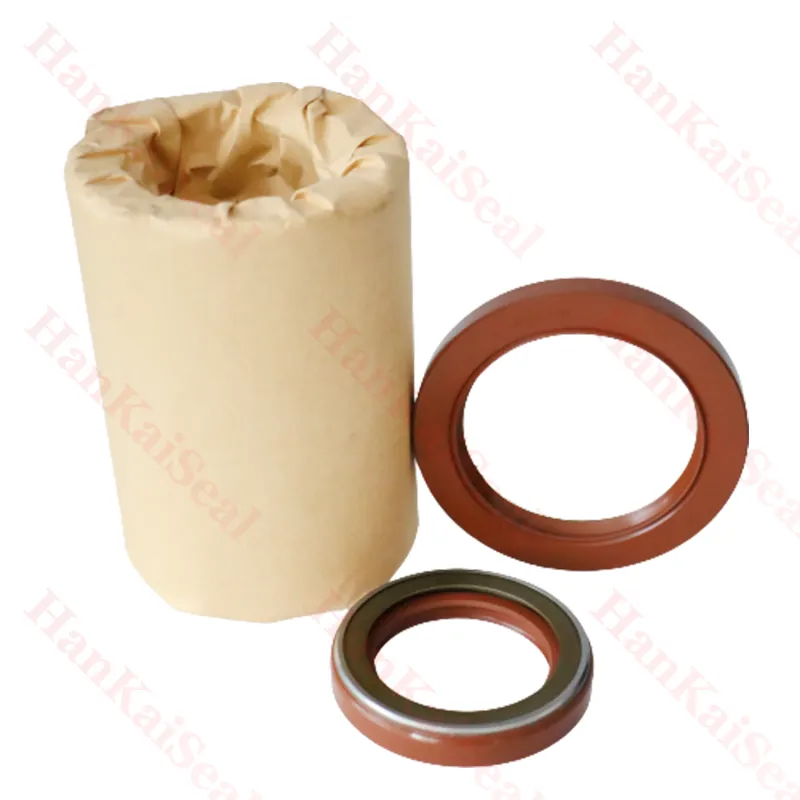
Standard oil seal BP0494 High pressure TCN oil seal
-
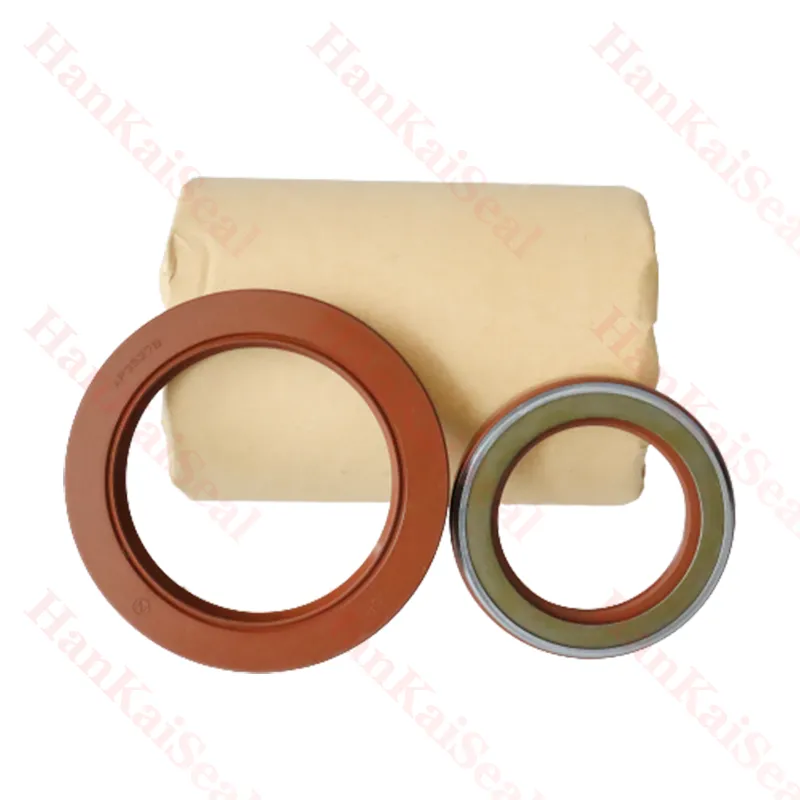
Hydraulic pump seal AP4624G high pressure TCN oil seal
-
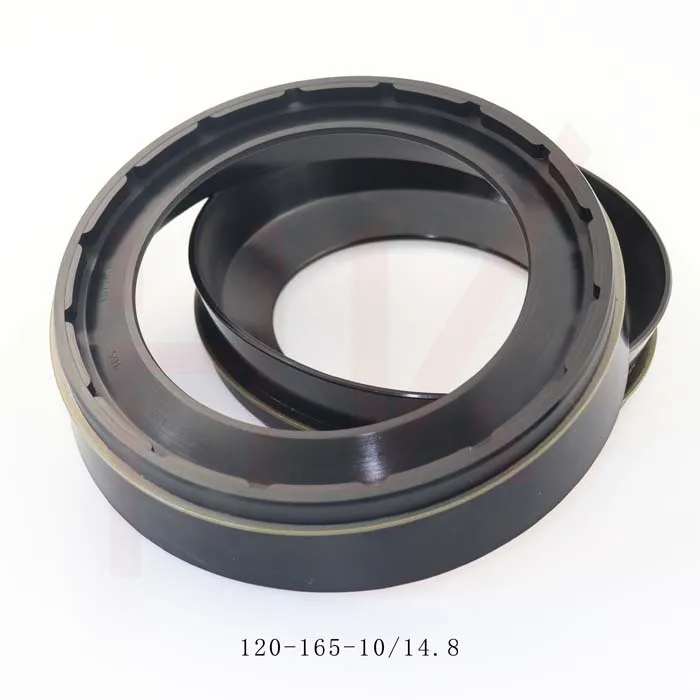
0734307418 0750112169 120*165*10/14.8 concrete mixer reducer oil seal
-
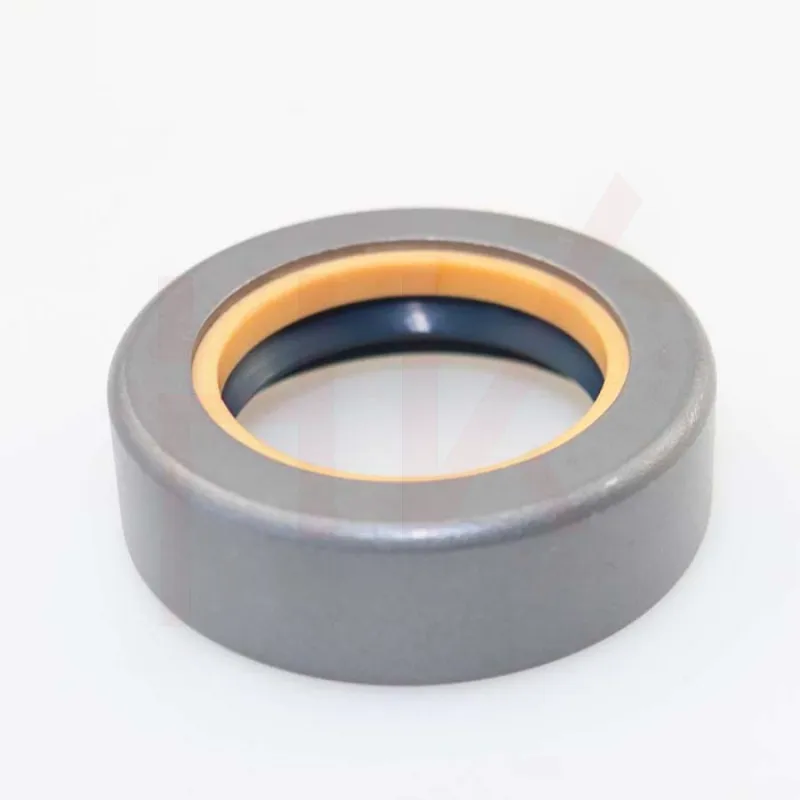
35*52*16 Standard Wheel Hub Oil Seal For Agricultural Machinery
-
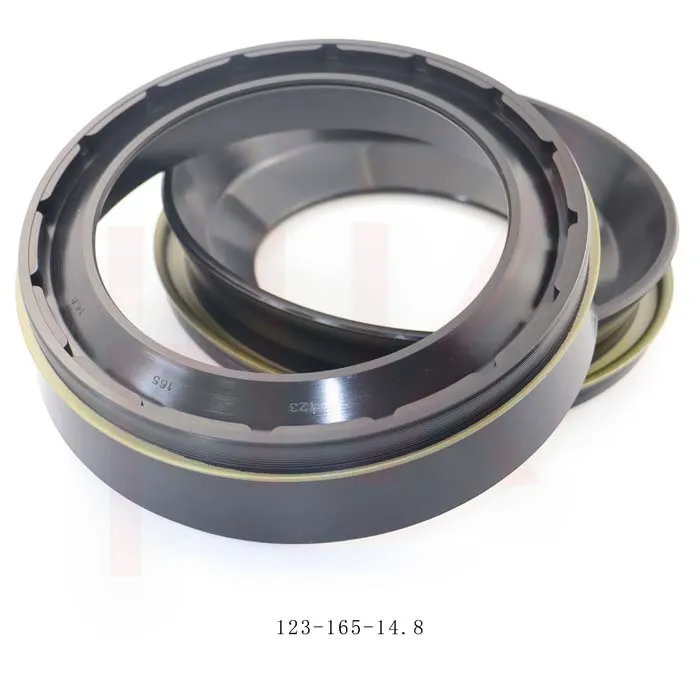
123*165*14.8 concrete mixer truck reducer oil seal
-
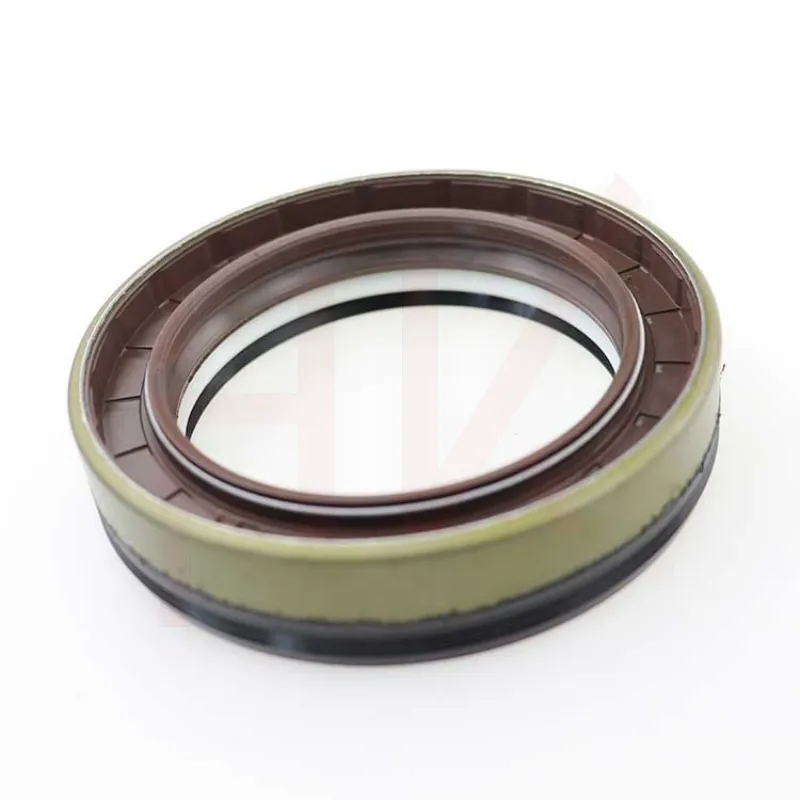
Tractor shaft oil seal 65-90-20 COMBI SF19 hub oil seal
-
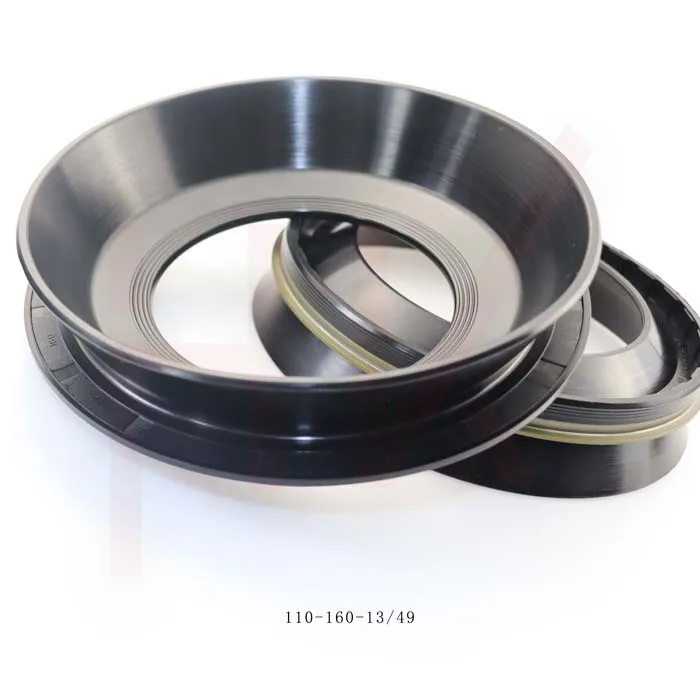
110*160*13/49 NBR reducerConcrete mixer truck oil seal
-
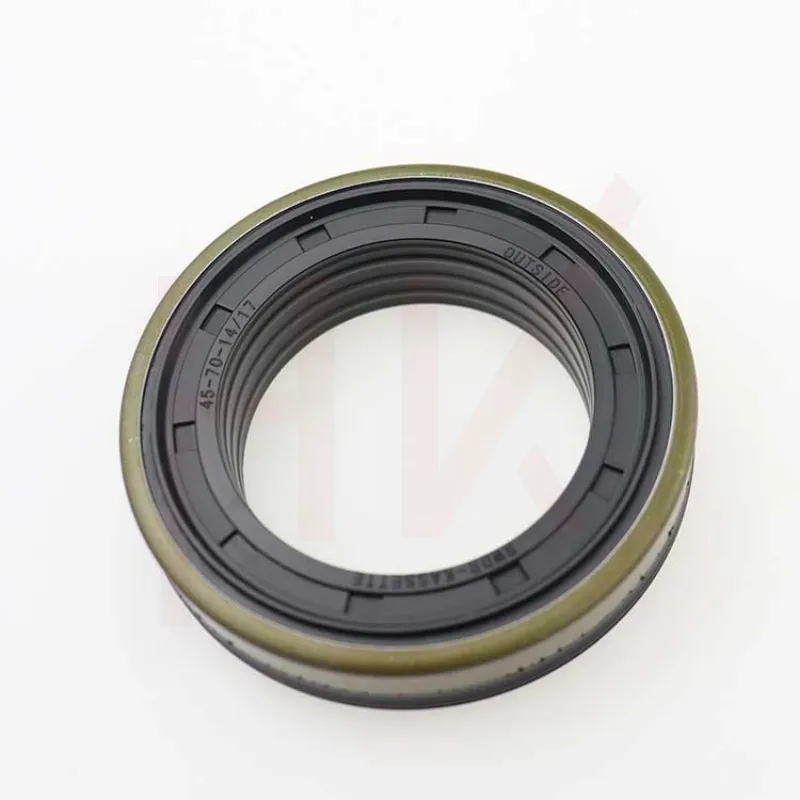
Hub oil seal 40*65*13/14.5 suitable for tractor Cat 12018035b
-
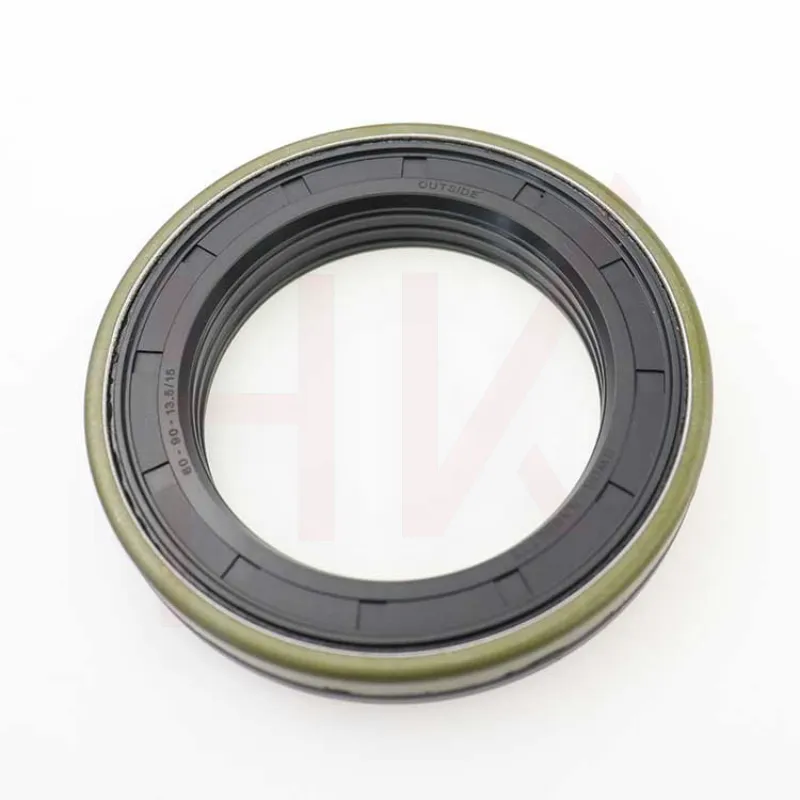
Tractor accessories cassette oil seal hub oil seal 60-90-13.5/15
-
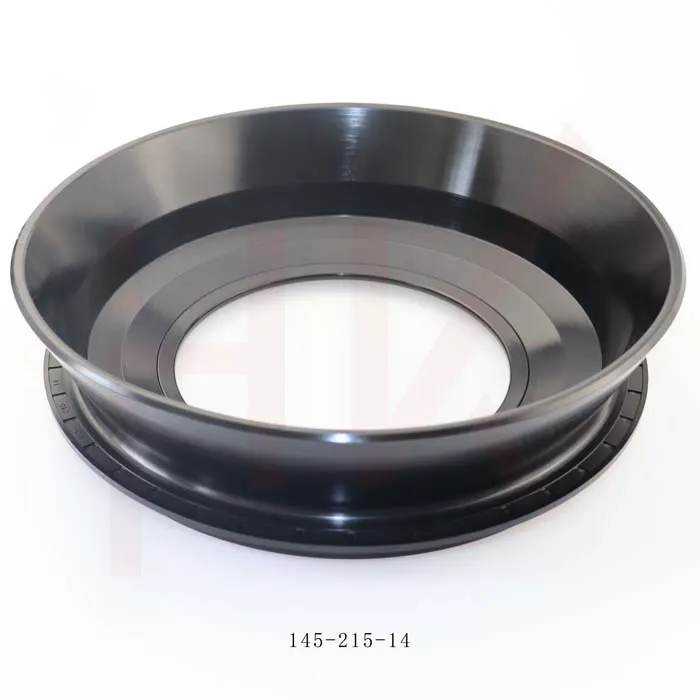
Factory concrete mixer truck oil seal 145*215*14 reducer gearbox oil seal
-

145*189*15.5/17 Cassette Seal NBR Hub Oil Seal 1508044
-
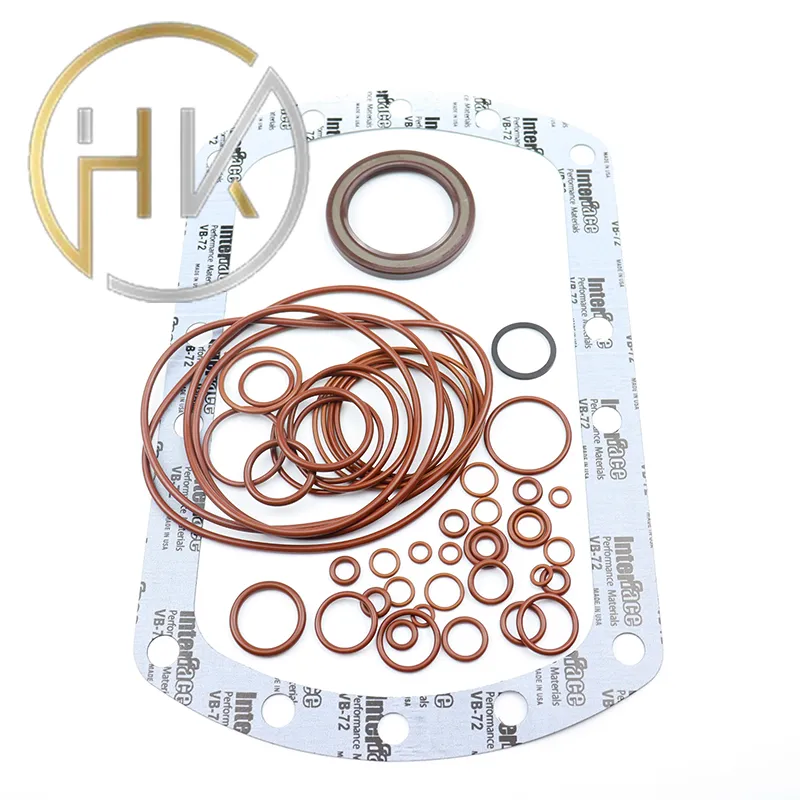
Factory direct sales hydraulic pump motor seal kit A8VO140
-
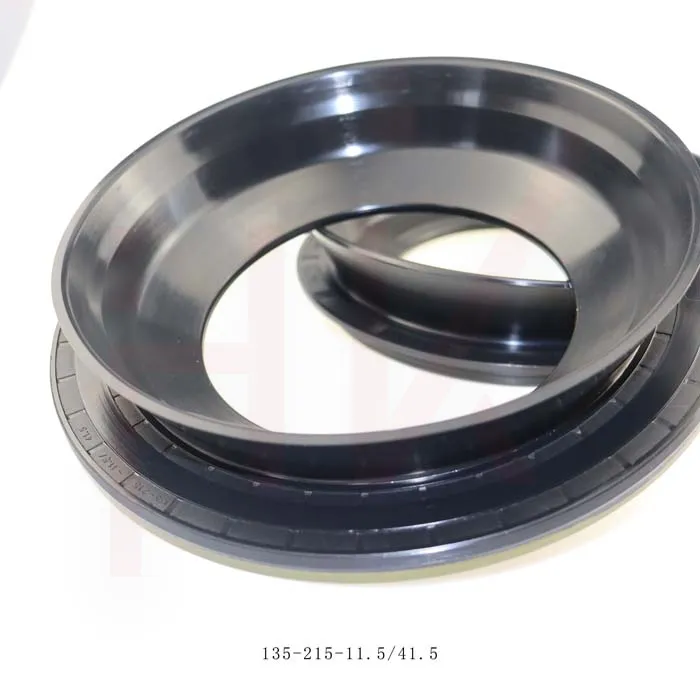
Brand new cement tanker oil seal 135*215*11.5/41.5 concrete mixer oil seal
-
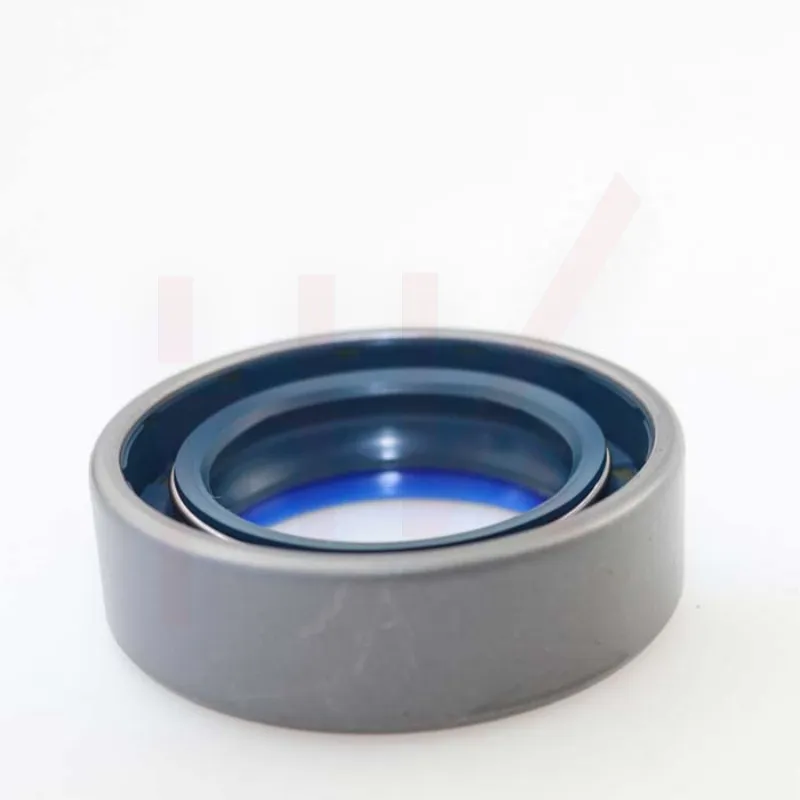
45*65*15 Combi oil seal JCB 90450009 COMBI SF1 SEAL
-
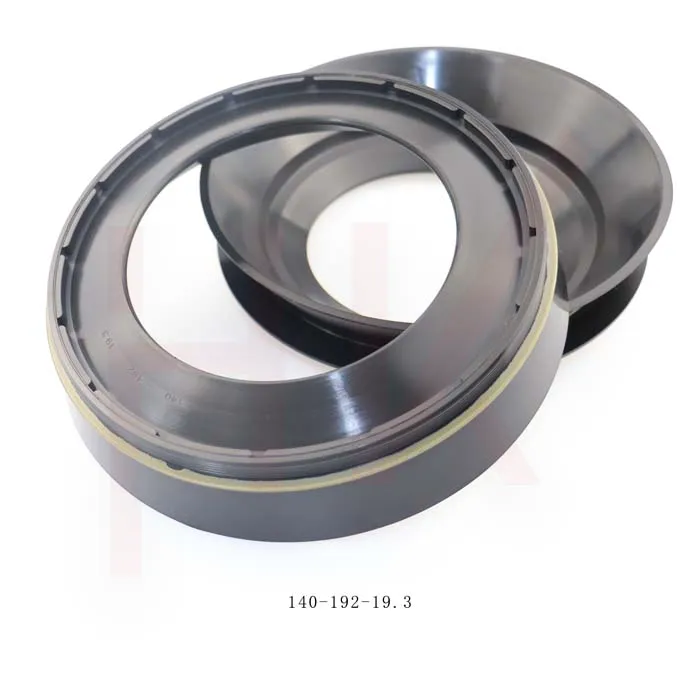
Gear box concrete mixer oil seal 140*192*19.3 nbr reducer oil seal
-
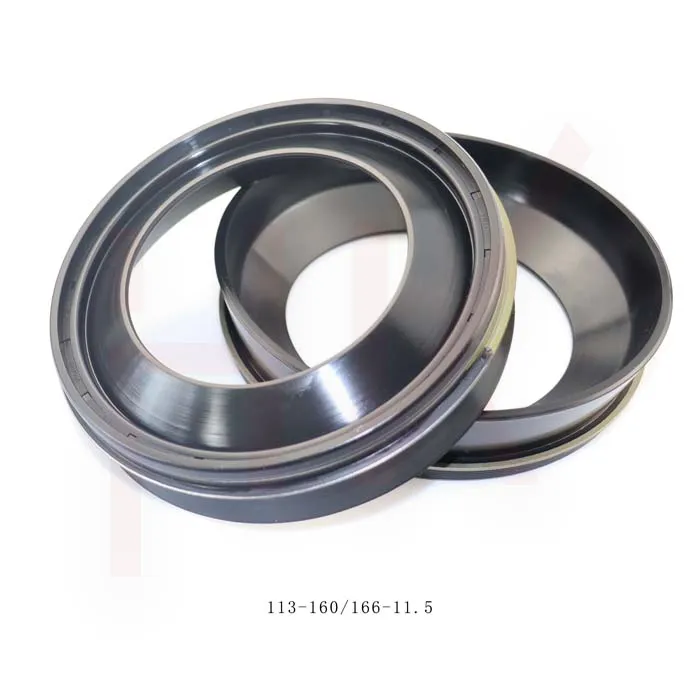
Seals factory direct sales 113*160/166*11.5/38 excavator truck reducer oil seal