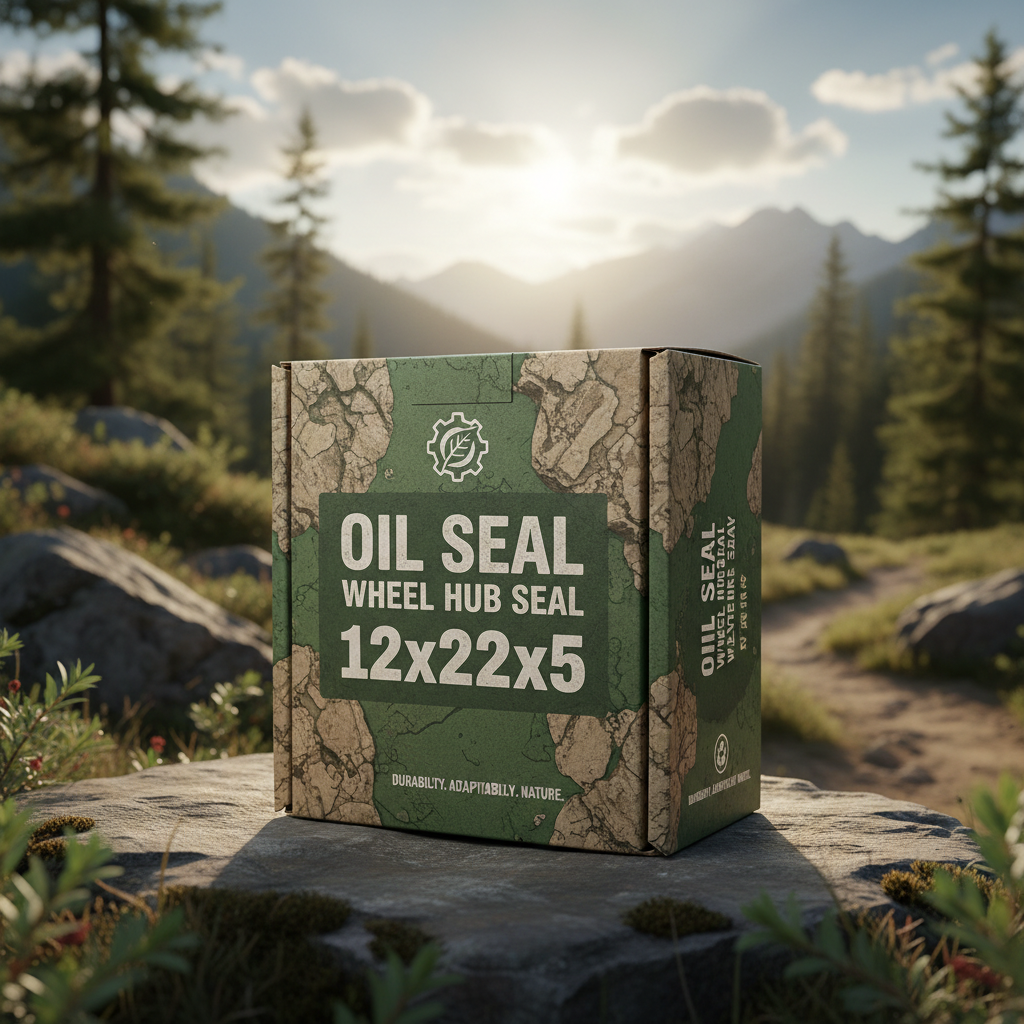
Maintaining hydraulic system integrity often comes down to a few millimeters of rubber and metal. For procurement managers and maintenance engineers, finding reliable hydraulic cylinder seal kits suppliers is not just about purchasing a part, but about preventing catastrophic downtime in heavy machinery.
The challenge lies in the diversity of operating environments—from the abrasive dust of construction sites to the high-pressure demands of mining equipment. A mismatch in material grade or precision sizing can lead to rapid seal failure, fluid leaks, and costly system overhauls.
This guide evaluates the critical criteria for selecting seal kit suppliers, analyzing the technical trade-offs between different rubber compounds, and providing a framework for ensuring long-term seal performance in industrial applications.

Evaluating the Role of Specialized Seal Kit Suppliers

In the rubber and plastic products industry, the distinction between a general parts distributor and a specialized manufacturer is profound. Specialized suppliers integrate material science with precise machining to produce seal kits that withstand extreme pressures and chemical exposure.
For those managing engineering machines or mining equipment, the supplier's ability to provide customized sizing is vital. Standard seals often fail to account for the specific tolerances of aged cylinders or bespoke machinery, making customized options a necessity rather than a luxury.
Hebei Hankai Machinery Equipment Co., Ltd. operates within this specialized niche, leveraging ISO9001 quality standards to ensure that seals used in oilfield equipment and automobiles meet stringent global requirements for leak prevention and durability.
Critical Technical Specifications for High-Performance Sealing
The effectiveness of a hydraulic seal is determined by its material composition and structural design. For instance, the DKB Wiper Oil Seal utilizes a rubber base with a reinforcing metal ring to ensure the outside static sealing of the wiper seal within the housing is maintained.
Material selection is the first line of defense. While standard rubber is sufficient for low-pressure environments, high-pressure oil seals require specialized compounds that resist extrusion under load. The inclusion of metal reinforcements helps maintain the seal's shape under extreme hydraulic force.
Furthermore, the "dust-proof" feature of wiper seals is critical. By preventing moisture and micro-particles from entering the cylinder, these components protect the internal piston seals and the hydraulic fluid from contamination, thereby extending the overall life of the equipment.
Application Dynamics in Heavy Industrial Environments
Different industrial sectors impose unique stresses on hydraulic seals. In concrete mixer applications, seals face constant exposure to alkaline cement dust and abrasive grit, necessitating highly resilient Concrete Mixer Seals that can scrape debris effectively.
Mining and oilfield equipment operate in environments where temperature fluctuations are extreme. Seals in these sectors must maintain flexibility in freezing conditions while resisting thermal degradation during peak operation. The ability of a supplier to offer a vast catalog—such as the 10,000+ varieties managed by Hankai—allows for precise matching to these environmental variables.
Automotive and wheel hub applications, on the other hand, focus more on rotational stability and leak prevention over long durations. The precision of the seal's outer diameter is paramount here to avoid vibration-induced wear, highlighting the need for advanced producing equipment and precise instruments during manufacturing.
Analyzing Seal Reliability and Wear Benchmarks
Measuring the performance of seal kits involves tracking the rate of fluid loss and the duration of seal integrity under load. Industry benchmarks typically focus on "Mean Time Between Failures" (MTBF), which varies significantly based on the quality of the rubber compound used.
When comparing generic seals to high-precision kits, the difference is most evident in high-pressure cycles. High-quality seals exhibit lower extrusion rates and better recovery after deformation, leading to a marked increase in the operational lifespan of the hydraulic cylinder.
hydraulic cylinder seal kits suppliers Performance Metrics
The data suggests that precision-engineered seals significantly outperform generic alternatives in terms of pressure retention and contaminant exclusion, particularly in the 200-bar to 400-bar pressure range common in heavy machinery.
Strategic Procurement and Supplier Quality Audit
Procuring seal kits requires a shift from a "lowest cost" mindset to a "total cost of ownership" (TCO) approach. A cheap seal that fails every three months is significantly more expensive than a premium seal that lasts a year, when considering the cost of hydraulic fluid and machine downtime.
When auditing a supplier, buyers should verify ISO certifications and the availability of custom sizing. For instance, a supplier providing a comprehensive size catalog—ranging from 14x22x4.5mm to 210x235x12/17mm—demonstrates a capacity for broad application and technical versatility.
Moreover, ensure the supplier has a proven track record in international markets. Export experience to Europe and North America typically indicates that the manufacturer adheres to stringent quality control standards required by those regions' industrial regulations.
Evolution of Rubber Compounds in Hydraulic Sealing
The materials used in seal manufacturing are evolving toward higher chemical resistance and lower friction coefficients. Modern rubber compounds are being engineered to reduce "stiction," the initial force required to move a cylinder, which improves the precision of hydraulic movements.
Future developments are likely to integrate nano-composite additives into the rubber matrix, potentially increasing tear resistance and extending the operational temperature range. This could allow machinery to operate in more extreme climates without the need for frequent seal replacements.
As automation increases in mining and construction, the demand for seals with higher longevity is expected to grow. Suppliers who invest in advanced producing equipment will be better positioned to deliver the tighter tolerances and superior material consistency required by these next-generation systems.
Decision Matrix for Hydraulic Seal Kit Selection
Selecting the correct seal kit requires balancing the operating pressure, the environmental contaminants, and the required service interval. Using a generic kit in a high-stress environment is a common cause of premature system failure.
The following matrix provides a framework for matching seal types to specific industrial conditions to optimize performance and longevity.
| Operating Environment | Recommended Seal Type | Key Material Focus | Primary Performance Goal |
|---|---|---|---|
| High-Abrasive Dust | Wiper/Dust Oil Seal | Reinforced Rubber | Contaminant Exclusion |
| Extreme High Pressure | High Pressure Oil Seal | Low-Extrusion Polymer | Pressure Retention |
| Concrete Mixing | Concrete Mixer Seal | Wear-Resistant Elastomer | Abrasion Resistance |
| General Machinery | Standard Hydraulic Kit | NBR/Polyurethane | Cost-Effective Sealing |
| Rotational Hubs | Wheel Hub Oil Seal | Precision-Fit Rubber | Leakage Prevention |
| Heavy Mining | Customized Seal Kit | High-Tear Strength Comp | Maximized Service Life |
By aligning the seal specification with the actual operational stress, companies can reduce maintenance frequency and improve the overall reliability of their hydraulic fleets. For detailed specifications, professional users can explore the options available at www.hkaiseal.com.
Frequently Asked Questions
Conclusion
Selecting the right hydraulic cylinder seal kits suppliers is a strategic decision that directly impacts the uptime and efficiency of industrial machinery. By focusing on material science, precision dimensions, and supplier certifications, companies can transition from reactive repairs to proactive system management.
For those seeking high-quality rubber seals tailored to engineering, mining, or automotive applications, reviewing the technical capabilities and product range at www.hkaiseal.com provides a reliable starting point for ensuring long-term hydraulic integrity.